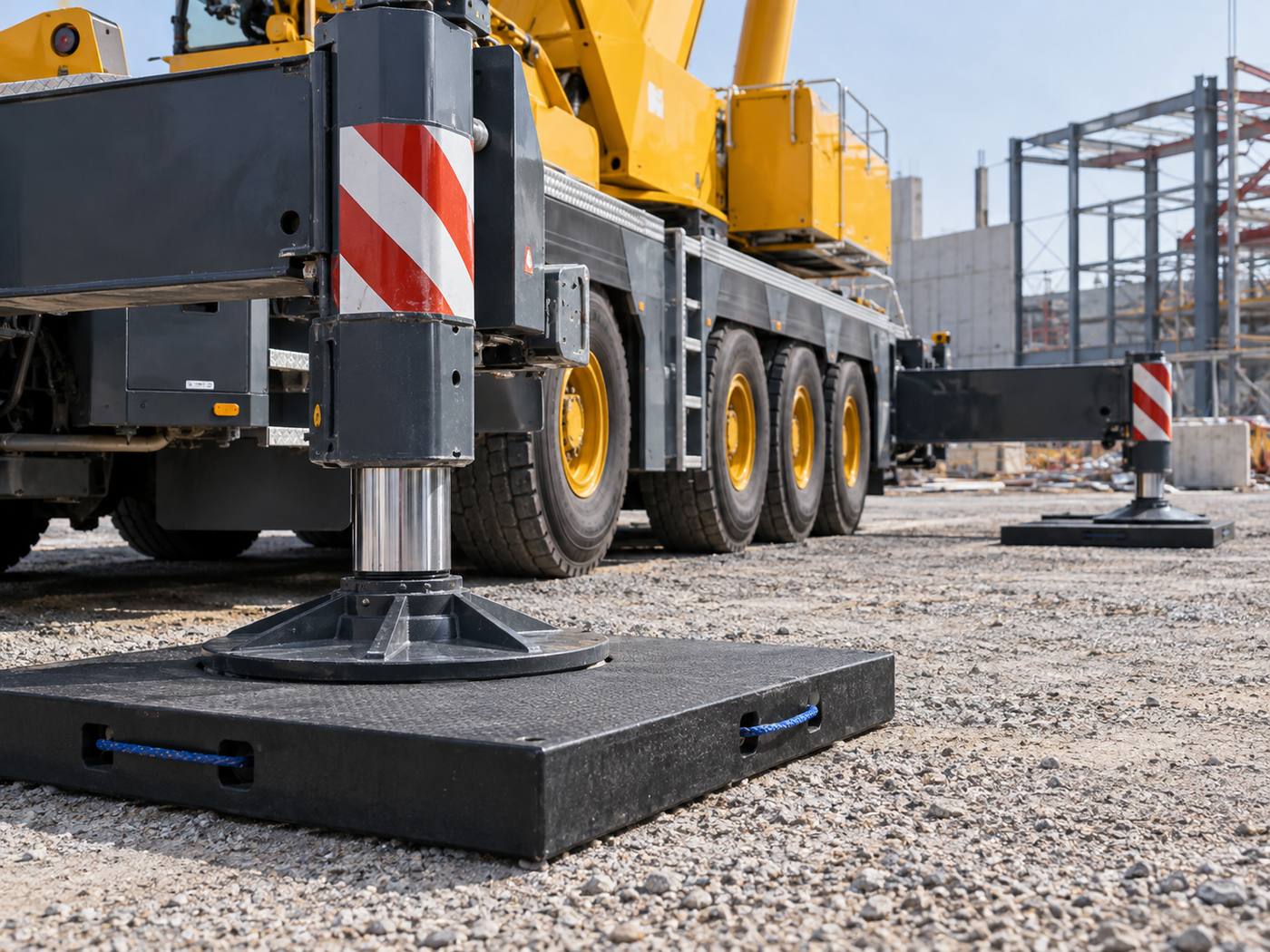
Crane Outrigger Pads
The Jiachuang Plastics-Product Manual presents Crane Outrigger Pads--------------------------------------------------------------------------------------------------------------------------------------------------------------------------------------------------------------------------------------------------
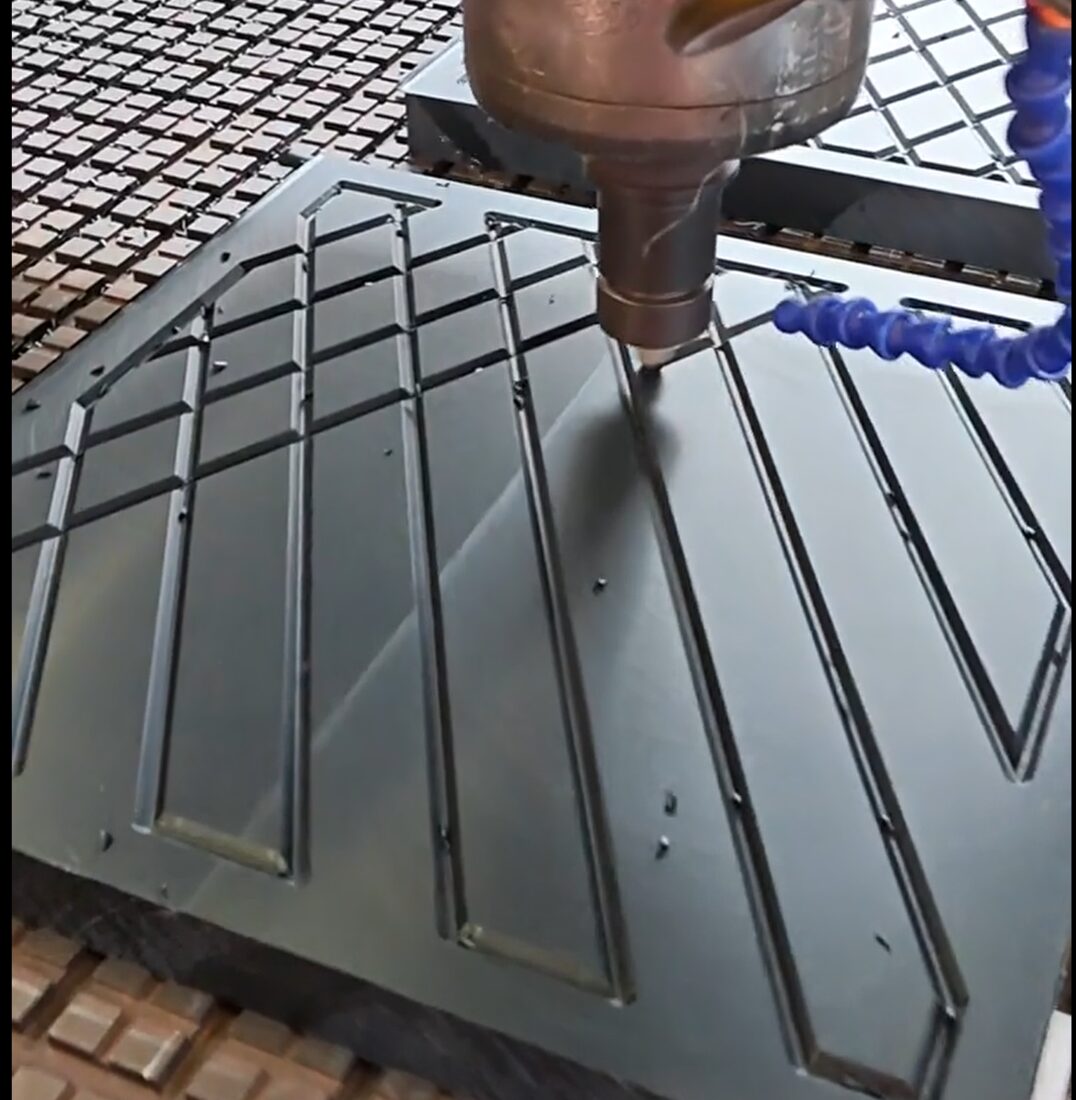
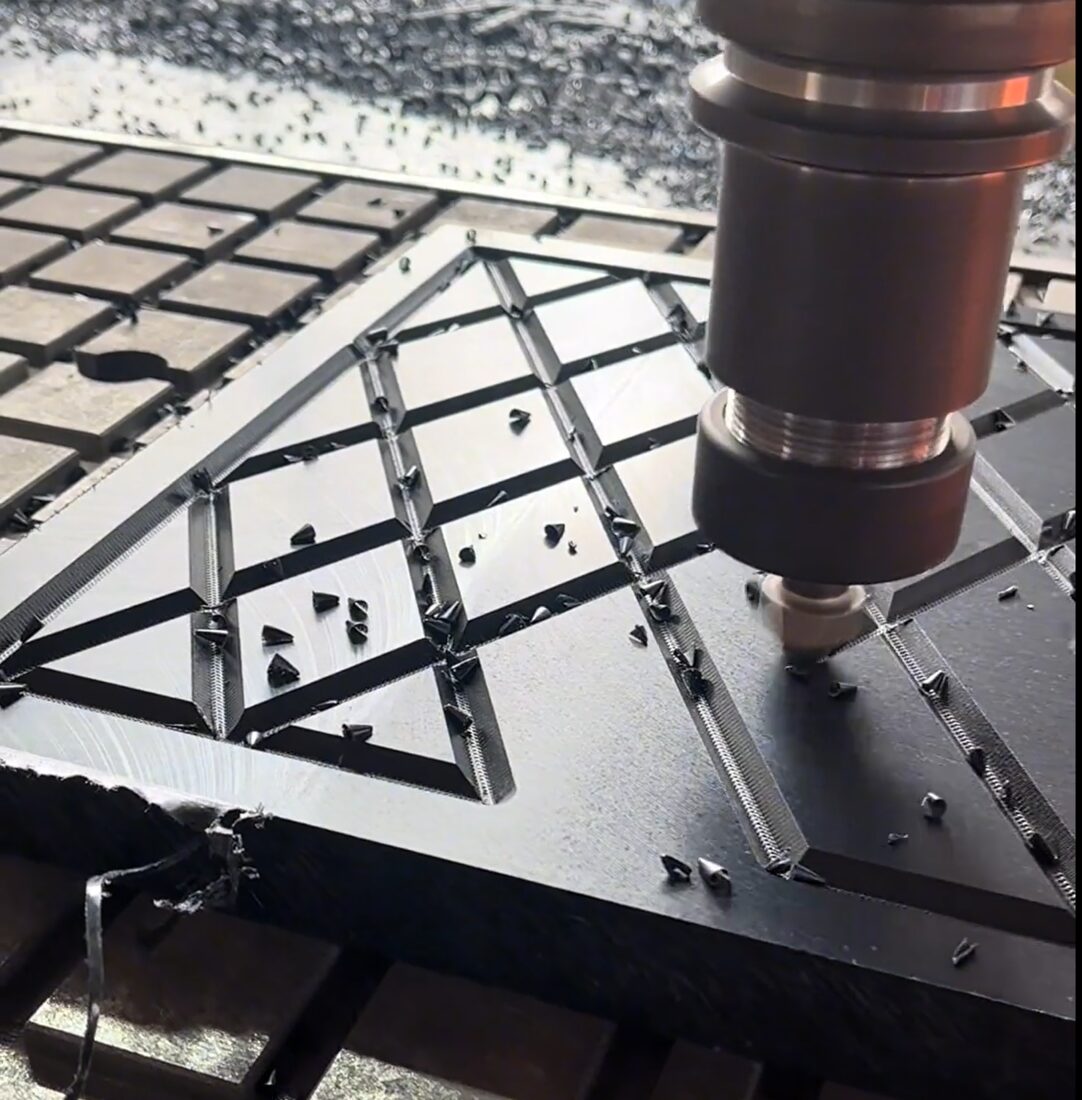
Crane Outrigger Pads Processing and Inspection
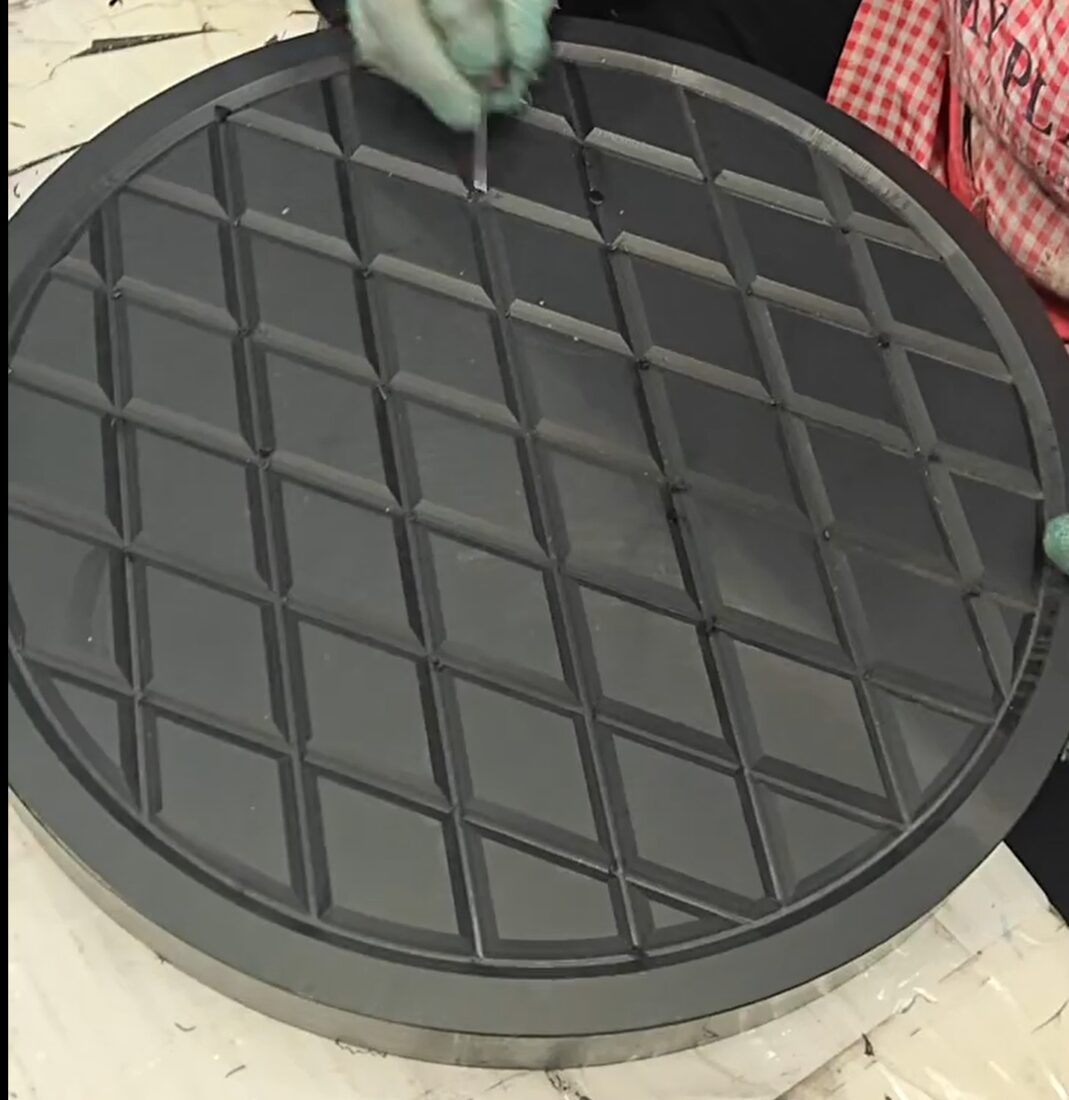
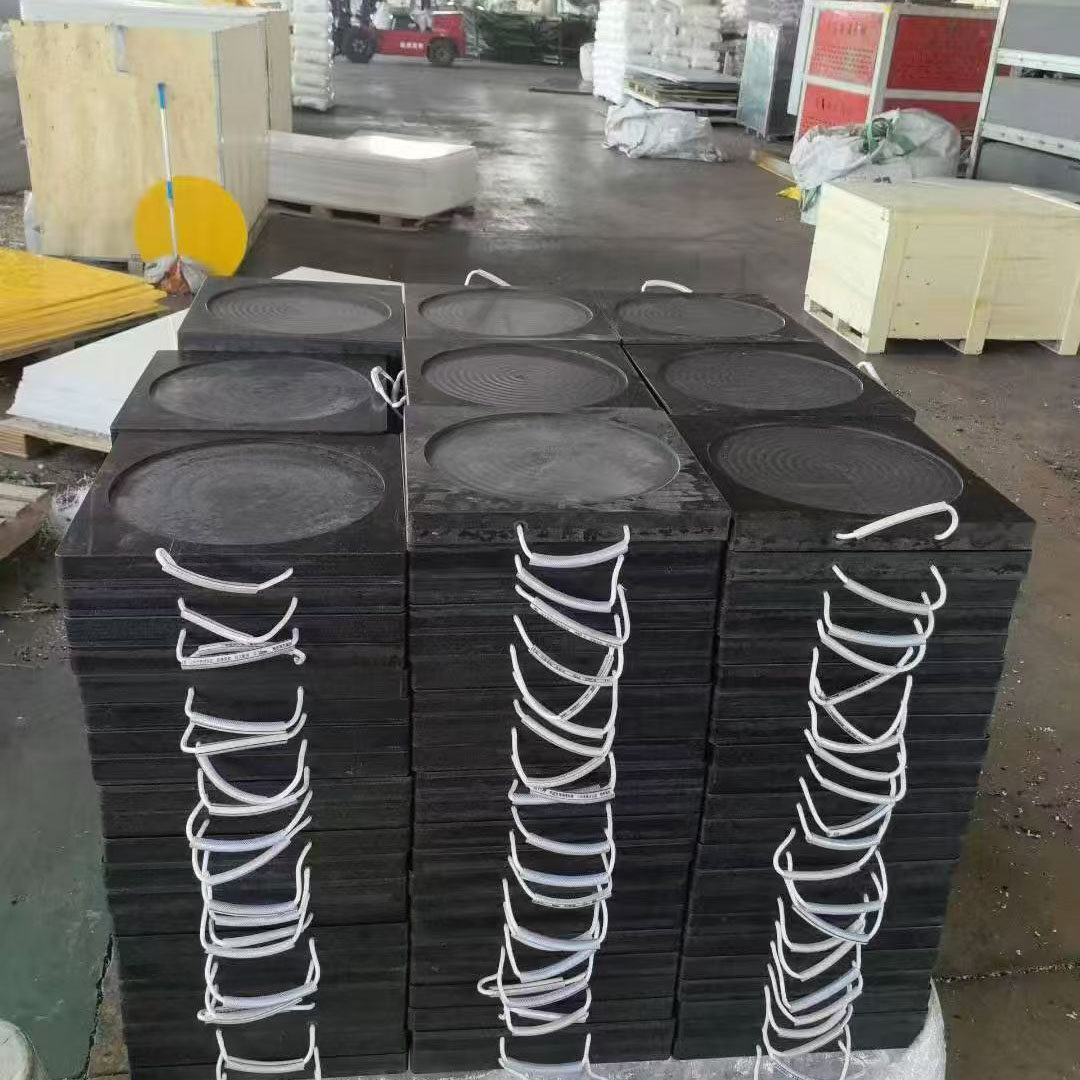
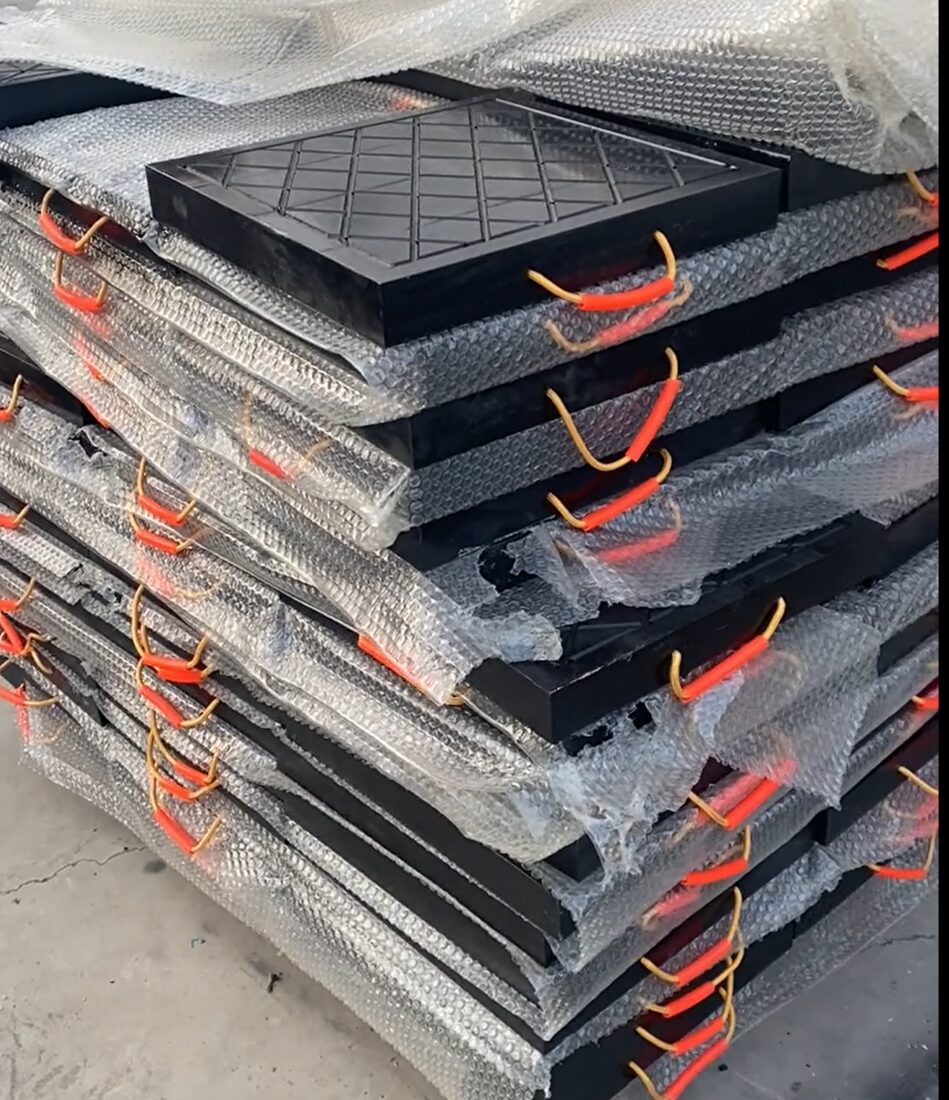
CNC processes, surface structural checks, attachment configurations and packagings showing circles, squares—Outrigger Pads.
What operational issues are the main problems addressed?
The core of Outrigger Pads is not a “pastboard” but an increase in the area of effective support based on equipment and ground conditions.
The floor area of the sublegs of the equipment is fixed, and a larger area of support exposure is required under partial ground conditions to disperse local pressure.
The support conditions for rubble, hard soil, unscrutinized sites and other operational ground are different and require a combination of field-based selection.
The product manual emphasizes that engineering plastics Outrigger Pads is not easily debris-producing, decomposed or water-absorbed and can be an option for on-site support material.
Design a support program from a leg load and ground conditions
The key to Outrigger Pads is to expand the area of the effective pressurization and match the ground-based conditions on the ground, with priority given to the single maximum leg load in the selection, rather than to the total mass of the whole machine.
The size and thickness of the required pads are assessed on the basis of the maximum single-leg reaction of the equipment, the size of the original leg chassis and the permitted level of ground pressure, so that the leg load is transferred to the ground through a larger area of exposure, reducing the concentration of local stress.
If the ground is clearly empty, refilled or weak, the site works should be performed instead of relying solely on thicker pads.
The scale and shape of the sublegs of the equipment, such as mobile cranes, pumps, high-altitude operating vehicles, etc., can be assessed for the processing programmes of round dents, X-lined paths, flat structures and square/round/long bars to increase the matchability of exposure and project suitability.
When visible cracks, severe deformations or unusual damage are detected, their continued use should be discontinued and reassessed.
Structure orientation presented in the product manual
Specific surfaces, sizes and shapes are based on actual availability and confirmation of orders.
The product manual displays the surface of the Outrigger Pads with a circular dent, which can be assessed in the form of a leg chassis.
The product manual presents the X-type surface structure, with the specific texture and specifications based on the actual supply.
The product manual also displays smooth surface forms that facilitate choice based on application needs.
The manual displays long bars, squares and circles — Outrigger Pads — which can be confirmed on project terms.
Typical application scenario
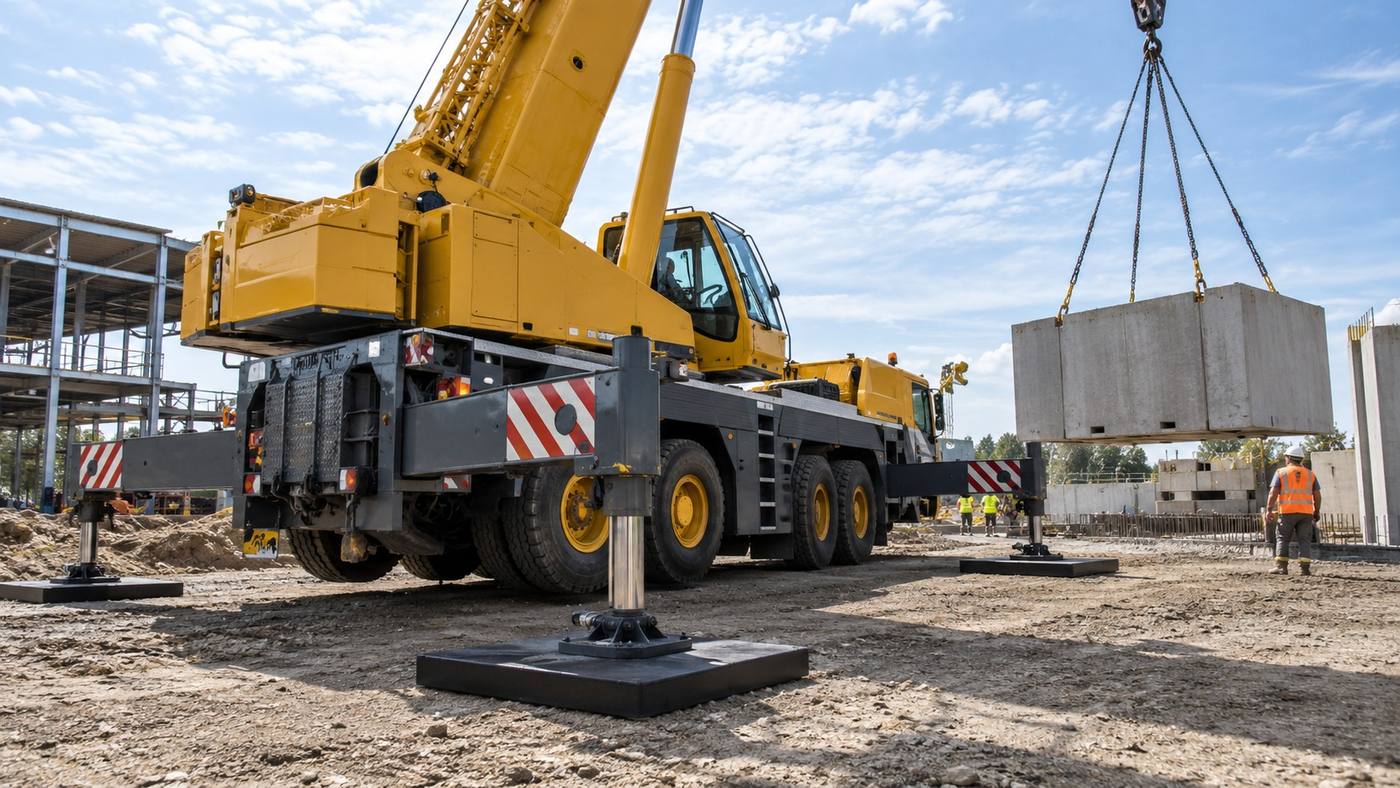
The site is presented on a scene around the top-heavy, engineering services and equipment leasing clients.
Hustlers.
Support and ground protection under the legs of mobile lifting equipment.
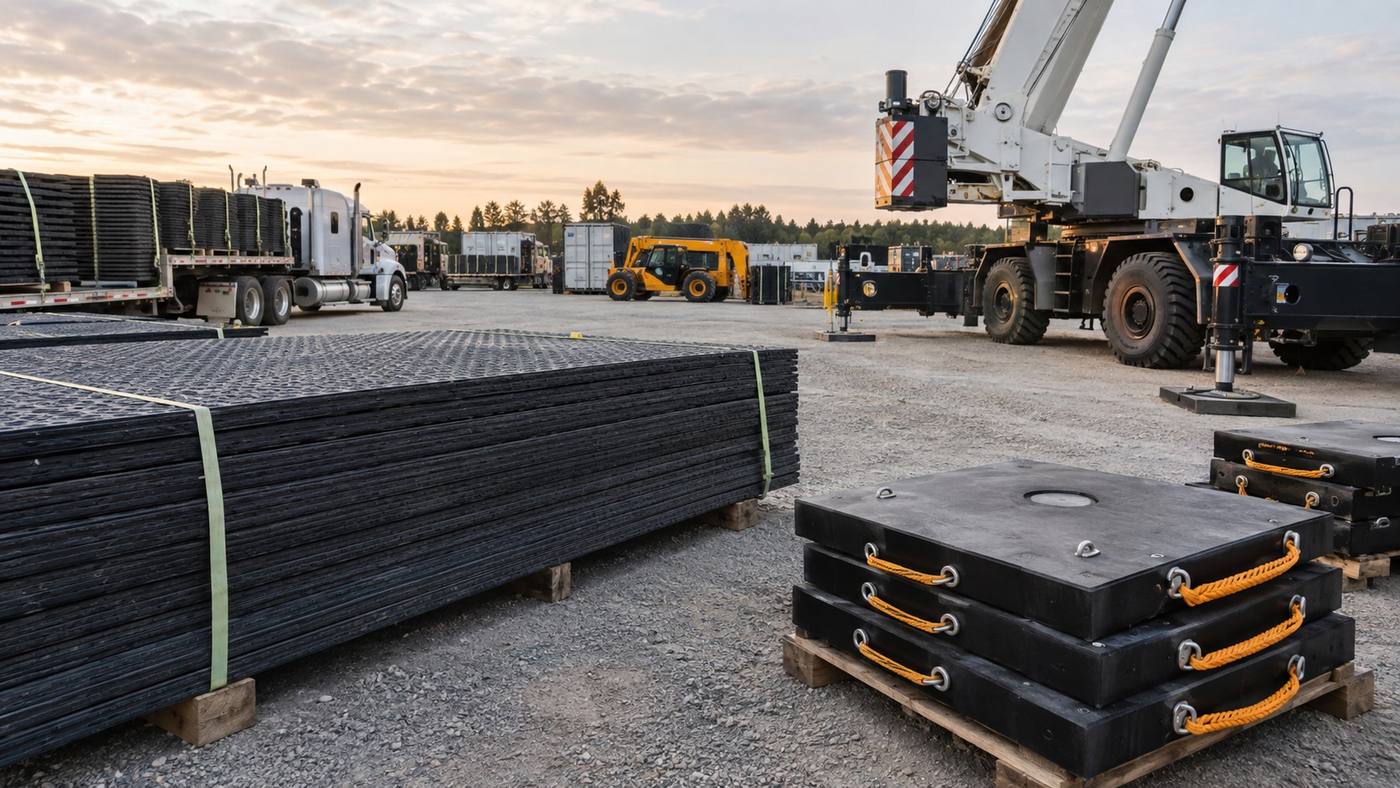
Rental of equipment and engineering services
Suitable for equipment leasing enterprises that require reuse, handling and multi-project re-entry.
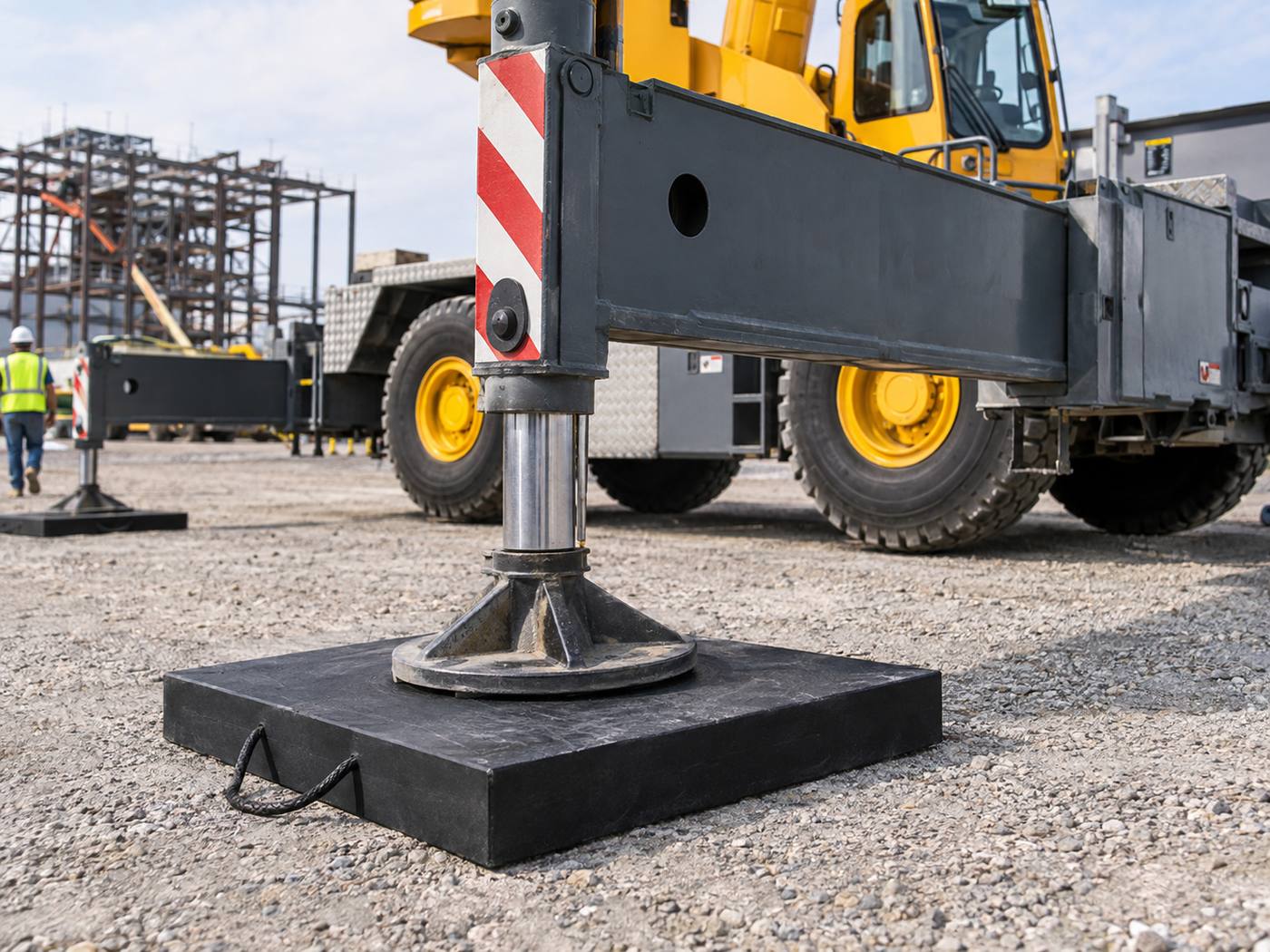
Infrastructure construction
(b) A set of lifting equipment legs supporting and ground protection for wind power, plant, pipe and engineering construction.
What data should be identified when selecting?
- Device type and model
- Maximum leg load or support required by the equipment manufacturer
- Length, width or diameter of the bottom disc of the leg
- Ground type and on-site carrying conditions
- Expected size, shape, quantity and handling of Outrigger Pads
Which clients?
- crane leasing company
- Engineering hanger service provider
- Equipment leasing enterprise
- Contractor for infrastructure and energy projects
- Heavy lifting and engineering equipment distributor
Crane Outrigger Pads parameters and selected data
Outrigger Pads parameters shall be organized around the maximum leg load, the size of the leg chassis and the conditions on the ground on the ground, and shall not be recommended for selection only by the total mass of the whole machine.
Clear parameters for the product manual
| Material orientation | Composite Ultra-High-Molecular-Weight Polyethylene (UHMWPE) engineering plastics Outrigger Pads |
|---|---|
| Water intake rate | < 0.01% |
| Common surfaces | Circle, x-lined, smooth surface |
| Common shapes | Long bar, square, circle |
| Process | After compression molding, you can do the back-of-the-mill processing. |
| Removal structure | nylon-hand-held ropes with a line-side cushion to facilitate transport and placement |
| Other characteristics | Non-sorture, corrosive, non-fragile/decomposition; options for safety texture, round corners, crushing, carving, pasting, etc. |
Outrigger Pads finished product selection parameters
| Length/wide/diameter | Based on the size of the bottom plate and target support area. |
|---|---|
| Thread | Based on maximum leg load, plate size, ground load and equipment usage |
| Central structure | A circle dent, plane or other custom contact structure can be selected from the footpad. |
| Surface sliding | Select X-type troughs, security textures or smooth surfaces to be confirmed by actual exposure and removal needs |
| Applicable equipment | Motor cranes, tracked cranes, heavy cranes, concrete pumps, fire trucks, utility vehicles and other leg-bearing equipment |
| Quantity | Based on the number of legs, spare numbers and vehicle fleet size |
| Parameters | Optional/required to confirm content | Selective |
|---|---|---|
| Material orientation | engineering plastics Steves (specific material level ordered) | Impact durability, water intake, on-site maintenance and use |
| Shape | Square / long bar / circle, etc. | Based on the bottom of the leg and the space selection |
| Surface | Round dent / X-style / smooth surface | Select the way the legs are used in contact with the site. |
| Length/wide/diameter | Confirmed by leg chassis and target support area. | Decision on the area of exposure and the size of the site |
| Thread | Based on maximum leg load, size and ground conditions | We can't separate ourselves from the load from the ground. |
| Removal structure | May assess the form of removal, such as lifting hands/lines | Impact on on on-site handling and lease turnover efficiency |
| Quantity | Confirmed by number of legs, spares and fleet size of equipment | For project and lease inventory planning |
Focus on the maximum leg load, size of the substrate, gravel/hard soil/non-hard ground conditions and operational radius.
Select the size and moving structure according to the leg structure, the single leg load and the need for frequent diversions.
It is appropriate to make standard inventory specifications for commonly used equipment models, leg sizes and loads, taking into account durability and turnover.
Greater support areas need to be assessed in conjunction with ground carrying conditions; used in combination with Ground Protection Mats/terrestrial protection programmes, as necessary.
Information recommended for confirmation before request for quotation
Outrigger Pads Quest is most important for "legs load + chassis size + ground conditions".
| Product | Crane Outrigger Pads / Crane Outrigger Pads |
|---|---|
| Material orientation | engineering plastics Support pads; specific material levels confirmed by order |
| Product manual characteristics | Not easy to create debris, not to rot, not to smoke water. |
| Surface | The manual shows the circles, the x-prints and smooth surfaces. |
| Shape | The manual shows long bars, squares and circles |
| Typical application | Heavy crane and engineering equipment leg support |
| Size / thickness | Combined leg load, chassis size, ground conditions and order confirmation |
Outrigger Pads Selection Process
The equipment data are confirmed before the size and product form are discussed.
Provide equipment type, model and leg parameters.
Identify the maximum leg load or the manufacturer ' s support requirements.
Description of conditions on site, such as rubble, hard soil, unhard ground.
Confirm shape, size, surface and quantity.
Execute in accordance with confirmed specifications, packaging and transport requirements.
Crane Outrigger Pads Common procurement issues
(c) Collapse around leg loads, shapes, surfaces and conditions of use on site.
How do you select the size?
The maximum leg load of the equipment, the size of the bottom plate of the leg and the conditions on the ground should be assessed in conjunction with the average weight of the vehicle as a whole.
What form can it take?
The product manual displays the forms of round dents, X-type surfaces and smooth surfaces, depending on the actual specifications available.
Can you make a different shape?
The product manual displays structures such as long bar, square and circle, and custom sizes require confirmation of the order and processing conditions.
Why must the maximum leg load be provided?
Outrigger Pads is directly burdened by the transfer of legs to the ground and it is not appropriate to use only the total mass of the whole machine for a simple average judgement.
Did the product suck water or rot?
The Jiachuang Plastics-Product Manual includes the description of Outrigger Pads, which includes “no decomposition, no water consumption” and emphasizes that debris is not easily produced.
Is ground information important when asking for a price?
Important. Carrying different ground conditions have different performances, and field ground types should be provided with equipment data.
Related products and industries
Leg support often appears in the same construction project as ground protection.
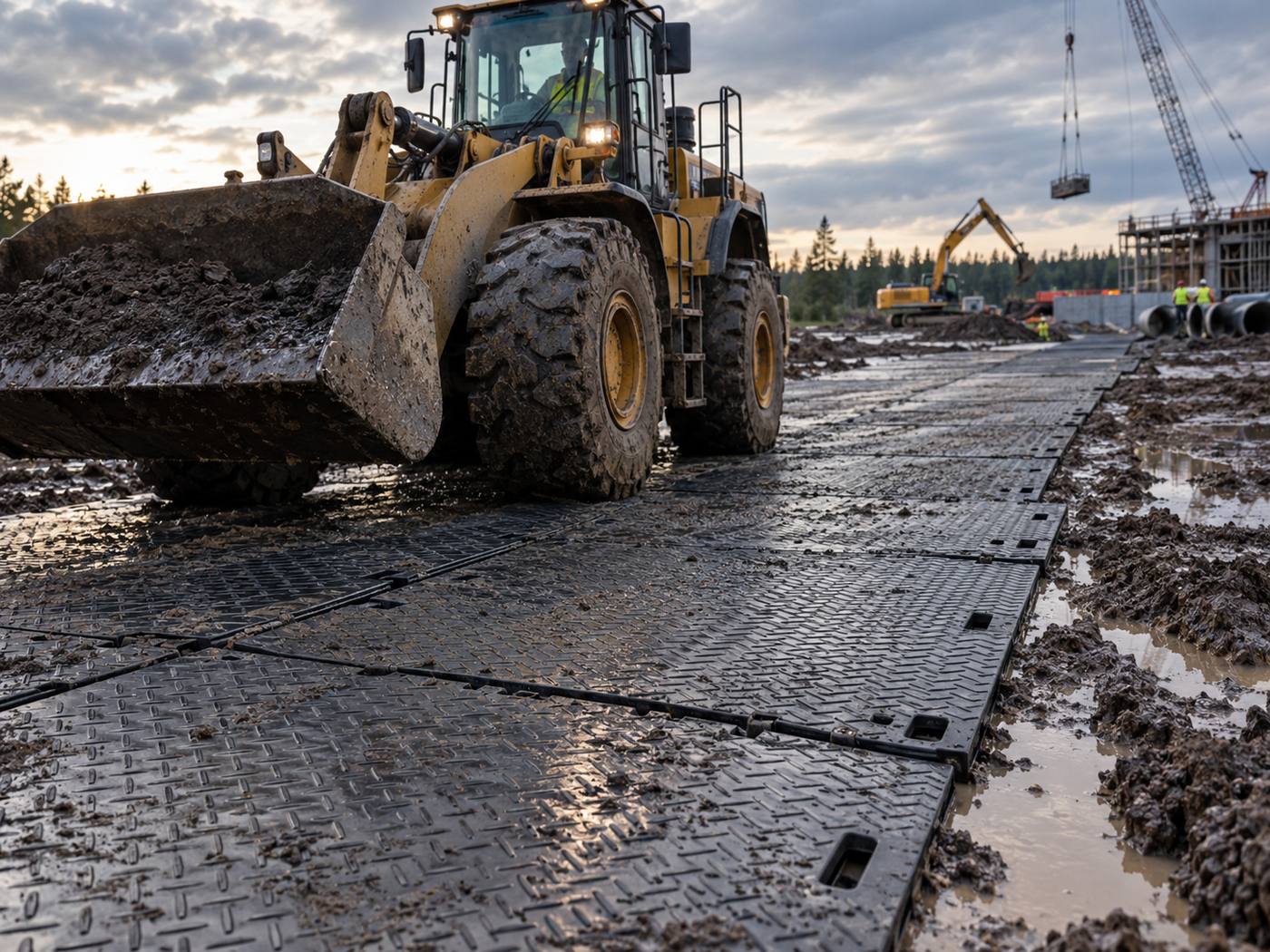
Ground Protection Mats
Temporary movement of construction vehicles and equipment in mud and soft ground.
Hustlers.
View the procurement and selection logic of Crane Outrigger Pads in the suspension scene.
Rental of equipment and engineering services
Leasers of equipment suitable for durability, reuse and on-site removal efficiency.
Need to confirm the Crane Outrigger Pads Program?
Send us the equipment model, maximum leg load, size of the leg chassis, ground conditions, quantity and port of destination.
Industry application cases
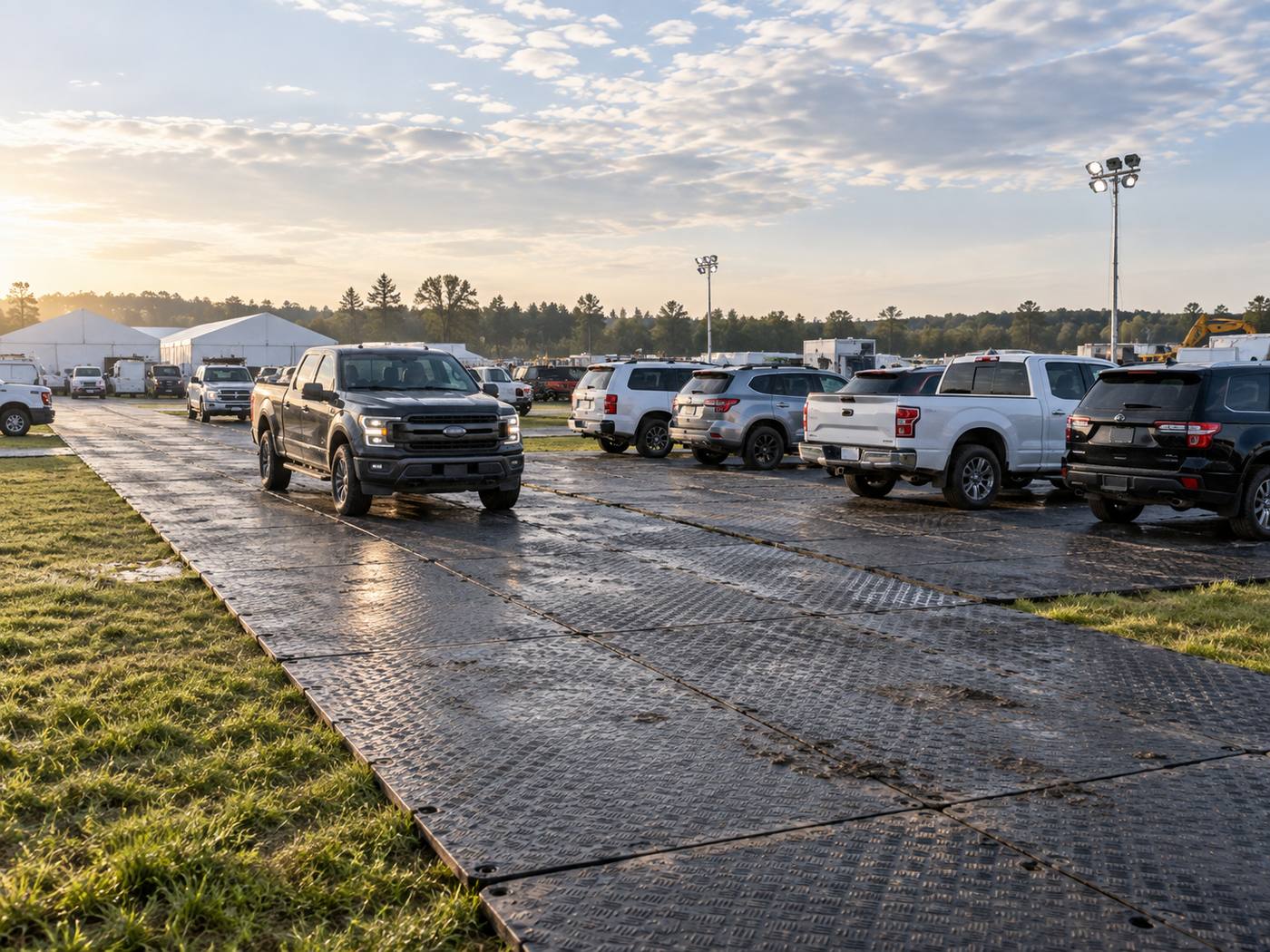
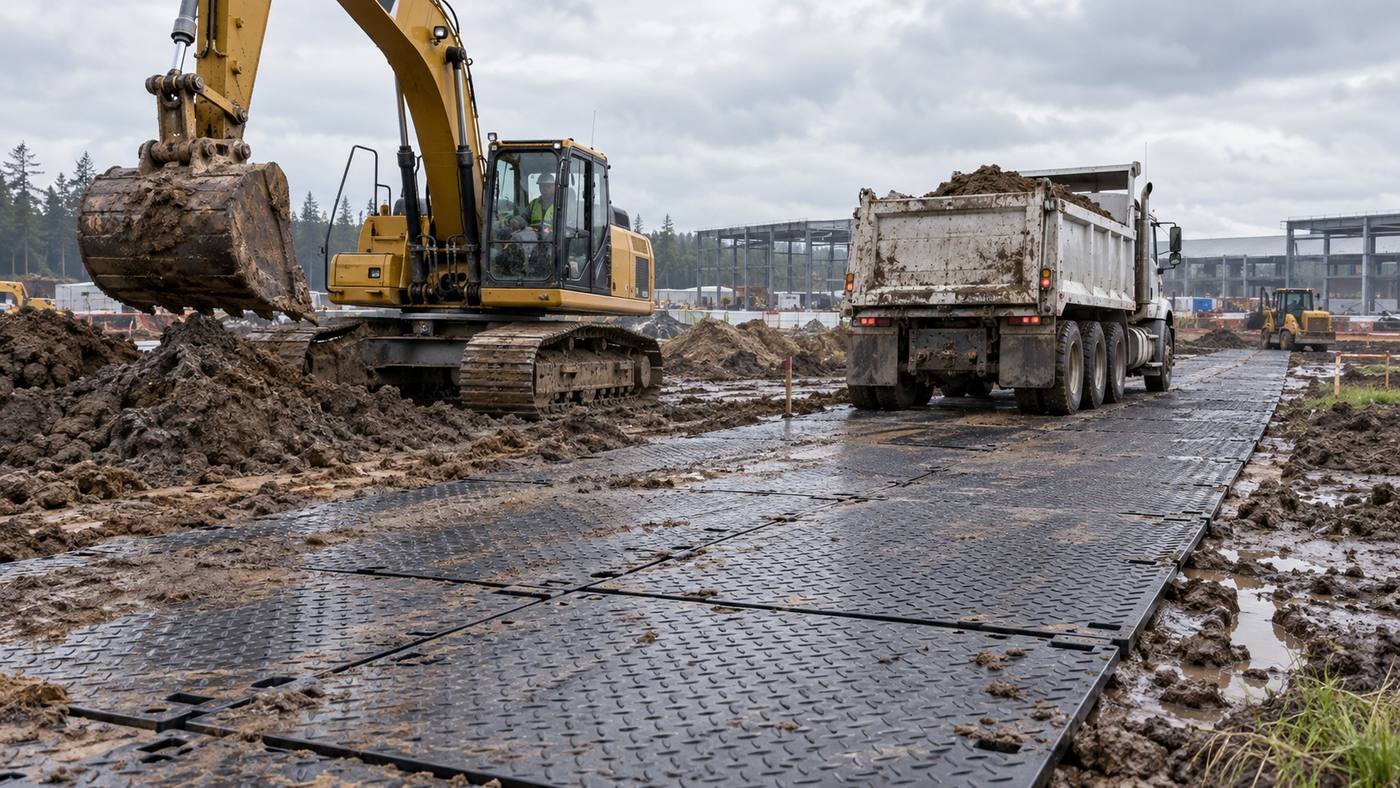
Browse the typical applications of Ground Protection Mats-, Dump Truck Bed Liners- and Outrigger Pads-- in different industries, click on pictures to enter the corresponding industry pages.
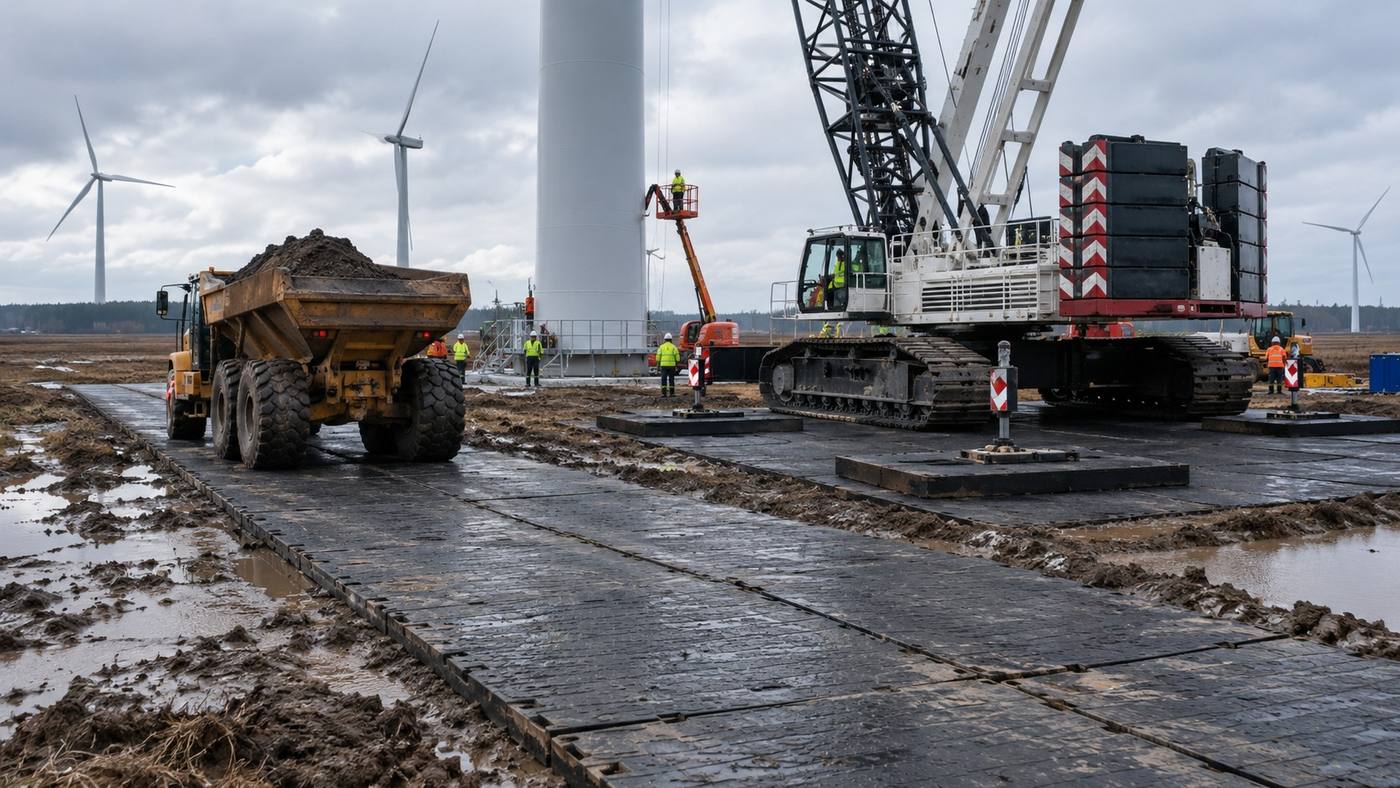 Construction & Infrastructure
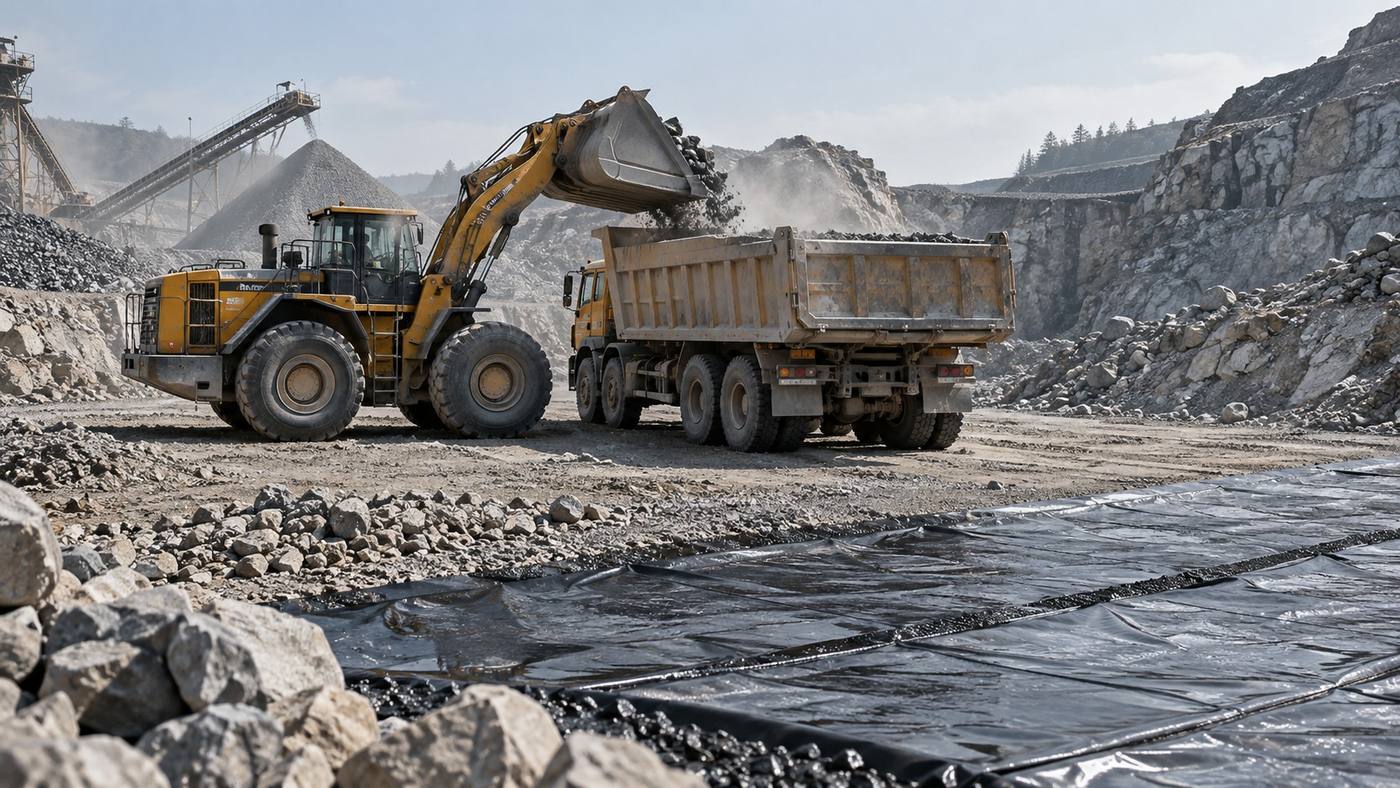 Mines, quarrying and drilling
 Agriculture, plantations and forestry
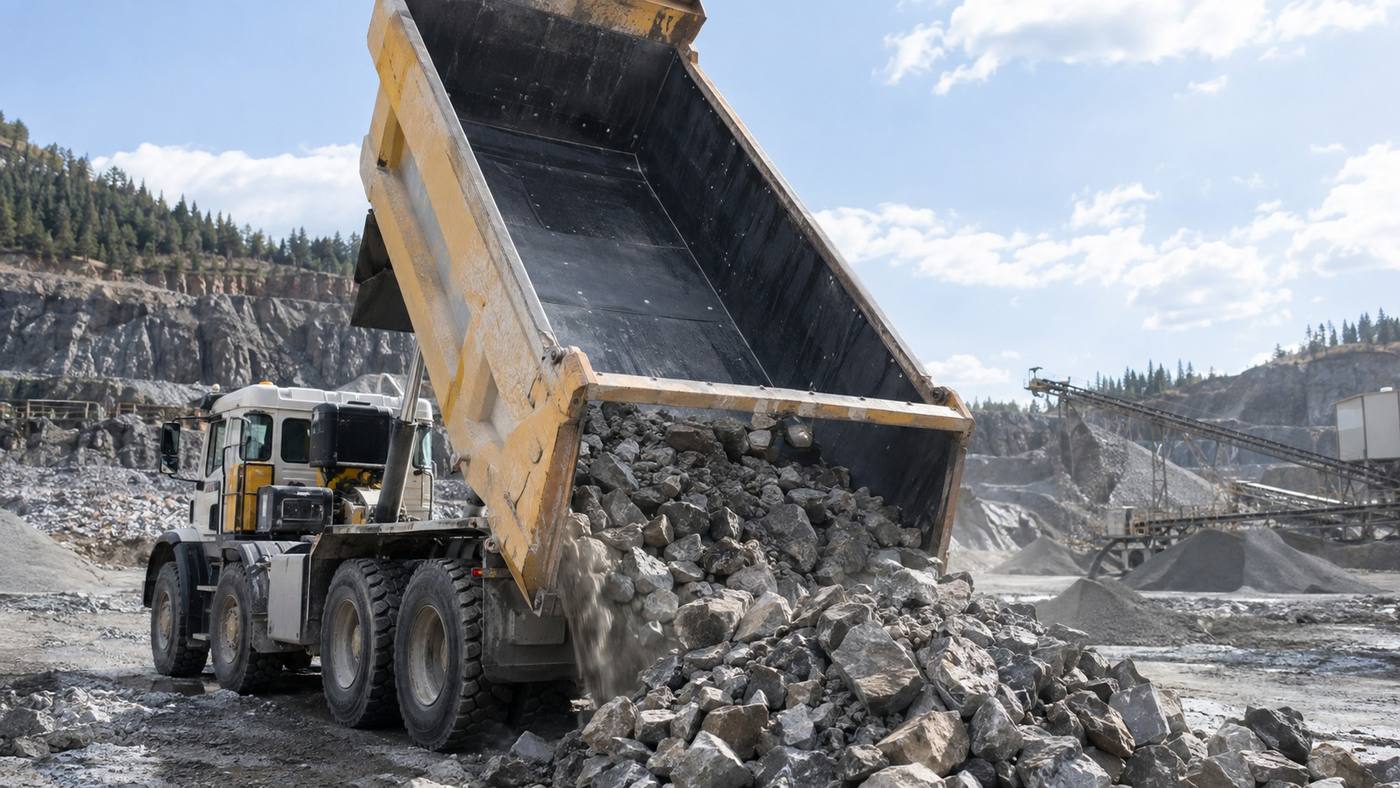 Transport fleet and self-loading vehiclesLifting and lease of equipment
 Energy, electricity and new sources of energy
 Events, performances and temporary venues
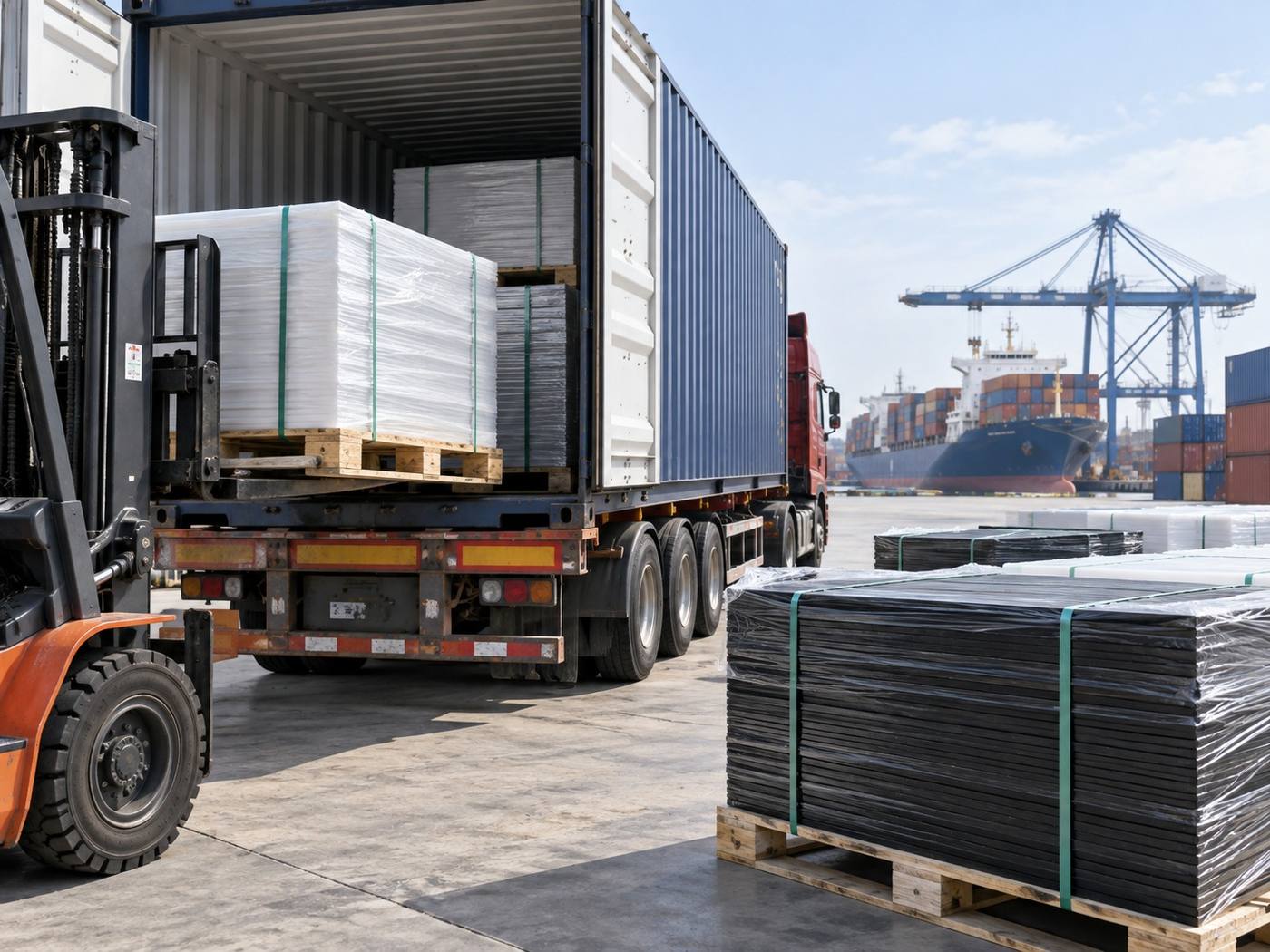 Ports, logistics and industrial sitesConstruction & InfrastructureMines, quarrying and drillingAgriculture, plantations and forestryTransport fleet and self-loading vehiclesLifting and lease of equipmentEnergy, electricity and new sources of energyEvents, performances and temporary venuesPorts, logistics and industrial sites