
Mountain routes not only bear vertical loads, but are also subject to a horizontal force generated by brakes, pull and diversion.The slopes tend to tilt the vehicle ' s focus towards one side, with wet leaves, mud or fine stones reducing friction;There may be a downturn, openings or wheel sutures if the plates are not properly woven and the edges are not stablely supported.The problem of route geometry cannot be solved by simply increasing the size of the table.On-site measurements of slopes and slopes are required to confirm vehicle ability to climb slopes and brakes, and to set up low-speed, one-way and no-go areas;Ground and connection are treated separately for fast bends, slope tops and slope feet, and reassessed after rainfall, frost or vehicle replacement.The treatment of “slides, slopes and sharp bends can easily cause side-slides and plate shifts” cannot be viewed only as a one-time pass, but also as covering the maximum load, maximum frequency, worst weather and exit phases.It is recommended that representative positions be selected for trial, that ground, vehicle or equipment data be recorded and that the scope, connection and frequency of maintenance be adjusted to the results;Changes in conditions have confirmed that early experience is not directly applied to entire forestry, mountain and remote operations.
Forestry, mountain and remote field applications
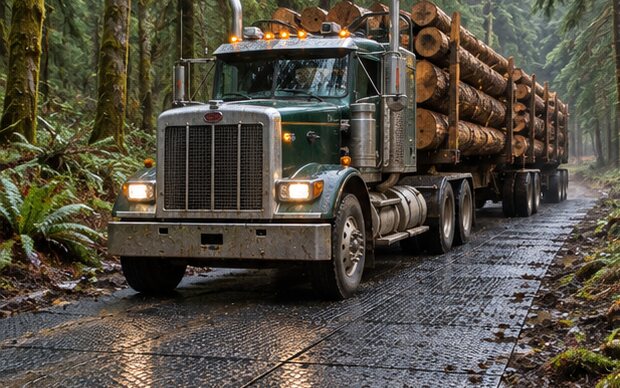
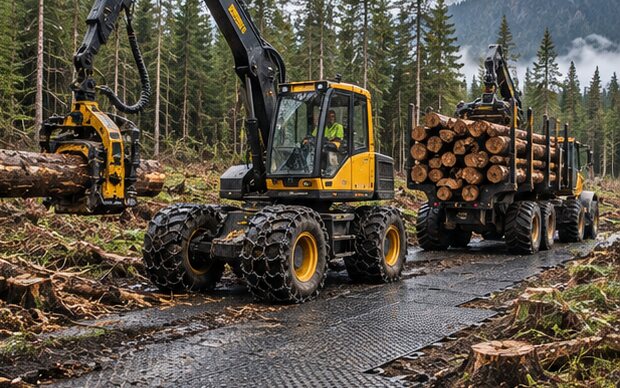
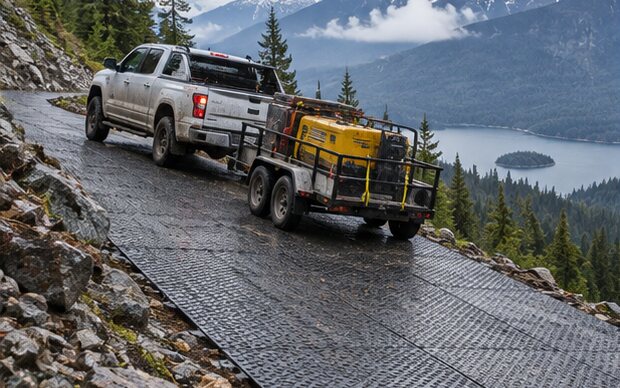
Application of common projects for forestry, mountain and remote operations
Description of the business processes, vehicle equipment, ground conditions and the project cycle.
The forestry, mountain and remote areas projects include timber harvesting, forest breeding, fire-fighting separation belts, maintenance of communications or power facilities, geological surveys, mountain line construction and remote engineering camp resupply.
Such projects are also constrained by ecological conservation, slope erosion and weather mutation.Temporary access does not allow for the random expansion of the inventory, nor does it allow for the introduction of large amounts of alien rock into forested land;The ability to recover from demolition is equally important in the vicinity of a stream, root zone or sensitive surface.The application programme should begin with a route-damping programme, recording slopes, curved radiuss, slopes, drainage, the depth of the earth layer and the position of the vehicle for the rotation, and identifying communications, rescue and spare parts arrangements.Ground Protection Mats- and support pads are usually used as transferable engineering equipment to advance the segmenting, inspection and recovery as operations unfold.
Common Issues
The actual performance of operations in forestry, mountain and remote areas, respectively, explains the causes of formation, possible impacts, priorities for inspection and management methods.
Forest fertilization and wetlands appear to be soft on their surfaces, but may have shallow roots, saturated soil or empty holes beneath them.Direct crushing will cut the root system, form a drain ditch or bring mud into the water body;The use of gravel reinforcements, although accessible, may increase the costs of clearance and ecological rehabilitation.The project should explicitly allow disturbance of the border, avoid protecting trees, trenches and habitats, and put in silos and perimeters where necessary.During the passage, the soil outside the observation panels was squeezed out, the roots raised and the water flow changed, recovered from the stable end, the connectors and pollutants were cleaned and the surface was restored in accordance with environmental requirements, rather than the temporary roads were permanently left behind.Forestry, mountain and remote operations should set clear standards for decommissioning of “wetland, root systems and ecologically sensitive surfaces”, such as continued tipping, incomplete support surfaces, sediment expansion, visible vehicle slippage or loose links.Unusual isolation and unloading were detected, and then the floors were repaired or reconfigured, and temporary pads were prohibited in carrying conditions.The head of the mission may not resume operations until he or she has been qualified to do so, and records of disposal are maintained.
In the event of damage to the plate, loss of connection, car crash or sinking of the equipment leg, the repair vehicle and crane rescue may take hours or even longer to reach.In the absence of backups, tractors and communication plans on the ground, minor problems can rapidly evolve into stoppages and safety incidents.Prior to entering the site, the daily inspection officer, the wireless communications time frame and the rules for the release of vehicles should be specified in accordance with the length of the route and the most unfavourable conditions of work, the availability of the sheet, the connector, the cleaning tool and the simple test item.Each storm, freeze or heavy vehicle is recorded as having changed and a stable area is pre-set for vehicle turn-backs, encounters and temporary parking.In response to “distantness, weak communications, malfunctions and difficulties in trapping,” the forestry, mountain and remote operations project should also include the results of the inspection in the pre-class confirmation and handover records, specifying who is responsible for release, who is responsible for inspection, what deposition or relocation must be discontinued.Retroactive recording of photographs, measurements and usages will make it possible to distinguish ground-based changes, operational deviations from product damage and avoid repetition of the same problem between different groups.
Solution Recommendations
The route, the grass-roots, the support or the unloading of the material is addressed first, and the corresponding products are recommended according to the work situation.
The solution is first and foremost route engineering, not product stacking.Selecting routes with slower slopes, controlled drainage, and avoiding sensitive areas, through foot surveys, divides the weak sections that must be laid continuously, the root areas that require only partial protection, and the restricted areas.Grass-roots clean-up, mainly to remove stubs, stones and bumps, and to minimize digging;The plates are connected in sub-sections along the direction of the vehicle, with additional restraints and patrols at slopes, bends and slopes.The project establishes weather stoppage standards, alternative routes and remote inspection records, recovers front-end materials in a timely manner after surface advance, and reduces traffic and ecological occupancy.
HDPE Ground Protection Mats—Appropriate path for the soft soil, wetland edges and equipment entry of the forest lanes, with the selection of a combination of loads of axle weight, slopes, tyre or tracked form and port capacity;Mobile suspensions, drilling aids and high altitude operating equipment shall use Crane Outrigger Pads-calculated by the retroactivity of the legs, first confirming that the slope has been flat and that there are no holes below.For timber transport vehicles, it is not usually recommended that Outrigger Pads- be used as road material, with two product categories having different responsibilities.Remote projects should procure an additional percentage of connectors and replacement panels, harmonize serial numbers and load sequences, facilitate transfer, damage tracking and quick recharge.
Ground Protection Mats
For the establishment of temporary vehicle access, protection of the original ground and dispersion of the wheel; specific thickness, size, texture and connection will be determined by vehicle and base level.
Crane Outrigger Pads
For the purpose of increasing the area of the foot exposure and reducing average ground pressure; must be calculated in conjunction with maximum single-leg reaction, original foot size and a permissible ground pressure.
Manufacturing
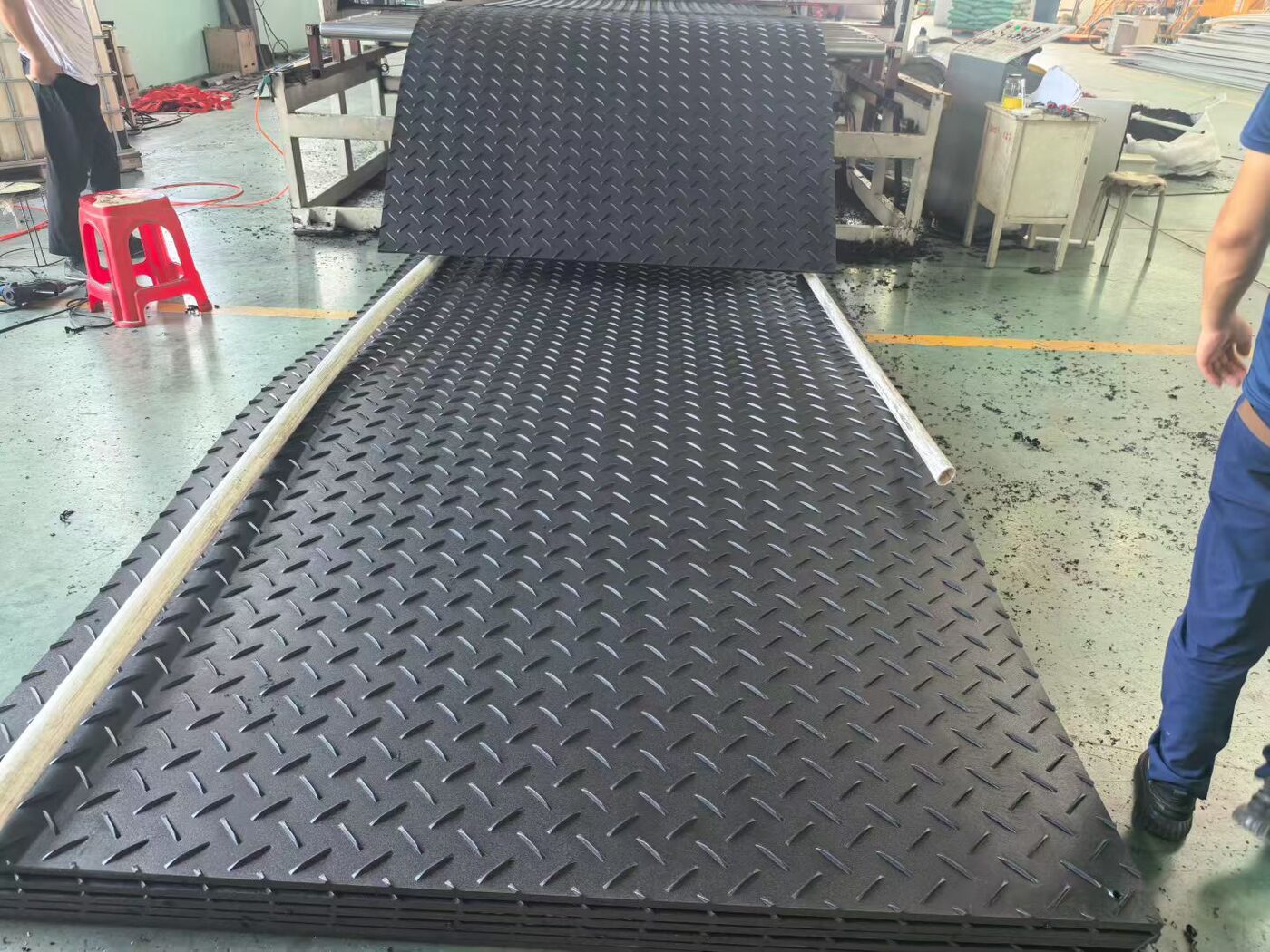
01Ground Protection Mats Production and bulk delivery
From smooth-truck road formation to vehicle load validation, to mass stacking, packaging and loading.
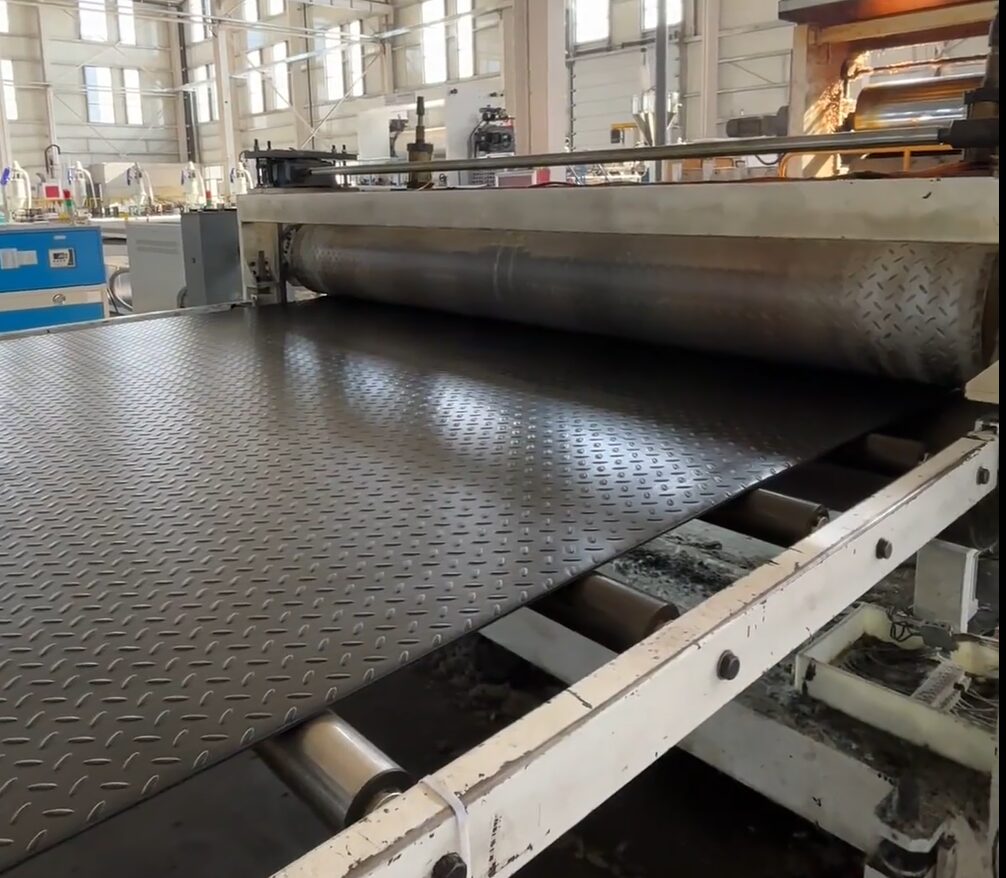
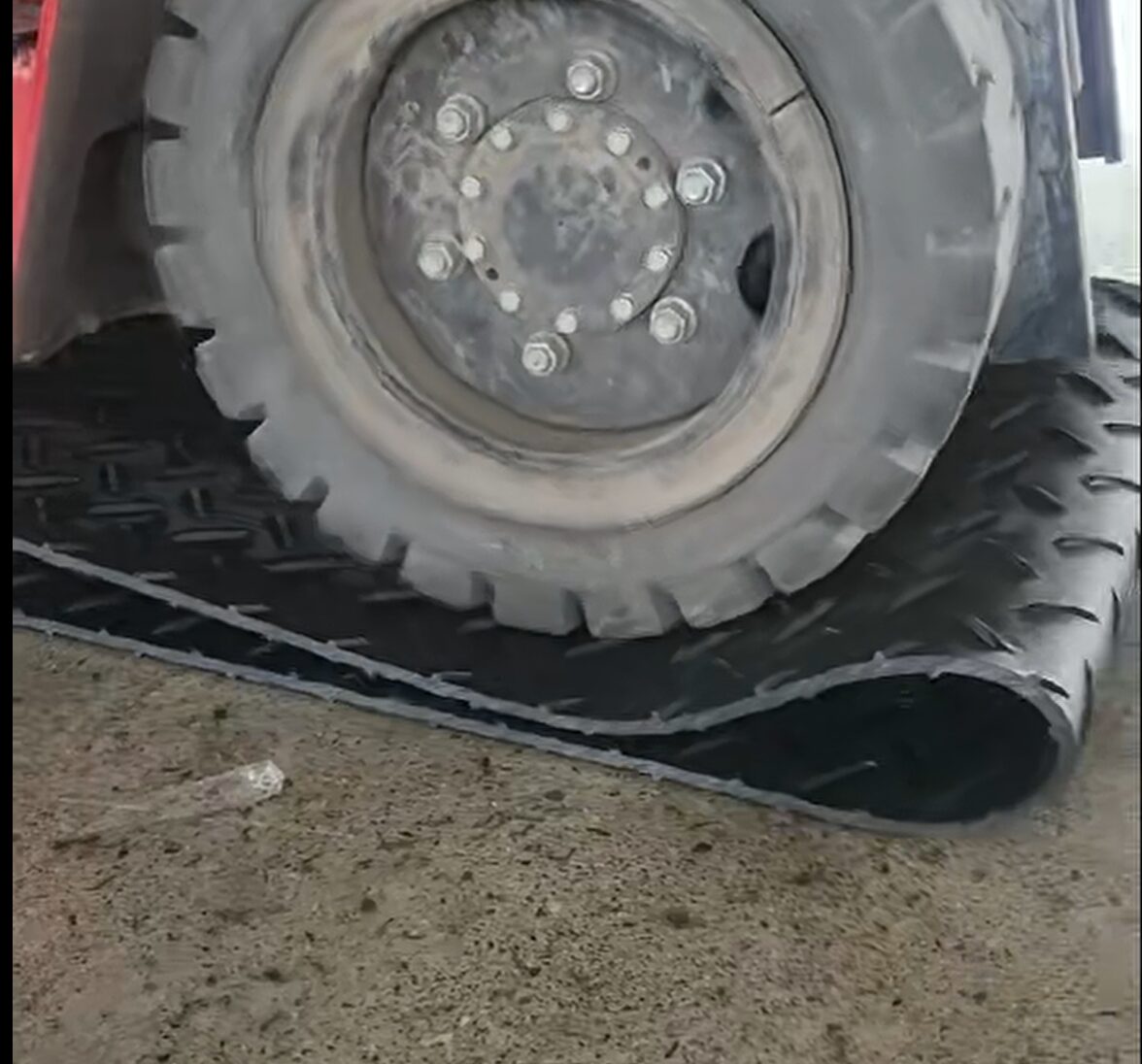
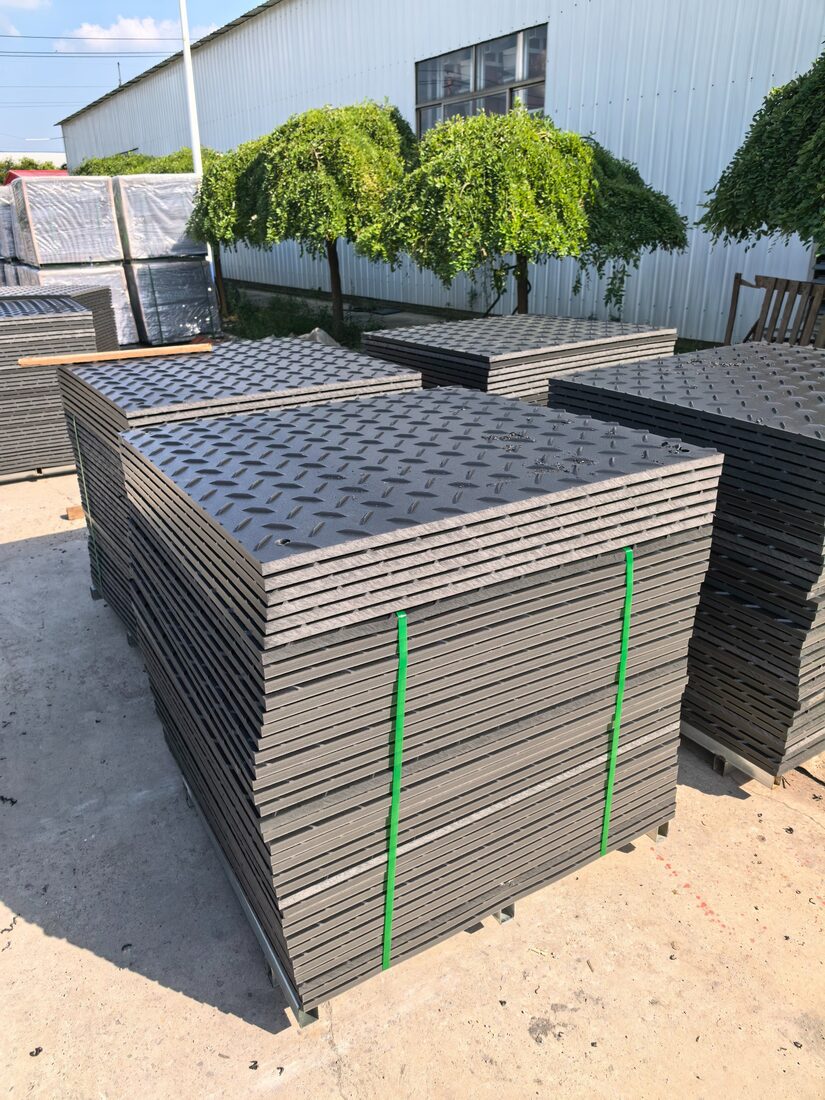
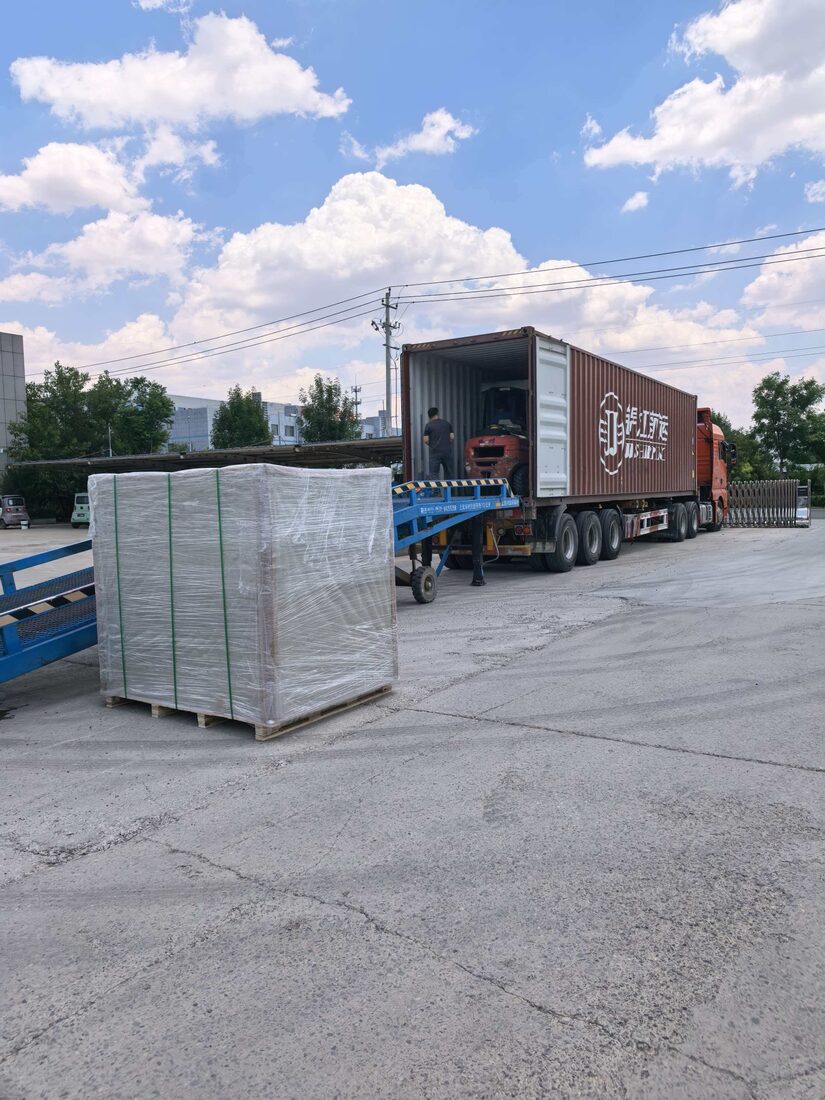
02Crane Outrigger Pads Processing and Inspection
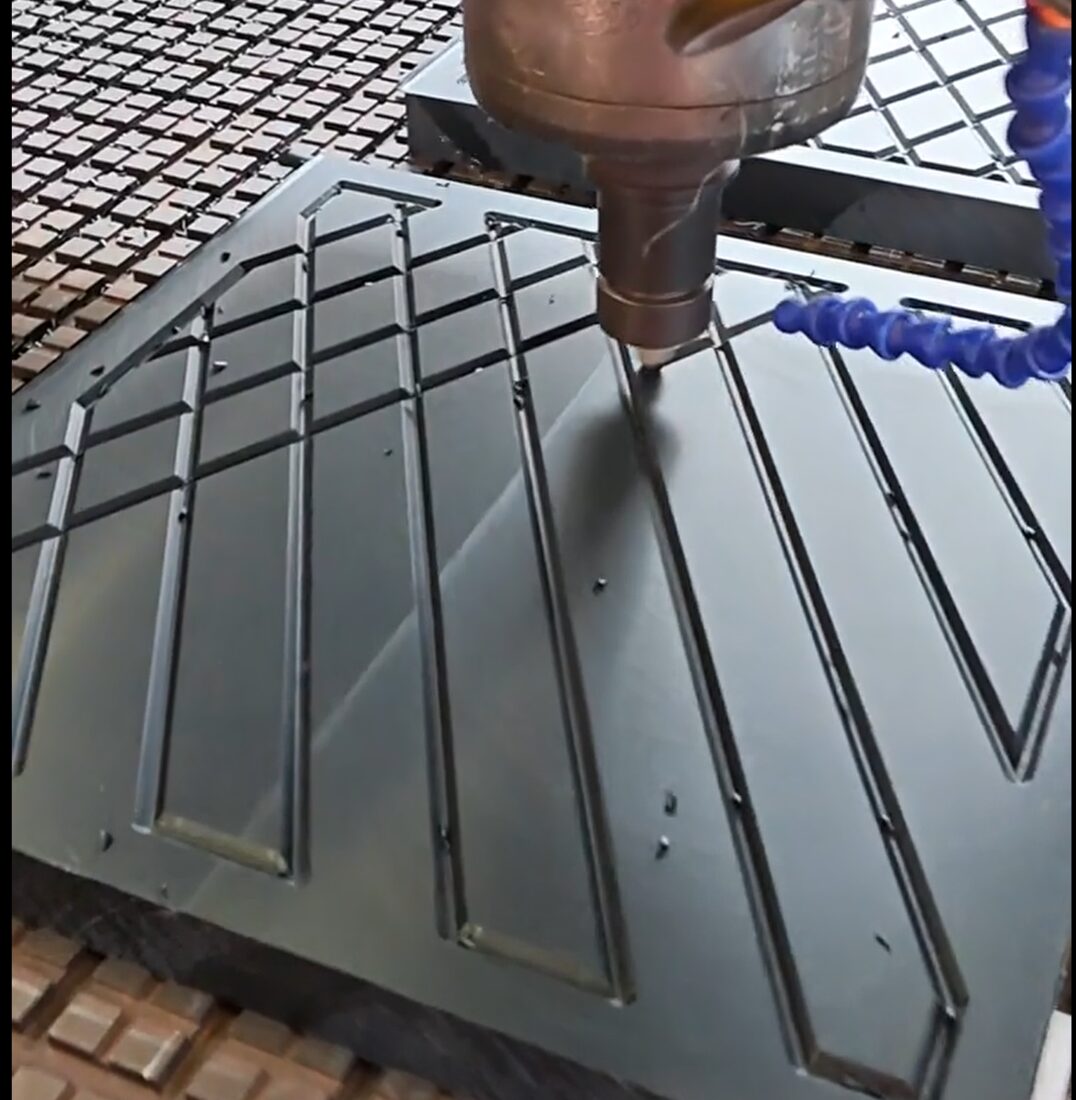
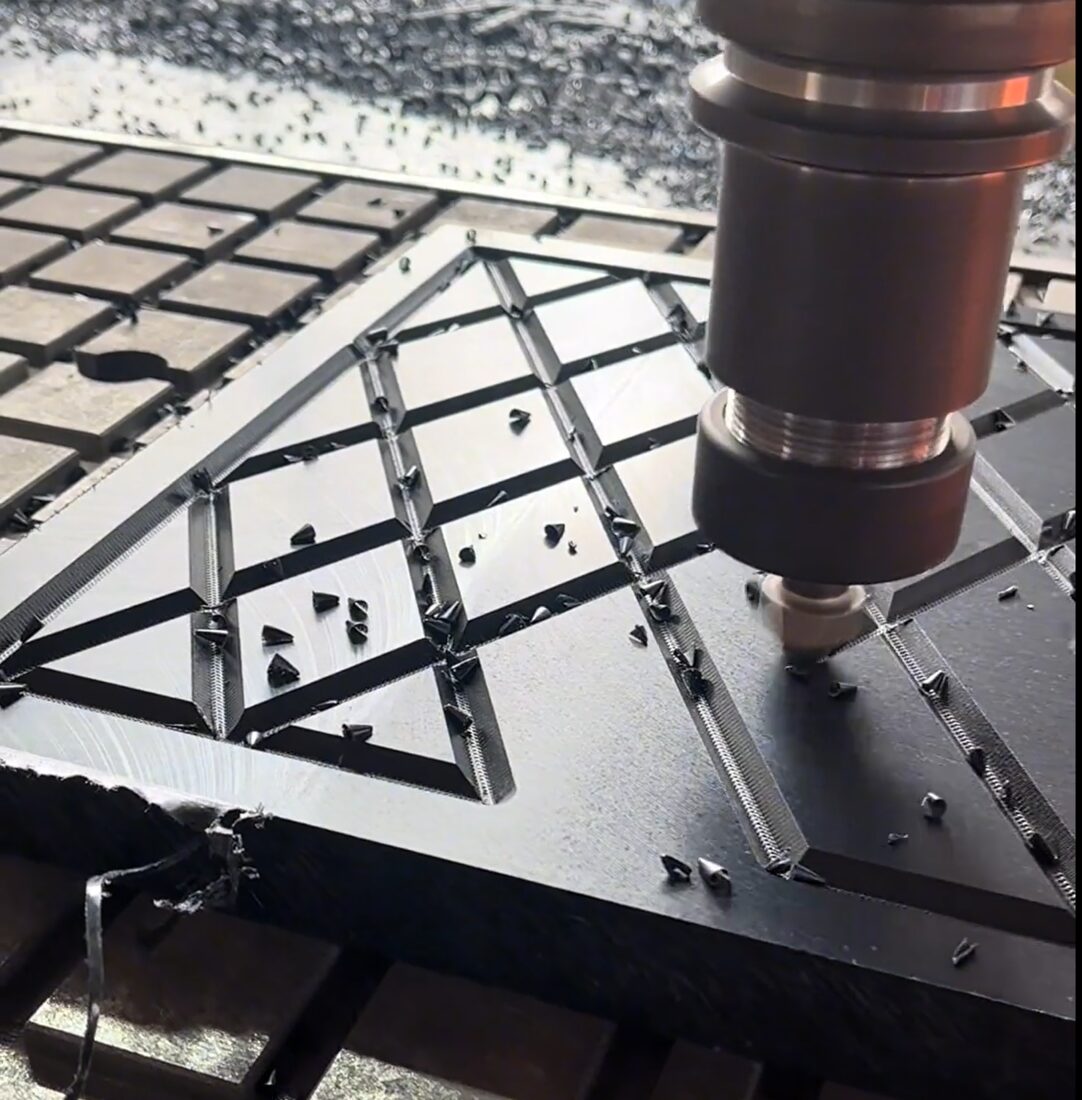
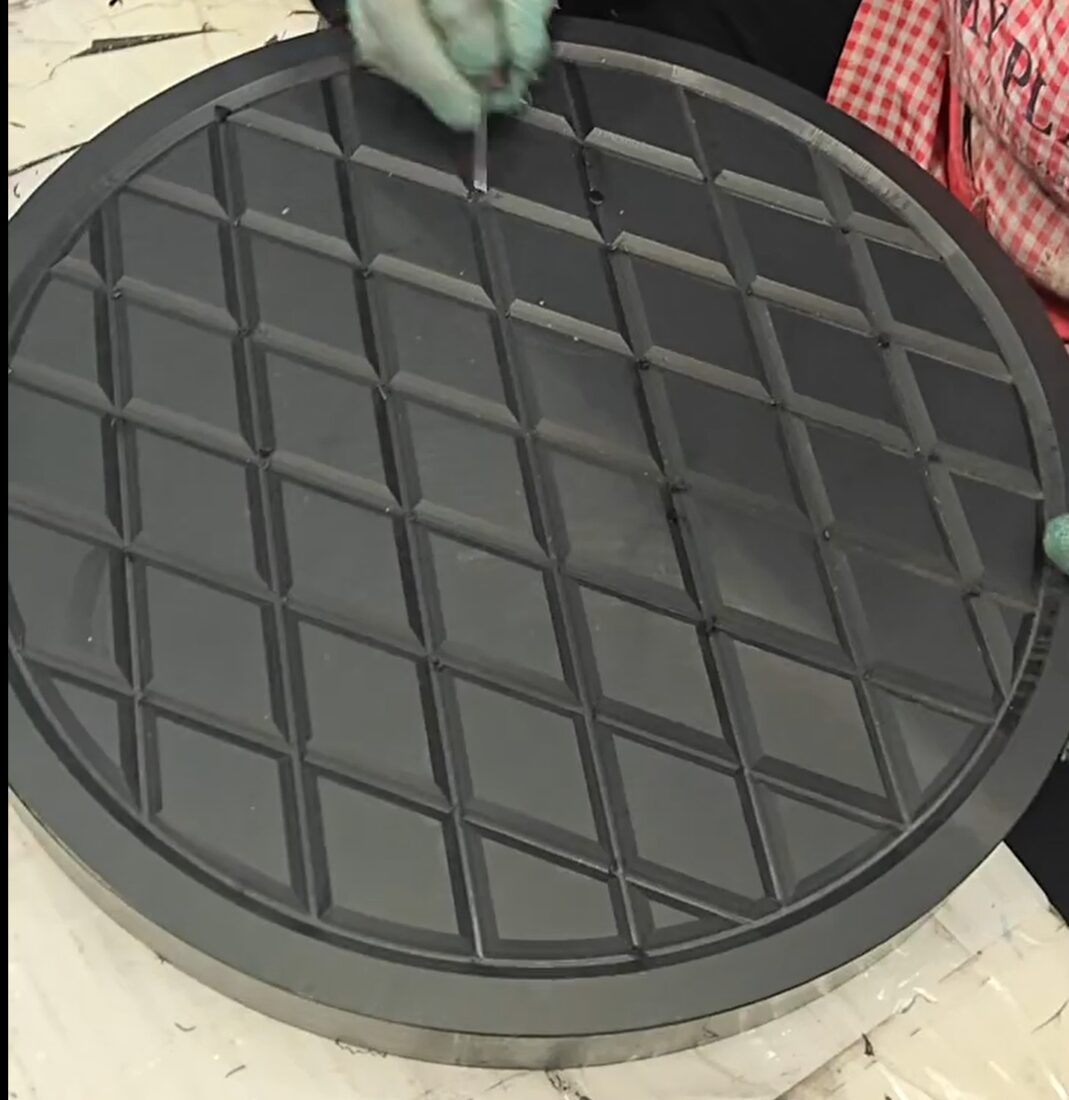
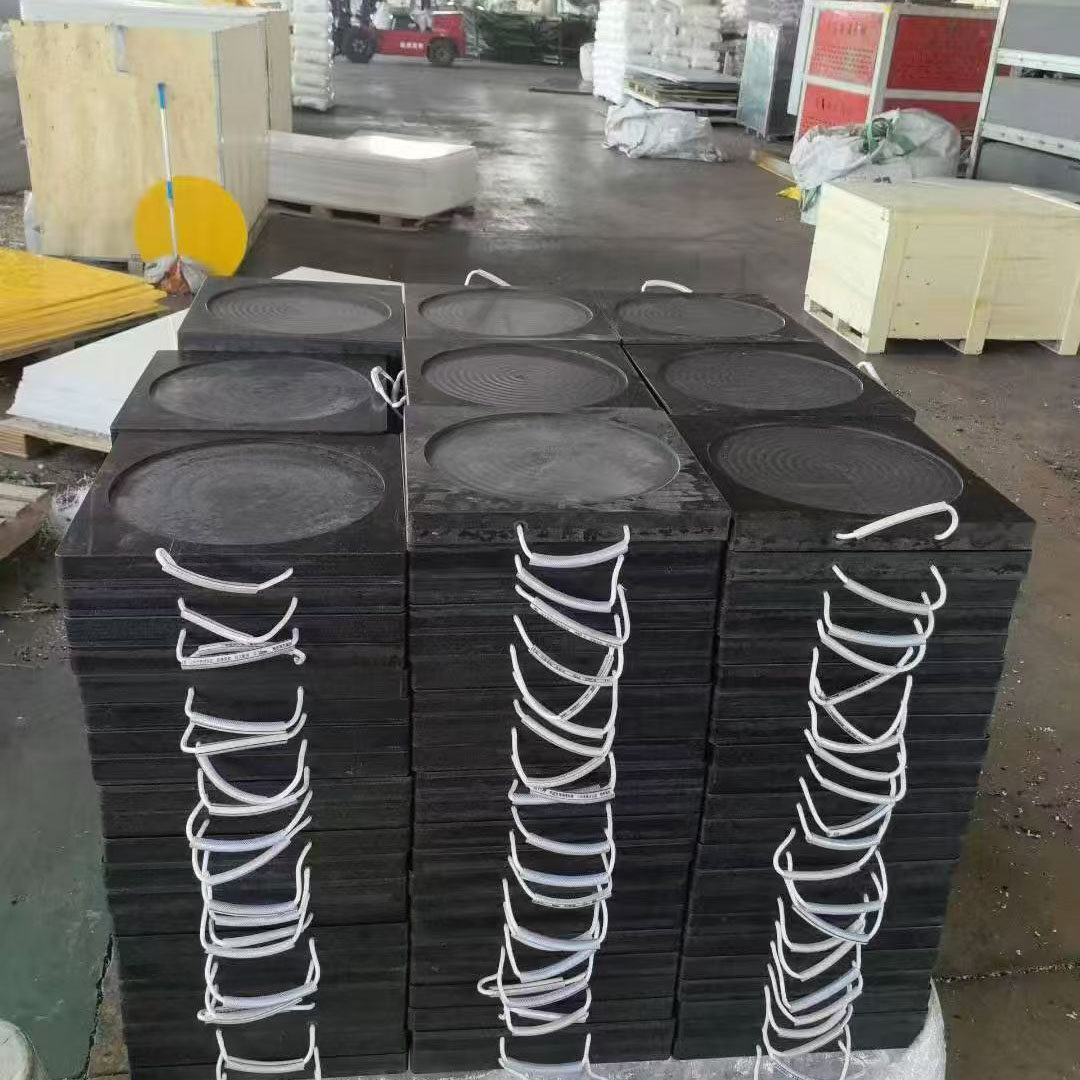
CNC processes, surface structural checks, attachment configurations and packagings showing circles, squares—Outrigger Pads.
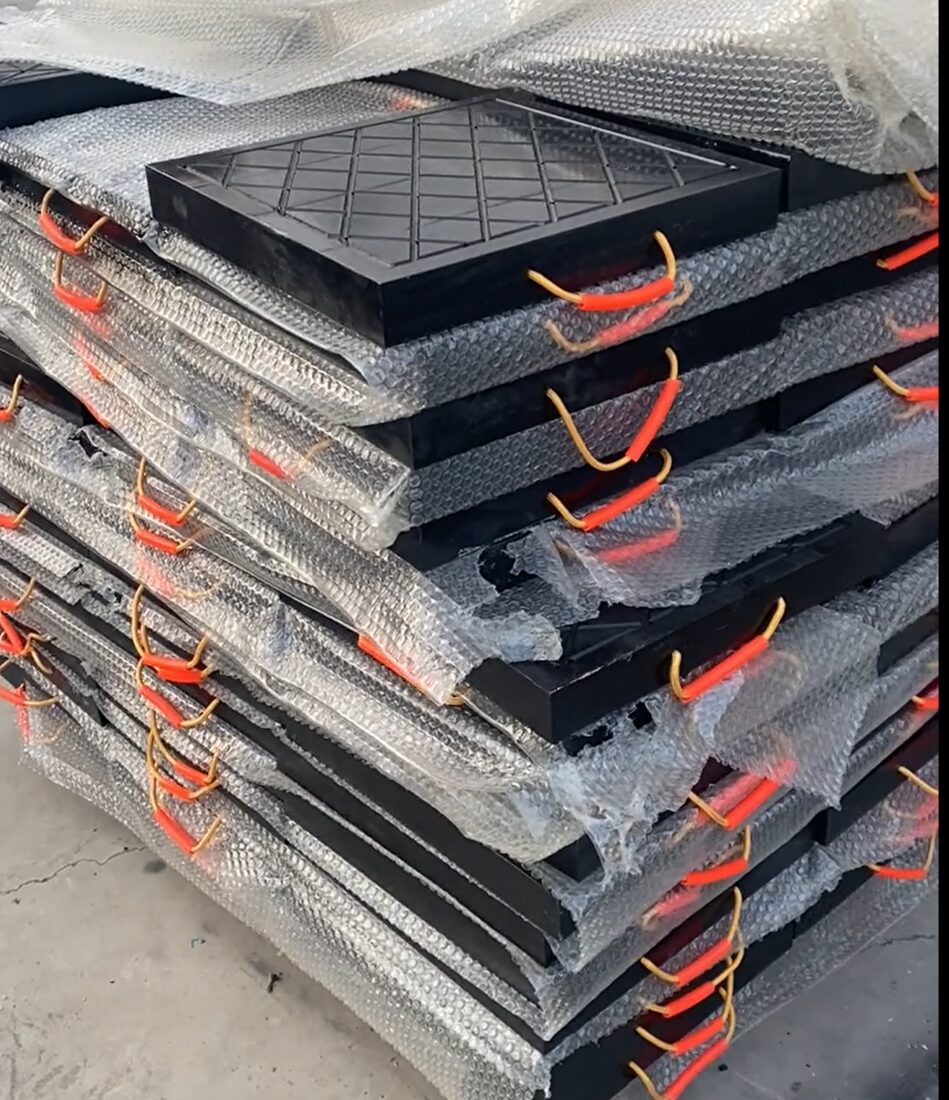
Information proposed before request for quotations
The more complete the information, the easier it is to quickly determine the appropriate size, thickness, structure, quantity and customization.
- Type and weight of vehicle/equipment
- Ground type versus hardness
- Length, width and turn of route
- Projected number of acquisitions
- Port of destination/delivery area
Needing a programme of forestry, mountain and remote operations projects?
We continue to assess the actual conditions of work for the distribution of site photographs, equipment/vehicle parameters, application conditions, quantity and port of destination.
Industry application cases
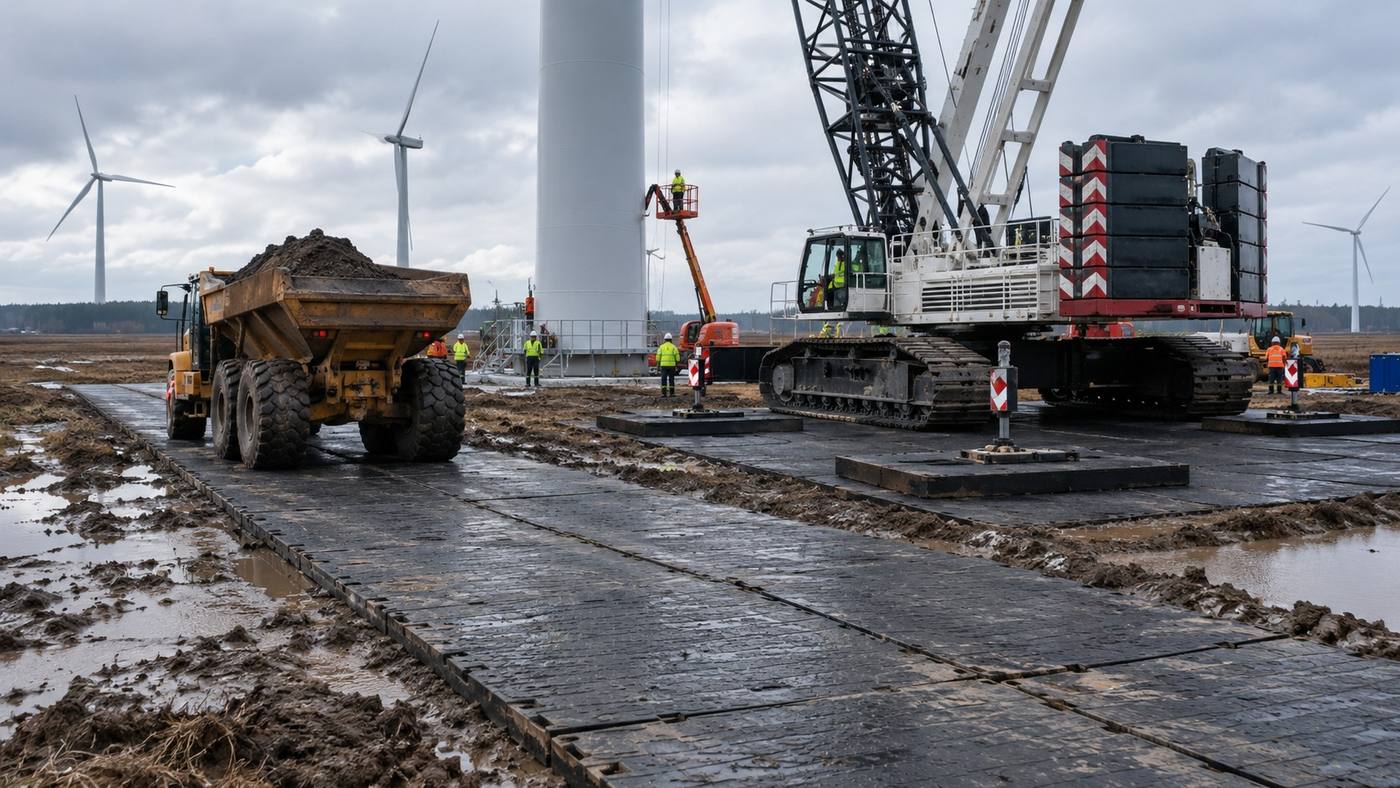
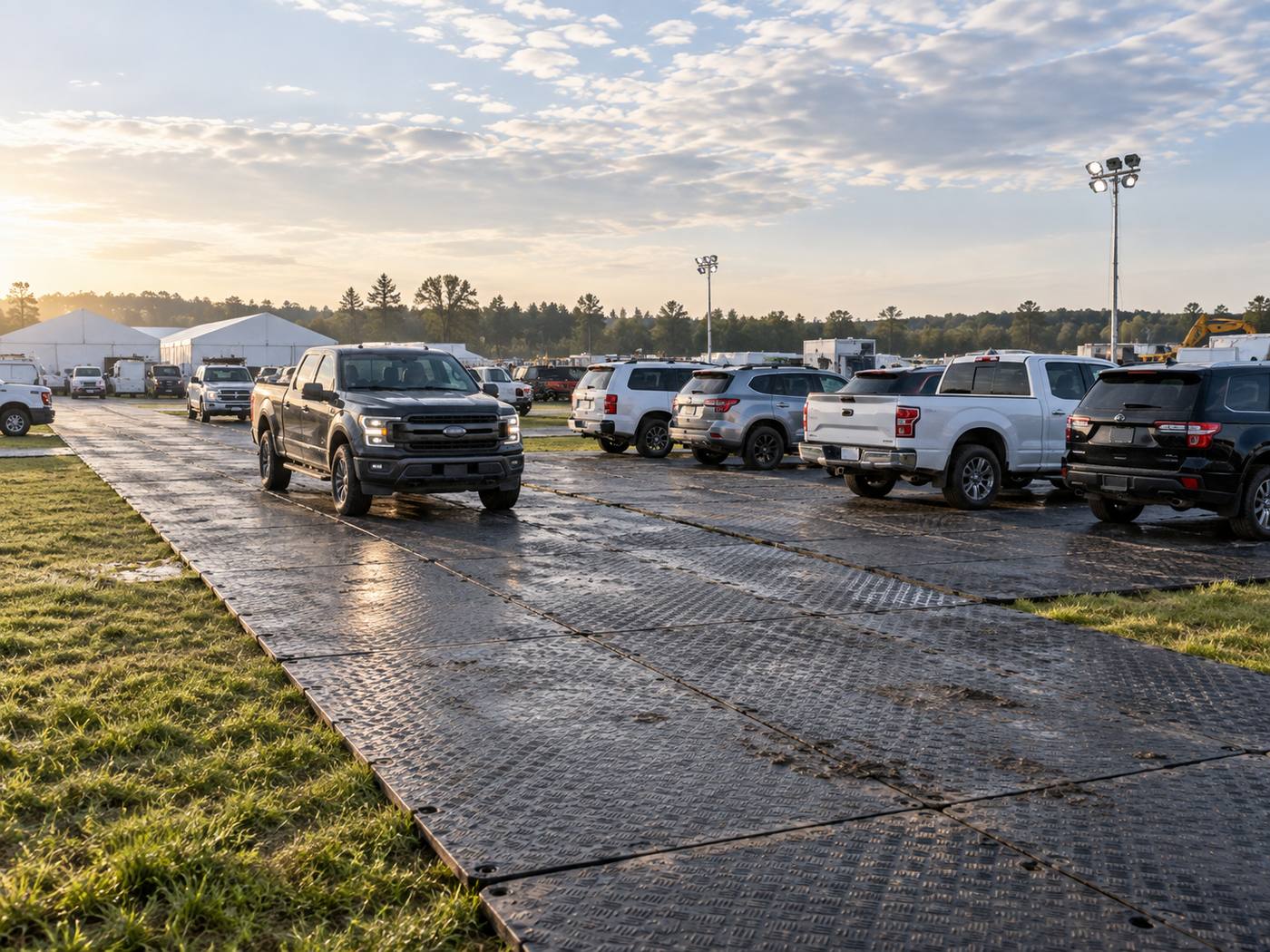
Browse the typical applications of Ground Protection Mats-, Dump Truck Bed Liners- and Outrigger Pads-- in different industries, click on pictures to enter the corresponding industry pages.
Construction & Infrastructure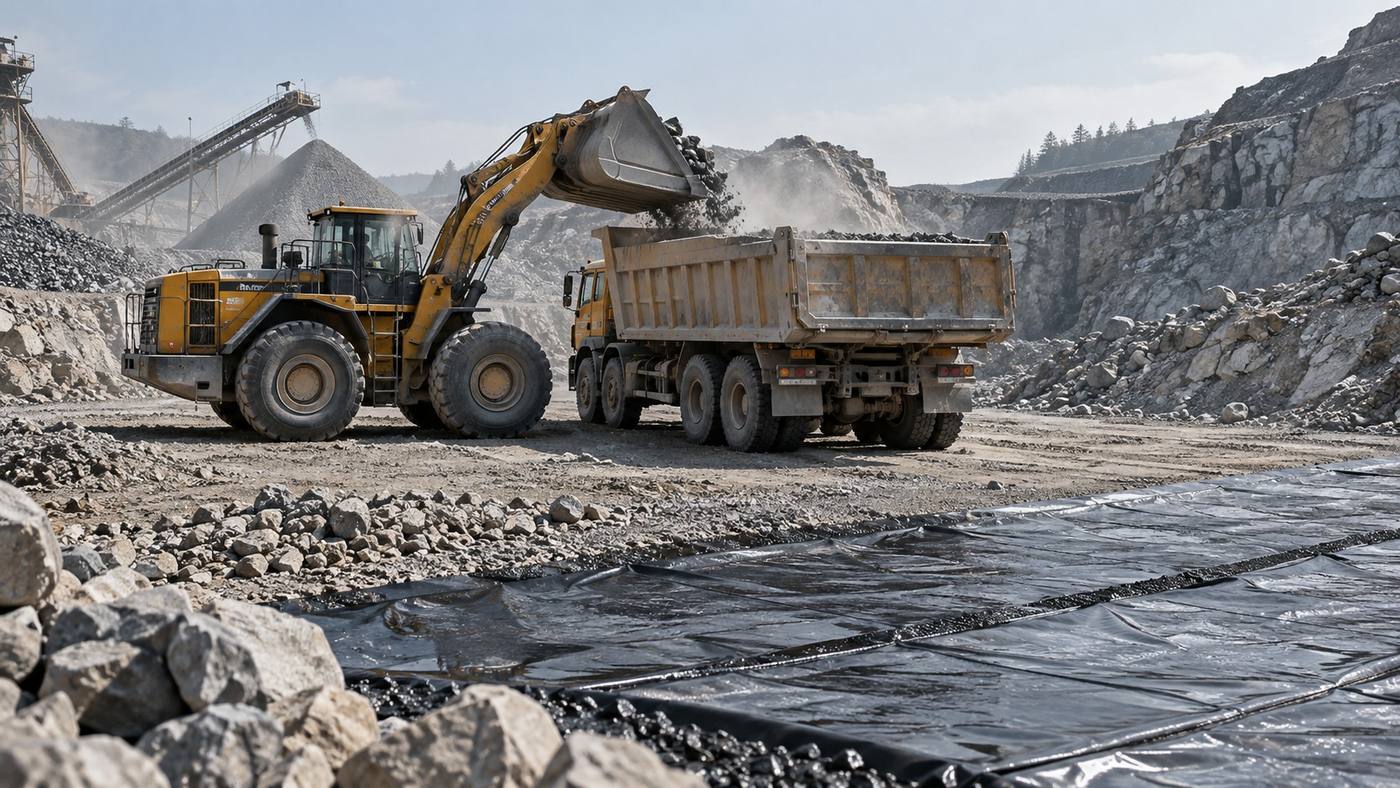 Mines, quarrying and drilling
 Agriculture, plantations and forestry
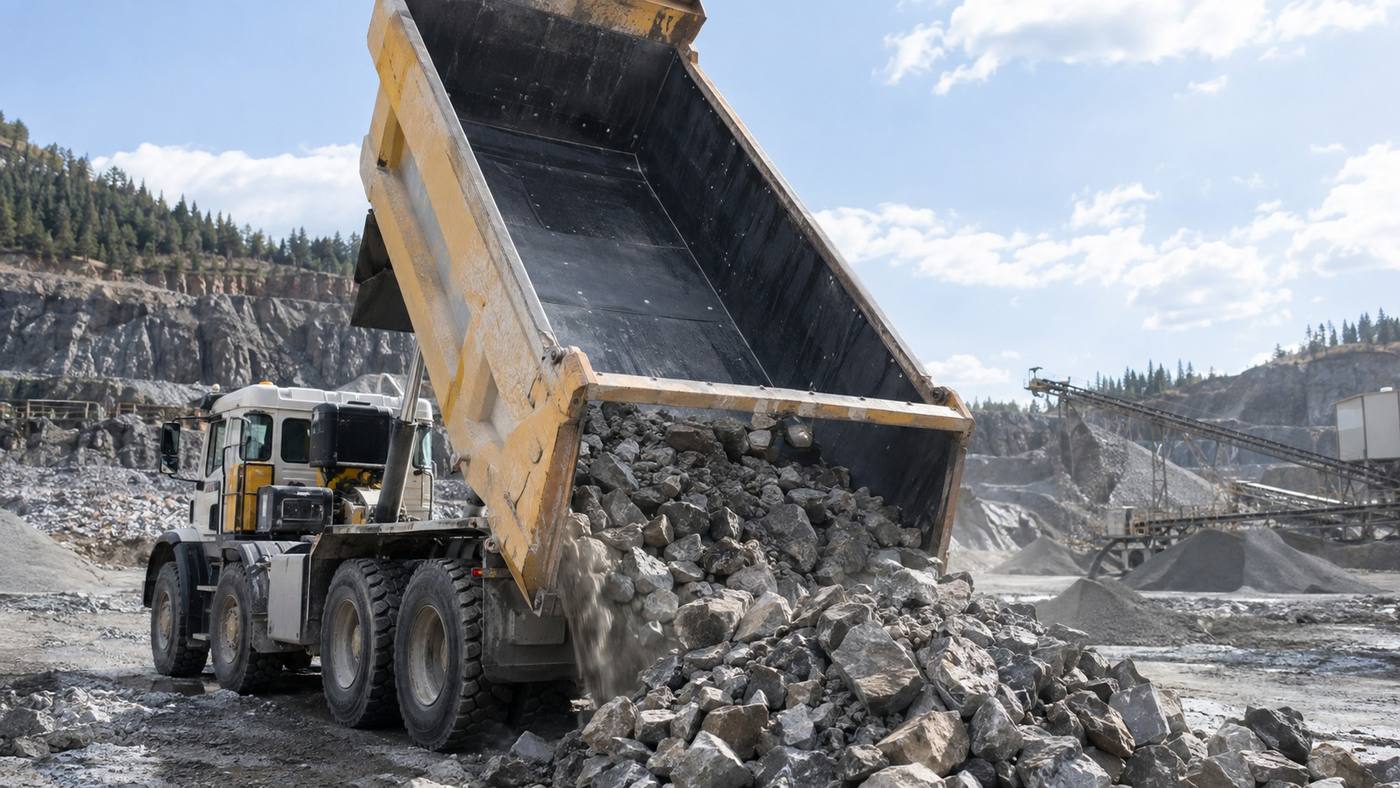 Transport fleet and self-loading vehicles
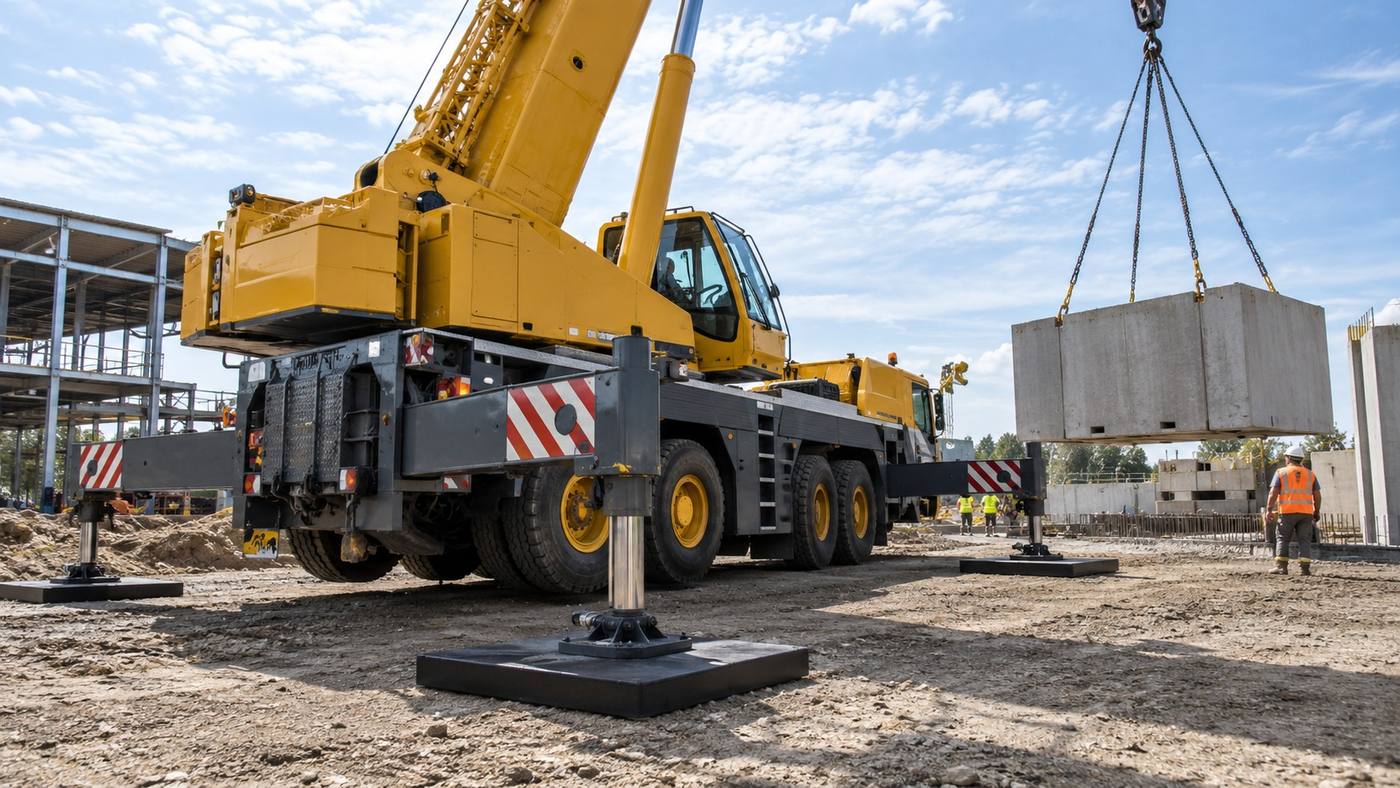 Lifting and lease of equipment
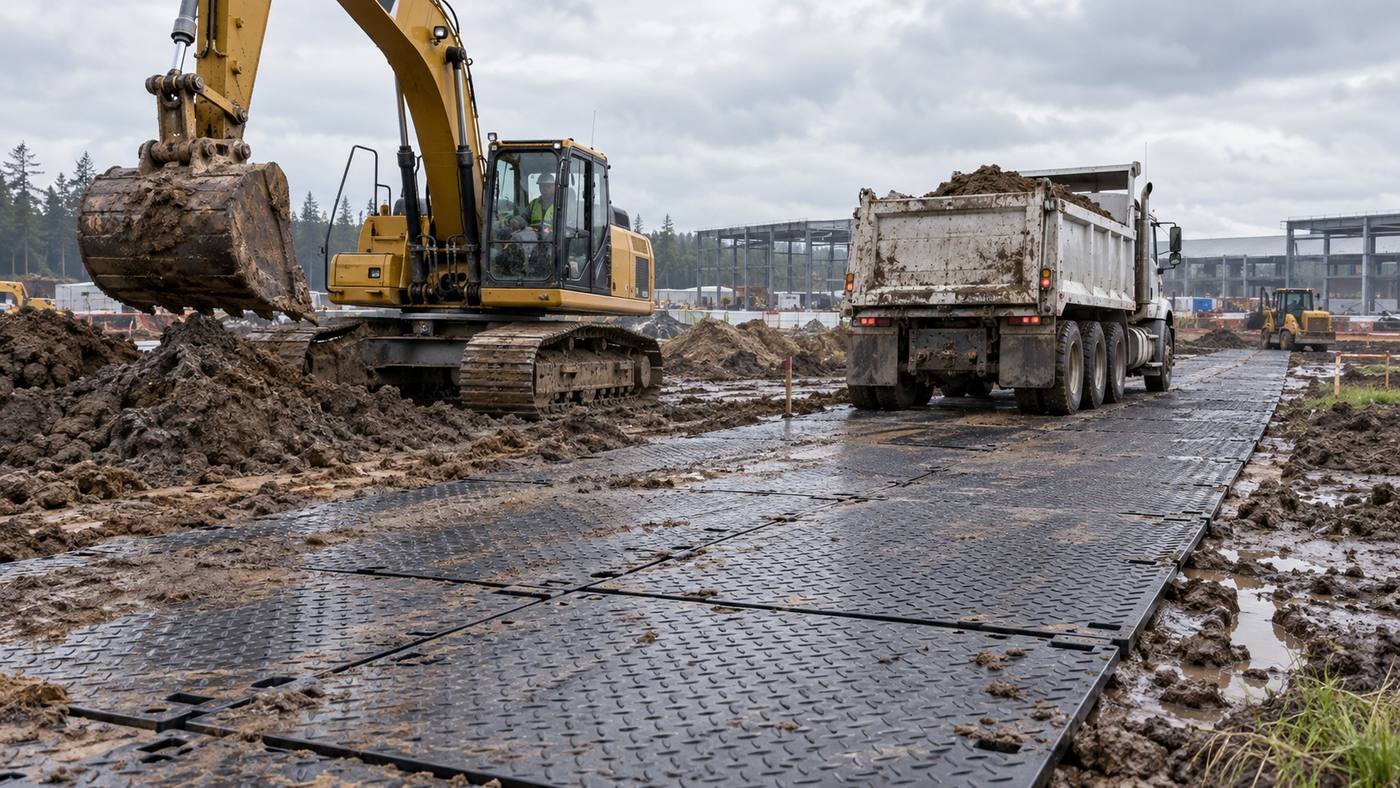 Energy, electricity and new sources of energy
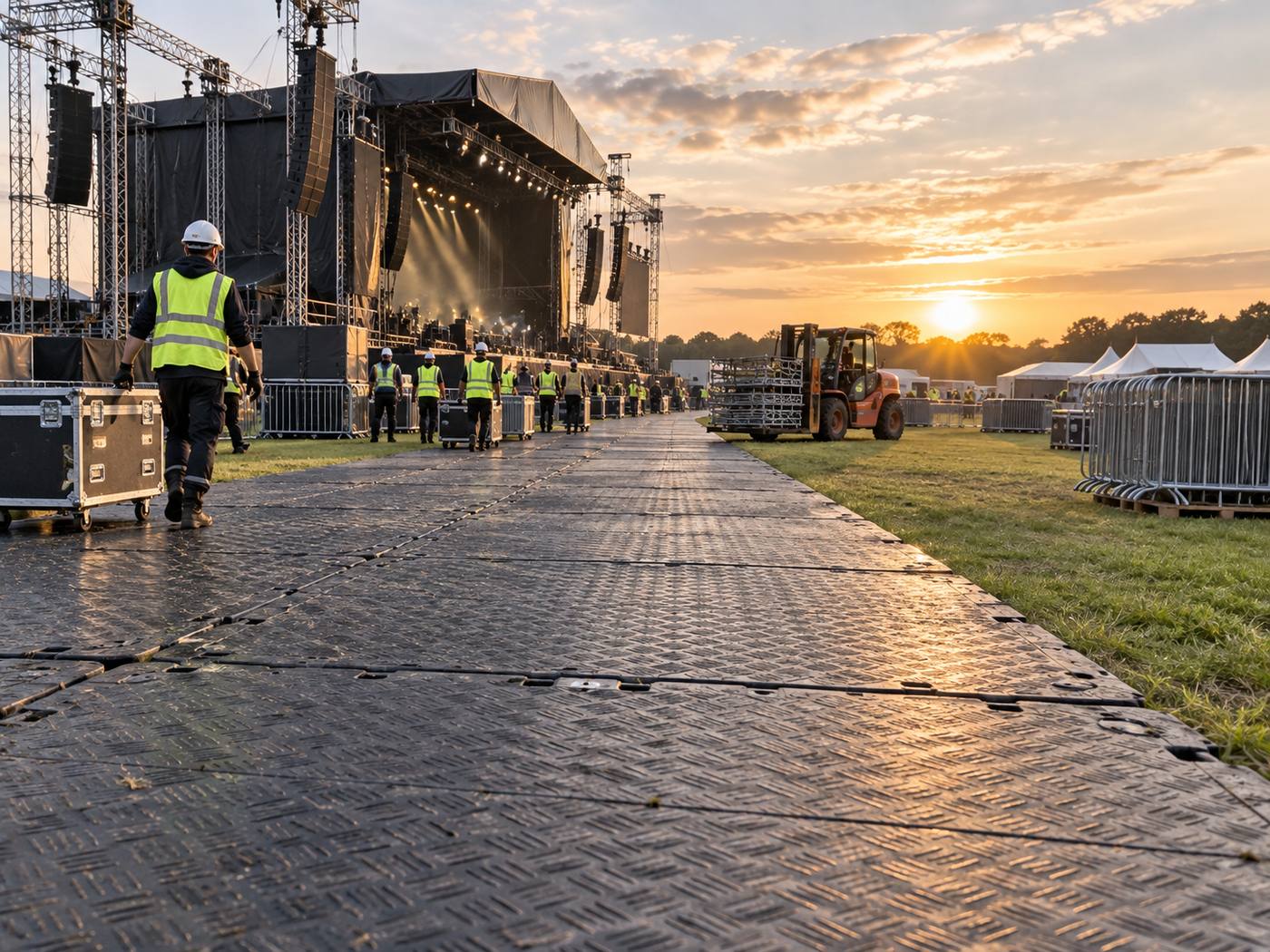 Events, performances and temporary venues
 Ports, logistics and industrial sitesConstruction & InfrastructureMines, quarrying and drillingAgriculture, plantations and forestryTransport fleet and self-loading vehiclesLifting and lease of equipmentEnergy, electricity and new sources of energyEvents, performances and temporary venuesPorts, logistics and industrial sites