
Post-disaster surfaces may not see the foundations, well covers, ditches, underground holes and sharp fragments that have been washed out.The vehicle would fall or damage tyres directly, and the sheeting would not provide reliable support if it were laid in a suspended area.The advance party shall, to the extent permitted by security, inspect the route, mark the depth of the water, the edges, the underground facility and the suspicious hole, and remove the hard matter that will pierce or top the plate.It could be piloted in the light vehicle segment and gradually released.The inspection should focus on the underwater flow of the plate, the slurry out and the sudden deposition, and any anomalies would require immediate closure of the paragraph and re-routing.The treatment of the “ground covered by water, sediment or debris, which is difficult to determine” cannot be limited to one successful pass, but also covers the maximum load, maximum frequency, worst weather and evacuation phases.It is recommended that representative positions be selected for trial, that ground, vehicle or equipment data be recorded and that the scope, connection and frequency of maintenance be adjusted to the results;Changes in conditions have confirmed that early experience will not be directly applied to the entire emergency relief and post-disaster temporary access project.
Emergency relief and disaster-track field applications
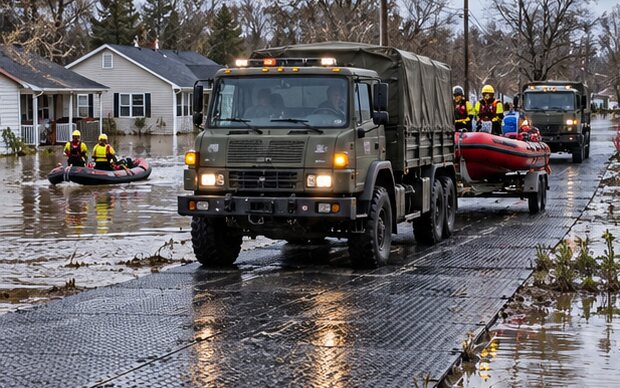
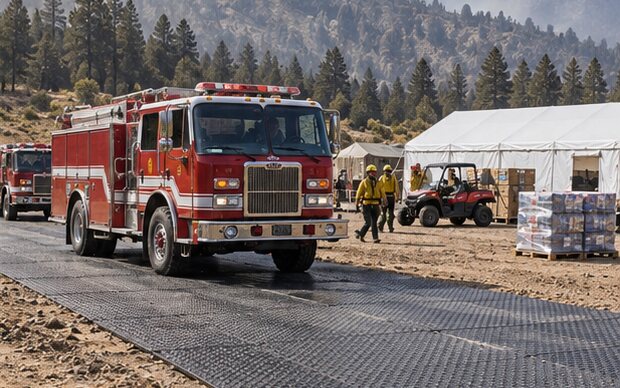
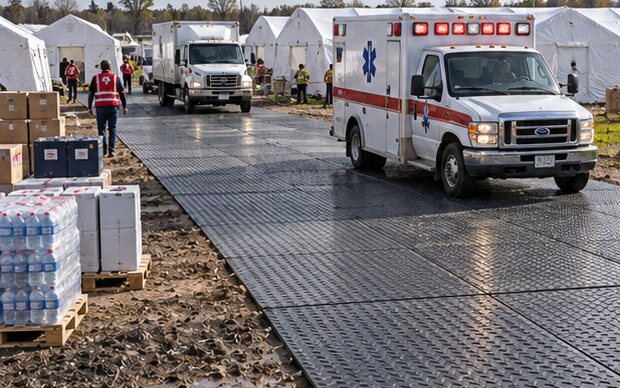
Application of common emergency relief and post-disaster temporary access routes
Description of the business processes, vehicle equipment, ground conditions and the project cycle.
Emergency relief and post-disaster temporary access routes are used for flood, earthquake, fire, landslides, storm and infrastructure disruptions, personal search and rescue, material transport, drainage pumping, communications recovery, and heavy equipment.
The plank and Outrigger Pads shall be designed as pre-positioned equipment, rapidly deployable in order of number, weight and load. The application programme shall combine rescue priorities, ground surveys, hazard zone isolation, night marking, communications and inspection, and specify the conditions under which movement will be suspended in the event of water level rise, aftershock, slide or surface anomaly.
Common Issues
Practical work on emergency and post-disaster temporary access points to explain, respectively, the causes of formation, possible impacts, priorities for inspection and management methods.
Ambulances, fire trucks, material trucks and engineering machinery may arrive at the same time, and if no movement is made, narrow passageways may be blocked and heavy vehicles may also be damaged by the routes set for light vehicles.An emergency does not amount to disorder.Command personnel shall identify single-direction lines, meeting points, turning areas and priority vehicles, and set up access points and wireless communications.The sheeting teams synchronized with traffic movements to ensure that vehicles were not looted until the route was completed.The use of reflective boundaries and lighting at night and the prohibition of parking on passages to unload cargo;Re-check the most heavy vehicles and frequency of traffic as the relief phase changes.Emergency relief and post-disaster temporary access sites should set clear standards for decommissioning, such as continued tipping, incomplete support, extended depositions, visible vehicle slippages or loose links, “in short time and with mixed vehicle types, directions and priorities”.Unusual isolation and unloading were detected, and then the floors were repaired or reconfigured, and temporary pads were prohibited in carrying conditions.The head of the mission may not resume operations until he or she has been qualified to do so, and records of disposal are maintained.
Roadbanks may continue to be washed back by floods, with the aftershocks altering cracks and slopes, and the rains following the fire may trigger mudslides.The passage of a single inspection does not mean that the channel can be used on a full day basis.The site should have observation points and frequency of review, recording water levels, cracks, landslides, sutures and depositions;Over the pre-set threshold, the alternative route is immediately suspended and activated.The position of the legs of the lifting and pumping equipment will also be reviewed in the light of changes in the ground and cannot continue operations after the water has been emptyed under the plate.The evacuation routes and personnel assembly points remained clear and were not occupied by the stacks of materials.In response to “water levels, aftershocks and changes in the slopes that render established passages obsolete at any time”, the emergency relief and post-disaster temporary access project should also include the results of inspections in the pre-class confirmation and handover records, identifying who is responsible for release, who is responsible for inspection, what deposition or relocation must be discontinued.Retroactive recording of photographs, measurements and usages will make it possible to distinguish ground-based changes, operational deviations from product damage and avoid repetition of the same problem between different groups.
Solution Recommendations
The route, the grass-roots, the support or the unloading of the material is addressed first, and the corresponding products are recommended according to the work situation.
Solutions should be pre-modified.Three types of preparation plates, pads, connectors, reflectors and handling tools for light relief, heavy engineering and foot equipment, with the first-use components placed outside the vehicle.Upon arrival, the site will be surveyed by the advance party, which will first establish a personnel and light vehicle route and then upgrade the heavy-load route on the basis of the ground and vehicle;Sets a one-way, car, turnback and back-up exit.The ground, water level and sheeting are updated at each shift and the abnormal sections are immediately isolated.After the rescue has been completed, it is cleaned, checked, completed and resealed for the next direct deployment.
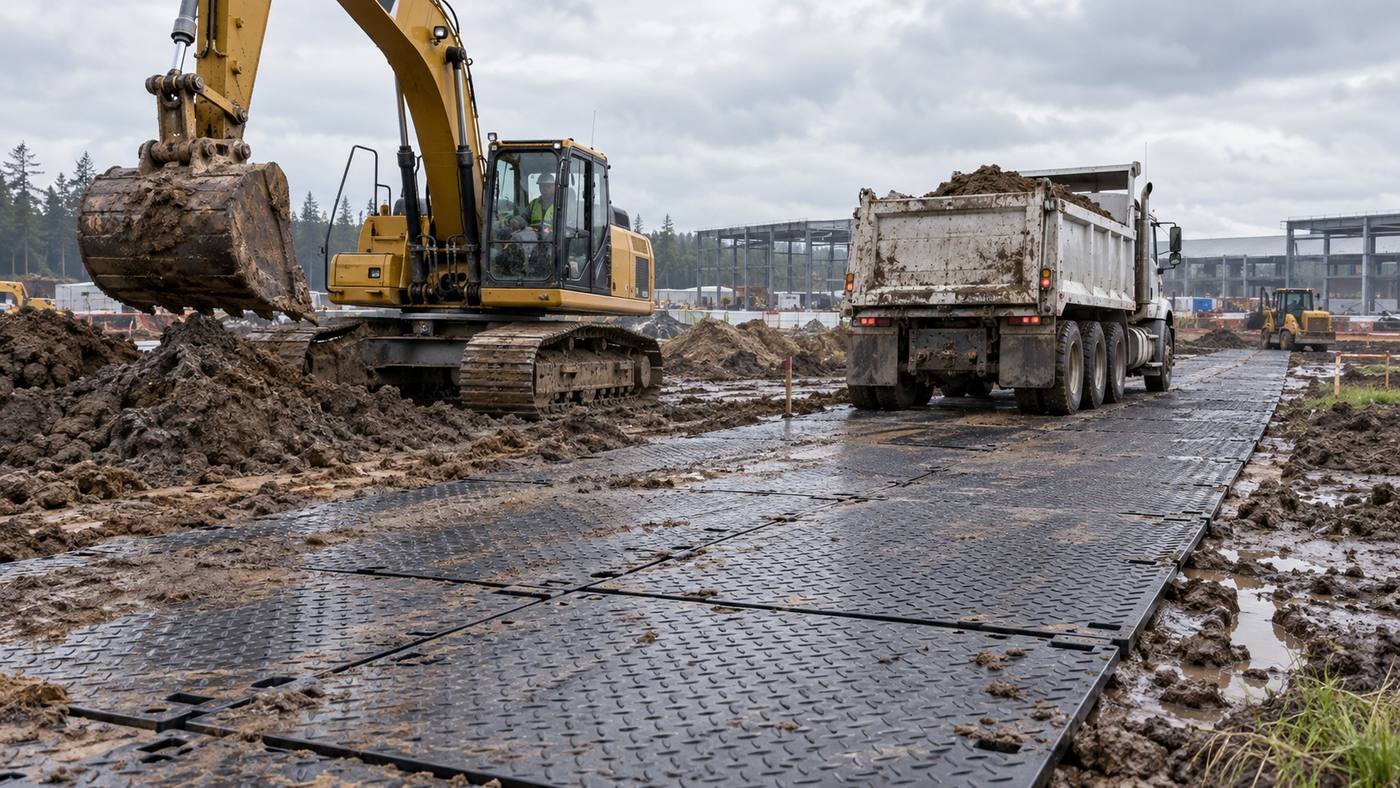
HDPE Ground Protection Mats- for mudslides, for the breaking of shoulders and temporary rescue routes, selects the specifications of a visible colour, reliable connection and suitable for personal handling, and assesses them according to the most adverse loads of a fire truck or an engineering vehicle;The sub-legs of mobile cranes, pumps, communication vehicles and high-altitude equipment are equipped with Crane Outrigger Pads-, which expands the area of exposure based on a single-leg reaction.The product must be placed on a ground floor that has been minimally surveyed and flattened and that cannot cross an unknown hole.It is recommended that relief agencies retain different specifications and alternative ratios, and perform regular exercises to lay, remove, mark at night and identify injuries.
Ground Protection Mats
For the establishment of temporary vehicle access, protection of the original ground and dispersion of the wheel; specific thickness, size, texture and connection will be determined by vehicle and base level.
Crane Outrigger Pads
For the purpose of increasing the area of the foot exposure and reducing average ground pressure; must be calculated in conjunction with maximum single-leg reaction, original foot size and a permissible ground pressure.
Manufacturing
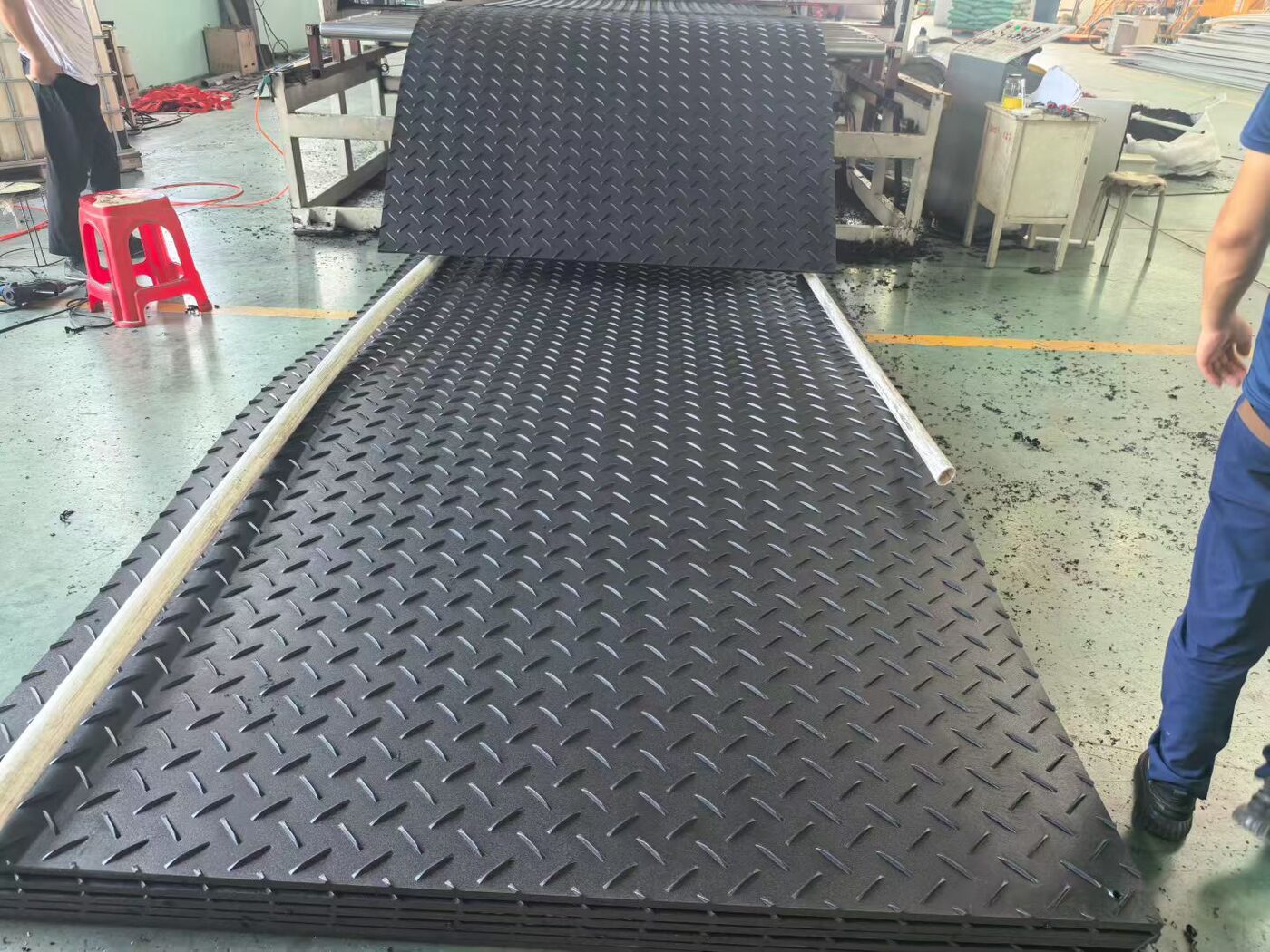
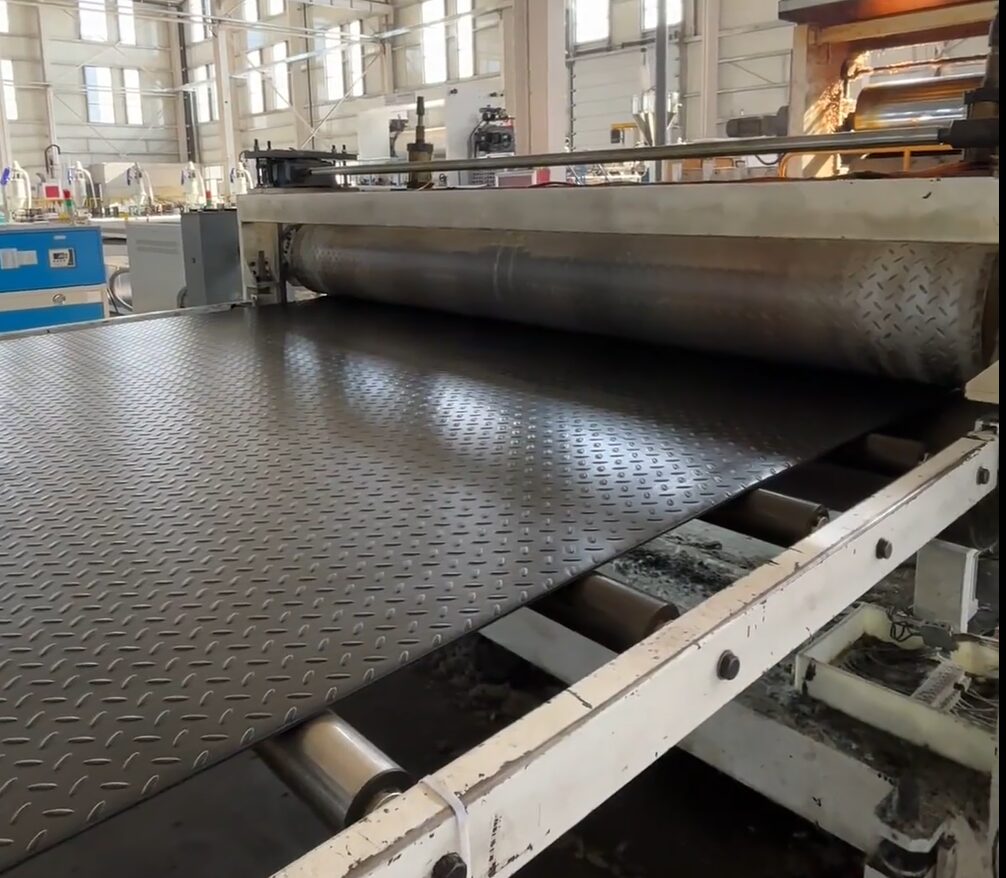
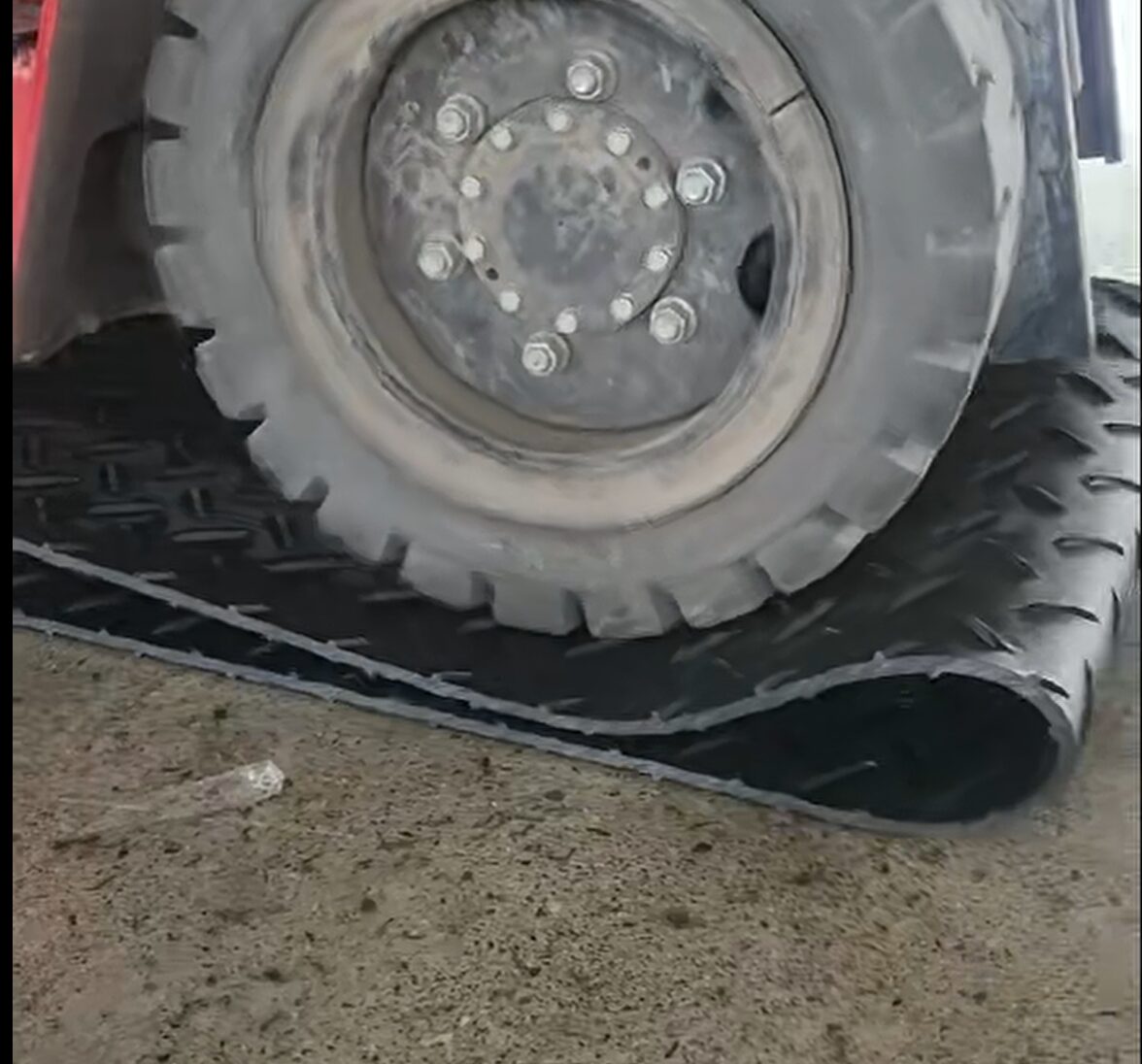
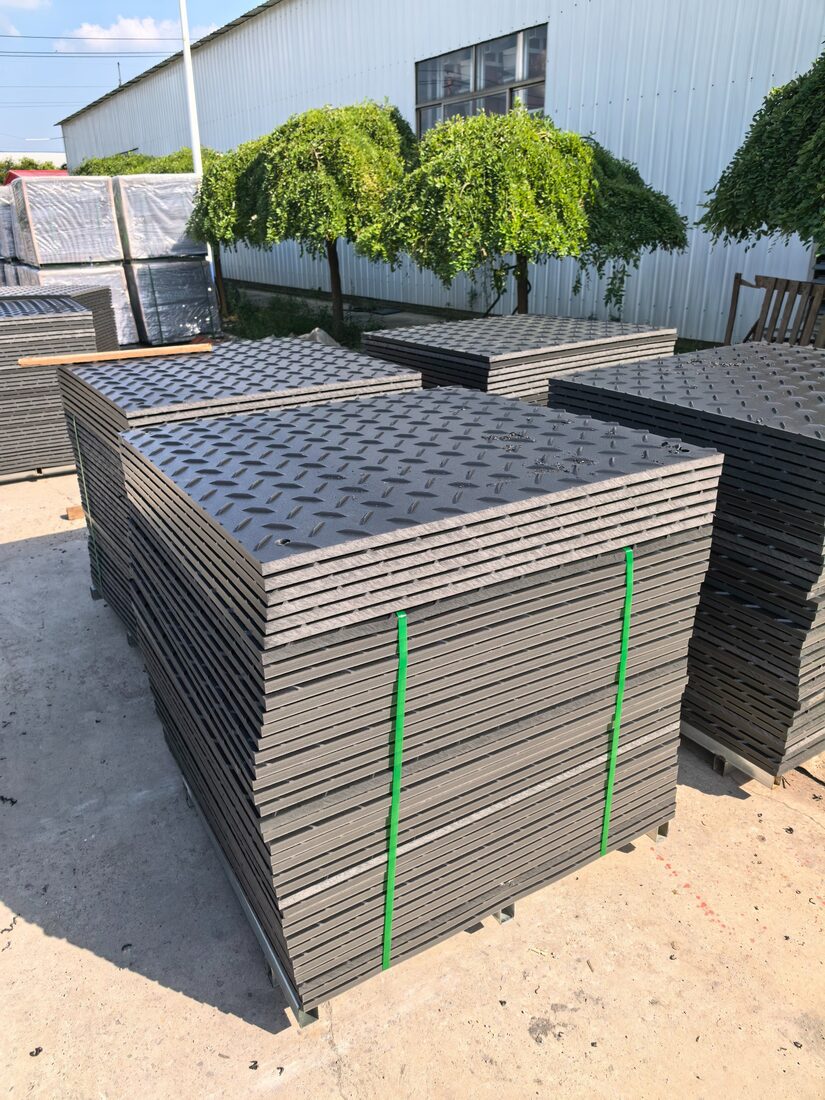
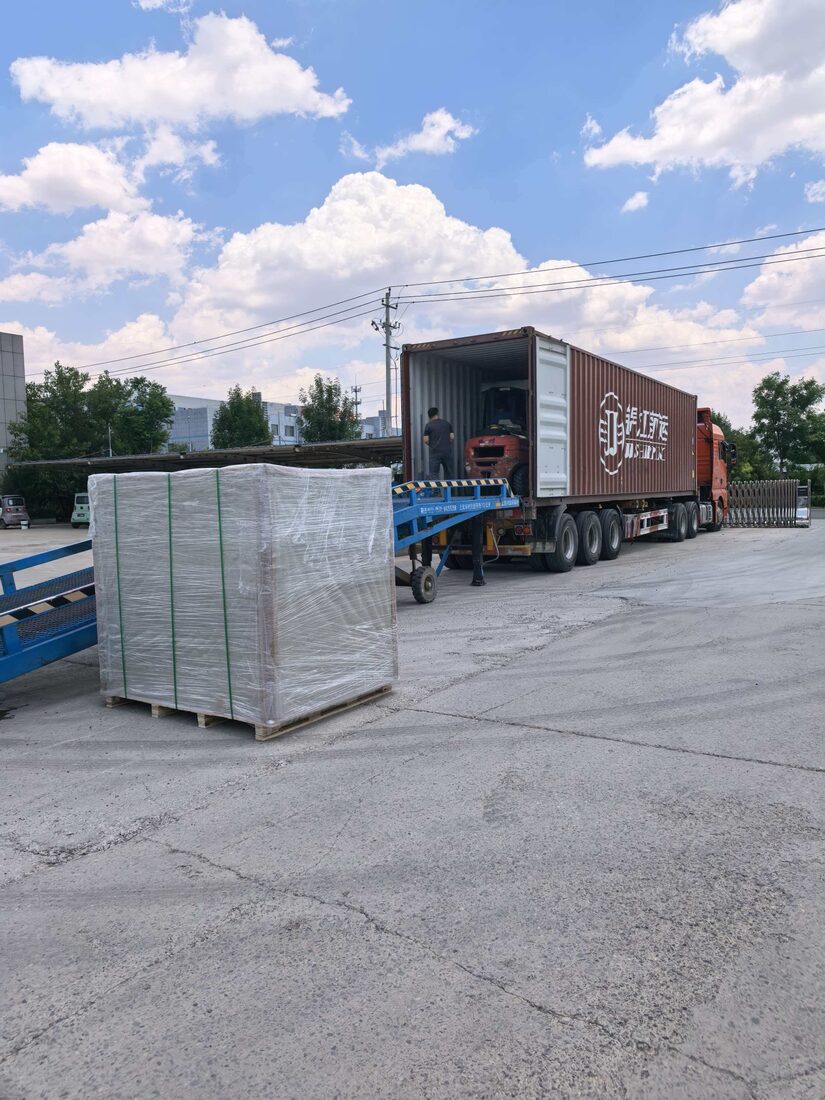
01Ground Protection Mats Production and bulk delivery
From smooth-truck road formation to vehicle load validation, to mass stacking, packaging and loading.
02Crane Outrigger Pads Processing and Inspection
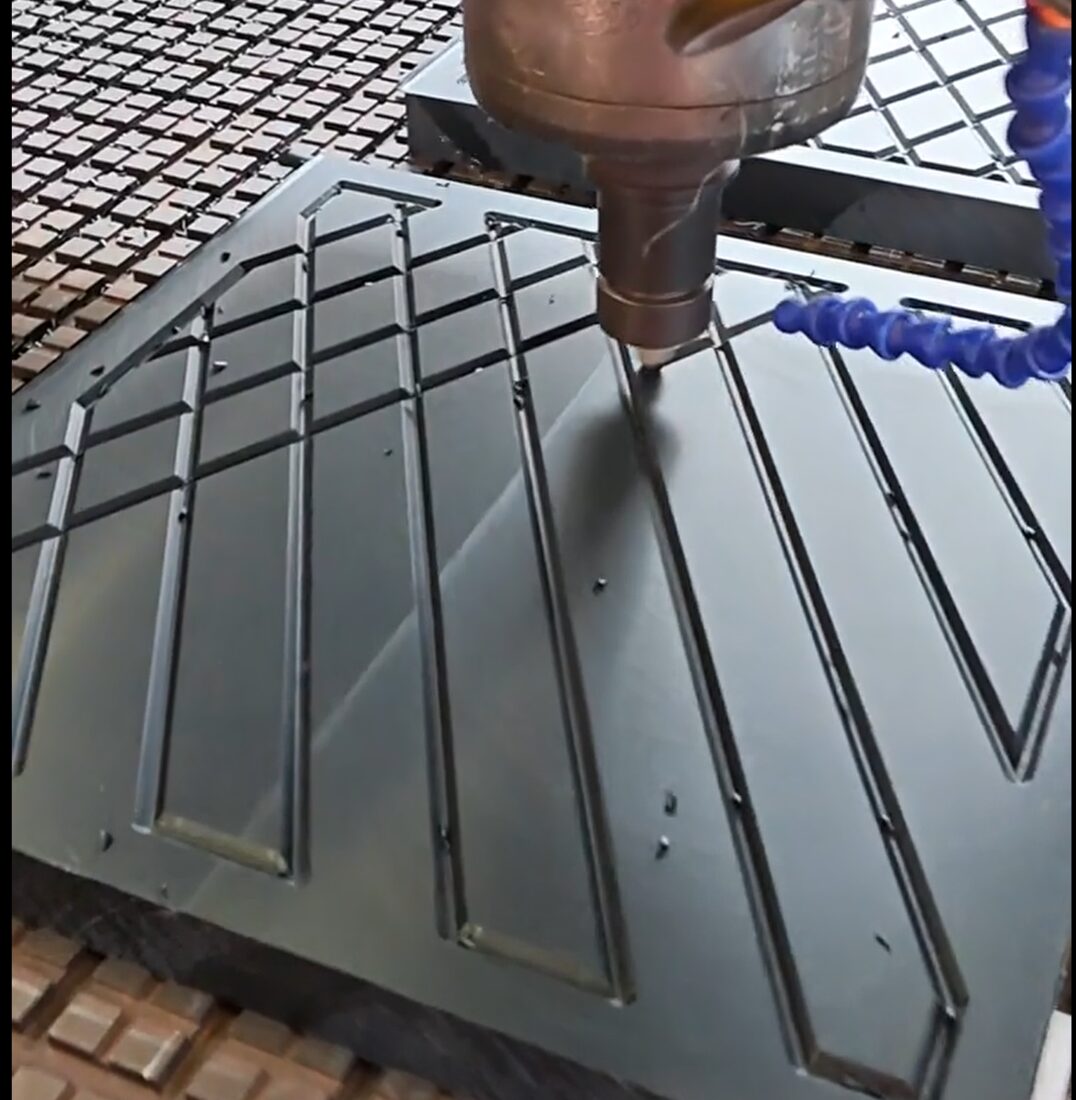
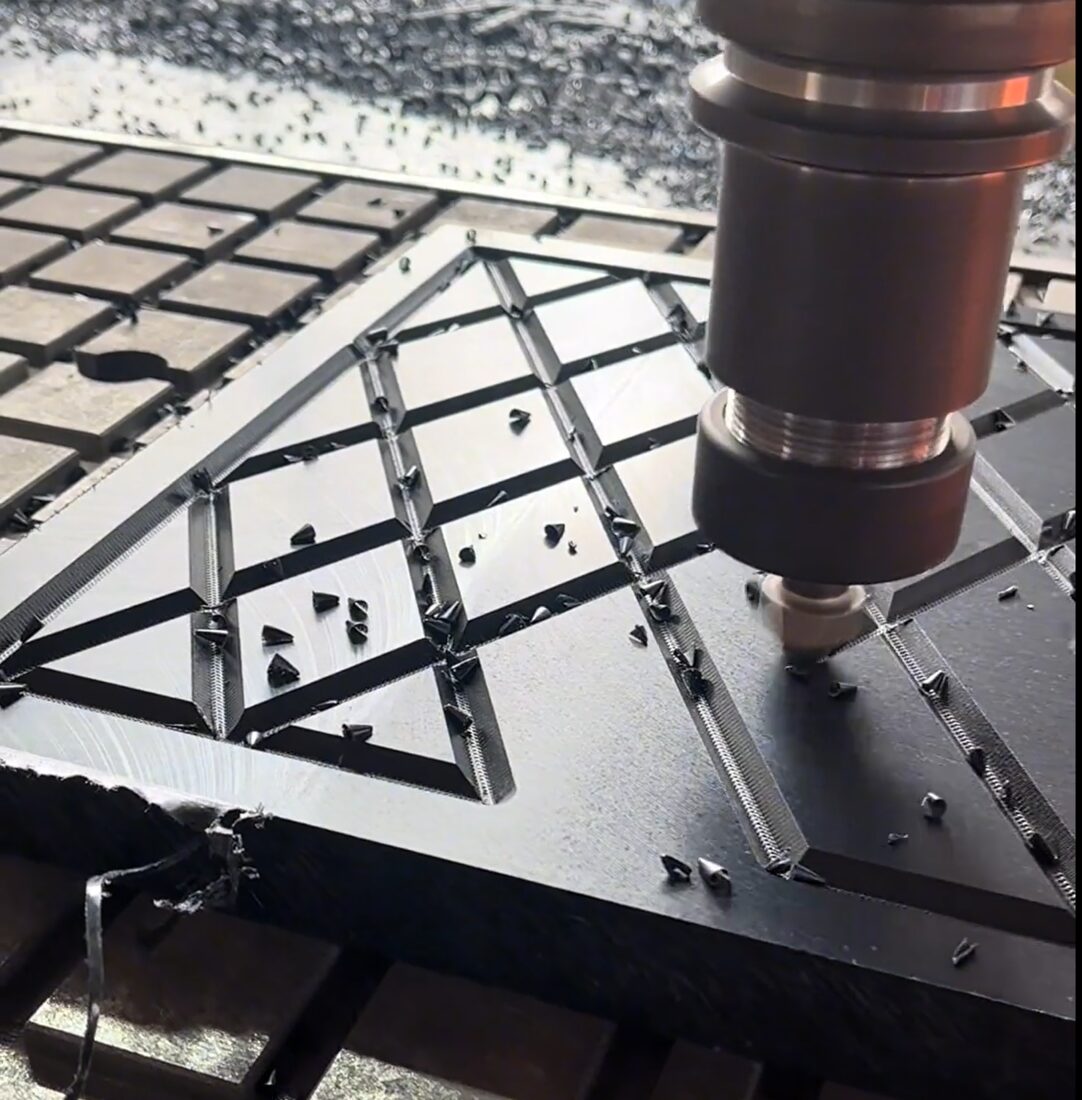
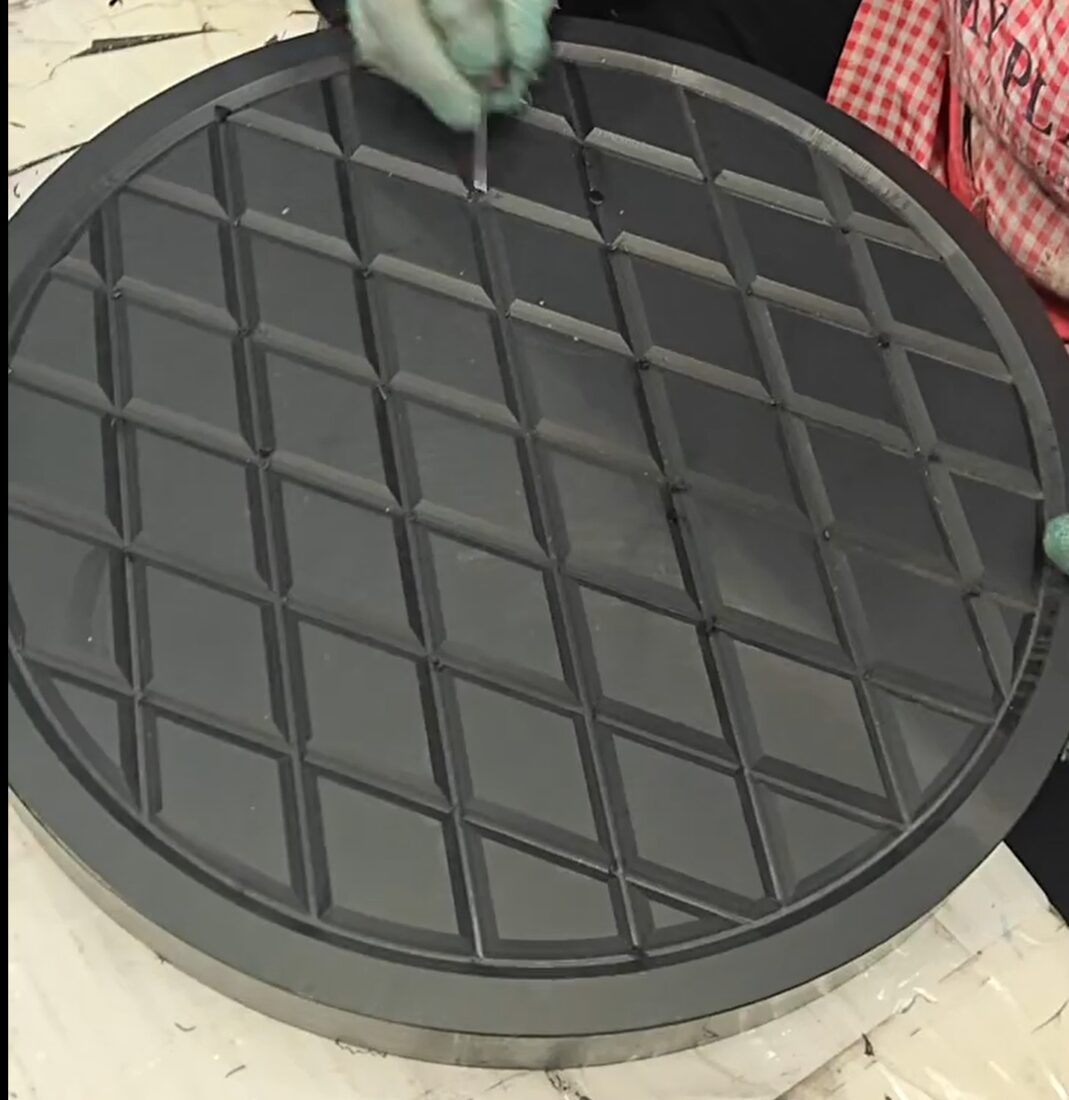
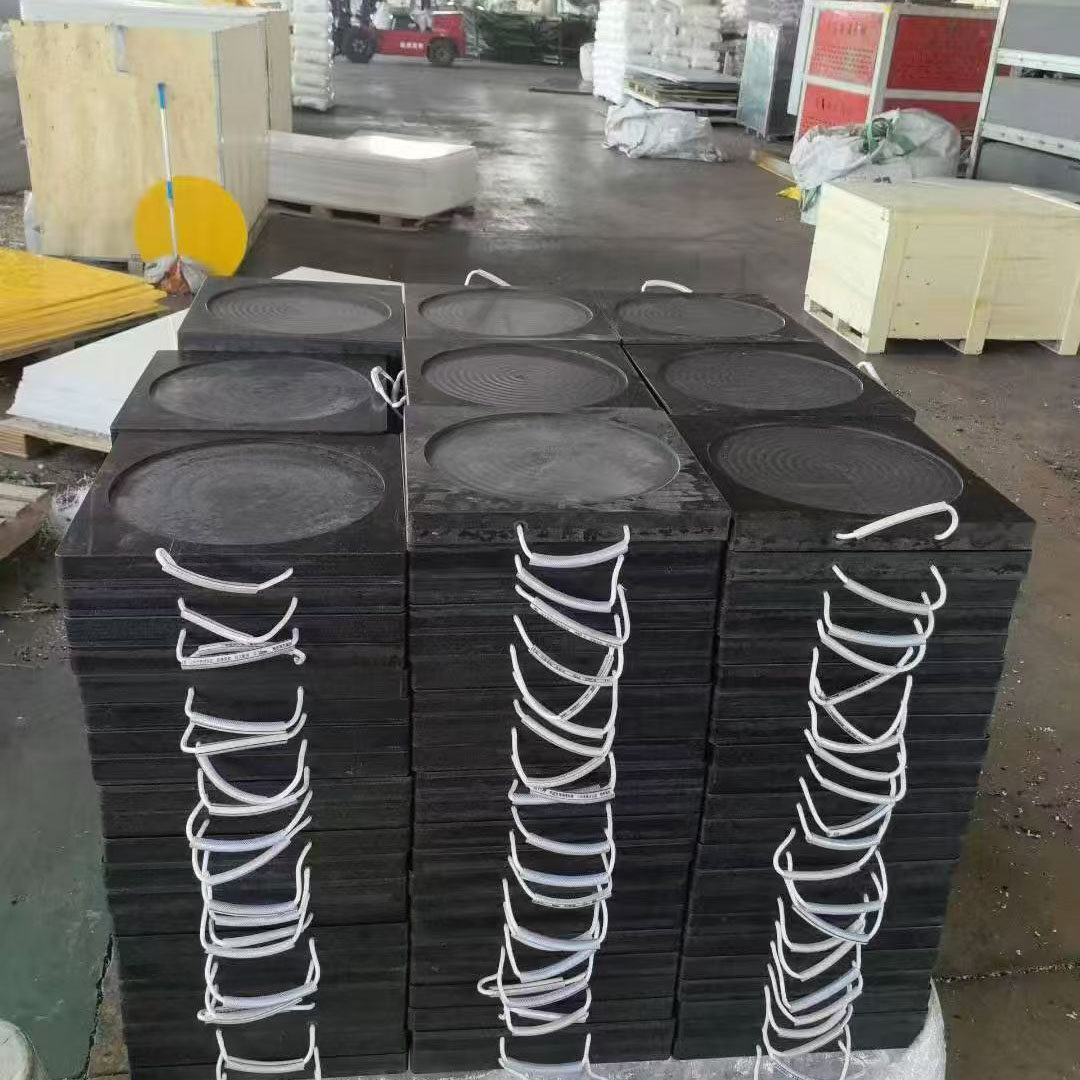
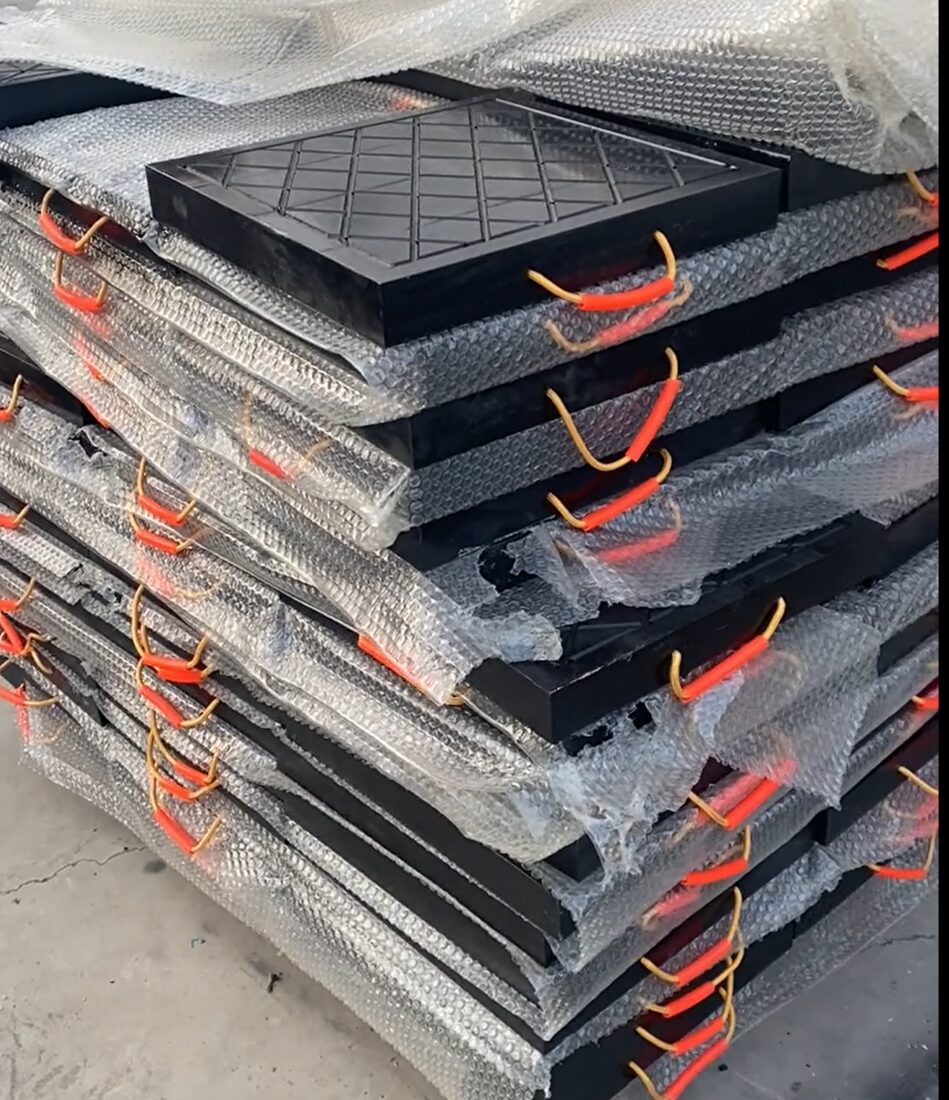
CNC processes, surface structural checks, attachment configurations and packagings showing circles, squares—Outrigger Pads.
Information proposed before request for quotations
The more complete the information, the easier it is to quickly determine the appropriate size, thickness, structure, quantity and customization.
- Type and weight of vehicle/equipment
- Ground type versus hardness
- Length, width and turn of route
- Retroactivity of equipment model with maximum leg
- Size of original foot
- Ground carrying conditions
- Projected number of acquisitions
- Port of destination/delivery area
(b) The programme of the Emergency Relief and Post-disaster Temporary Access Project?
We continue to assess the actual conditions of work for the distribution of site photographs, equipment/vehicle parameters, application conditions, quantity and port of destination.
Industry application cases
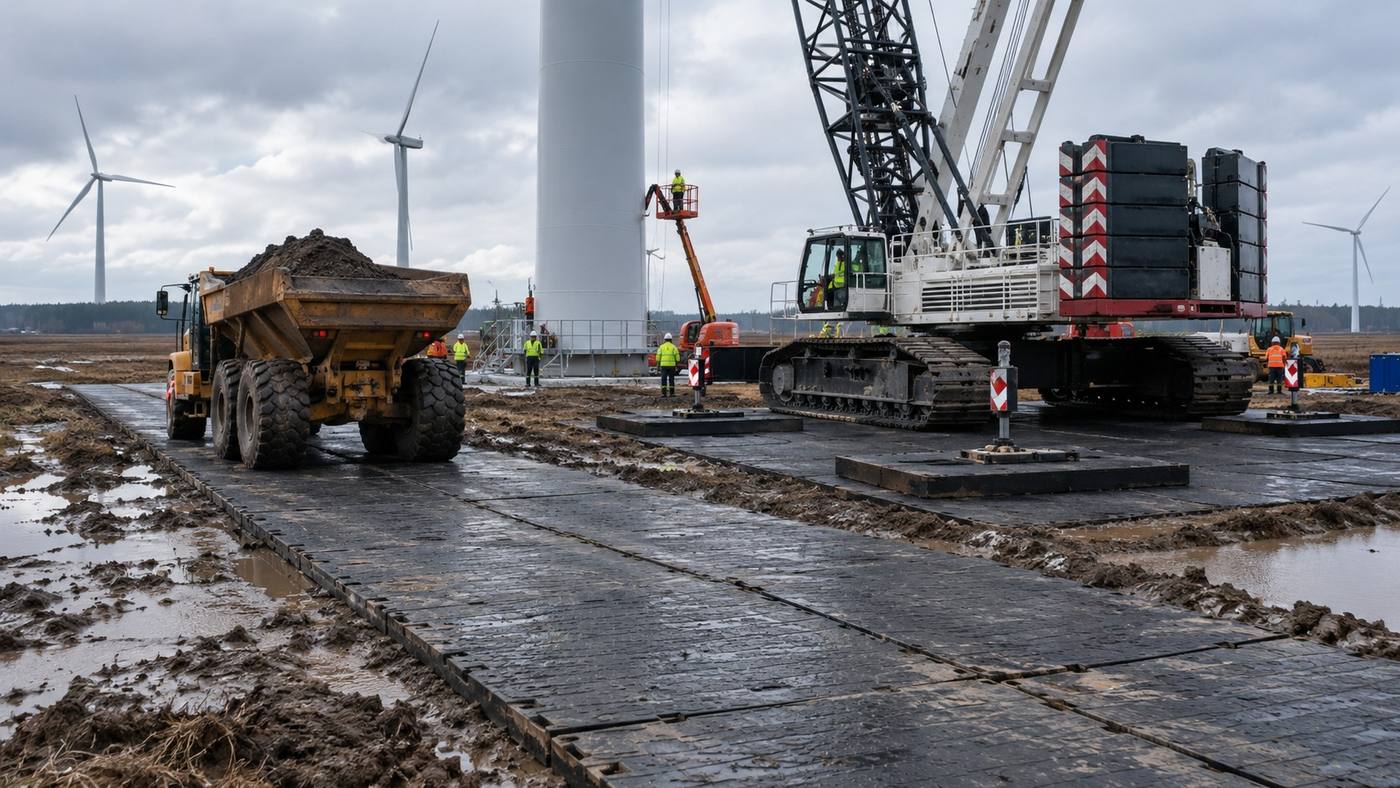
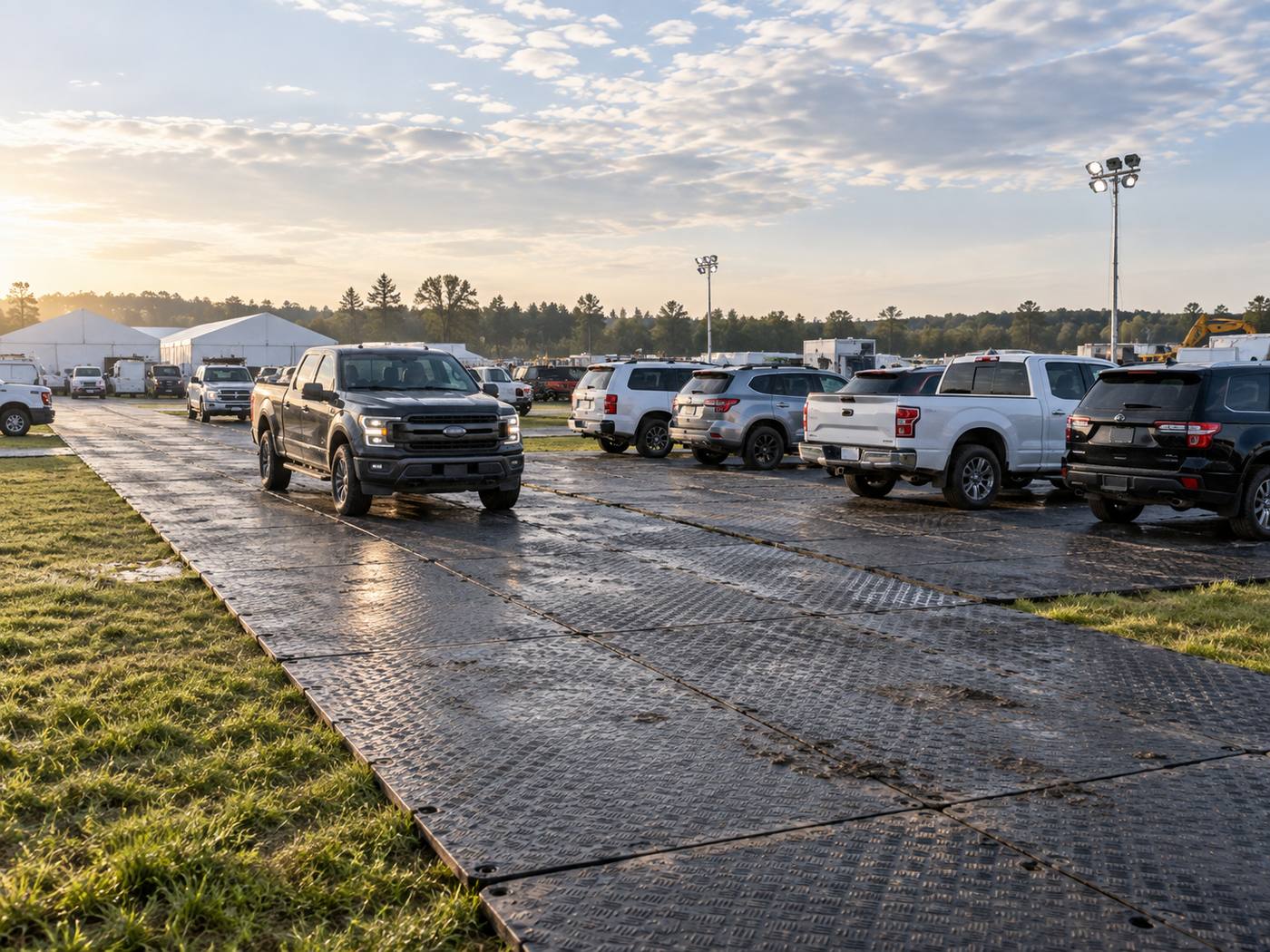
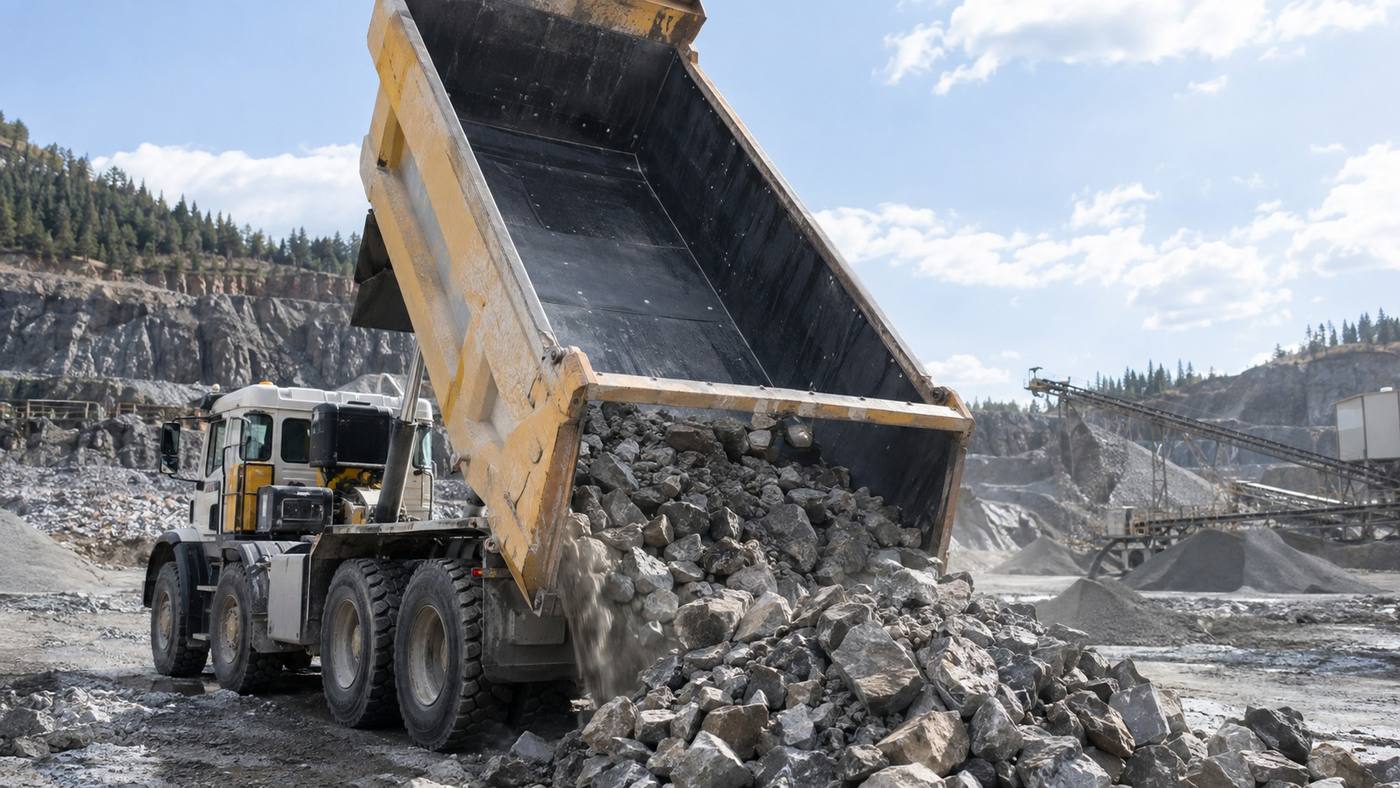
Browse the typical applications of Ground Protection Mats-, Dump Truck Bed Liners- and Outrigger Pads-- in different industries, click on pictures to enter the corresponding industry pages.
Construction & Infrastructure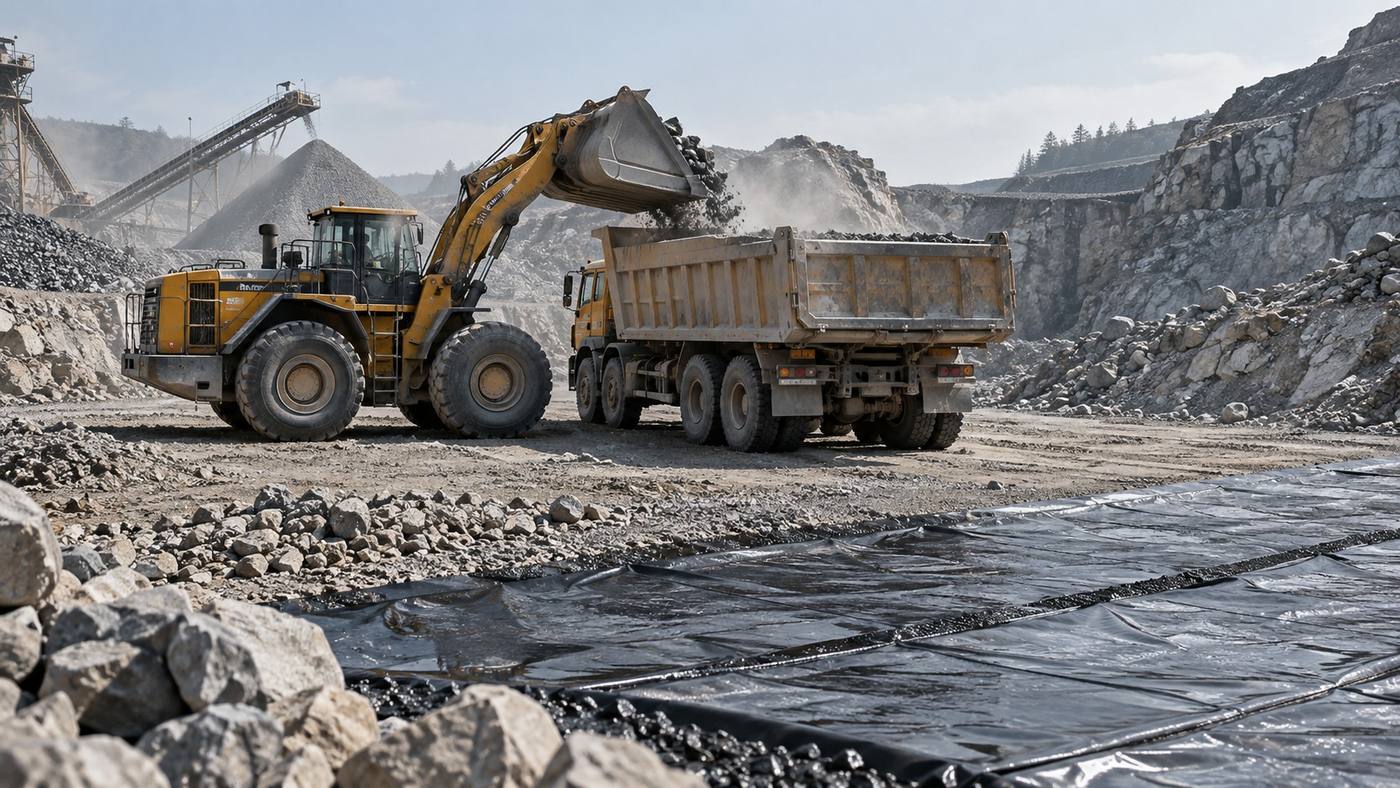 Mines, quarrying and drilling
 Agriculture, plantations and forestry
 Transport fleet and self-loading vehicles
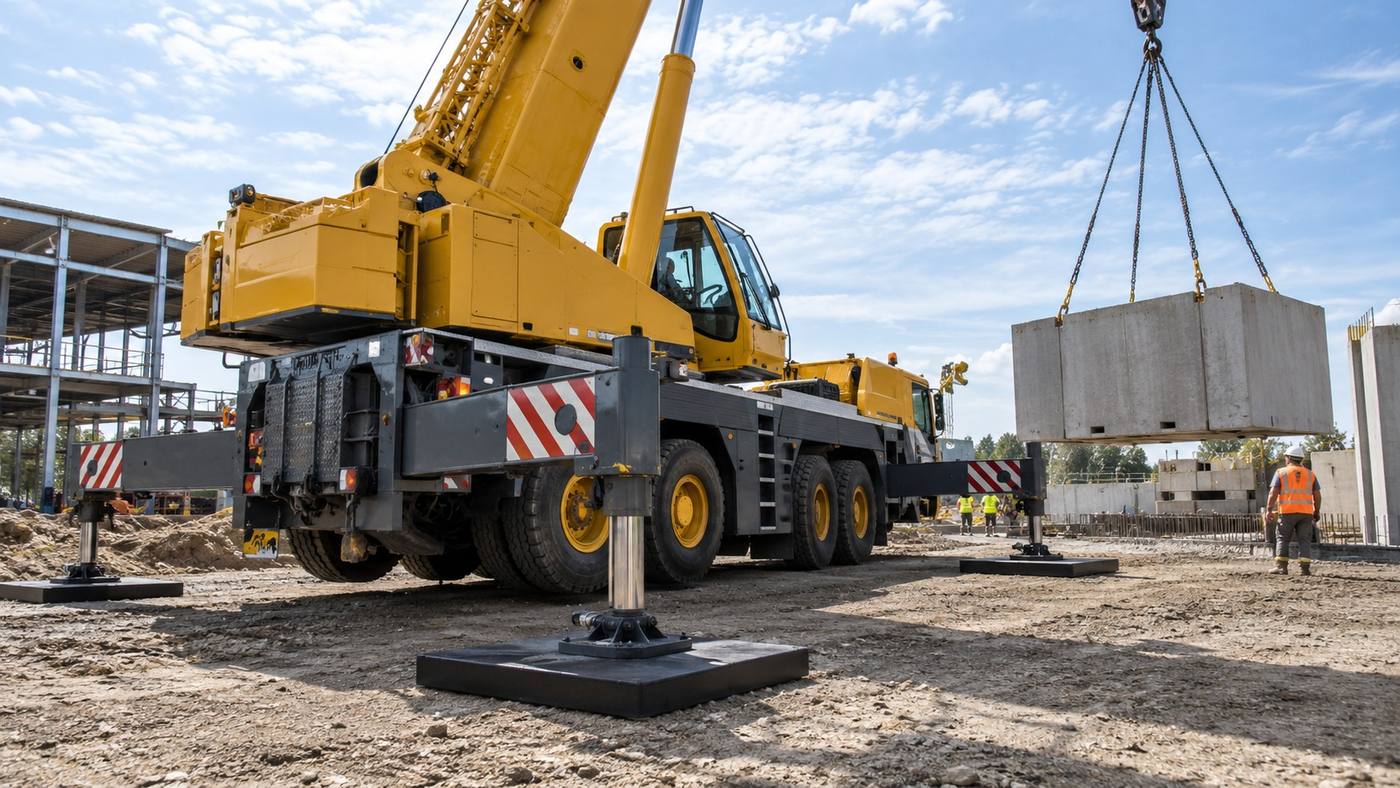 Lifting and lease of equipment
 Energy, electricity and new sources of energy
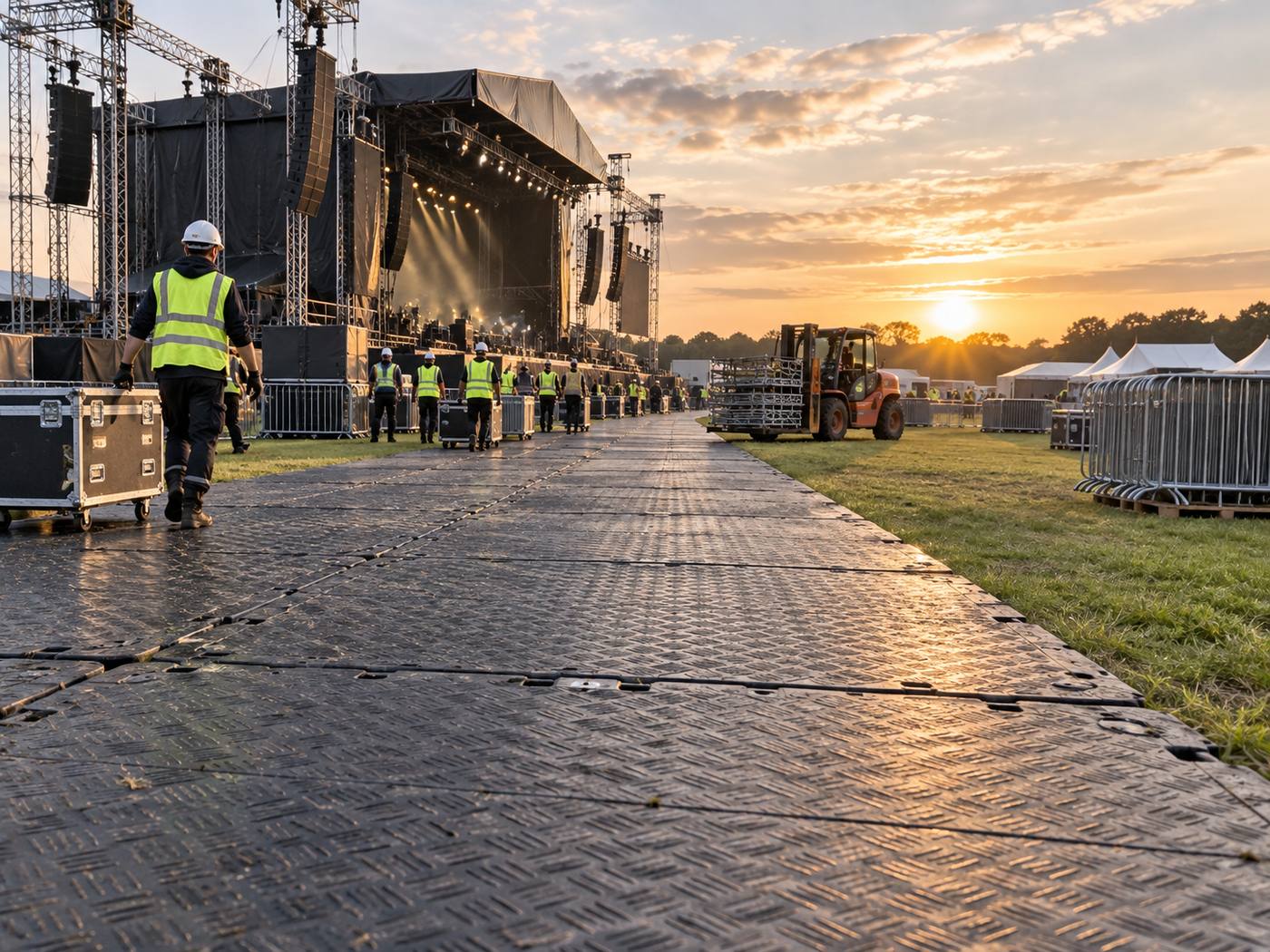 Events, performances and temporary venues
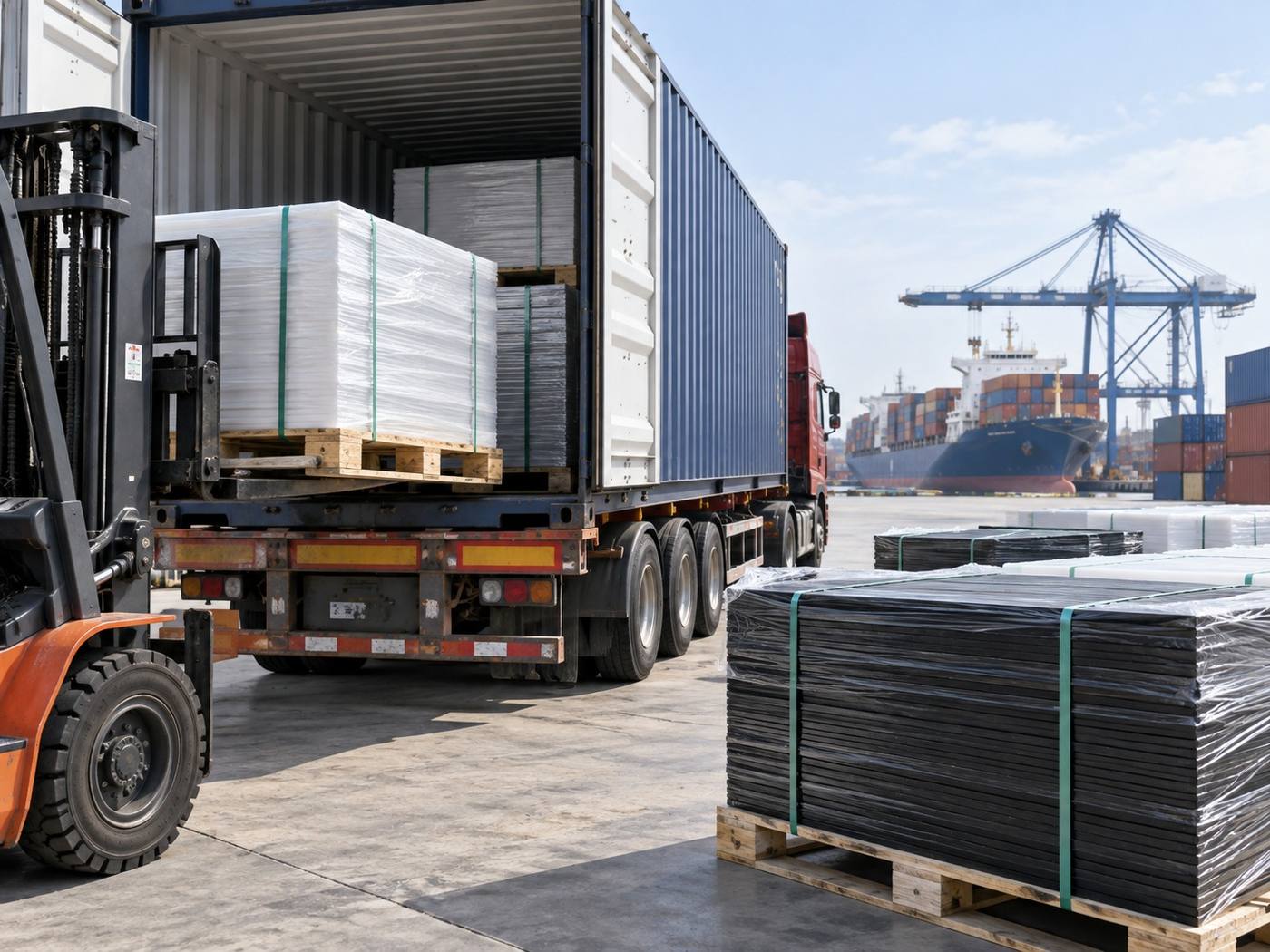 Ports, logistics and industrial sitesConstruction & InfrastructureMines, quarrying and drillingAgriculture, plantations and forestryTransport fleet and self-loading vehiclesLifting and lease of equipmentEnergy, electricity and new sources of energyEvents, performances and temporary venuesPorts, logistics and industrial sites