Municipal workers are often surrounded by motorways, non-motorized lanes, commercial access and residential access routes, and there is a intersection between the entry and exit of construction vehicles and social vehicles and pedestrians.When large equipment is rolled back or turned, the sight line is restricted by a block, and temporary passages are prone to trip, bump and congestion if they are not sufficiently wide, board up or coloured.It is not enough to lay on the width of the equipment alone, and the rear vision mirrors, leg stretches, guides and emergency evacuation space are required.The project should adjust the one-way, temporary closures and material distribution plans for a time horizon and set a target on the edge of the plate to keep fire escape and barrier-free access occupied.The treatment of “a narrow scope and incomplete interruption of public transport” cannot be viewed only as a one-time pass, but also as covering the maximum load, maximum frequency, worst weather and exit phases.It is recommended that representative positions be selected for trial, that ground, vehicle or equipment data be recorded and that the scope, connection and frequency of maintenance be adjusted to the results;Changes in conditions have confirmed that early experience is not directly applied to the entire municipal construction and road maintenance project.
On-site applications for municipal construction and road maintenance
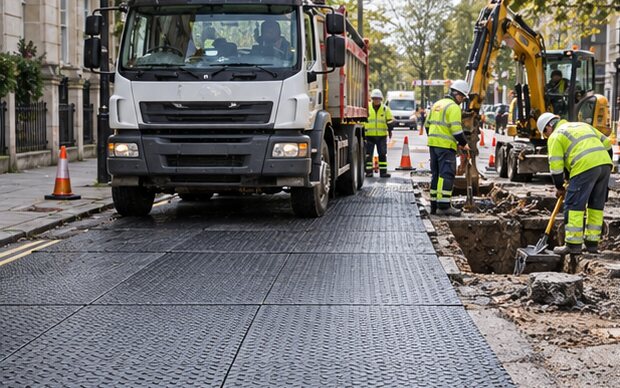
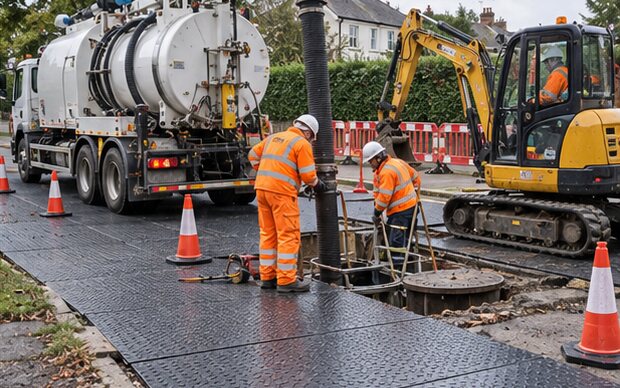
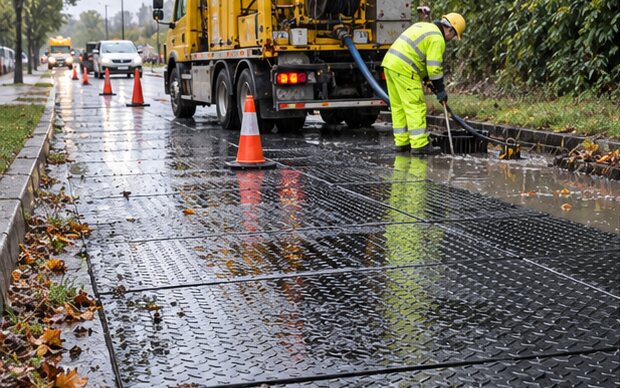
Application of common projects for municipal construction and road maintenance
Description of the business processes, vehicle equipment, ground conditions and the project cycle.
Municipal works are often carried out in the vicinity of urban roads, community entrances, commercial streets or public facilities that are still in operation, with narrow available space, short operating windows and no complete interruption of vehicles and pedestrians. Excavators, scavengers, cranes, material trucks and scavengers need to be rotated frequently inside the perimeter, and temporary routes may also cross pavements, green belts, roadside stones, inspection wells and just completed roads.
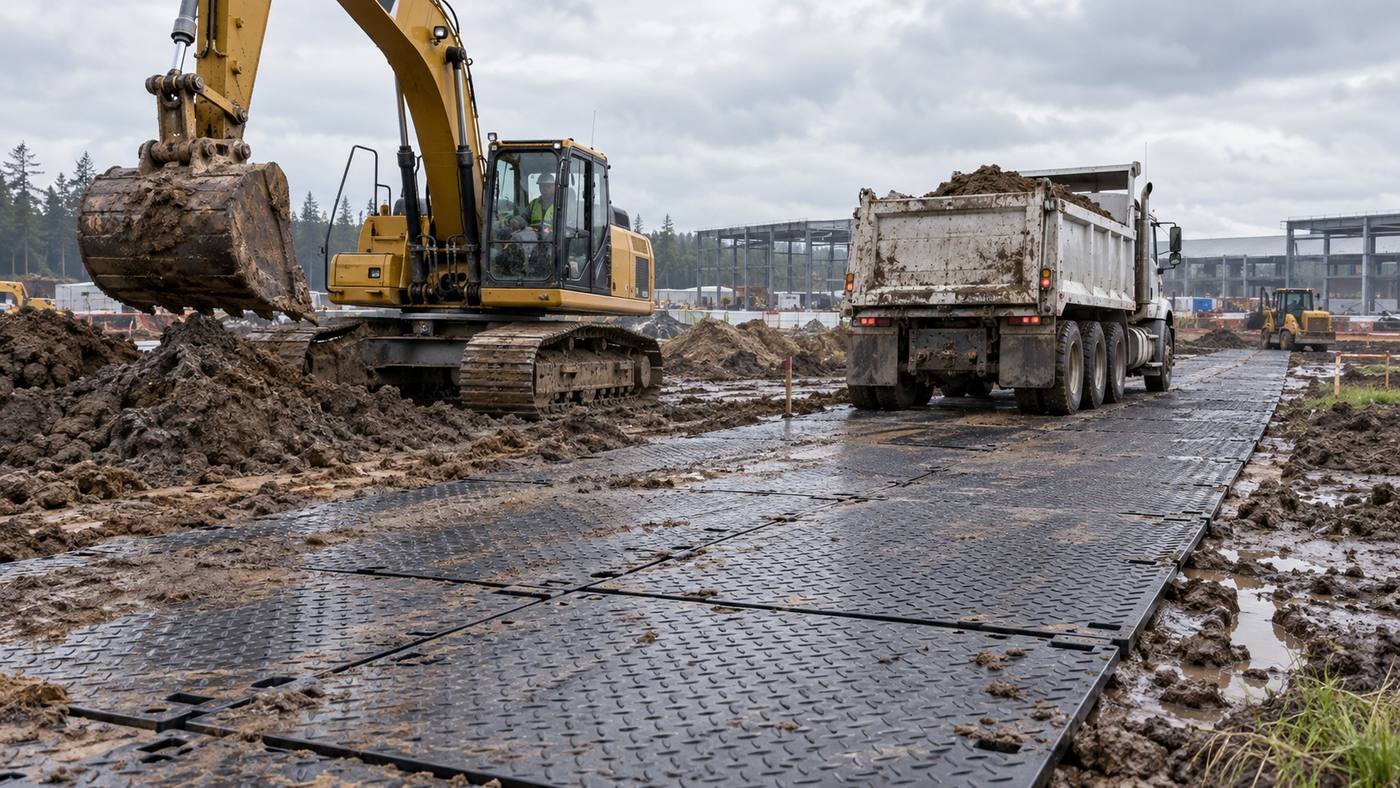
The application of such projects will focus on the rapid establishment of identifiable, maintained and dismantled construction areas.The safe access of engineering vehicles is required during the day and partial public access is restored at night or at peak hours;Water drainage, pumping and rescue equipment must also be quickly available when repairs are being made in the aftermath of heavy rains.Temporary protective materials should be combined with transport organization, blockage, warning, drainage and product protection, rather than a single sheet.The completion of projects usually requires the timely clearing of sites, restoration of roads and greening, and therefore the reuse of sheeting, removal efficiency, surface cleaning and impact on the ground need to be included in the plan.
Common Issues
For municipal construction and for road maintenance, the reasons for their formation, possible impacts, inspection priorities and management methods are described separately.
Under the surface of the road, there may be a backfilled ditch, old inspection well, cavity, underground pipeline or grass-roots loose zone, which appears to be flat outside, but with a different deposition when the heavy vehicle passes.New and old road boundaries, roadside slopes and steel strip interfaces are also prone to high differentials, resulting in the suspension or suture of Ground Protection Mats.If underground information is not verified in advance, the equipment leg or wheel may be pressed to the point of weakness.(b) The containment area should be determined prior to construction in conjunction with the completion plan, detection results and on-site test pressure, and the quality of refilling and well-weekly reinforcement of the grates should be inspected and verified;Sewage, suture migration and water infiltration at the grass-roots level are recorded during use, and extraordinary and timely shutdowns and re-alignment are detected.
While some of the repairs, such as blast pipes, road collapses and heavy rainfall, emphasize rapid recovery, time constraints do not mean that route identification and carrying assessments can be ignored.The site is often operated at night or in rain, with insufficient lighting, mud covered connections, continuous re-routing of equipment, and the plates may be put into operation without being locked;The evacuation site is also prone to transport contaminants to public roads.Project leaders should establish simplified but complete rapid check forms, including equipment weight, retrogressive legs, ground conditions, laying directions, perimeter alerts and daily reviews.Provide dedicated personnel for cleaning and recycling to ensure that the interim measures do not affect subsequent road stalls, open traffic or environmental acceptance.
Solution Recommendations
The route, the grass-roots, the support or the unloading of the material is addressed first, and the corresponding products are recommended according to the work situation.
The solution should be carried out in tandem with transport organization and underground conditions.The vehicle entrances, material discharge areas, equipment stations and public bypass roads are divided according to the construction phase, and the location of the well covers, ditches, vault ceilings and underground lines are checked.Short-lived repairs allow for the preparation of standardized sheet combinations and connector lists, and the rapid laying and installation of border reflectors;For projects that last for several weeks, it will be necessary to level the grass-roots level, establish drainage slopes and enhance laying at turnovers, brakes and loading points.The pre-construction panels are softened, contaminated, faulty and grass-roots on a daily basis, and the traffic switch is cleared to avoid mud entering public roads.
(b) Priority on product selection, crossing green belts, unhardened floors, groove filling areas and protection of new pavements, with HDPE-Ground Protection Mats- ---------------------------------------------------------------------------------------------------------------------------------------------------------------------------------------------------When a stowing vehicle, a pump, a street light repair vehicle and a small crane equipment is to be used to spread a leg, it shall be selected according to a single-leg reaction — Crane Outrigger Pads — and shall avoid the wellheads and underground cavities.Municipal slag, silt or wet transport vehicles can be configured according to material adhesion — Dump Truck Bed Liners — to improve offloading and reduce the impact noise.The procurement should be combined with the length of the route, the narrowest passage, the maximum vehicle type, night identification and cleaning requirements in order to combine the specifications and quantity, rather than simply order them by area.
Ground Protection Mats
For the establishment of temporary vehicle access, protection of the original ground and dispersion of the wheel; specific thickness, size, texture and connection will be determined by vehicle and base level.
Crane Outrigger Pads
For the purpose of increasing the area of the foot exposure and reducing average ground pressure; must be calculated in conjunction with maximum single-leg reaction, original foot size and a permissible ground pressure.
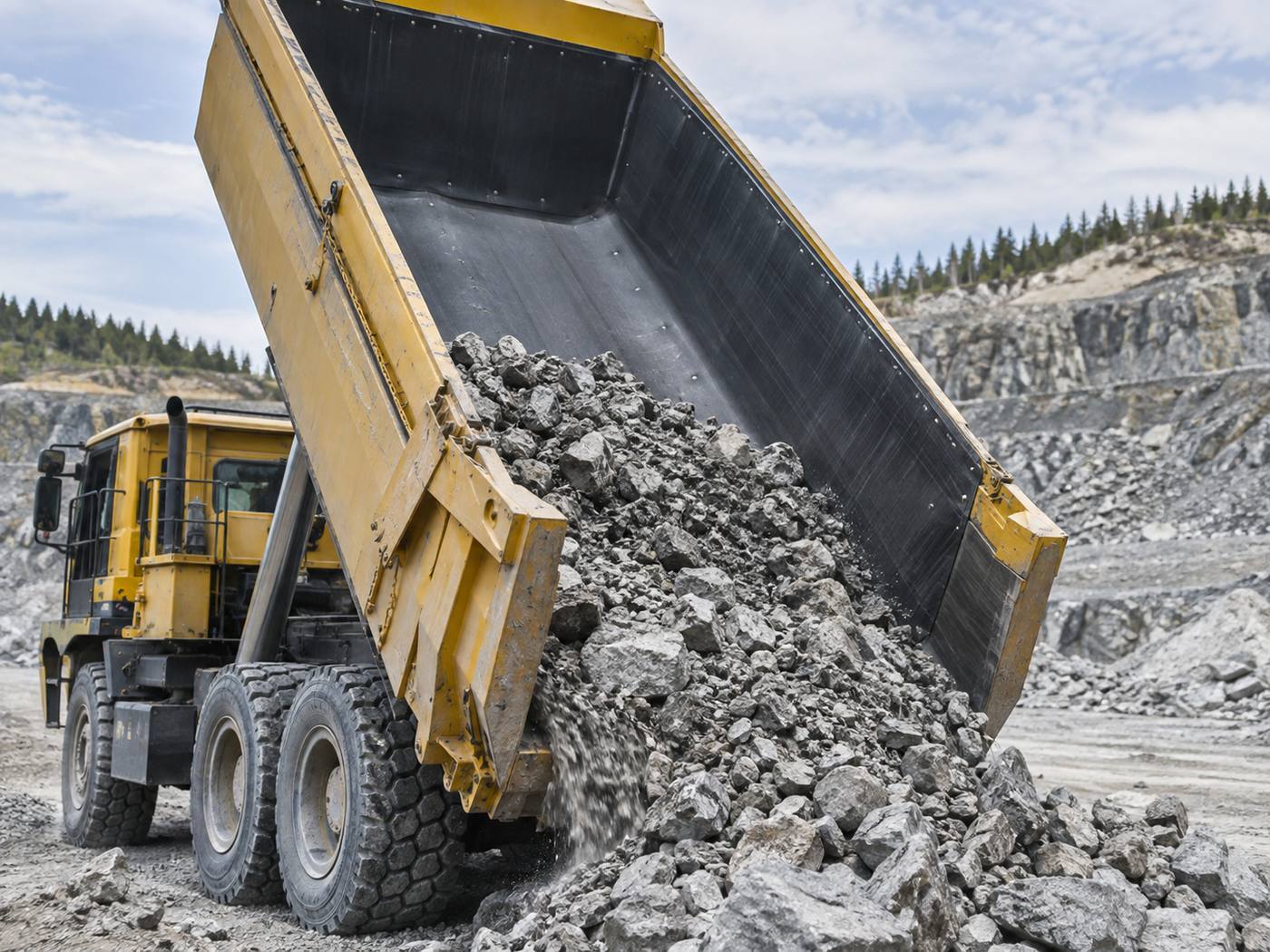
Dump Truck Bed Liners
For the improvement of viscous bulk material discharges and the protection of carriages; materials, thickness, fractions and fixed structures need to be customised to materials and carriages.
Manufacturing
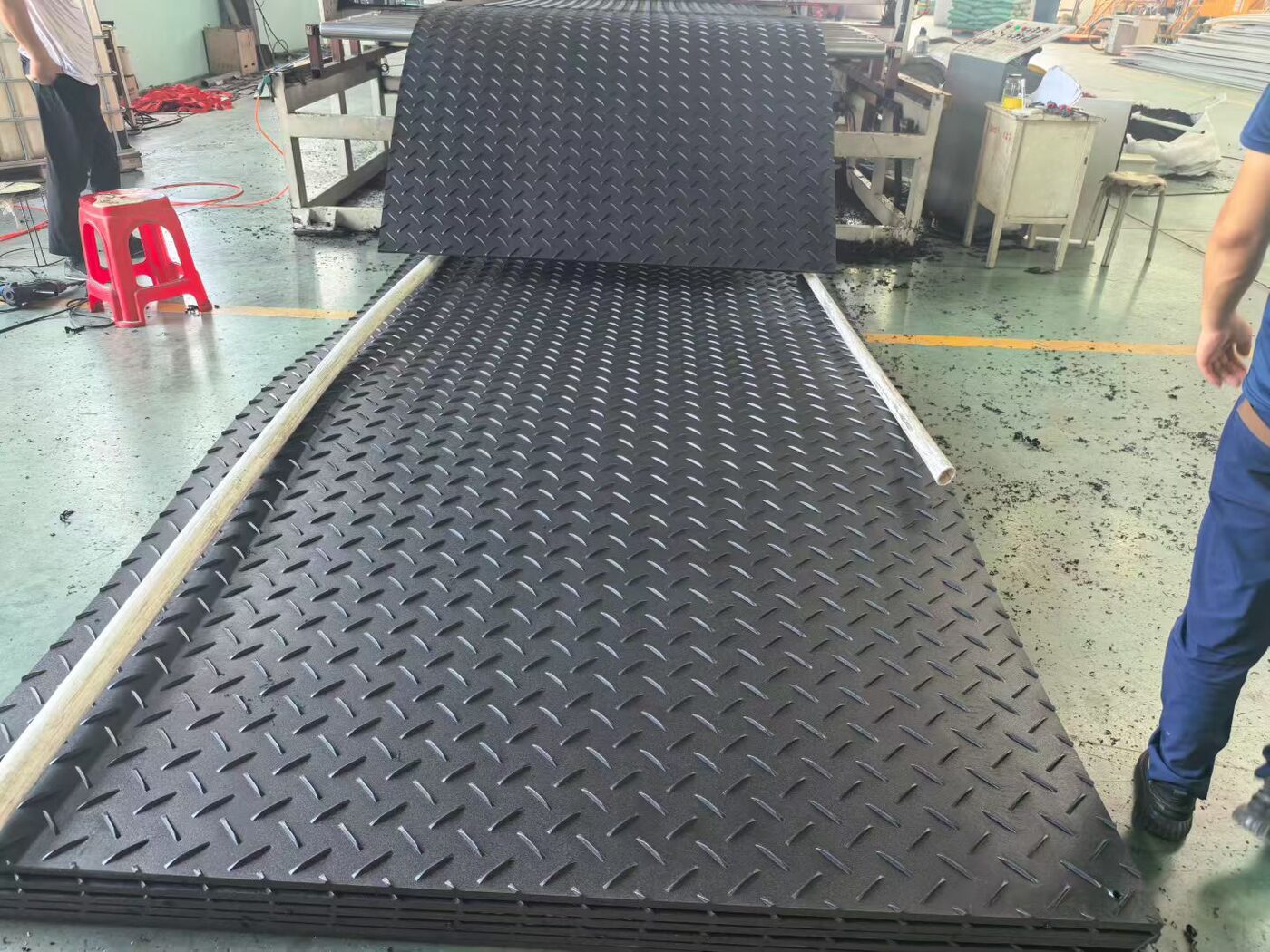
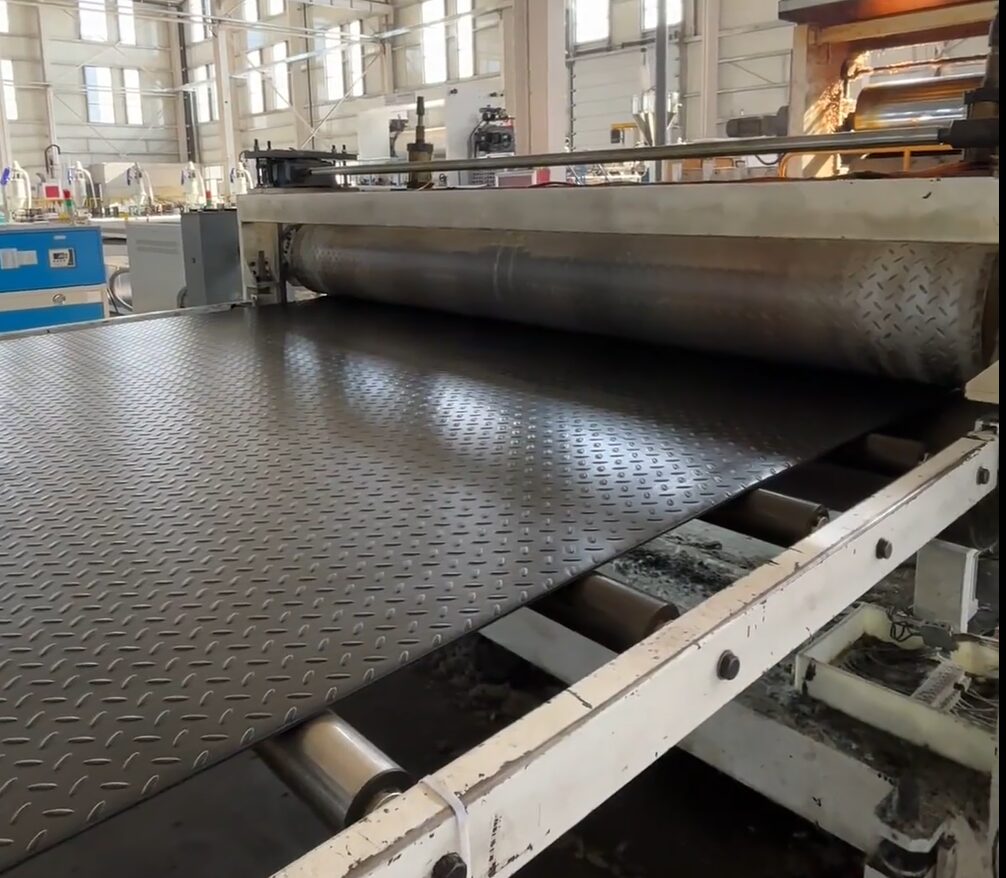
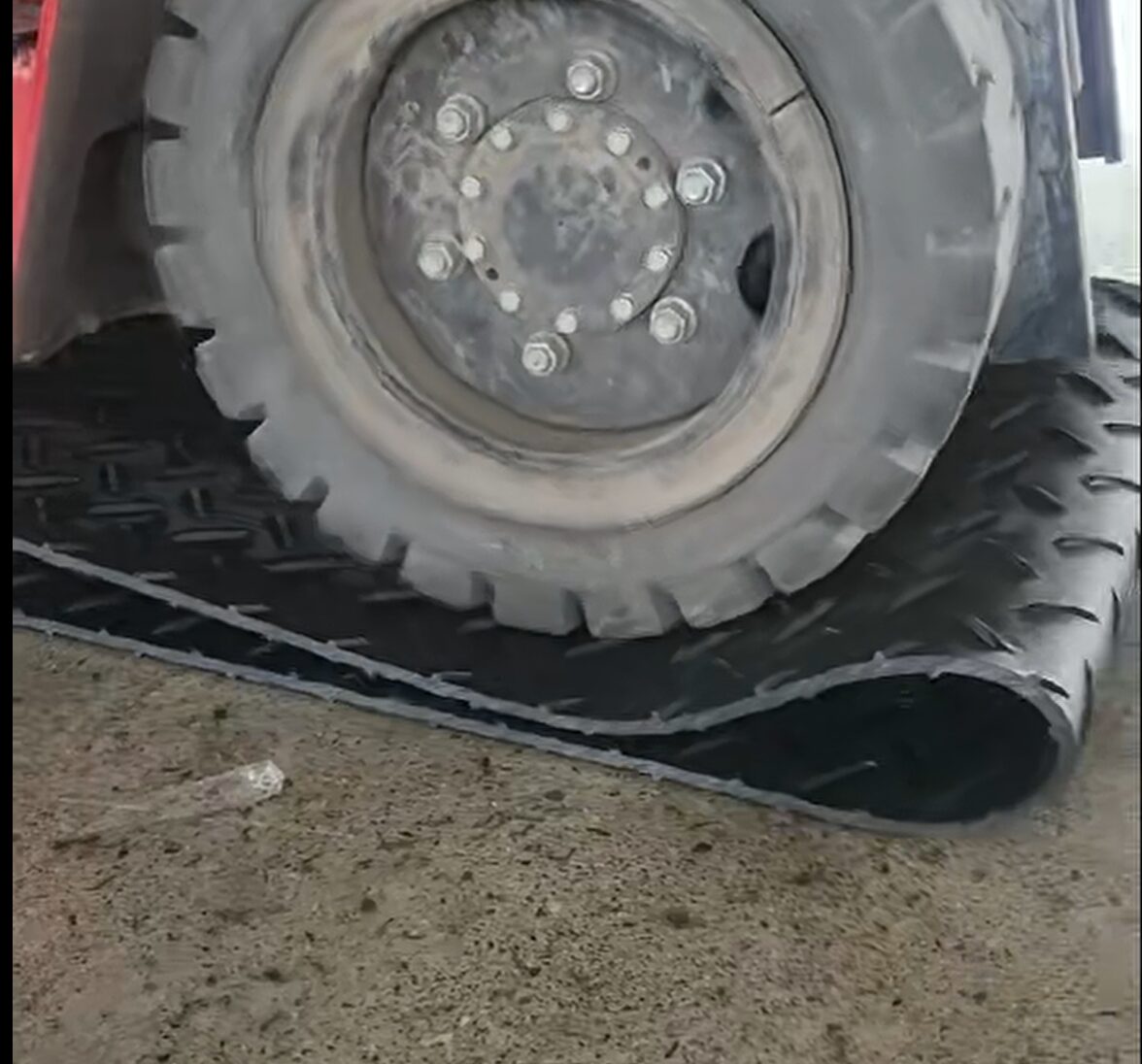
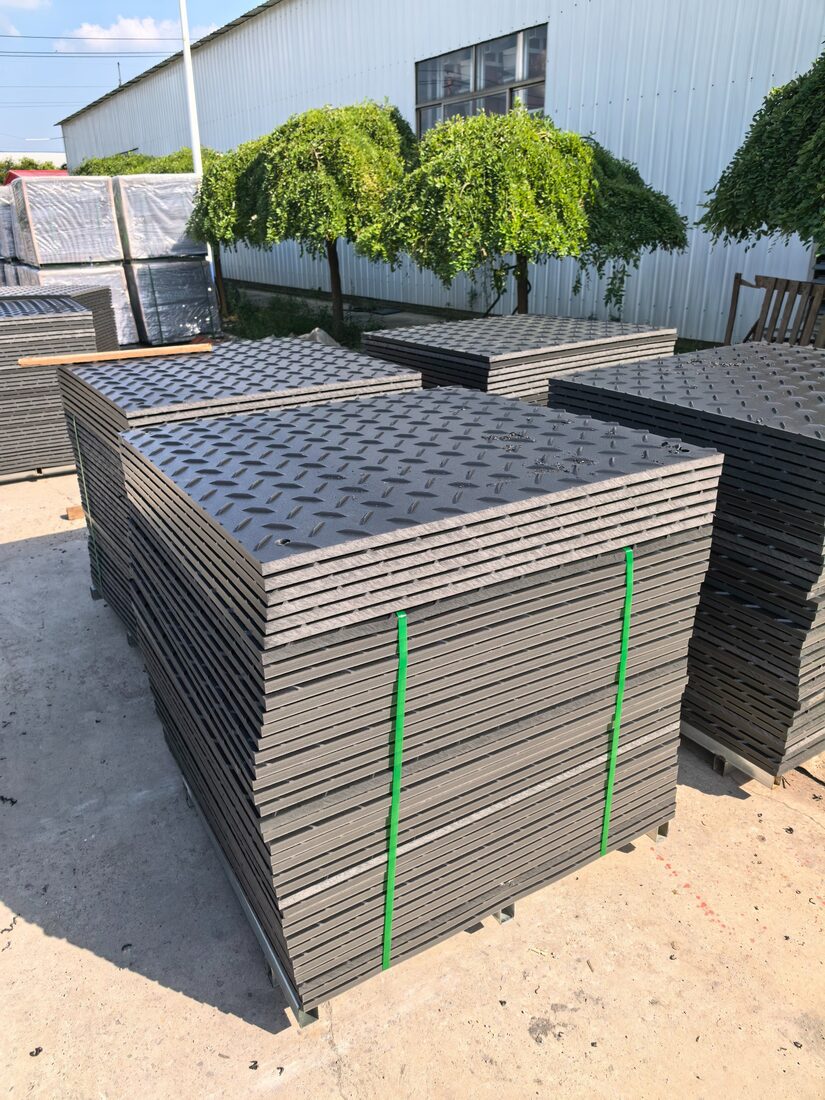
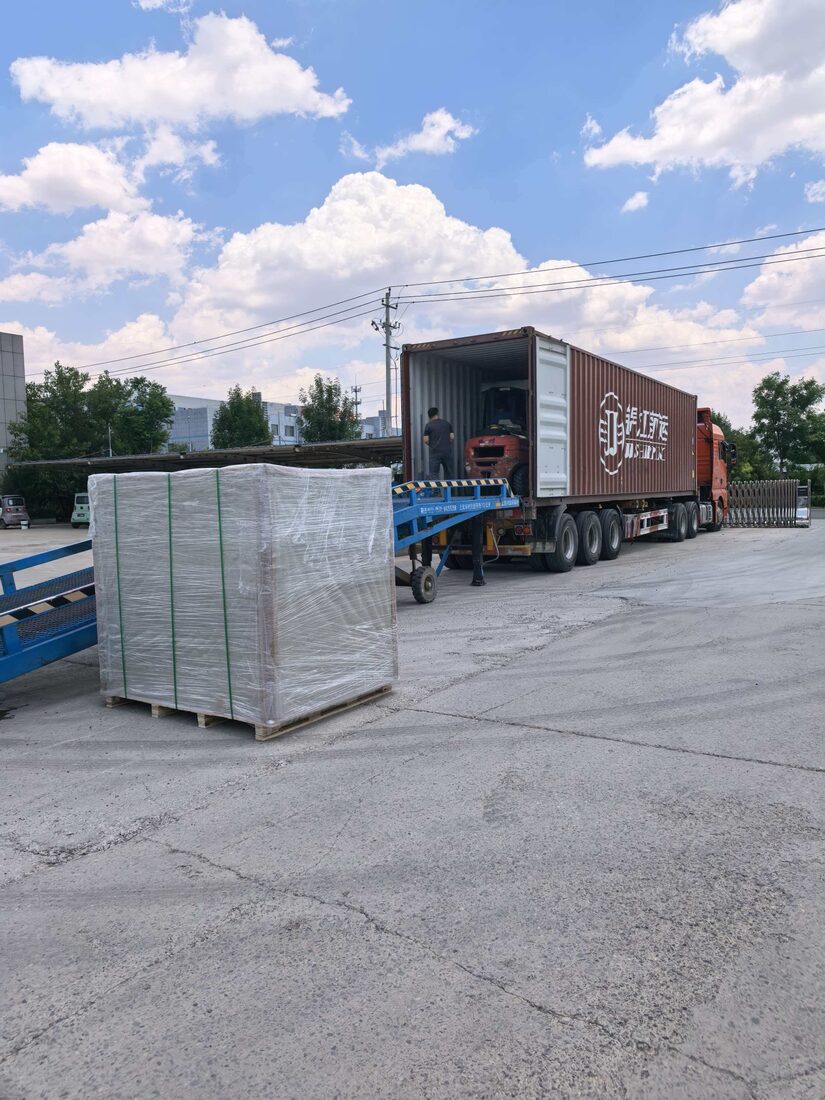
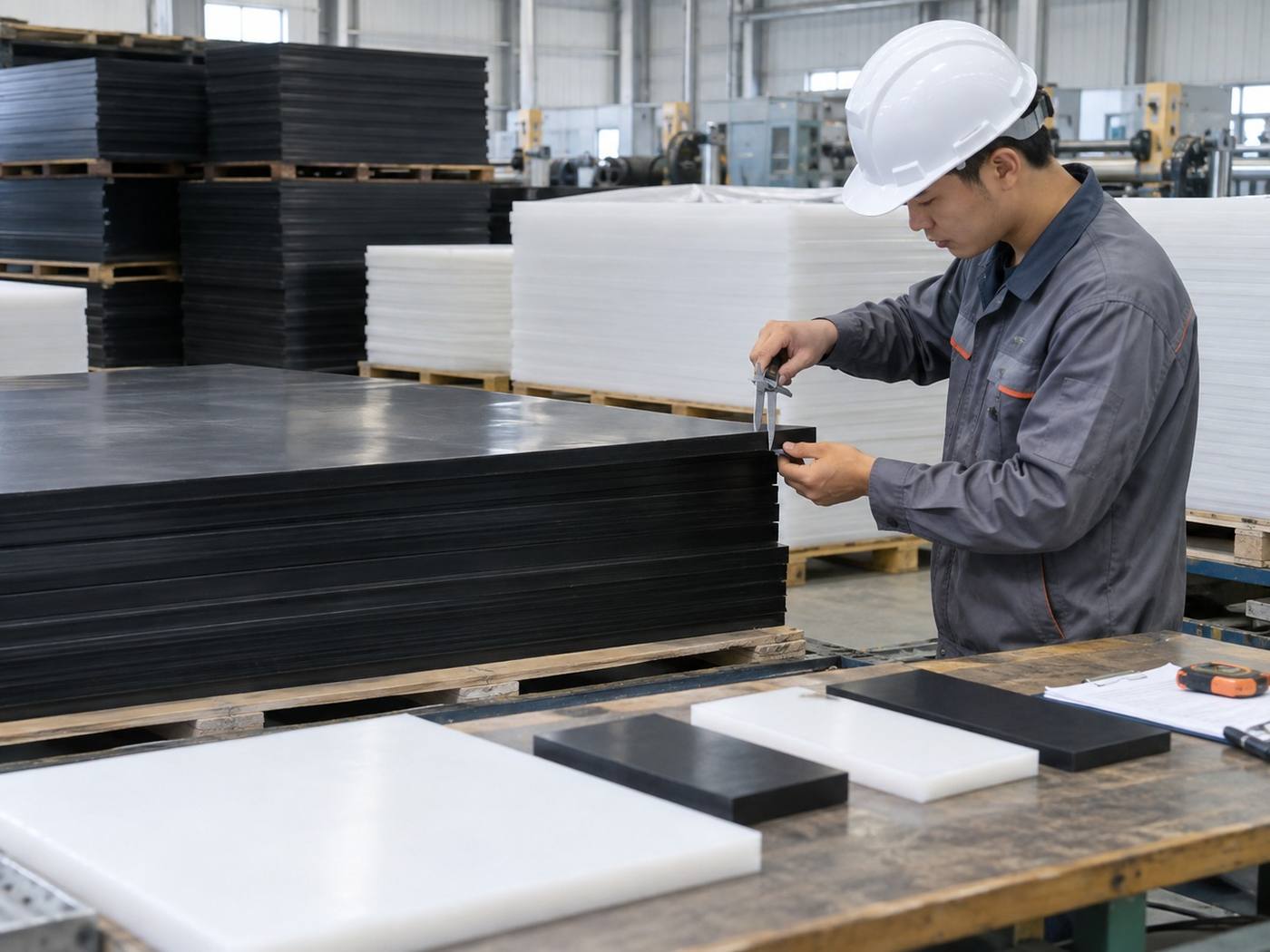
01Ground Protection Mats Production and bulk delivery
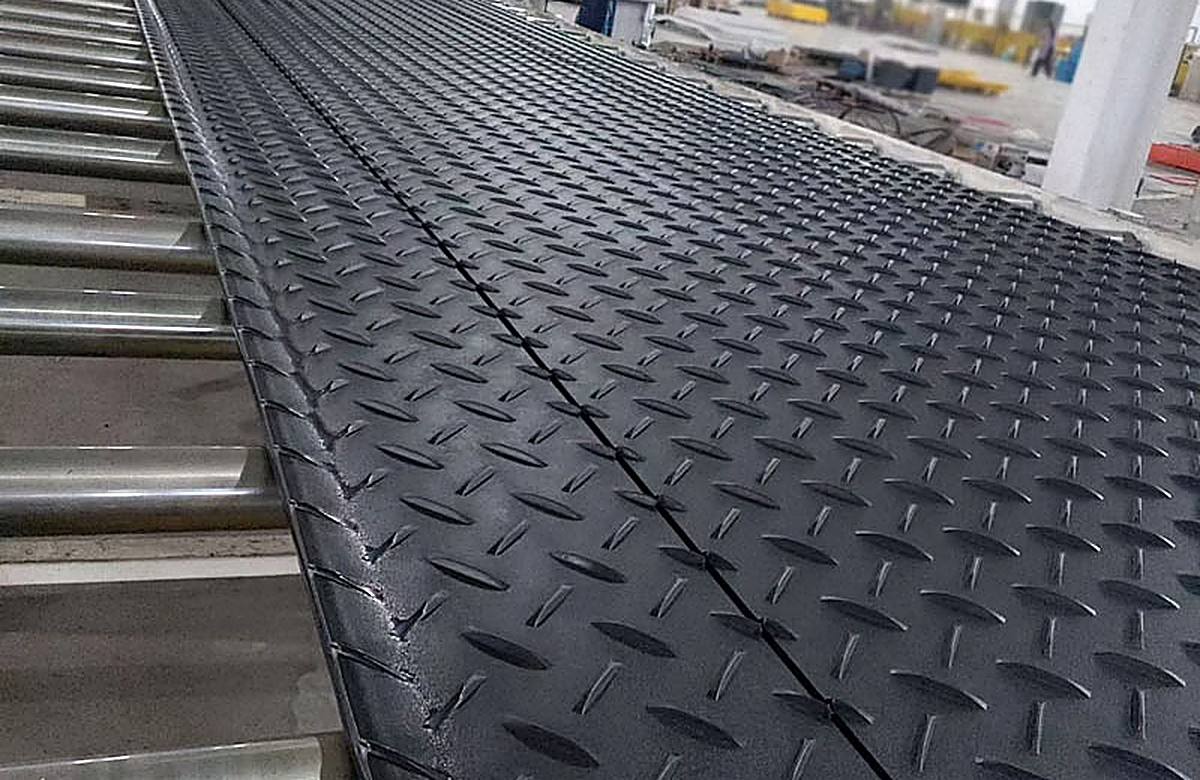
From smooth-truck road formation to vehicle load validation, to mass stacking, packaging and loading.
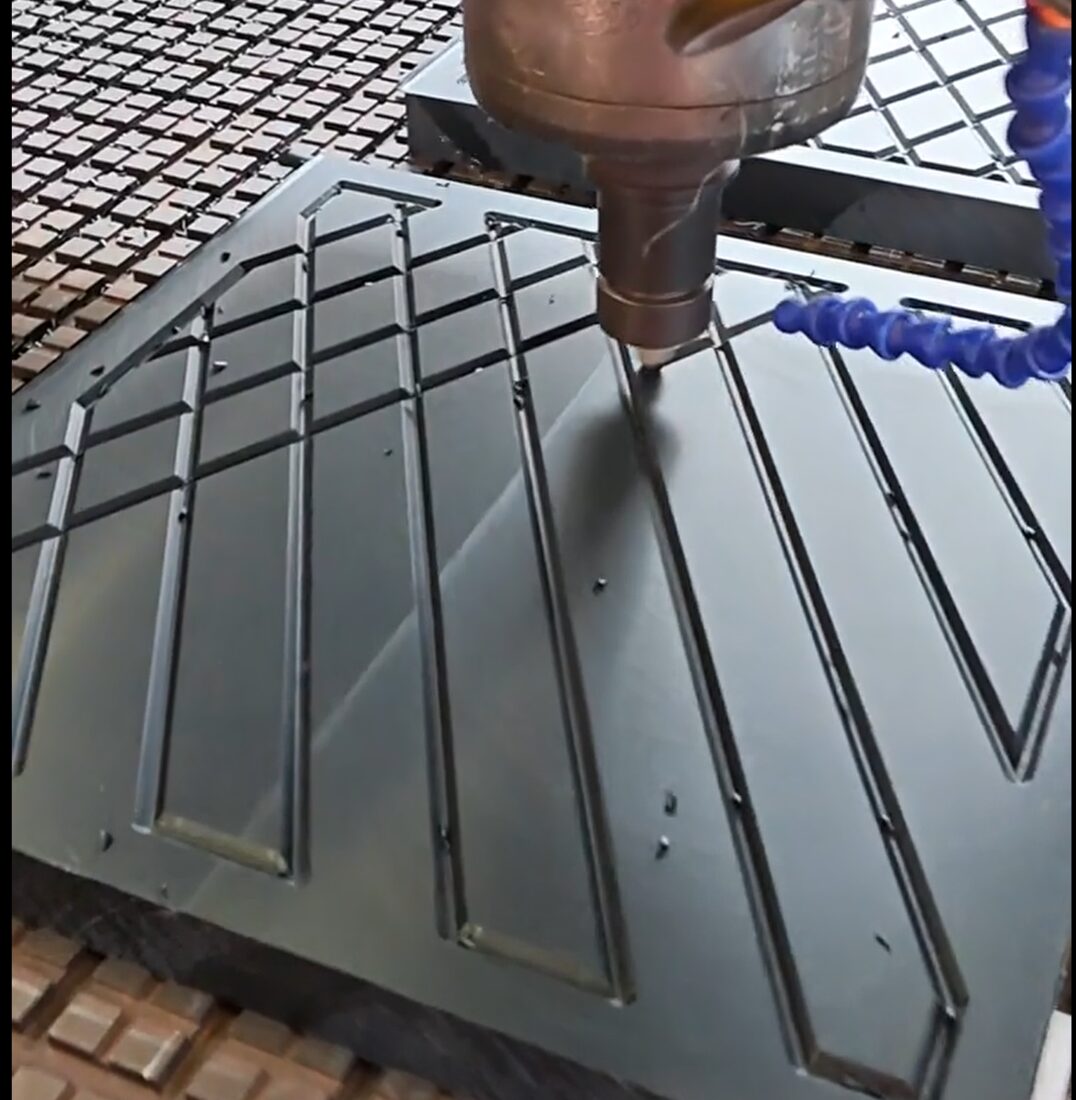
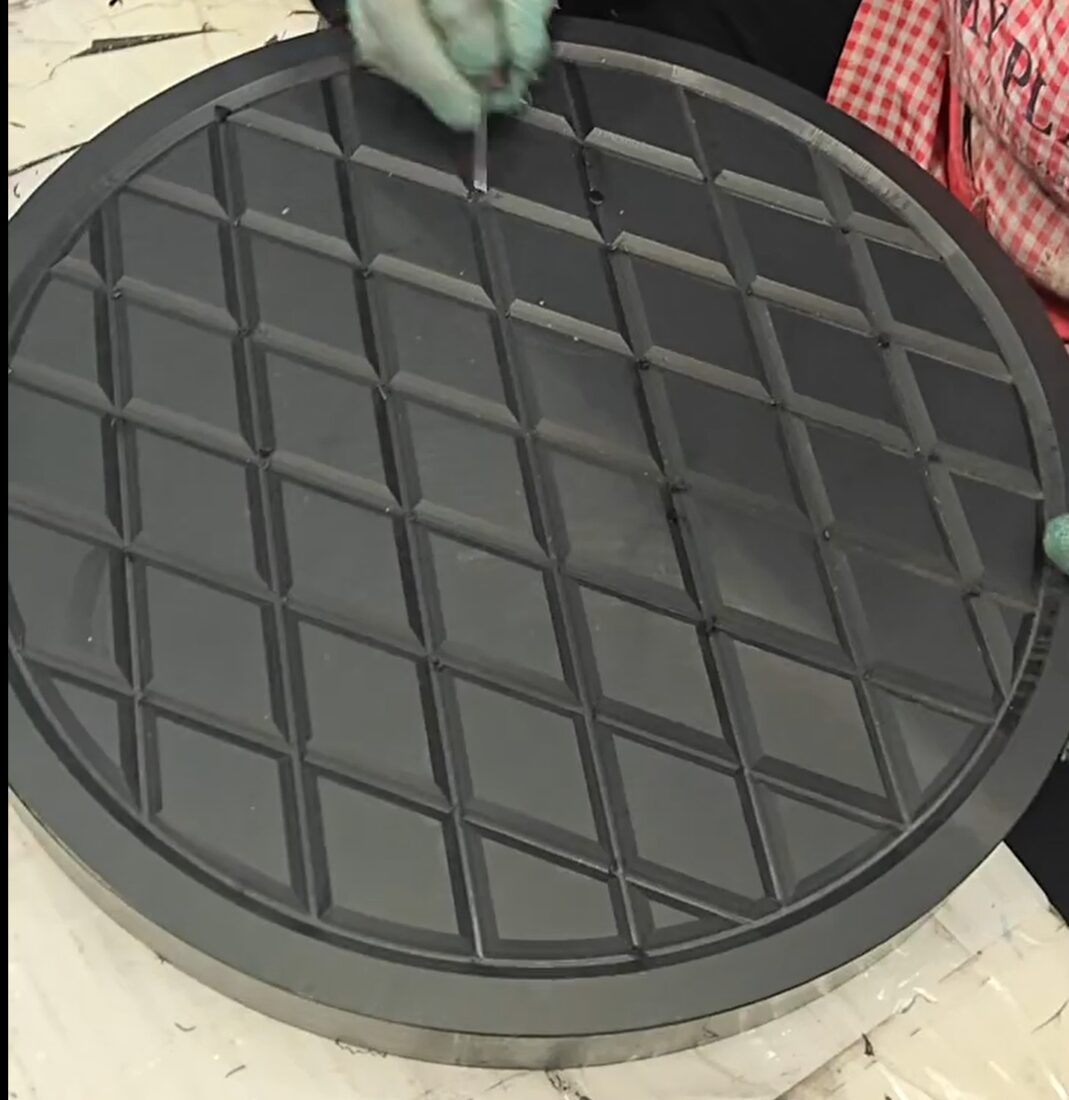
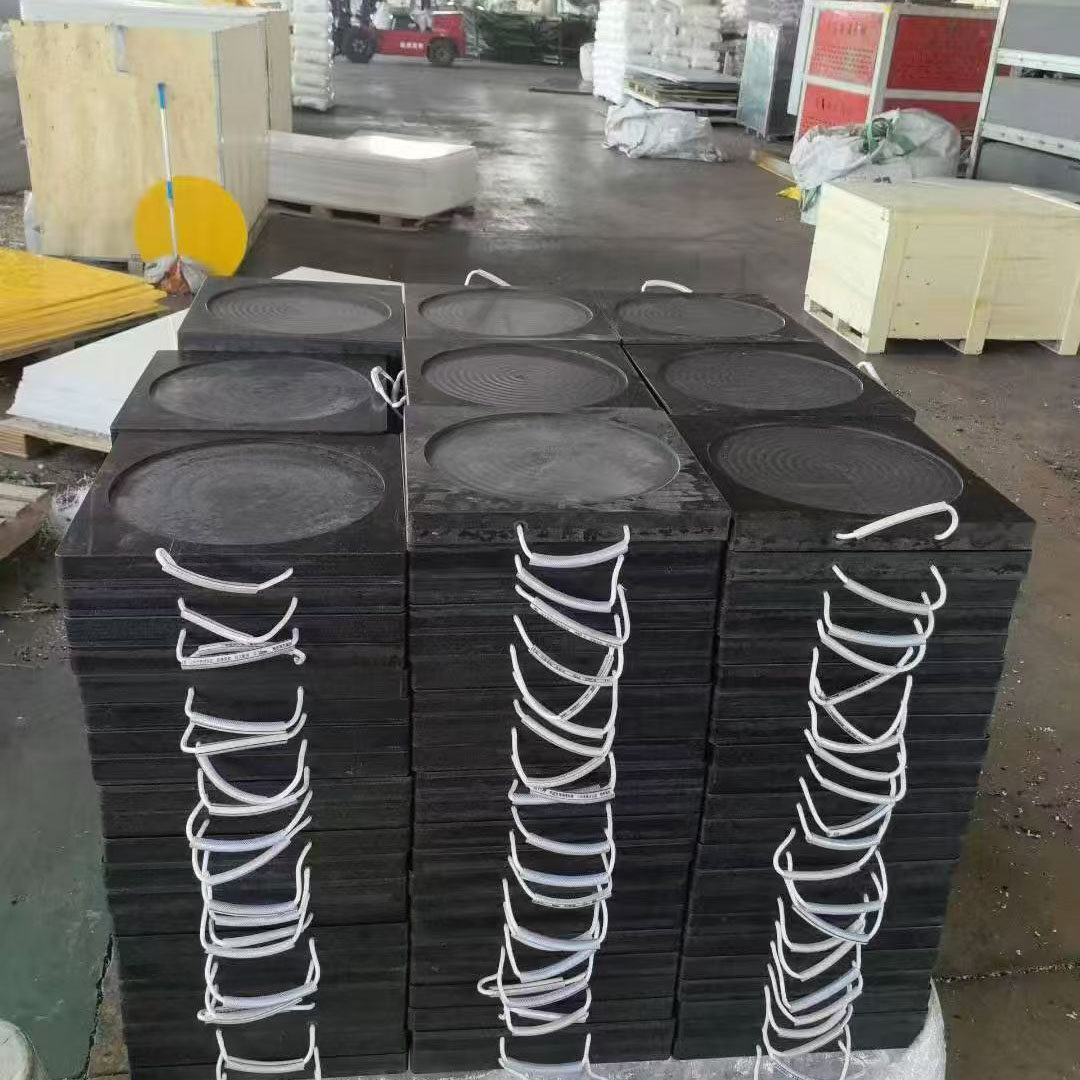
02Crane Outrigger Pads Processing and Inspection
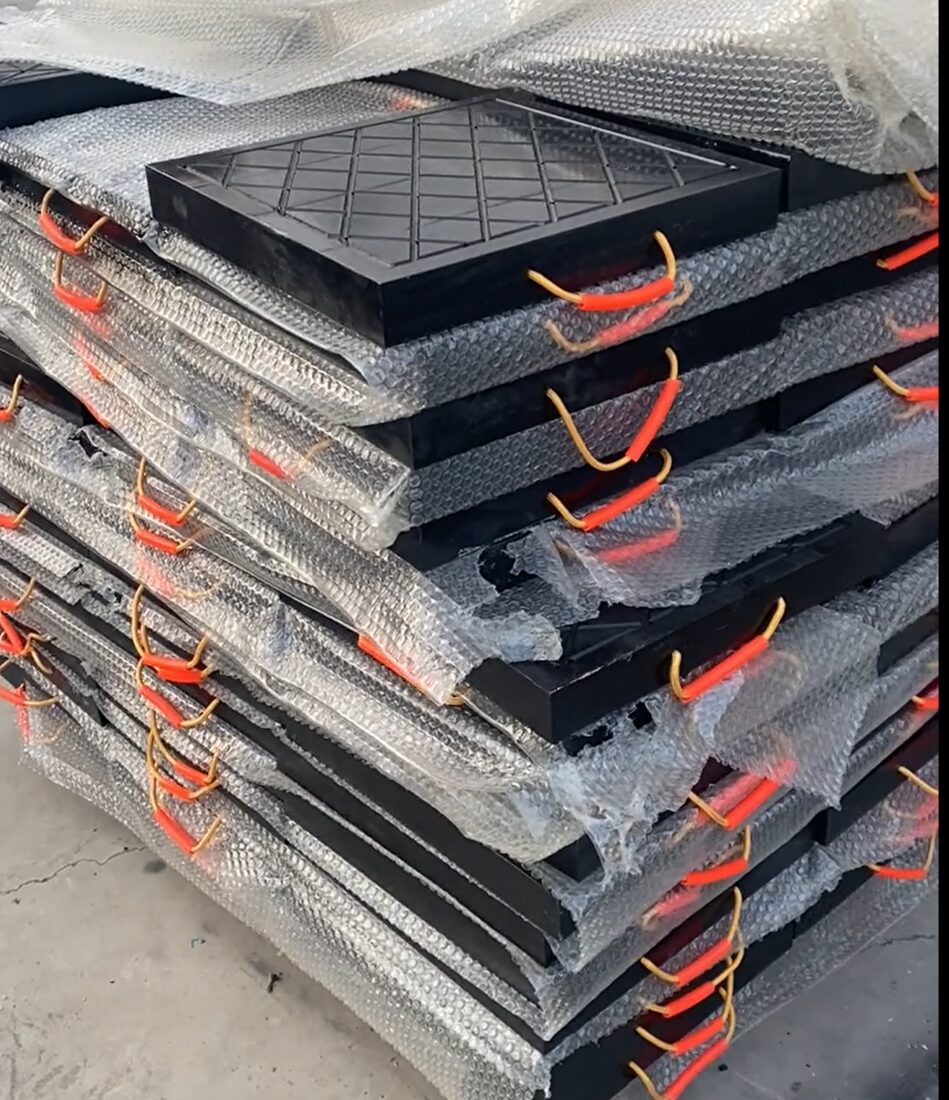
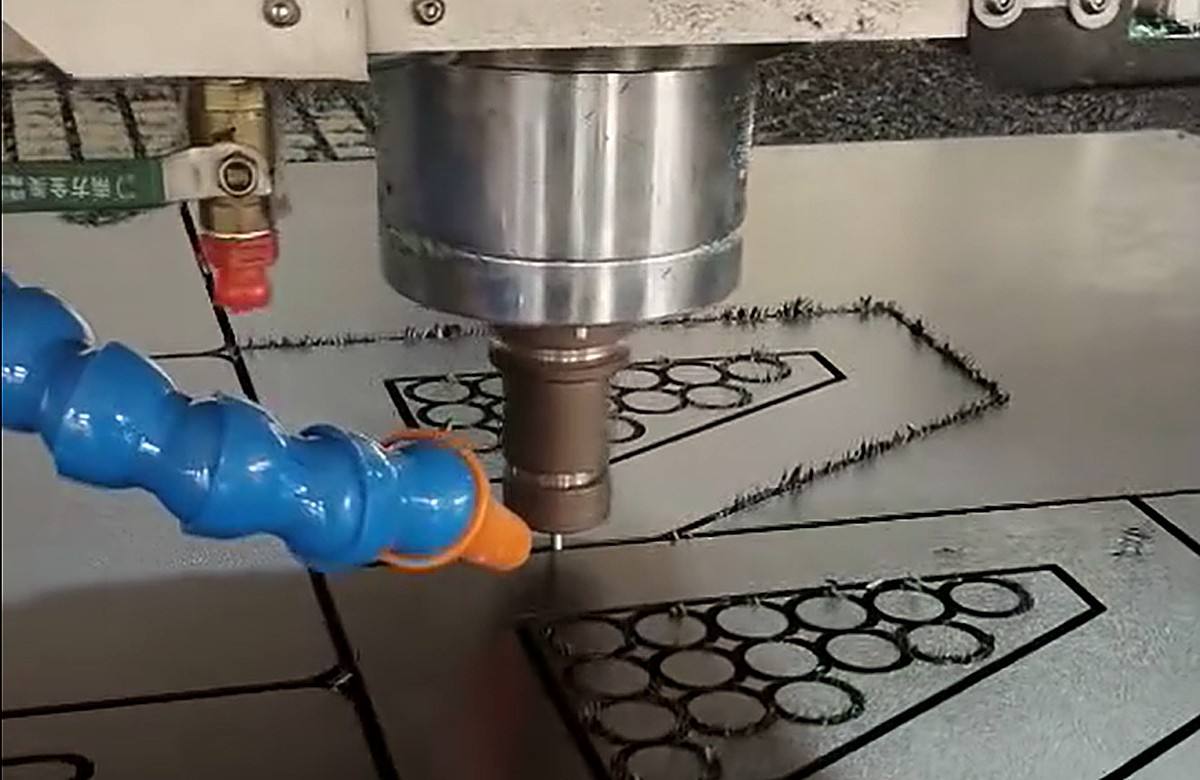
CNC processes, surface structural checks, attachment configurations and packagings showing circles, squares—Outrigger Pads.

03Dump Truck Bed Liners- Manufacture and Customisation
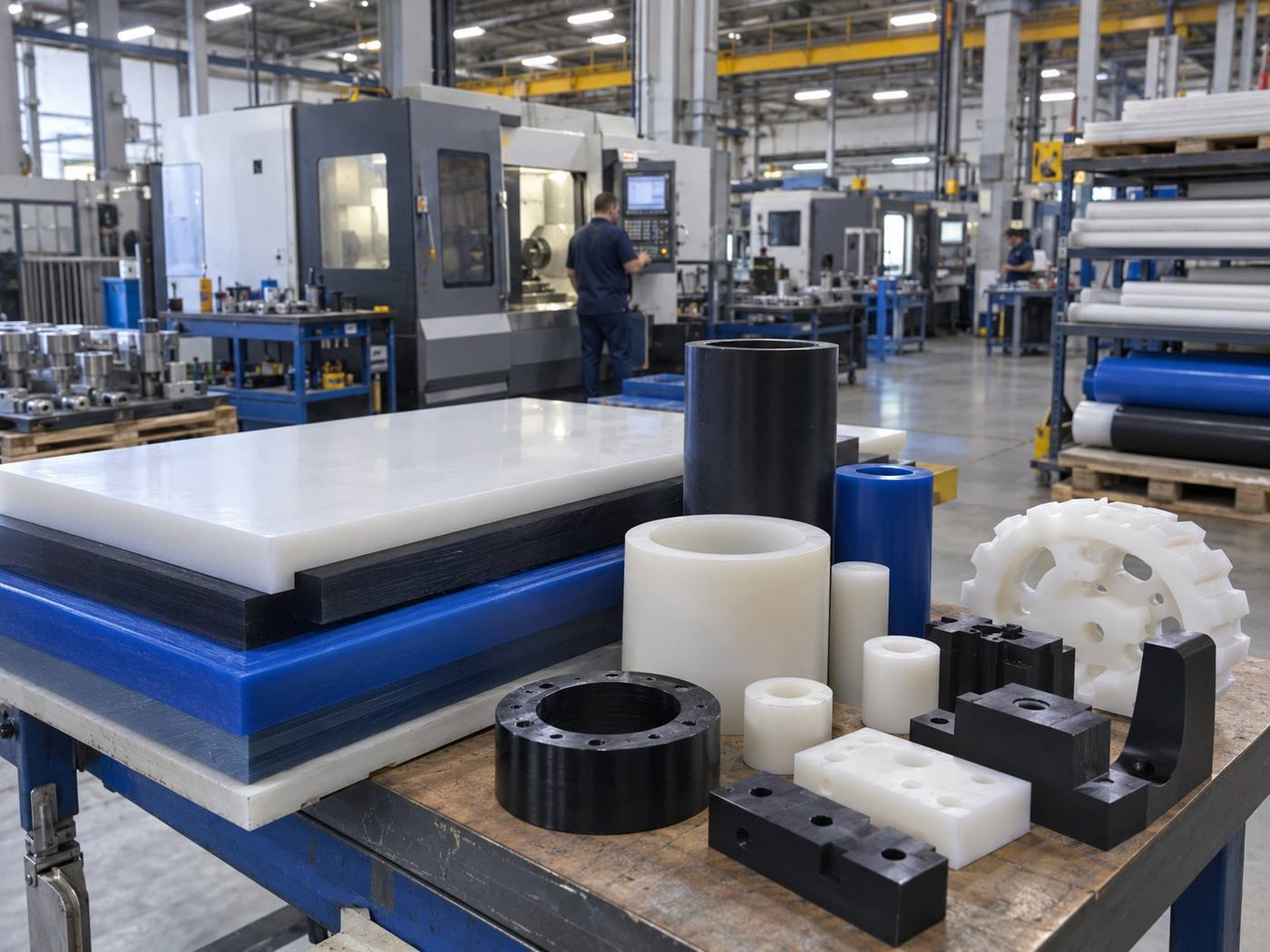
Prepare the plates according to the type of vehicle, the size of the vehicle and the transportation material, the calibration, the pore review and the packing delivery.
Information proposed before request for quotations
The more complete the information, the easier it is to quickly determine the appropriate size, thickness, structure, quantity and customization.
- Type and weight of vehicle/equipment
- Ground type versus hardness
- Length, width and turn of route
- Retroactivity of equipment model with maximum leg
- Size of original foot
- Ground carrying conditions
- Projected number of acquisitions
- Port of destination/delivery area
The need for municipal construction and road maintenance project programmes?
We continue to assess the actual conditions of work for the distribution of site photographs, equipment/vehicle parameters, application conditions, quantity and port of destination.
Industry application cases
Browse the typical applications of Ground Protection Mats-, Dump Truck Bed Liners- and Outrigger Pads-- in different industries, click on pictures to enter the corresponding industry pages.
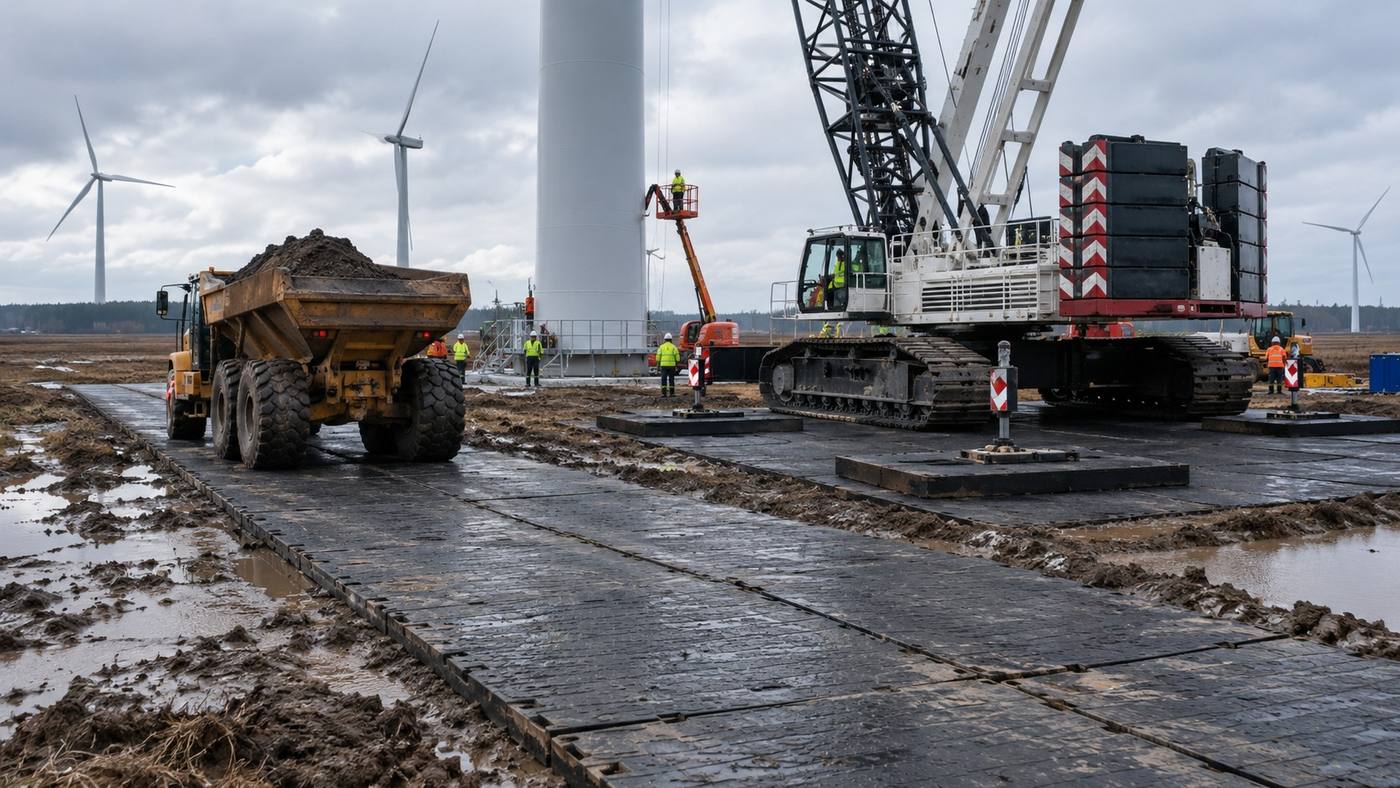 Construction & Infrastructure
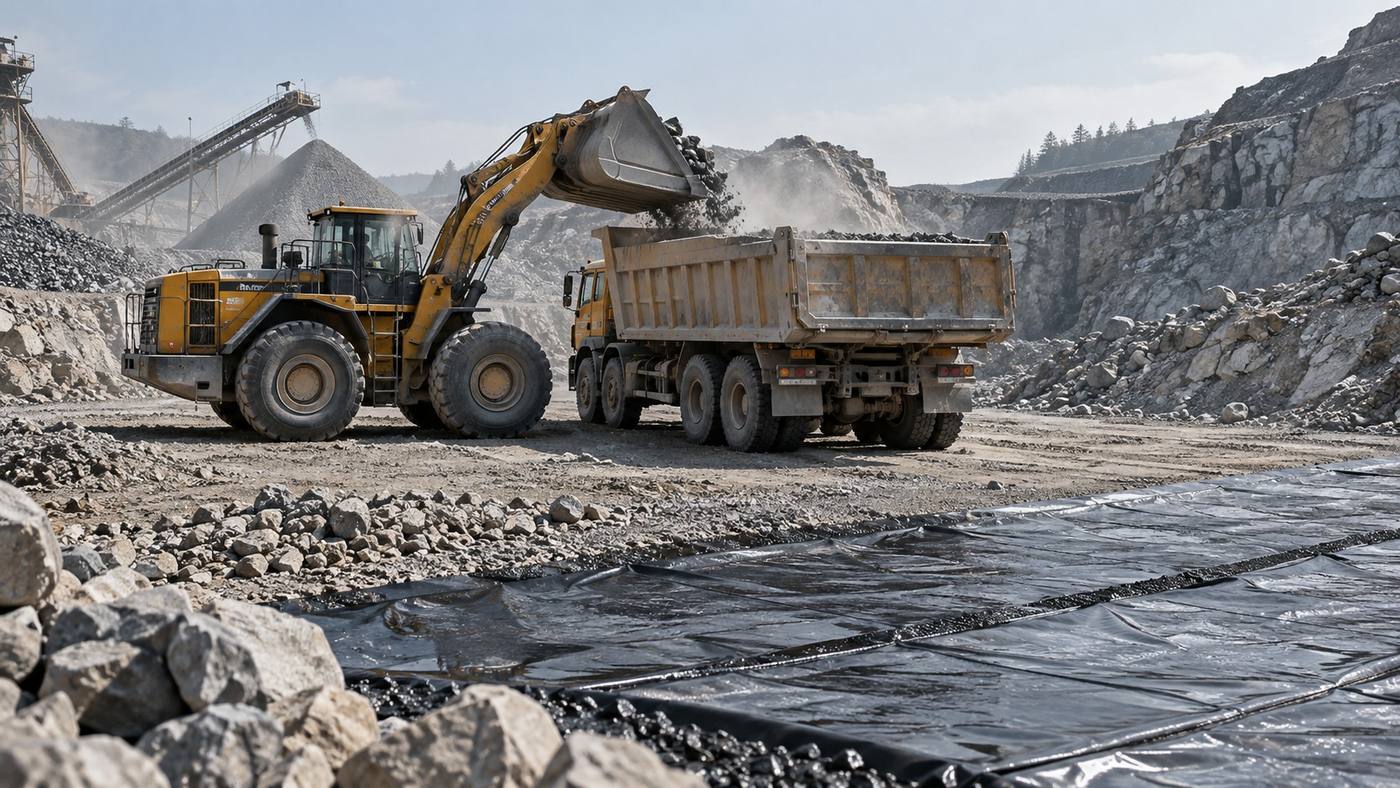 Mines, quarrying and drilling
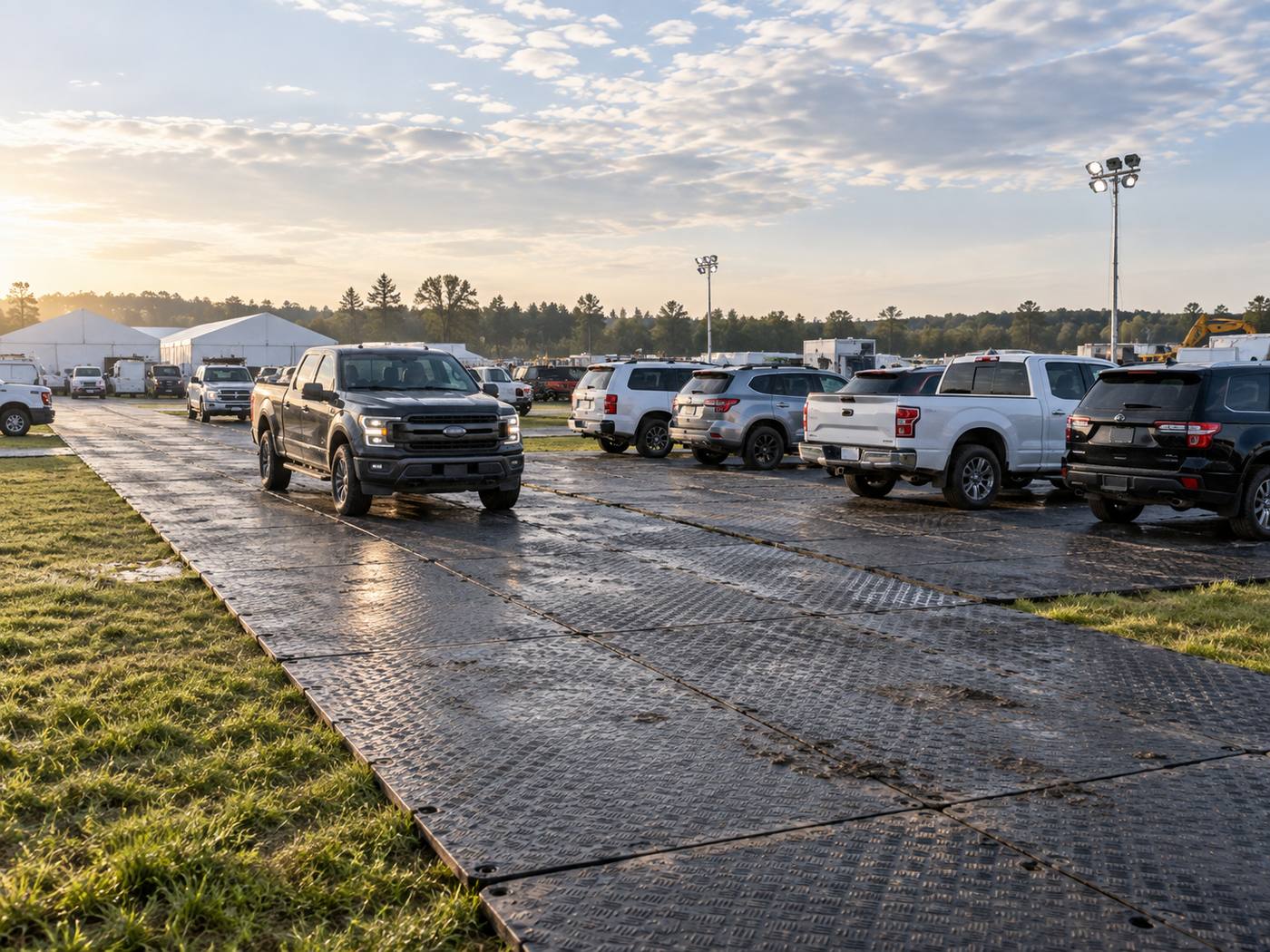 Agriculture, plantations and forestry
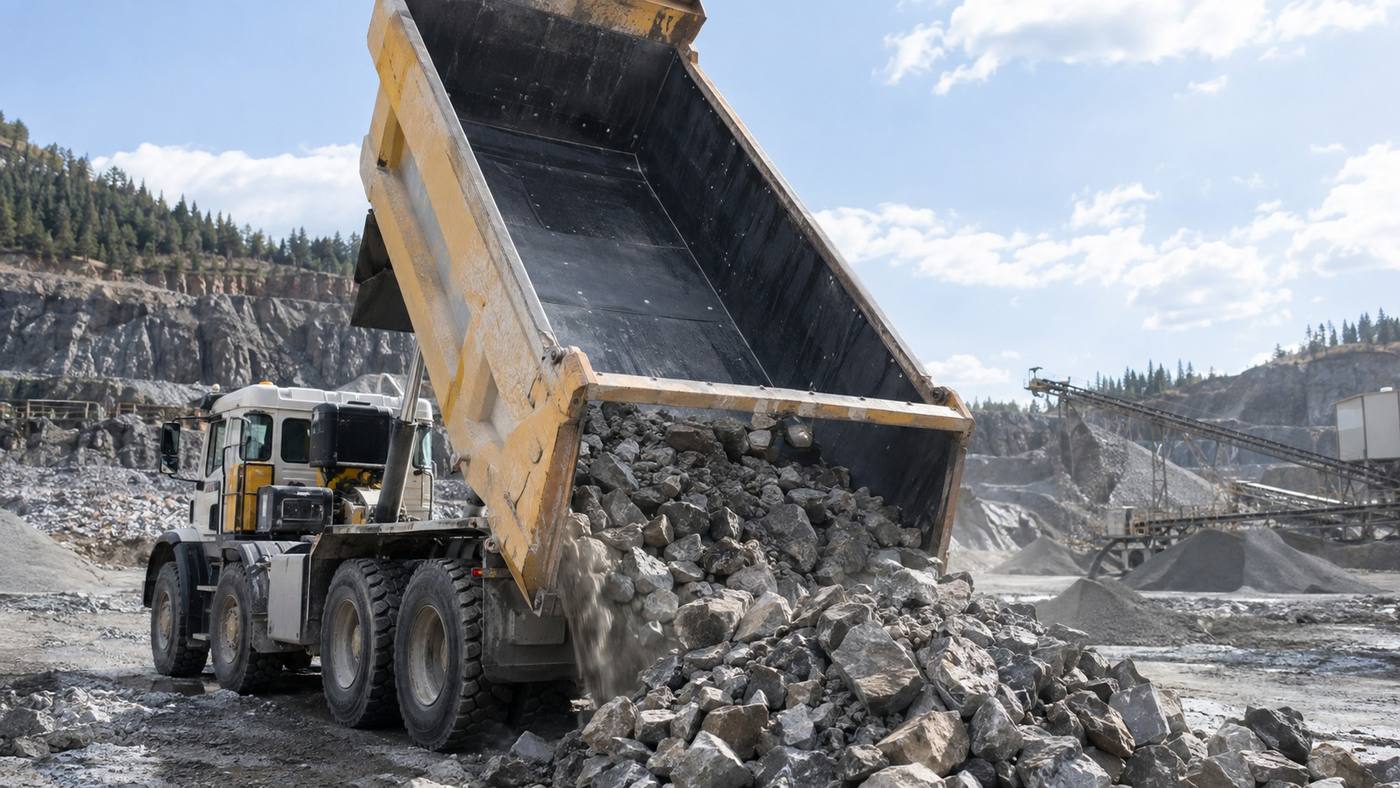 Transport fleet and self-loading vehicles
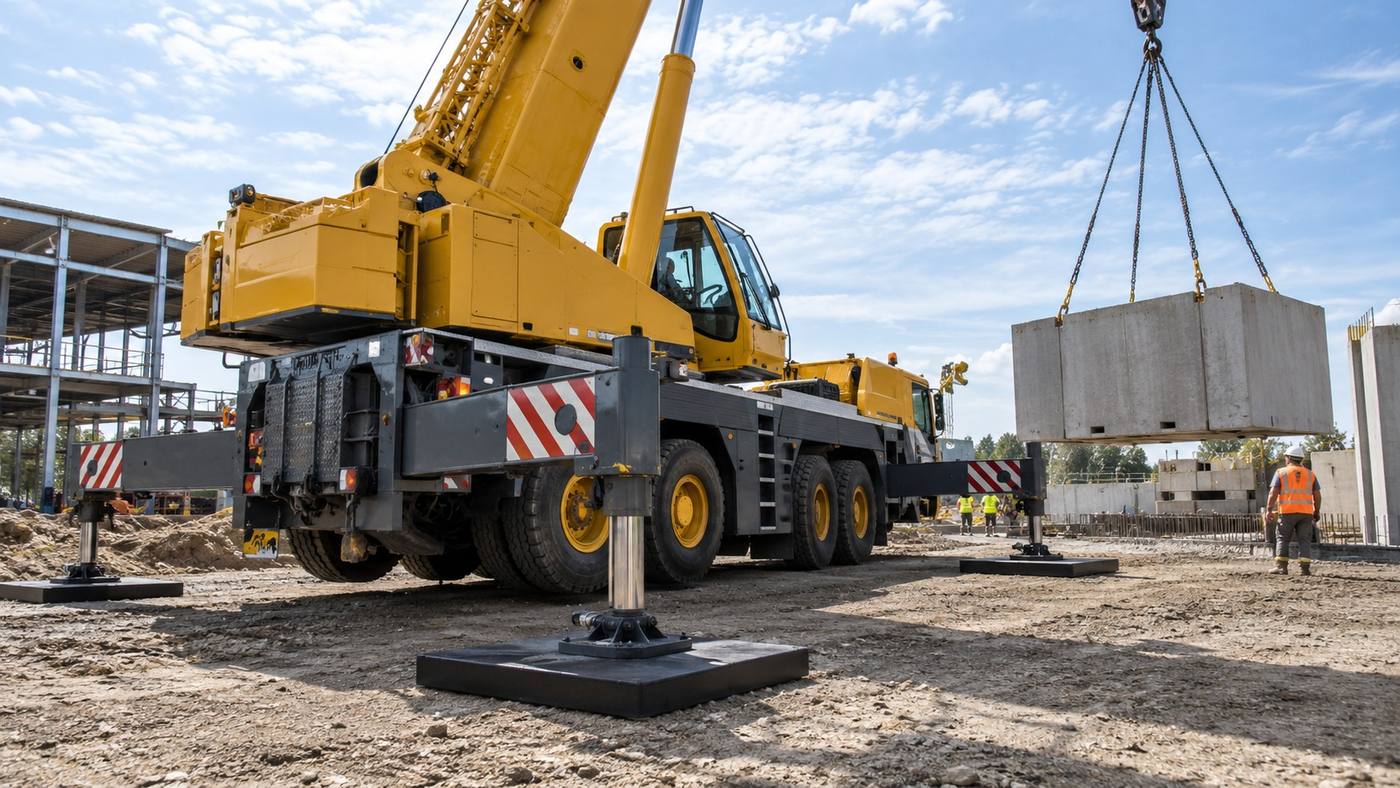 Lifting and lease of equipmentEnergy, electricity and new sources of energy
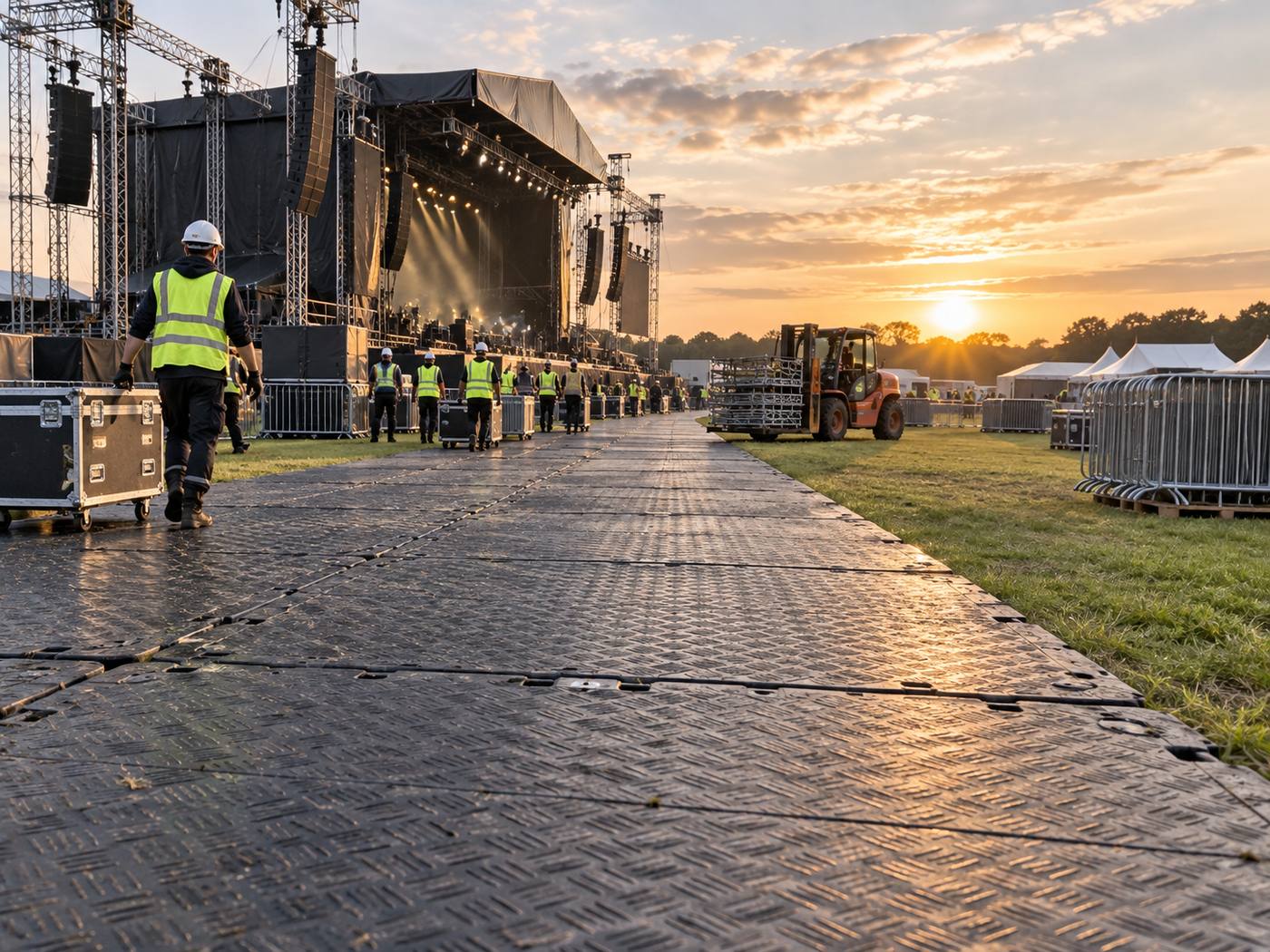 Events, performances and temporary venues
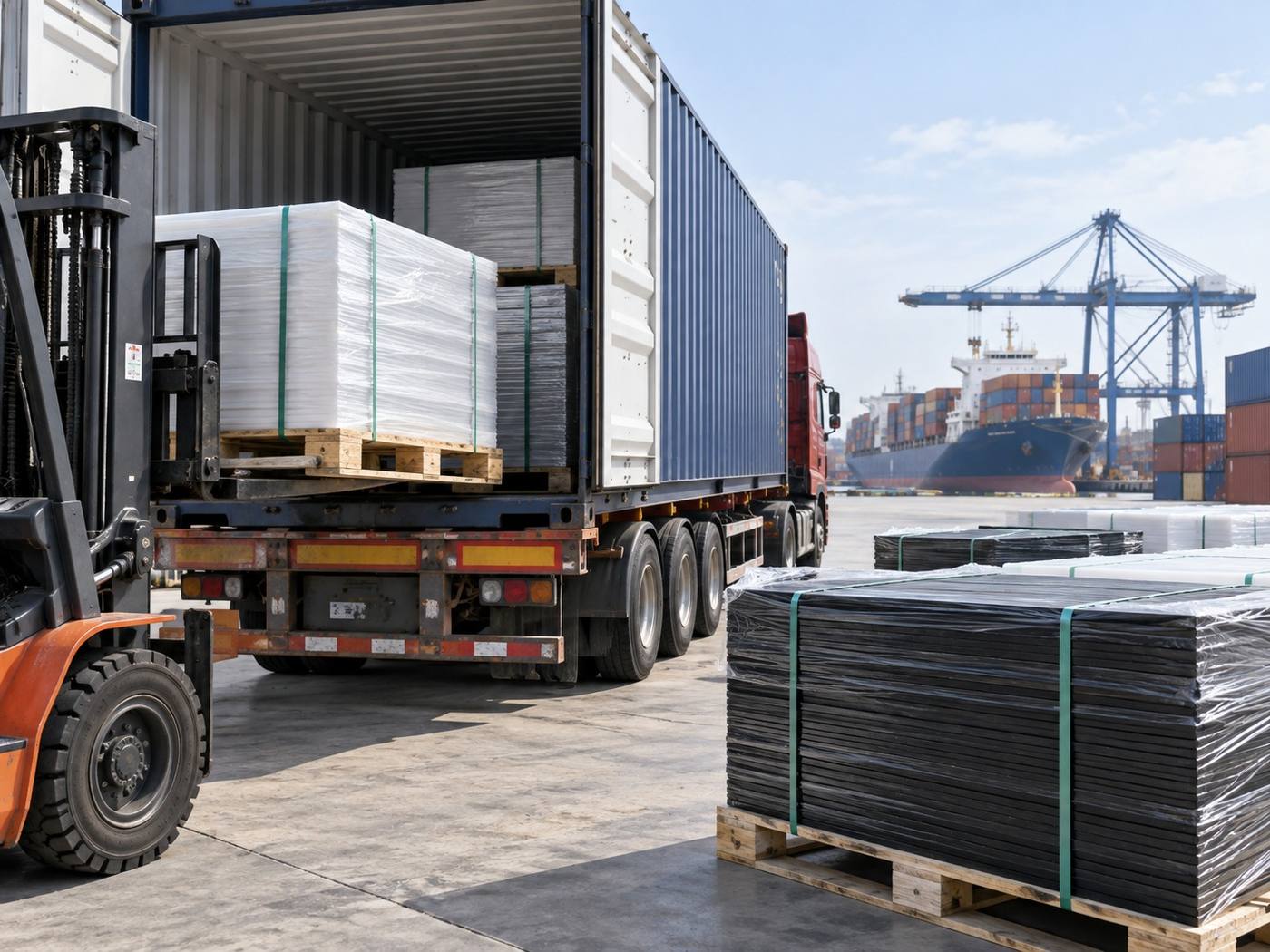 Ports, logistics and industrial sitesConstruction & InfrastructureMines, quarrying and drillingAgriculture, plantations and forestryTransport fleet and self-loading vehiclesLifting and lease of equipmentEnergy, electricity and new sources of energyEvents, performances and temporary venuesPorts, logistics and industrial sites