
The short-term absence of visible damage to the lawn surface does not mean that the root area has not been affected.Vehicle and equipment pressure will compress soil porosity, reduce air penetration and seepage, and only a few days after eutrophication, water accumulation or uneven growth;The shallow roots of trees may also be cut off by wheel.In particular, the damage is more severe when the soil has high water content.Projects should be marked by site maintenance staff with high-value areas, protected areas and underground irrigation, with a maximum vehicle weight and traffic.The lawn status is recorded before and after laying, avoiding rapid rotation, in situ brakes and long-term parking during the operation, and after removal, airing, repair and maintenance are carried out on the basis of pressure conditions.In the case of “crushed lawn and rootline oxygen deficiencies that may appear after the operation”, the park, lawn and golf course protection project should also include the results of the check in the pre-class confirmation and handover records, specifying who is responsible for release, who is responsible for inspection, what deposition or relocation must be discontinued.Retroactive recording of photographs, measurements and usages will make it possible to distinguish ground-based changes, operational deviations from product damage and avoid repetition of the same problem between different groups.
Gardens, lawns and golf field applications
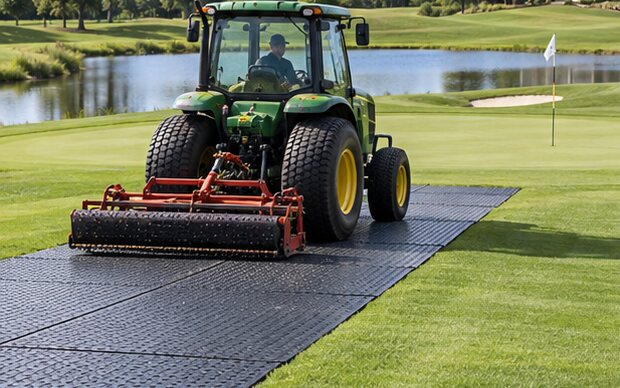
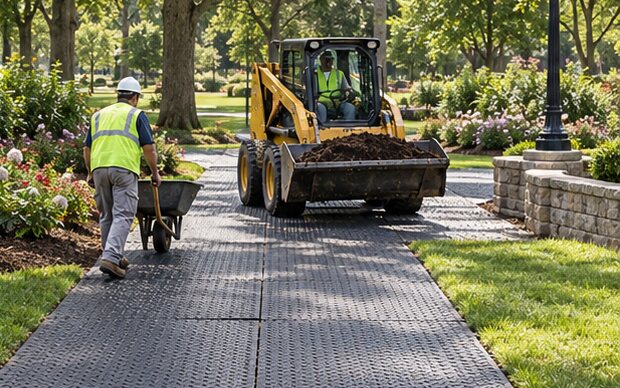
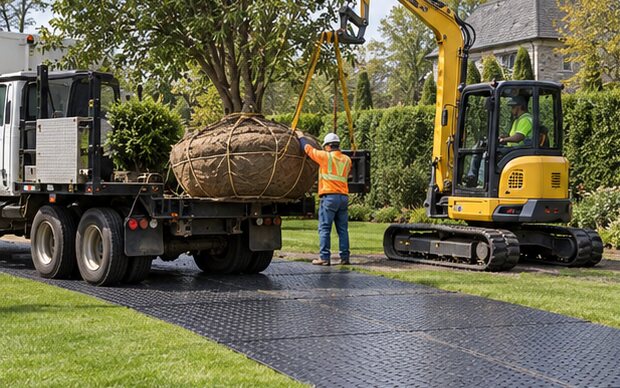
Application of common projects for park, lawn and golf course protection
Description of the business processes, vehicle equipment, ground conditions and the project cycle.
The garden, lawn and golf course projects include tree transplants, lawn maintenance, spray maintenance, landscape construction, competitions, conference equipment transport, and modifications to the field. The site requires high surface level, drainage, roots and visual effects, but operations require the entry of cranes, tree transporters, weed cutting equipment, forklifts or small excavators.
The application should distinguish between the fruit ridges, the hair table, the ball lanes, the ordinary lawn, the tree roots and the hard landscape, with different loads and restoration standards permitted in different areas. The temporary route is set as far as possible along the lanes and the edges of the site, controlling the number, speed and turn of vehicles when crossing the lawn.
Common Issues
The actual performance of park, lawn and golf course protection is explained separately for reasons of formation, possible impacts, inspection priorities and management methods.
The golf course and the garden route often pass through the bridge, the driveway, the tree line and the landscape slope, where large-scale equipment turns in less space and tyres are easily removed from the protective surface.(b) A temporary rush to avoid trees, which increases the side transfer of the sheet and the cutting of the bark;There may also be a decline in the slope.Before entering the field, the route will be measured by the longest and widest vehicle, with a simulation of the inner-wheel differential and the net airspace above, with the selection of smaller equipment or sub-transports, if necessary.The sheeting is appropriately widened inside the bend, the slope is controlled and connections are checked, and equipment is prohibited from moving out of the route at will.The treatment of “a narrow drive lane, landscape turns and slope limits” cannot be limited to a single pass, but also covers the maximum load, maximum frequency, worst weather and exit phases.It is recommended that representative positions be selected for trial, that ground, vehicle or equipment data be recorded and that the scope, connection and frequency of maintenance be adjusted to the results;Changes in conditions have confirmed that early experience is not directly applied to the entire garden, lawn and golf course protection project.
Under the lawn there may be nozzles, valves, drainage pipes and sand formations, as well as sheeting, wood platforms or underground lamps in the landscape area.When equipment legs or small diameter tyres are pressed in these locations, they cause hidden damage, which is often detected after irrigation has been restored.The facility chart should be checked prior to construction and the site marking should be performed, with a pressure limit around the jet and valve tanks;The leg equipment shall be fitted with a suitable pad and avoid an empty cavity.Following the operation, irrigation and drainage tests were conducted to screen for high differences and cracks and to include the resumption of acceptances in the evacuation site process, rather than observing only the grass.Garden, lawn and golf course protection sites should set clear standards for the discontinuation of “spray, drain and fine-painting, which are vulnerable to hidden loads”, such as continued tipping, incomplete support surfaces, extended depositions, visible slippage of vehicles or loose links.Unusual isolation and unloading were detected, and then the floors were repaired or reconfigured, and temporary pads were prohibited in carrying conditions.The head of the mission may not resume operations until he or she has been qualified to do so, and records of disposal are maintained.
Solution Recommendations
The route, the grass-roots, the support or the unloading of the material is addressed first, and the corresponding products are recommended according to the work situation.
The programme is based on the principle of “minimum disturbance”: priority must be given to the use of available lanes and hard floors, with less water-bearing and impacting routes on the root areas and limits on vehicles and traffic.
HDPE Ground Protection Mats for tree transport, garden construction and maintenance of vehicle lawn protection, with a balance between loads, plate-lined roads, single weights and pressure distributions on grass; trees are used for Crane Outrigger Pads sailing, cutting platforms and high-altitude operating vehicles to calculate area by single-legged reaction and avoid spraying facilities. High-value fruit trees usually do not recommend the entry of heavy equipment, even if the sheeting is to be confirmed by the site.
Ground Protection Mats
For the establishment of temporary vehicle access, protection of the original ground and dispersion of the wheel; specific thickness, size, texture and connection will be determined by vehicle and base level.
Crane Outrigger Pads
For the purpose of increasing the area of the foot exposure and reducing average ground pressure; must be calculated in conjunction with maximum single-leg reaction, original foot size and a permissible ground pressure.
Manufacturing
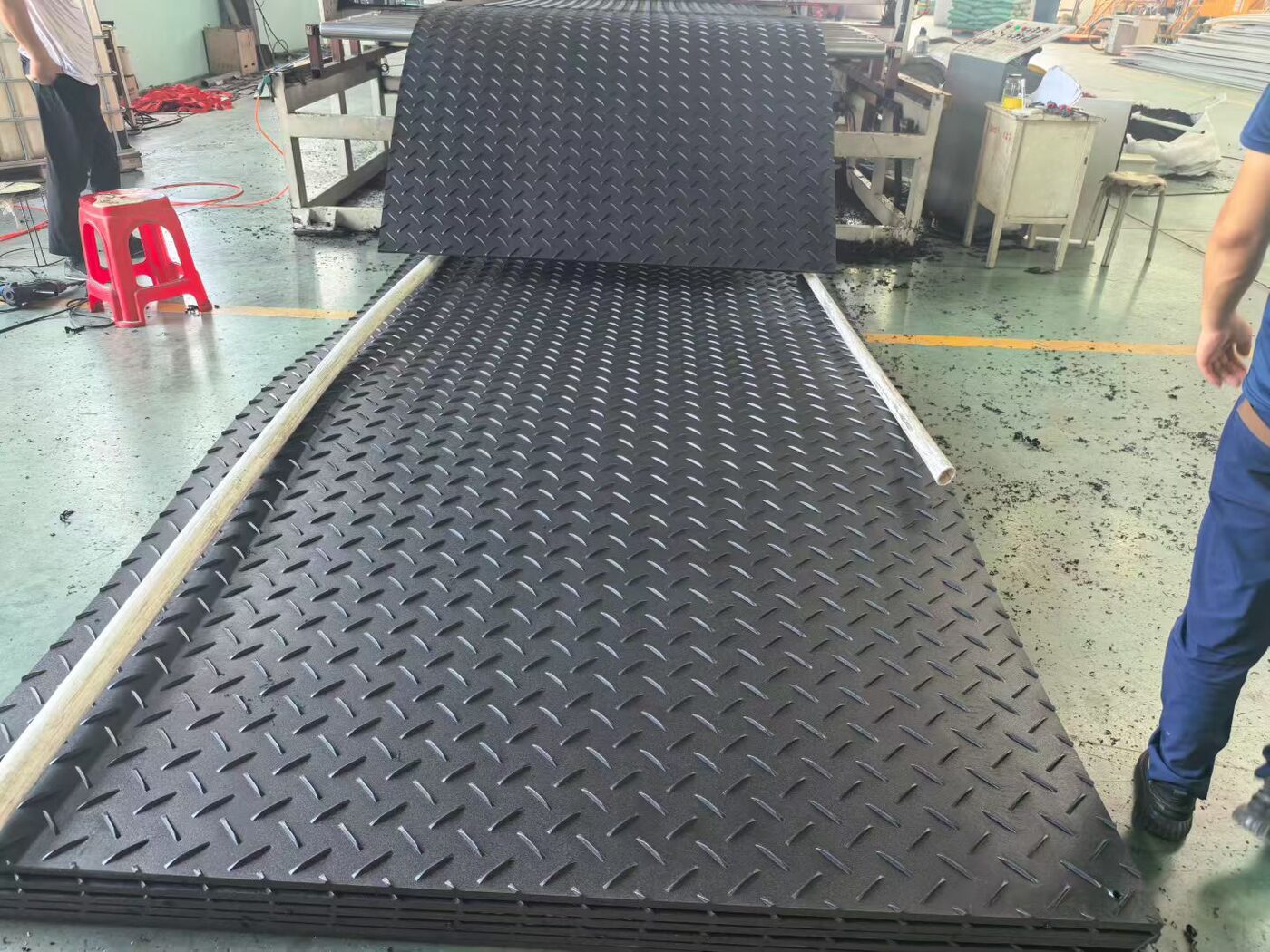
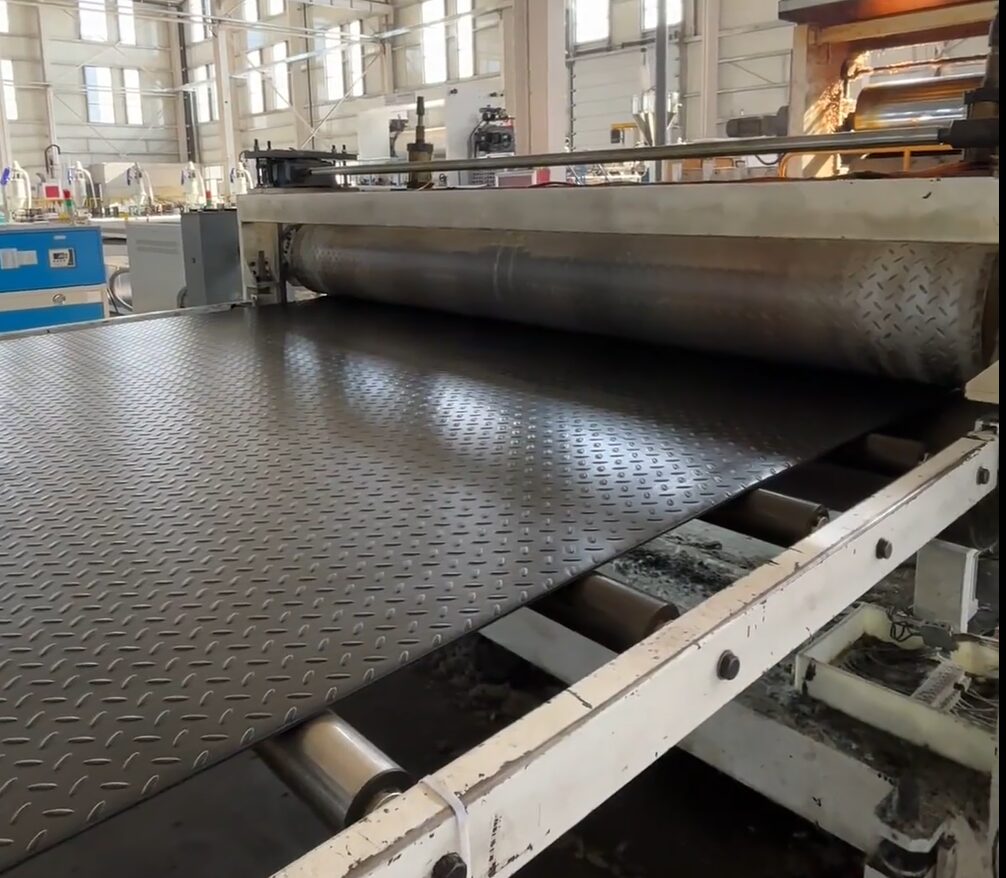
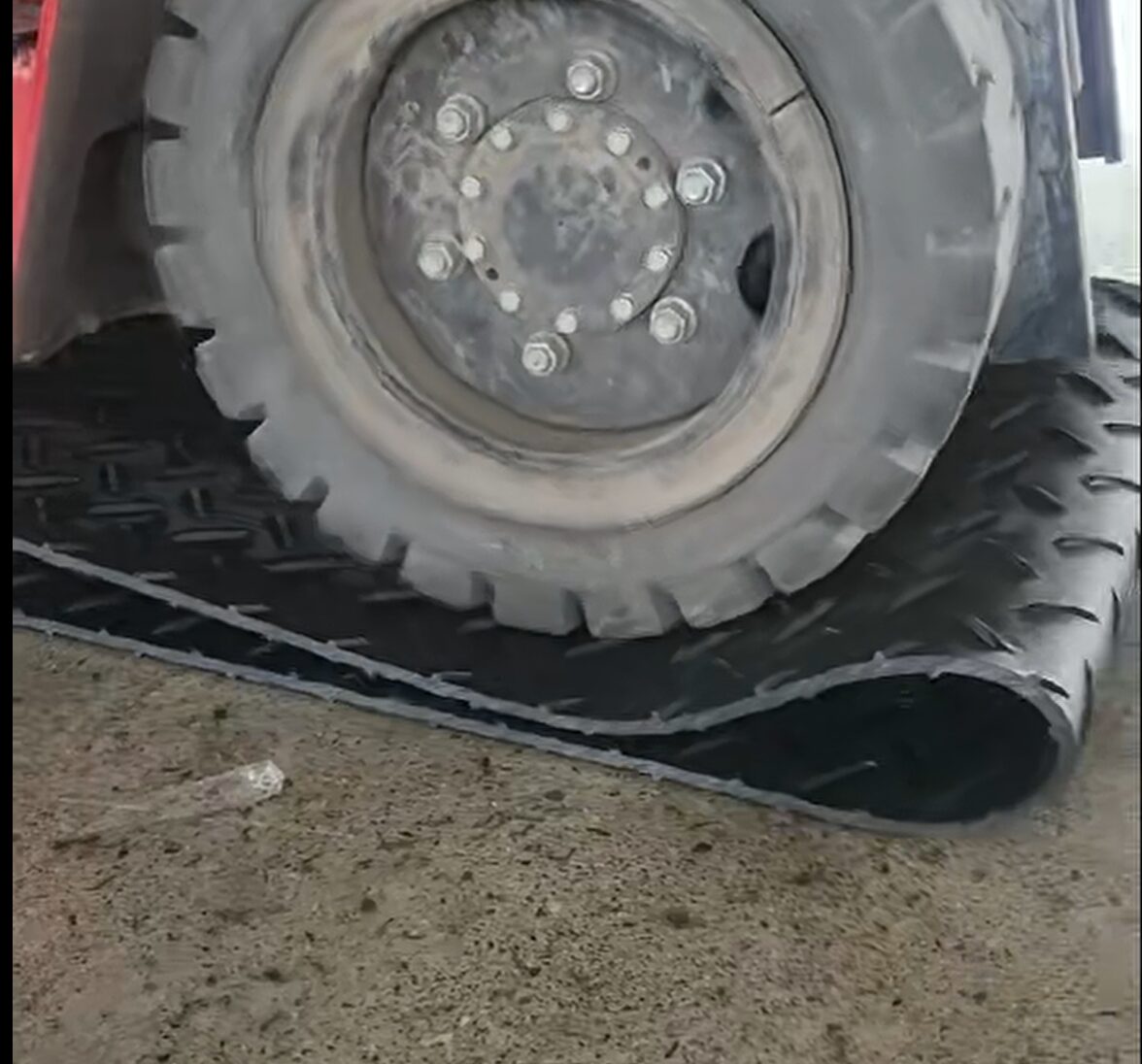
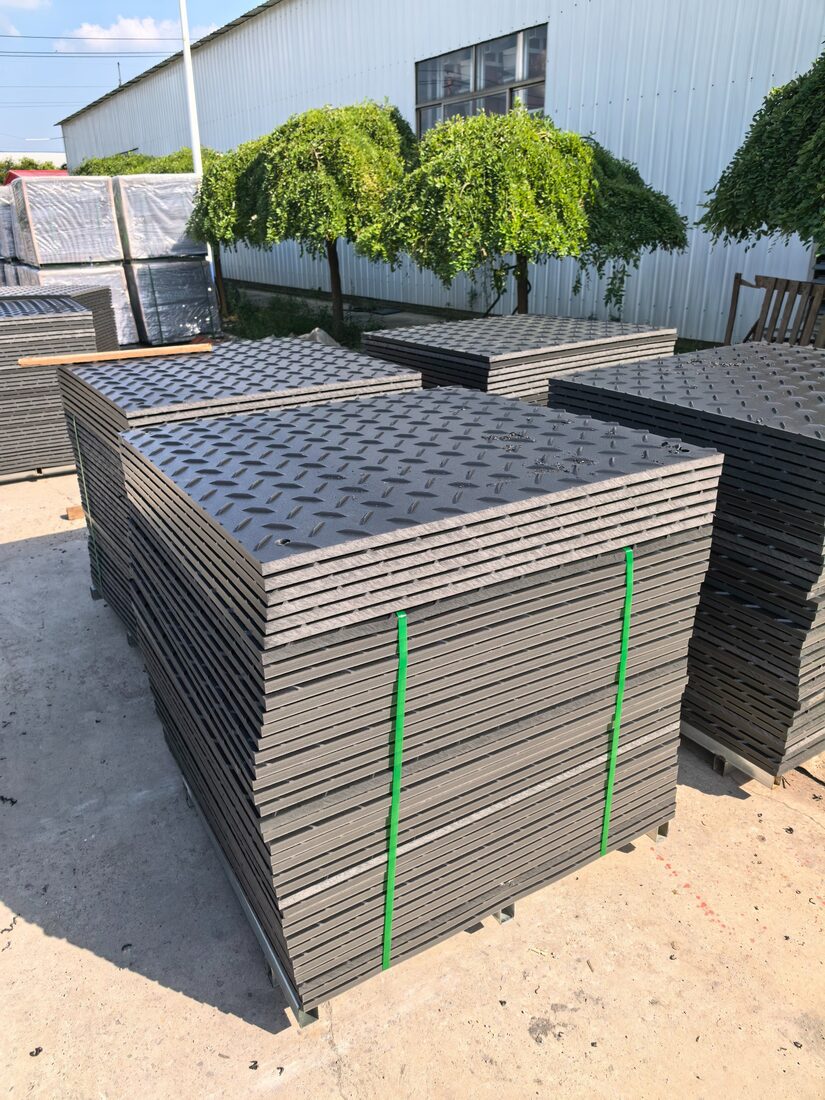
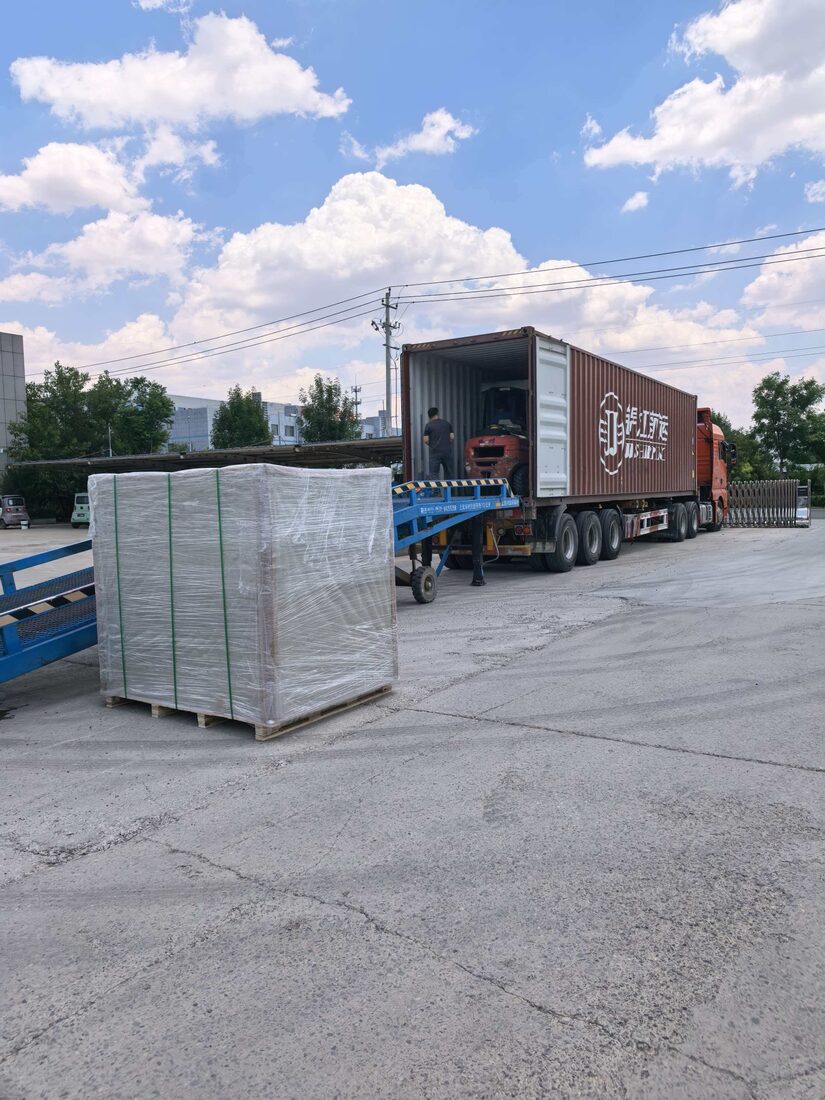
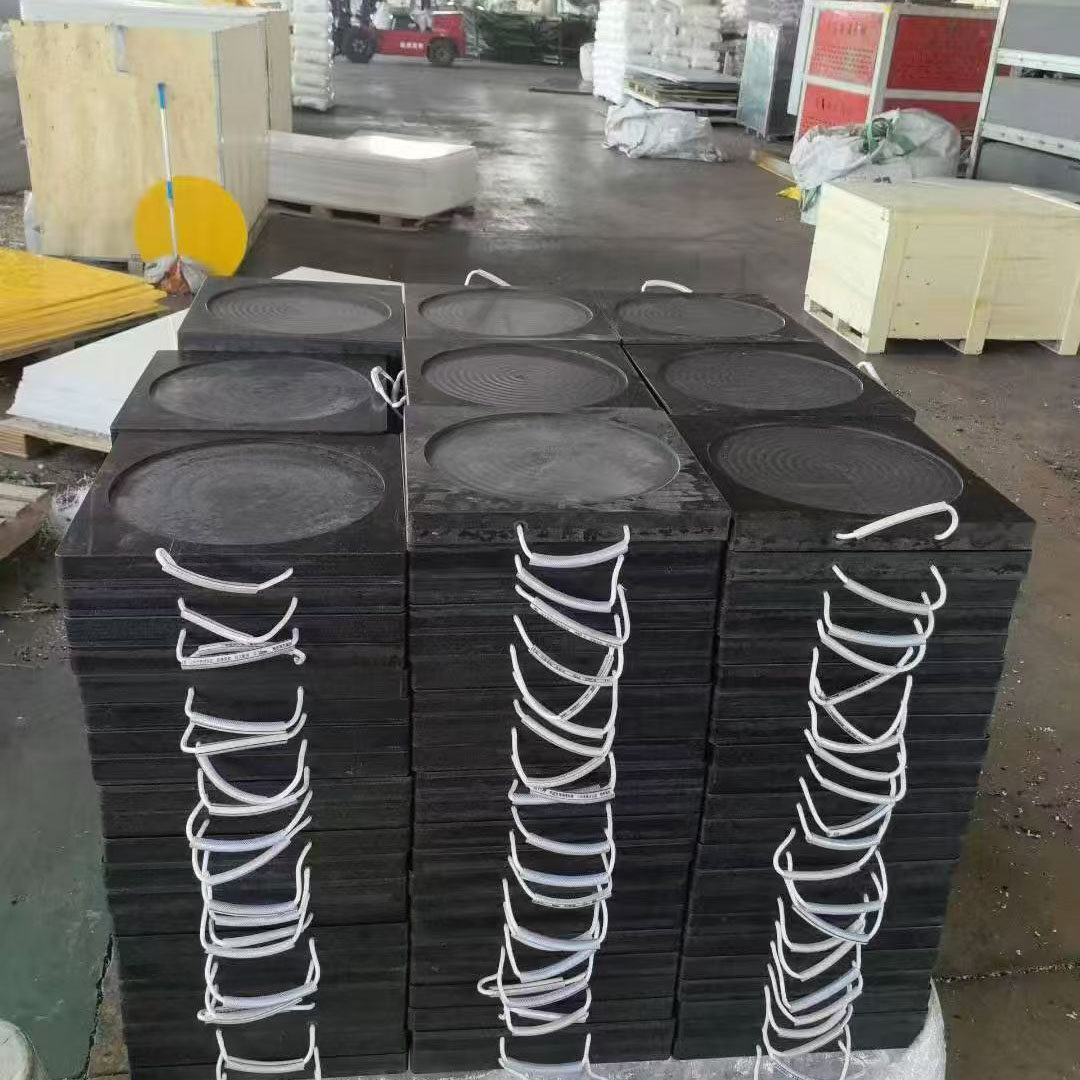
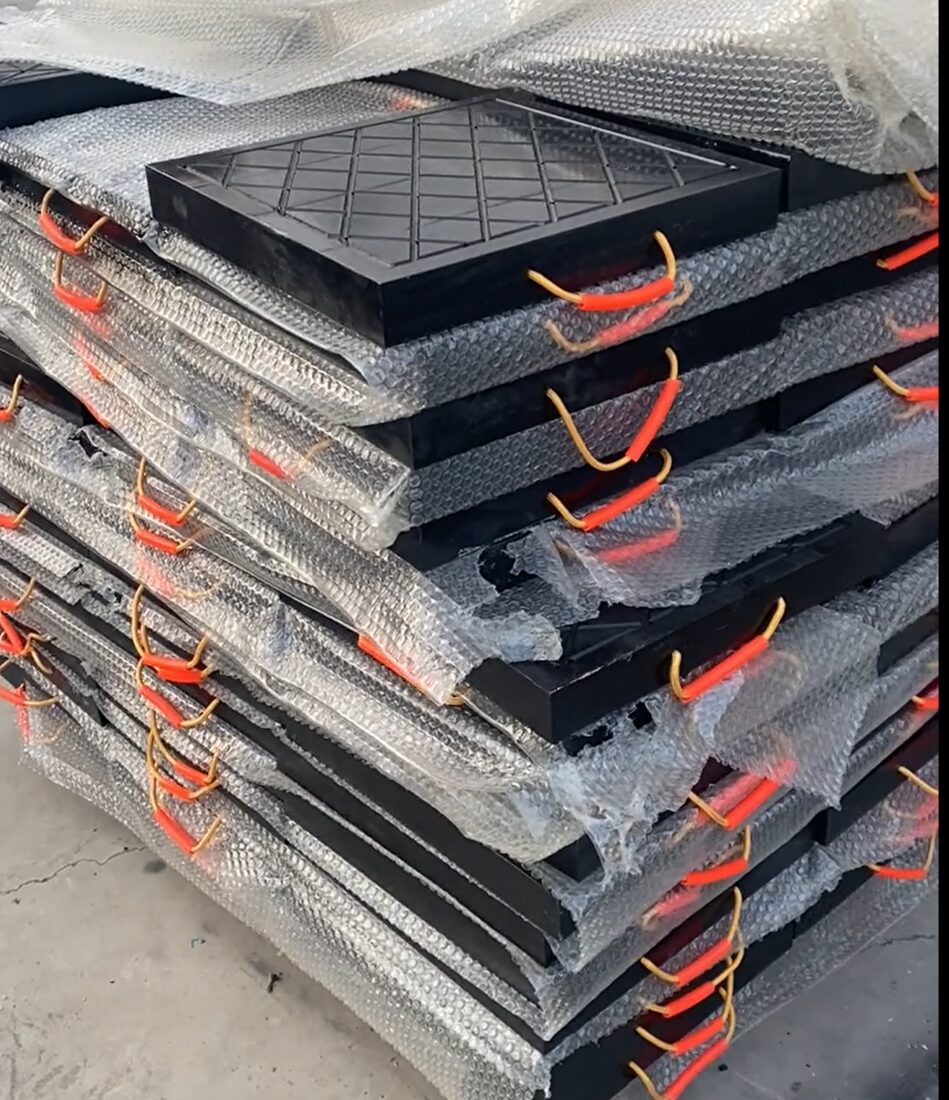
01Ground Protection Mats Production and bulk delivery
From smooth-truck road formation to vehicle load validation, to mass stacking, packaging and loading.
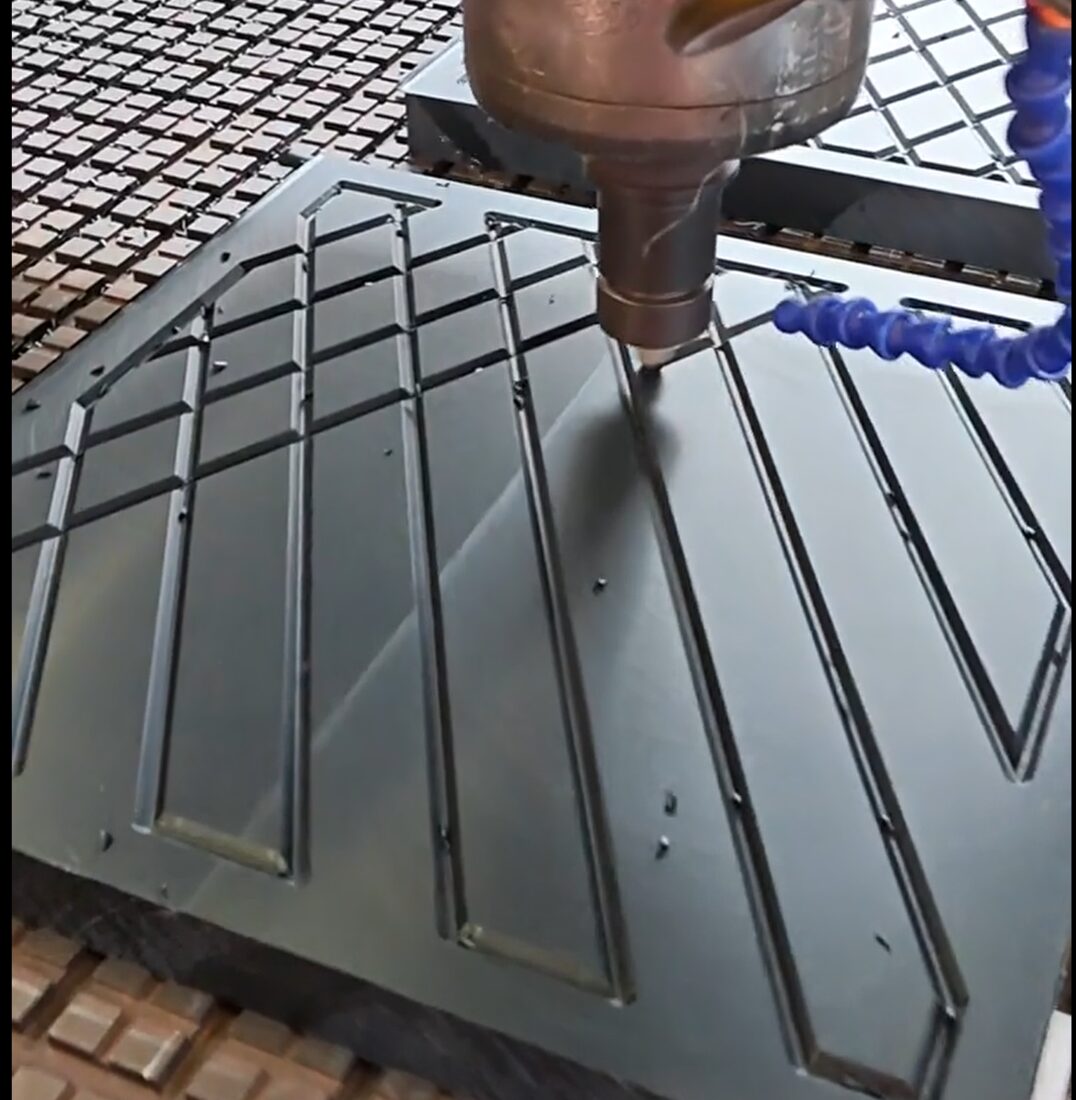
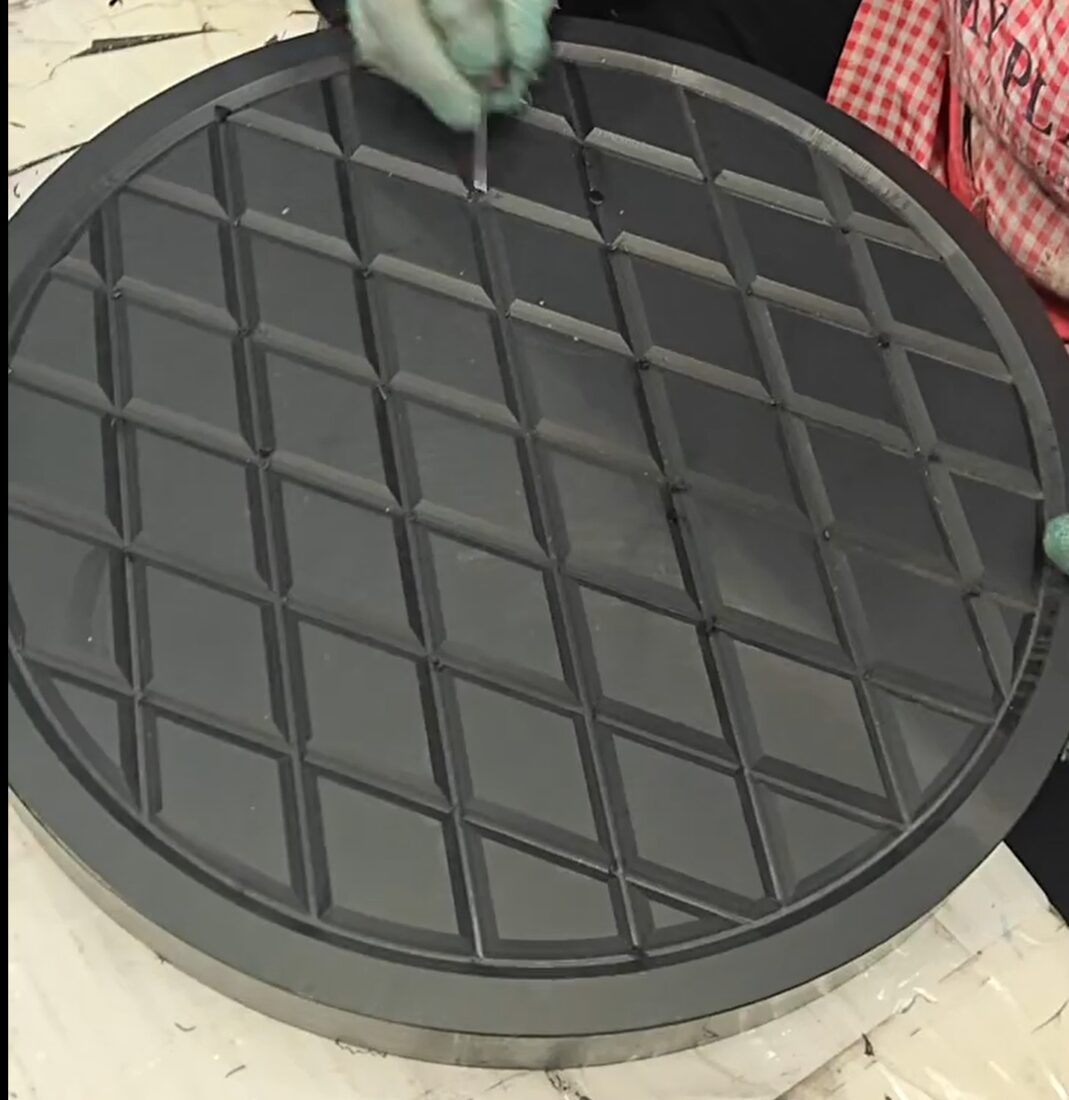
02Crane Outrigger Pads Processing and Inspection
CNC processes, surface structural checks, attachment configurations and packagings showing circles, squares—Outrigger Pads.

Information proposed before request for quotations
The more complete the information, the easier it is to quickly determine the appropriate size, thickness, structure, quantity and customization.
- Type and weight of vehicle/equipment
- Ground type versus hardness
- Length, width and turn of route
- Projected number of acquisitions
- Port of destination/delivery area
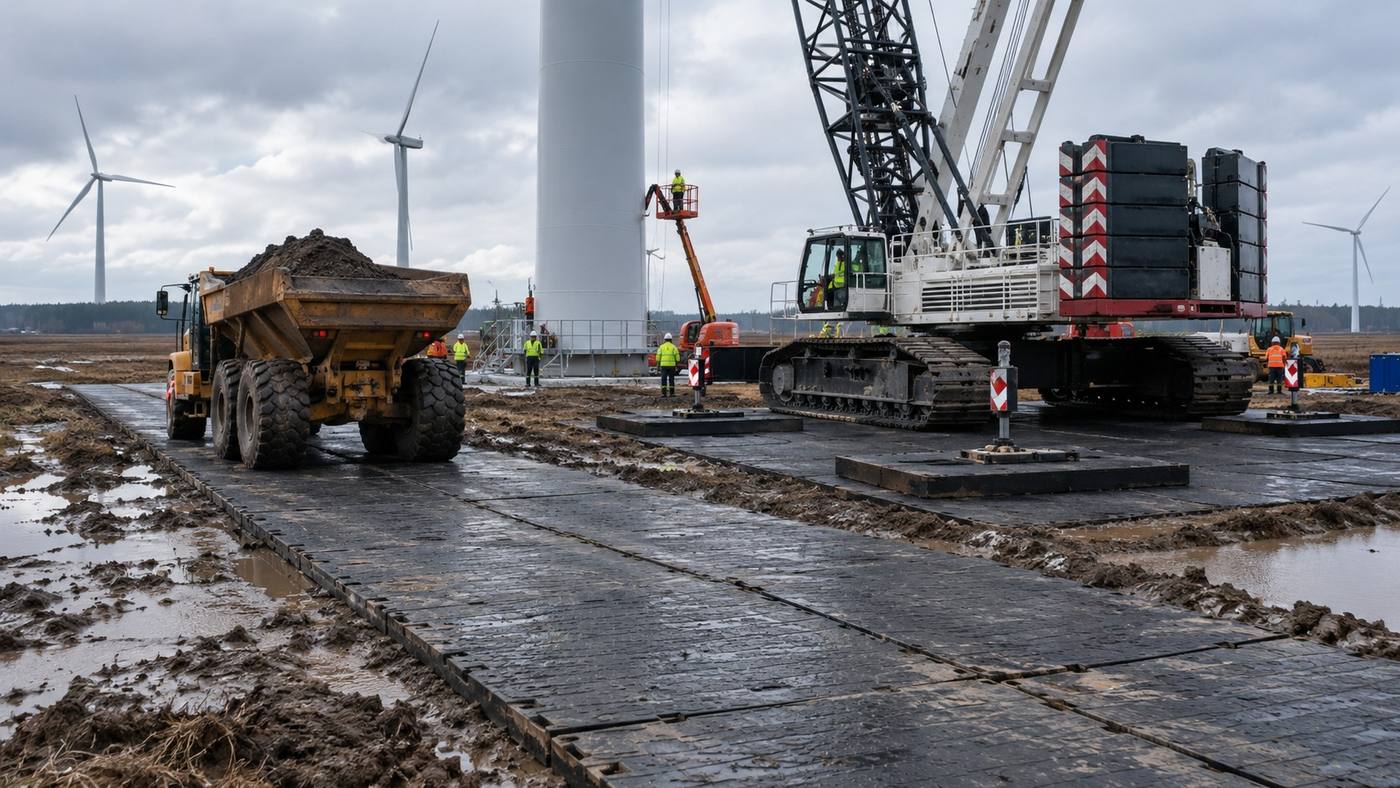
You need gardening, lawn and golf course protection programs?
We continue to assess the actual conditions of work for the distribution of site photographs, equipment/vehicle parameters, application conditions, quantity and port of destination.
Industry application cases
Browse the typical applications of Ground Protection Mats-, Dump Truck Bed Liners- and Outrigger Pads-- in different industries, click on pictures to enter the corresponding industry pages.
Construction & Infrastructure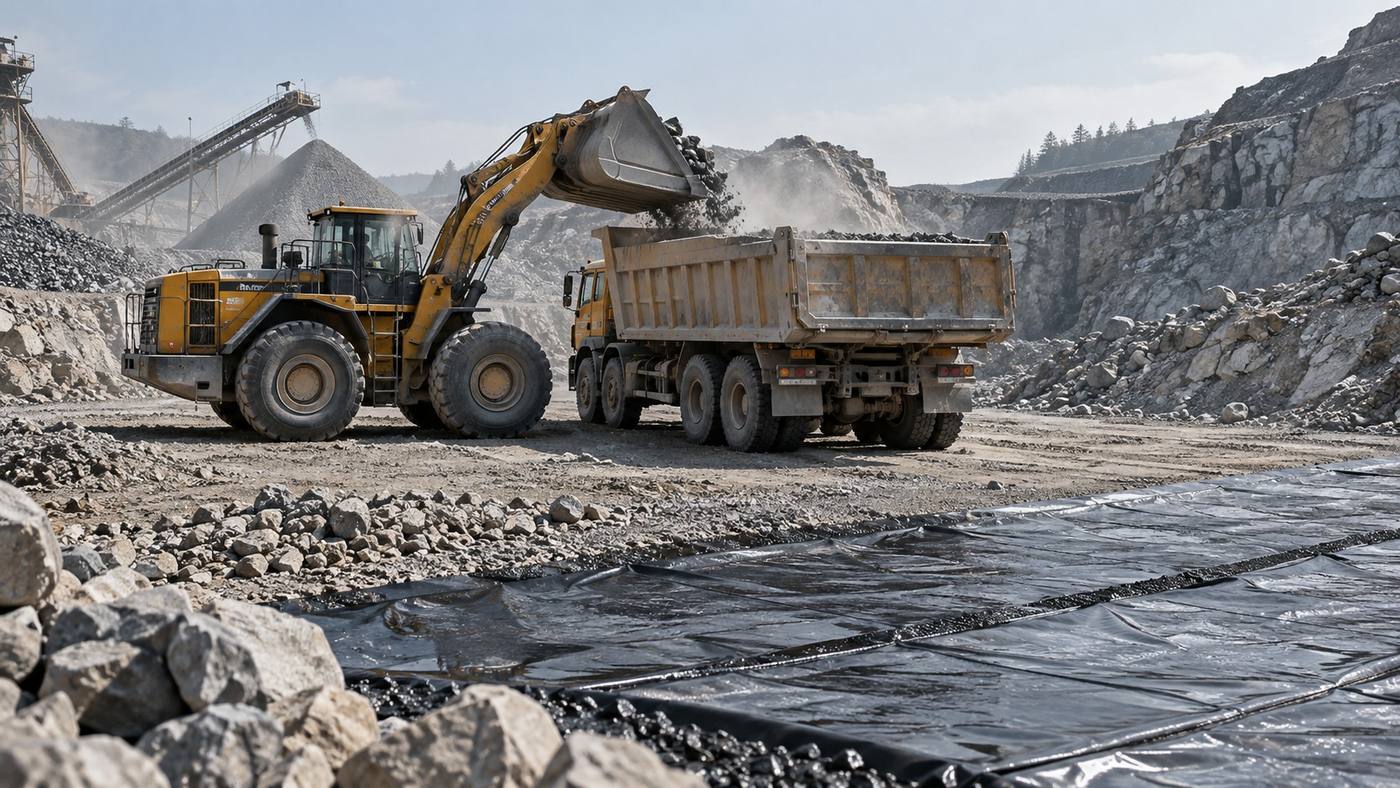 Mines, quarrying and drilling
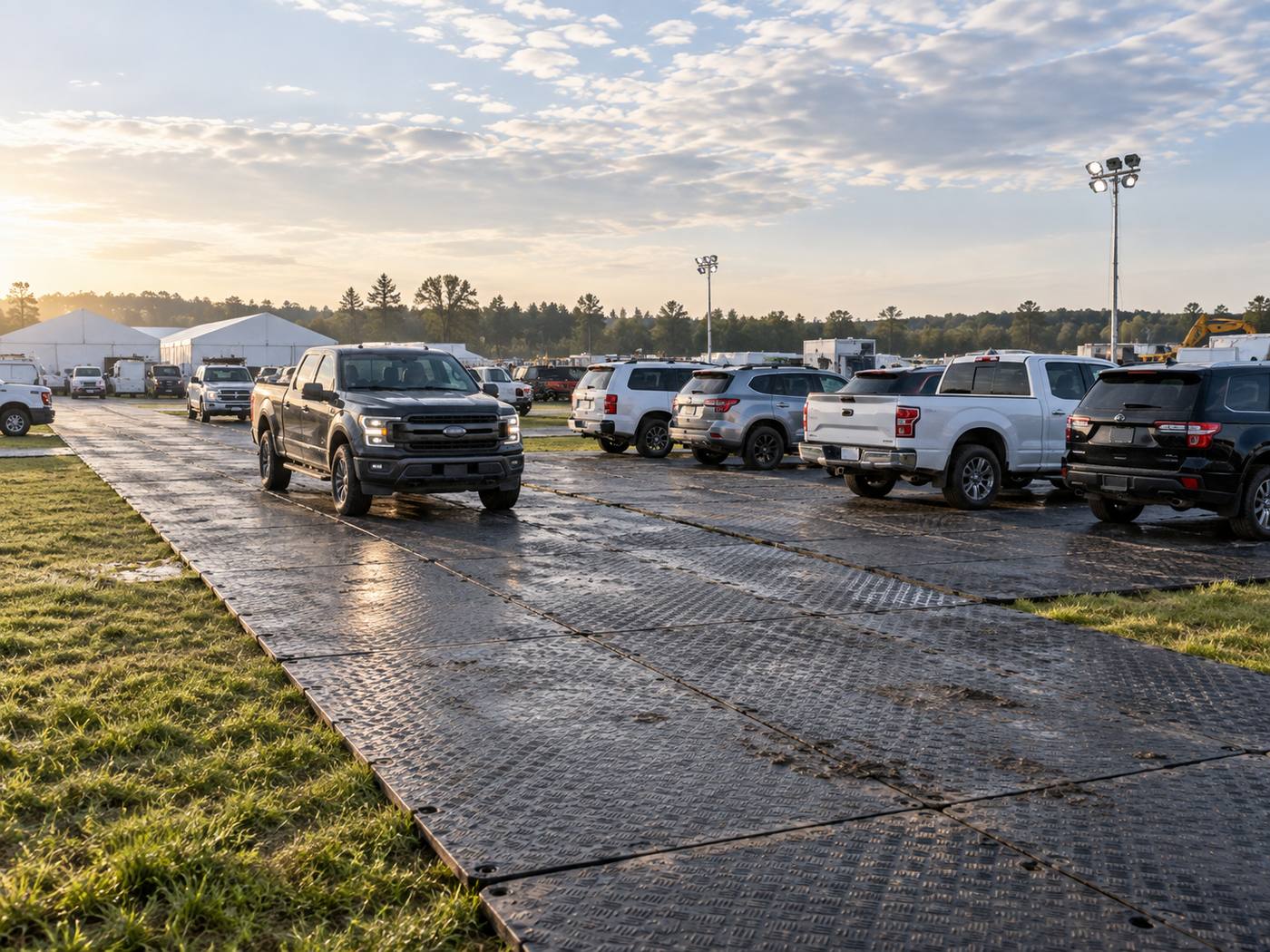 Agriculture, plantations and forestry
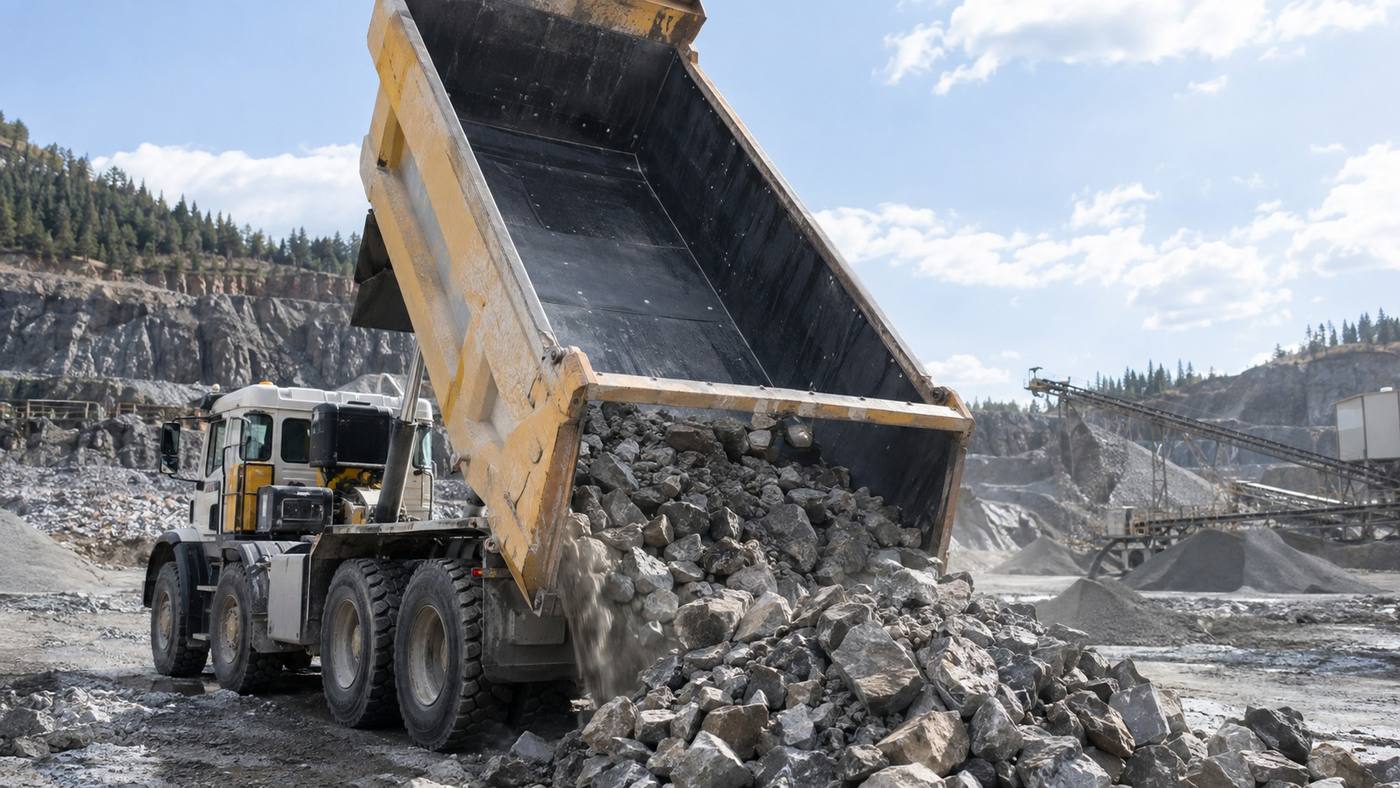 Transport fleet and self-loading vehicles
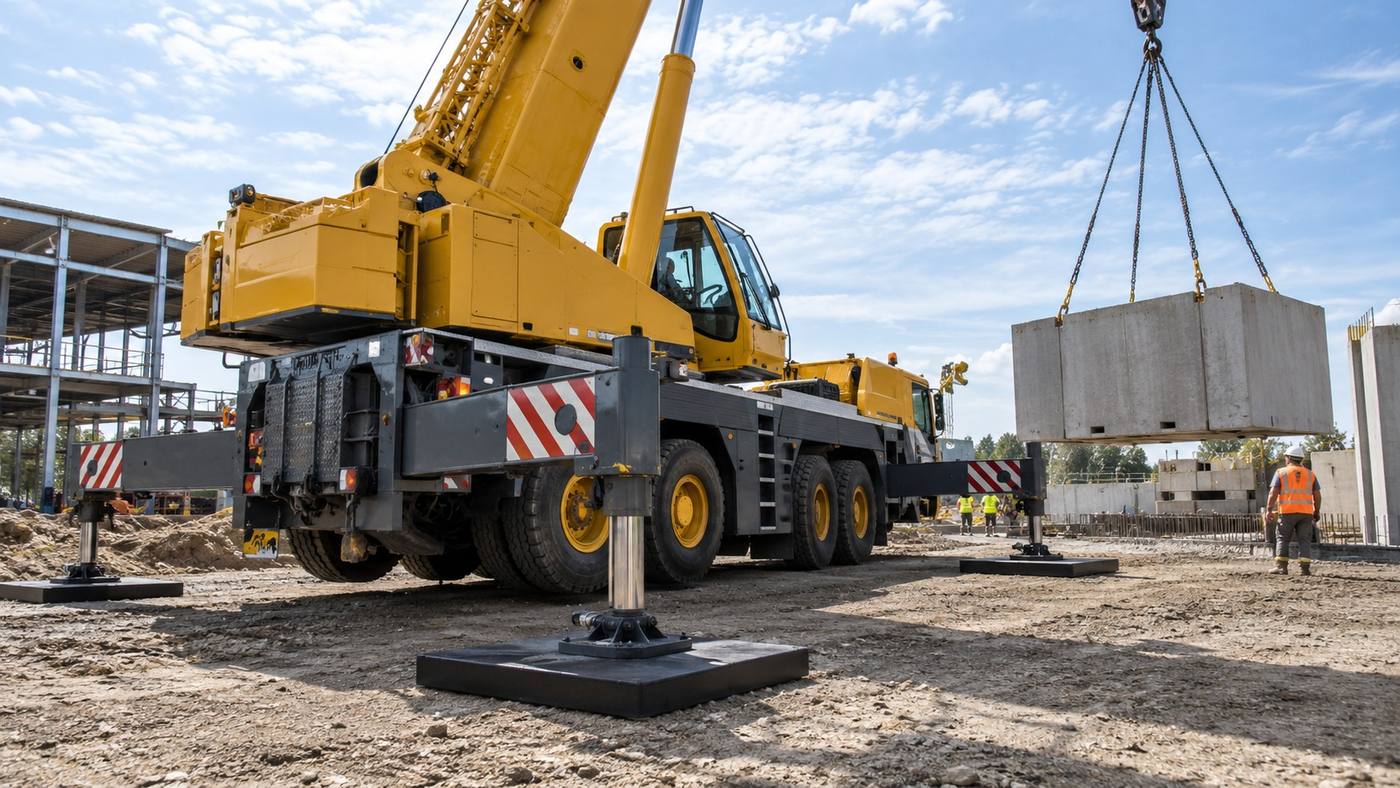 Lifting and lease of equipment
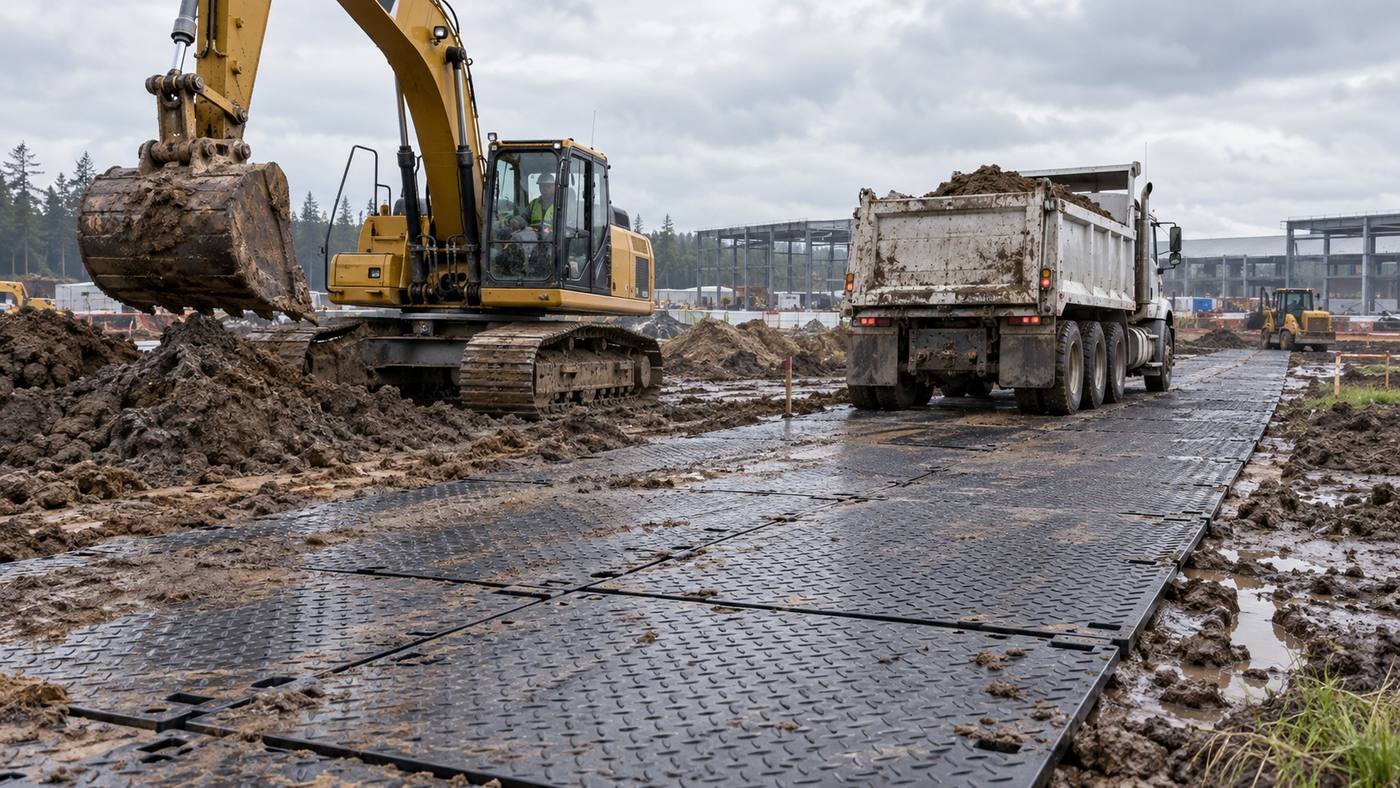 Energy, electricity and new sources of energy
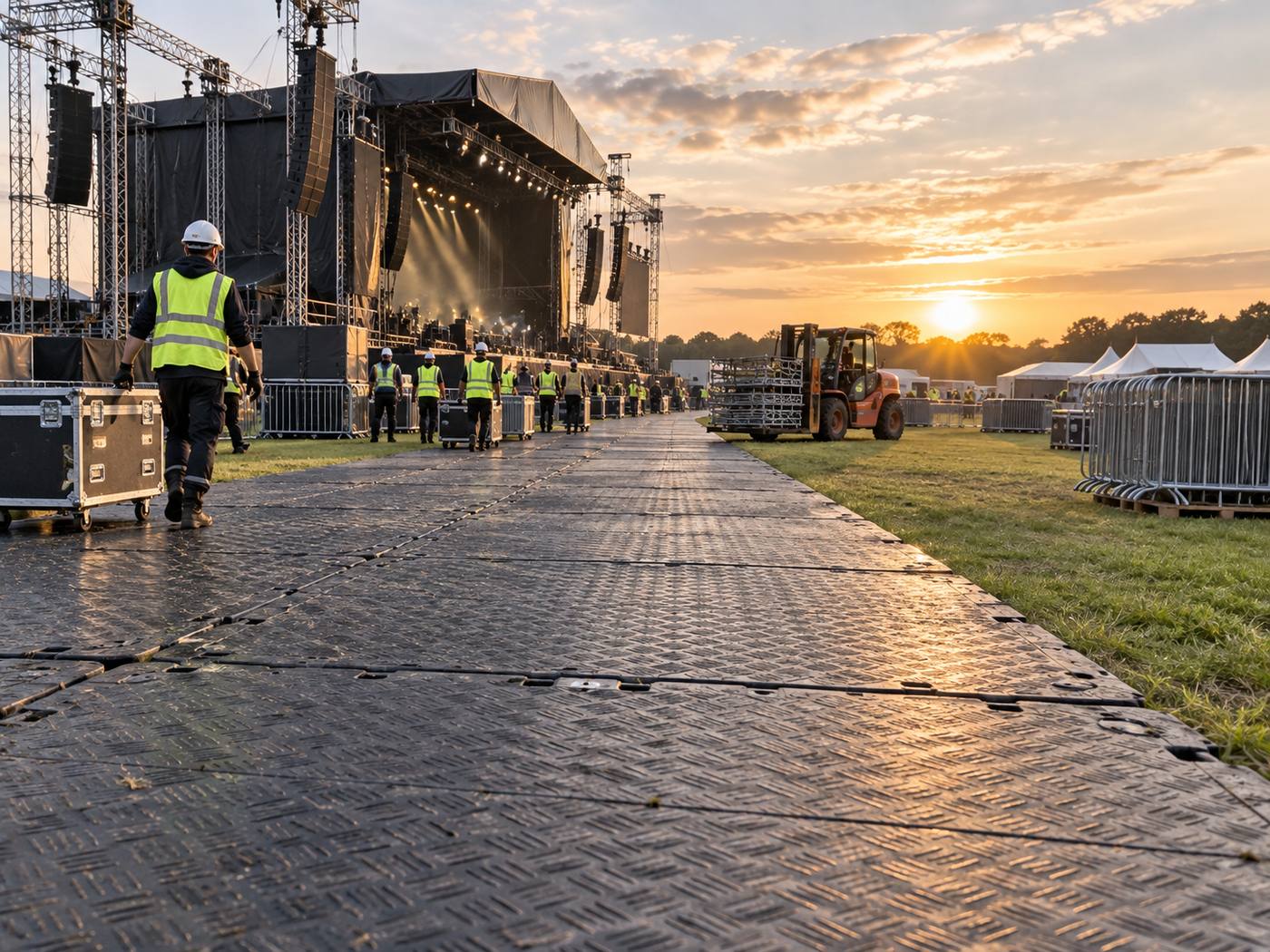 Events, performances and temporary venues
 Ports, logistics and industrial sitesConstruction & InfrastructureMines, quarrying and drillingAgriculture, plantations and forestryTransport fleet and self-loading vehiclesLifting and lease of equipmentEnergy, electricity and new sources of energyEvents, performances and temporary venuesPorts, logistics and industrial sites