
The stadium lawn requires not only physical integrity, but also maintenance of flatness, drainage, root gas and sports performance.Heavy vehicles or long-term cover may cause pressure, heat accumulation and weed deficiency;The plastic runway is afraid of sharpness, oil and stubble pressure.The damage may not be visible until after the removal board and directly affect the quality of the competition.The project shall be subject to a site management team to set accessible areas, cover the length and load limits, lay the floor and floor of the pre-cleaning plate, and prohibit the rapid movement of vehicles and oil spills.Temperature, water content and deposition are monitored during the event, and the lawn is inspected immediately after removal and arrangements are made for the restoration of the lawn or the cleaning of the runway.“Professional lawn and runway damage tolerances are very low” and cannot be handled only by one successful pass, but also by covering the maximum load, maximum frequency, worst weather and evacuation phases.It is recommended that representative positions be selected for trial, that ground, vehicle or equipment data be recorded and that the scope, connection and frequency of maintenance be adjusted to the results;Changes in conditions have confirmed that early experience is not directly applied to the entire sports site and temporary activities area.
Sports sites and ad hoc site applications
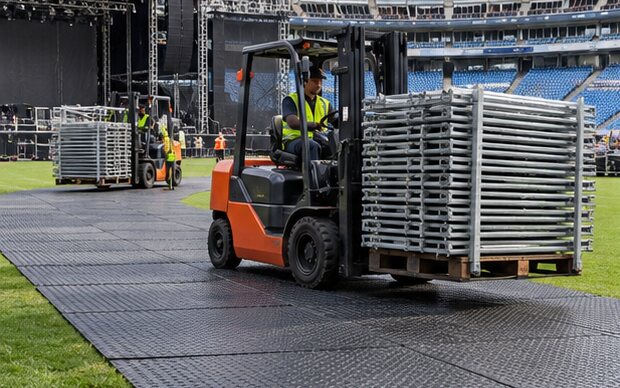
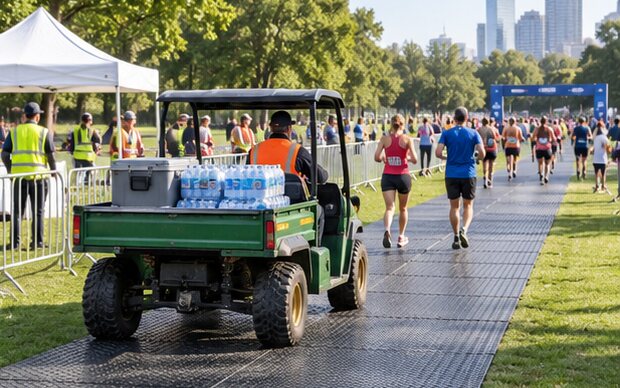
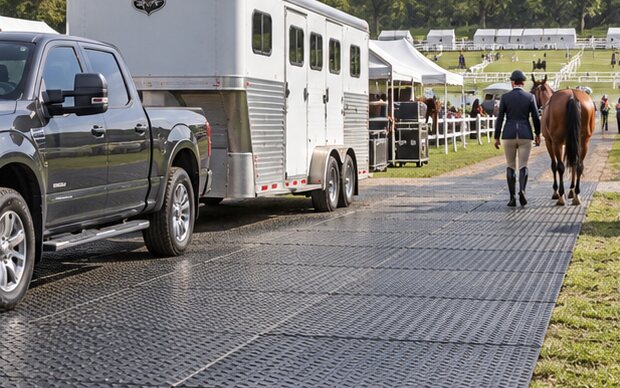
Application of common projects in sports venues and temporary areas of activity
Description of the business processes, vehicle equipment, ground conditions and the project cycle.
Sports grounds and temporary areas of activity include stadium performances, pre-season construction, marathon supply and relay areas, stadium award facilities, temporary stands, branding events and large community events.
The project usually has a clear entrance, rehearsal, competition, and exit time, and any ground damage may affect the next event. The zoning and phase-by-stage acceptance plan should be based on the type of site, maximum vehicle, number of traffic, equipment feeder, weather and permitted recovery time.
Common Issues
The actual conditions of work in sports sites and temporary activity areas, respectively, explain the reasons for their formation, their possible impact, the focus of inspections and the way in which they are managed.
The course of construction at the stage may become, after opening up, an entrance to athletes, a media channel or an audience area, and the seams and edges that would otherwise fit the tyres do not necessarily meet the walking requirements.If conversion checks are not in place, the risk of tripping is highlighted for connectors, panel mud and high differentials.The project should define the use and acceptance list for each phase: the project phase should focus on loads and routes, and the operational phase should focus on cleaning, smoothing, accessibility and evacuation.Once the last construction vehicle passes, the closed areas are inspected on a full foot basis, and the perimeter transition and markings are adjusted, without prior access.The physical space and the temporary area of activity should set clear standards for the cessation of use, such as continuous uplifting of the plate, incomplete support surfaces, extended depositions, visible slippage of the vehicle or loose connection, for “vehicles, athletes and viewers sharing the same area at different stages”.Unusual isolation and unloading were detected, and then the floors were repaired or reconfigured, and temporary pads were prohibited in carrying conditions.The head of the mission may not resume operations until he or she has been qualified to do so, and records of disposal are maintained.
Temporary stands, light racks, screen vehicles, repeaters and high-altitude equipment may concentrate loads to a small area through legs or floors, which may not be sustainable for drainage and artificial grass under natural grass.Multiple road pyrotechnics are not a substitute for accounting for support programmes and may be unstable by slides between layers.Before construction, the feeder load, quantity and layout should be acquired, confirming that underground facilities and sites allow pressure, and selecting and maintaining a sufficient area of dedicated pads.(c) Prevent movement of people's pads or water accumulation around them during the operation, weather changes and equipment adjustments for review.In the case of “the production of centralized loads for temporary stands, screens and rebroadcasting devices”, the sports site and temporary activity area project should also include the results of the check in the pre-class confirmation and handover records, specifying who is responsible for release, who is responsible for inspection, what deposition or relocation must be discontinued.Retroactive recording of photographs, measurements and usages will make it possible to distinguish ground-based changes, operational deviations from product damage and avoid repetition of the same problem between different groups.
Solution Recommendations
The route, the grass-roots, the support or the unloading of the material is addressed first, and the corresponding products are recommended according to the work situation.
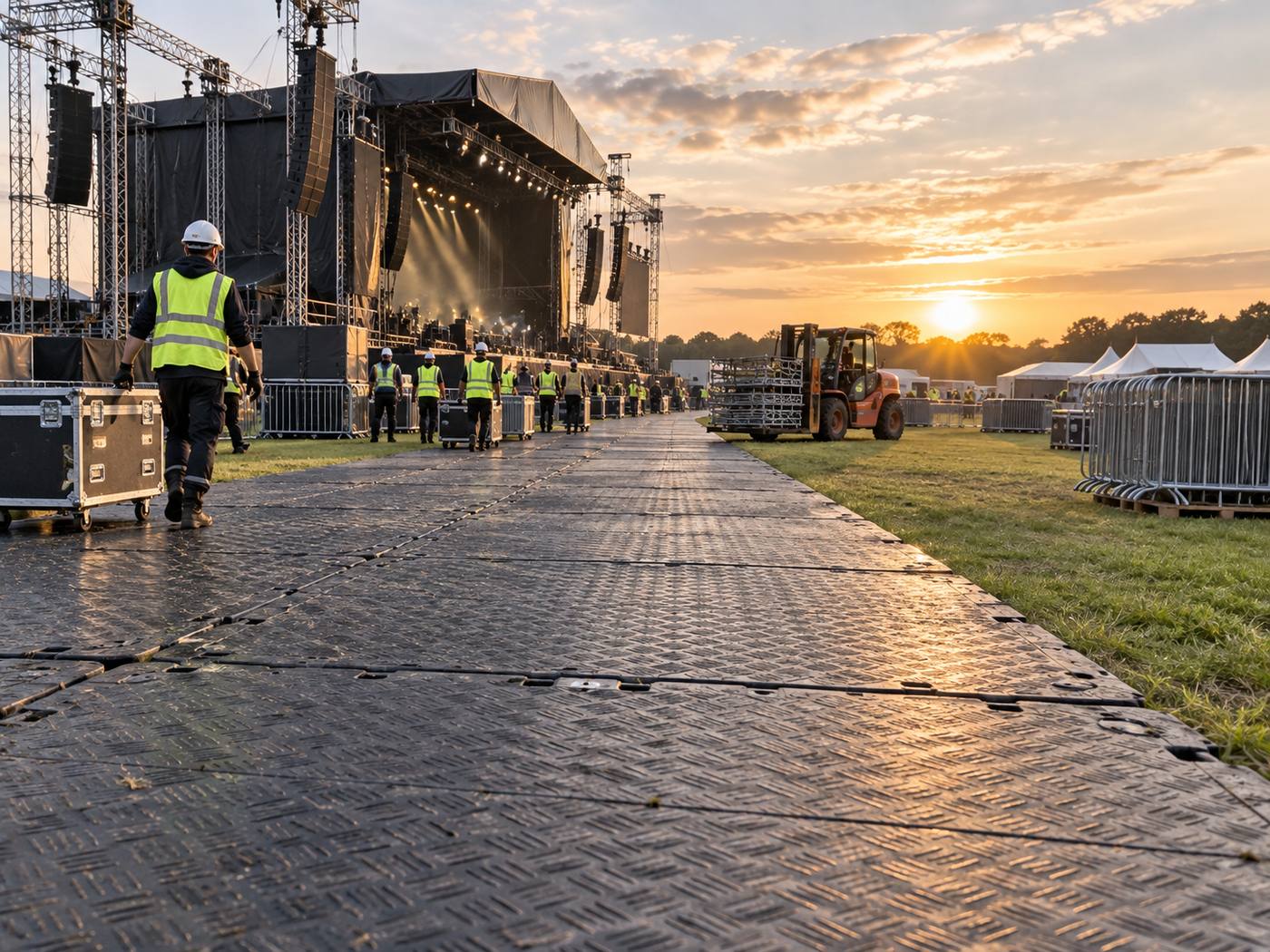
The schedule of activities is used as the main route to plan the entry, build, operate and exit phases separately. Heavy vehicles must run as hard as possible along the sides of the field and as hard as they already do. The shortest continuous route to the lawn must be used to control speed, shift and cover time; the cleaning and edge conversion is completed before the personnel open.
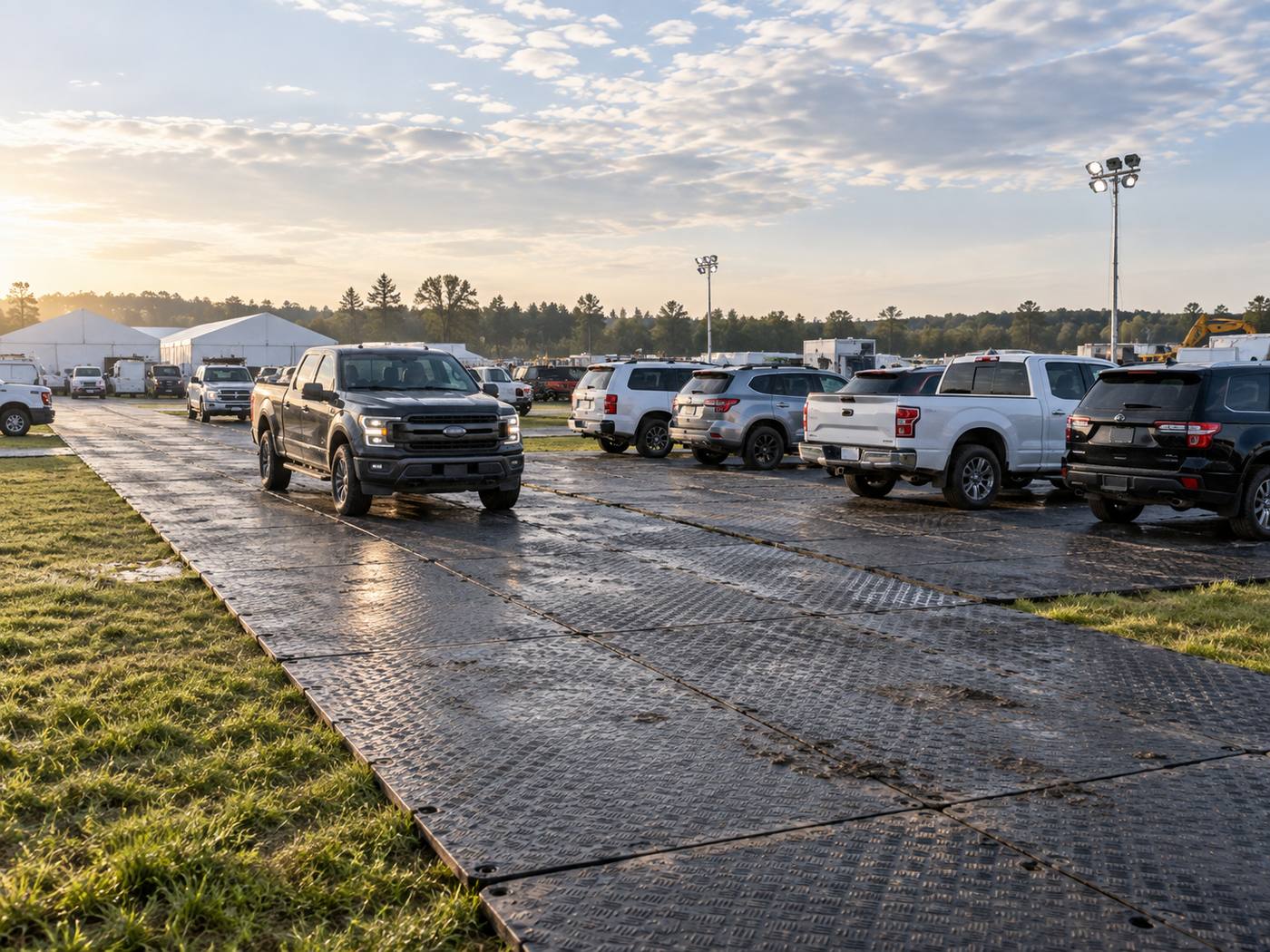
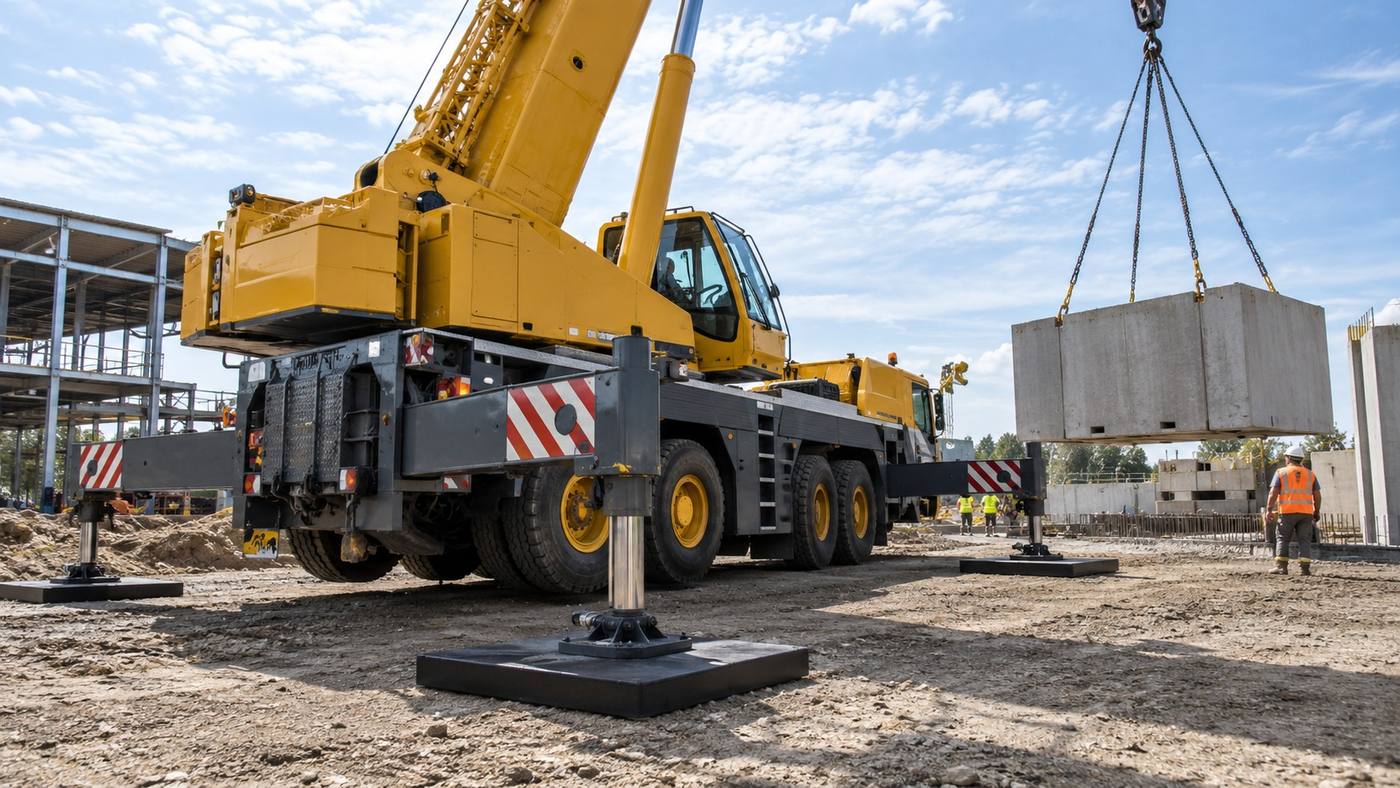
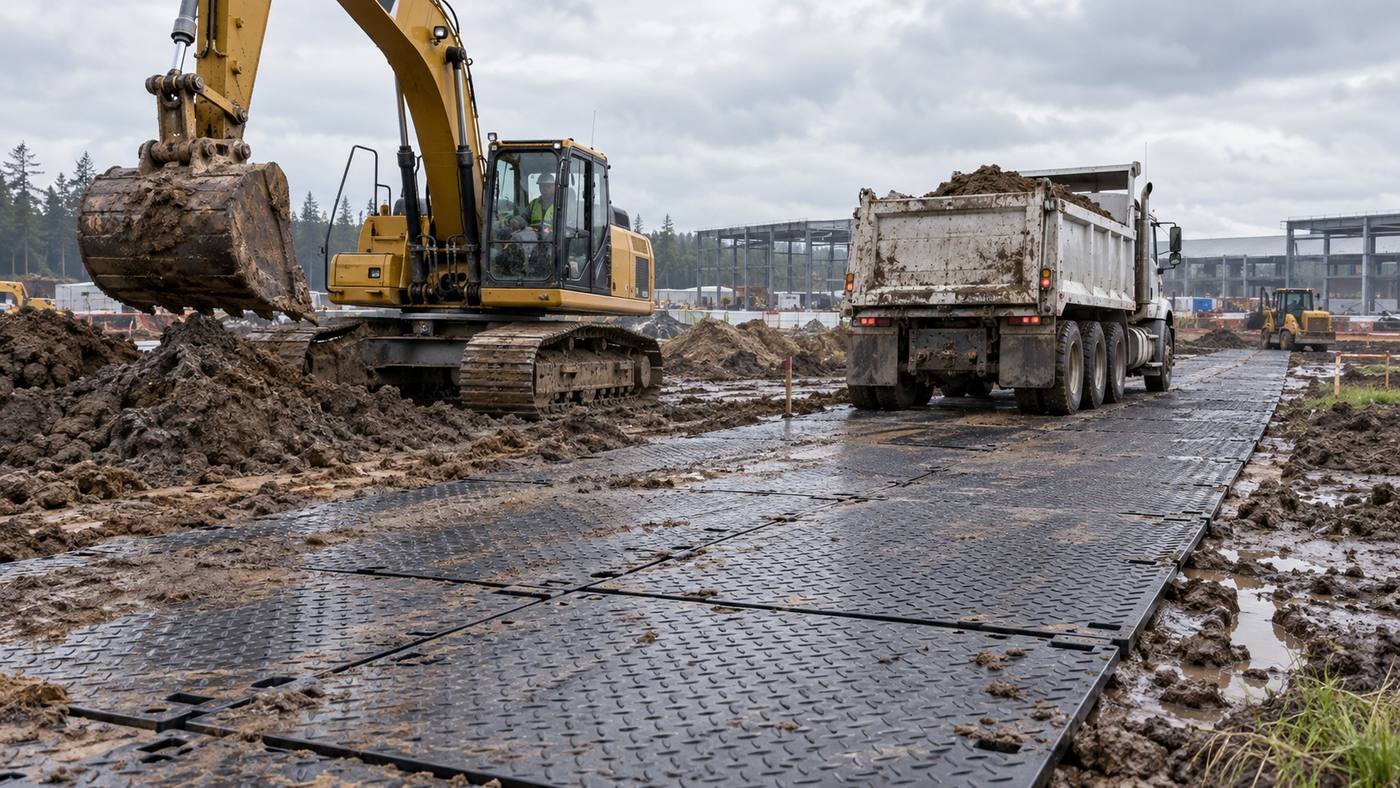
HDPE Ground Protection Mats is applicable to temporary routes for stage vehicles, forklifts, transmissions and service vehicles and may also be used for high frequency staff access as required;The board and connection shall satisfy both tyre scratches and the safety of the person.Temporary stands, screen vehicles, high-altitude operating vehicles and small-scale crane equipment configurations—Crane Outrigger Pads—, sizes determined by single point of reaction and space pressure.The stadium project should give priority to the cleanness of the plates, the transition of the edges, the rapid dismantling and traceable numbers, and the quantity of purchases should include loading and unloading areas, turn and wider, and back-up panels, in addition to the main route.
Ground Protection Mats
For the establishment of temporary vehicle access, protection of the original ground and dispersion of the wheel; specific thickness, size, texture and connection will be determined by vehicle and base level.
Crane Outrigger Pads
For the purpose of increasing the area of the foot exposure and reducing average ground pressure; must be calculated in conjunction with maximum single-leg reaction, original foot size and a permissible ground pressure.
Manufacturing
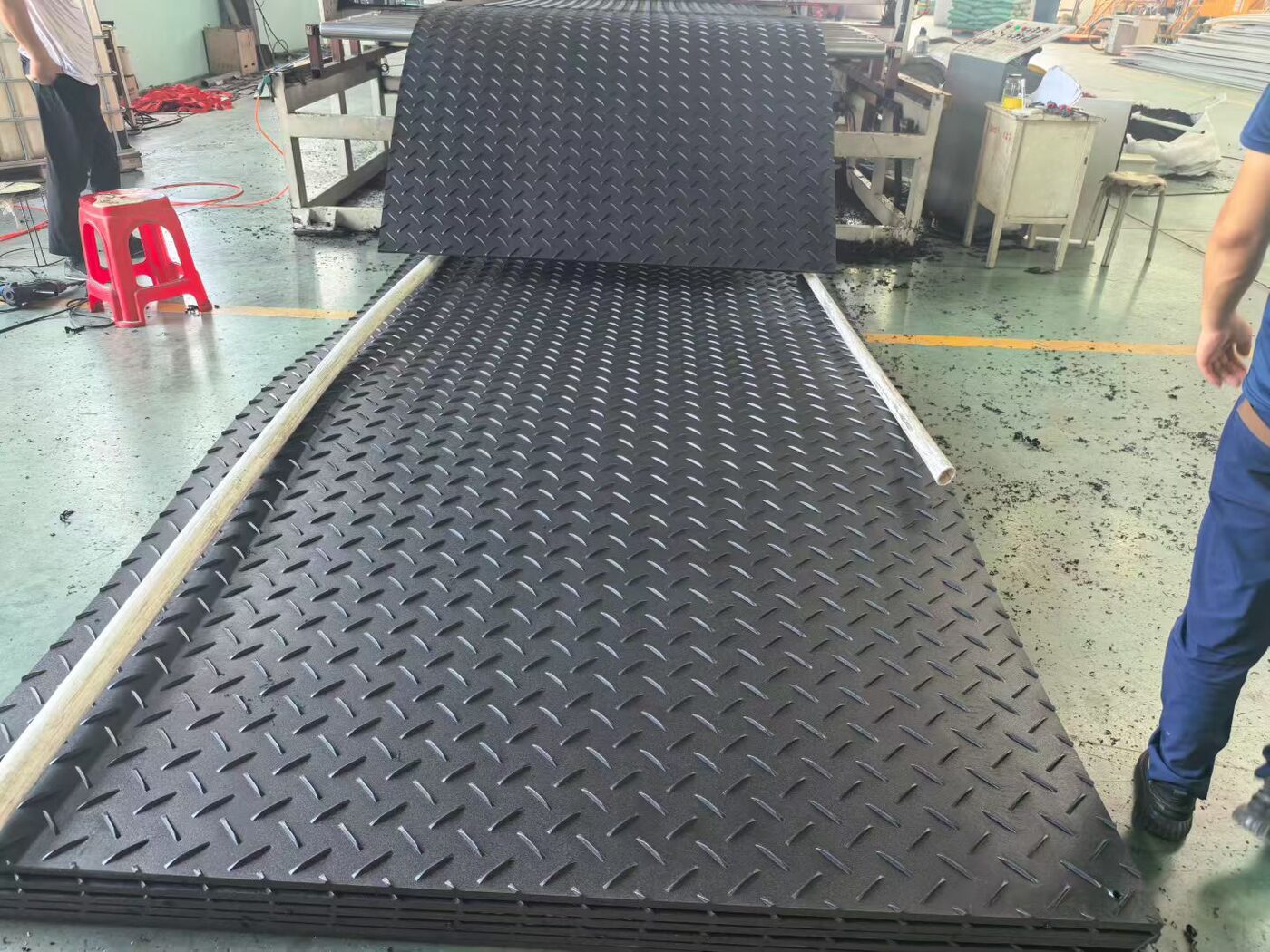
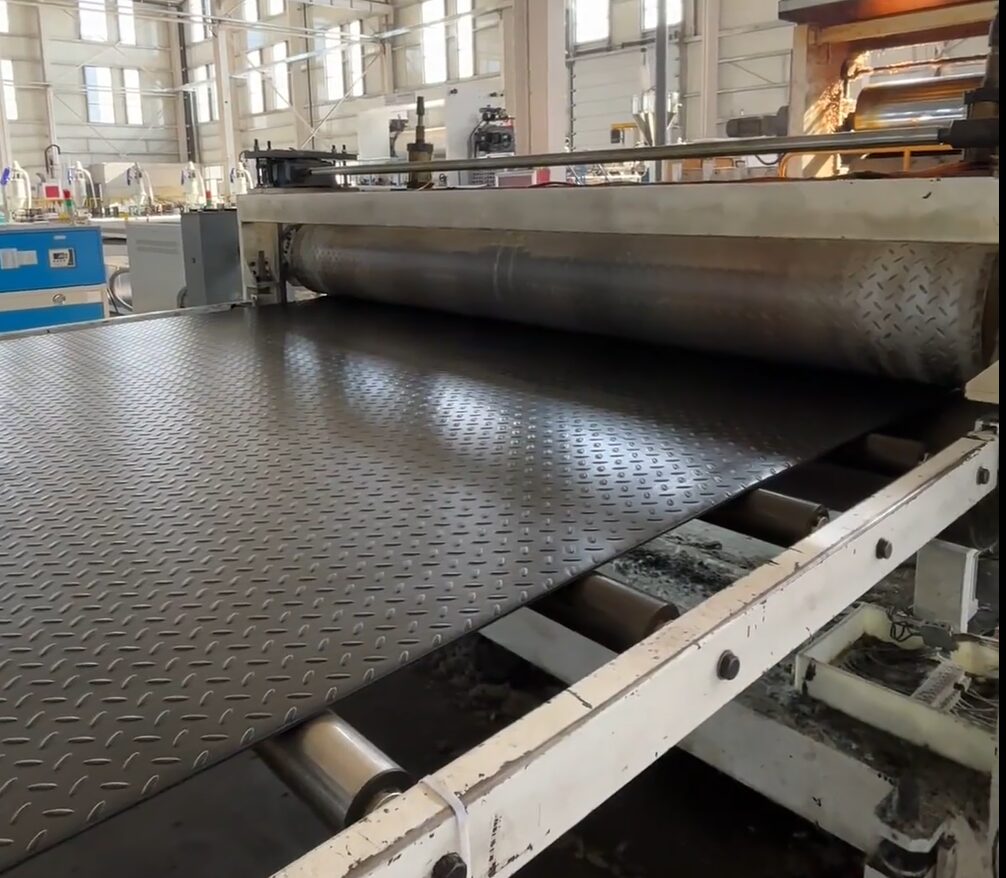
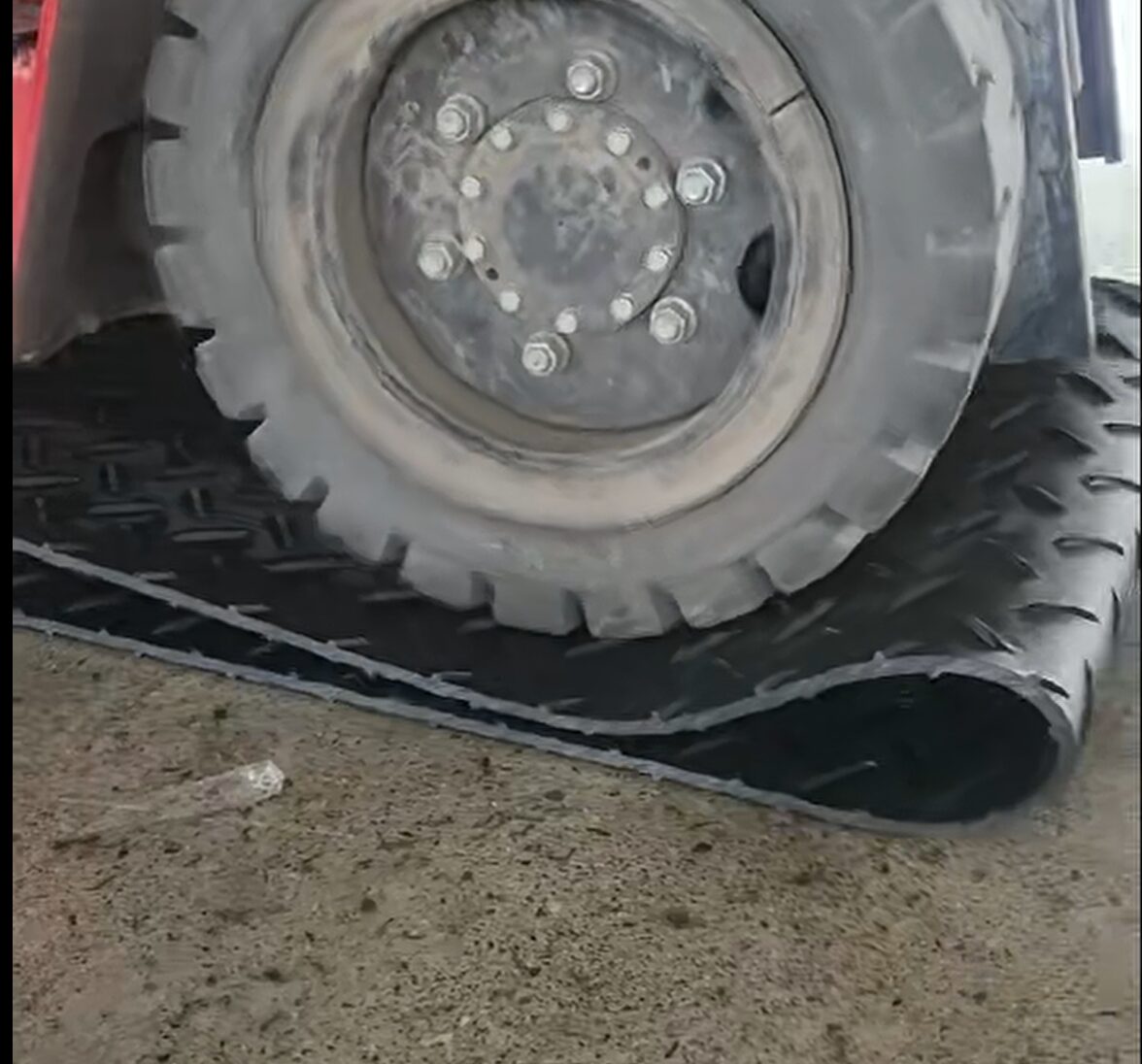
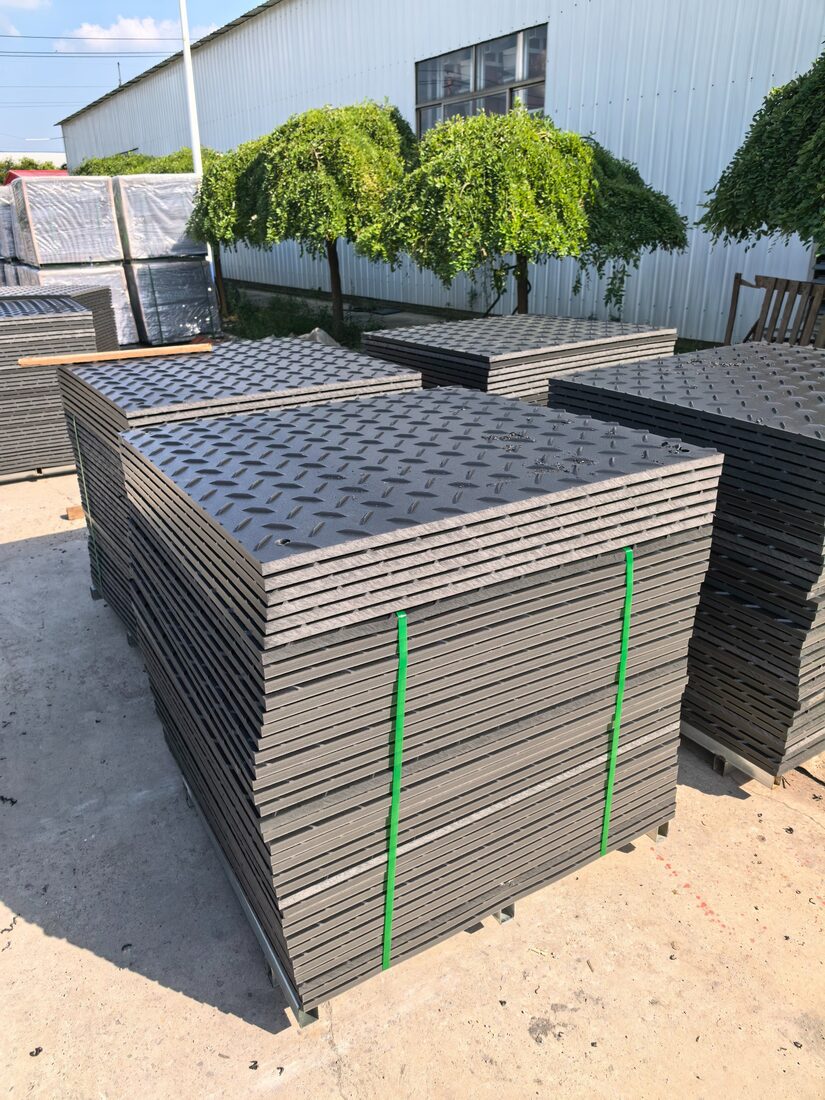
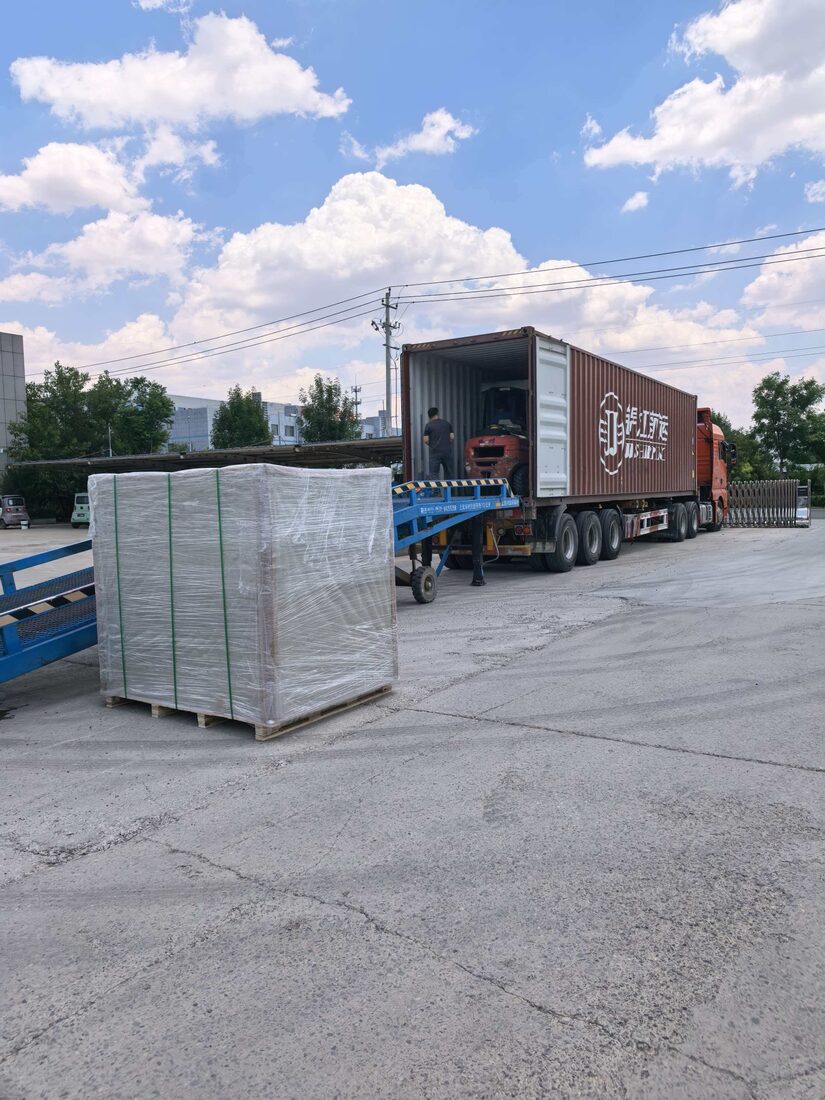
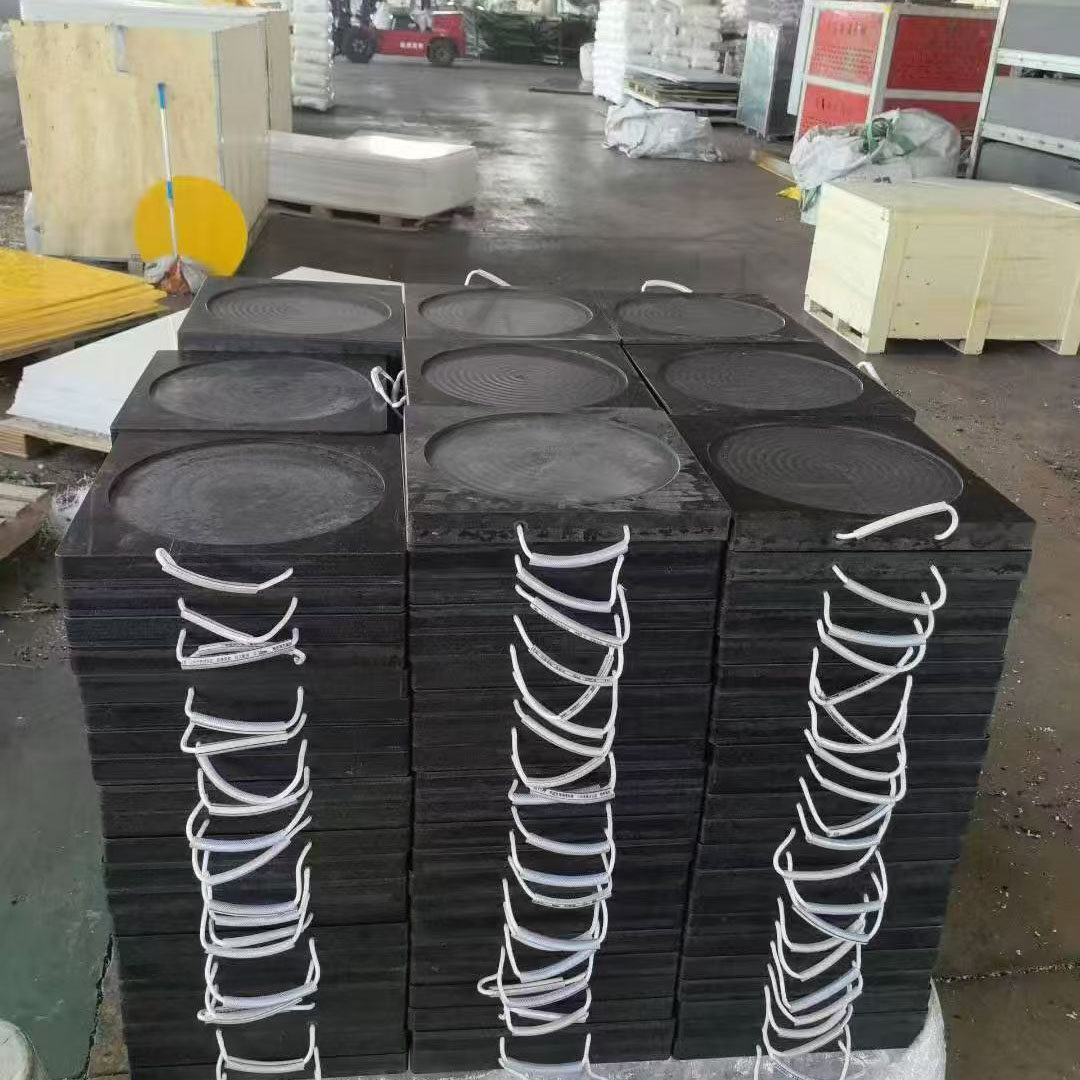
01Ground Protection Mats Production and bulk delivery
From smooth-truck road formation to vehicle load validation, to mass stacking, packaging and loading.
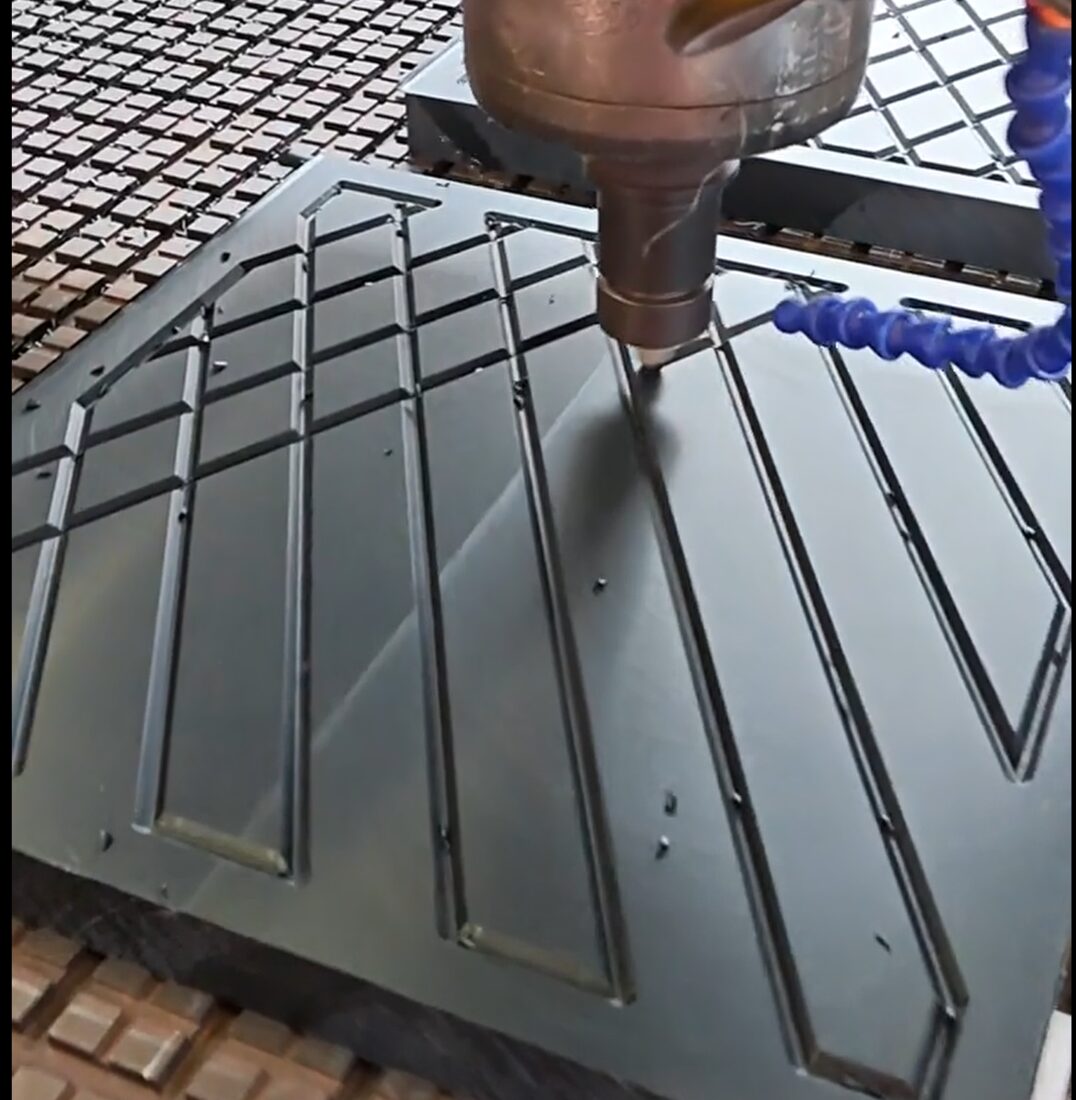
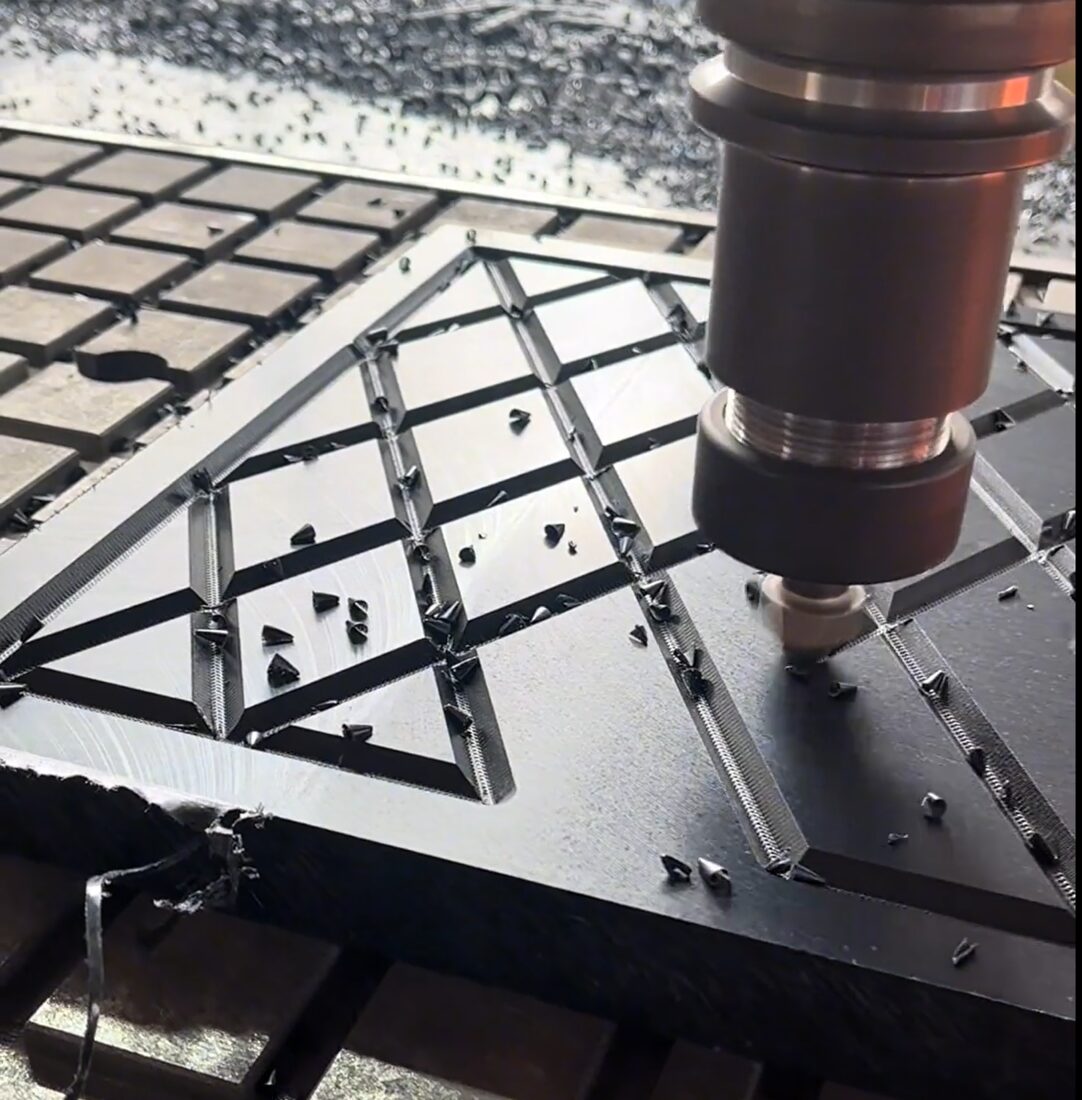
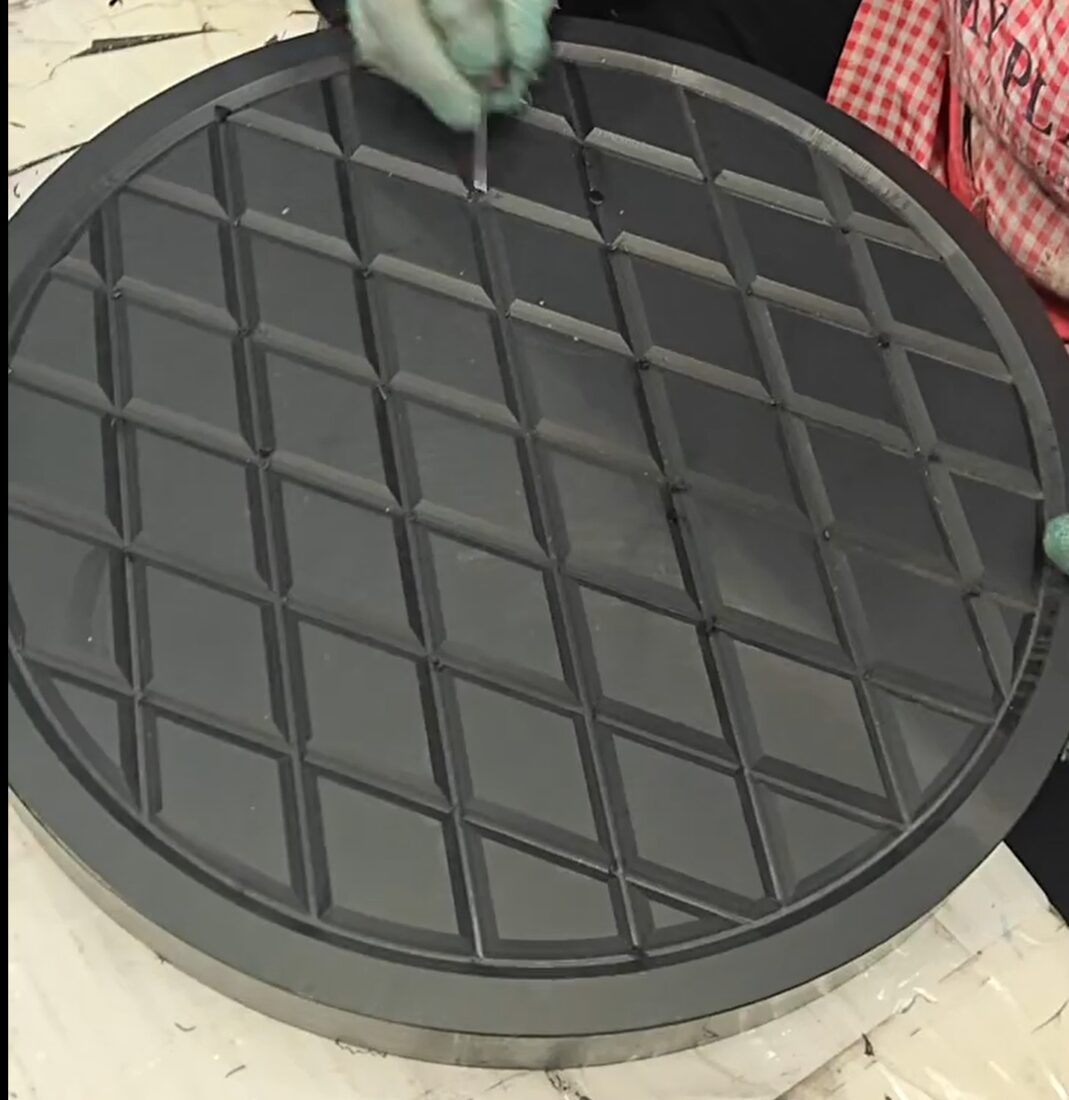
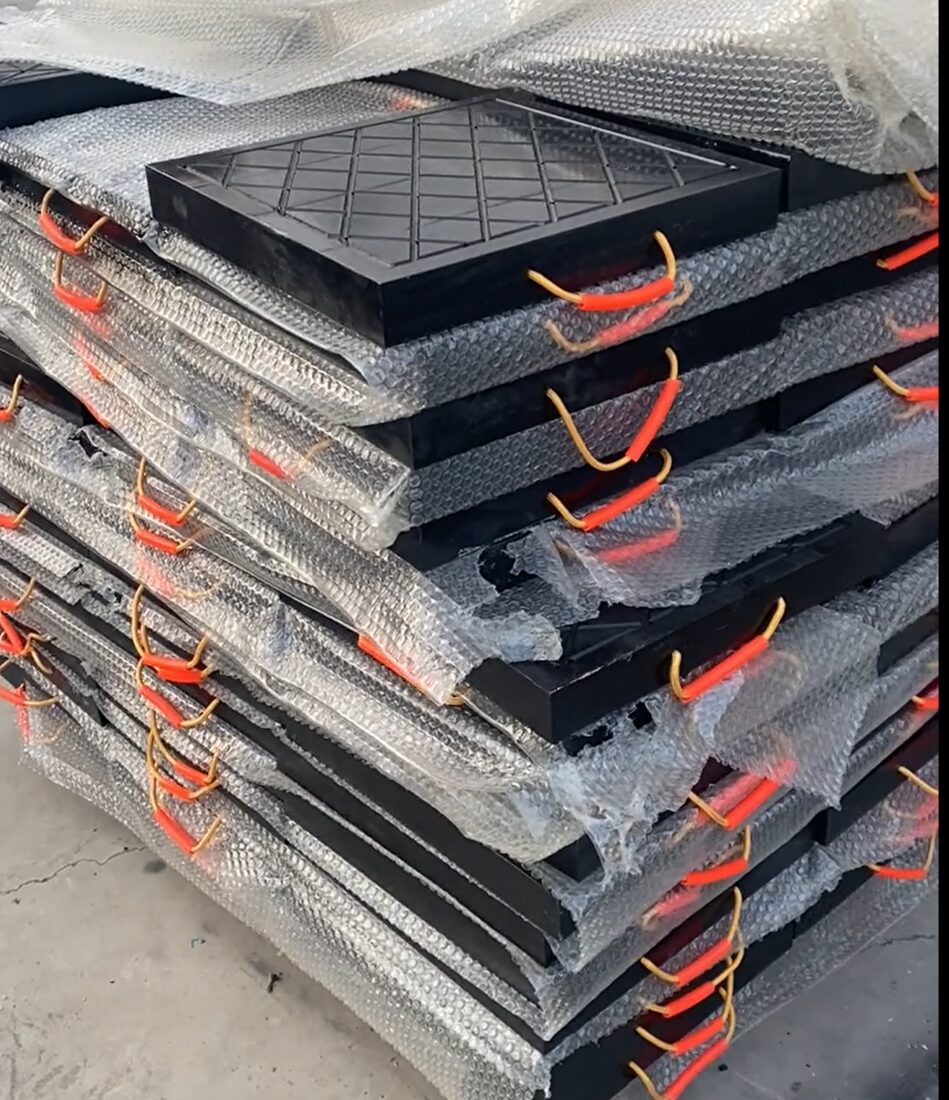
02Crane Outrigger Pads Processing and Inspection
CNC processes, surface structural checks, attachment configurations and packagings showing circles, squares—Outrigger Pads.
Information proposed before request for quotations
The more complete the information, the easier it is to quickly determine the appropriate size, thickness, structure, quantity and customization.
- Type and weight of vehicle/equipment
- Ground type versus hardness
- Length, width and turn of route
- Projected number of acquisitions
- Port of destination/delivery area
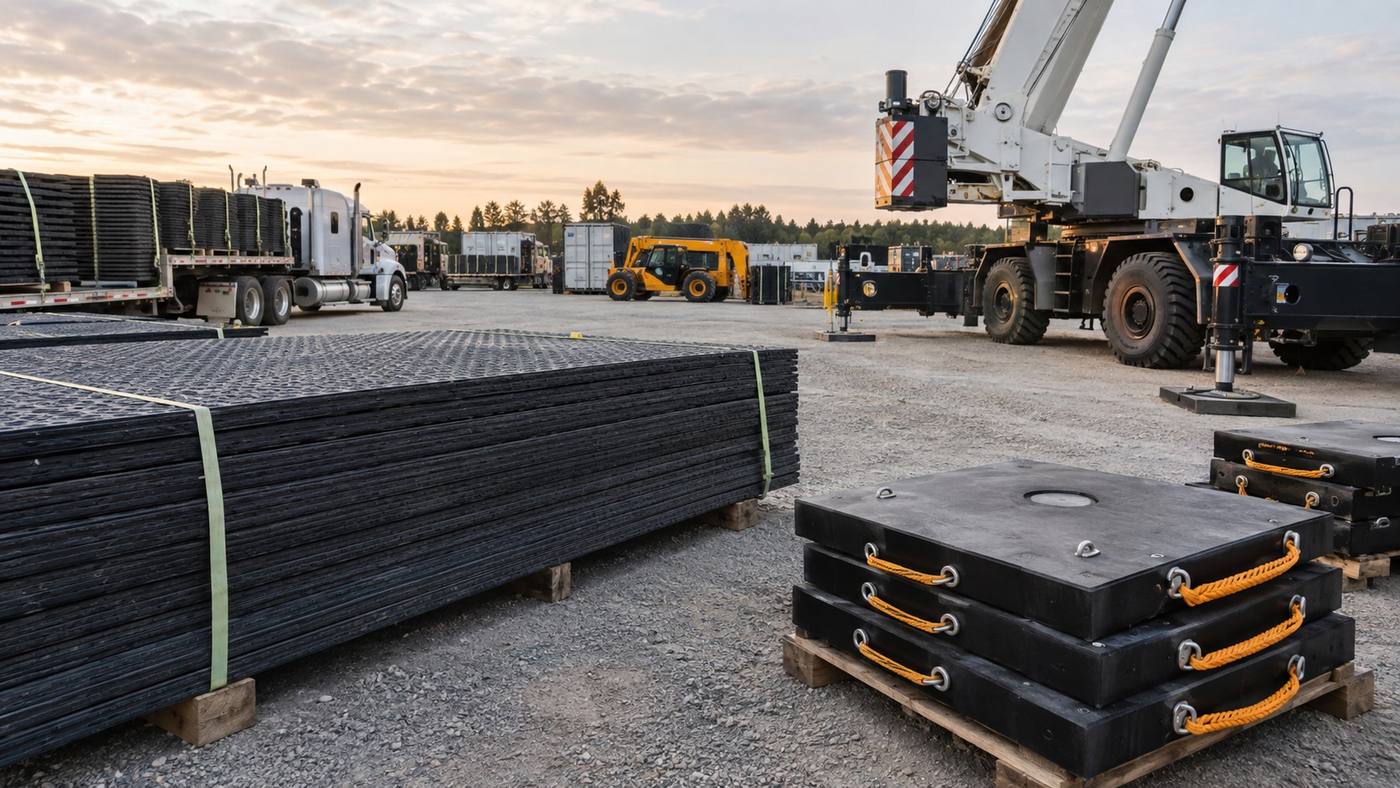
The need for a regional project programme on sports sites and temporary activities?
We continue to assess the actual conditions of work for the distribution of site photographs, equipment/vehicle parameters, application conditions, quantity and port of destination.
Industry application cases
Browse the typical applications of Ground Protection Mats-, Dump Truck Bed Liners- and Outrigger Pads-- in different industries, click on pictures to enter the corresponding industry pages.
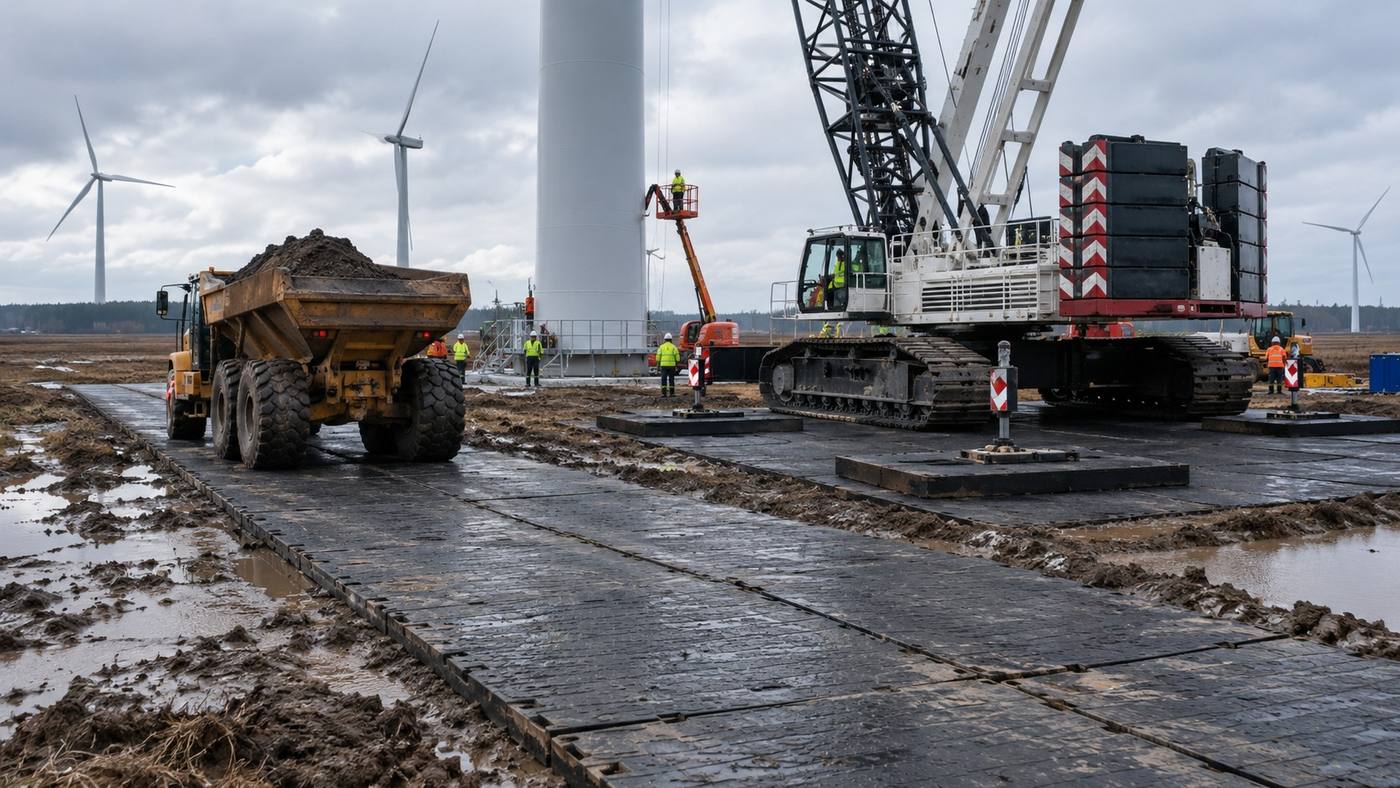 Construction & Infrastructure
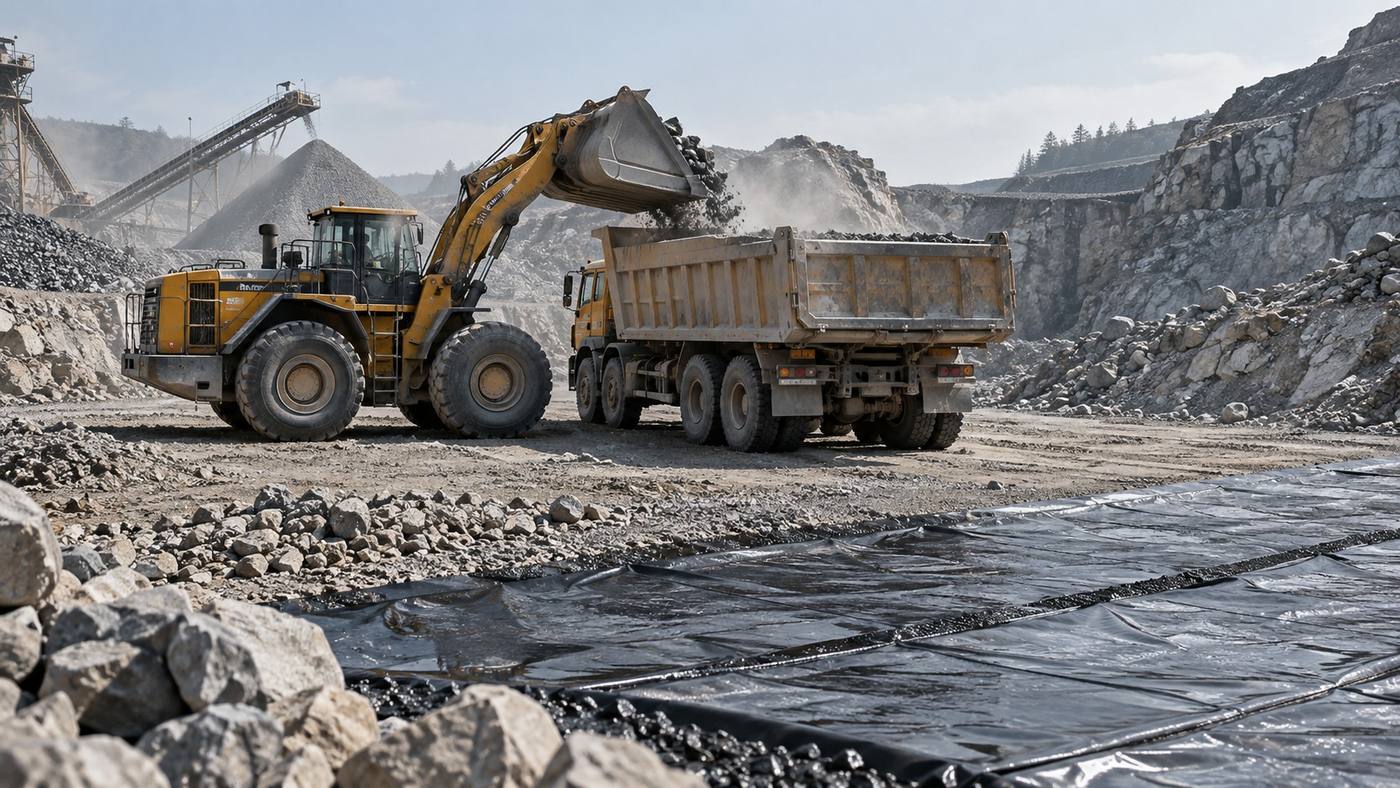 Mines, quarrying and drilling
 Agriculture, plantations and forestry
 Transport fleet and self-loading vehicles
 Lifting and lease of equipment
 Energy, electricity and new sources of energy
 Events, performances and temporary venues
 Ports, logistics and industrial sitesConstruction & InfrastructureMines, quarrying and drillingAgriculture, plantations and forestryTransport fleet and self-loading vehiclesLifting and lease of equipmentEnergy, electricity and new sources of energyEvents, performances and temporary venuesPorts, logistics and industrial sites