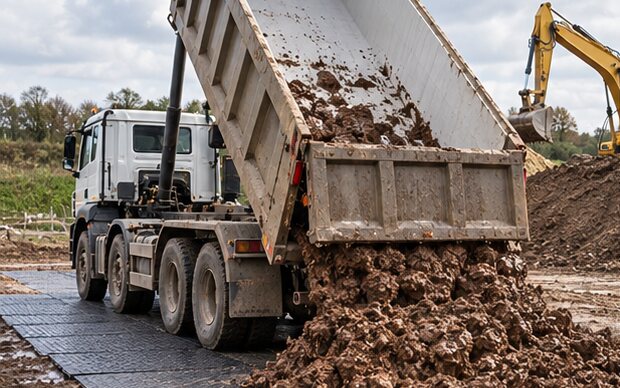
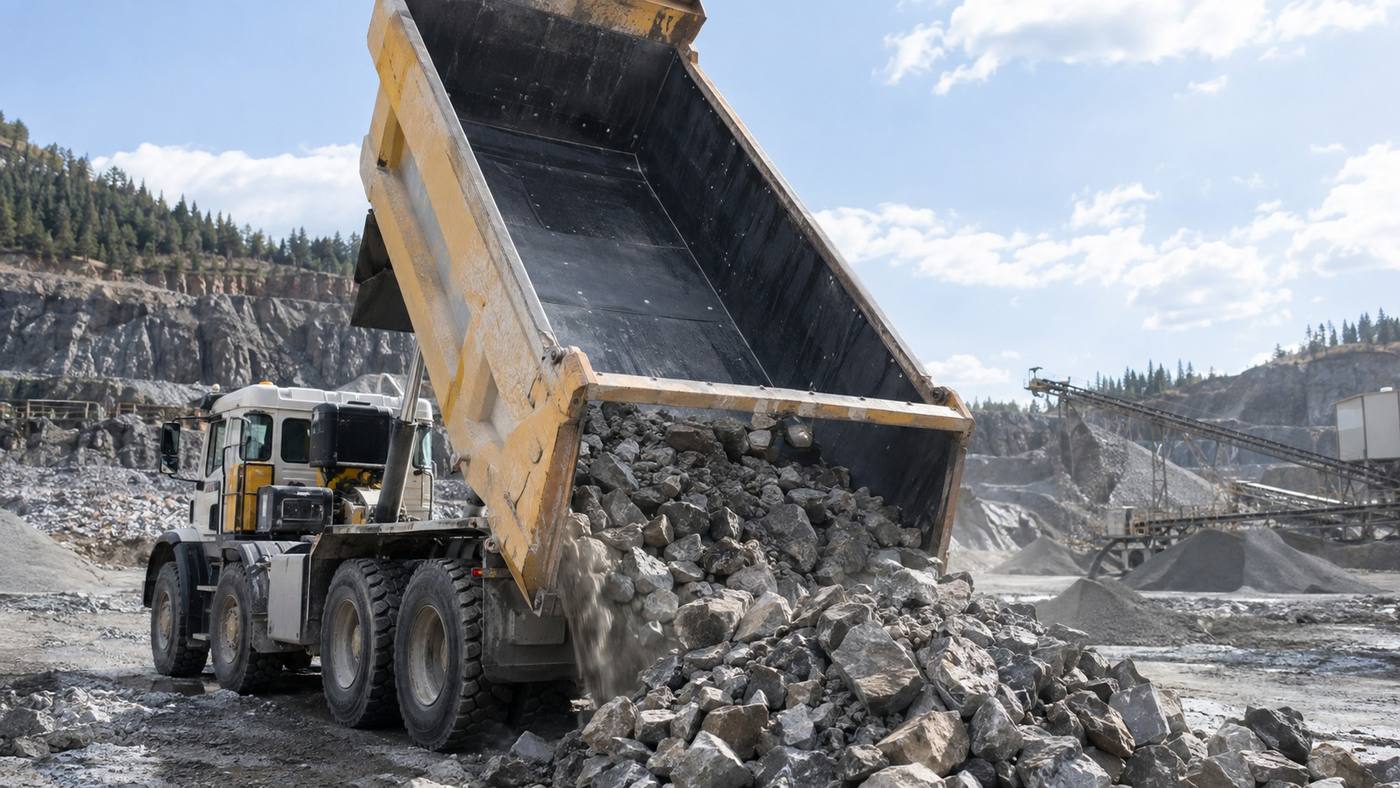
The clay, coal mud, wet ore powder, sludge and some agricultural materials form continuous layers at the bottom of the car, and cannot be naturally skimmed up.Residues reduce the effective volume of the next vehicle, which needs to be cleaned up, with severe time opportunities to rise repeatedly, brakes or knock on cars, increasing structural fatigue and personnel risk.The problem should be assessed by measuring or estimating each vehicle residue, recording variations in water content, temperature and loading time, and observing whether the material is adhesive to the bottom, side wall or tail door.Only clear adhesive mechanisms can determine the lining material, thickness, coverage and surface state.The treatment of “wet sticky material is not clean, and add to the amount of debris and circulation time” cannot be viewed only as a one-time pass, but also as covering the maximum load, maximum frequency, worst weather and evacuation phases.It is recommended that representative positions be selected for trial, that ground, vehicle or equipment data be recorded and that the scope, connection and frequency of maintenance be adjusted to the results;Changes in conditions have confirmed that early experience is not directly applied to the entire transport sector.
Field applications in the transport industry
Common project applications in the transport industry
Description of the business processes, vehicle equipment, ground conditions and the project cycle.
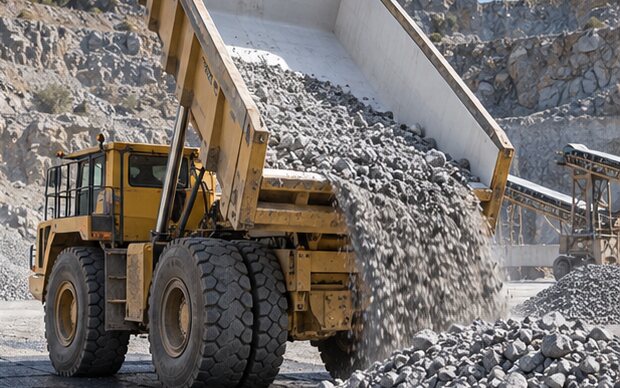
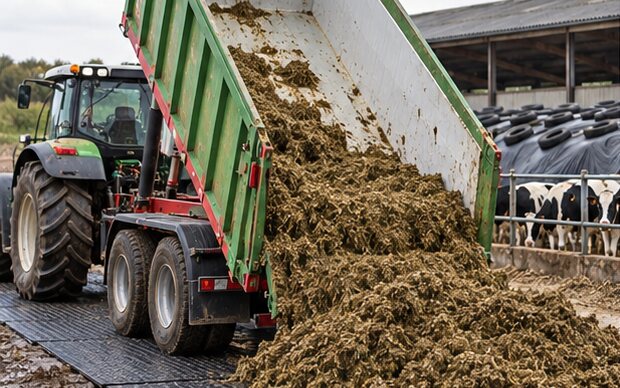
The transport industry web page focuses on mineral vehicles, dumprs, trailers and bulk vehicles for the transport of ores, coal, gravel, clay, wet soil, food, fertilizers, waste and other bulk materials. The floor plate of the vehicle is subject to a load shock, particle grinding and corrosion, and wet sticky materials are attached to the bottom and side walls, resulting in impure discharges, extended circulation time and reduced payloads.
Dump Truck Bed Liners applications need to be customised to materials and vehicles, not simply plastic sheeting in cars. They need to be identified for vehicle sizes and structures, groundbranding, material temperature, particle size, water content rate, stickiness, single loads, lifting angles, tailing forms, daily circulation frequency and washing patterns, and design reasonable fixed, connected and hot-to-heated cold-scaling spaces.
Common Issues
The actual performance of the transport sector is explained separately for reasons of formation, possible impacts, inspection priorities and management methods.
Materials such as ores, gravel and building waste continue to wear and tear cars during the slide of loads and discharges.(a) A thin or inappropriate liner which may be cut, tumbled or fractured around the bolt;Too thick, it increases self-esteem and affects volume.The selection cannot be completed on the basis of a "resistible" label alone, requiring an understanding of the maximum particle size, the height of the material, the loading equipment, the hardness of the material, the temperature and the current state of the carriage.Pre-installation repairs to sharp welds and severe deformation, with different structural protections for impact areas, periodic inspections of fixed points and edge wear and tear, and timely maintenance once replacement standards are met.The transport industry site should set clear standards for the discontinuation of “shrunk, corrosive material leading to ground grinding and internal liner difficulties”, such as continued tip-ups, incomplete support surfaces, extended depositions, visible slippage of vehicles or loose links.Unusual isolation and unloading were detected, and then the floors were repaired or reconfigured, and temporary pads were prohibited in carrying conditions.The head of the mission may not resume operations until he or she has been qualified to do so, and records of disposal are maintained.
Even with improved offloading of cars, mudslides at mining sites, sites, farms and entry points to landfills can result in car crashes, tire slips and queues.Temporary detours of convoys would increase ground damage and tow truck rescues would increase parking and security risks.The in-situ route should be treated as a stand-alone issue, recording the full load of axle, tyres, daily car length, slopes and base water content rates, and determining the location of fixed passages, concourses and discharges.Preparation of a temporary pavement programme to limit rapid turn and speed, observation panels and ground deposition before the rainy season;Do not simply equate raising the ground of tyre grabs with raising the base load.In response to “the impact on fleet efficiency of vehicle crashes and queues when entering the loading docks”, the transport industry project should also include the results of inspections in the pre-class confirmation and handover records, identifying who is responsible for release, who is responsible for inspection, what depositions or relocations must be discontinued.Retroactive recording of photographs, measurements and usages will make it possible to distinguish ground-based changes, operational deviations from product damage and avoid repetition of the same problem between different groups.
Solution Recommendations
The route, the grass-roots, the support or the unloading of the material is addressed first, and the corresponding products are recommended according to the work situation.
First, the problem of unloading is quantified by data: representative vehicles and materials are selected, loads are recorded, residues are recorded, complete discharge time is recorded, lifting angles are raised, manual clean-up is performed and ground floor wear is worn.(b) Measuring cars and checking welding, strengthening bands, tail doors and deformation, designing internal liners, thickness, fixed and stretching gaps based on the dominant factors of adhesive, shock and grinding;One sample vehicle was completed, which crossed dry and wet material and repeated cycle validation.The fleet optimizes the even load, lifts the level of the site, cleaning and periodic inspections, and cannot leave all questions to the insider material.
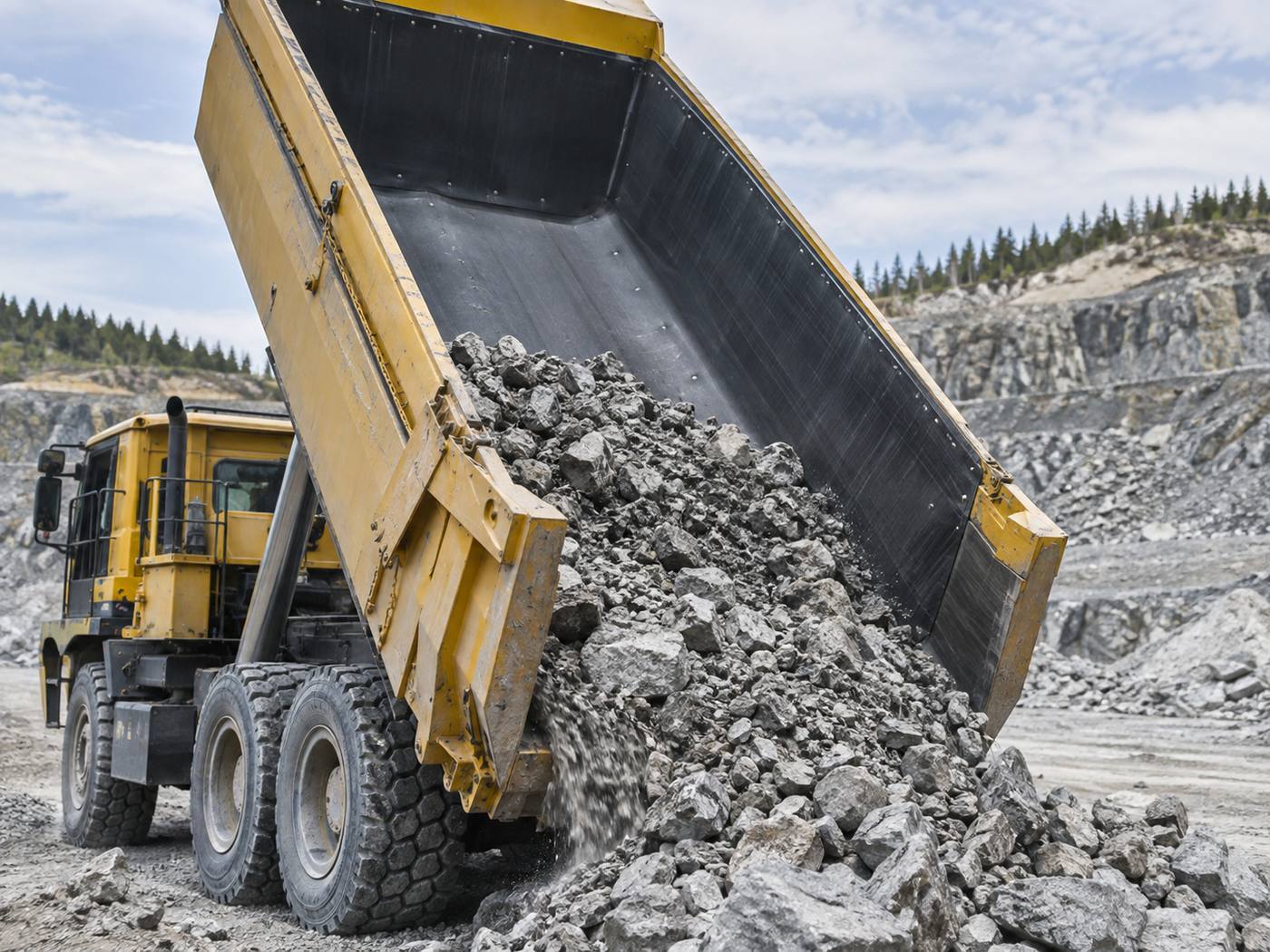
The UHMWPE-Dump Truck Bed Liners-- is the main recommendation of the transport industry, which reduces friction between material and the surface of the car, improves viscosy-discretion and protects the floorboard, provided that the specific materials and structures match the temperature, particle size and carriage.For projects involving frequent vehicular access to soft soil, mud or unscrutinized loading and unloading areas, the HDPE Ground Protection Mats--stable access routes to reduce the number of trapped vehicles and road maintenance;If the discharge area is used with a foot-type device, then separate assessment of Outrigger Pads.The request for quotations should provide the vehicle model, the drawings or measurements of the vehicle, the photographs and nature of the material, the number of daily cycles, the existing wear and tear, and the port of destination in order to complete the technical confirmation.
Dump Truck Bed Liners
For the improvement of viscous bulk material discharges and the protection of carriages; materials, thickness, fractions and fixed structures need to be customised to materials and carriages.
Ground Protection Mats
For the establishment of temporary vehicle access, protection of the original ground and dispersion of the wheel; specific thickness, size, texture and connection will be determined by vehicle and base level.
Manufacturing
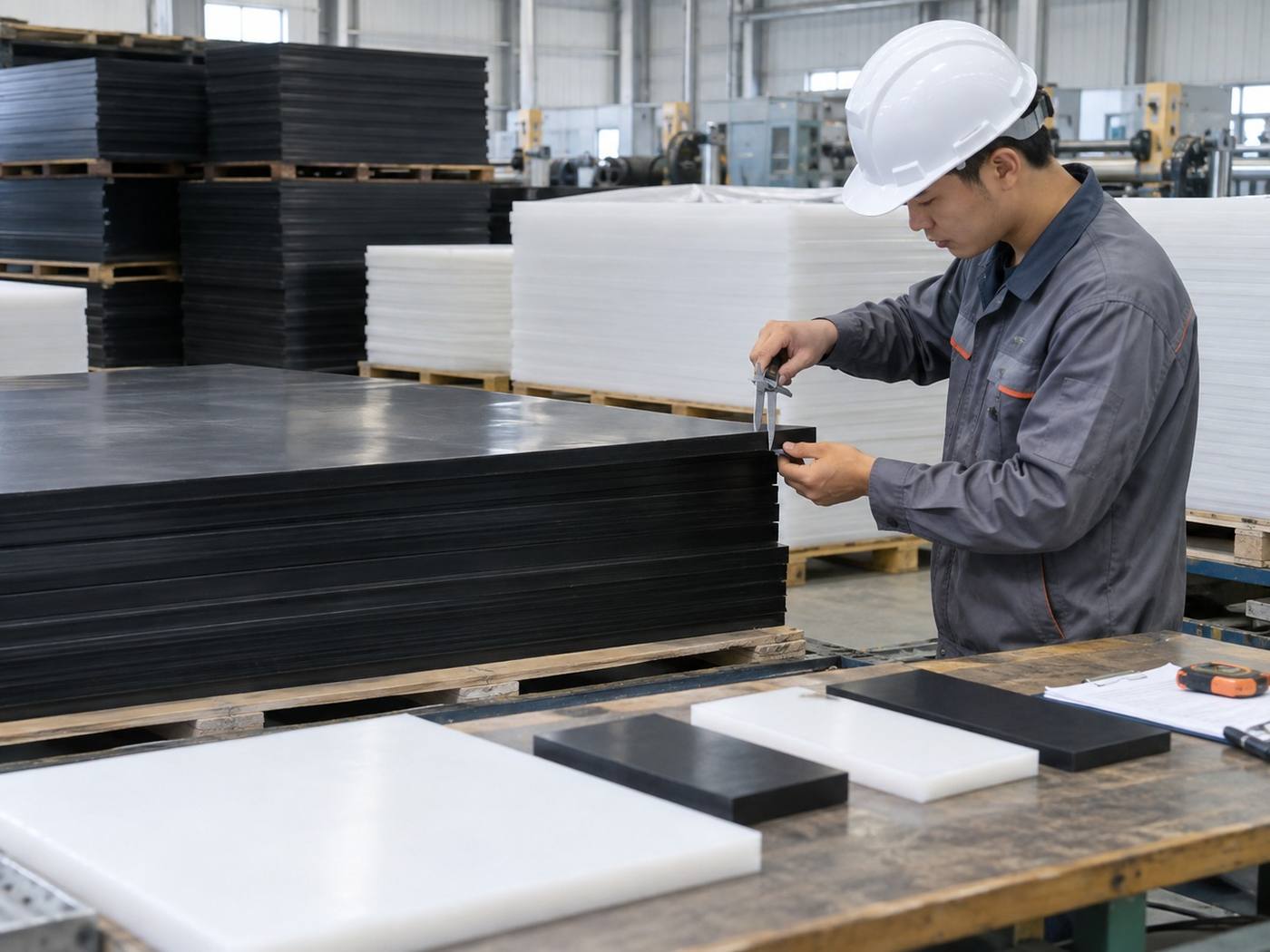
01Dump Truck Bed Liners- Manufacture and Customisation
Prepare the plates according to the type of vehicle, the size of the vehicle and the transportation material, the calibration, the pore review and the packing delivery.
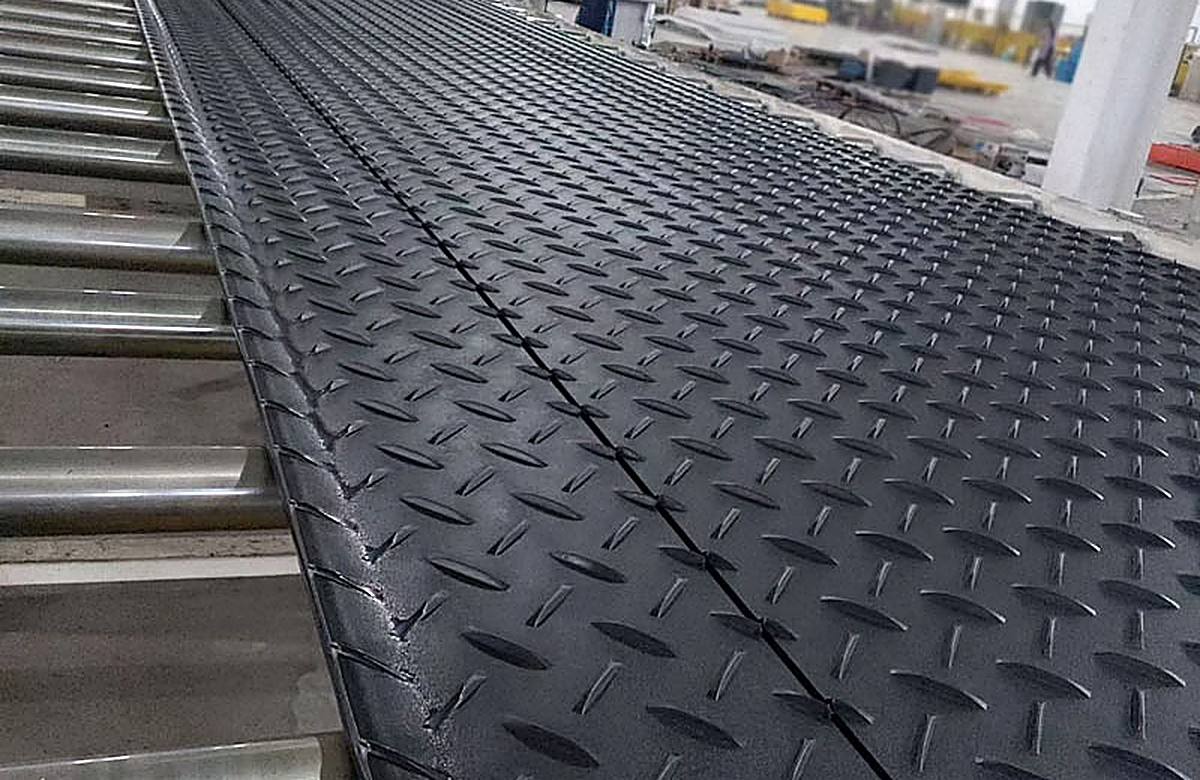
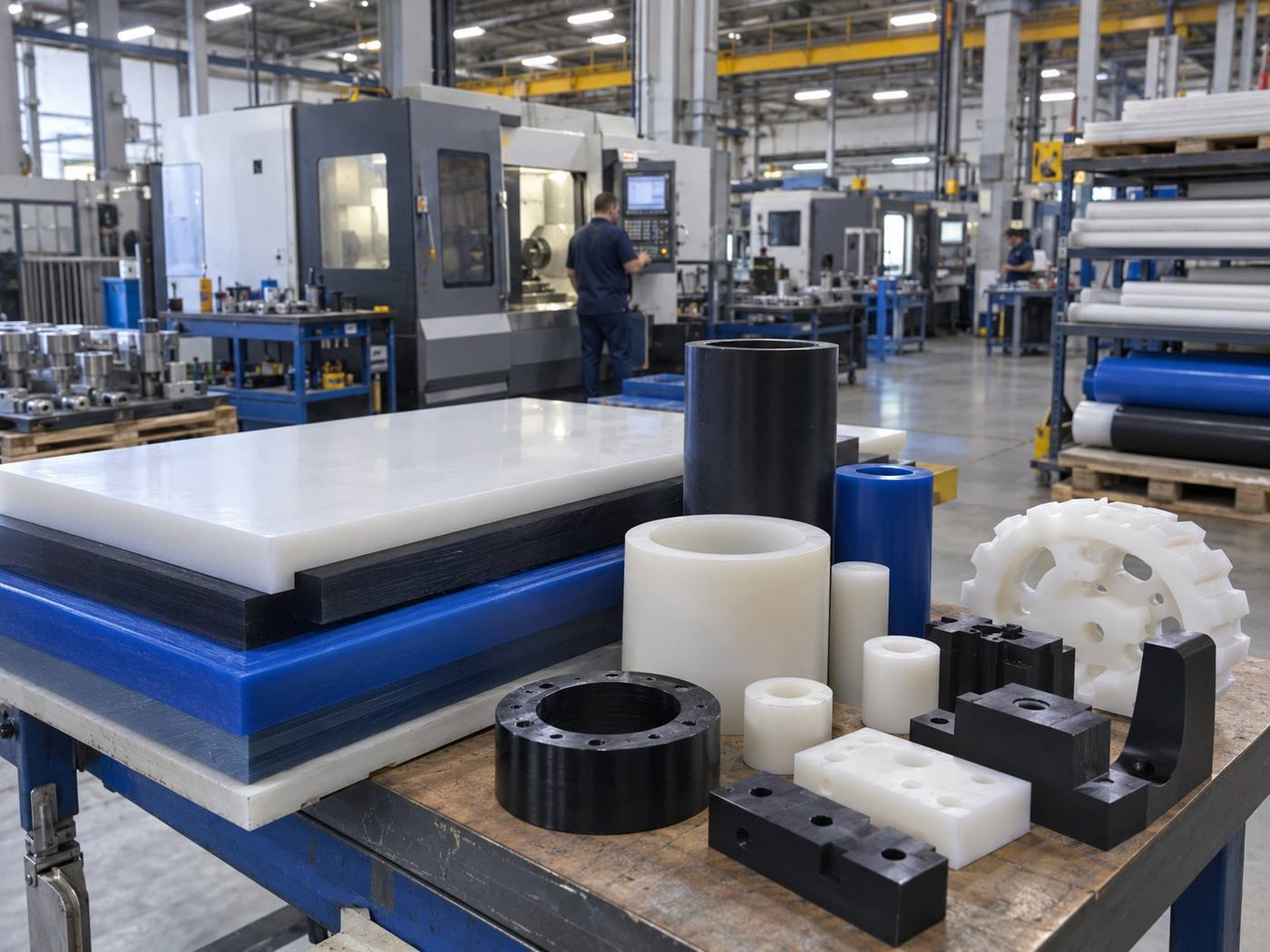
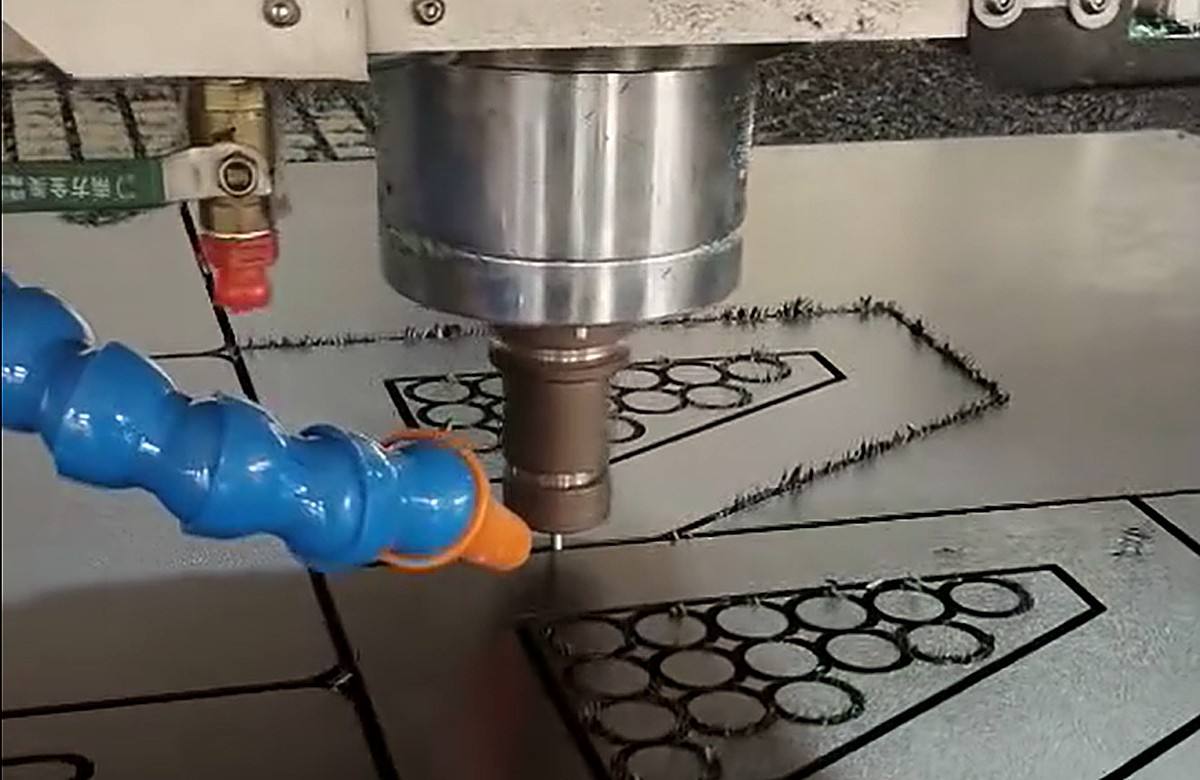
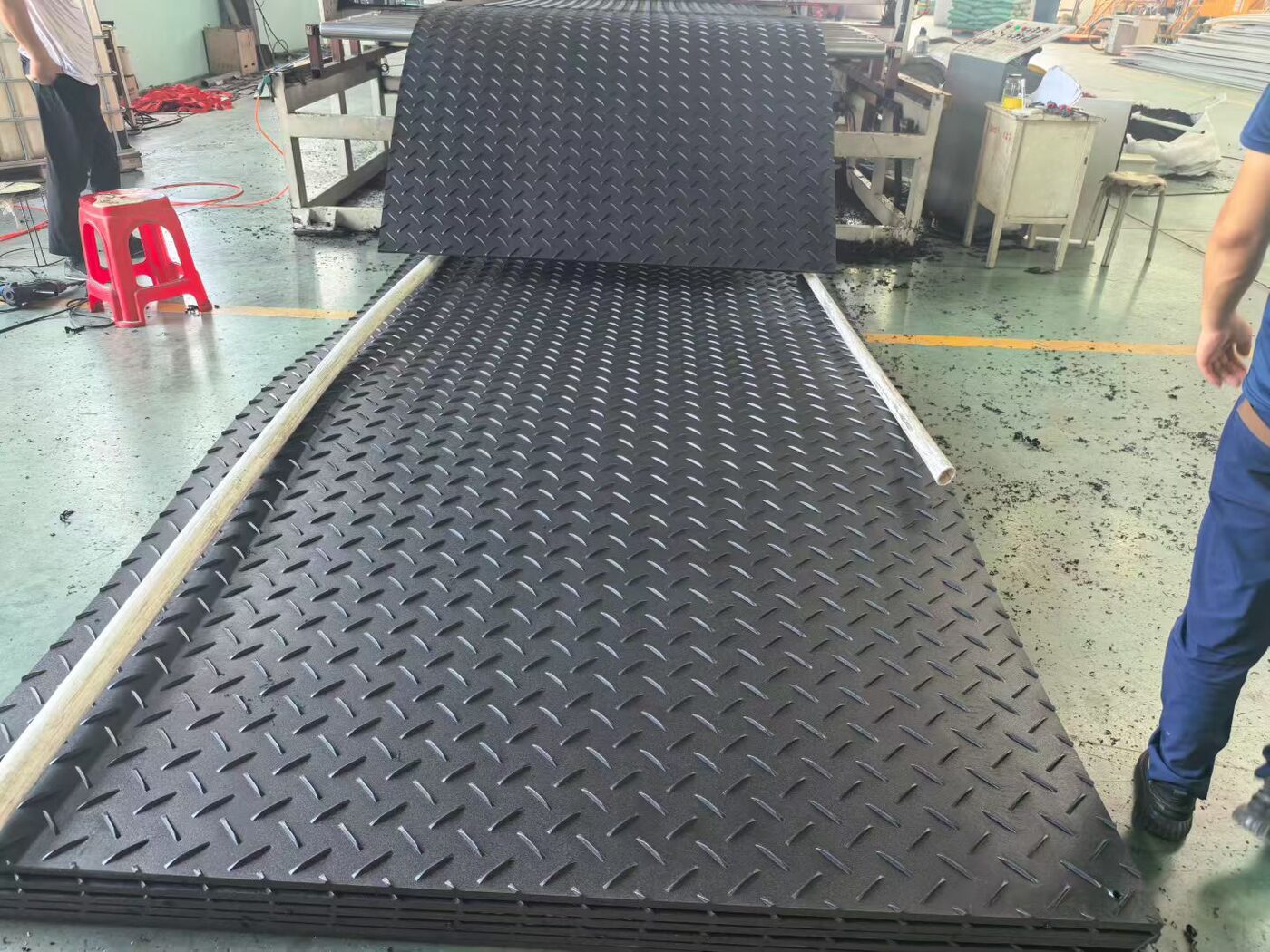
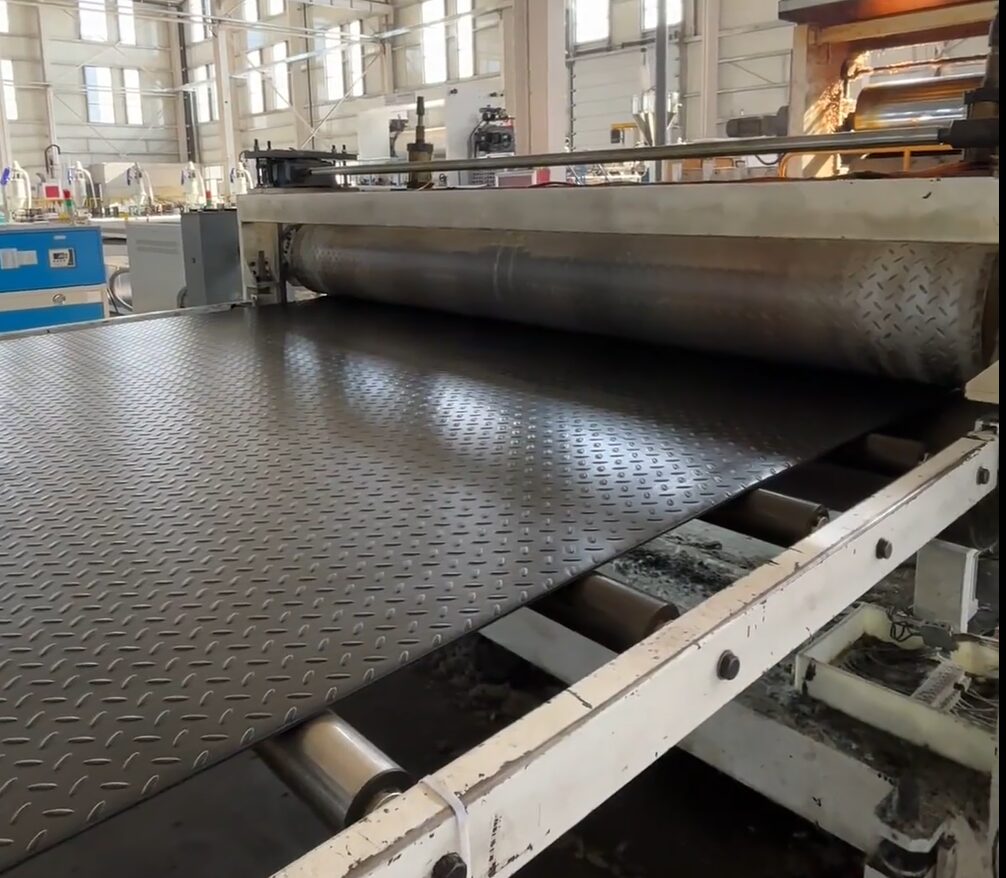
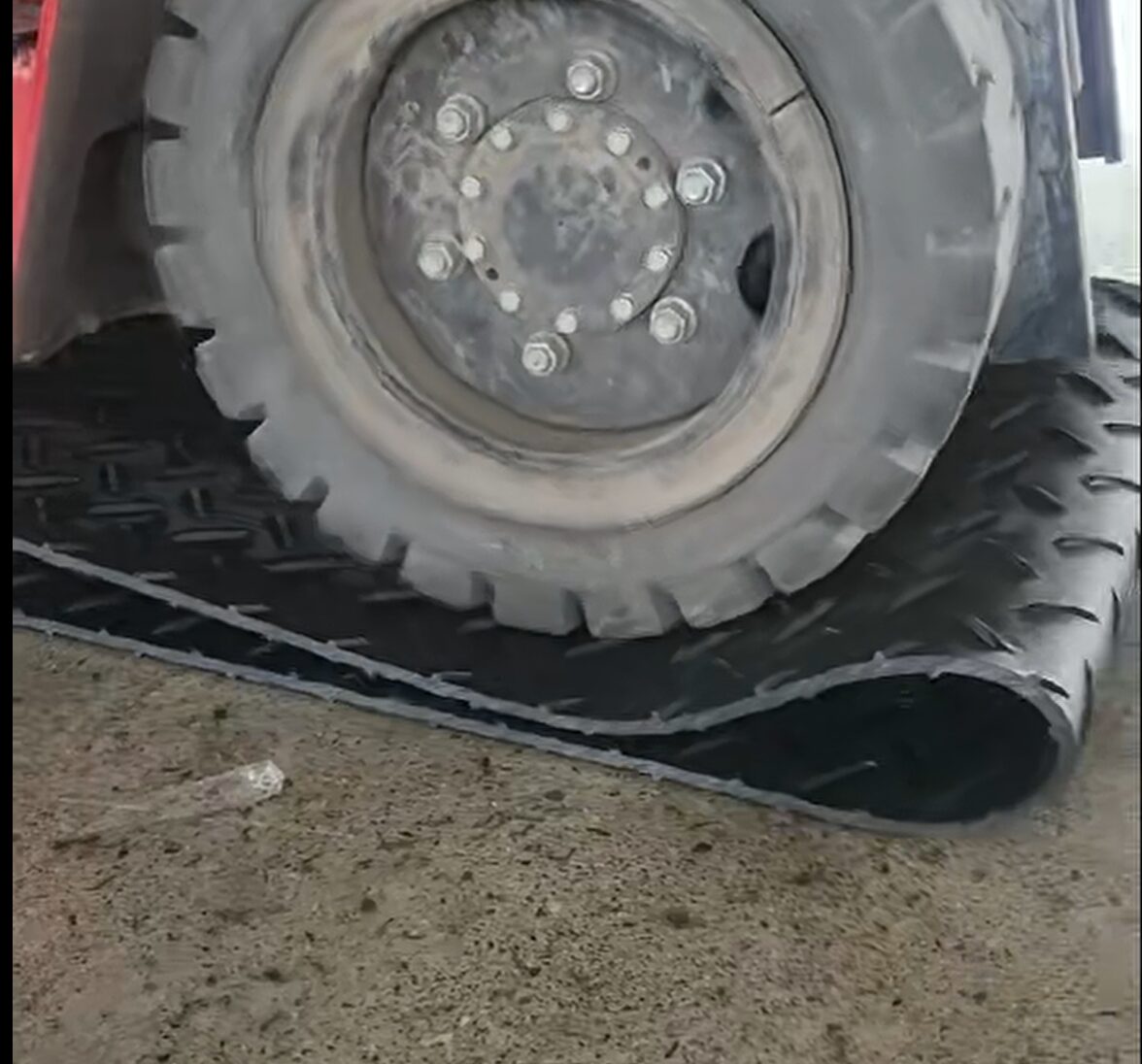
02Ground Protection Mats Production and bulk delivery
From smooth-truck road formation to vehicle load validation, to mass stacking, packaging and loading.
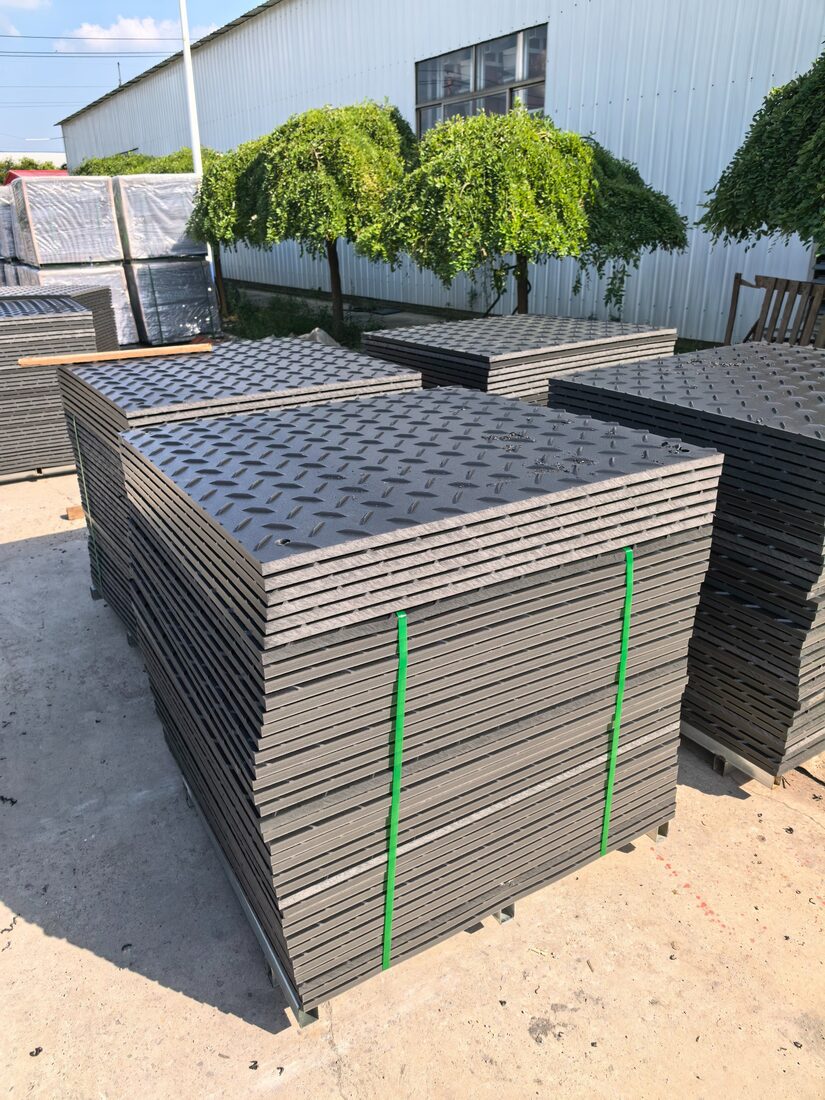
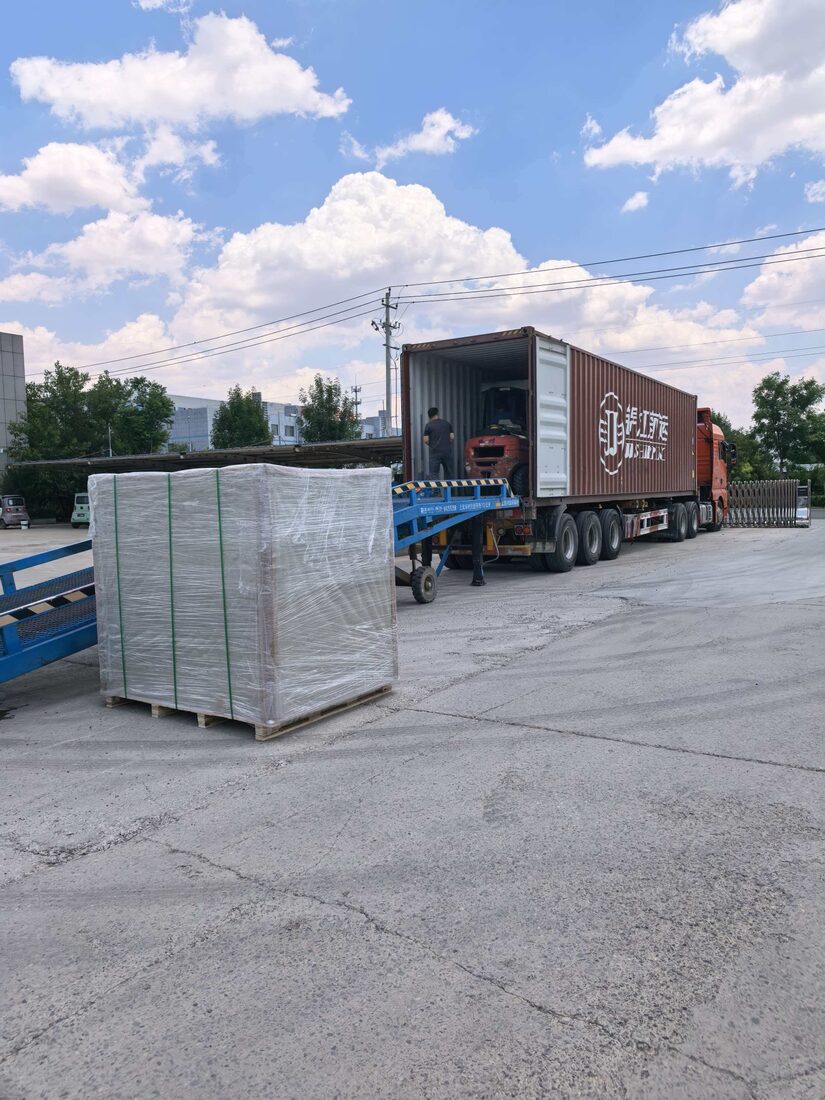
Information proposed before request for quotations
The more complete the information, the easier it is to quickly determine the appropriate size, thickness, structure, quantity and customization.
- Type and weight of vehicle/equipment
- Ground type versus hardness
- Length, width and turn of route
- Type of material transported and water content/gluctity
- Internal dimensions of the car
- Frequency of vehicle loads and discharges
- Projected number of acquisitions
- Port of destination/delivery area
Need for transport sector project programmes?
We continue to assess the actual conditions of work for the distribution of site photographs, equipment/vehicle parameters, application conditions, quantity and port of destination.
Industry application cases
Browse the typical applications of Ground Protection Mats-, Dump Truck Bed Liners- and Outrigger Pads-- in different industries, click on pictures to enter the corresponding industry pages.
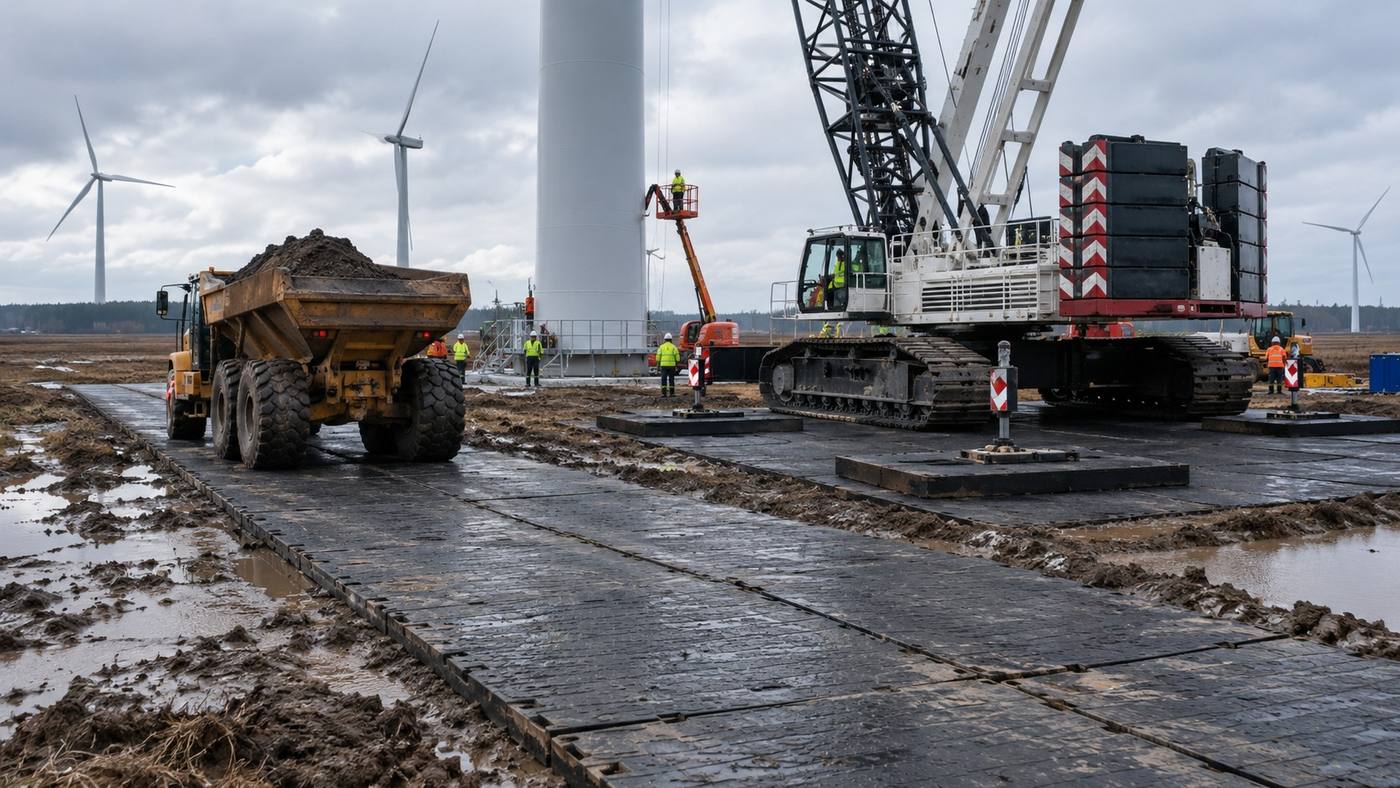 Construction & Infrastructure
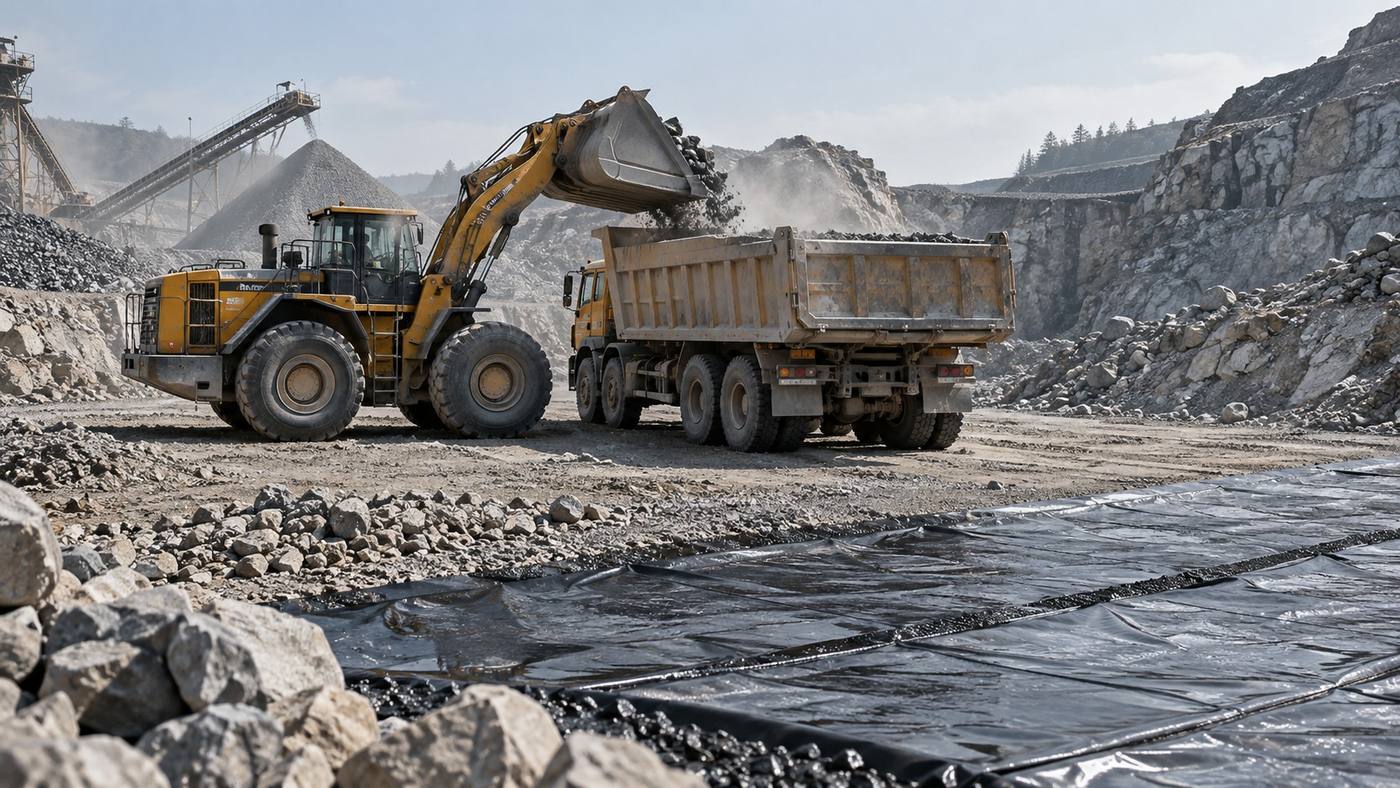 Mines, quarrying and drilling
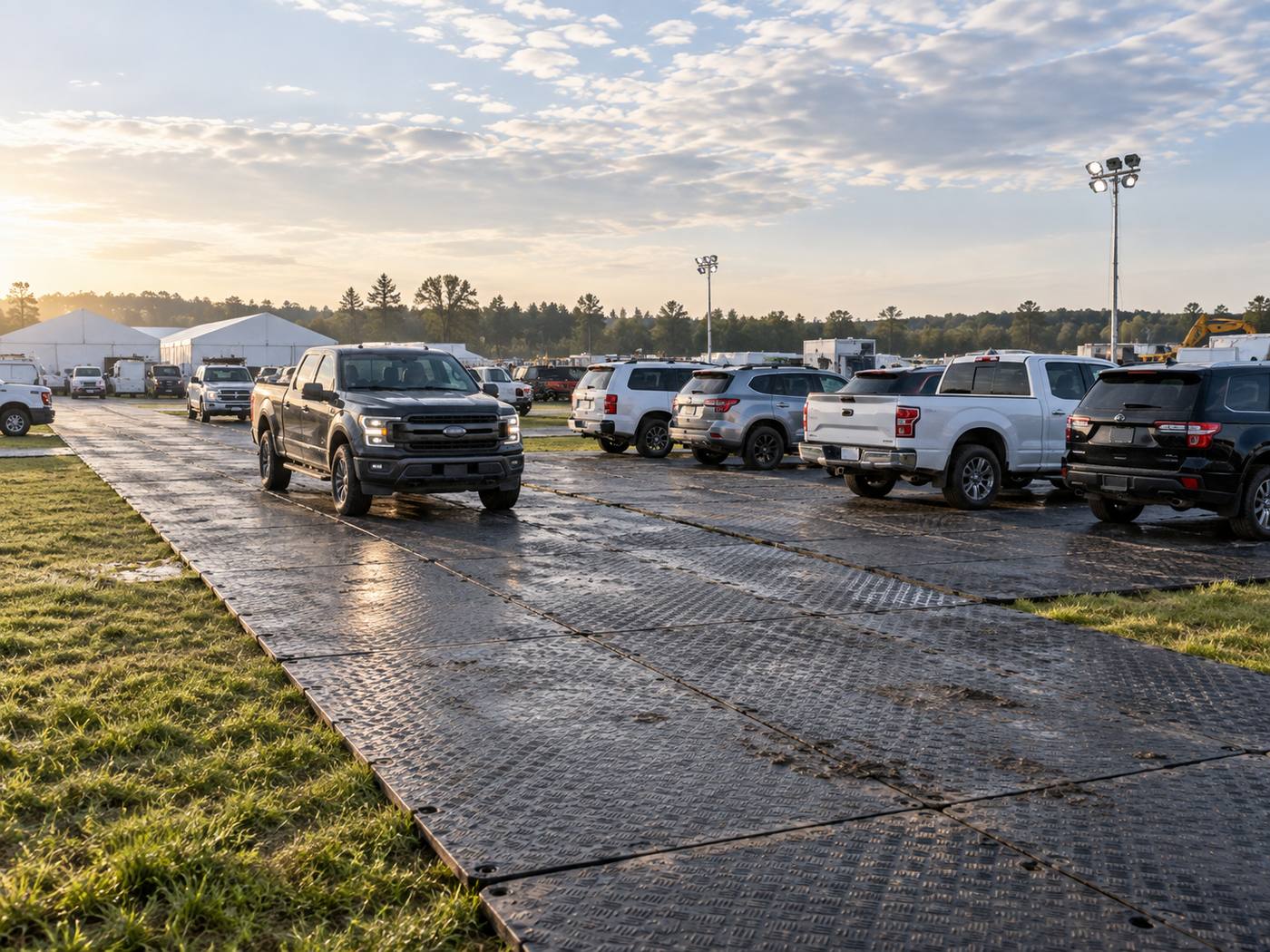 Agriculture, plantations and forestryTransport fleet and self-loading vehicles
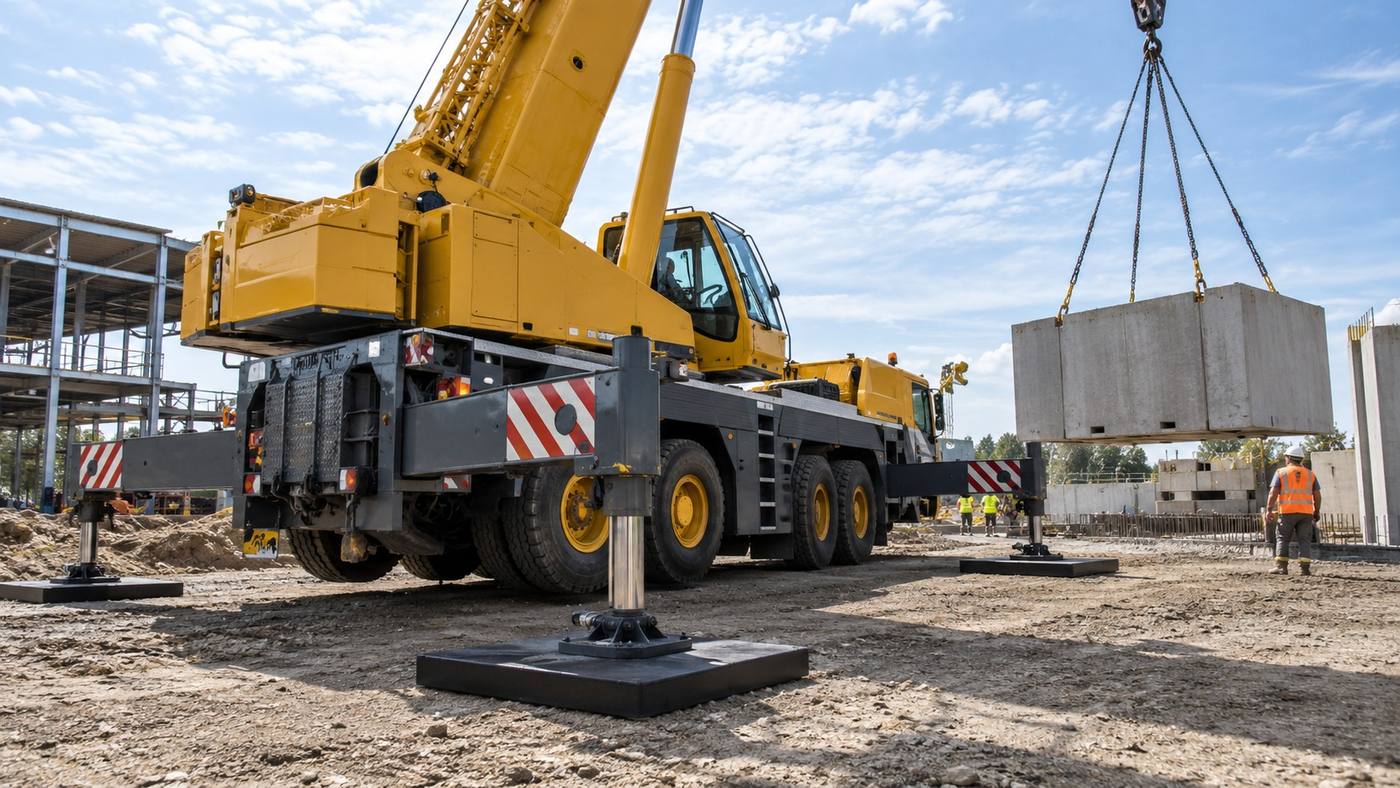 Lifting and lease of equipment
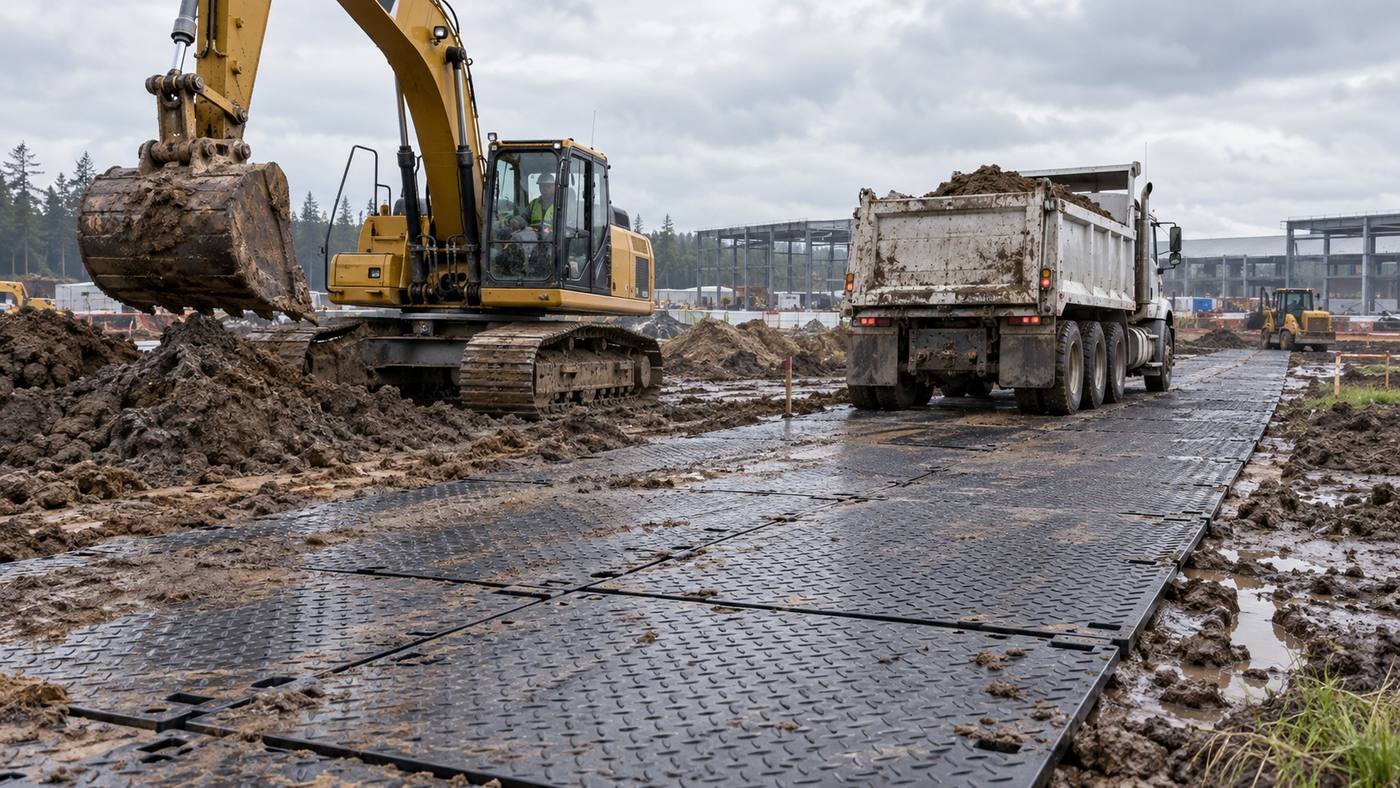 Energy, electricity and new sources of energy
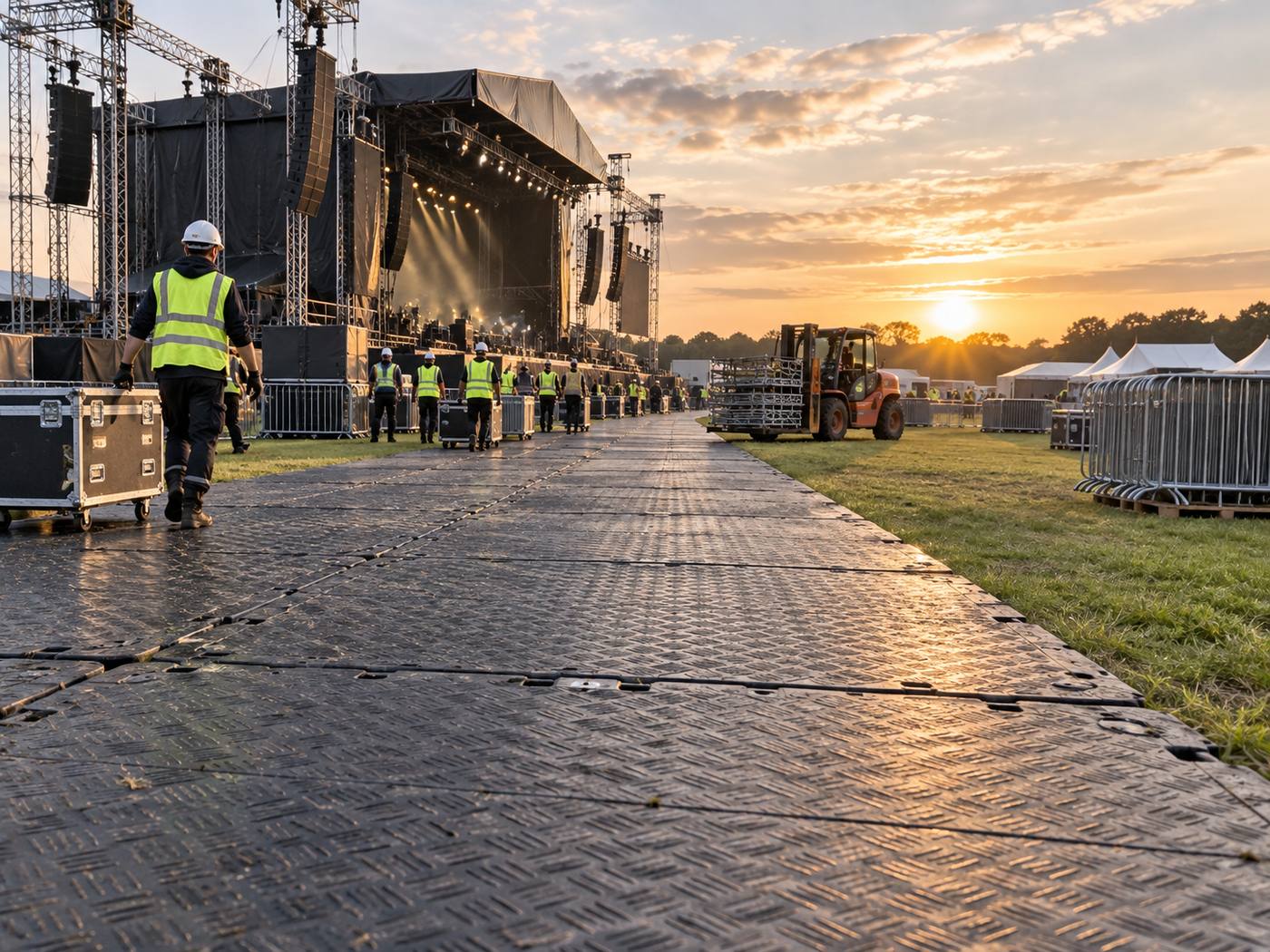 Events, performances and temporary venues
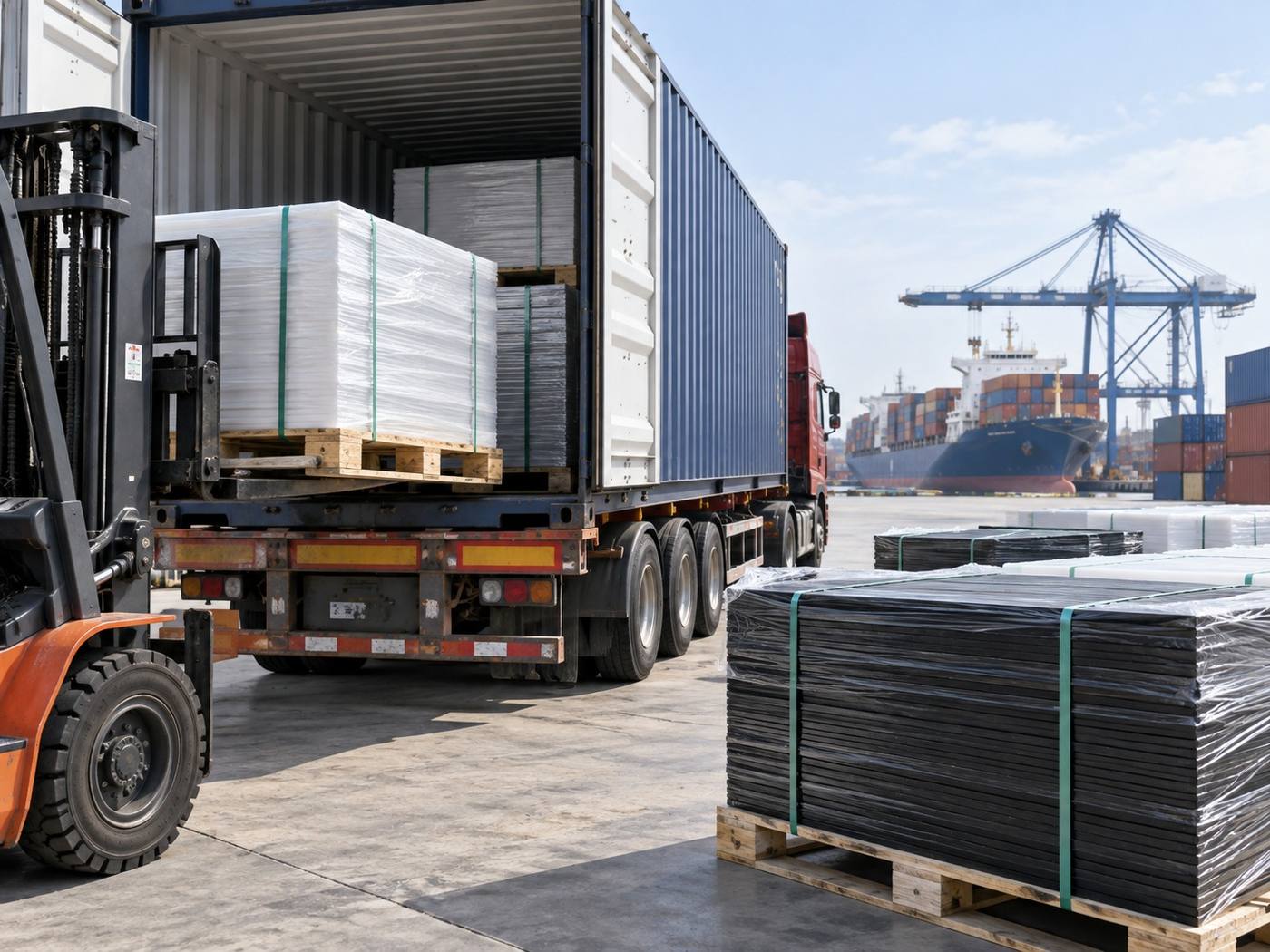 Ports, logistics and industrial sitesConstruction & InfrastructureMines, quarrying and drillingAgriculture, plantations and forestryTransport fleet and self-loading vehiclesLifting and lease of equipmentEnergy, electricity and new sources of energyEvents, performances and temporary venuesPorts, logistics and industrial sites