(a) Large particles of debris, blast debris and hard bumps may be mixed at the grass-roots level of the mine, with heavy vehicles passing through and concentrating local shocks on the back of the plate;The ramp brakes, sharp bends and wheel slips also produce visible vertical and horizontal cutting.If the grass-roots level is not cleared of tipping points, the tectonic orientation of the sheet is unreasonable, or the connective elements are loose, it is prone to the rise, shift and local grinding of the plate.The project shall first rank the route, distinguish between straight-line transport, ramps, bends and loading areas, flat-twice surges and drainage.The test operation is conducted using low-speed passage of full-load vehicles to observe wheel tracks, sutures and grass-roots depositions, before deciding whether to increase thickness, widen the route or reinforce the fixation.Mines, quarries and drilling sites should set clear standards for the cessation of use, such as the continued rise of the plate end, incomplete support surfaces, extended deposition, visible slippage of vehicles or loose links, “high impact of sharp ore, pits and ramps on the traffic system”.Unusual isolation and unloading were detected, and then the floors were repaired or reconfigured, and temporary pads were prohibited in carrying conditions.The head of the mission may not resume operations until he or she has been qualified to do so, and records of disposal are maintained.
Mines, quarrying and drilling field applications
Common project applications for mines, quarries and drilling
Description of the business processes, vehicle equipment, ground conditions and the project cycle.
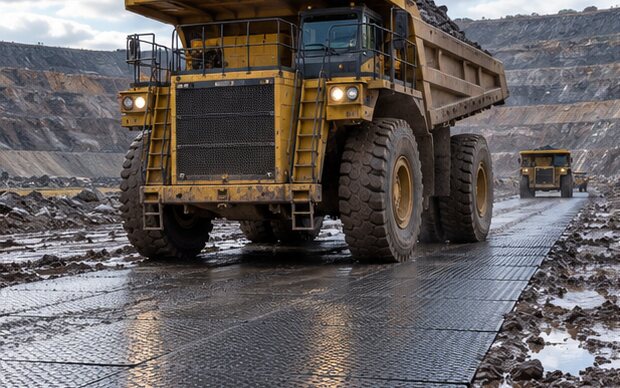
Mines, quarries and drilling work included access to exploration equipment, drilling rigs, stripping off mining, blast preparation, ore shipment, fragmentation sifting, equipment overhauling and suspension replacement.(b) The large vehicle load, the size of the tyres and the frequency of their movement on the site, with the route likely to be mixed with rubble, mud, ore and water;Work is moving forward and temporary roads are changing with production location.The laying system is subject to repeated crushing of heavy vehicles, while facing sharp stones, shocks, ramps and sharp turns, and cannot simply replicate the configuration of ordinary construction sites.
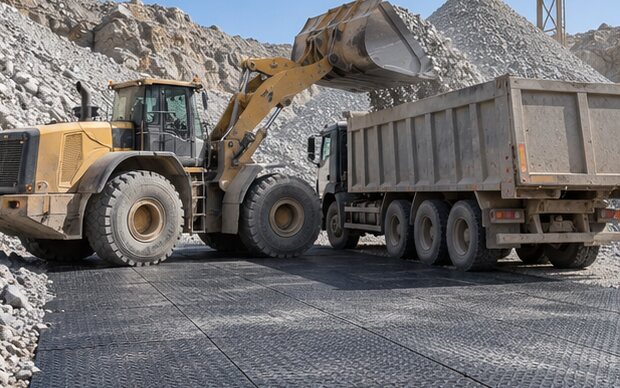
(b) The long-term loading of mine powder, coal, clay, limestone or wet mines in the off-site cars outside the quarry, the efficiency of the discharge and the wear and tear of the cars directly affect the cycle time;A crane, lifting equipment and foot mechanics are also regularly available in the vicinity of maintenance areas, break-up stations and rigs.As a result, mining applications usually require a combination of temporary access, insider lining and spot support.Managers should record vehicle load mass, axle load, tyre pressure, material particle size and water content rate, road slopes, loads, and retroactivity of equipment legs, matching different products, rather than using a “mine reload” label to determine specifications directly.
Common Issues
The actual work done on mines, quarries and drilling projects, respectively, describes the reasons for their formation, possible impacts, inspection priorities and management methods.
The clay, coal sludge, concentrate powder or fine particulate matter with higher water rates is adhesived to the floor and side walls of the car, forming a layer of debris thicker and thicker.Drivers may try to clear the car by brakes, lifts or knocks, not only prolonging the discharge cycle, but also increasing the risk of structural fatigue, noise and personnel entering the car to clean up.The weight of the lifting process may also shift when the residues are unevenly distributed.The assessment shall be conducted with an understanding of the temperature, particle size, water content rate, corrosivity, vehicle load, discharge angles and daily cycle times, and shall examine the wear, welding and fixation of existing cars and shall not be based solely on the width of the vehicle.In the case of “wet sticky minerals attached to cars resulting in impurities and changes in gravity”, the mining, quarrying and drilling projects should also include the results of the inspection in the pre-class confirmation and handover records, identifying who is responsible for release, who is responsible for inspection, what deposition or relocation must be discontinued.Retroactive recording of photographs, measurements and usages will make it possible to distinguish ground-based changes, operational deviations from product damage and avoid repetition of the same problem between different groups.
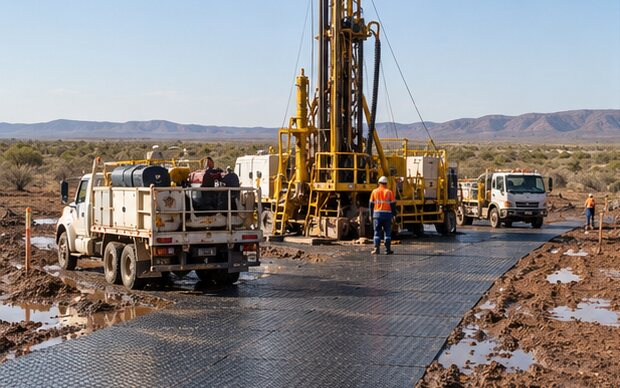
Drilling rigs, mobile shredding equipment, tire cranes and maintenance cranes are often faced with loose fillings, vibrating areas or the ground near the slopes of the mines.The total weight of the equipment, operational radius and direction of rotation change the retroactivity of the legs, while underground extraction, draining ditches or loose blast areas may further reduce ground-based reliability.If the Outrigger Pads- area is insufficient or placed on slopes, gravel piles, the mat may still sink along with the grass roots.(a) Prior to the operation, the geological and restricted boundary should be identified by the personnel on the site, the manufacturer ' s leg load should be obtained, the contact surface cleared and the levelled;The deposition is reviewed for rainfall, blast and equipment movements during the course of continuous operations, and the temporary adhesion of pieces of wood is prohibited.
Solution Recommendations
The route, the grass-roots, the support or the unloading of the material is addressed first, and the corresponding products are recommended according to the work situation.
(b) The mining area should be based on a zoning approach: the main transport route should be first to clear the sharp stones, fill pit tanks and establish drainage, and determine the thickness and connection of Ground Protection Mats by full load vehicles and slopes;Temporary workspaces can be moved using modularized routes along with the mining field.Separately encrypted checks of bends, slopes, loading points and wash areas limit the rapid acceleration and in-situ movement.The vehicle fleet component should first test the visceral material for visceral adhesion and slide at different humiditys, and then design the inner liner, thermal swelling of cold indents and fixed structures.The area of exposure is calculated by the maximum retroactivity of the legs at the assembly and overhaul points and it is confirmed that the lower part of the mat is not loosely filled or emptied.
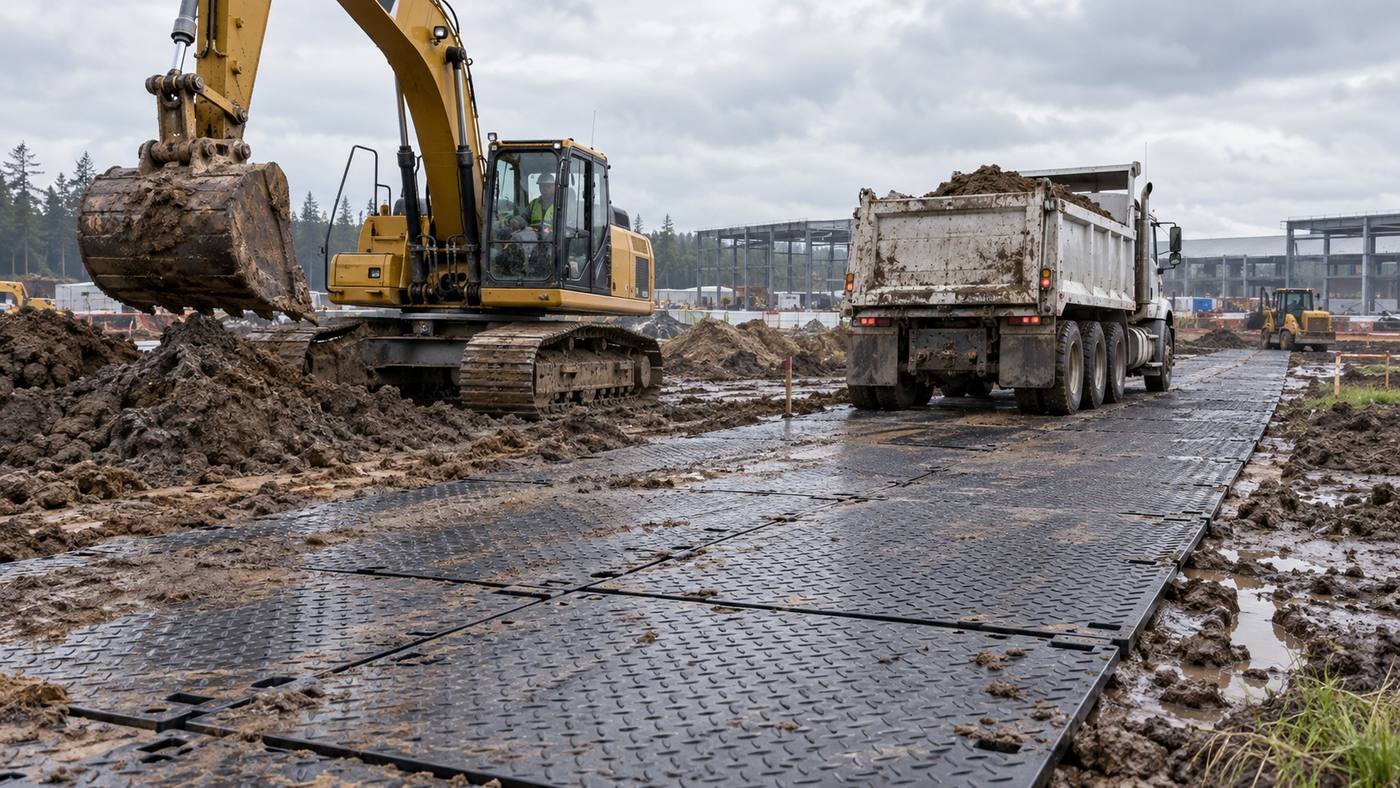
The product proposes a combination configuration: HDPE Ground Protection Mats—for drilling rigs, maintenance of corridors and local weak road protection, with heavy loads and high frequency areas being prioritized for assessment of greater thickness and reliable connectivity;MHMWPE Dump Truck Bed Liners—is suitable for improving wet sticky minerals, coal sludge and fine powder discharges, taking into account the need for grinding, but will need to be customised according to the temperature of the material, the structure of the car and the fixed method;Crane Outrigger Pads for the repair of hangers, rig support and station stabilization of mobile equipment.Prior to the formal batch, it is recommended that the worst sections, the stickiest materials and the maximum reversibility of the legs be tested separately to record the wear, depuration rate, deposition and conversion efficiency and then determine the full mine configuration.
Ground Protection Mats
For the establishment of temporary vehicle access, protection of the original ground and dispersion of the wheel; specific thickness, size, texture and connection will be determined by vehicle and base level.
Dump Truck Bed Liners
For the improvement of viscous bulk material discharges and the protection of carriages; materials, thickness, fractions and fixed structures need to be customised to materials and carriages.
Crane Outrigger Pads
For the purpose of increasing the area of the foot exposure and reducing average ground pressure; must be calculated in conjunction with maximum single-leg reaction, original foot size and a permissible ground pressure.
Manufacturing
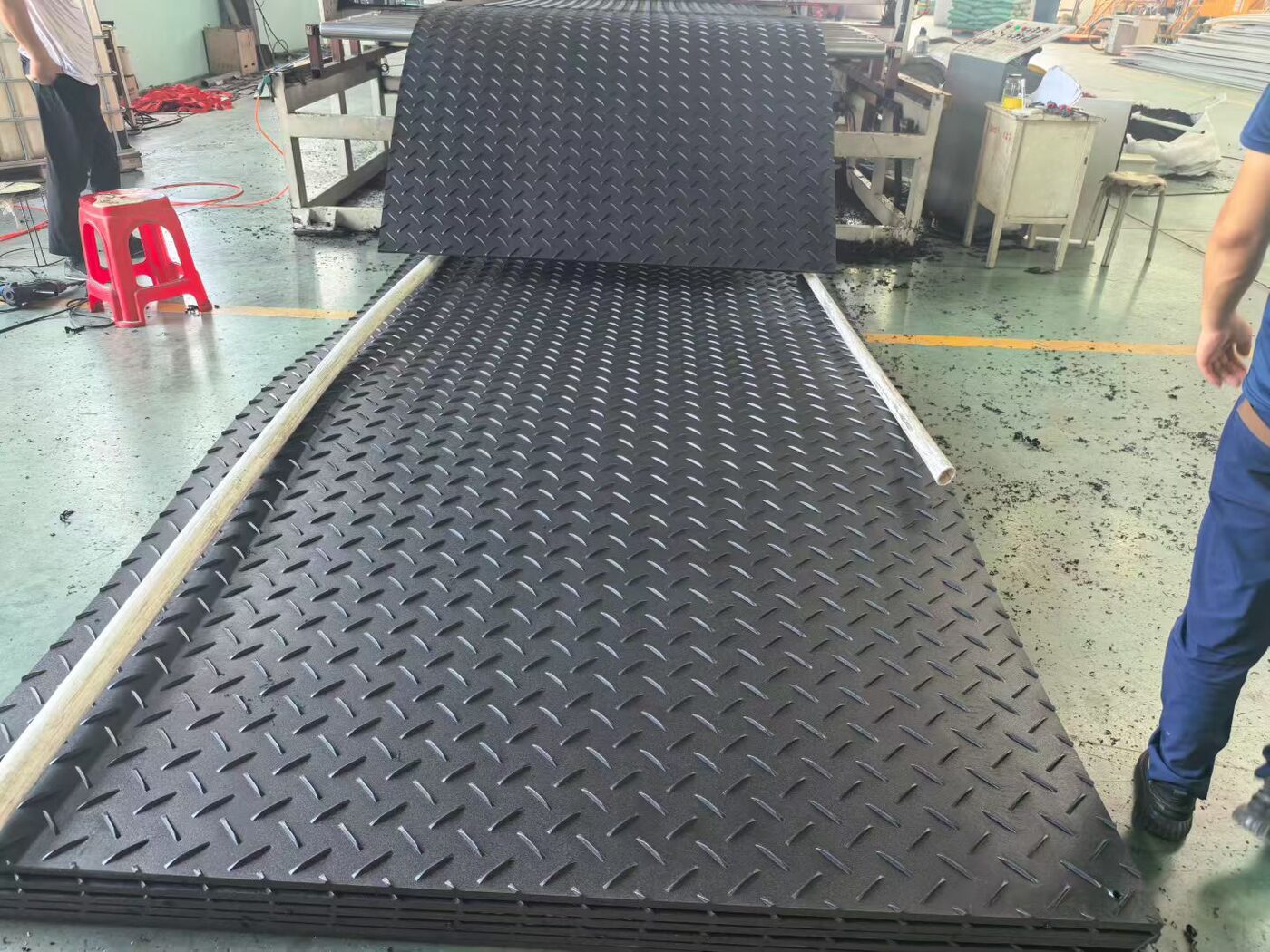
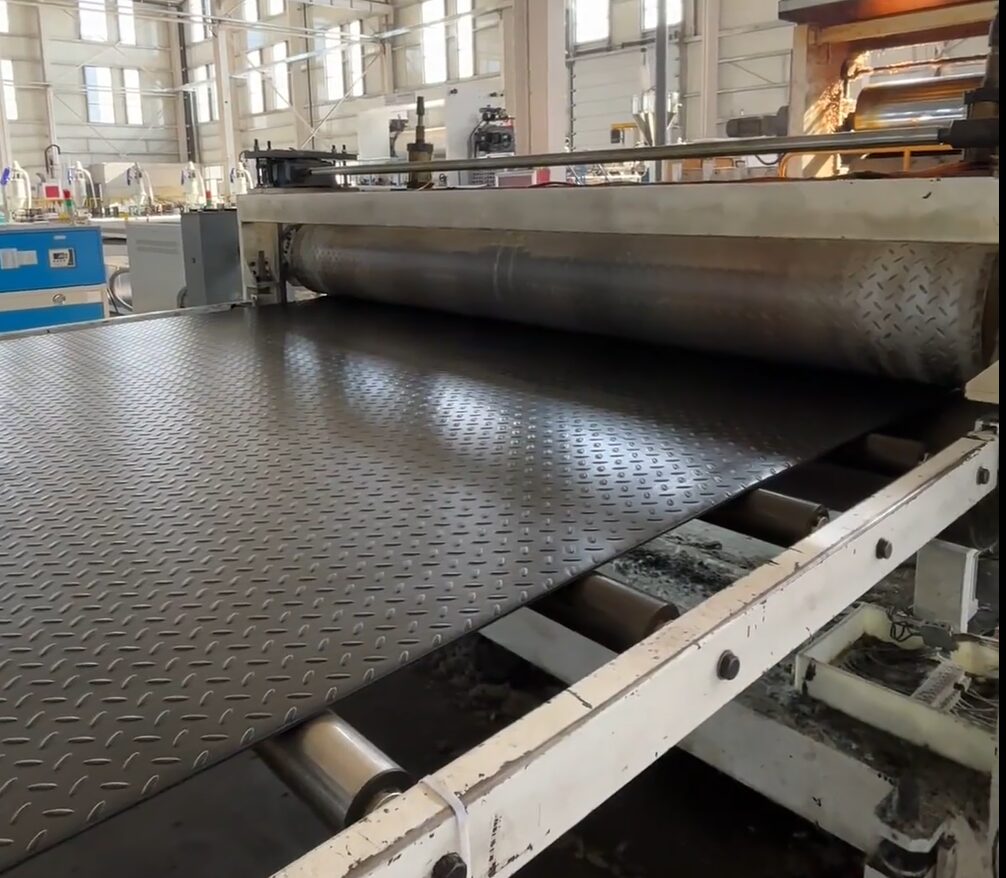
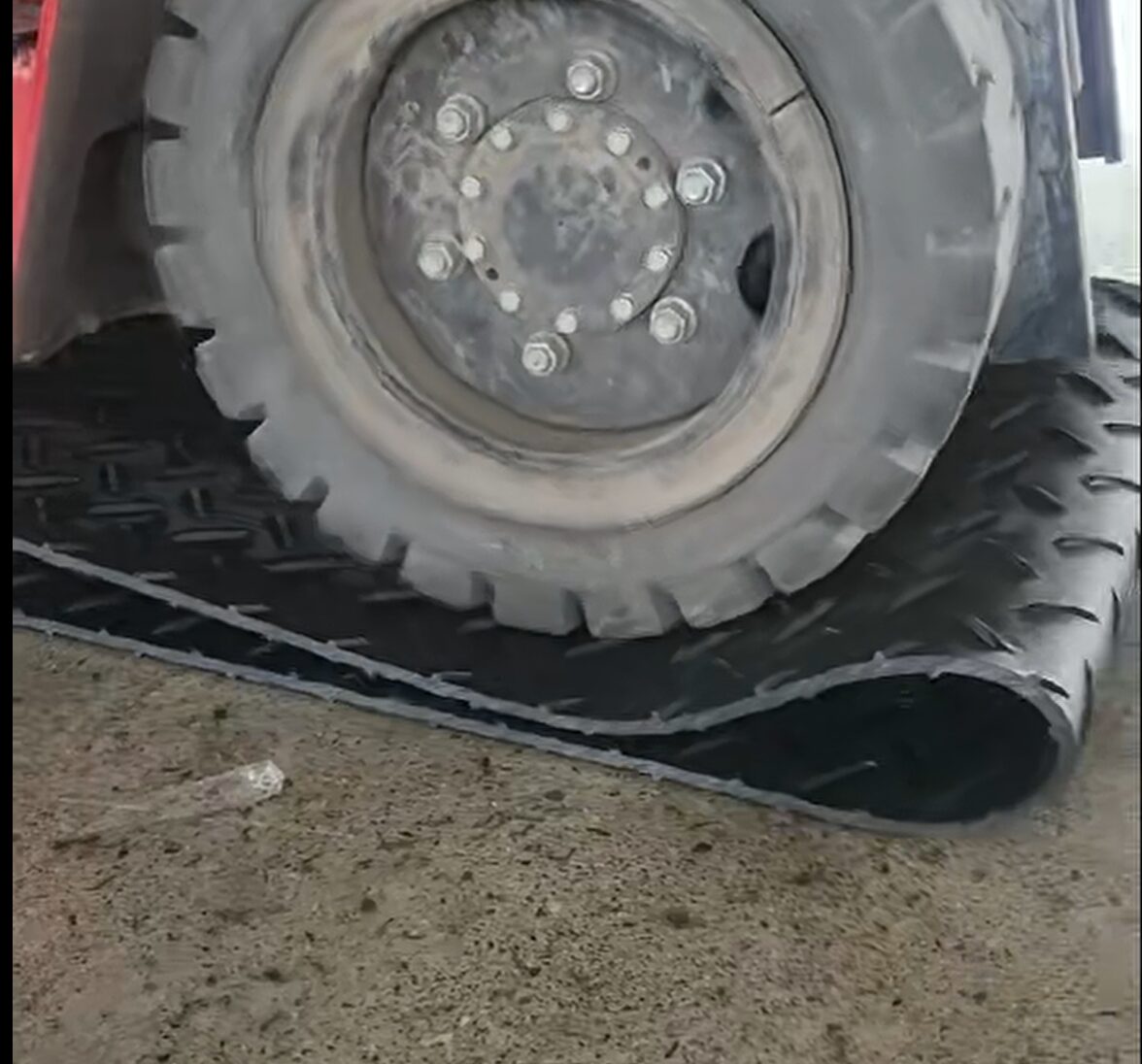
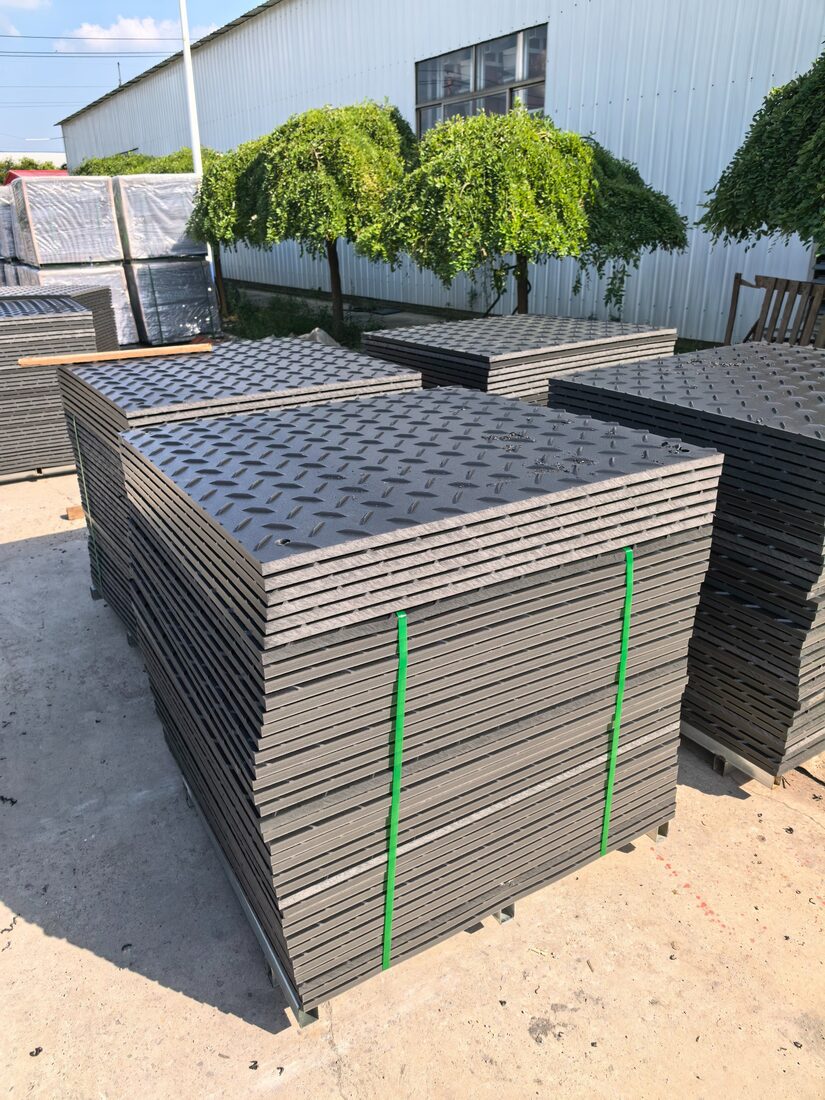
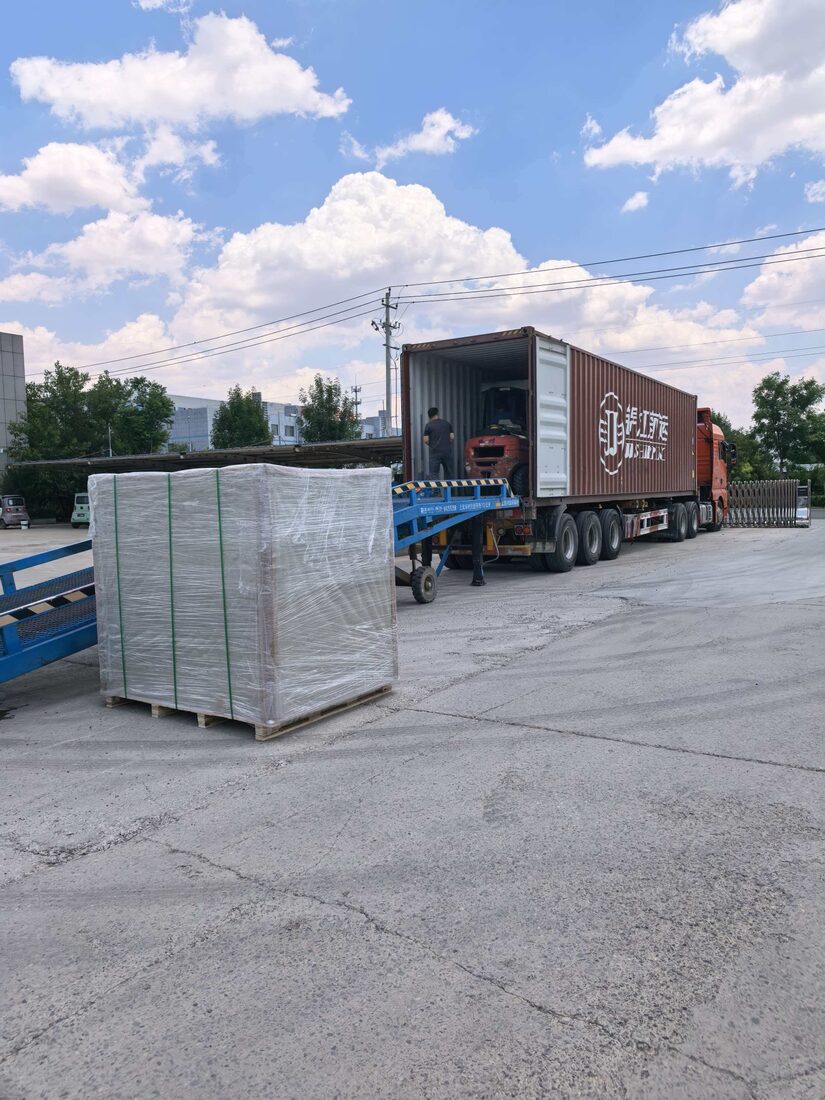
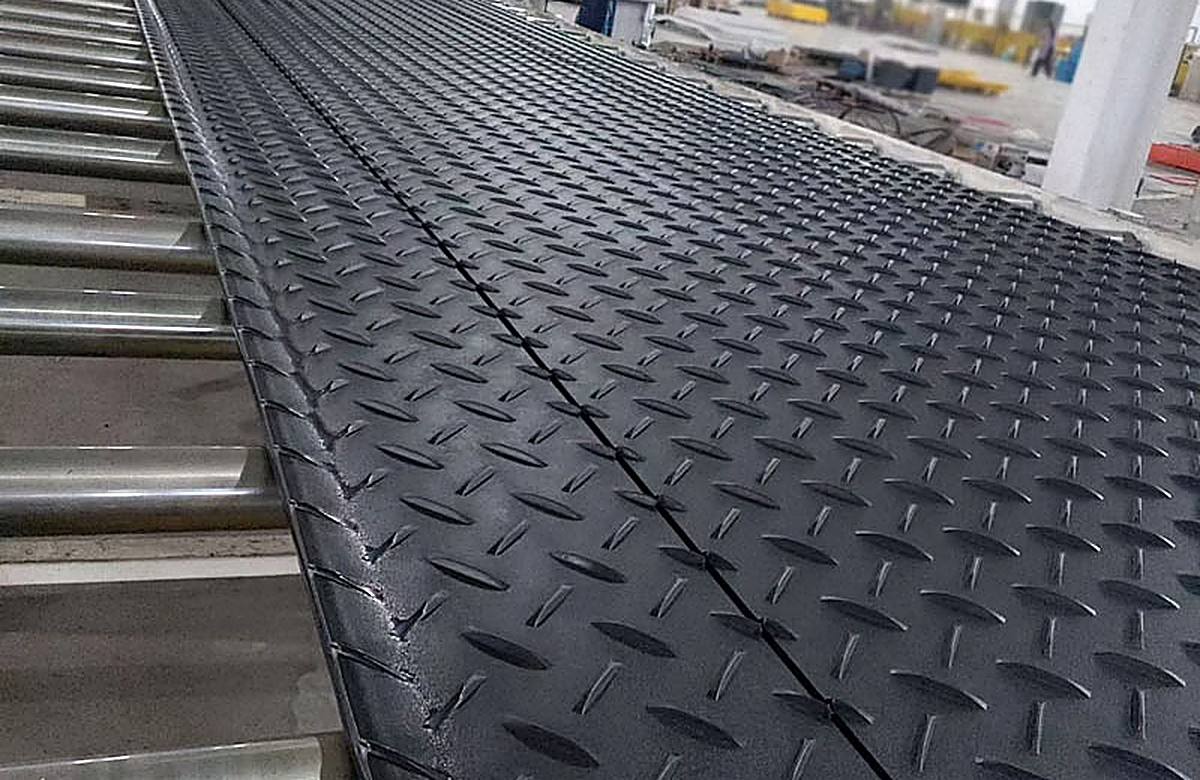
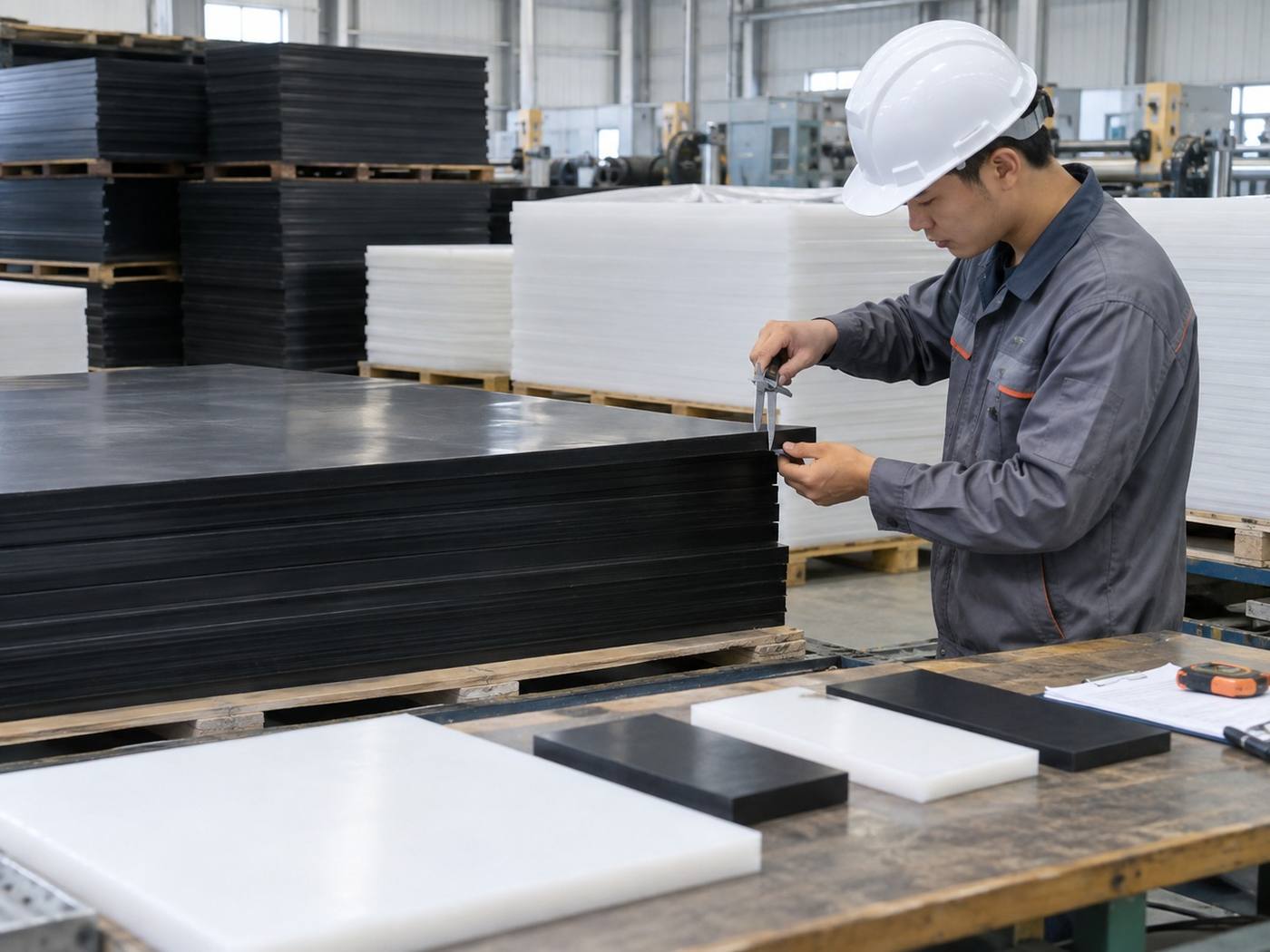
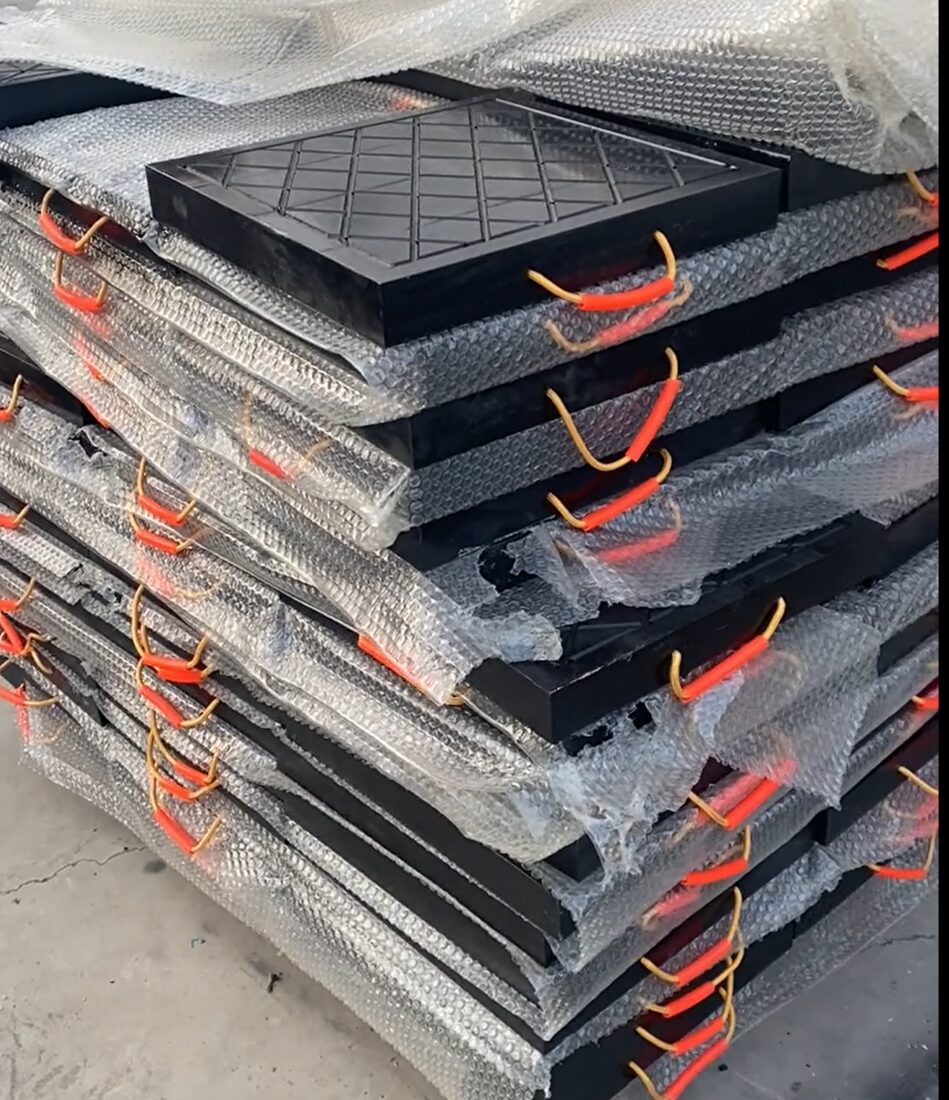
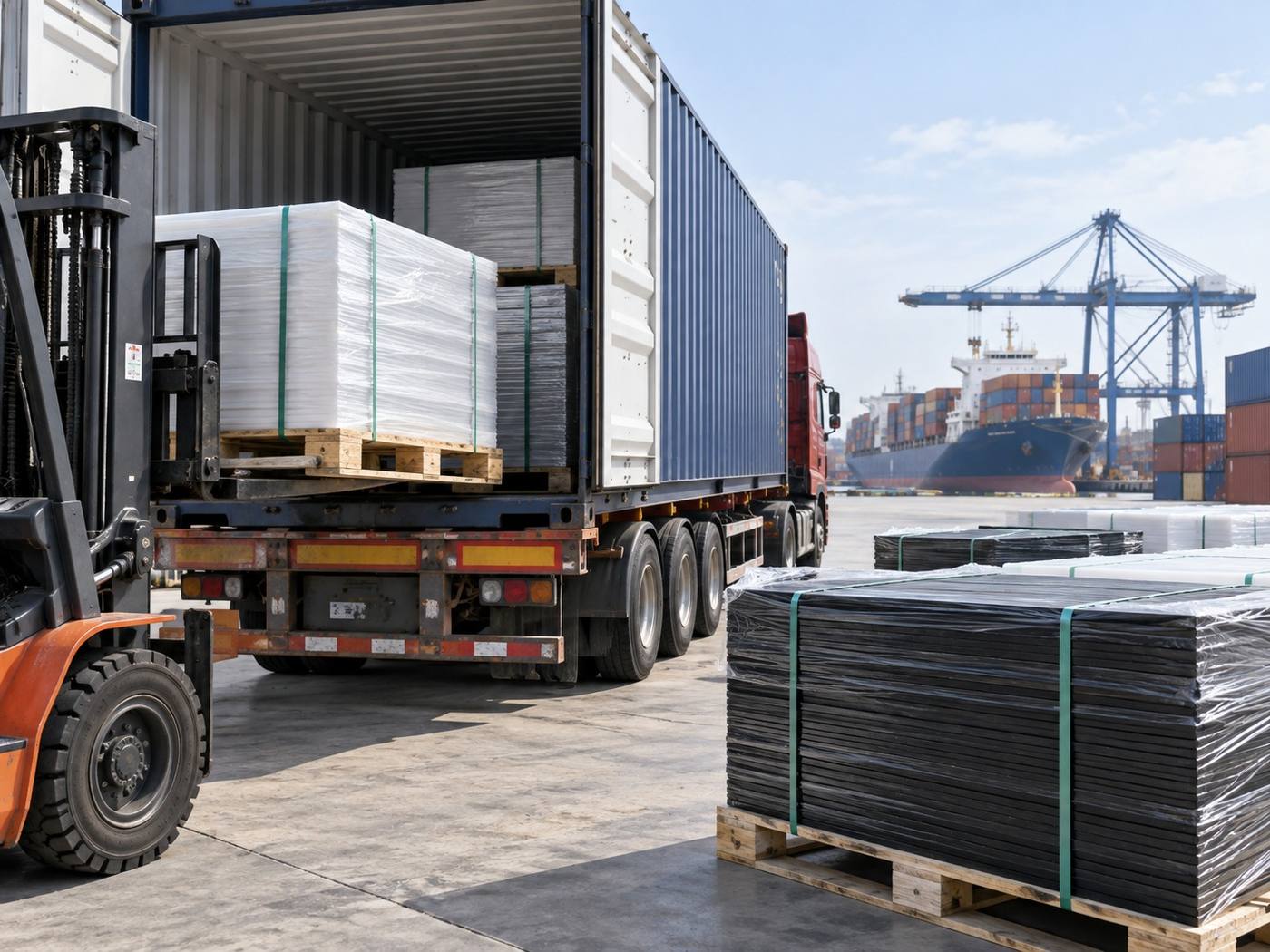
01Ground Protection Mats Production and bulk delivery
From smooth-truck road formation to vehicle load validation, to mass stacking, packaging and loading.
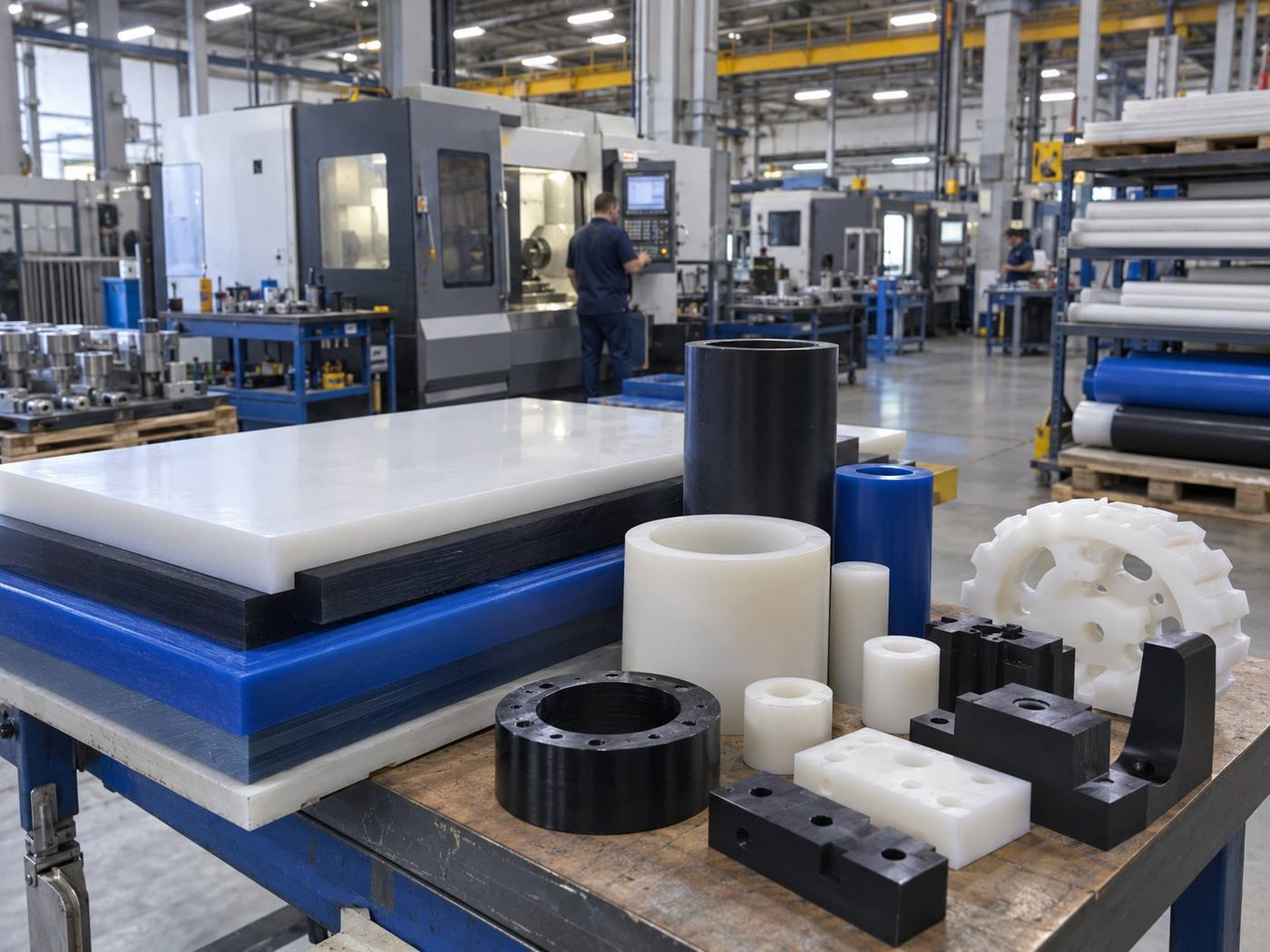
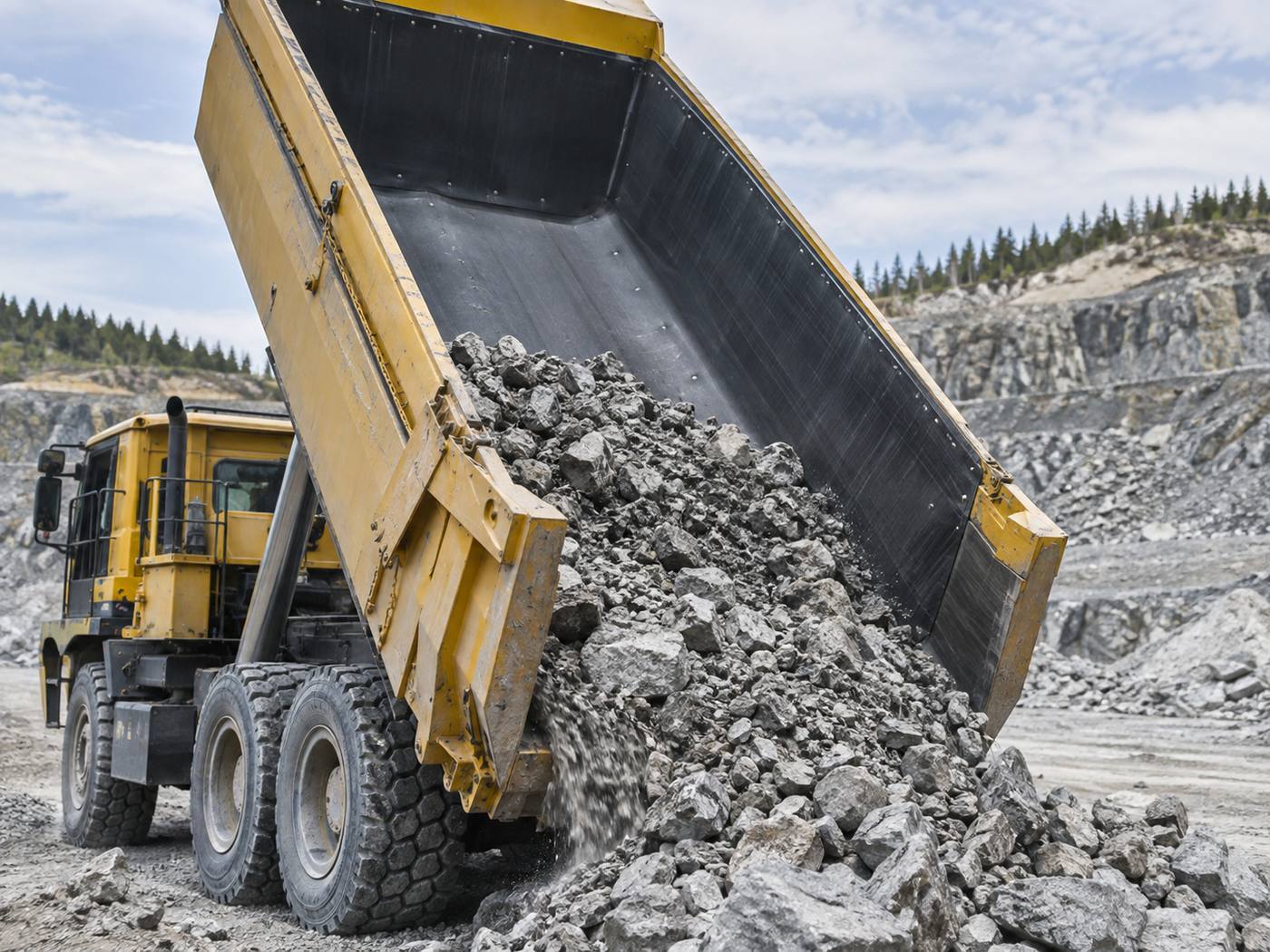
02Dump Truck Bed Liners- Manufacture and Customisation
Prepare the plates according to the type of vehicle, the size of the vehicle and the transportation material, the calibration, the pore review and the packing delivery.
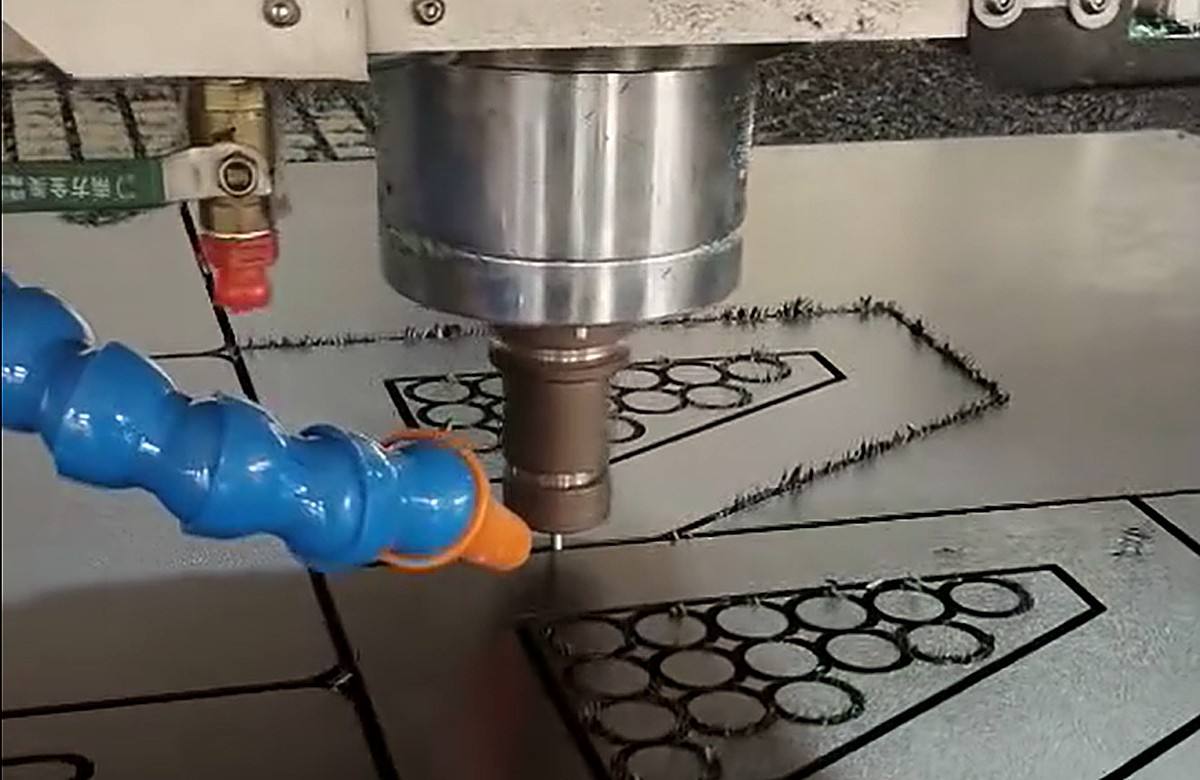
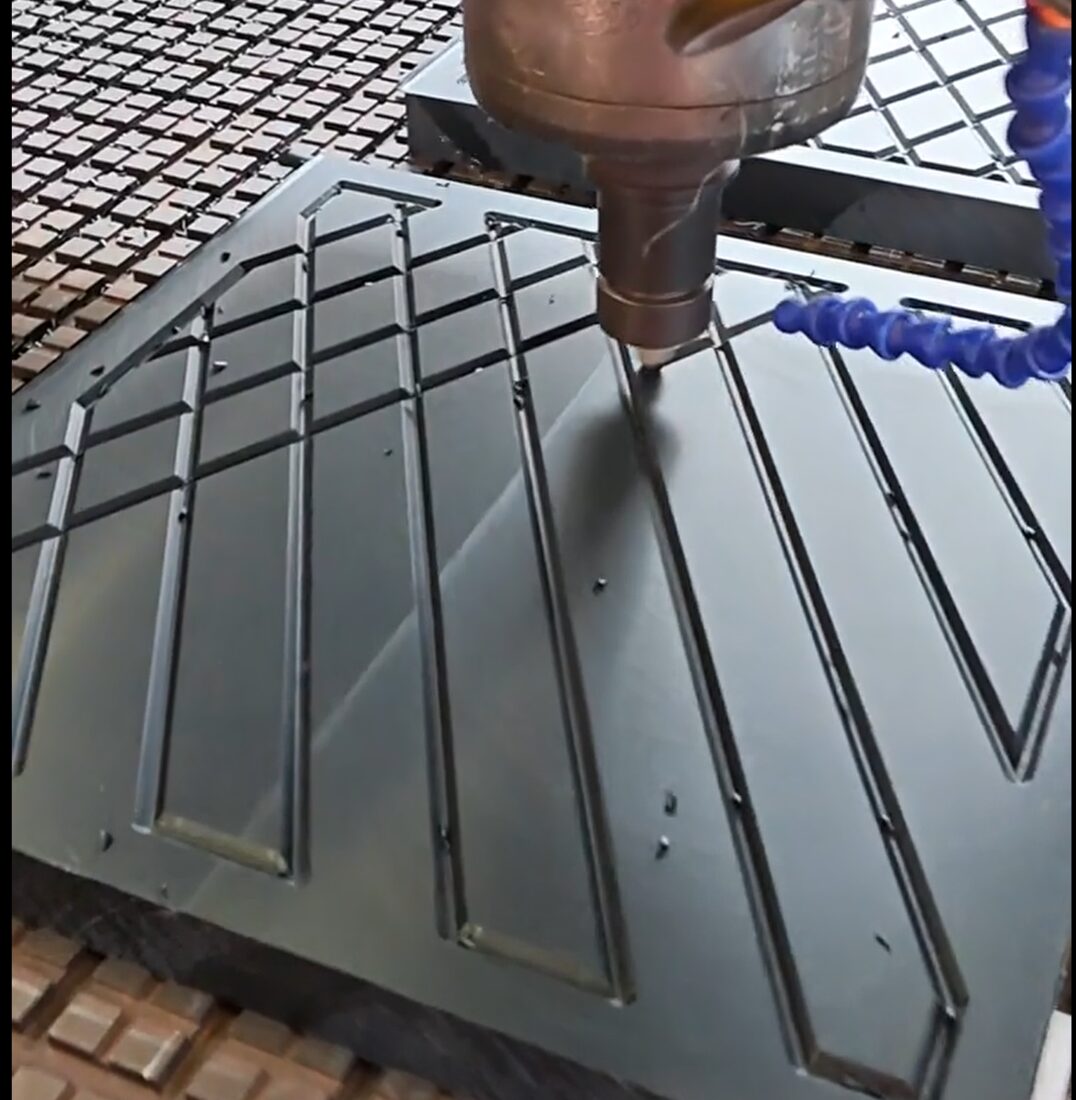
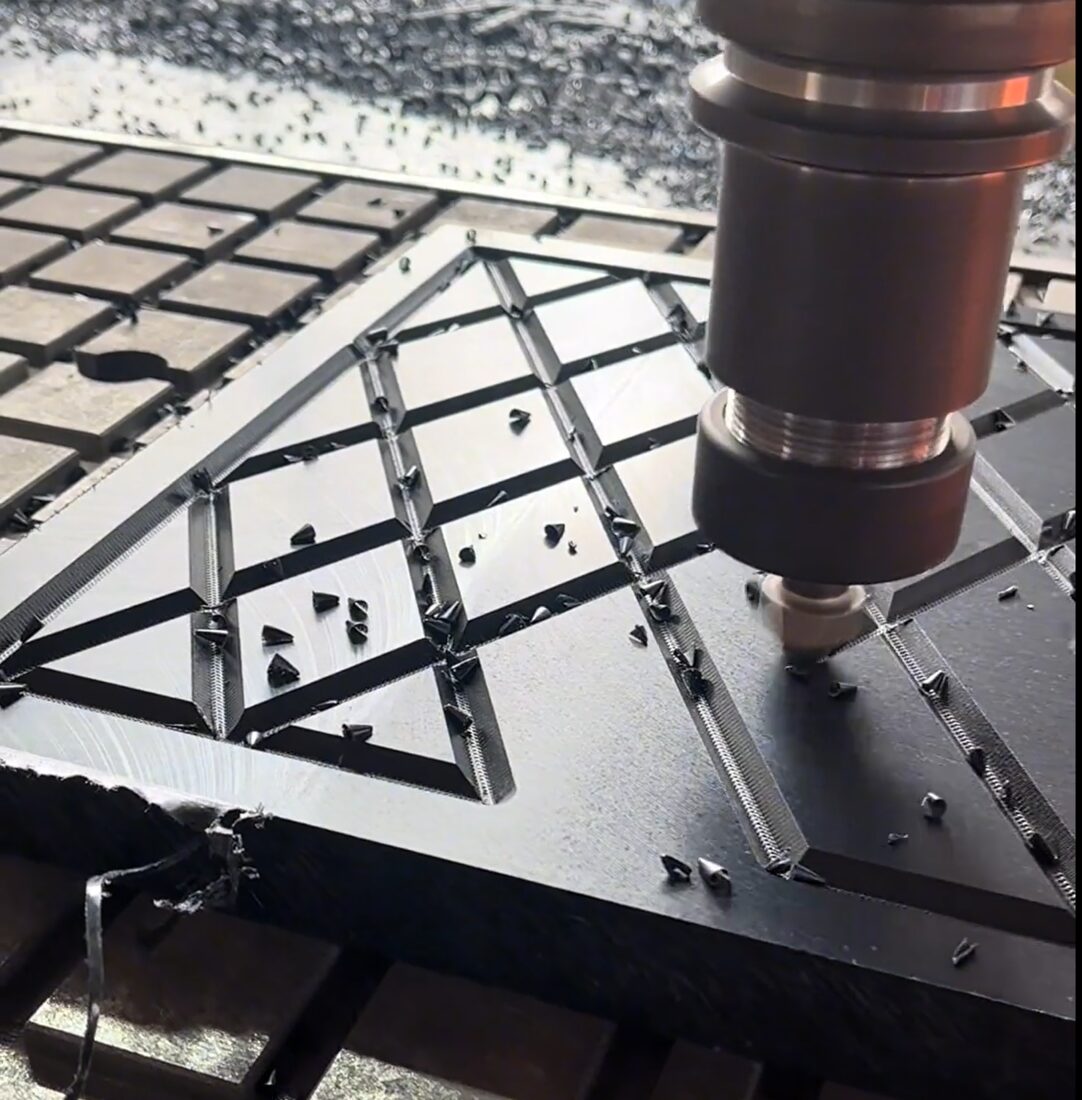
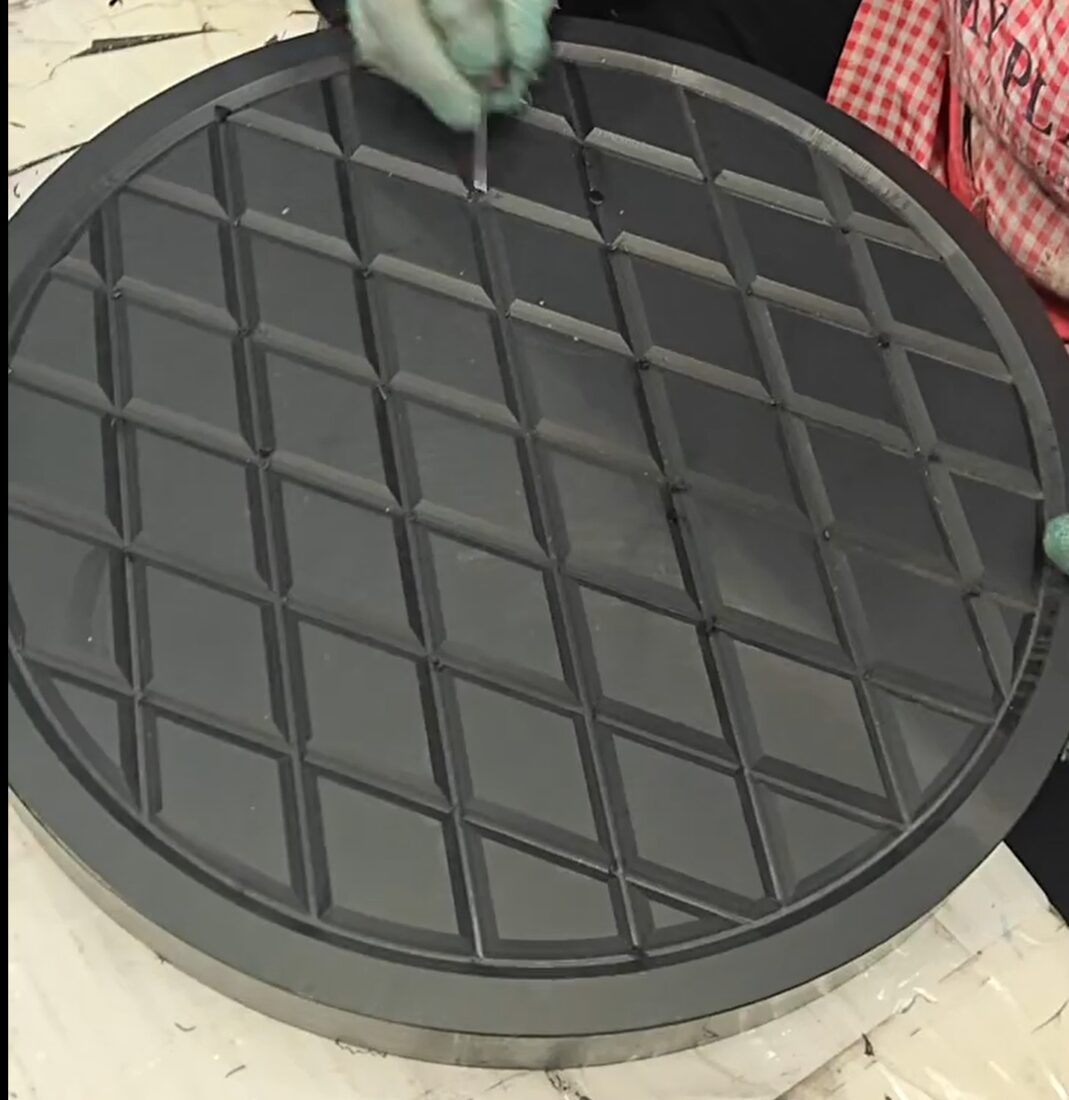
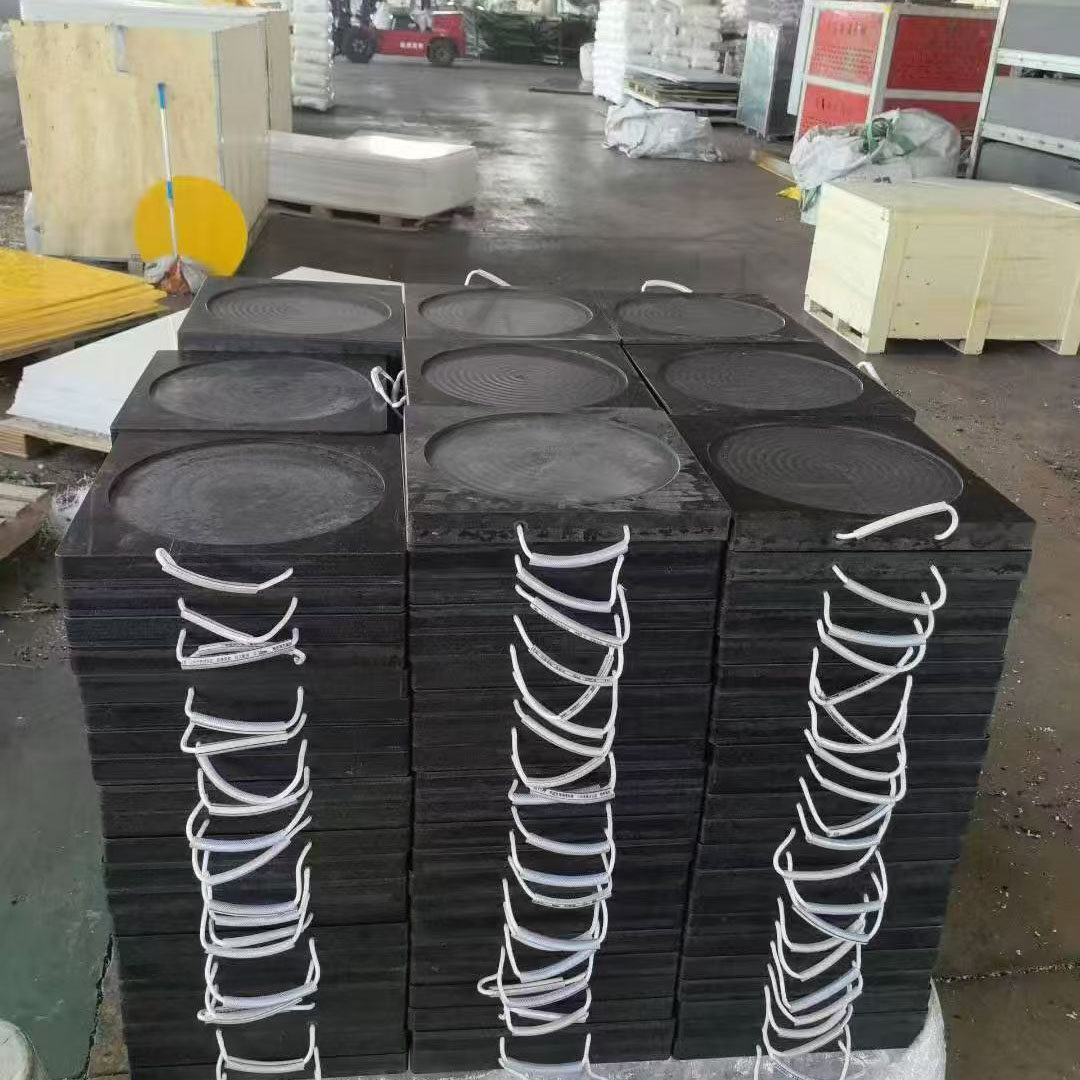
03Crane Outrigger Pads Processing and Inspection
CNC processes, surface structural checks, attachment configurations and packagings showing circles, squares—Outrigger Pads.
Information proposed before request for quotations
The more complete the information, the easier it is to quickly determine the appropriate size, thickness, structure, quantity and customization.
- Type and weight of vehicle/equipment
- Ground type versus hardness
- Length, width and turn of route
- Type of material transported and water content/gluctity
- Internal dimensions of the car
- Frequency of vehicle loads and discharges
- Retroactivity of equipment model with maximum leg
- Size of original foot
- Ground carrying conditions
- Projected number of acquisitions
- Port of destination/delivery area
Are mines, quarries and drilling engineering programmes needed?
We continue to assess the actual conditions of work for the distribution of site photographs, equipment/vehicle parameters, application conditions, quantity and port of destination.
Industry application cases
Browse the typical applications of Ground Protection Mats-, Dump Truck Bed Liners- and Outrigger Pads-- in different industries, click on pictures to enter the corresponding industry pages.
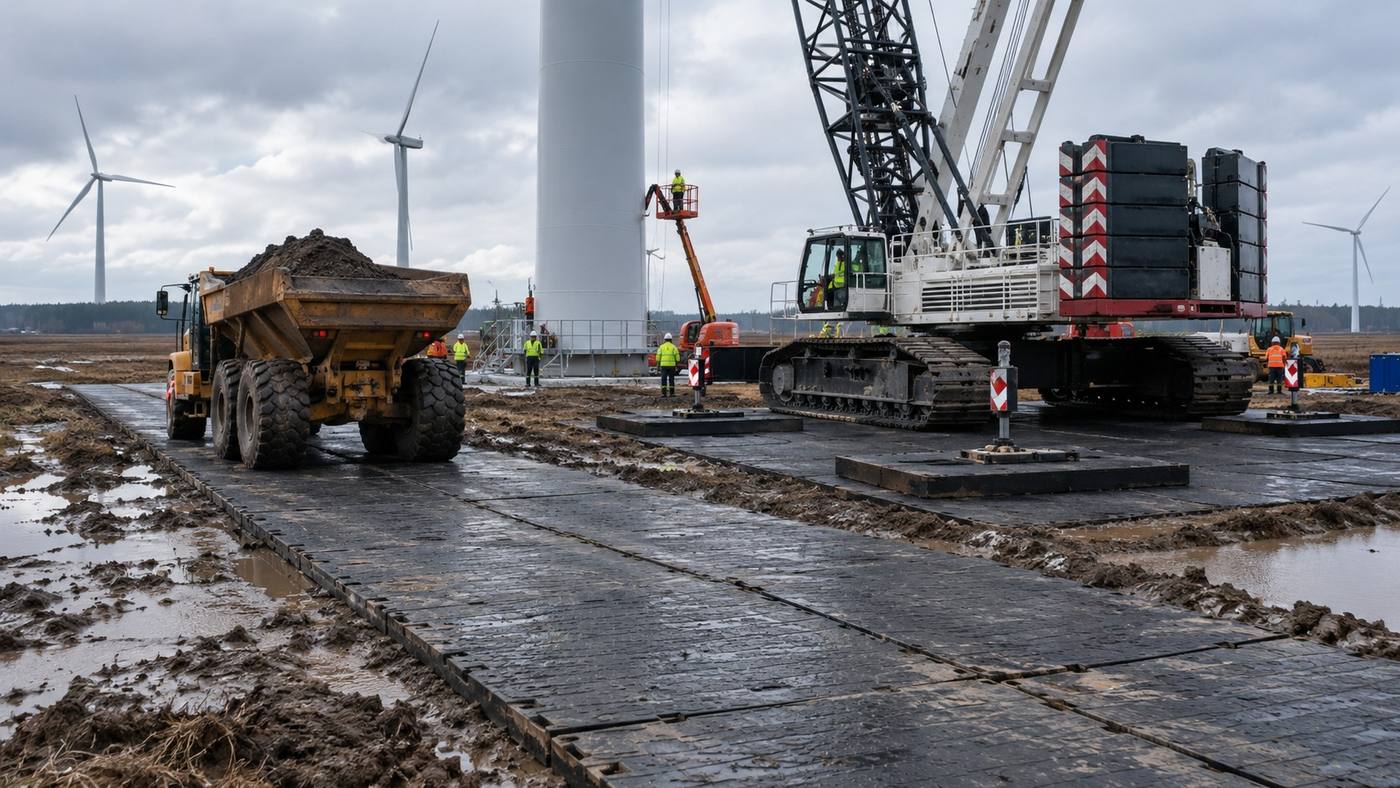 Construction & InfrastructureMines, quarrying and drilling
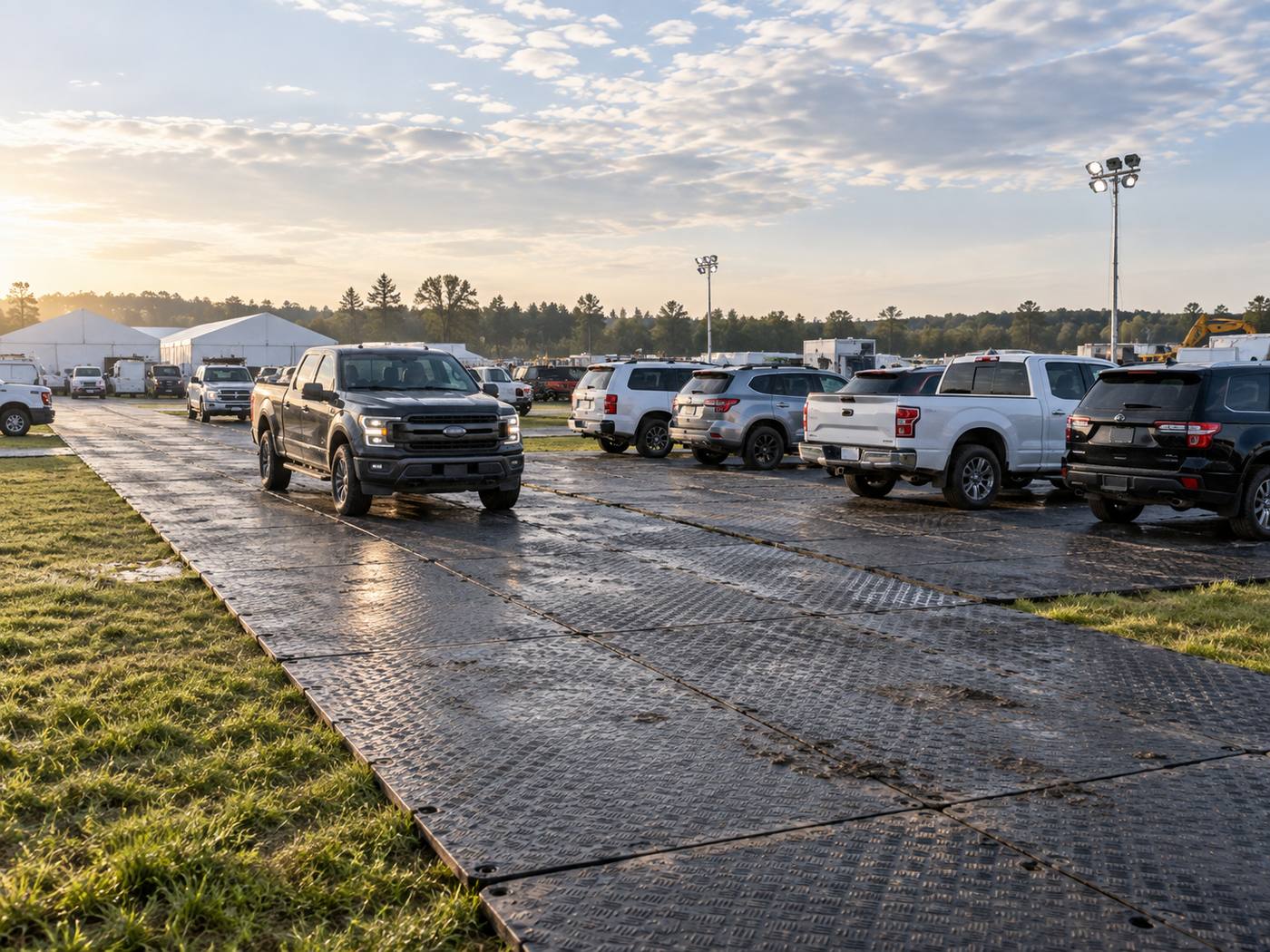 Agriculture, plantations and forestry
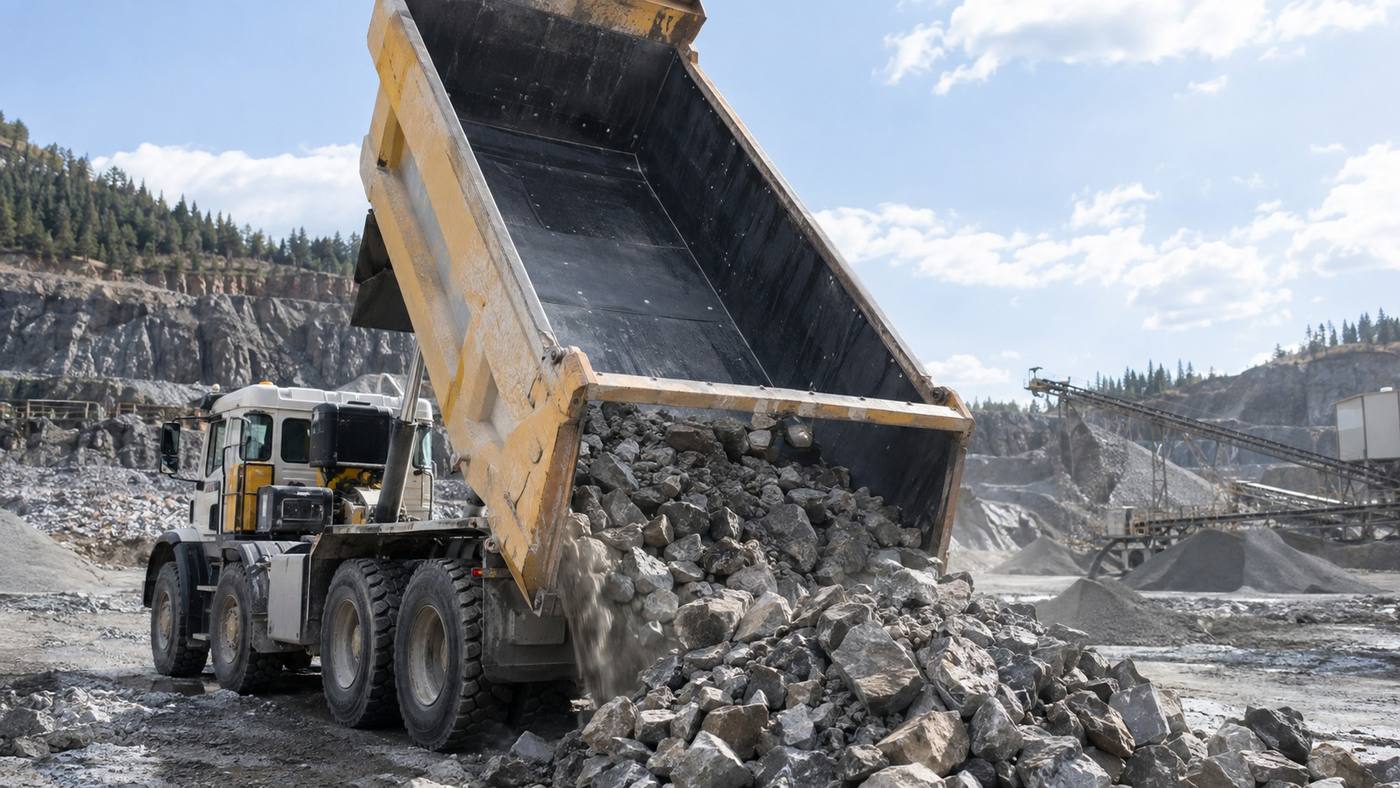 Transport fleet and self-loading vehicles
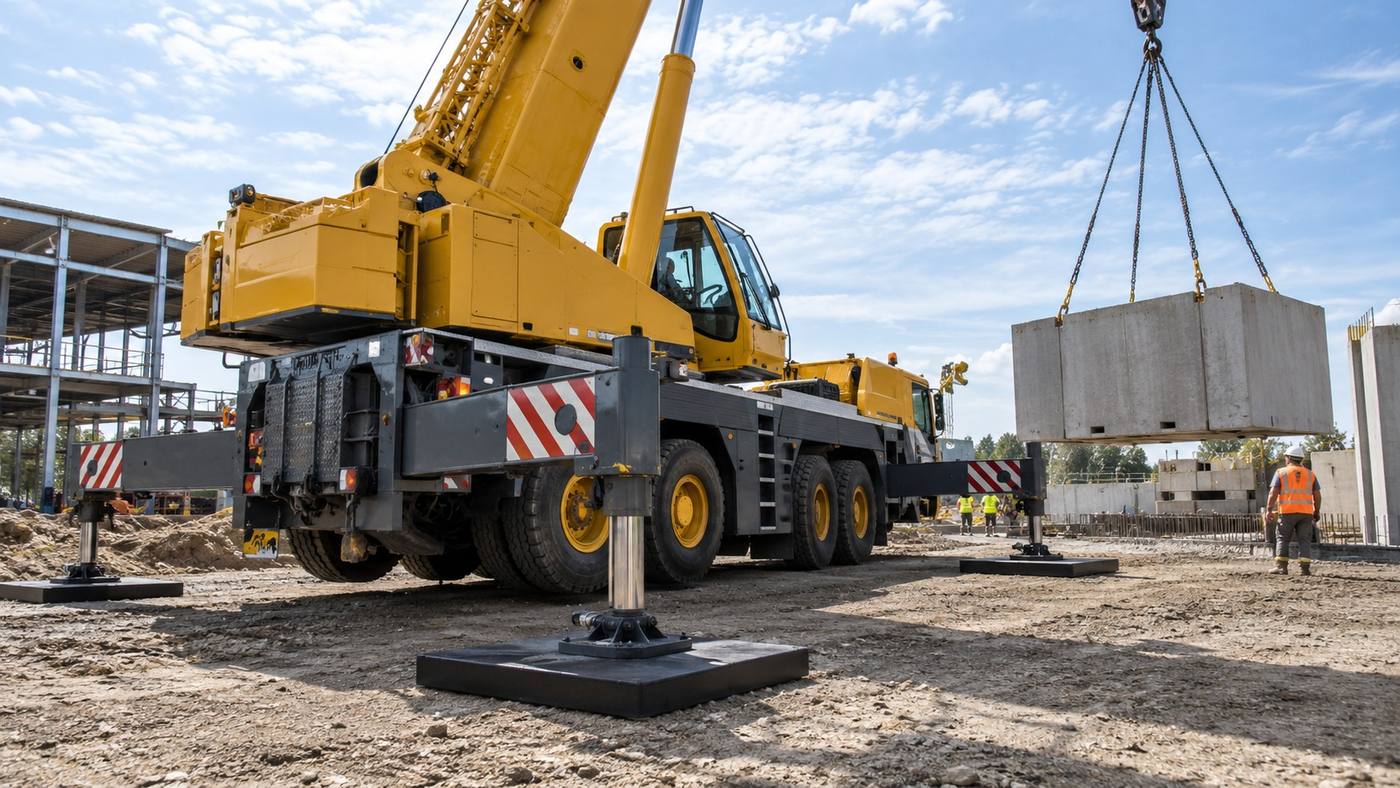 Lifting and lease of equipment
 Energy, electricity and new sources of energy
 Events, performances and temporary venues
 Ports, logistics and industrial sitesConstruction & InfrastructureMines, quarrying and drillingAgriculture, plantations and forestryTransport fleet and self-loading vehiclesLifting and lease of equipmentEnergy, electricity and new sources of energyEvents, performances and temporary venuesPorts, logistics and industrial sites