
The surfaces of the field are protected by water, air and root system growth, and heavy machinery is repeated under high water-bearing conditions, reducing the soil hole and creating deep-cargo paths.Even if the vehicles are not fully trapped, they may result in subsequent water accumulation, increased resistance to farming and a partial reduction in production.The roots of orchards, vineyards and grasslands may also extend below the corridors, leaving a patch of mixed layers that are difficult to recover by simply laying the rubble.Projects should first understand soil types, recent rainfall, underground drainage and root area locations, limit fixed access and speed, and avoid random movement throughout the site;Post-operation check for pressure and drainage, and arrange for soil restoration where necessary, rather than relying solely on “vehicle passes” as a criterion for success.
Agriculture, rangeland and plantation field applications
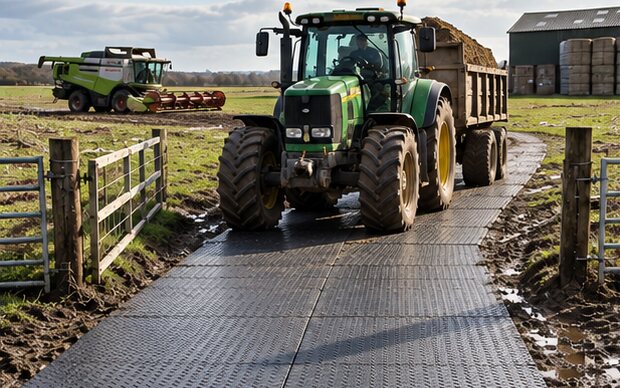
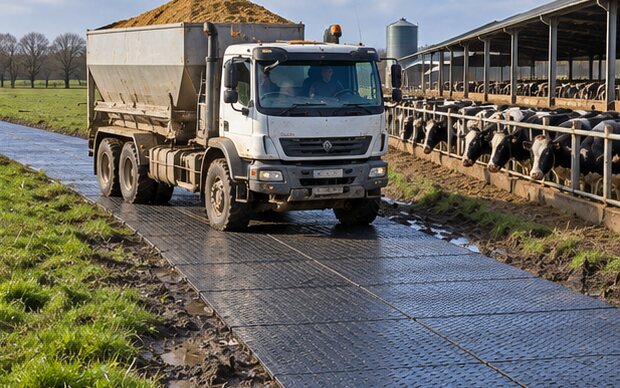
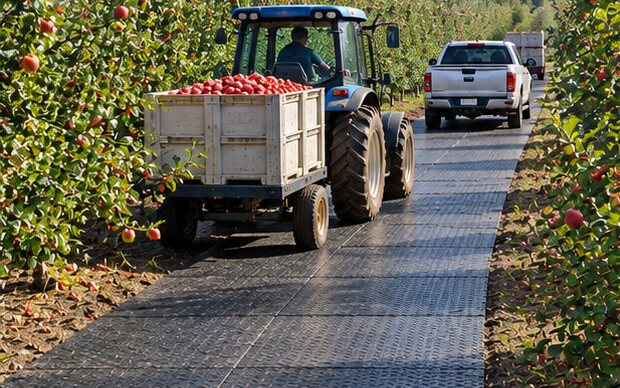
Common project applications for agriculture, rangeland and plantations
Description of the business processes, vehicle equipment, ground conditions and the project cycle.
Agriculture, rangeland and plantation applications are concentrated on planting and harvesting seasons for vehicular access to fields, orchards and vineyards, cattle fields and feed areas, irrigation works, installation of fruit equipment, and temporary warehousing. Tractors, combine harvesters, food transporters, feed trucks, and forklifts often have to operate continuously during limited agricultural hours, while soil-water content, farm structure and crop roots cannot withstand long-term crushing.
Unlike common construction sites, agricultural projects need to take into account both access efficiency and subsequent land production capacity.Temporary routes shall be laid as far as possible along the already organic farming lanes, inter-walks or land parcel boundaries, avoiding seedlings, drip irrigation pipes, roots-intensive areas and areas of livestock activity;After the harvest is completed, a rapid removal is required, without leaving rubble, metal links or contaminants in the field.Rangelands and plantations may also involve the transportation of fodder, cyanide, wet soil, fertilizers or agricultural products, and carpentry stickers, cleaning and cross-pollution also need to be managed.The programme should be developed in conjunction with seasons, agro-engineer ' s cycling, full load weight, repeat vehicle frequency and soil restoration requirements.
Common Issues
The actual performance of agriculture, rangelands and plantations is explained separately for reasons of formation, possible impacts, inspection priorities and management methods.
The planting, fertilization and harvesting are constrained by weather and maturity, and delays of several days may affect yields or quality.The site often looks strong in the middle of the sun, but the load decreases rapidly after continuous vehicle or night rainfall;A temporary decision to bypass may in turn crush crops, fences or irrigation facilities.In the event of inadequate preparedness, valuable windows will be occupied by trapped rescue, road repair and waiting for drying.The farm shall identify the secondary entrance, main line and discharge point before the beginning of the season, prepare the sheet and connectable parts that can be quickly laid, and set a threshold for stopping rainfall or deposition.Slurry, tire slips and edges fall under each watchboard and re-route in a timely manner.The treatment of the “short window for agricultural hours and rapid changes in road conditions” should not be limited to single passages, but cover the maximum load, maximum frequency, worst weather and evacuation phases.It is recommended that representative positions be selected for trial, that ground, vehicle or equipment data be recorded and that the scope, connection and frequency of maintenance be adjusted to the results;Changes in conditions have confirmed that early experience is not directly applied to the entire agricultural, rangeland and plantation projects.
The water and fibre content of agricultural bulk materials vary widely, and cyanide, wet soil, animal mats or certain fertilizers are easily attached to the surface of the car.Residues reduce effective loading space, increase manual clean-up time, and may cause cross-contamination in the transport of different materials;There is an additional risk of using shovels, knocks or personnel to enter the carriage to clean up.The internal liner is assessed by distinguishing between food or feed exposure requirements, washing patterns, material temperature, particle shapes and discharge angles, and by checking the tail door structure and fixed position.The liner is not a substitute for hygiene management, and there is still a need to establish replacement records for cleaning, inspection and wear and tear.Agriculture, rangeland and plantation sites should set clear standards for the discontinuation of “feeds, green storage, wet soil and fertilizer adhesion in cars”, such as continued plumbing of plates, incomplete support areas, extended deposition, visible slippage of vehicles or loose-linking items.Unusual isolation and unloading were detected, and then the floors were repaired or reconfigured, and temporary pads were prohibited in carrying conditions.The head of the mission may not resume operations until he or she has been qualified to do so, and records of disposal are maintained.
Solution Recommendations
The route, the grass-roots, the support or the unloading of the material is addressed first, and the corresponding products are recommended according to the work situation.
Fixed routes should first be planned with the objective of protecting the cropping layer, making maximum use of the fields, air-cropping paths and the edges of the plots to measure the widest agricultural engine, turn demand and load axle weight.Pre-laying cleans sharp stones and maintains natural drainage and does not recommend large-scale gravel destruction of the soil for short-term passage.The sheeting is carried out softly from a solid entrance, and after the connection, it limits the speed and speed of movement;Orchards and grasslands can be fitted with suitable compartments under the plates, and spare parts can be recovered and checked for remnants when the site is evacuated.Establishment of weather forecasts and reserve quantities for harvest peaks, with test cars after rain before full-line operation is restored.
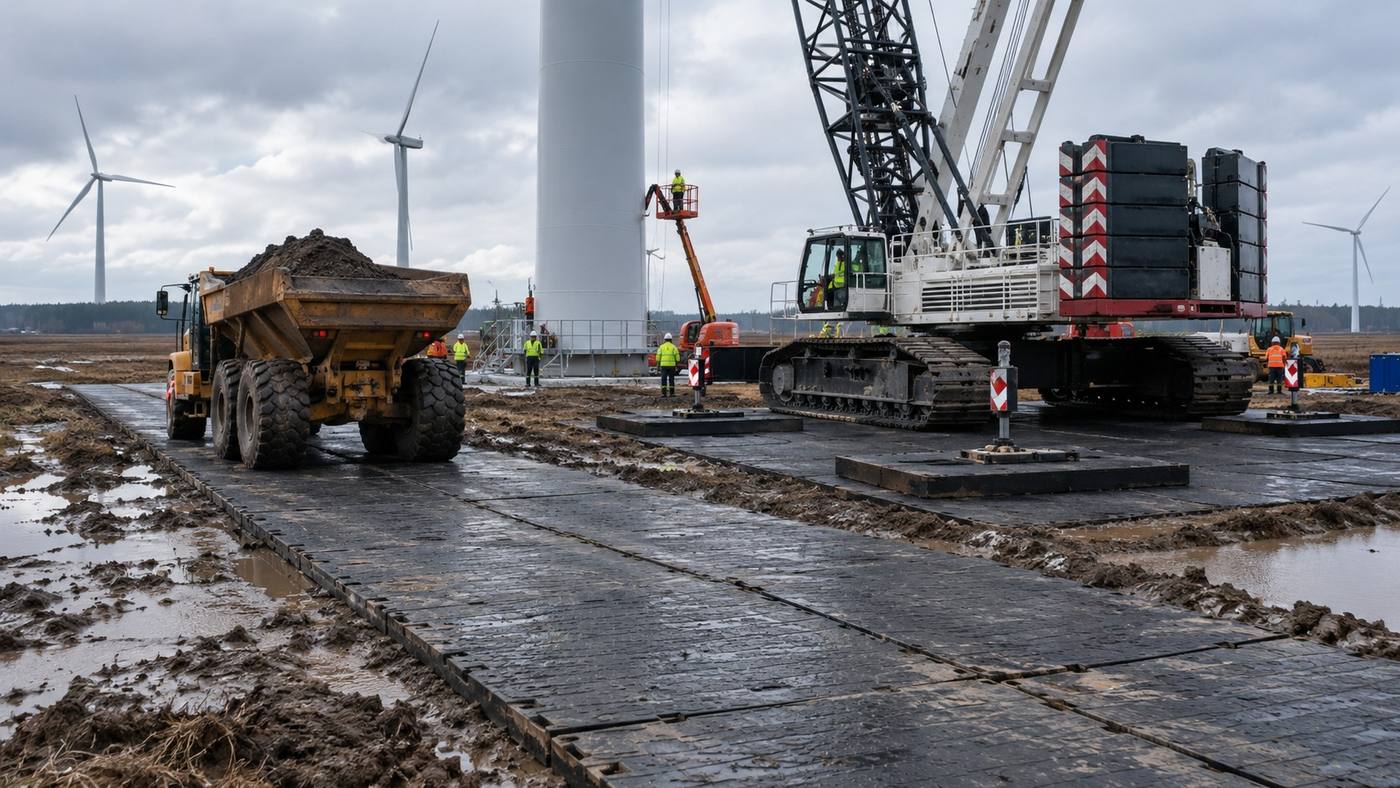
HDPE Ground Protection Mats—is suitable for harvesting transport, orchard maintenance, ranger feed vehicles and temporary access for irrigation construction, which can spread the load and reduce direct crushing;When a pump, crane or or orchards facility is equipped with legs, the foot can be prevented from falling into the pine soil with actual retroversion — Crane Outrigger Pads.A self-discharged vehicle for the transport of cyanide, wet soil or adhesive agricultural material may be assessed as UHMWPE Dump Truck Bed Liners—to improve discharge and cleaning, provided that specifications are confirmed by the structure of the car, material hygiene requirements and temperature of use.The programme prioritizes route and soil protection and determines product thickness, quantity and diversion.
Ground Protection Mats
For the establishment of temporary vehicle access, protection of the original ground and dispersion of the wheel; specific thickness, size, texture and connection will be determined by vehicle and base level.
Crane Outrigger Pads
For the purpose of increasing the area of the foot exposure and reducing average ground pressure; must be calculated in conjunction with maximum single-leg reaction, original foot size and a permissible ground pressure.
Dump Truck Bed Liners
For the improvement of viscous bulk material discharges and the protection of carriages; materials, thickness, fractions and fixed structures need to be customised to materials and carriages.
Manufacturing
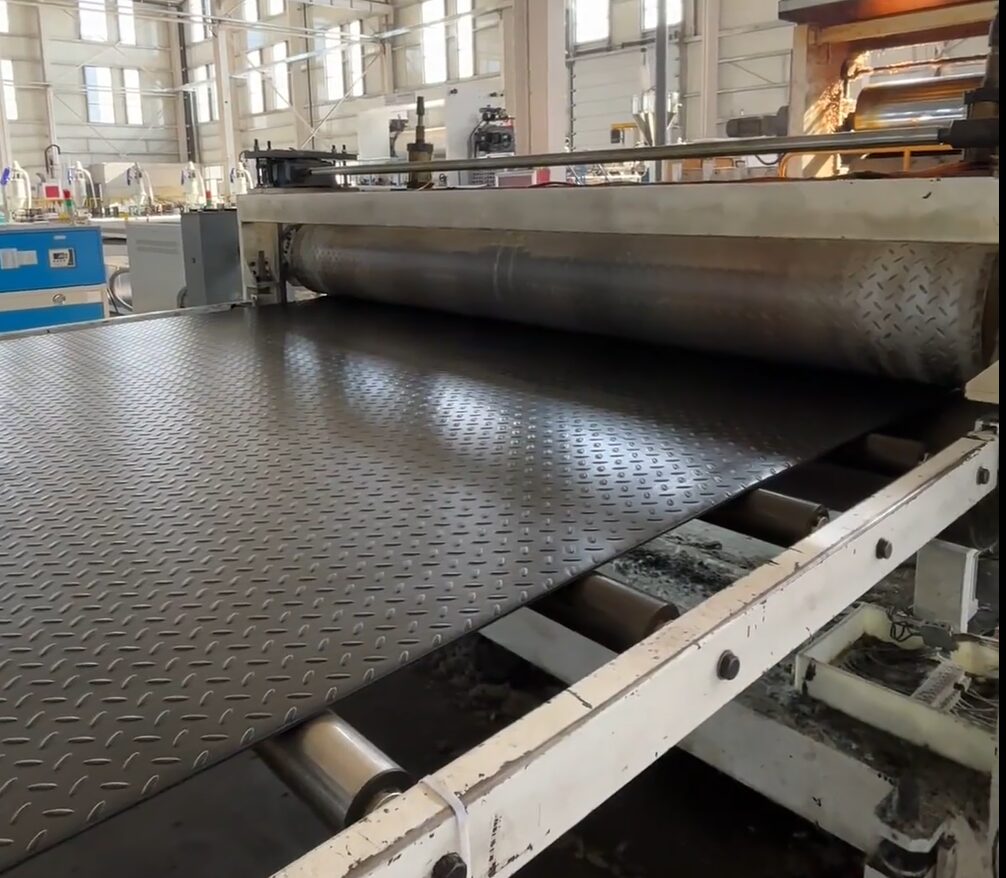
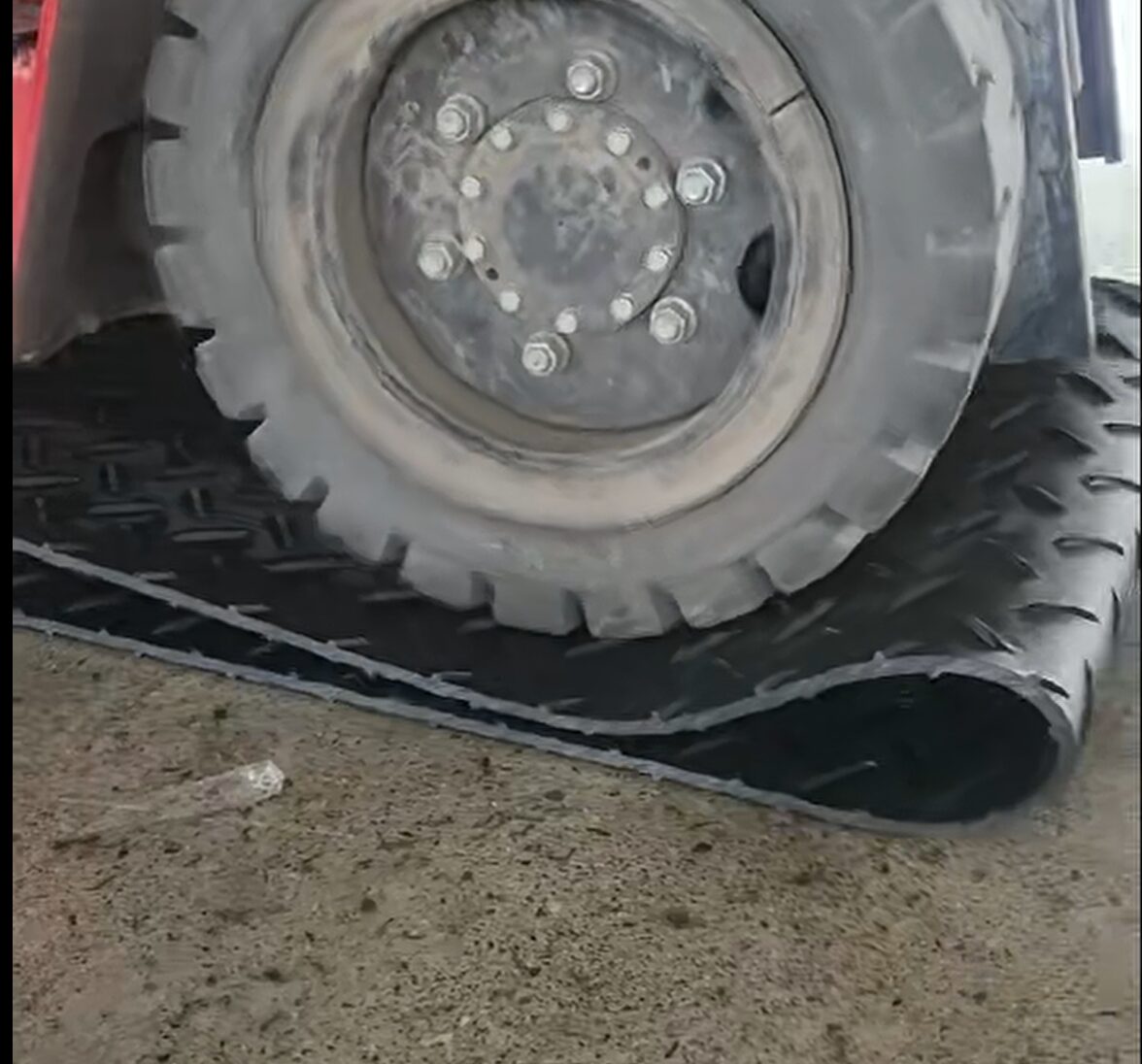
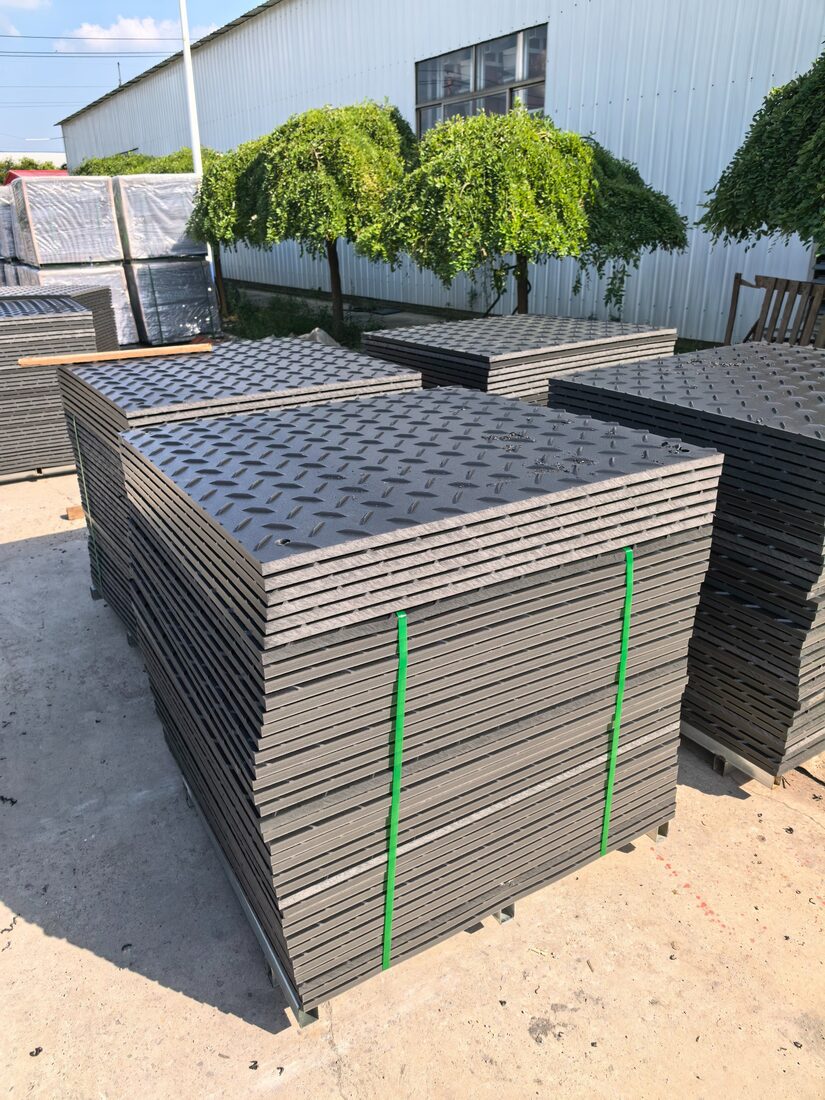
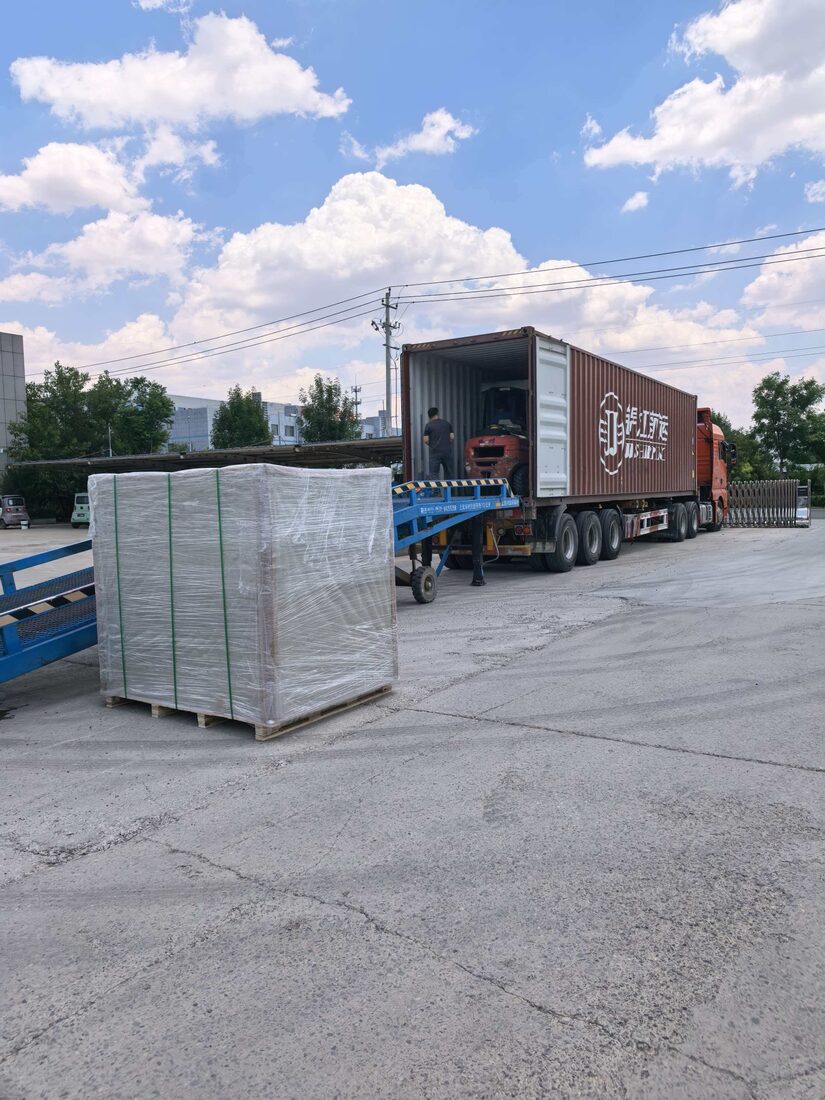
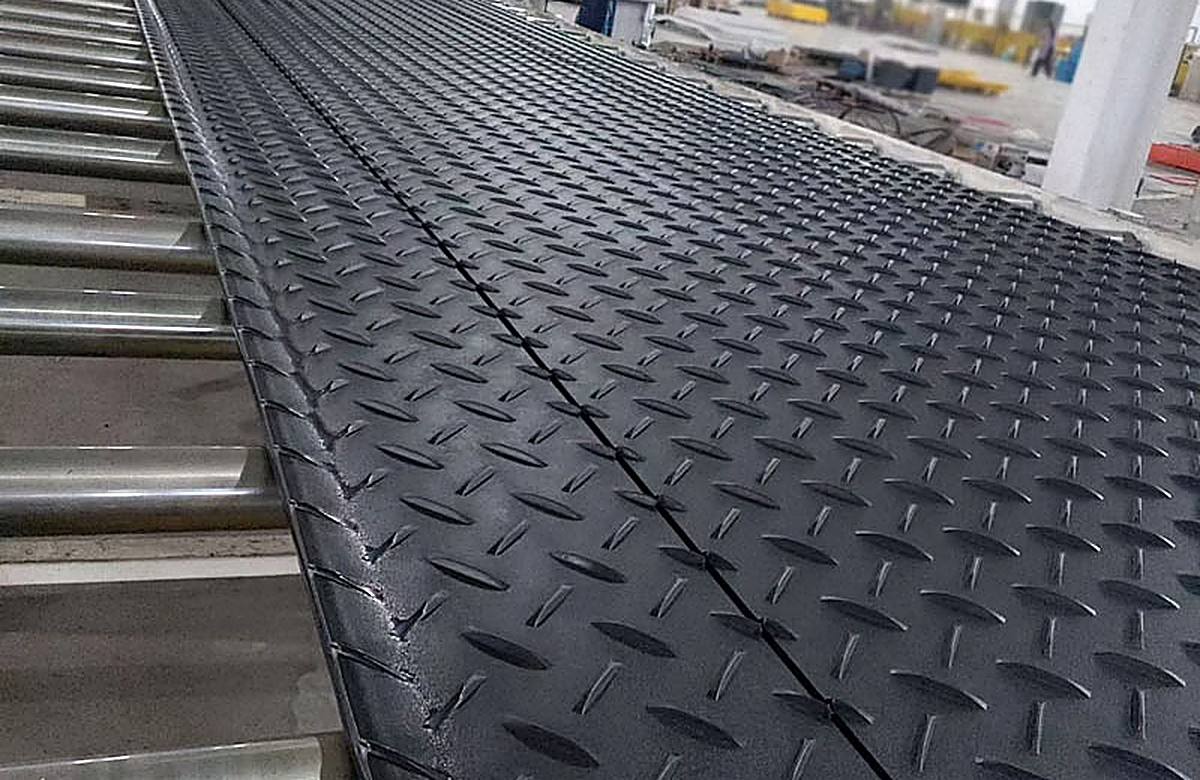
01Ground Protection Mats Production and bulk delivery
From smooth-truck road formation to vehicle load validation, to mass stacking, packaging and loading.
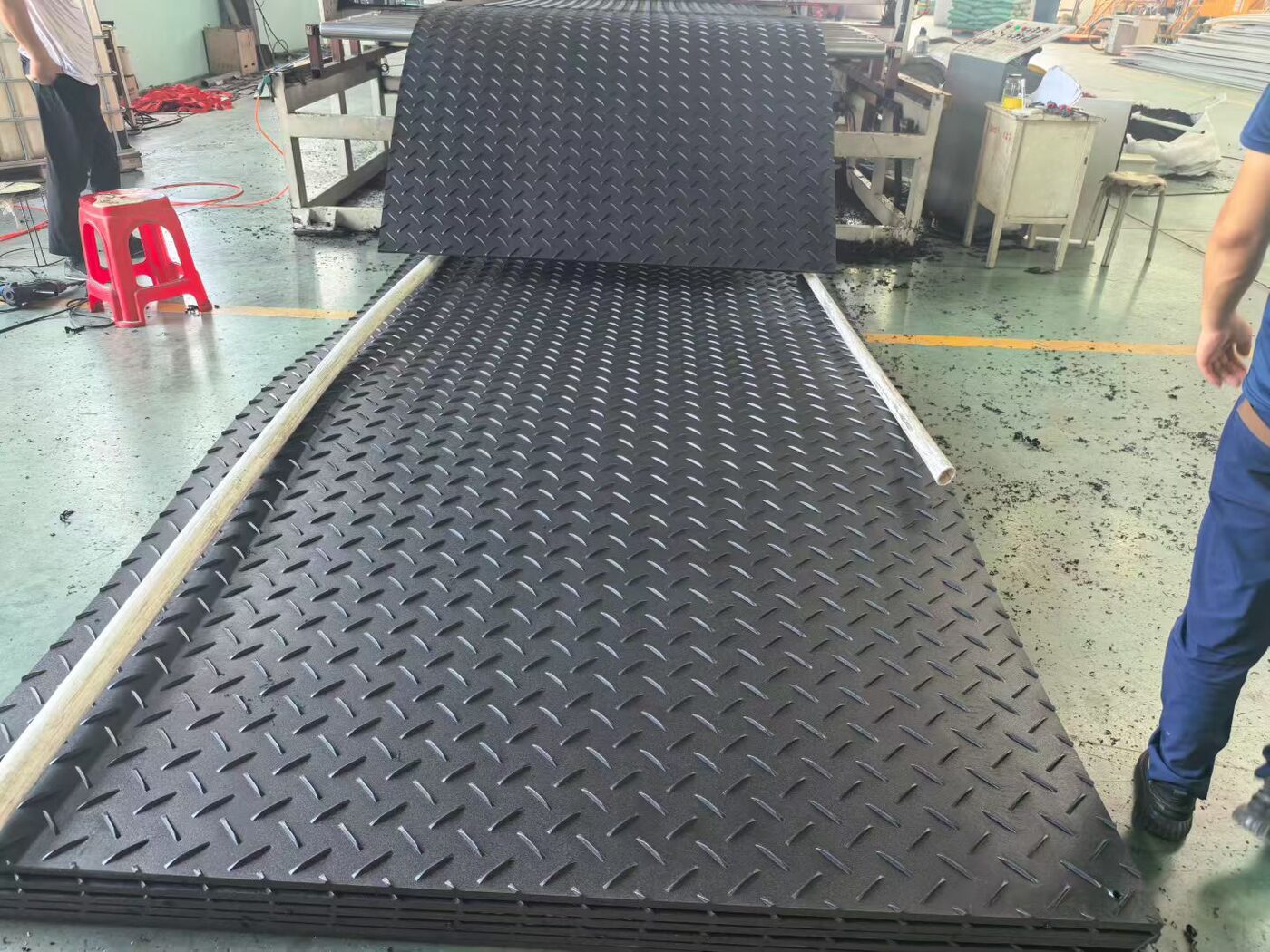
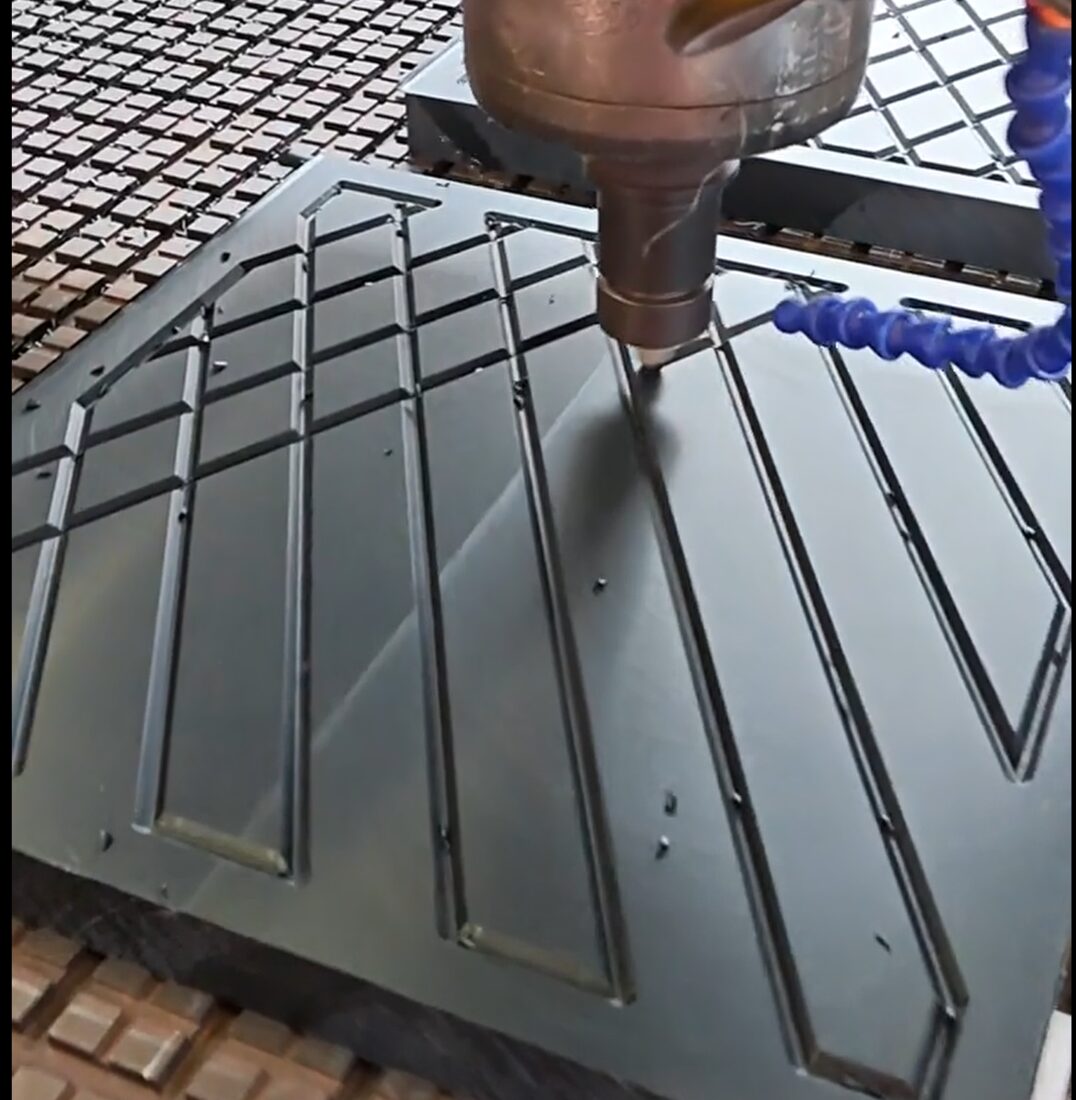
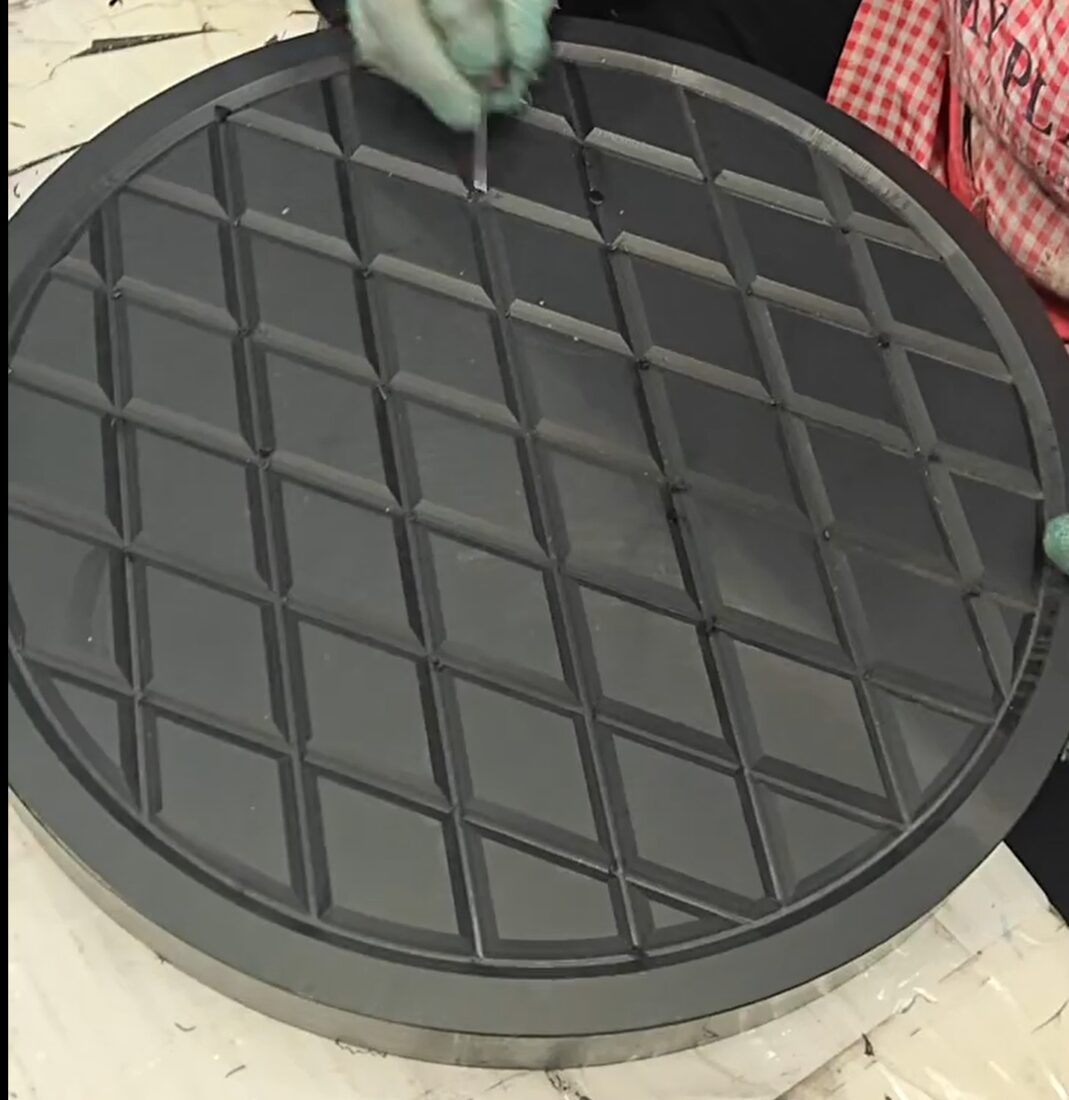
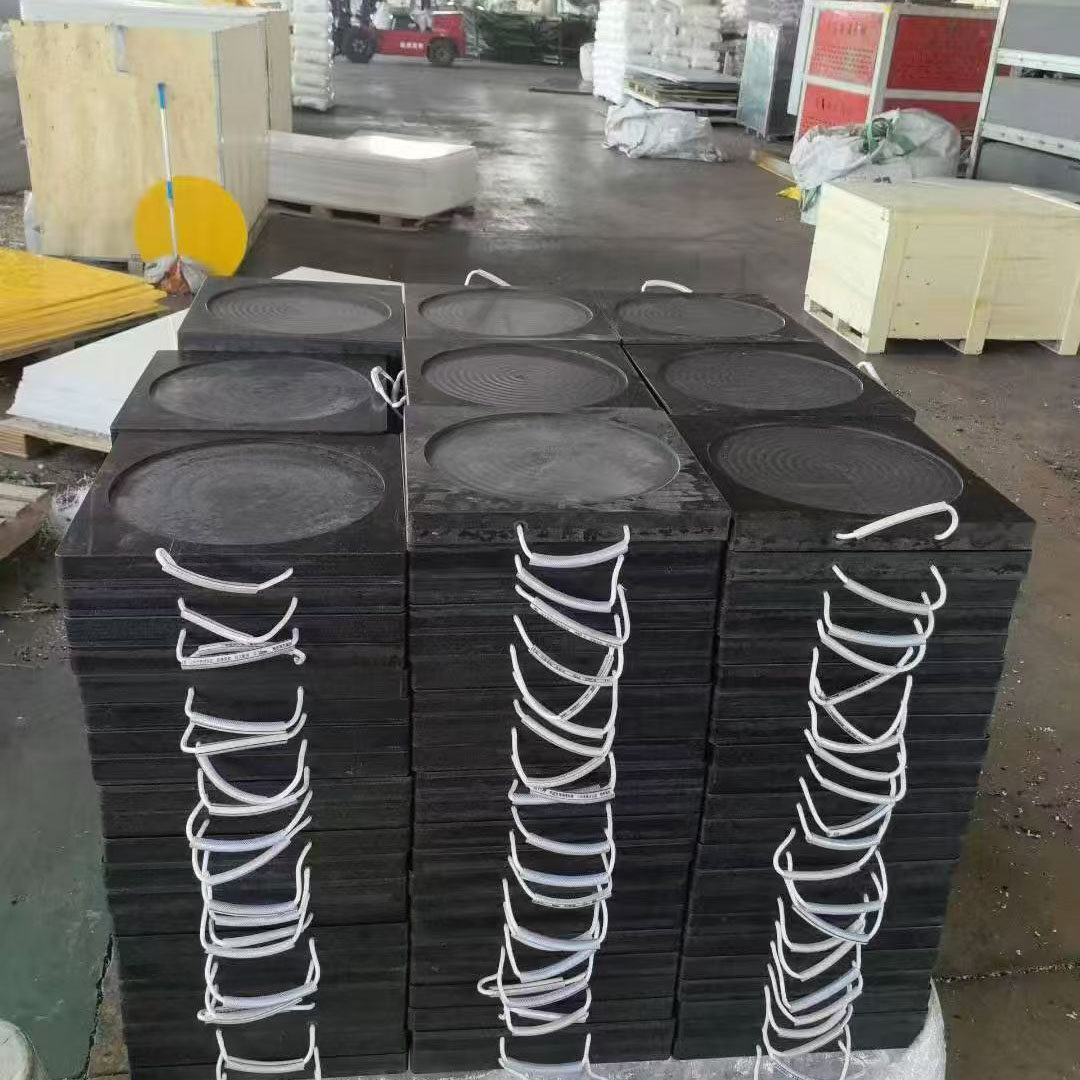
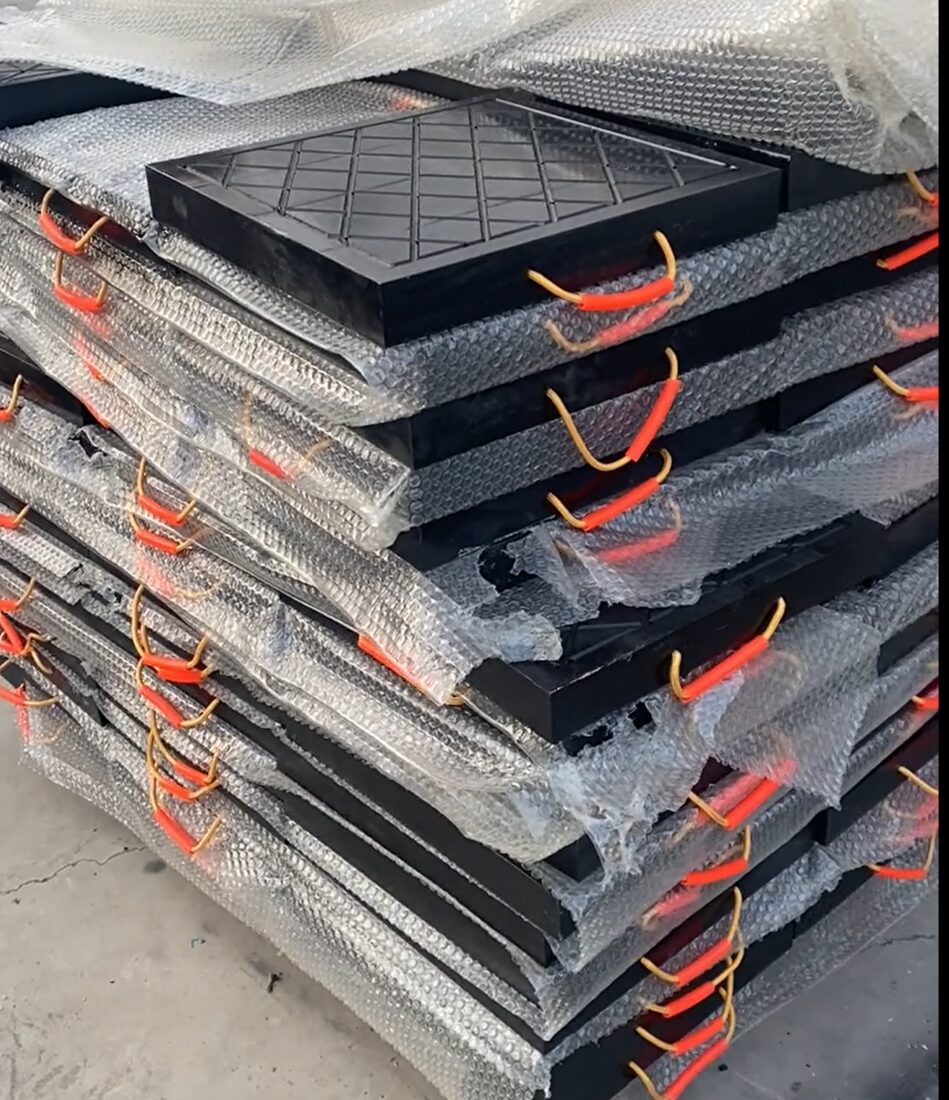
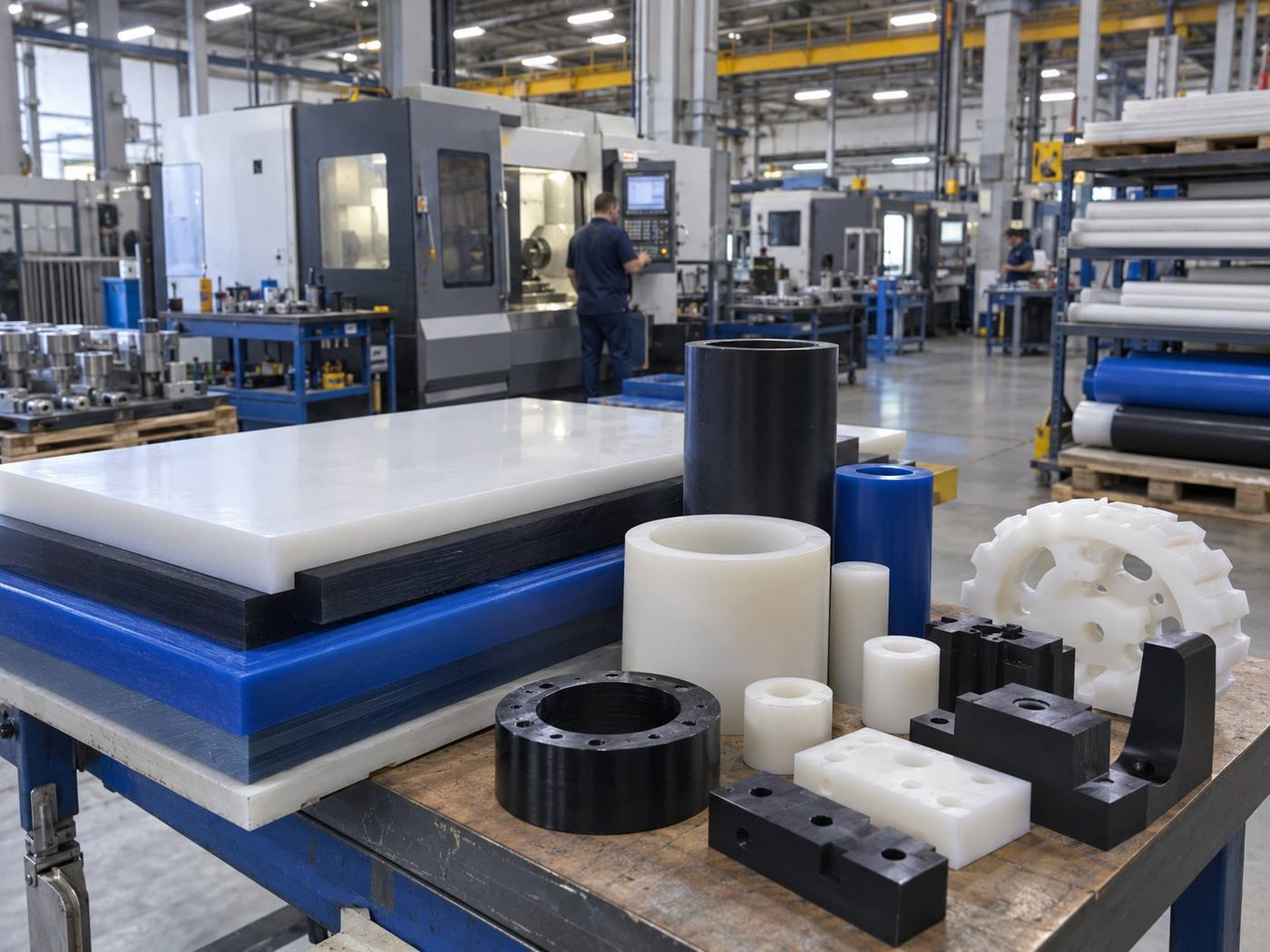
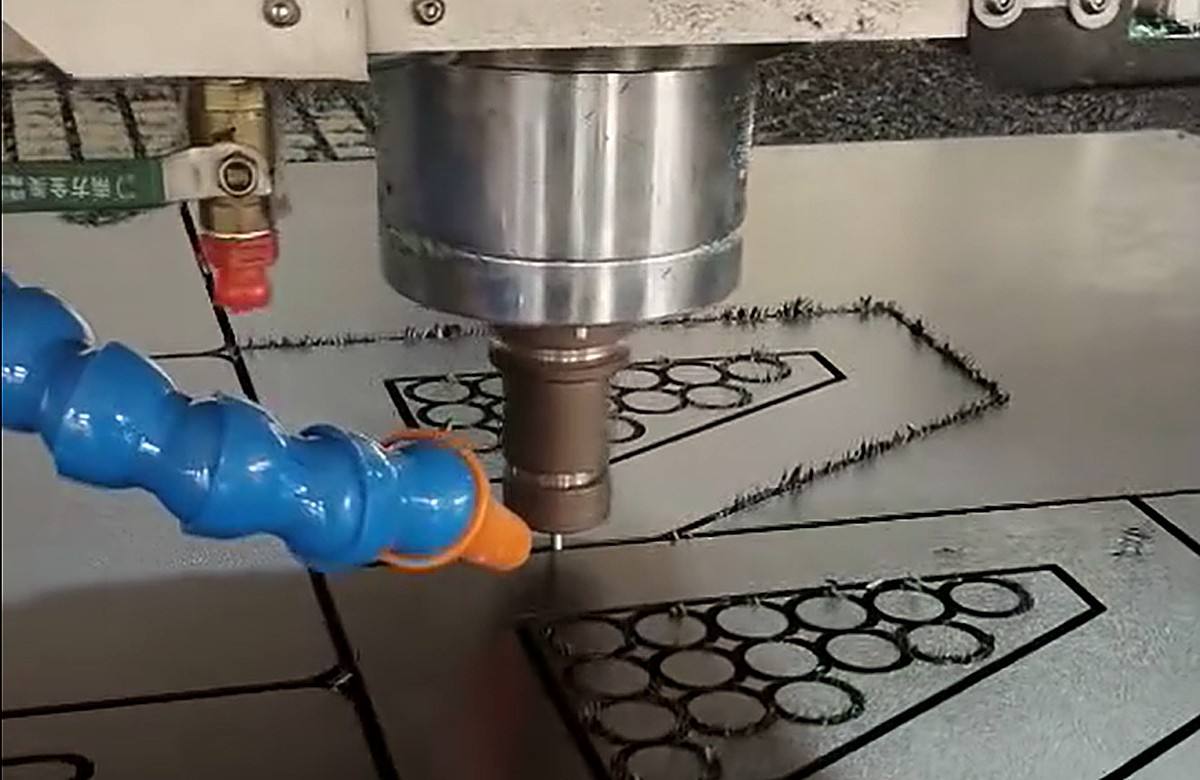
02Crane Outrigger Pads Processing and Inspection
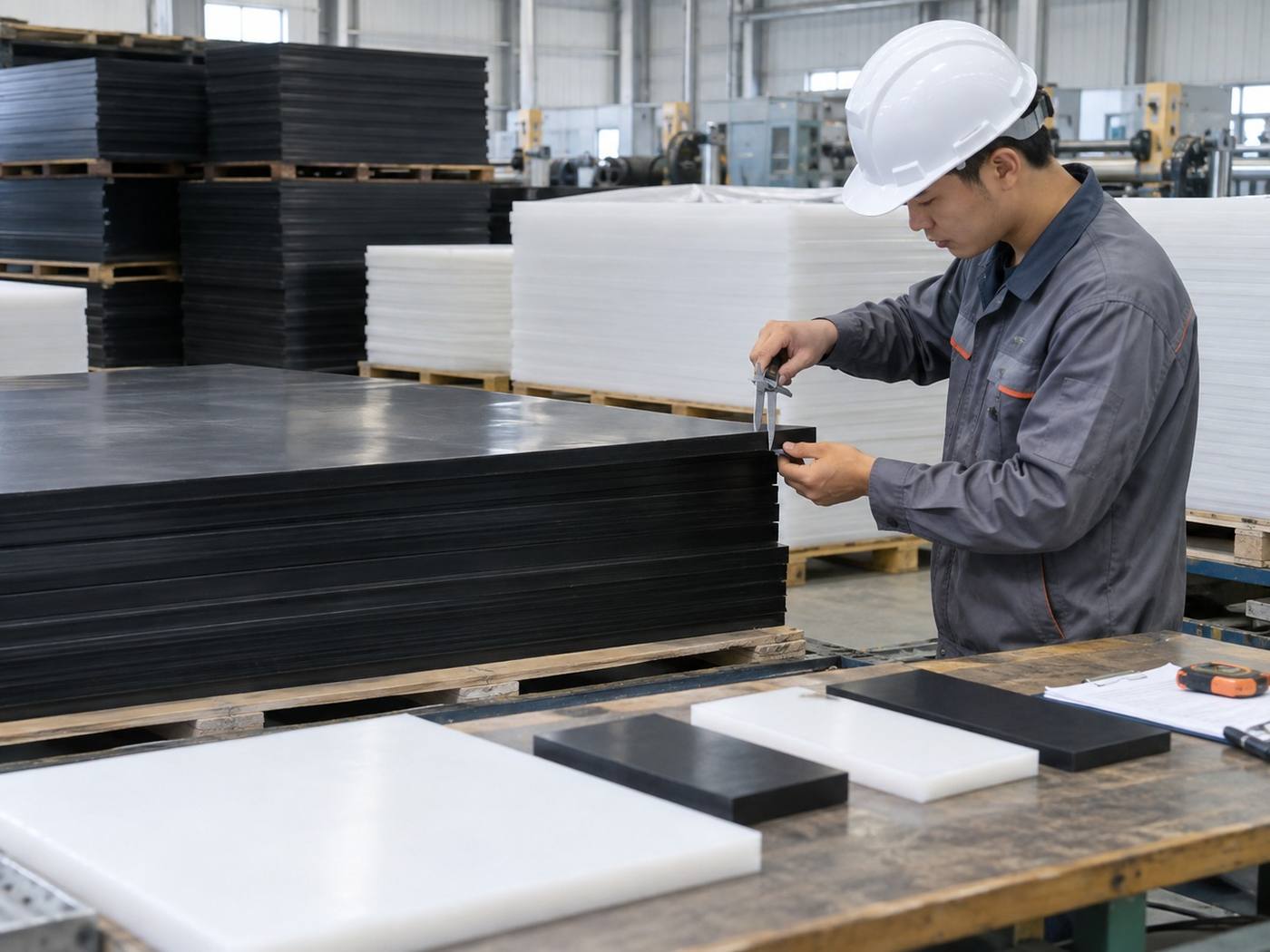
CNC processes, surface structural checks, attachment configurations and packagings showing circles, squares—Outrigger Pads.

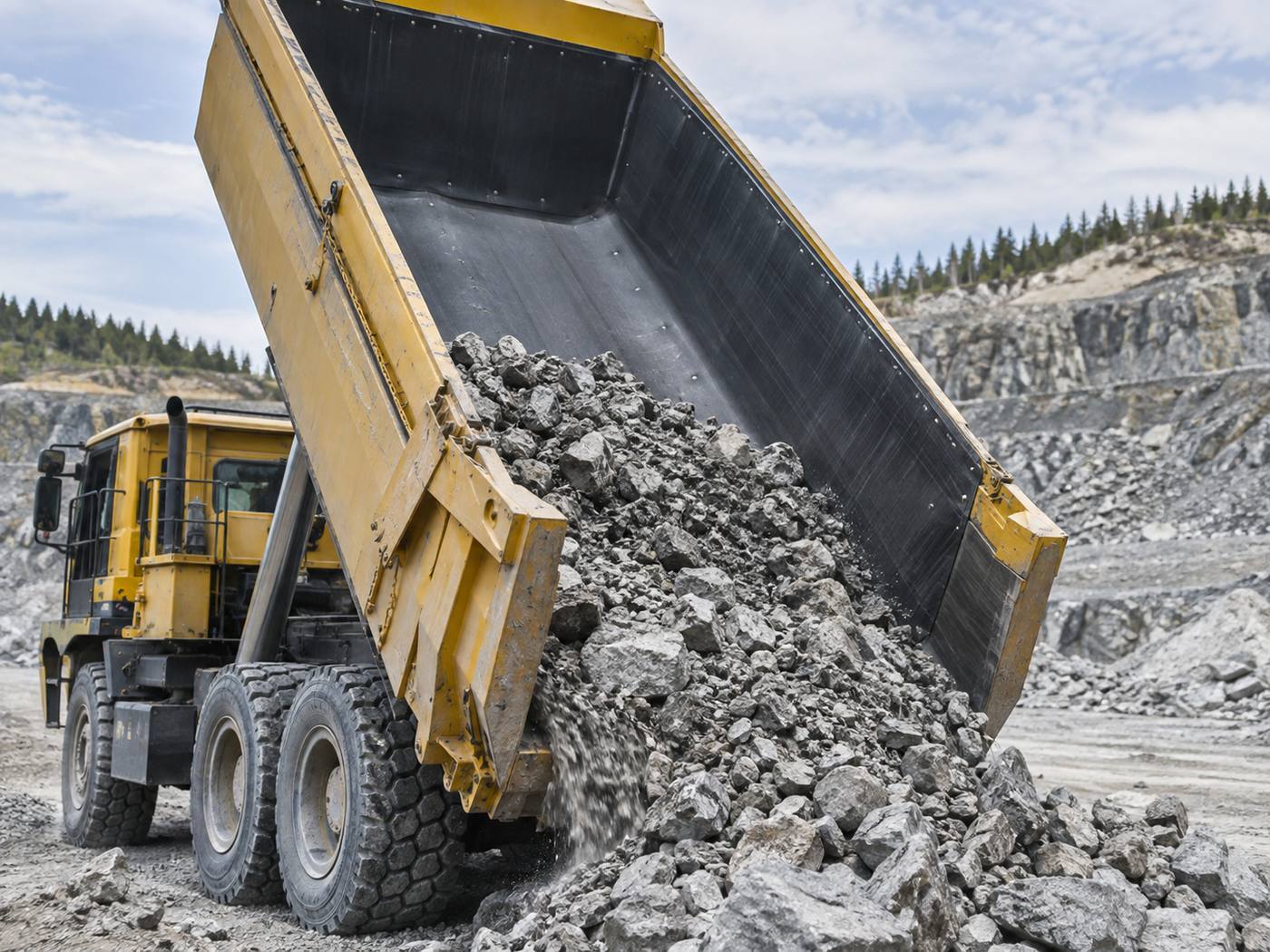
03Dump Truck Bed Liners- Manufacture and Customisation
Prepare the plates according to the type of vehicle, the size of the vehicle and the transportation material, the calibration, the pore review and the packing delivery.
Information proposed before request for quotations
The more complete the information, the easier it is to quickly determine the appropriate size, thickness, structure, quantity and customization.
- Type and weight of vehicle/equipment
- Ground type versus hardness
- Length, width and turn of route
- Projected number of acquisitions
- Port of destination/delivery area
Need for agriculture, rangeland and plantation project programmes?
We continue to assess the actual conditions of work for the distribution of site photographs, equipment/vehicle parameters, application conditions, quantity and port of destination.
Industry application cases
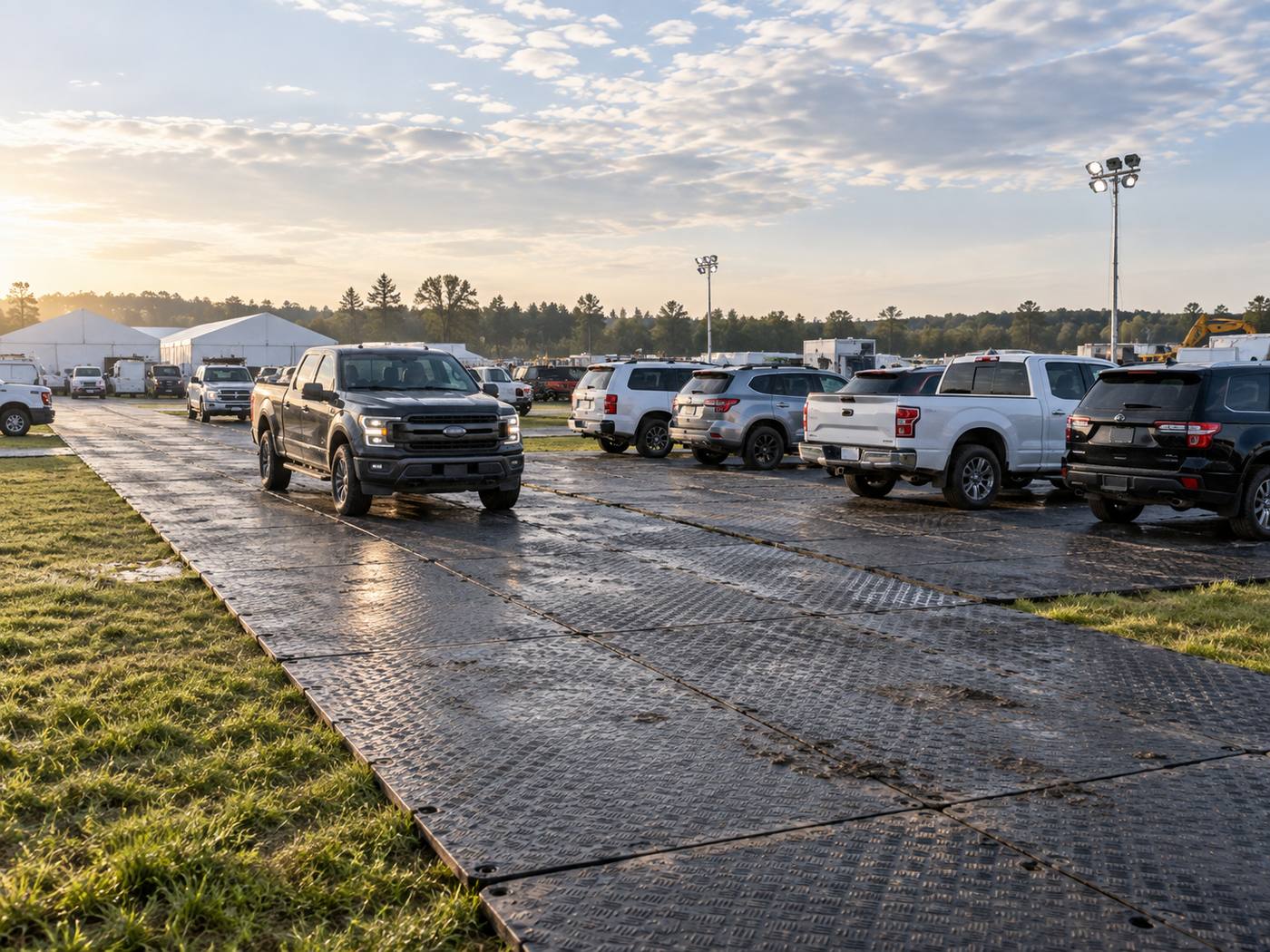
Browse the typical applications of Ground Protection Mats-, Dump Truck Bed Liners- and Outrigger Pads-- in different industries, click on pictures to enter the corresponding industry pages.
Construction & Infrastructure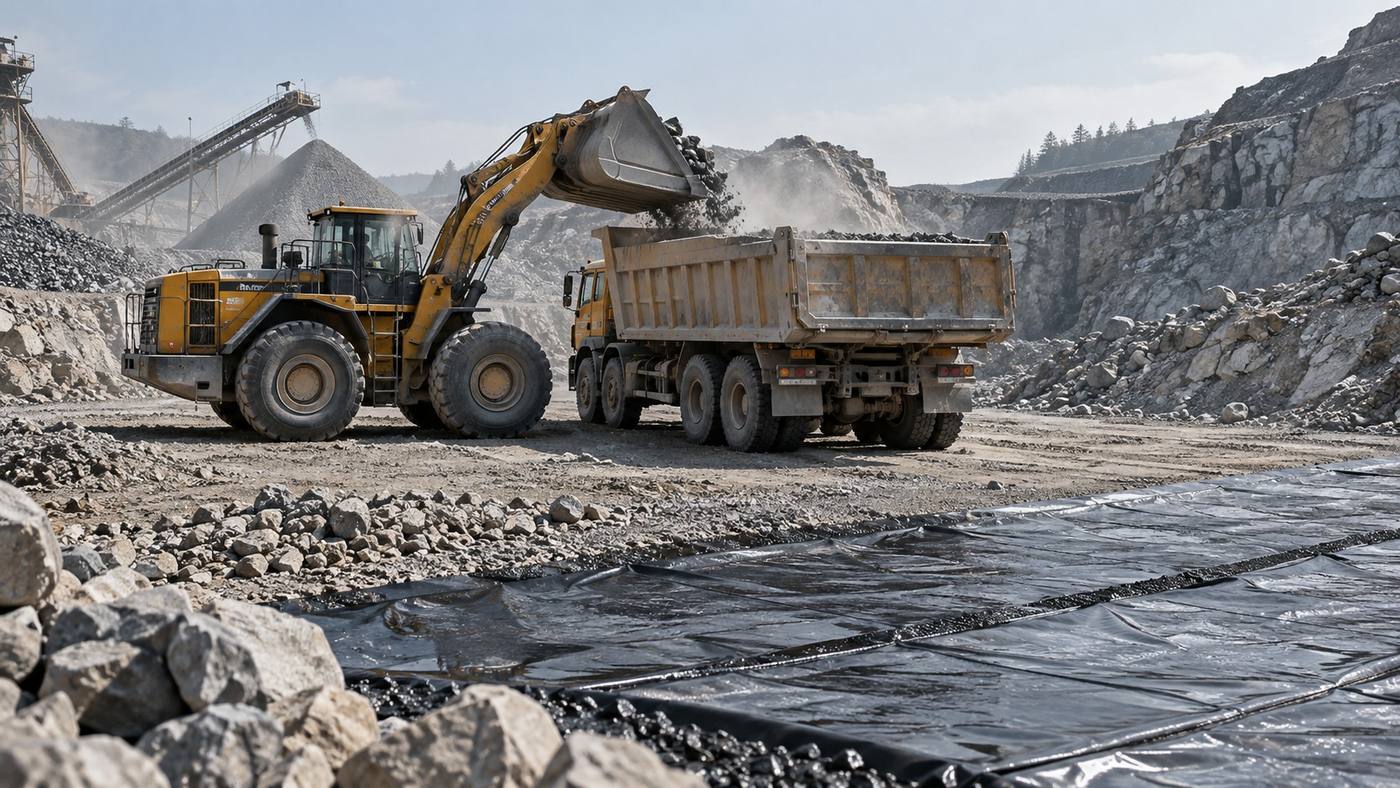 Mines, quarrying and drilling
 Agriculture, plantations and forestry
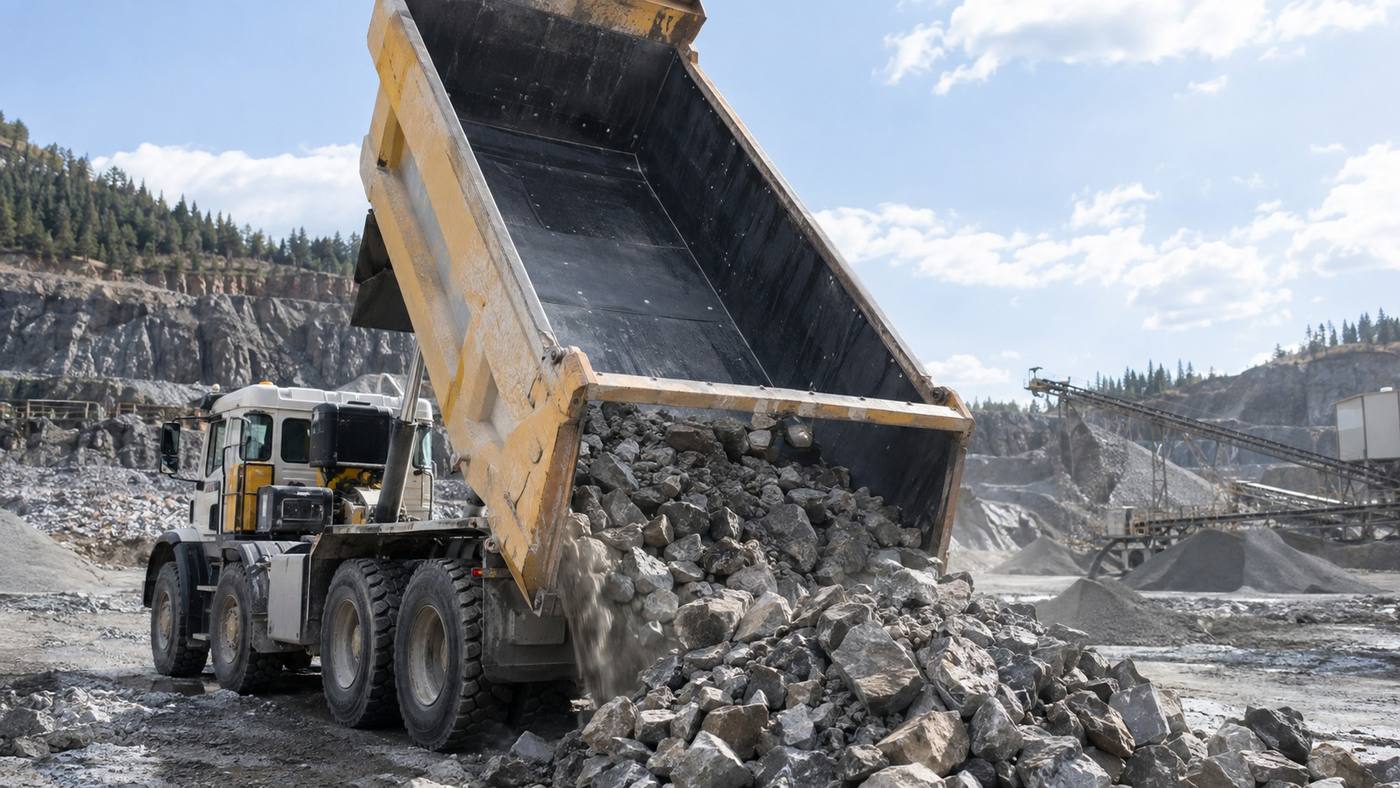 Transport fleet and self-loading vehicles
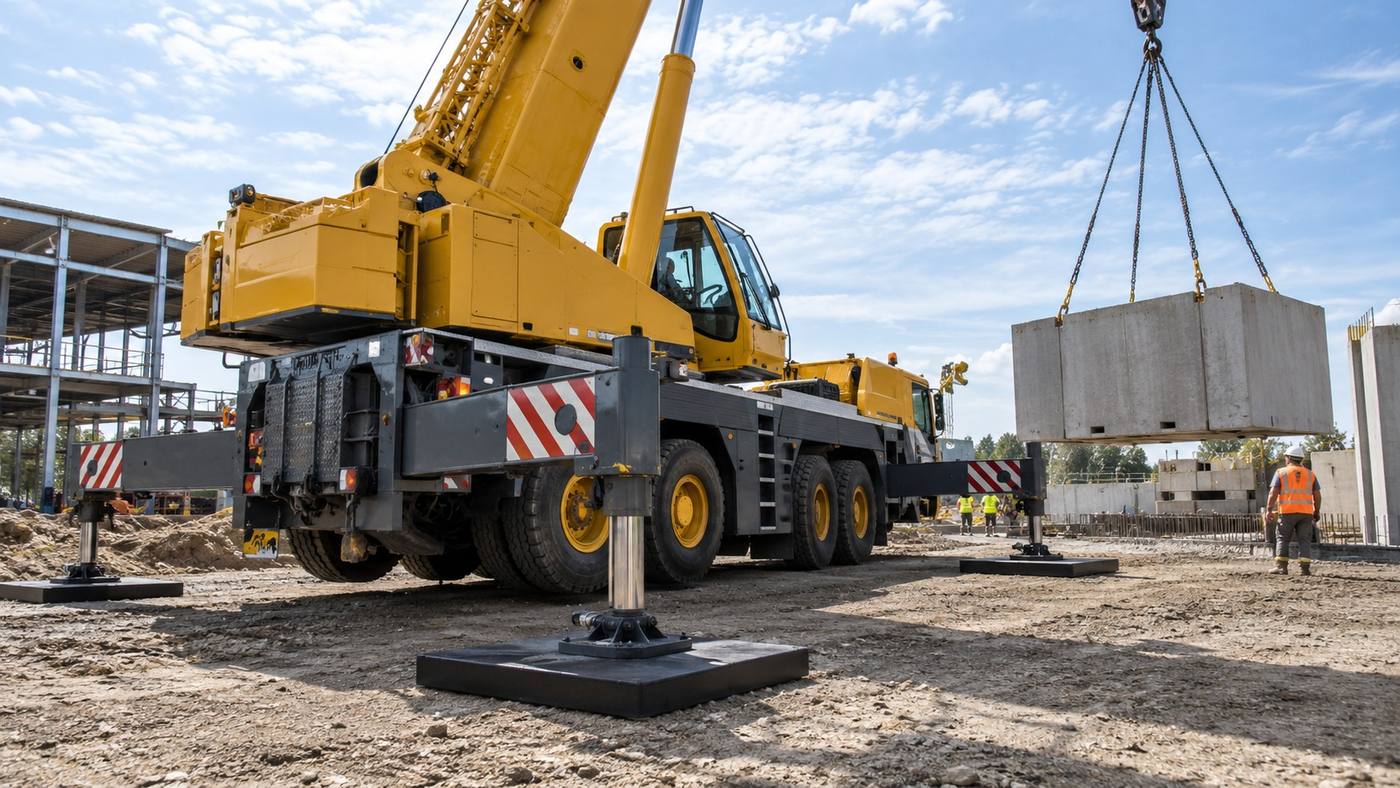 Lifting and lease of equipment
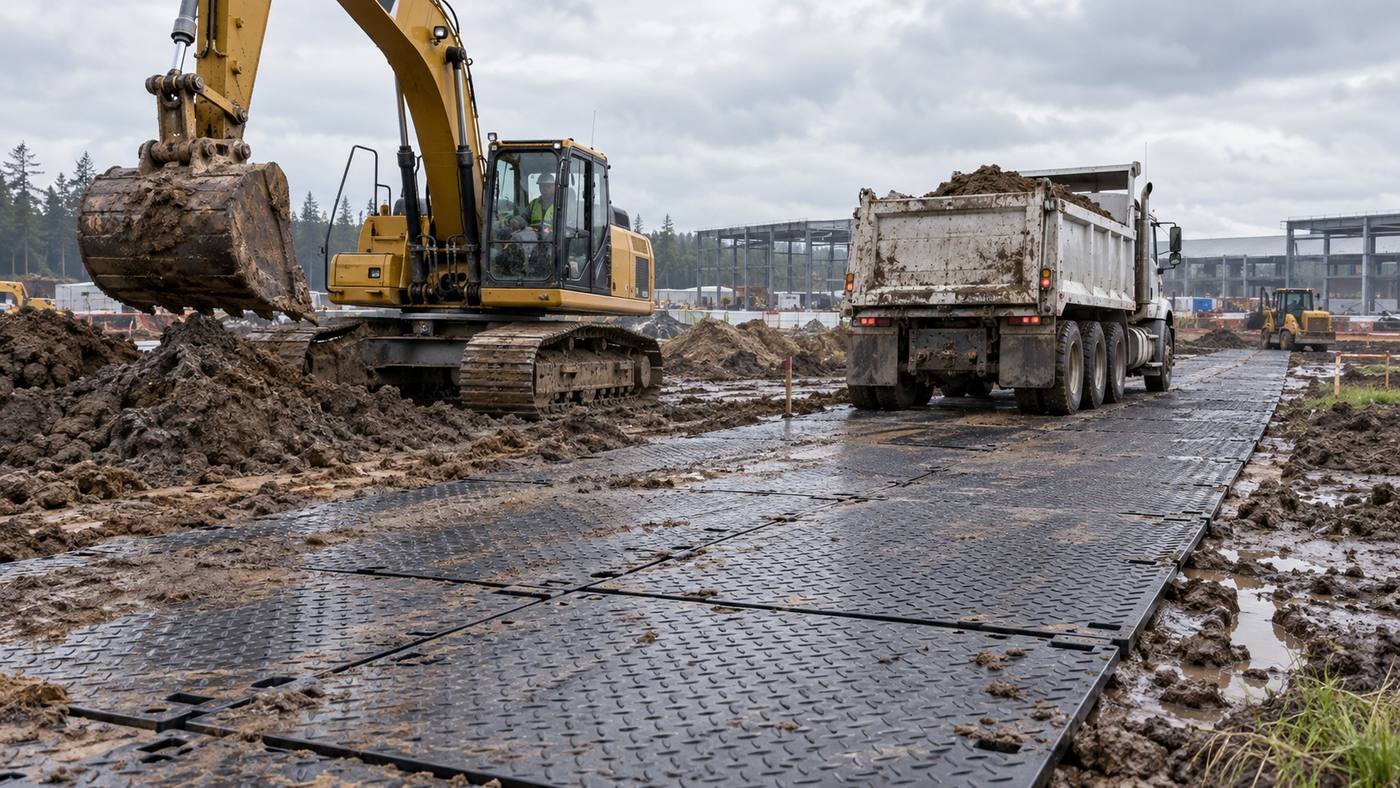 Energy, electricity and new sources of energy
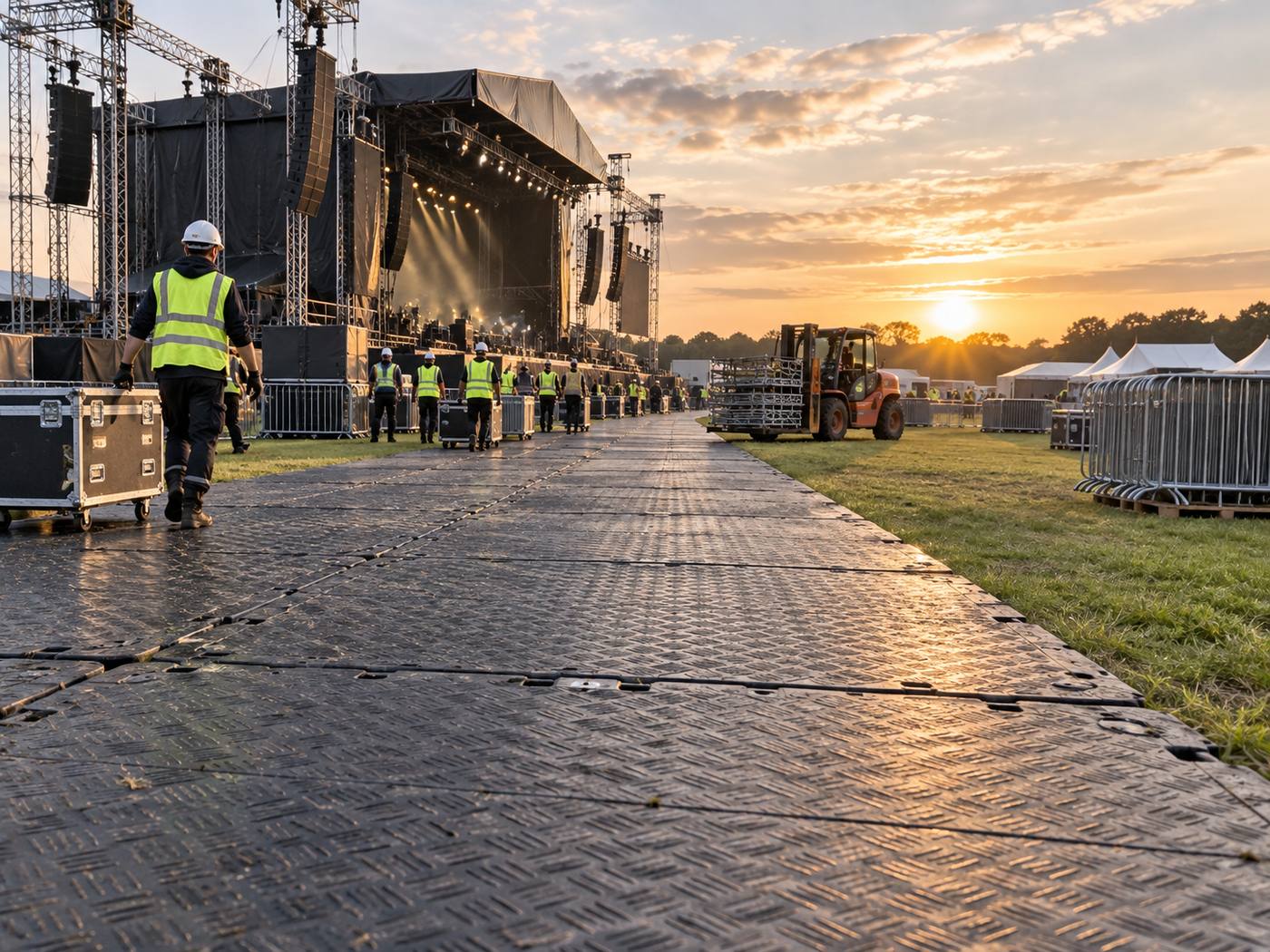 Events, performances and temporary venues
 Ports, logistics and industrial sitesConstruction & InfrastructureMines, quarrying and drillingAgriculture, plantations and forestryTransport fleet and self-loading vehiclesLifting and lease of equipmentEnergy, electricity and new sources of energyEvents, performances and temporary venuesPorts, logistics and industrial sites