
The construction road usually consists of a variety of layers, backfills and temporary pressure areas, with significant variations in carrying capacity following changes in water-bearing rates.(a) On the surface, where the surface appears dry, the vehicle may still have pump slurries, bells and tires slid several times after passing;There are also local holes around the base pits, the backbands of the ditches and the wellheads.The temporary provisioning after a car crash is likely to result in higher road repairs, obstruction of drainage and tattering of vehicle chassis.The project should indicate weak belts, underground installations and drainage directions before entering the field, arrange for a trial stretch in conjunction with maximum axle loads and daily sub-carriages, and continuously observe plate landings, faulty interfaces and grass-roots changes.In response to “sinkability in the vicinity of soft soil, refill areas and base pits after rain”, construction and infrastructure projects should also include the results of inspections in the pre-class confirmation and handover records, specifying who is responsible for release, who is responsible for inspection, what deposition or relocation must be discontinued.Retroactive recording of photographs, measurements and usages will make it possible to distinguish ground-based changes, operational deviations from product damage and avoid repetition of the same problem between different groups.
Construction works and infrastructure site applications
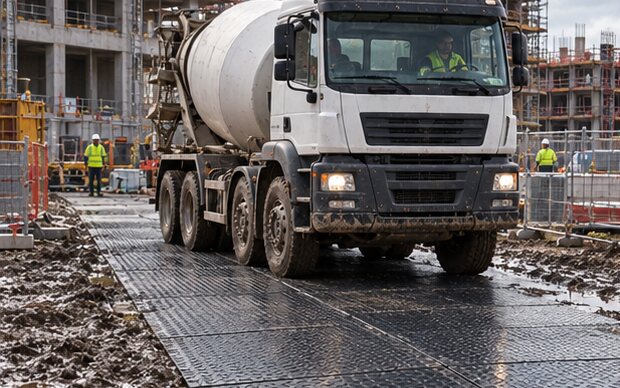
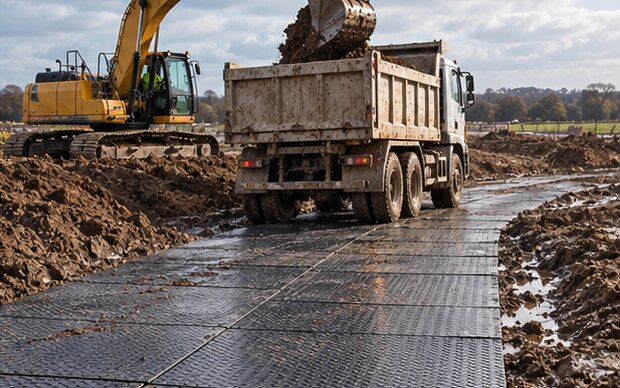
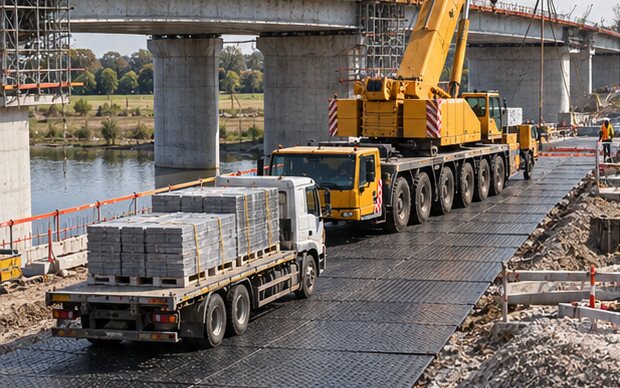
Common project applications for construction works and infrastructure
Description of the business processes, vehicle equipment, ground conditions and the project cycle.
The construction and infrastructure projects cover the earth-drilling, base pits, plant construction, road and bridge, underground pipeline networks, concrete-stretched construction and large-scale equipment installation.Early on, the project often does not yet form a permanent road, while slag vehicles, concrete tankers, tracked equipment, car liftings and materials transport vehicles require continuous access;The rain is followed by soil filling, clay or bare foundations, which are prone to traffic patterns, sinking and local slurries.The temporary access system not only allows vehicles to reach their operational points, but also combines turn radius, meeting position, ramp connection, drainage direction and underground pipeline protection.
During the main construction and electrical installation phase, the surface, grassland, lawn or waterproofing floor may have been completed, but the suspension, curtain wall, steel structure, crew and materials still need to be entered.At this point, the focus of project management has shifted from “accessibility” to “how to move and sustain without undermining the finished product”.It is common practice to set up separate protection programmes along the main transport routes, offload areas, crane stations and high frequency junctions, and to arrange for the thickness, width and connectivity of the sheet according to vehicle axle load, tyre ground pressure, traffic frequency and ground-based load differences.Dismantling also allows for clean-up, re-location and reuse.
Common Issues
In the case of construction work and physical infrastructure, the reasons for its formation, possible impacts, inspection priorities and management methods are described separately.
Forklifts, pumpers, tankers, semi-mounted vehicles, tracked machines and personnel passages may be present at the construction site at the same time, with different vehicle rotations and shifts different from load concentrations.Heavy car turns can produce horizontal cuttings, tracked equipment can cut the concrete floor, and forklift wheels may concentrate pressure on sews or weak ground.If the route does not distinguish between one-way, car encounters and loading areas, the damage will be further amplified by repeated vehicular reverses during congestion.Managers are required to define the width of the route by vehicle type, limit the rapid and in situ movement, increase the frequency of inspections at entrances, bends and loading points, and maintain a record of the finished product protection of the floors, pipes and waterproof layers.
The total weight of a car hanging, pump, high-altitude operating vehicle or hanging with it cannot directly represent the actual reaction of a single leg.The range of the operation, the direction of the rotation, the length of the arm, the lifting and the levelling of the equipment will leave a particular leg with a higher payload for a short period of time;Where the bottom is a back-filling tank, top of the basement, close to the well cover or on the slope, a lack of local load may lead to the sinking of the mat and the tilting of the equipment.On-site data on the reversibility of the legs or the manufacturer of the equipment are required to confirm the size of the original foot, the ground allowed pressure and the position of the underground structure and to re-establish the level after each shift.In the event of rainfall, earth disturbance or continuous suspension, the plate is reviewed for deviation, cracking or being emptyed by mud.
Solution Recommendations
The route, the grass-roots, the support or the unloading of the material is addressed first, and the corresponding products are recommended according to the work situation.
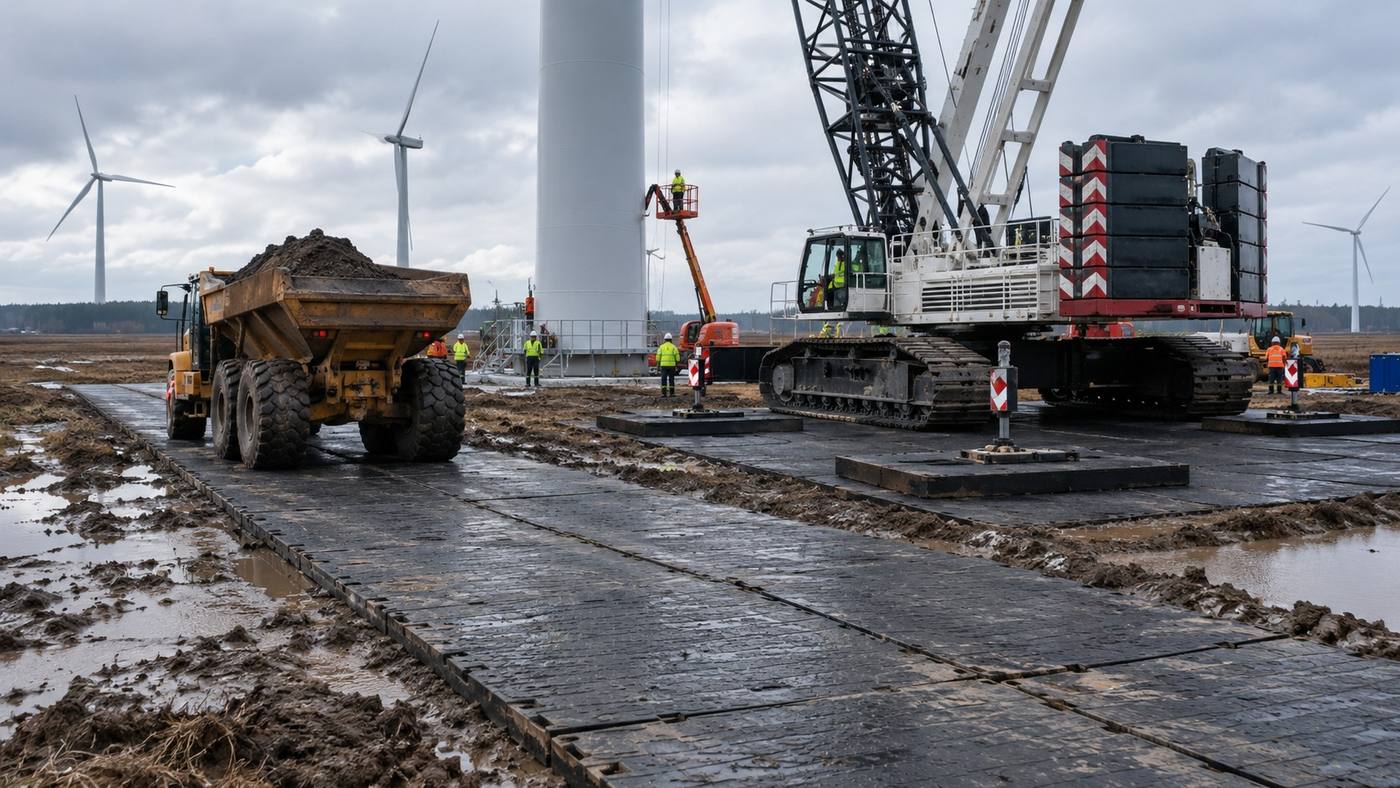
The solution should be to transform the construction plan into a physical vehicle-equipment route: marking the entry and exit, main route, feeder, loading point, latency, backfilling belts and a ban on areas, and to determine the scope of the laying based on the maximum vehicle axle load, the number of daily round trips, the water content of the base and the expected life cycle.Weak grass-roots first to drain, level out and make the necessary level of distribution, then to lay forward and lock the connectors from the stabilization end;Additional patrols should be conducted in bends, ramps, plates and high-frequency loading and unloading areas.For completed floors or landscapes, additional layers of isolation can be added and the vehicle can be rapidly rotated and removed in sequence to avoid towing or tearing into finished products.
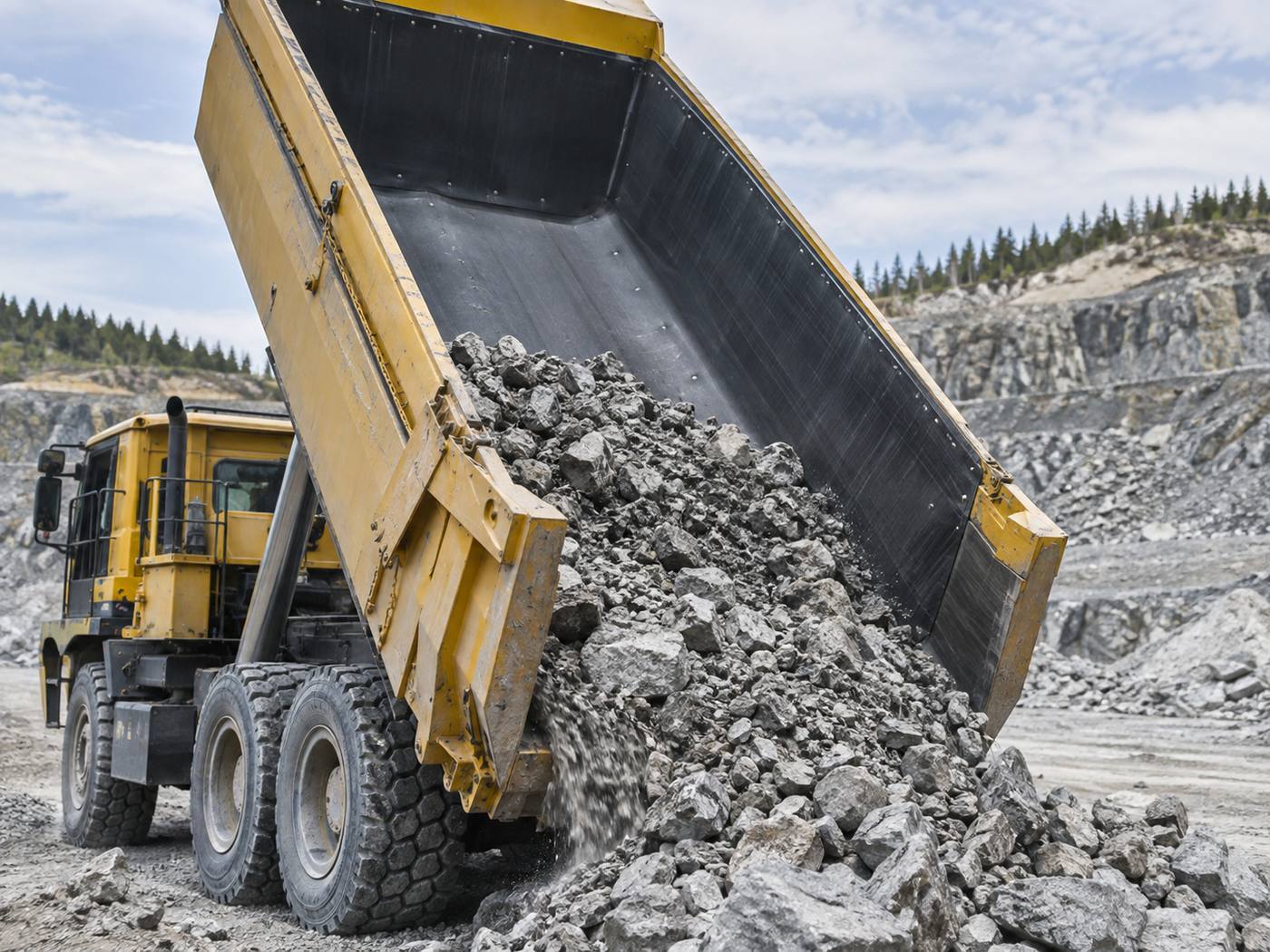
(b) In product configuration, HDPE-Ground Protection Mats- is given priority for main transport routes, temporary access routes and surface protection of finished products, and 15, 20, 25 or 30 mm thickness and required width is assessed on the basis of vehicles, foundations and frequencies;The position of the legs of the vehicle crane, pumper and high-altitude operating vehicle shall be determined by a single-legged reaction and a permissible surface pressure, followed by the selection of the Crane Outrigger Pads size and thickness.If the project involves large quantities of slag, wet clay or gravel transport, the self-loading vehicle could be equipped with UHMWPE Dump Truck Bed Liners—, less sticky material and repeated knocks on the car.The three categories of products should address the issue of “cross-the-front” “point support” and “off-shelf” respectively, and not replace all the work with a single specification.
Ground Protection Mats
For the establishment of temporary vehicle access, protection of the original ground and dispersion of the wheel; specific thickness, size, texture and connection will be determined by vehicle and base level.
Crane Outrigger Pads
For the purpose of increasing the area of the foot exposure and reducing average ground pressure; must be calculated in conjunction with maximum single-leg reaction, original foot size and a permissible ground pressure.
Dump Truck Bed Liners
For the improvement of viscous bulk material discharges and the protection of carriages; materials, thickness, fractions and fixed structures need to be customised to materials and carriages.
Manufacturing
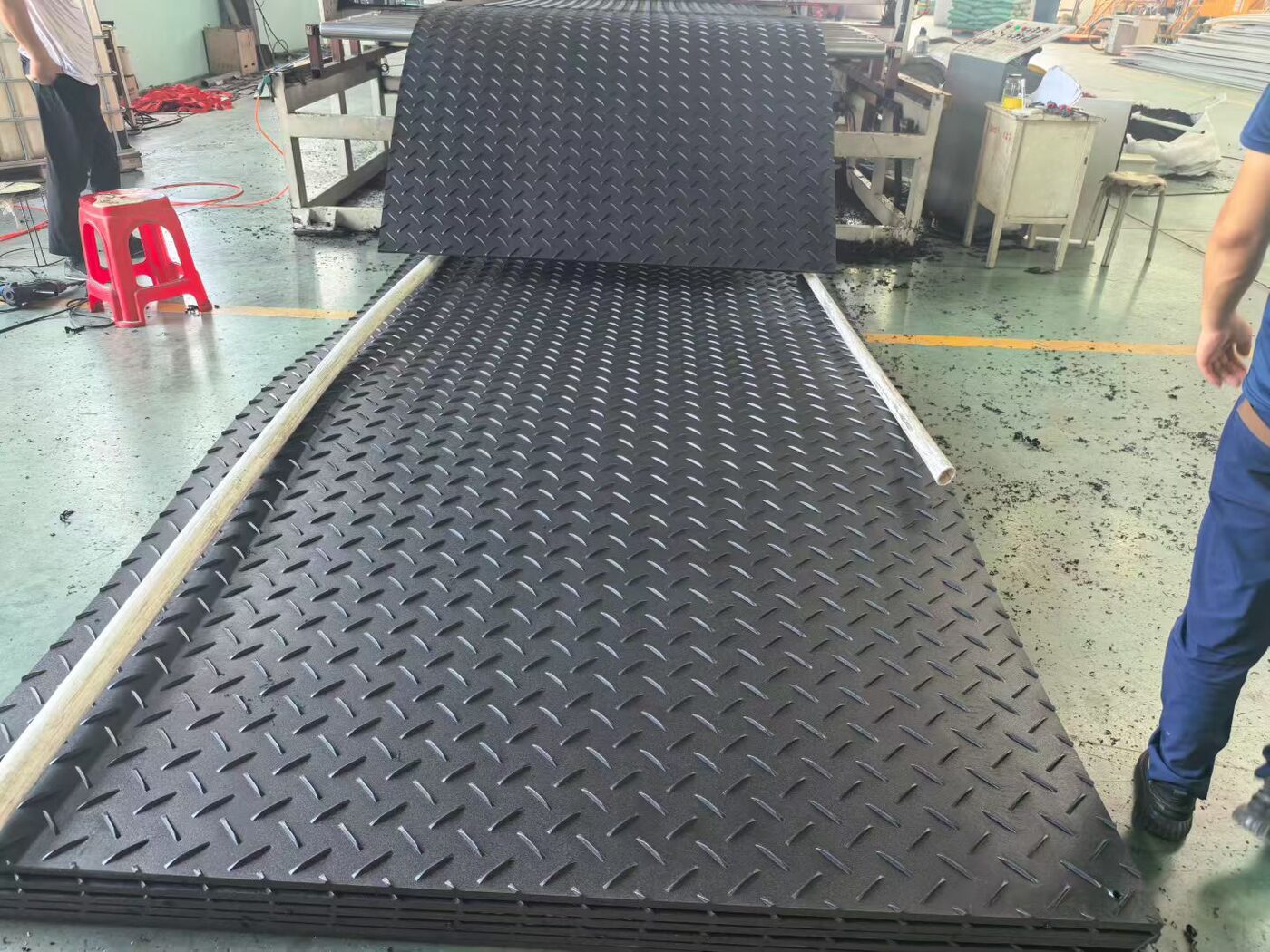
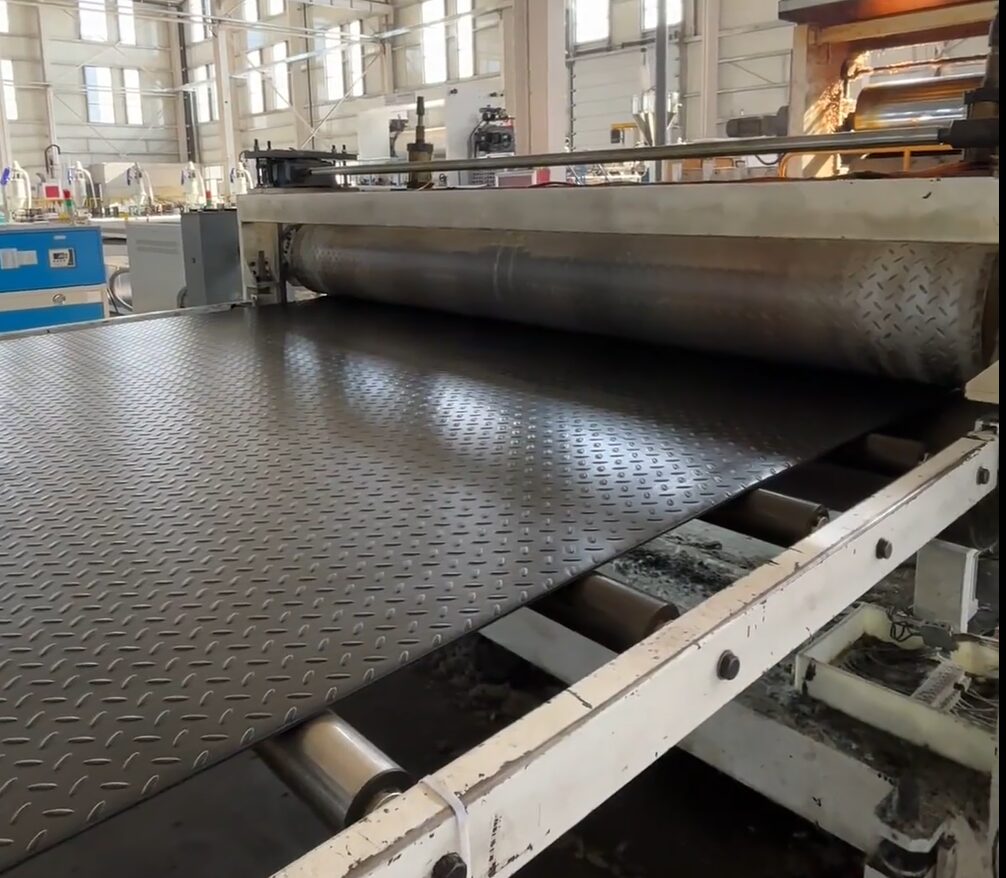
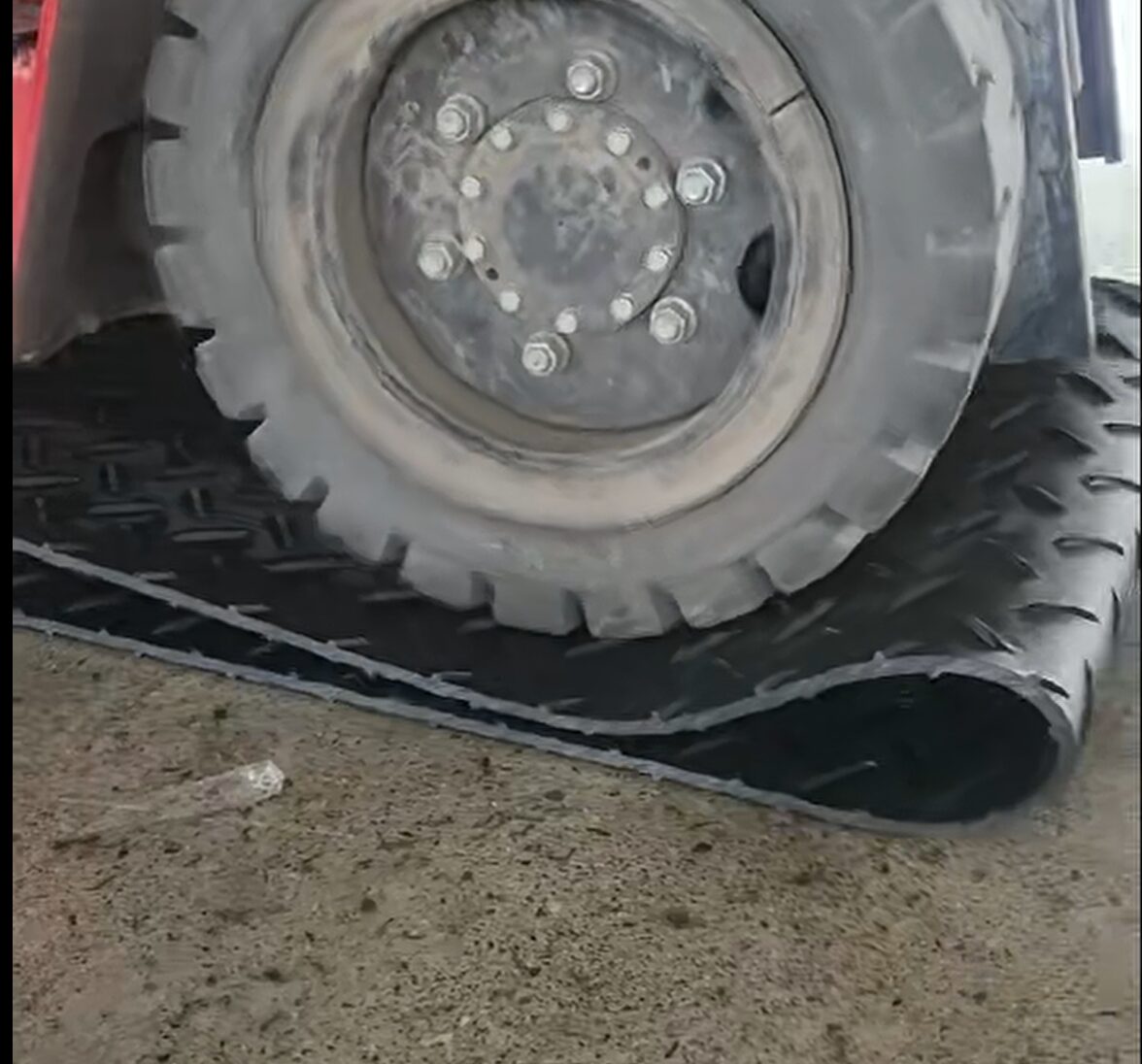
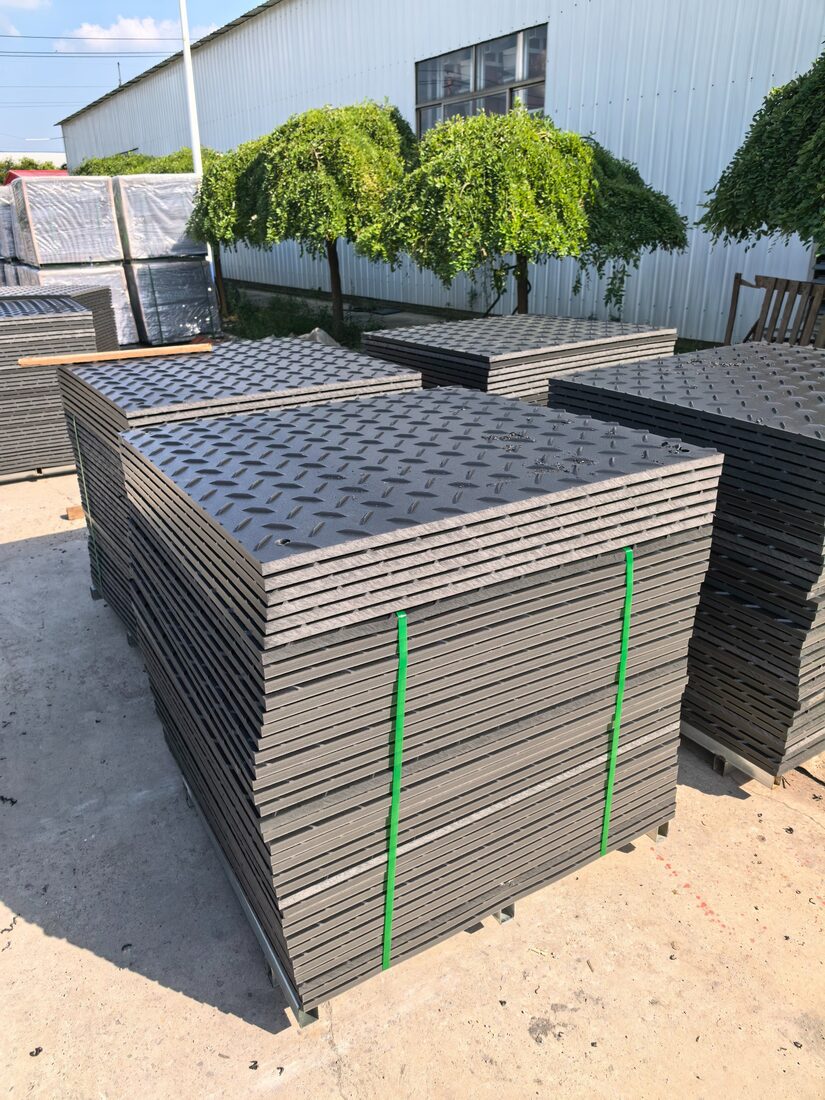
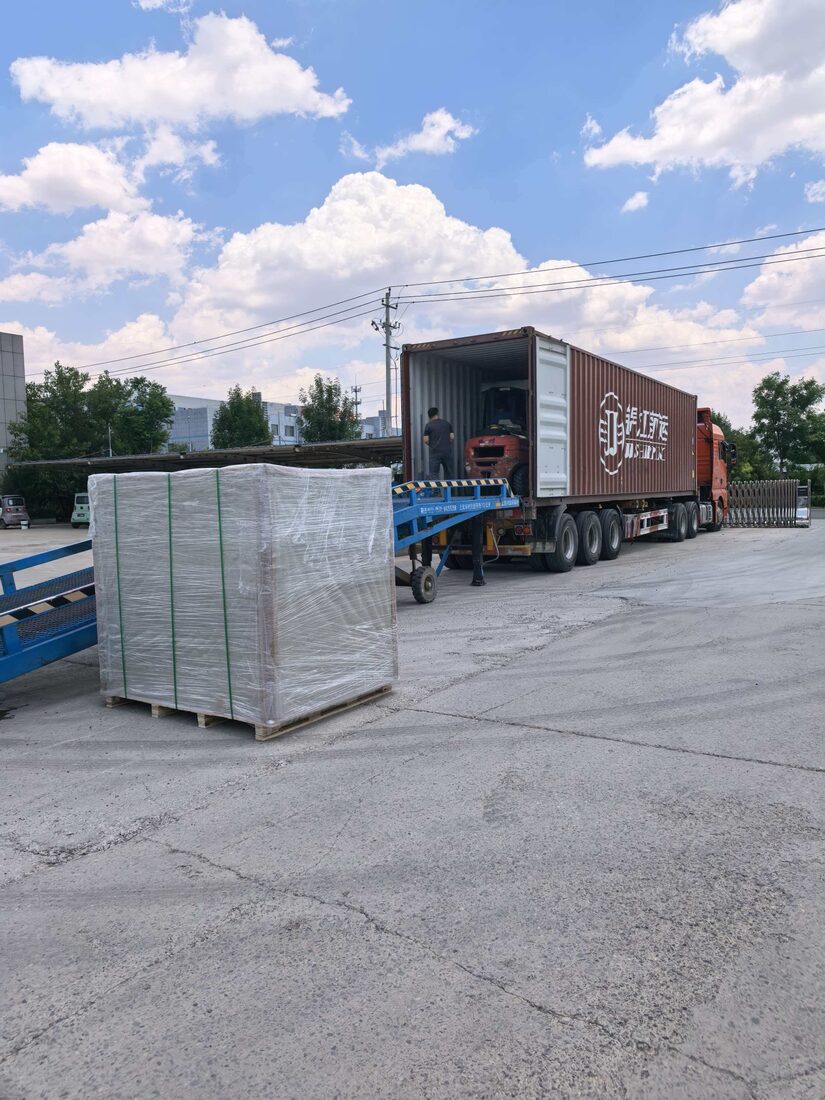
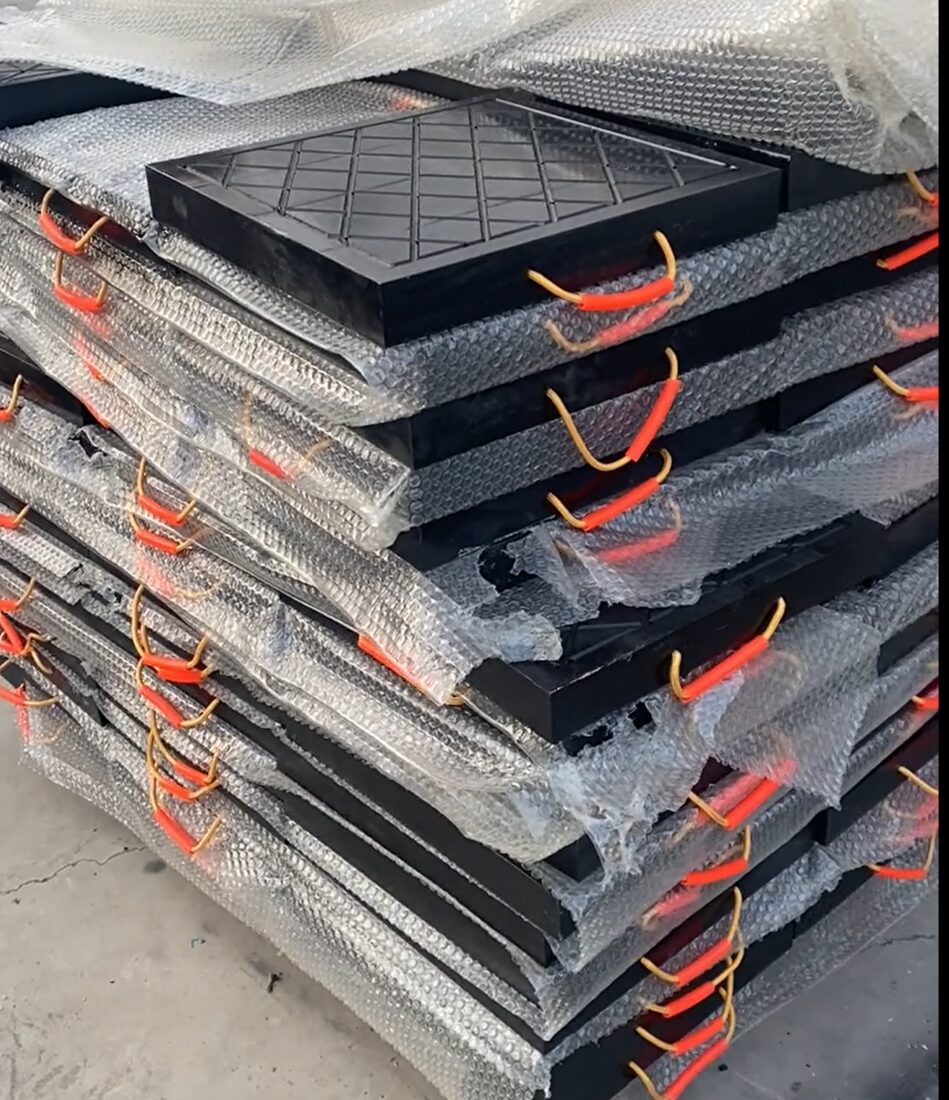
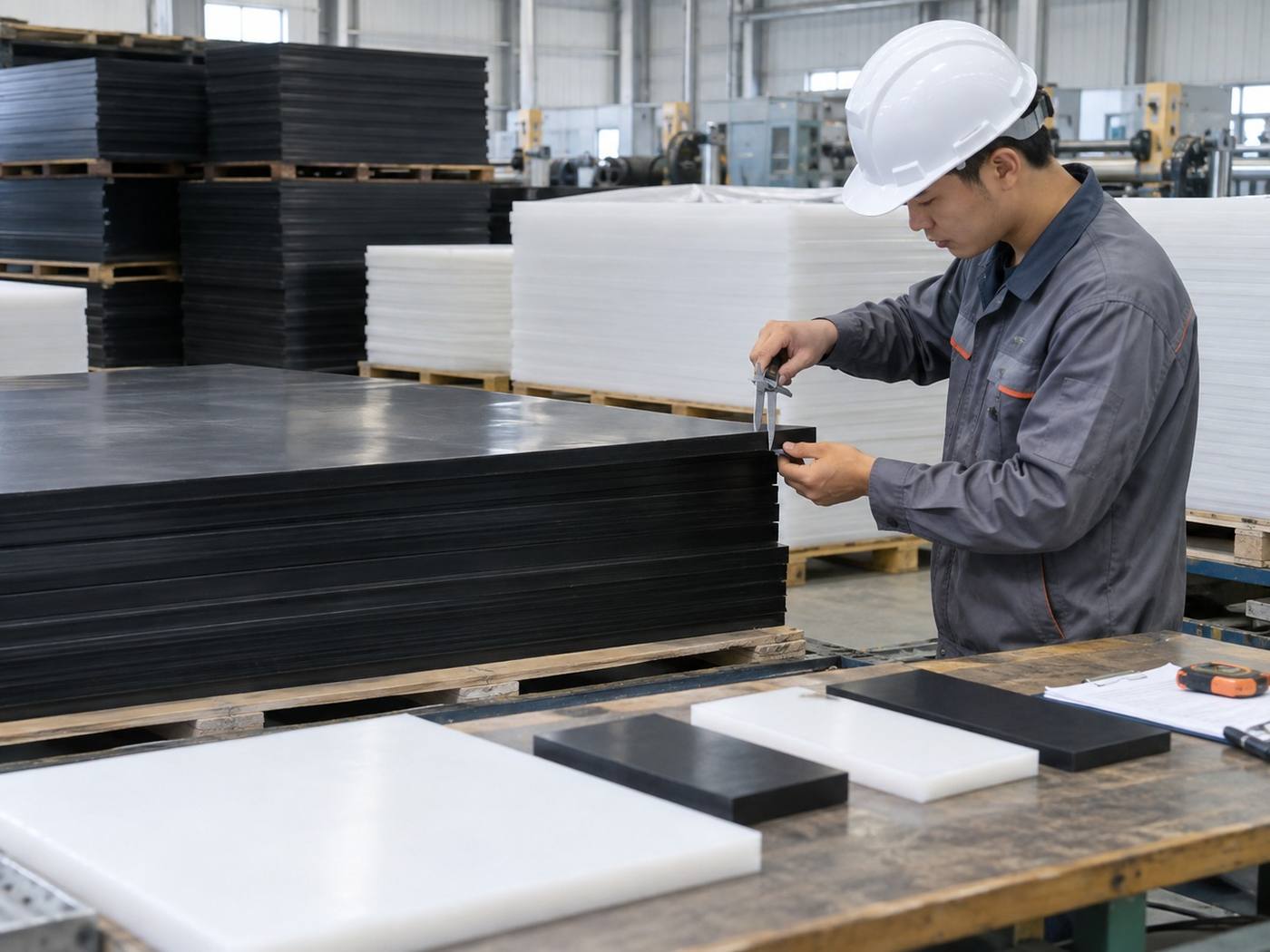
01Ground Protection Mats Production and bulk delivery
From smooth-truck road formation to vehicle load validation, to mass stacking, packaging and loading.
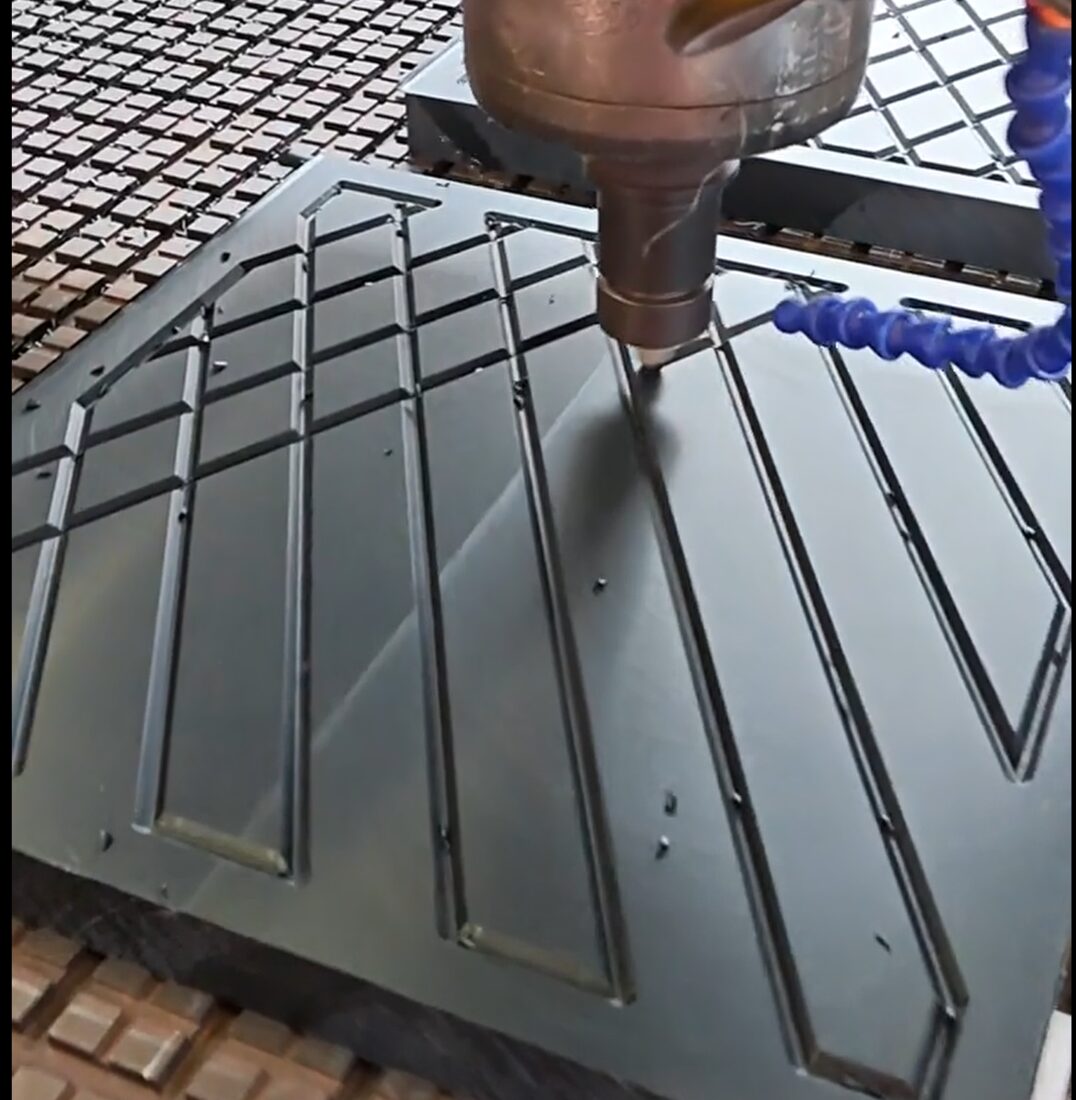
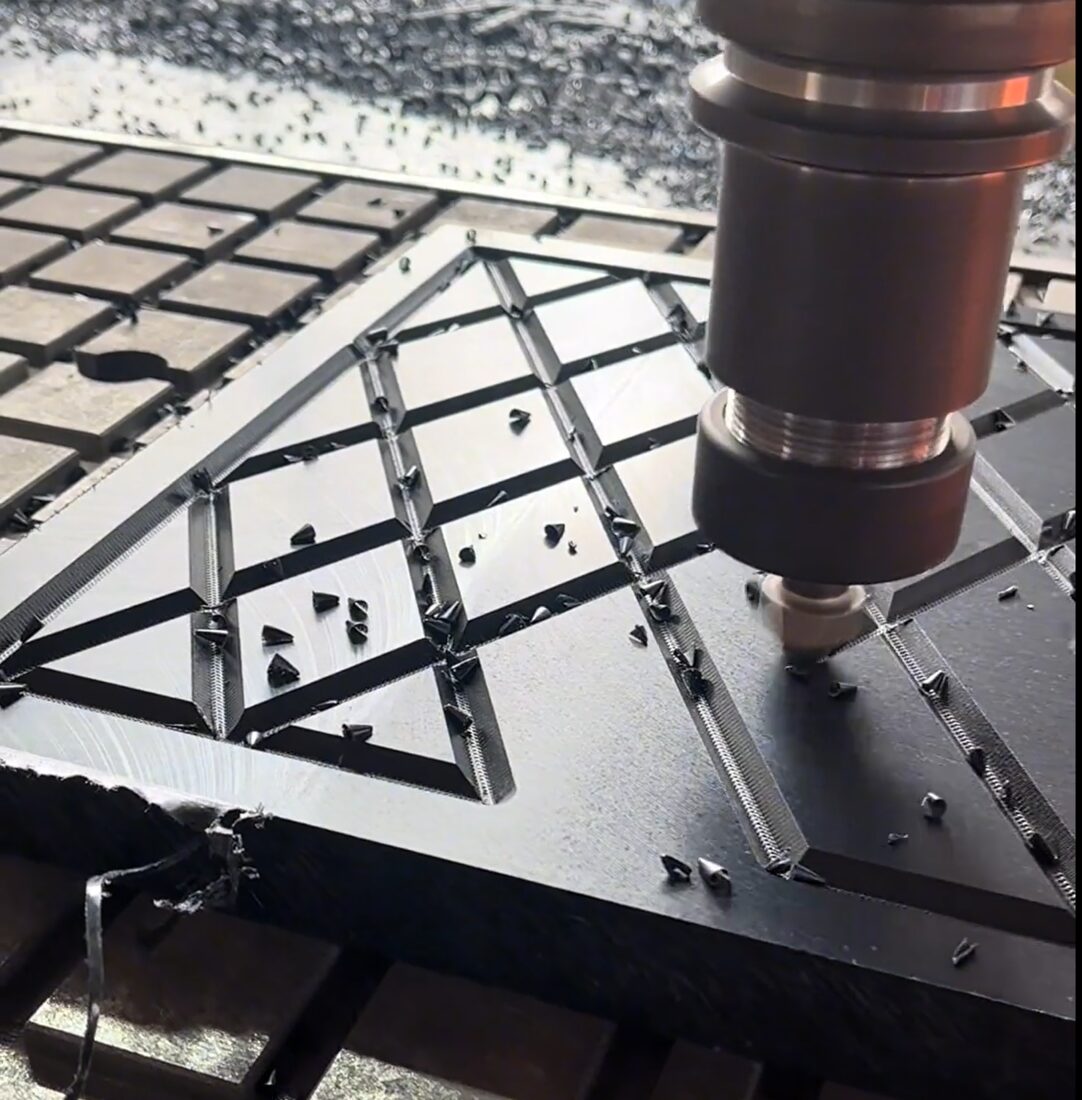
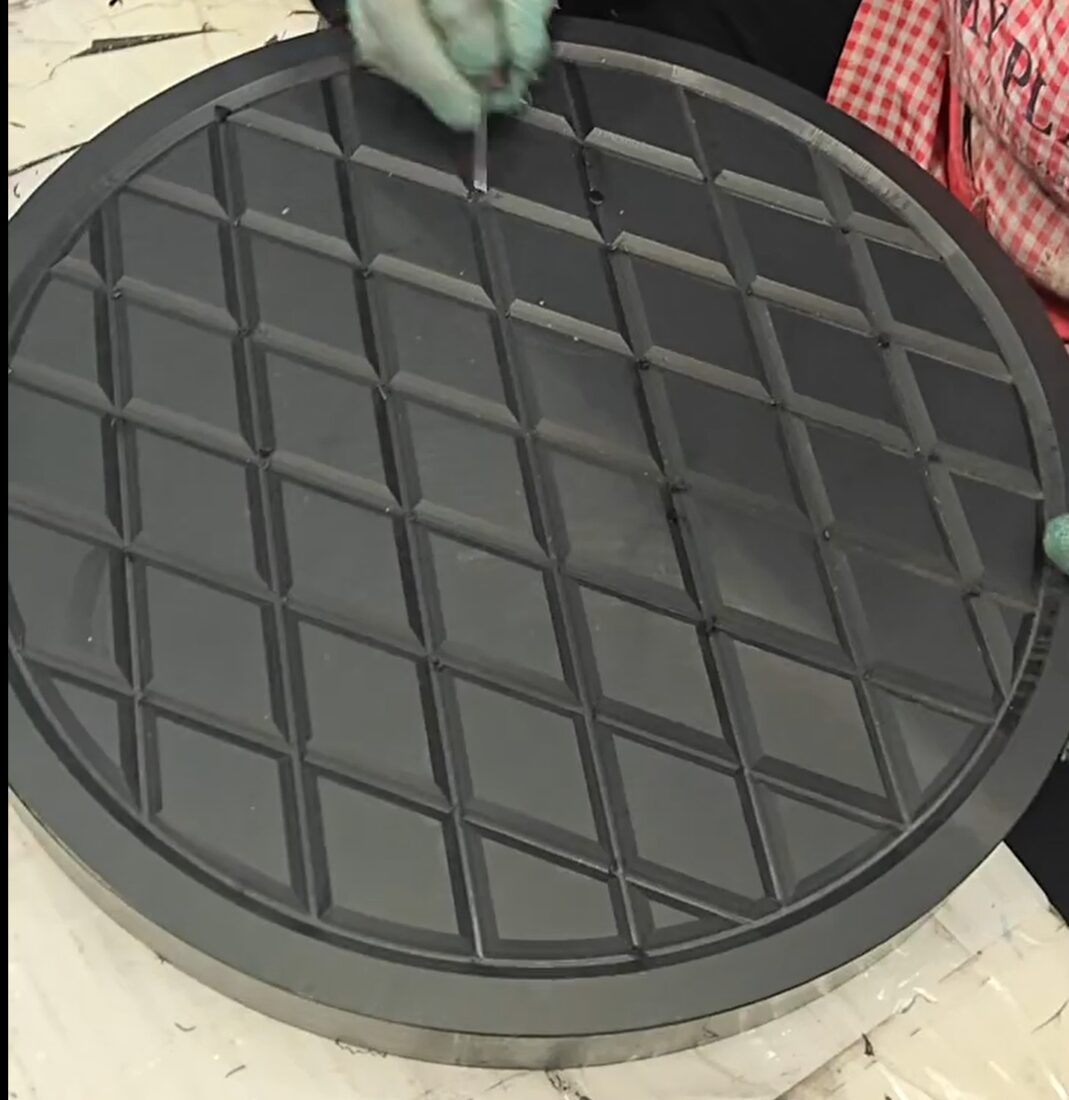
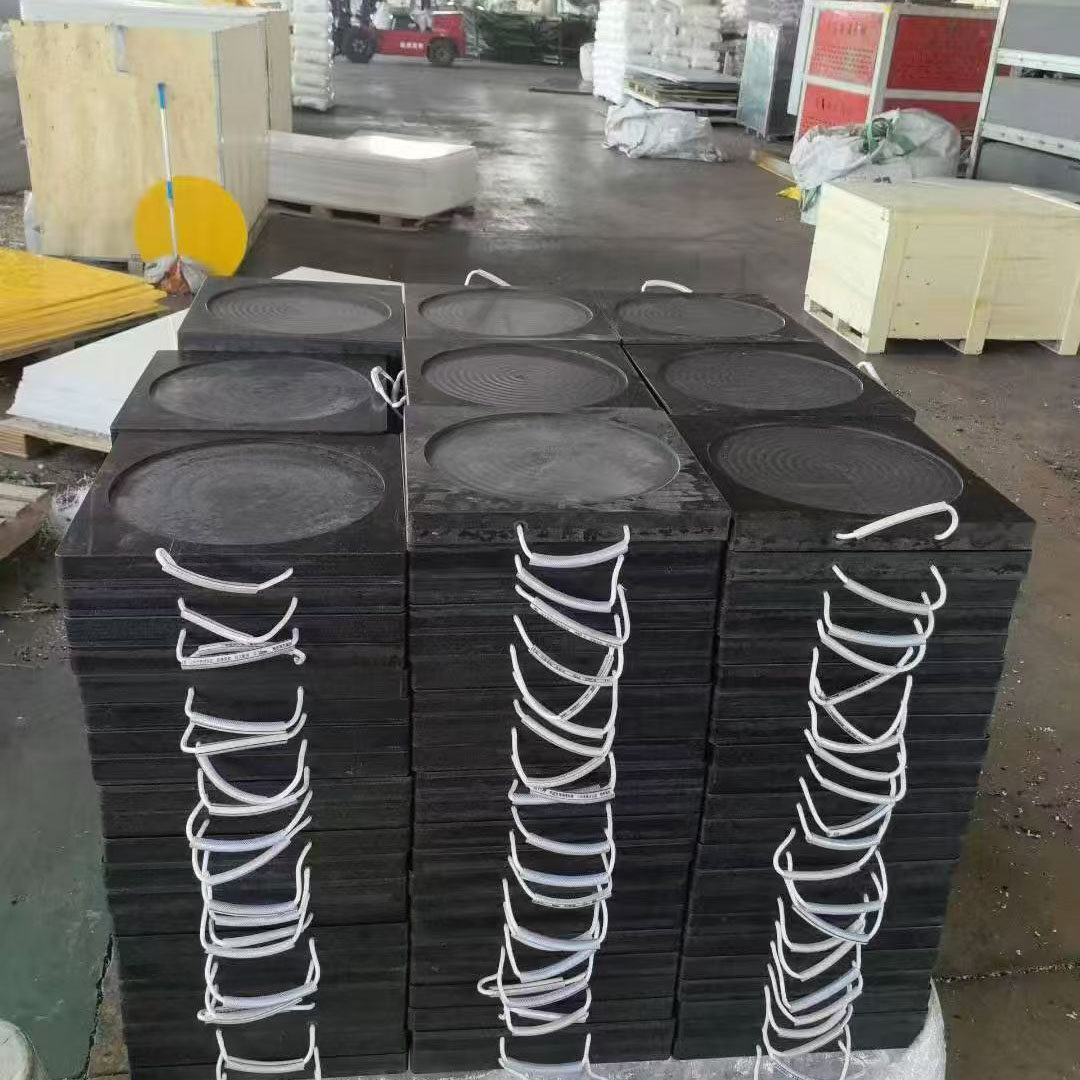
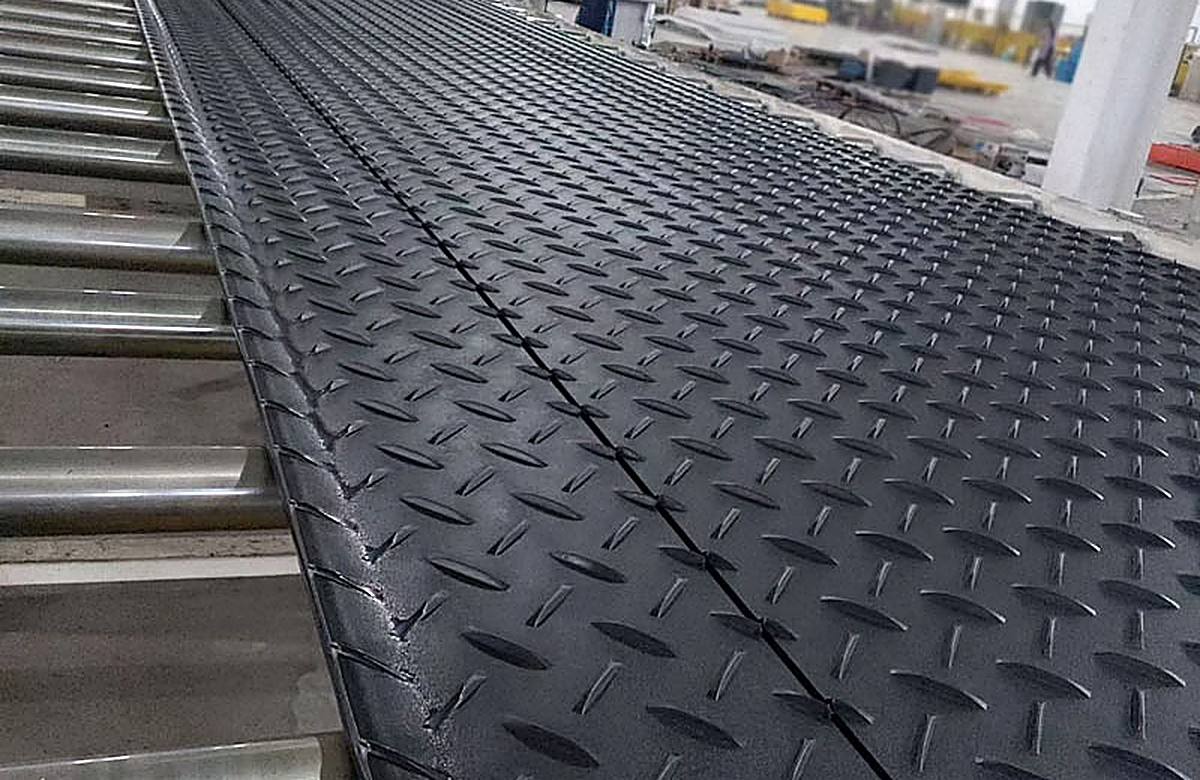
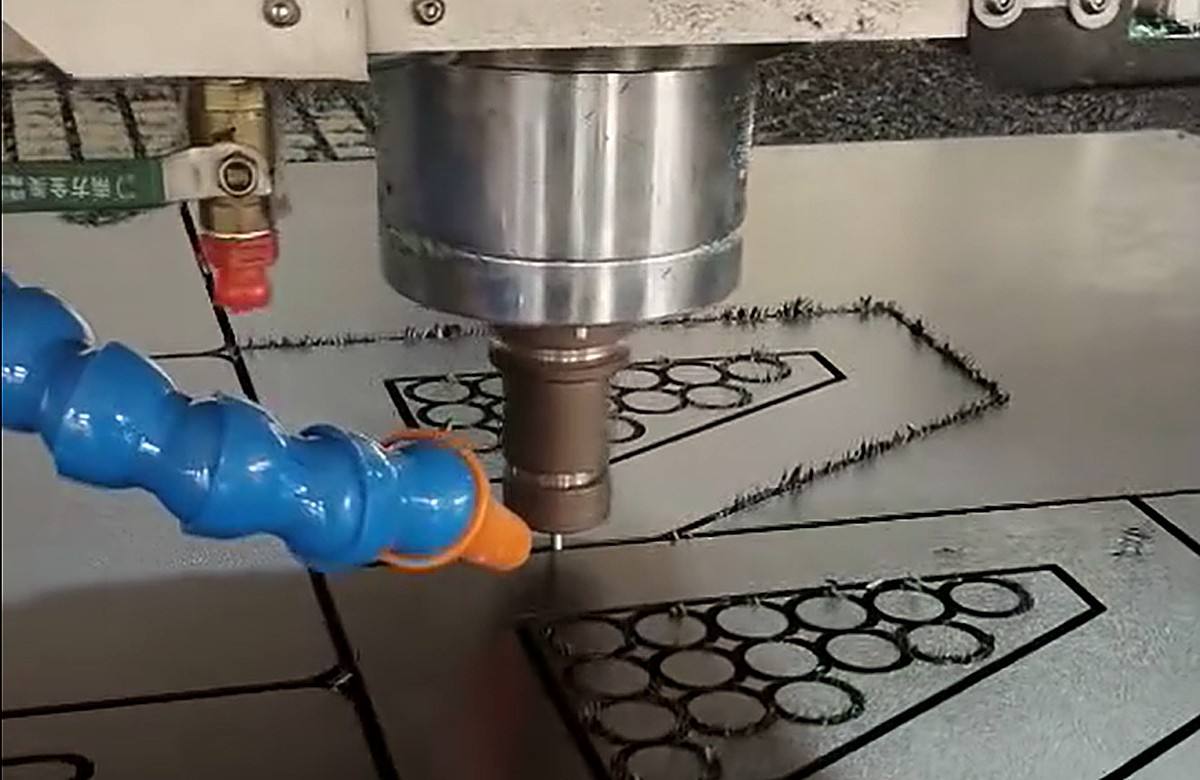
02Crane Outrigger Pads Processing and Inspection
CNC processes, surface structural checks, attachment configurations and packagings showing circles, squares—Outrigger Pads.
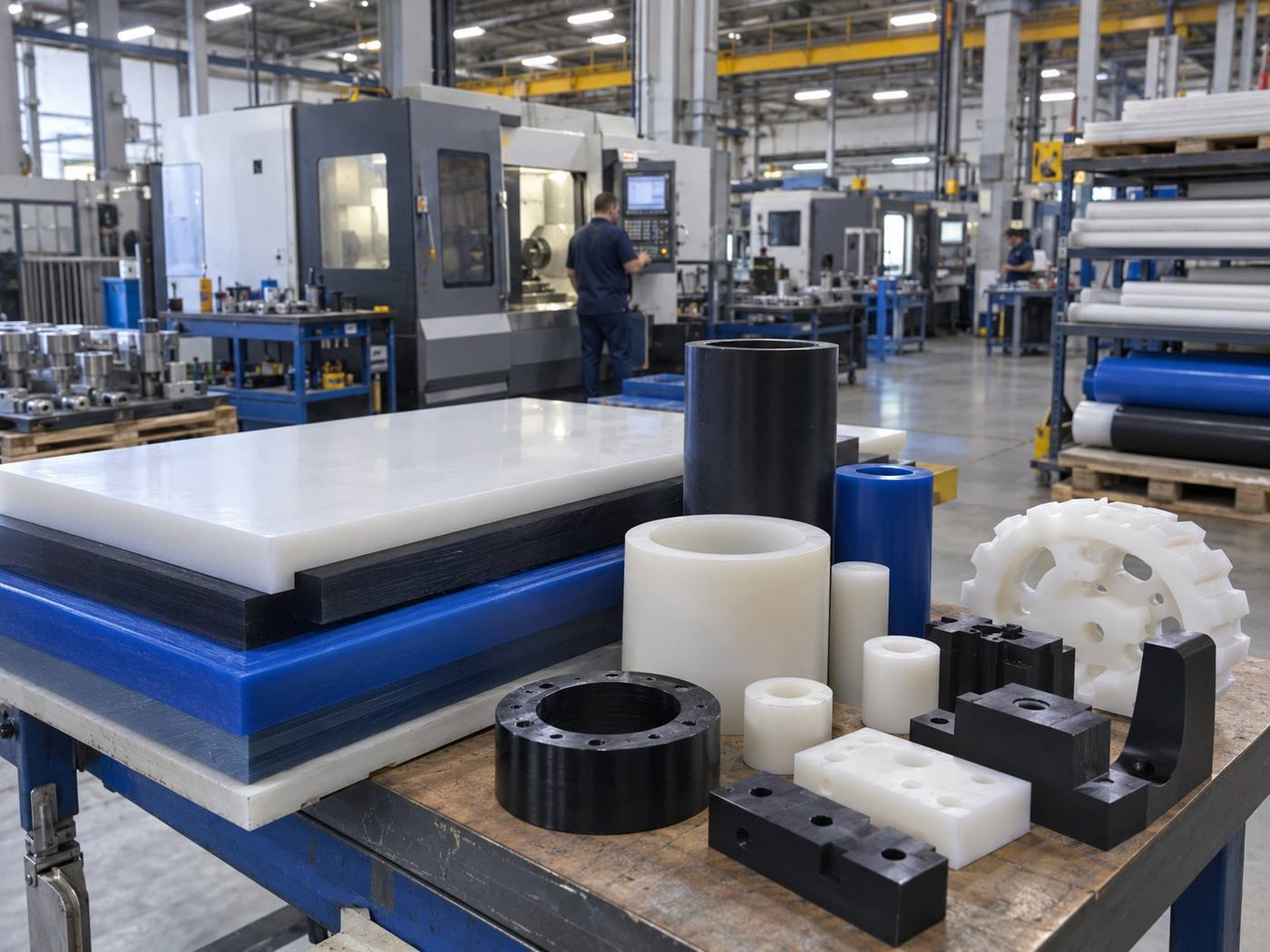
03Dump Truck Bed Liners- Manufacture and Customisation
Prepare the plates according to the type of vehicle, the size of the vehicle and the transportation material, the calibration, the pore review and the packing delivery.
Information proposed before request for quotations
The more complete the information, the easier it is to quickly determine the appropriate size, thickness, structure, quantity and customization.
- Type and weight of vehicle/equipment
- Ground type versus hardness
- Length, width and turn of route
- Retroactivity of equipment model with maximum leg
- Size of original foot
- Ground carrying conditions
- Projected number of acquisitions
- Port of destination/delivery area
Need for construction and infrastructure projects?
We continue to assess the actual conditions of work for the distribution of site photographs, equipment/vehicle parameters, application conditions, quantity and port of destination.
Industry application cases
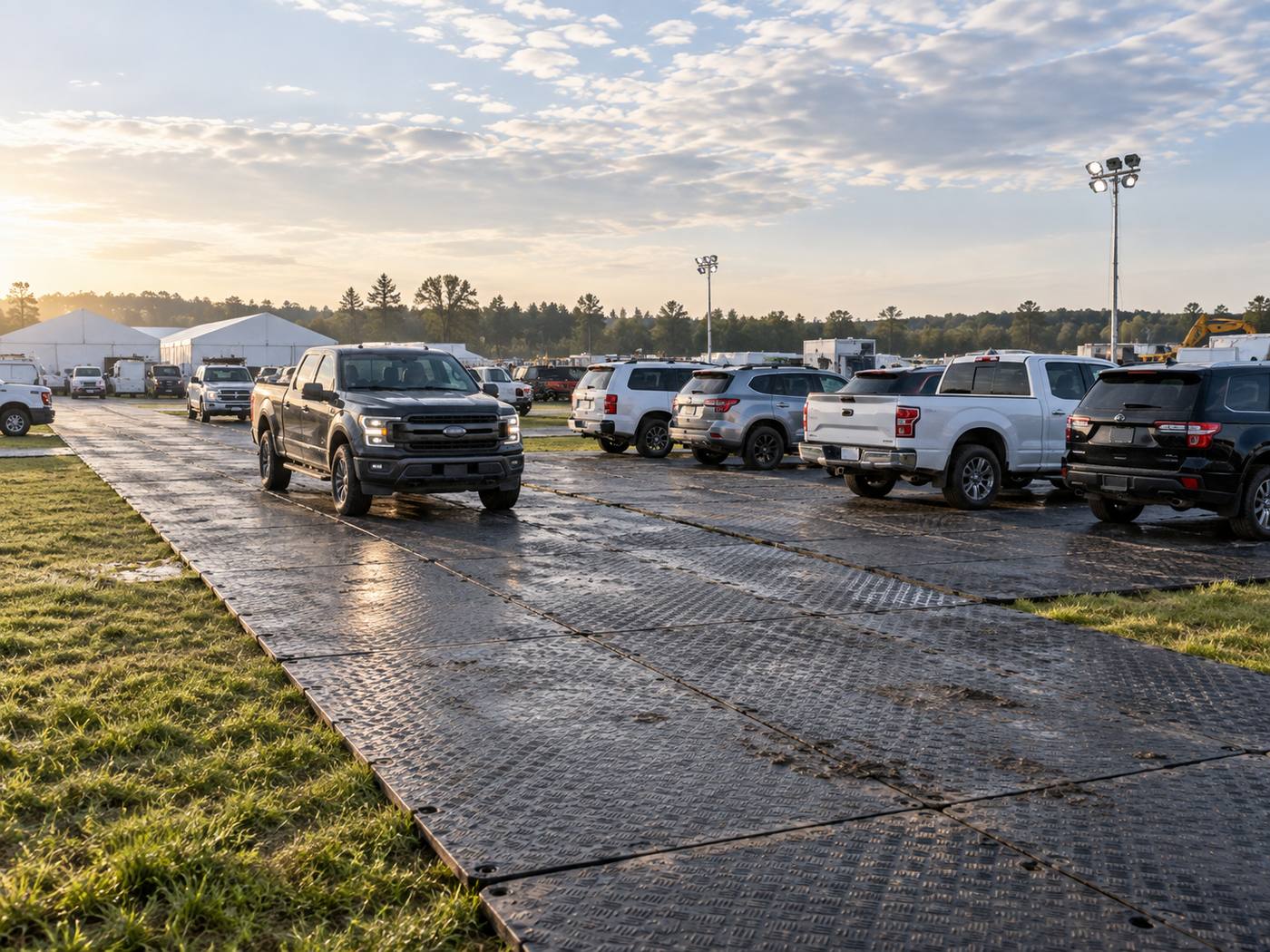
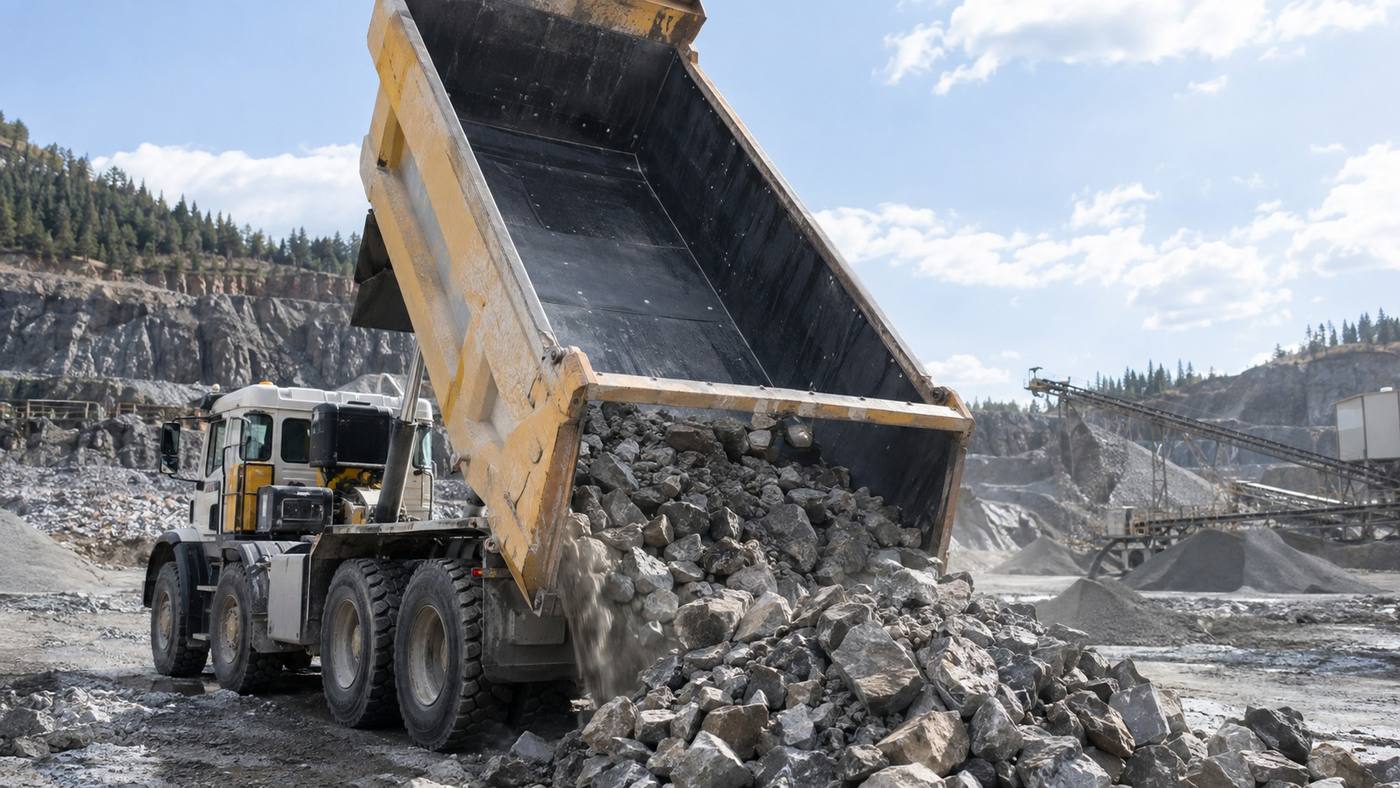
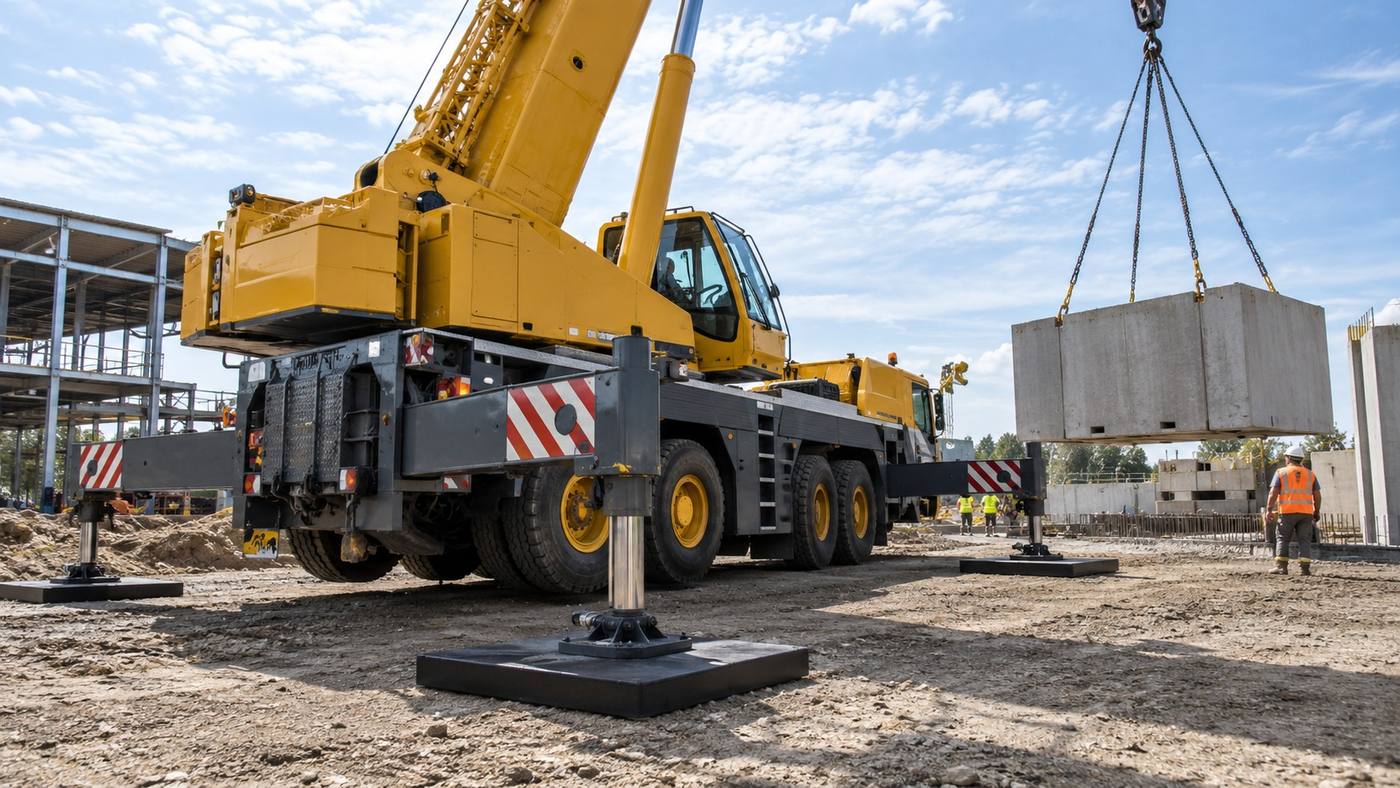
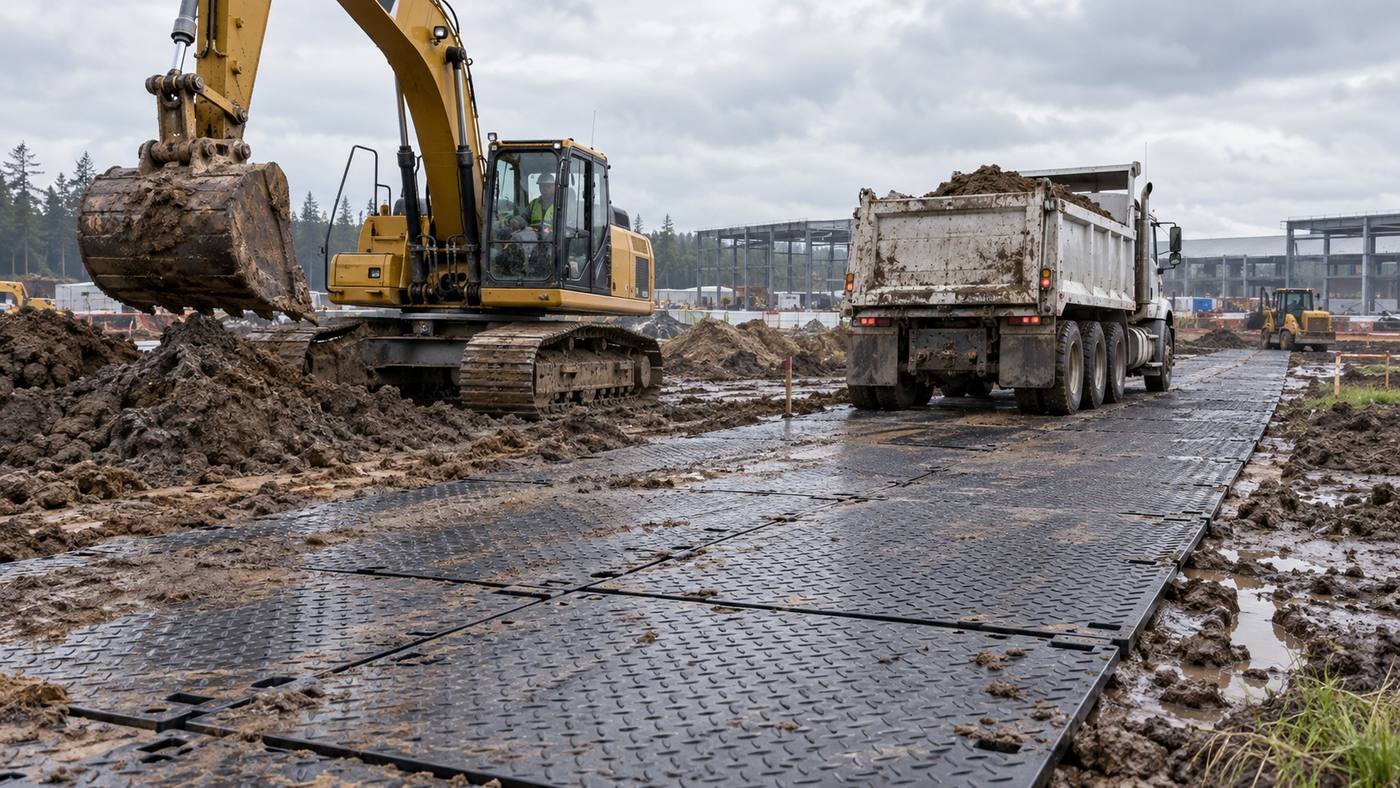
Browse the typical applications of Ground Protection Mats-, Dump Truck Bed Liners- and Outrigger Pads-- in different industries, click on pictures to enter the corresponding industry pages.
Construction & Infrastructure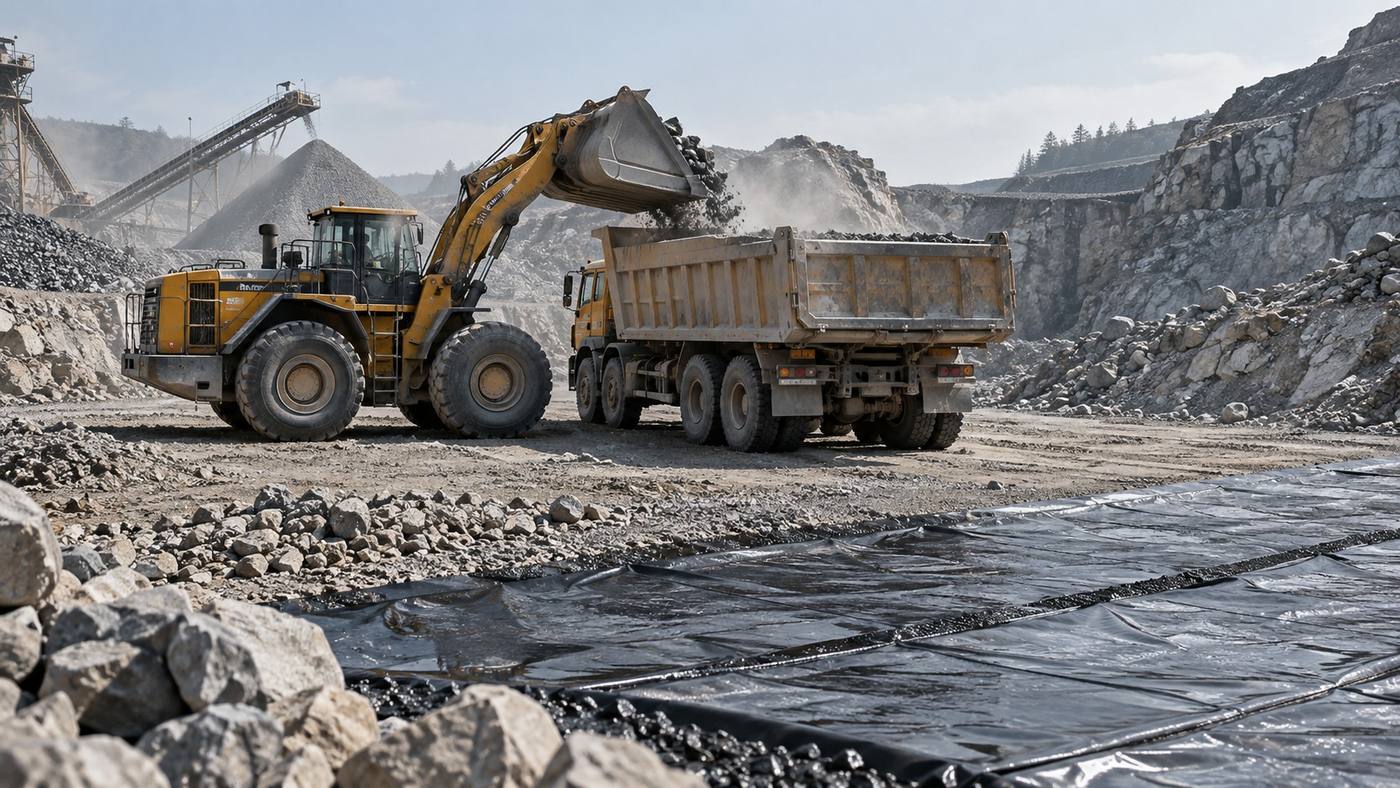 Mines, quarrying and drilling
 Agriculture, plantations and forestry
 Transport fleet and self-loading vehicles
 Lifting and lease of equipment
 Energy, electricity and new sources of energy
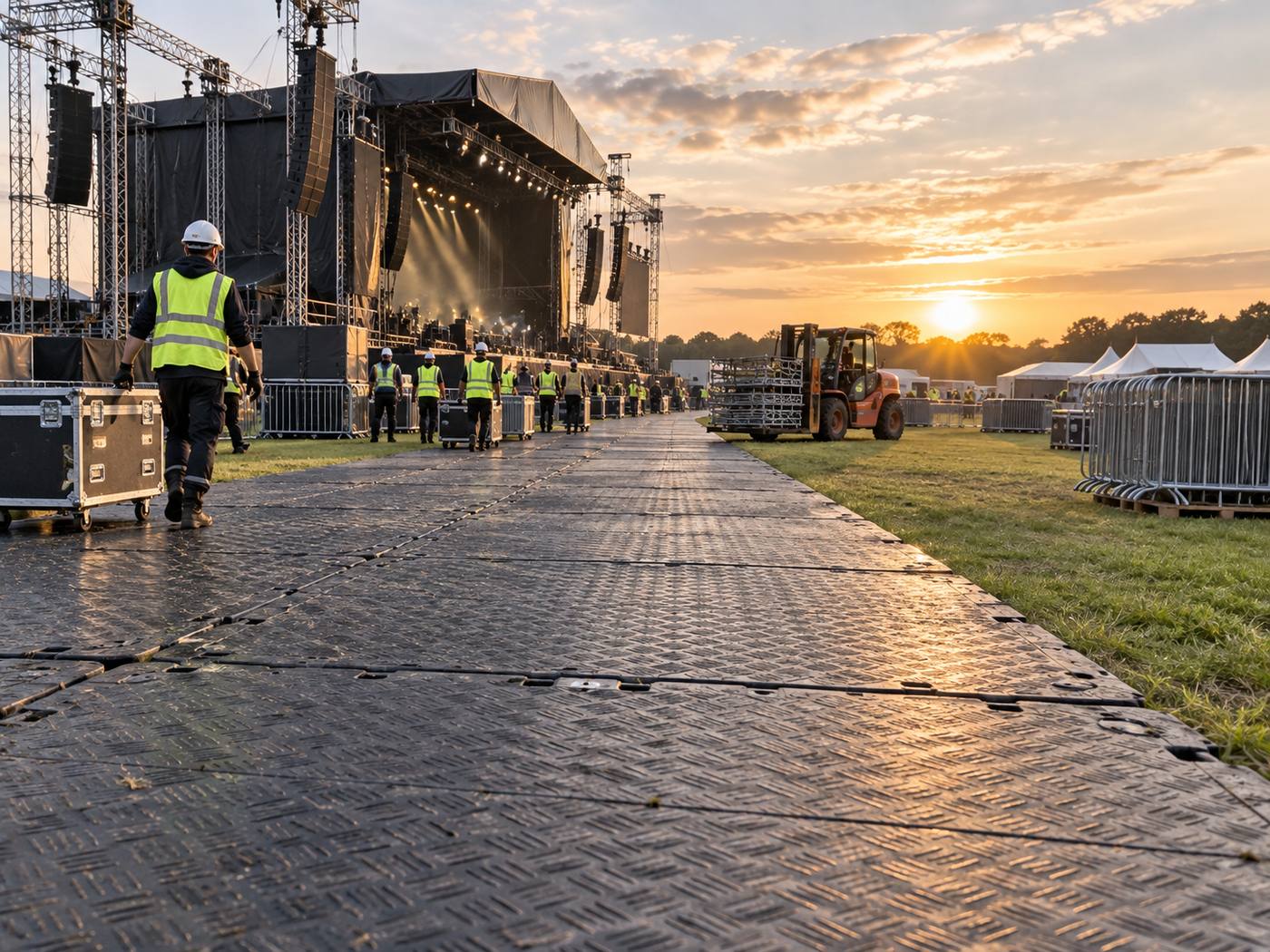 Events, performances and temporary venues
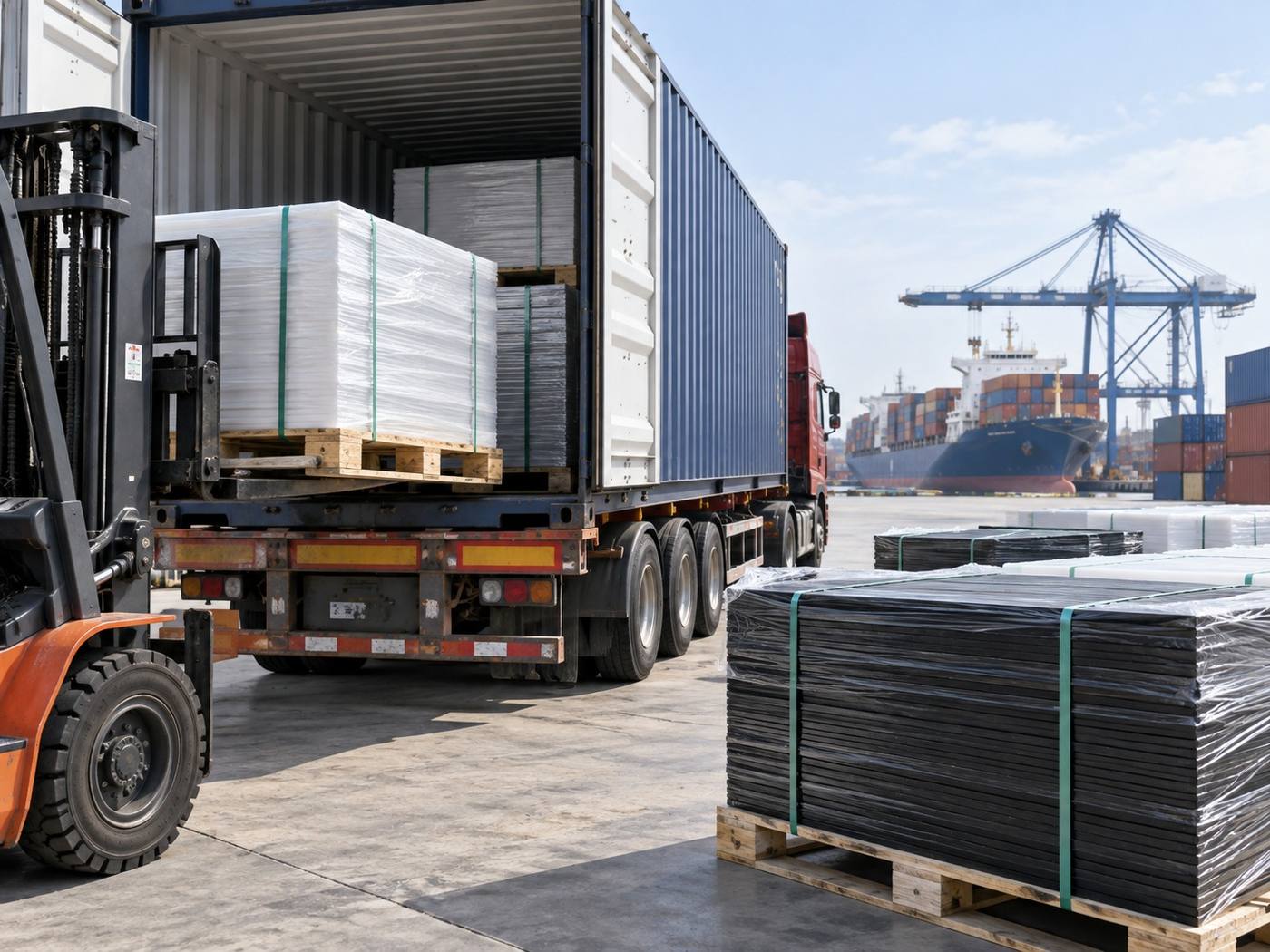 Ports, logistics and industrial sitesConstruction & InfrastructureMines, quarrying and drillingAgriculture, plantations and forestryTransport fleet and self-loading vehiclesLifting and lease of equipmentEnergy, electricity and new sources of energyEvents, performances and temporary venuesPorts, logistics and industrial sites