
Temporary routes may cross the soil, refill areas, trenches, rubble and local water accumulation, with significant variations in carrying capacity within a few metres of a continuum.When heavy vehicles pass through, the soft zone sinks and the hard zone remains in place, leaving the plates in a prowl, edged and sewn shock;The continued high-speed passage of vehicles will exacerbate the damage.Before laying, weak belts should be marked by site foot surveys, test pressure or simple detection, flattening up sharp surges and guiding drainage.Post-use observation panels, wheel tracks and grass-roots mudslides were put in place, and it was found that the differential deposition was timely to repair the ground floor rather than to continue to fold up the sheet to cover up the problem.In response to “suspension and differential deposition from the soft and hard ground floors”, the temporary site road and equipment route project should also include the results of the inspection in the pre-class confirmation and handover records, specifying who is responsible for release, who is responsible for inspection, what deposition or relocation must be discontinued.Retroactive recording of photographs, measurements and usages will make it possible to distinguish ground-based changes, operational deviations from product damage and avoid repetition of the same problem between different groups.
Field application of temporary road and equipment corridors
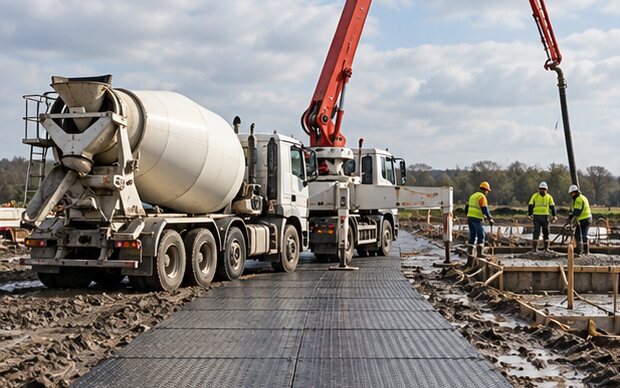
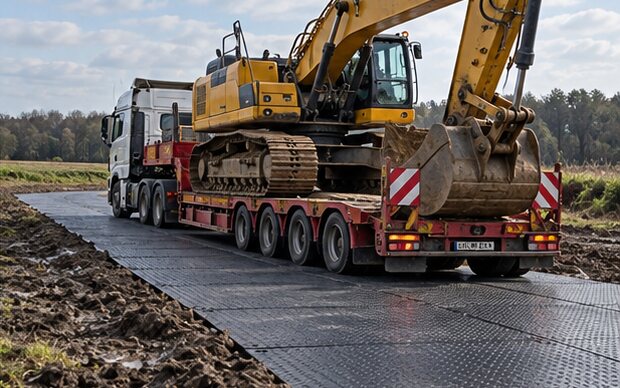
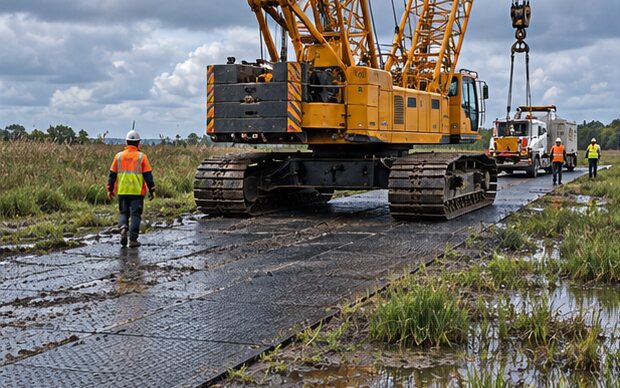
Common project applications for temporary road and equipment access at site
Description of the business processes, vehicle equipment, ground conditions and the project cycle.
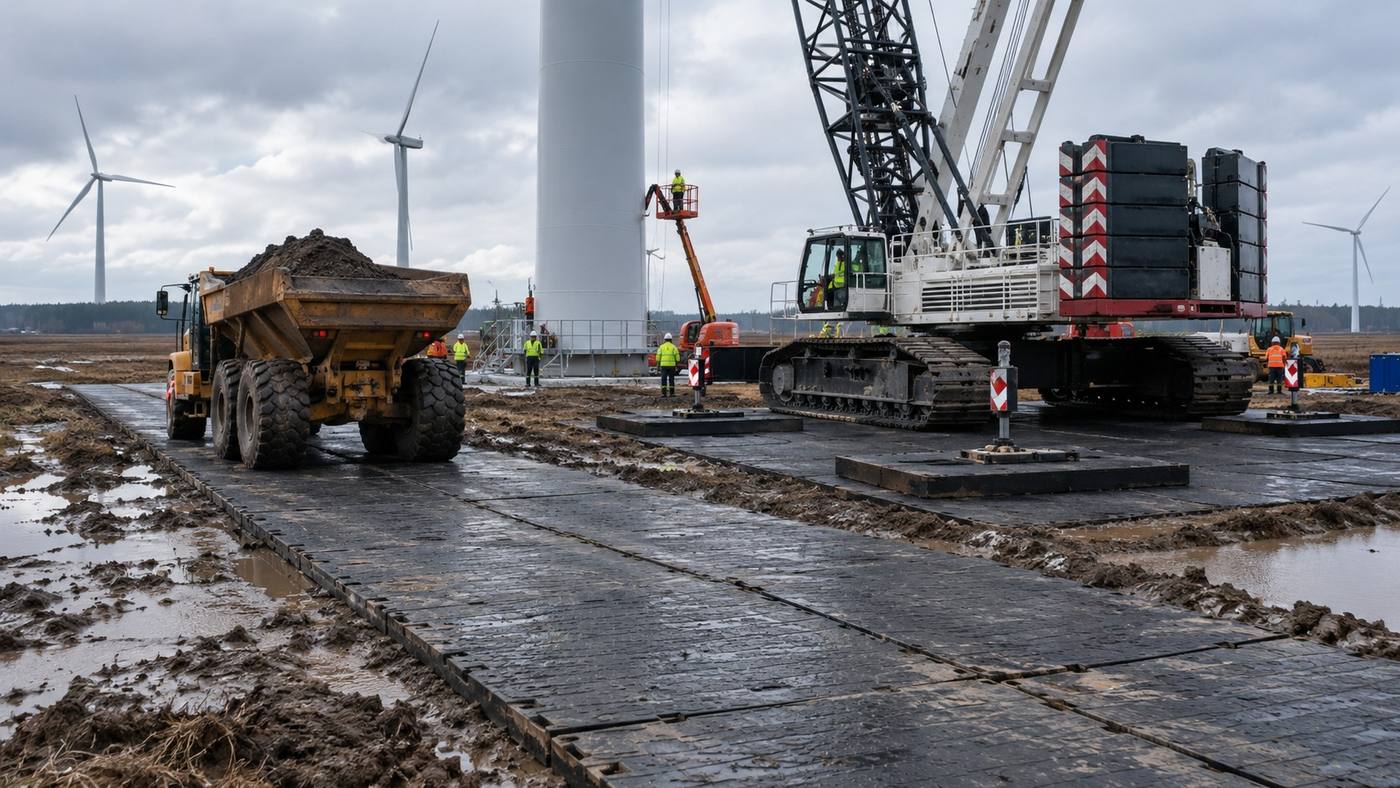
The use of vehicles may include semi-mounted vehicles, concrete vehicles, dumpers, forklifts, tracked equipment, pumps and mobile cranes. The route runs on a straight line and includes bends, ramps, colleges, loading and unloading.
Temporary roads require a balance between schedule, cost, ground protection and re-entry efficiency.Scorching with shredding alone may cause lateral removal difficulties, and complete non-treatment of the ground floor can allow the plate to sink with the soft ground.Reasonable applications involve minimum levelling, drainage and weak spot treatment, followed by the formation of controlled routes through re-paintable plates;The stationary area of equipment is treated separately from the point load.The project should establish guidelines for route classification, vehicle release, daily inspection and maintenance, so that temporary roads become a manageable system rather than a continuous patch when problems arise.
Common Issues
The actual performance of the temporary road and equipment corridors at the site is explained, respectively, for reasons of formation, possible impact, inspection priorities and management methods.
Vehicle turns, reverses, brakes and starts can produce horizontal or vertical cuttings, much higher than when moving in a stable straight line.In particular, the difference in the inside of the semi-mounted vehicle, the movement before and after the lifting of the self-loading vehicle, and the turn of the forklift ' s forklift wheel make it easier to move the plate position or to press the tires on the plate.The route is designed to widen the curve along the physical vehicle tracks, with low speed and a ban on in situ diversion requirements;The loading and unloading points are kept flat and assigned to individual command.Connections, edges and plate contamination should be checked with high frequency, and the mud or bulk should be cleared in a timely manner when friction is reduced to avoid miscalculating road problems as less than the strength of the sheet.The treatment of the “additional level of effect of the bend, brake zone and loading point” cannot be viewed only as a one-way pass, but also as covering the maximum load, maximum frequency, worst weather and evacuation phases.It is recommended that representative positions be selected for trial, that ground, vehicle or equipment data be recorded and that the scope, connection and frequency of maintenance be adjusted to the results;Changes in conditions have confirmed that early experience is not directly applied to temporary road and equipment access projects throughout the site.
The early stages of the project may be only light surveying and earth-based vehicles, with additional heavy aircraft fleets, steel structures and lifting equipment at a later stage;The route in which the conditions were originally met may not be sufficient in terms of load, width and convulsive space.In the absence of change management, the old programme is often followed until it is sunk or blocked.The project should be reassessed before the arrival of critical equipment, large-scale transport, the start of the rainy season and the extension of the route, updating the maximum vehicle, axle, frequency and ground data.Recycle the panel in a timely manner for the secondary roads that are no longer in use, concentrate on strengthening the main line, maintain maintenance records and plate numbers, and ensure that damaged plates are not reused and placed in the maximum load area.The site of the temporary road and equipment corridor at the site shall set clear standards for the cessation of operations, such as the continued rise of the plate end, incomplete support surfaces, extended depositions, visible slippage of vehicles or loosed connectors, after the construction phase has changed to the original specifications and route no longer applicable.Unusual isolation and unloading were detected, and then the floors were repaired or reconfigured, and temporary pads were prohibited in carrying conditions.The head of the mission may not resume operations until he or she has been qualified to do so, and records of disposal are maintained.
Solution Recommendations
The route, the grass-roots, the support or the unloading of the material is addressed first, and the corresponding products are recommended according to the work situation.
From the routing level, the main route is designed for the heavyest and most high-frequency vehicles, the secondary roads are moved by the construction phase and the loading and unloading areas, bends, ramps and collegiate points are strengthened separately.(b) Ground leveling, drainage and treatment of trenches and soft spots, with plates laid forward from a stable and hard-line base and connected in the same direction as vehicles;Set speed limits, one-way and shut-down conditions.It is supported daily by fixed personnel to sew, sink, pollute and edge, and is retested in the event of heavy rain, car change or large-scale entry.This would allow maintenance to be concentrated in a few critical locations and reduce the number of back-to-back work.
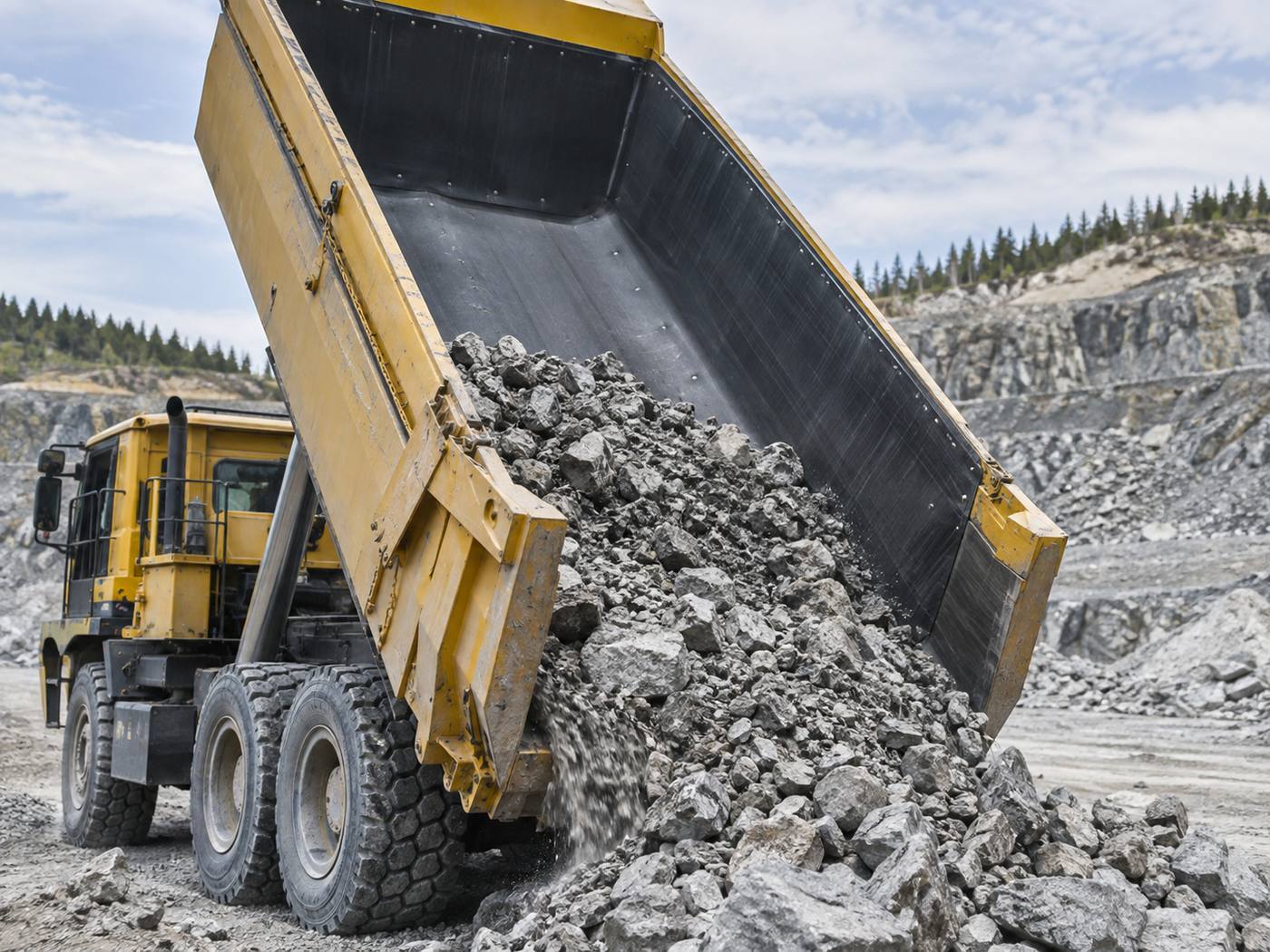
HDPE Ground Protection Mats—is used for continuous vehicle passages and ground protection, with thickness and quantity selected by axle load, tyre form, foundation and frequency;The stationary vehicle crane, pumper and high-altitude operating vehicle shall be equipped with Crane Outrigger Pads, which shall be capable of calculating the area of contact by a single-legged reaction and shall not replace the point load pad with a road plate.If the route serves a large number of offloaders and transports wet sticky material, the offloading can be increased in combination with UHMWPE Dump Truck Bed Liners-.The three categories of products, respectively, address the distribution of road loads, local pressure on legs and the unloading of wagons, and should be placed in their right place.
Ground Protection Mats
For the establishment of temporary vehicle access, protection of the original ground and dispersion of the wheel; specific thickness, size, texture and connection will be determined by vehicle and base level.
Crane Outrigger Pads
For the purpose of increasing the area of the foot exposure and reducing average ground pressure; must be calculated in conjunction with maximum single-leg reaction, original foot size and a permissible ground pressure.
Dump Truck Bed Liners
For the improvement of viscous bulk material discharges and the protection of carriages; materials, thickness, fractions and fixed structures need to be customised to materials and carriages.
Manufacturing
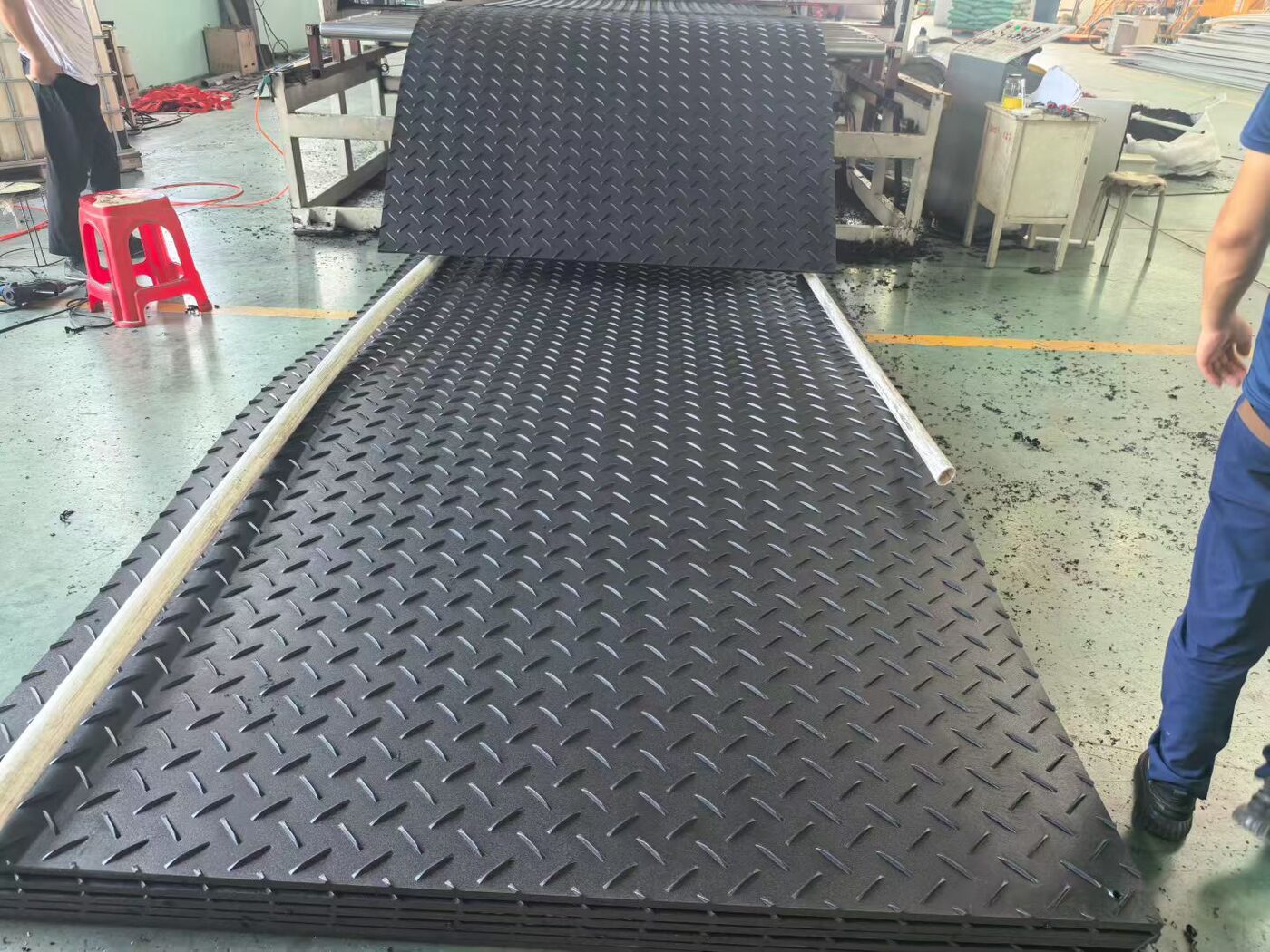
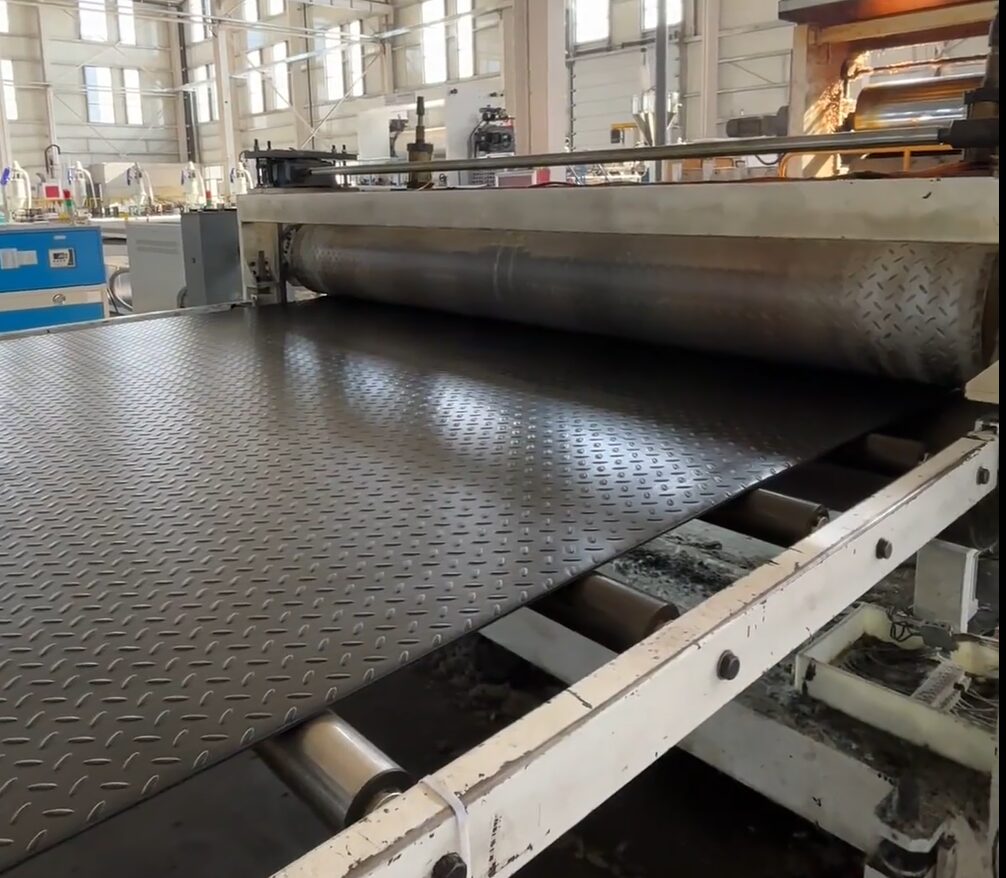
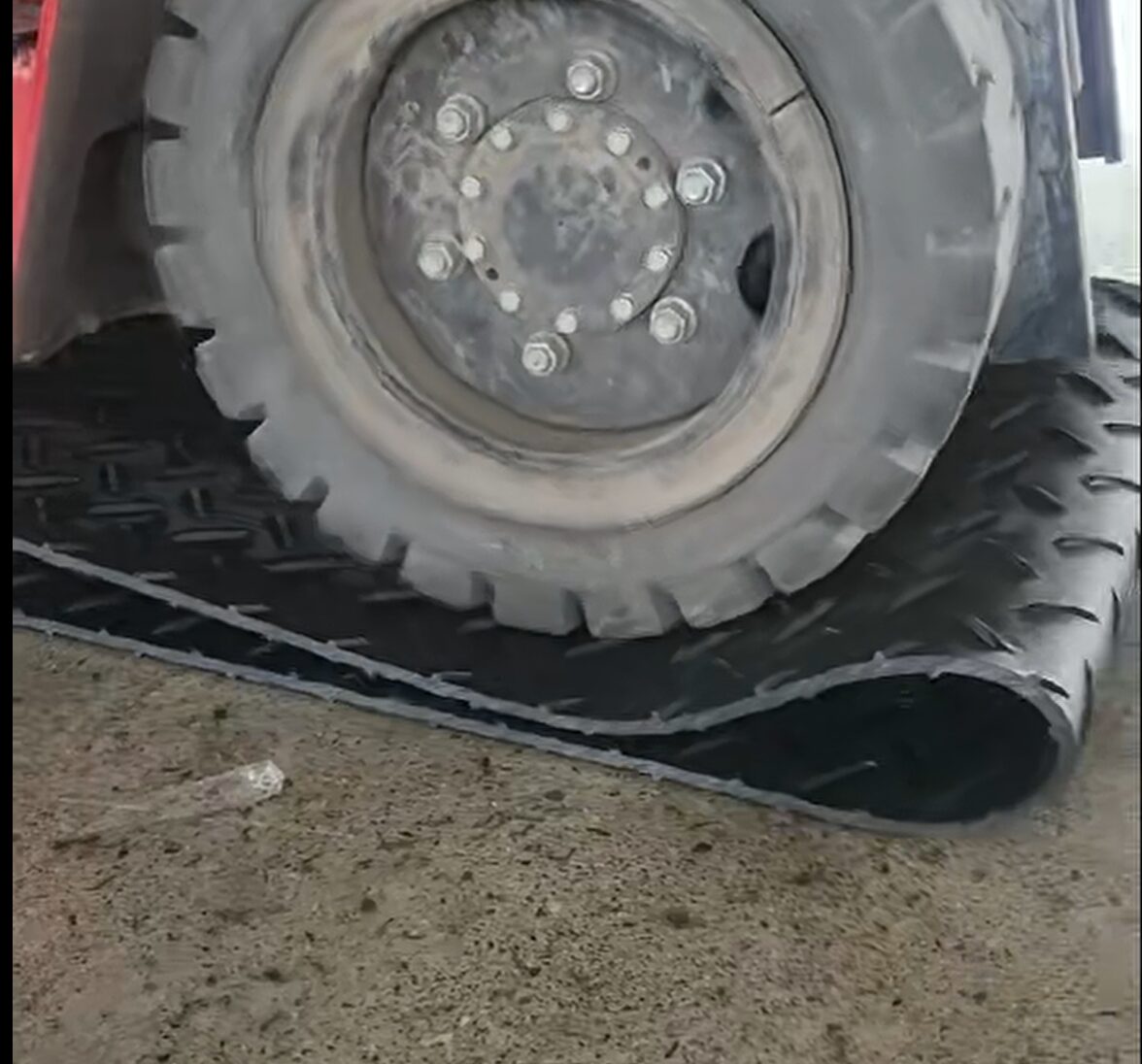
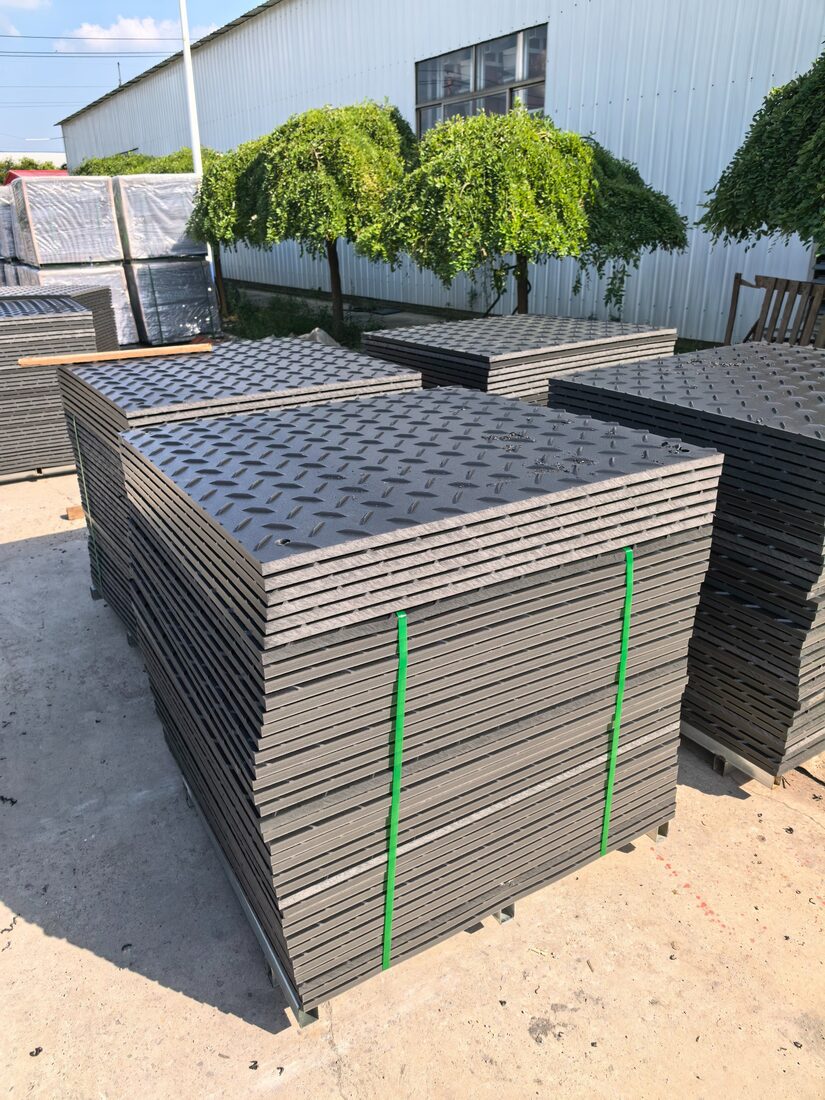
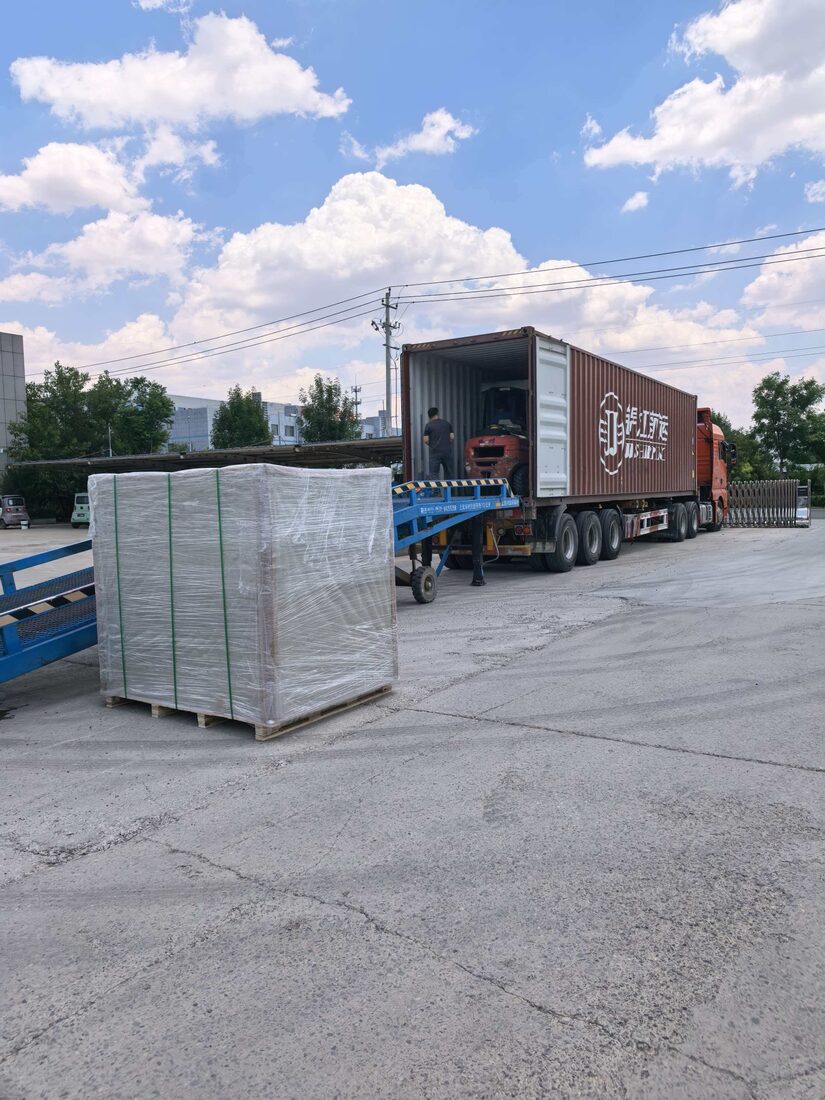
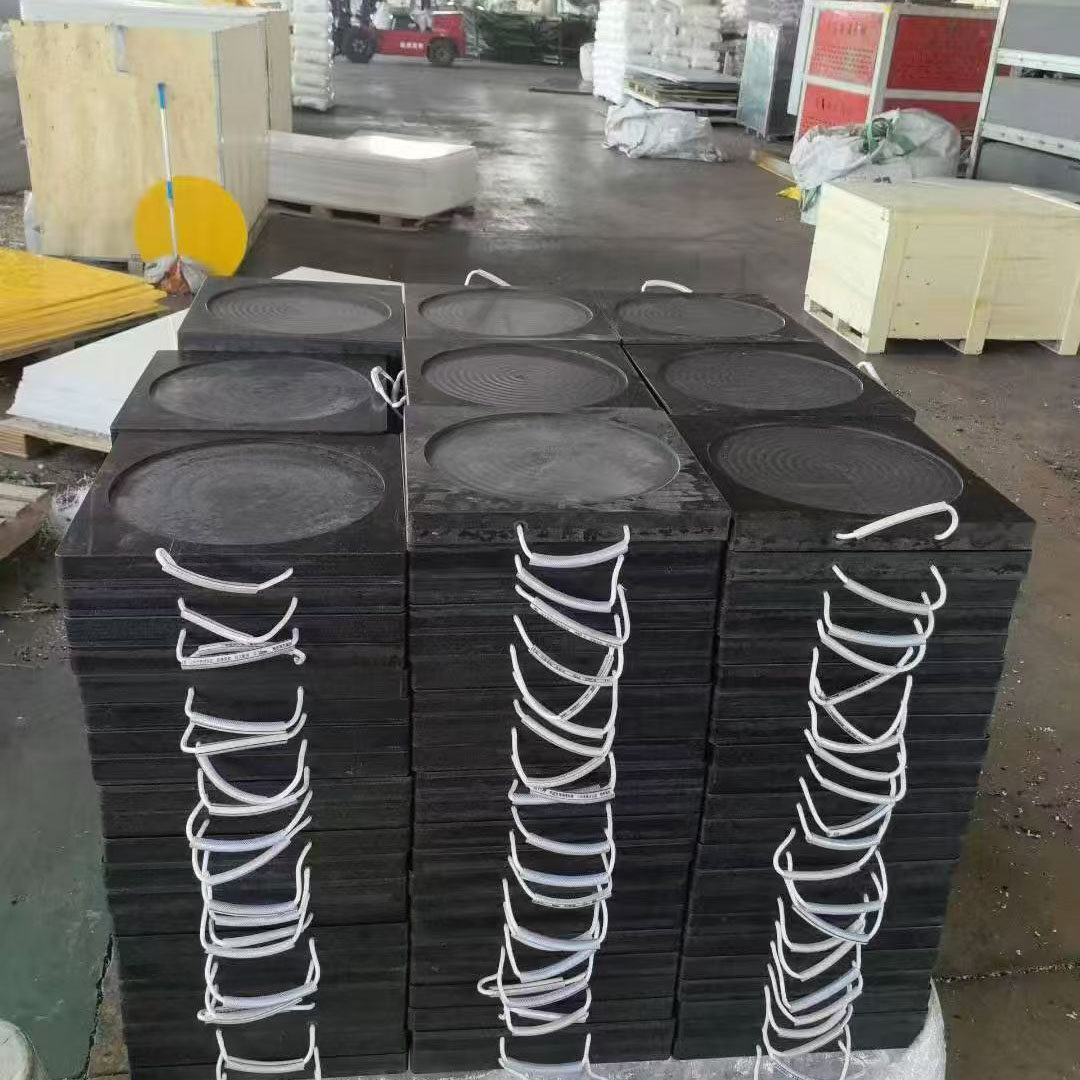
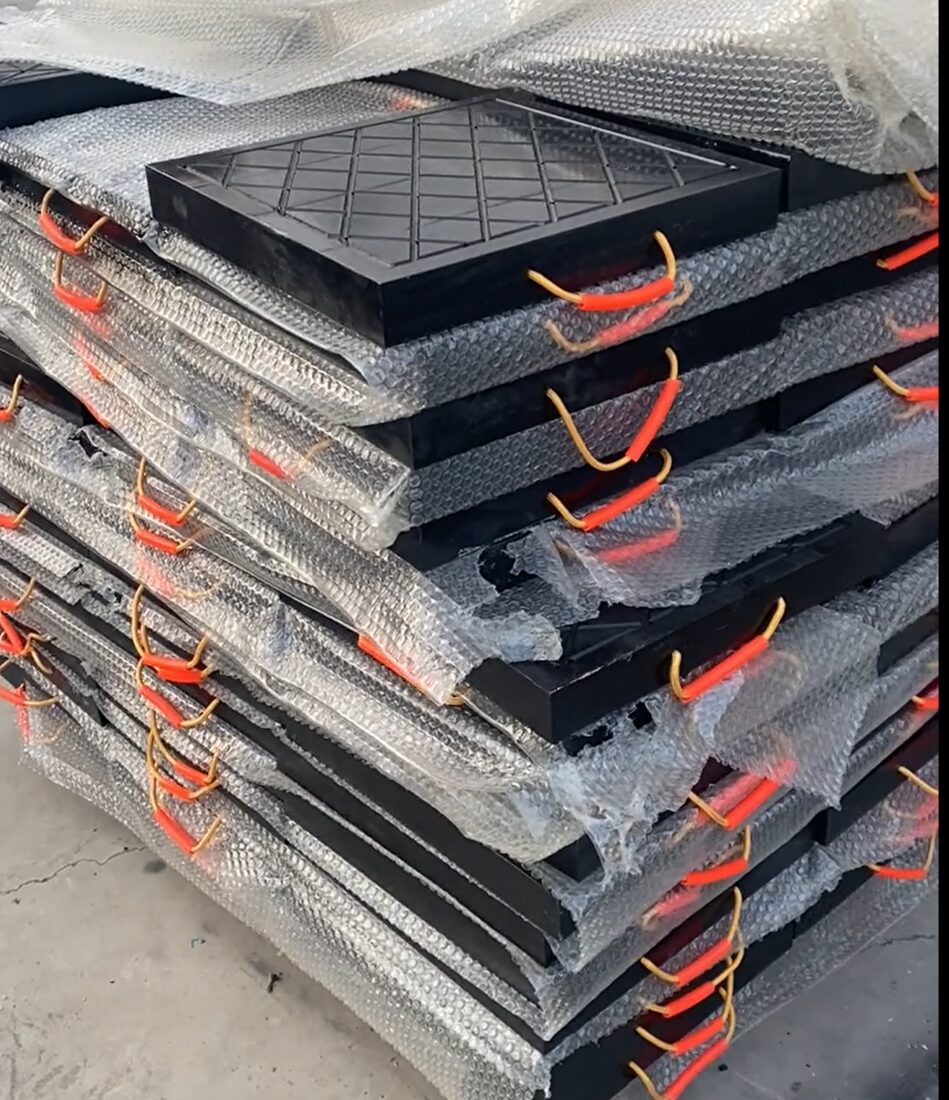
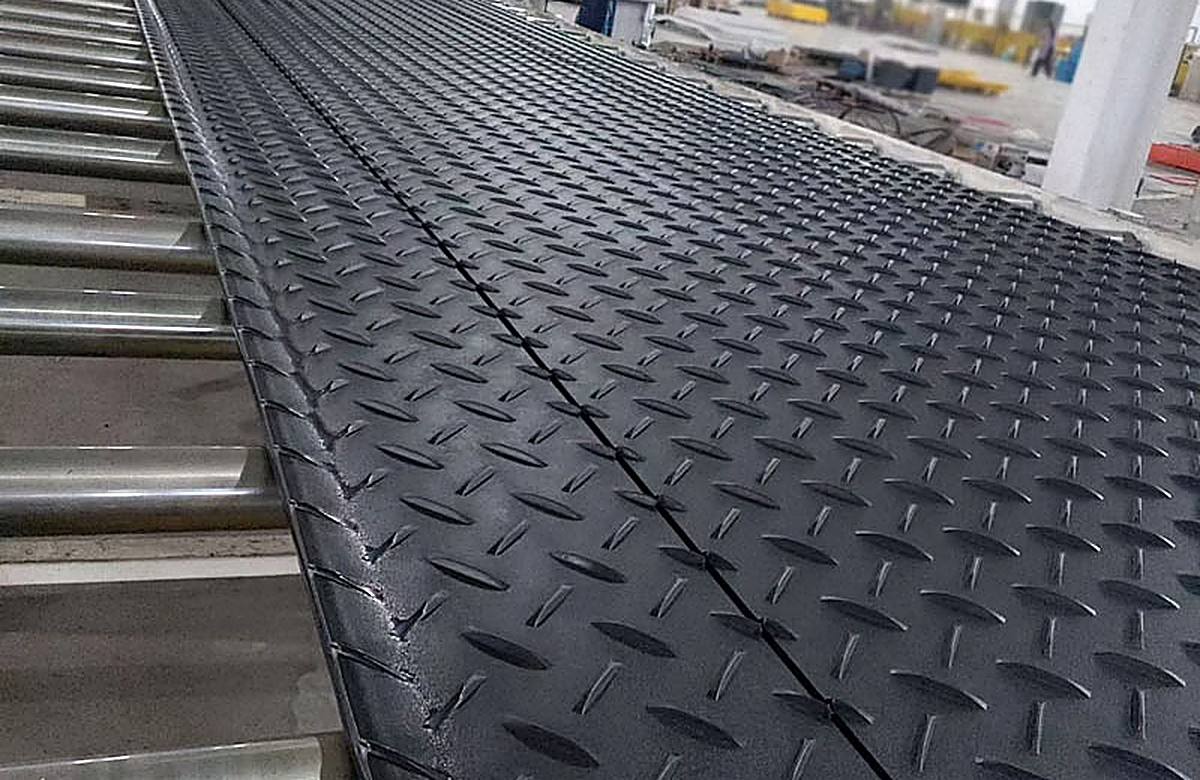
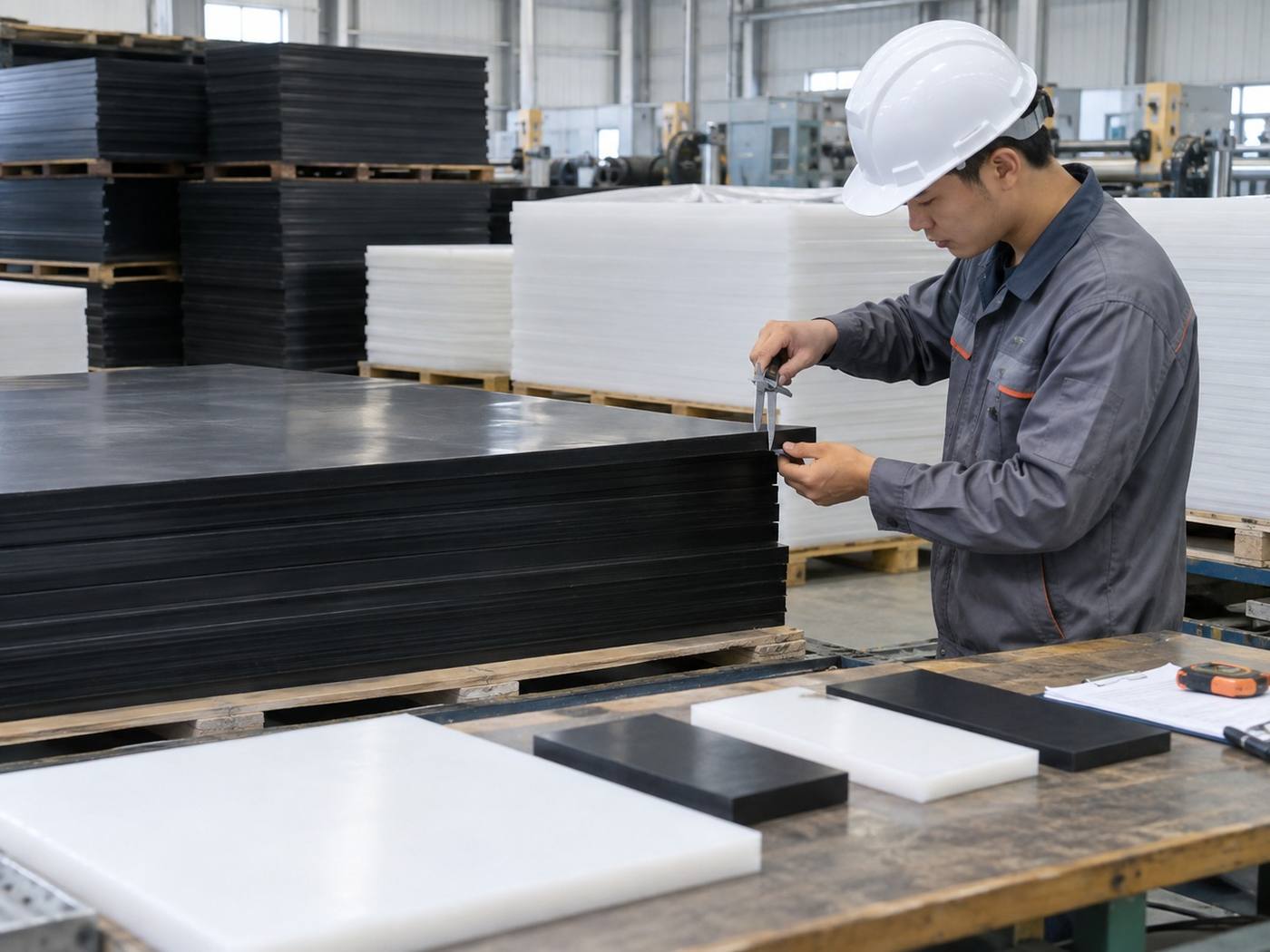
01Ground Protection Mats Production and bulk delivery
From smooth-truck road formation to vehicle load validation, to mass stacking, packaging and loading.
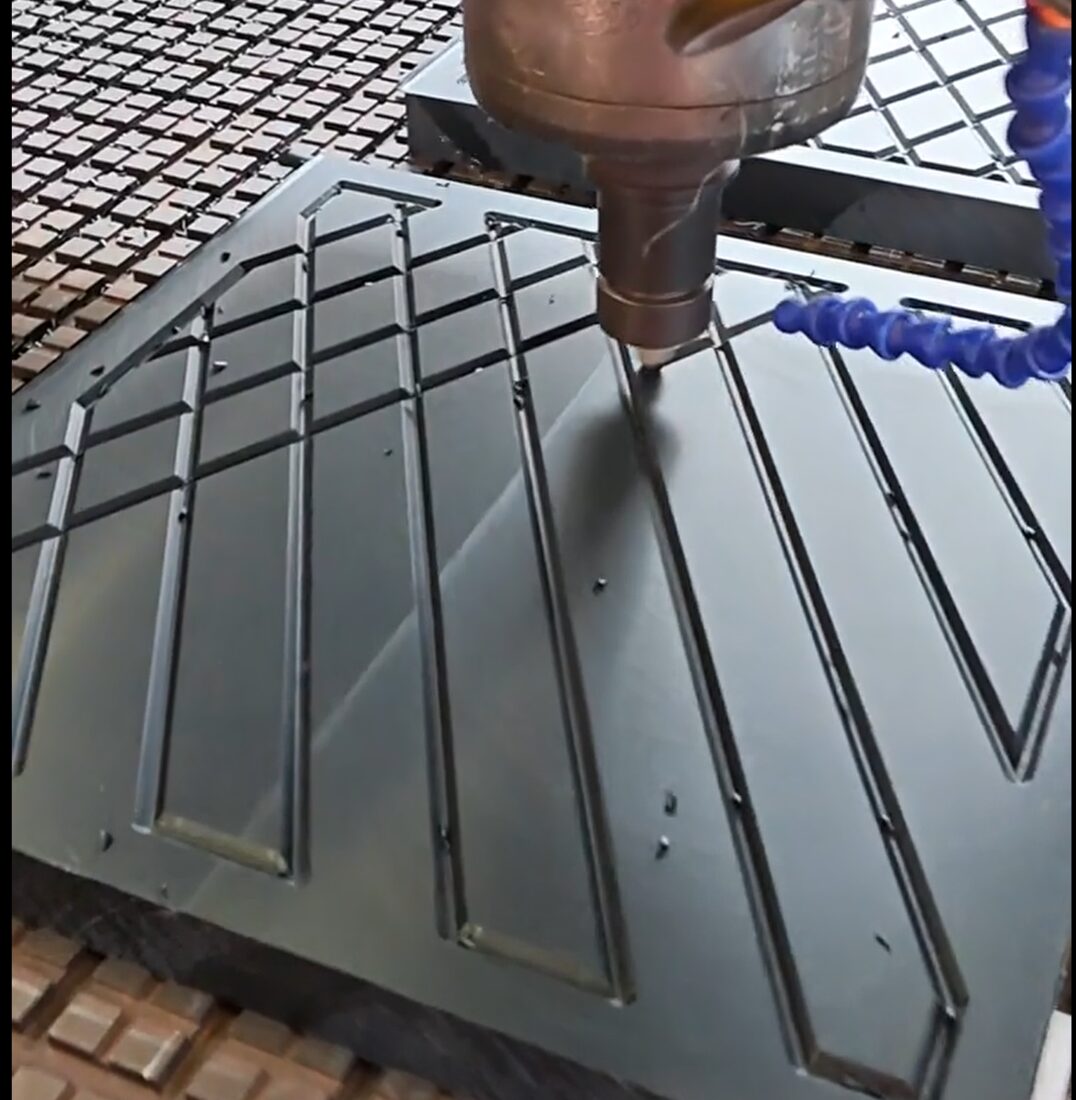
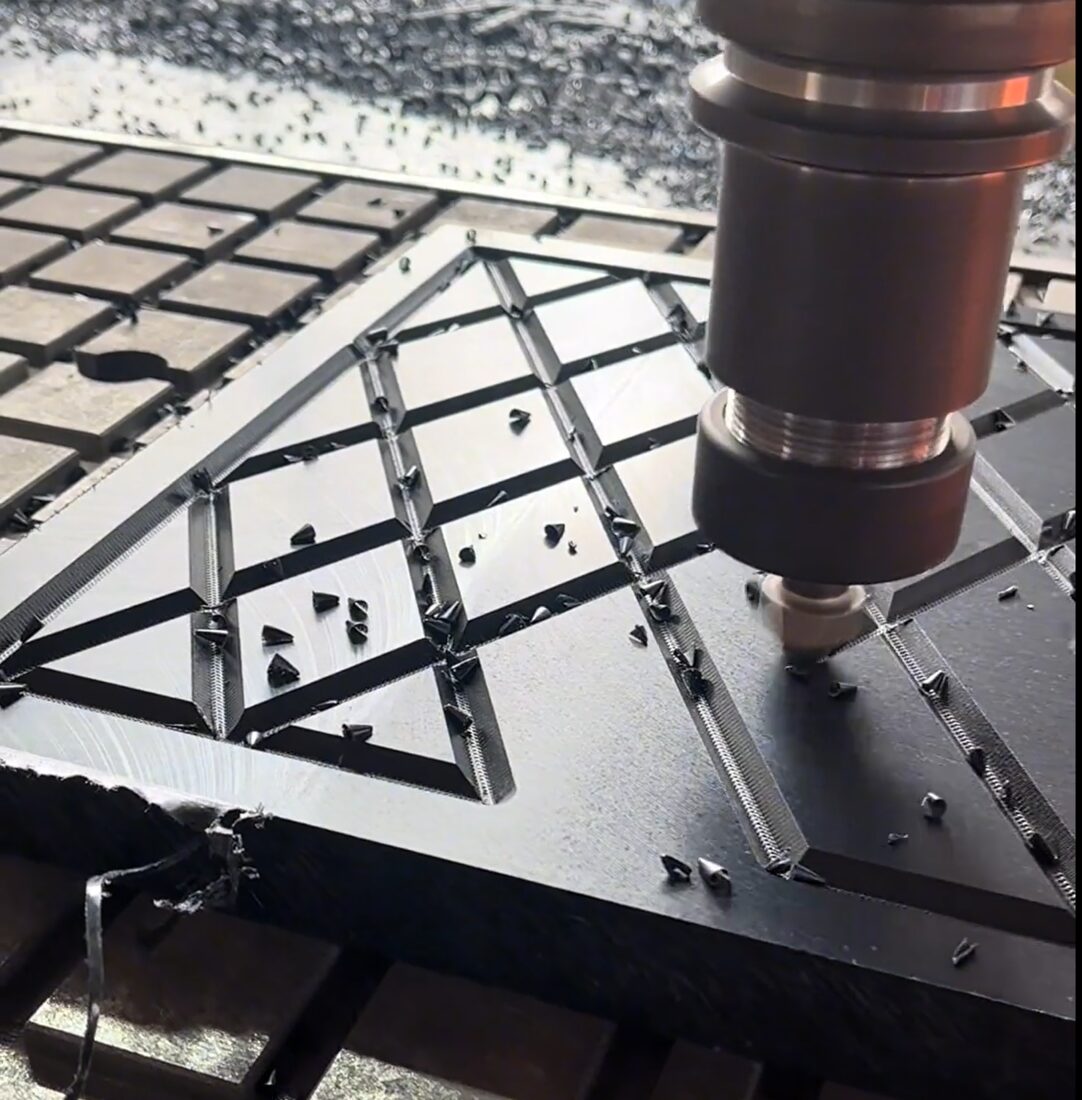
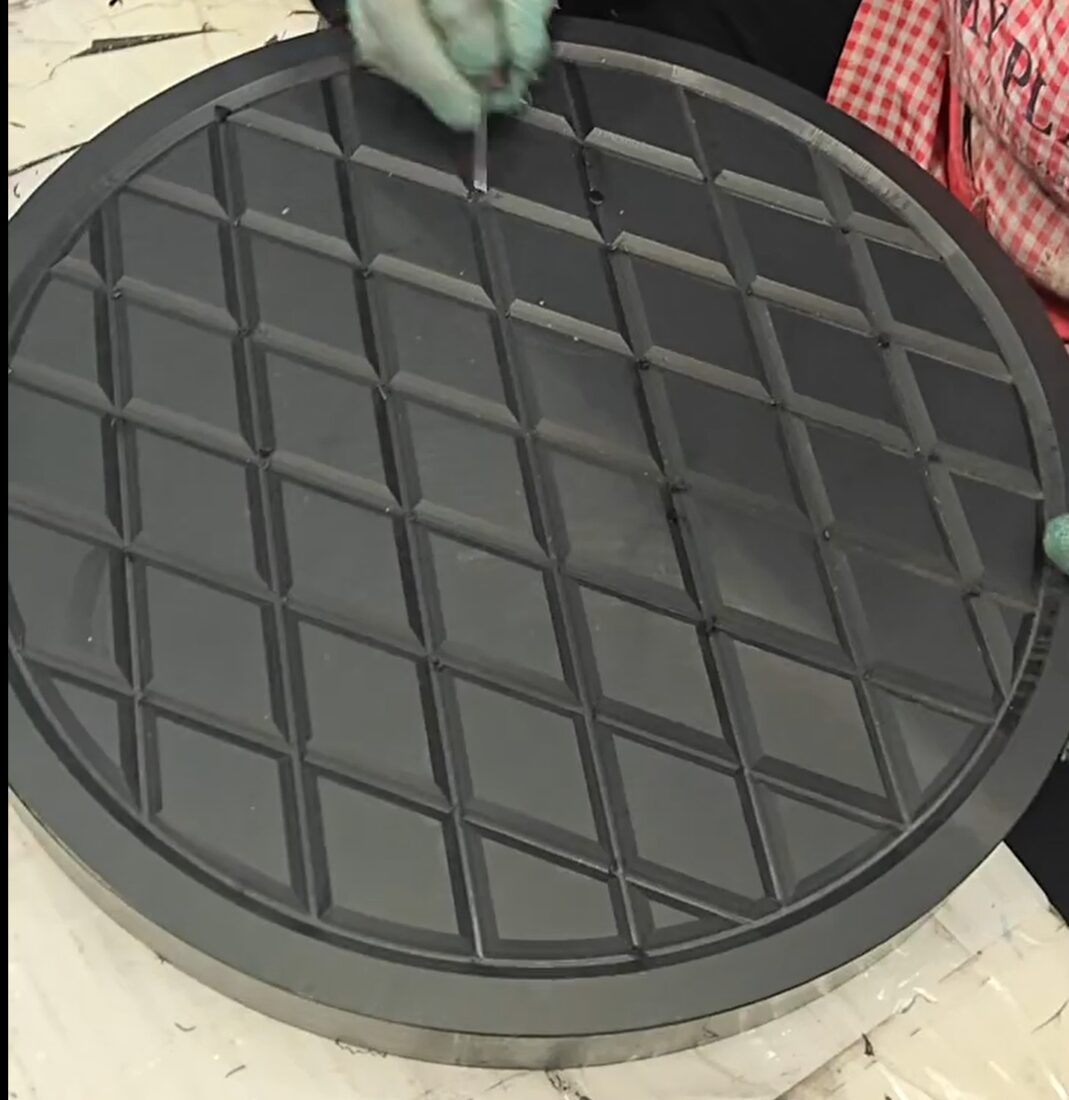
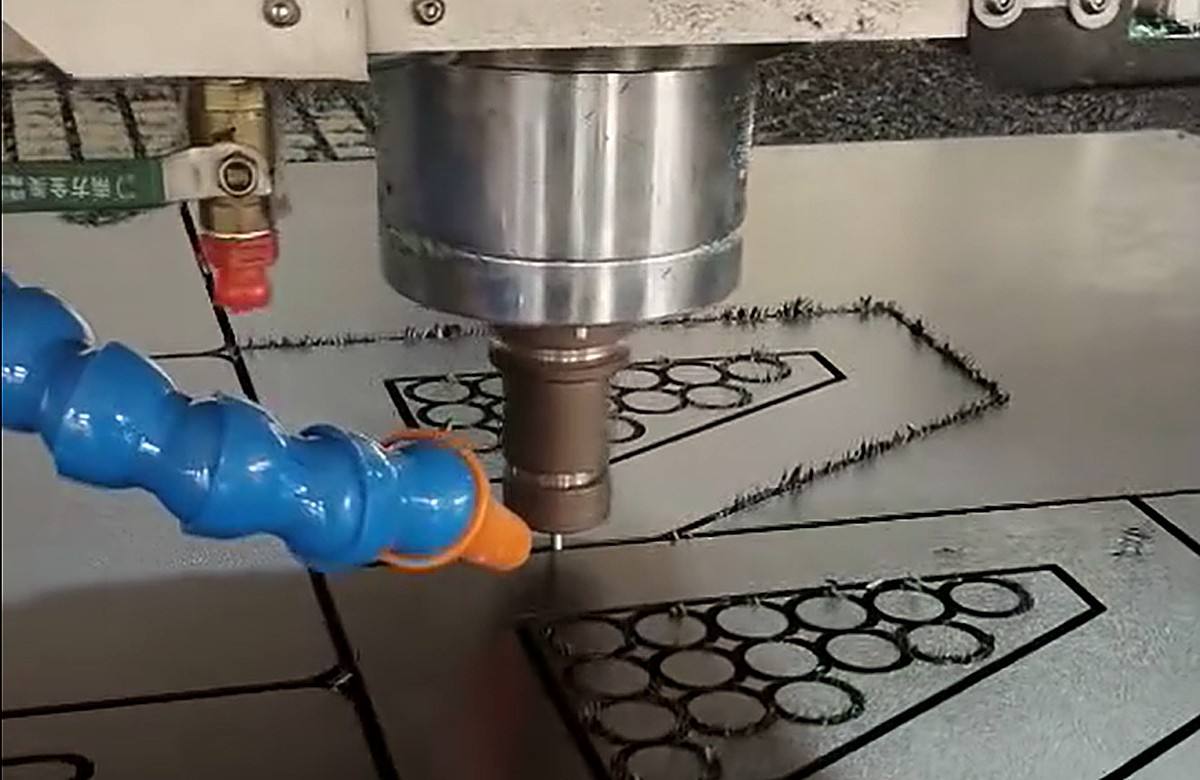
02Crane Outrigger Pads Processing and Inspection
CNC processes, surface structural checks, attachment configurations and packagings showing circles, squares—Outrigger Pads.
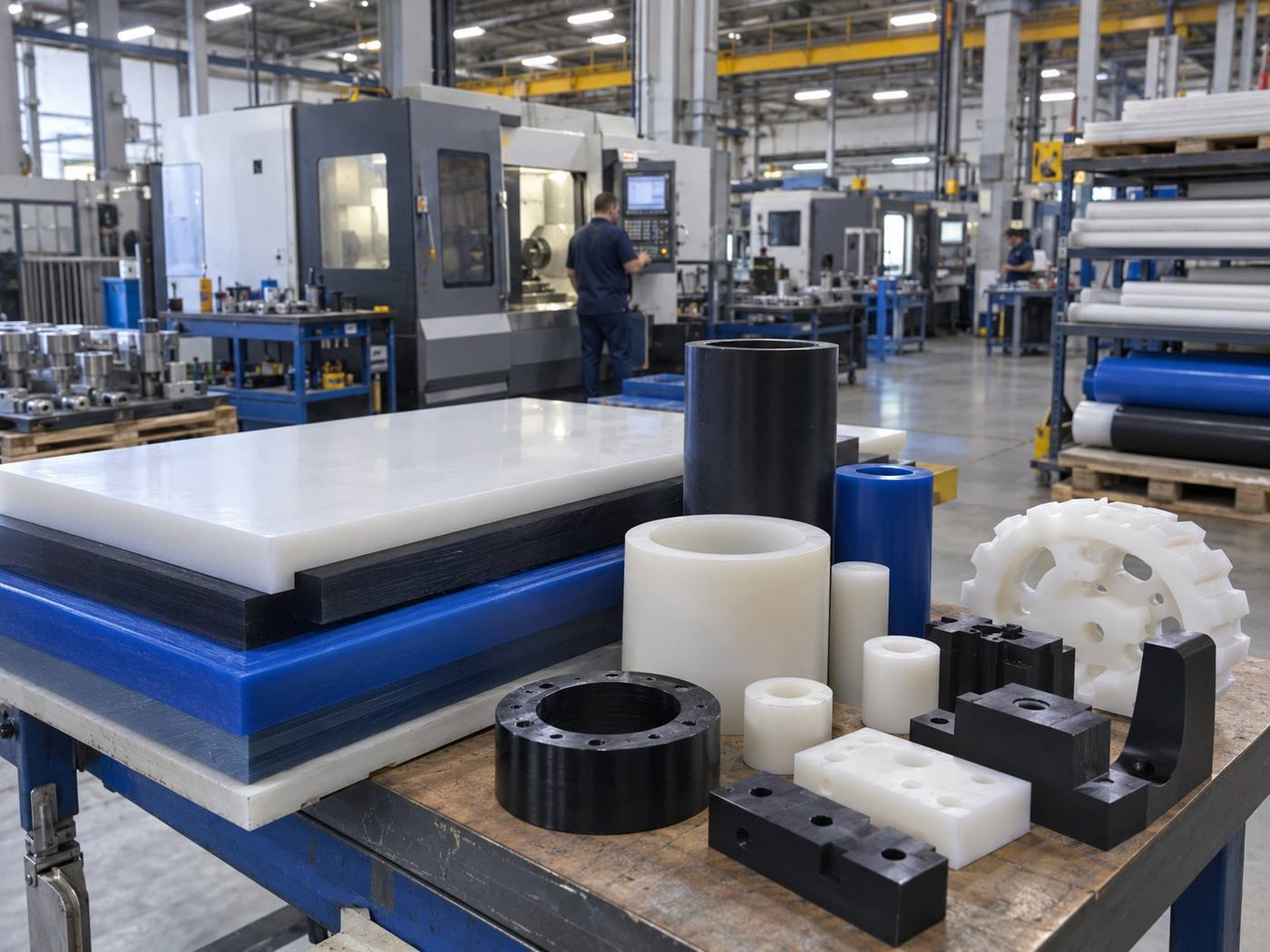
03Dump Truck Bed Liners- Manufacture and Customisation
Prepare the plates according to the type of vehicle, the size of the vehicle and the transportation material, the calibration, the pore review and the packing delivery.
Information proposed before request for quotations
The more complete the information, the easier it is to quickly determine the appropriate size, thickness, structure, quantity and customization.
- Type and weight of vehicle/equipment
- Ground type versus hardness
- Length, width and turn of route
- Projected number of acquisitions
- Port of destination/delivery area
(a) The temporary road and equipment access project programme for sites?
We continue to assess the actual conditions of work for the distribution of site photographs, equipment/vehicle parameters, application conditions, quantity and port of destination.
Industry application cases
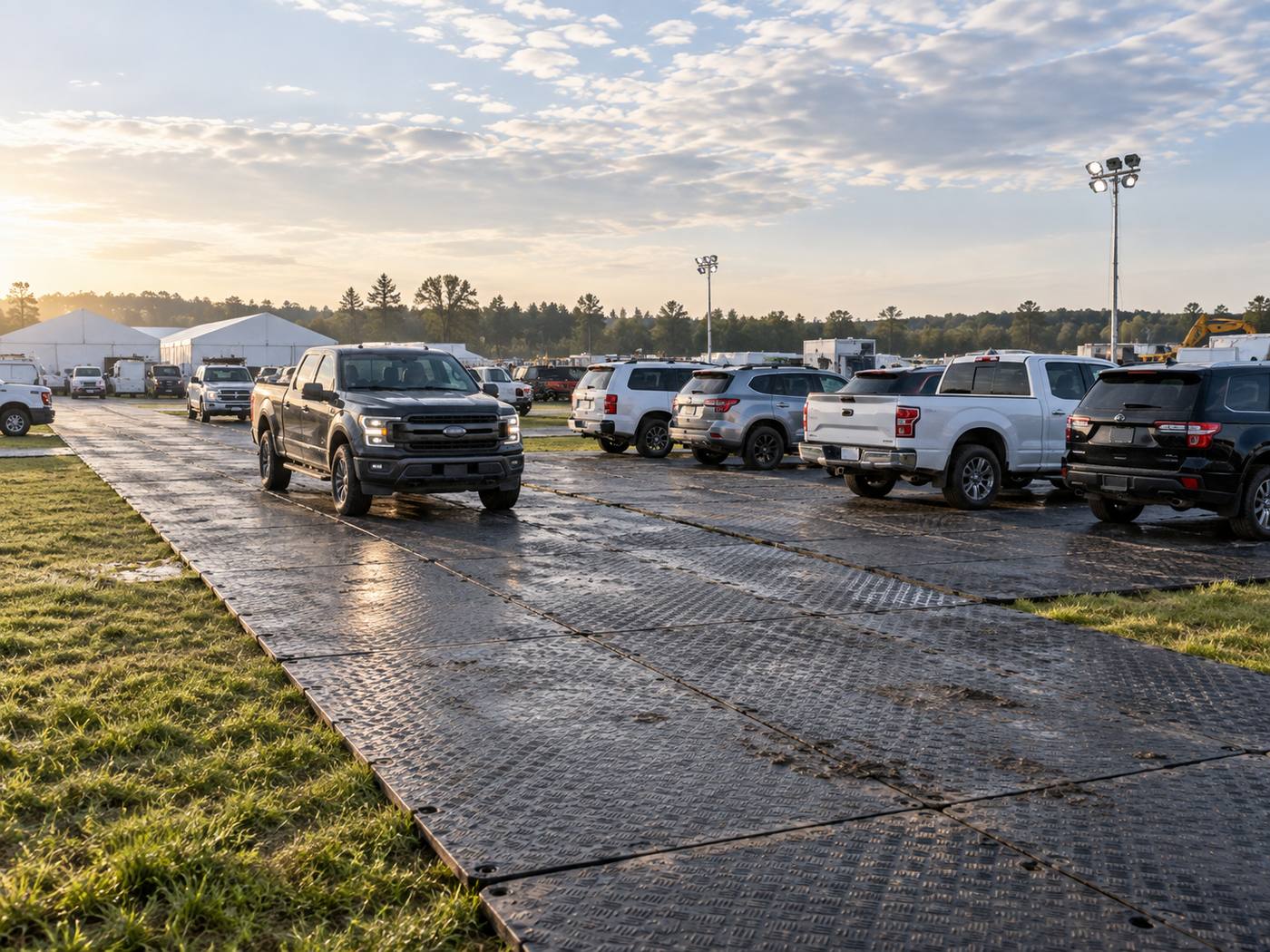
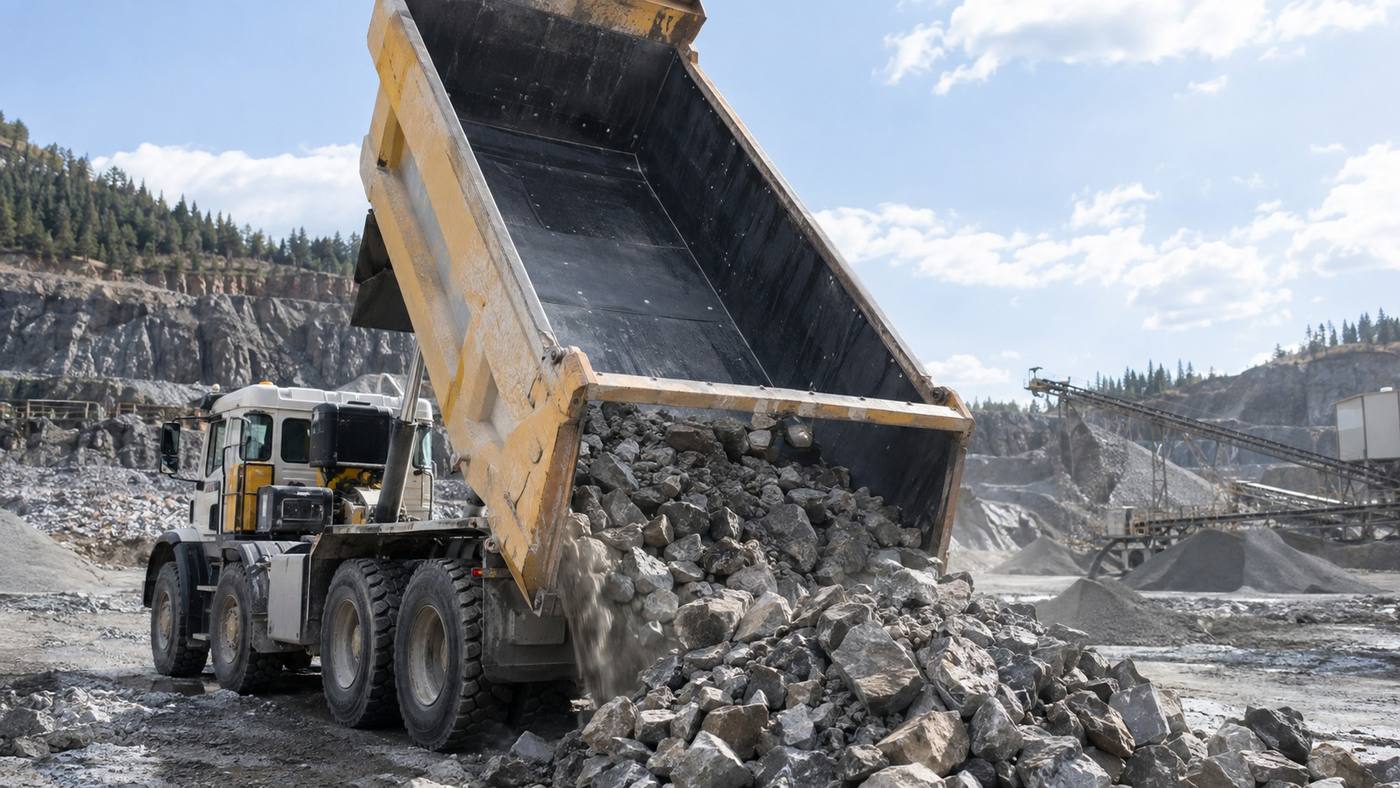
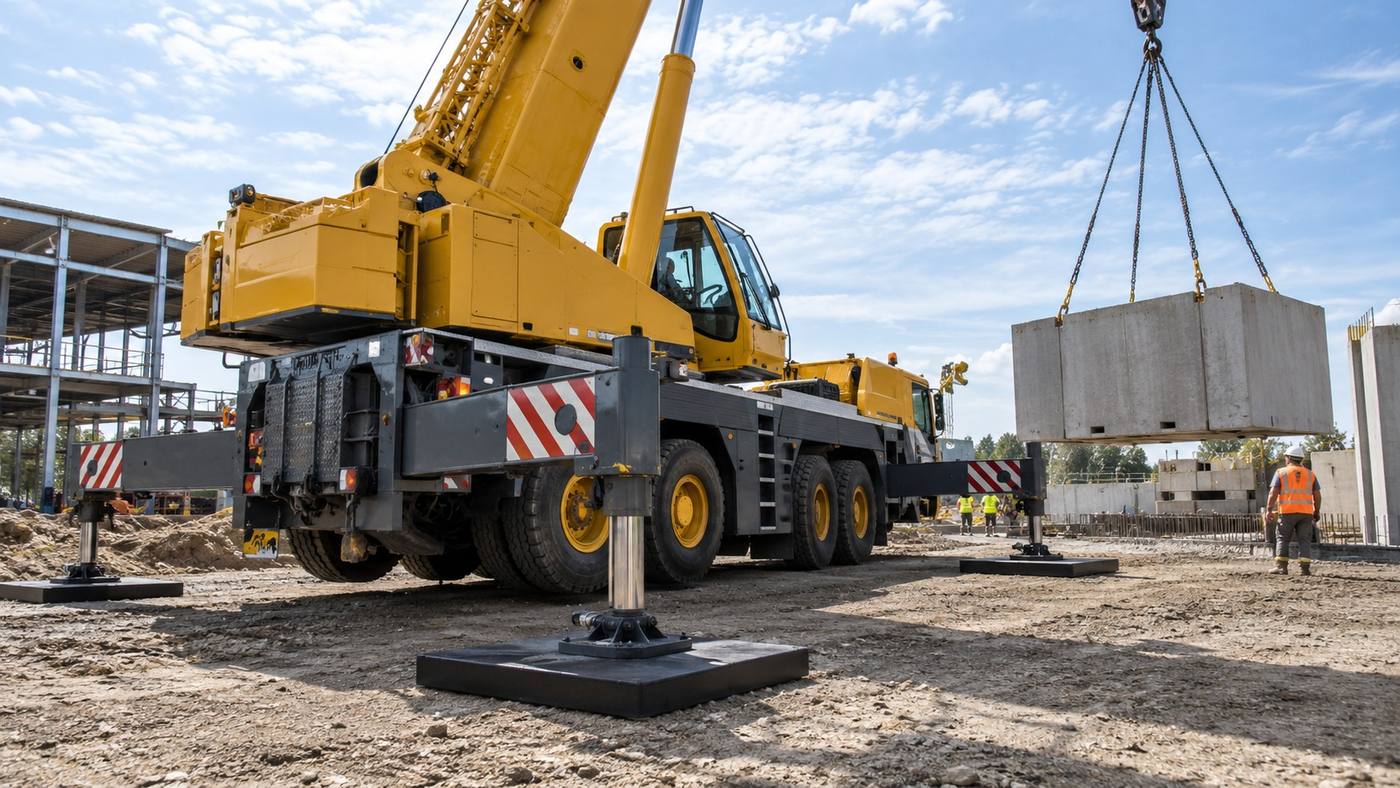
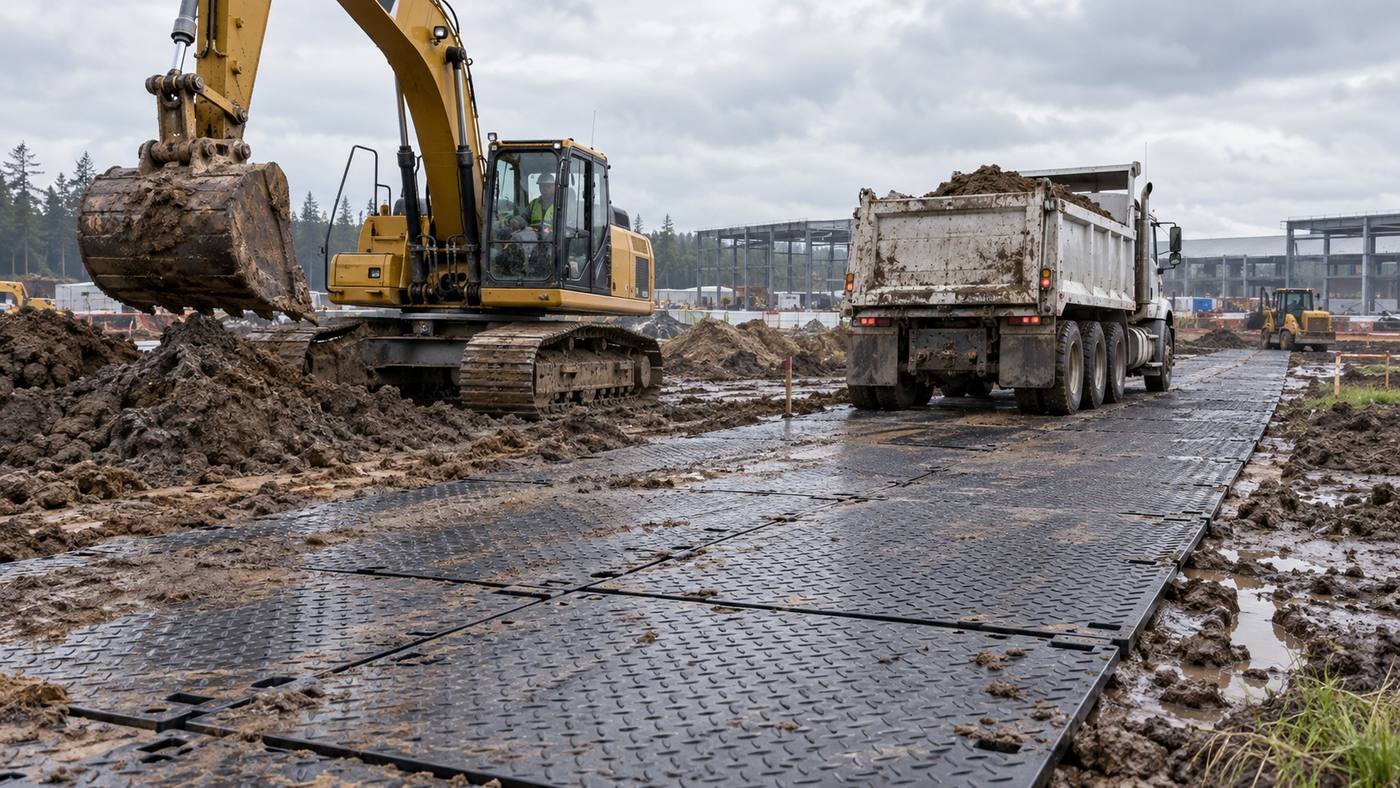
Browse the typical applications of Ground Protection Mats-, Dump Truck Bed Liners- and Outrigger Pads-- in different industries, click on pictures to enter the corresponding industry pages.
Construction & Infrastructure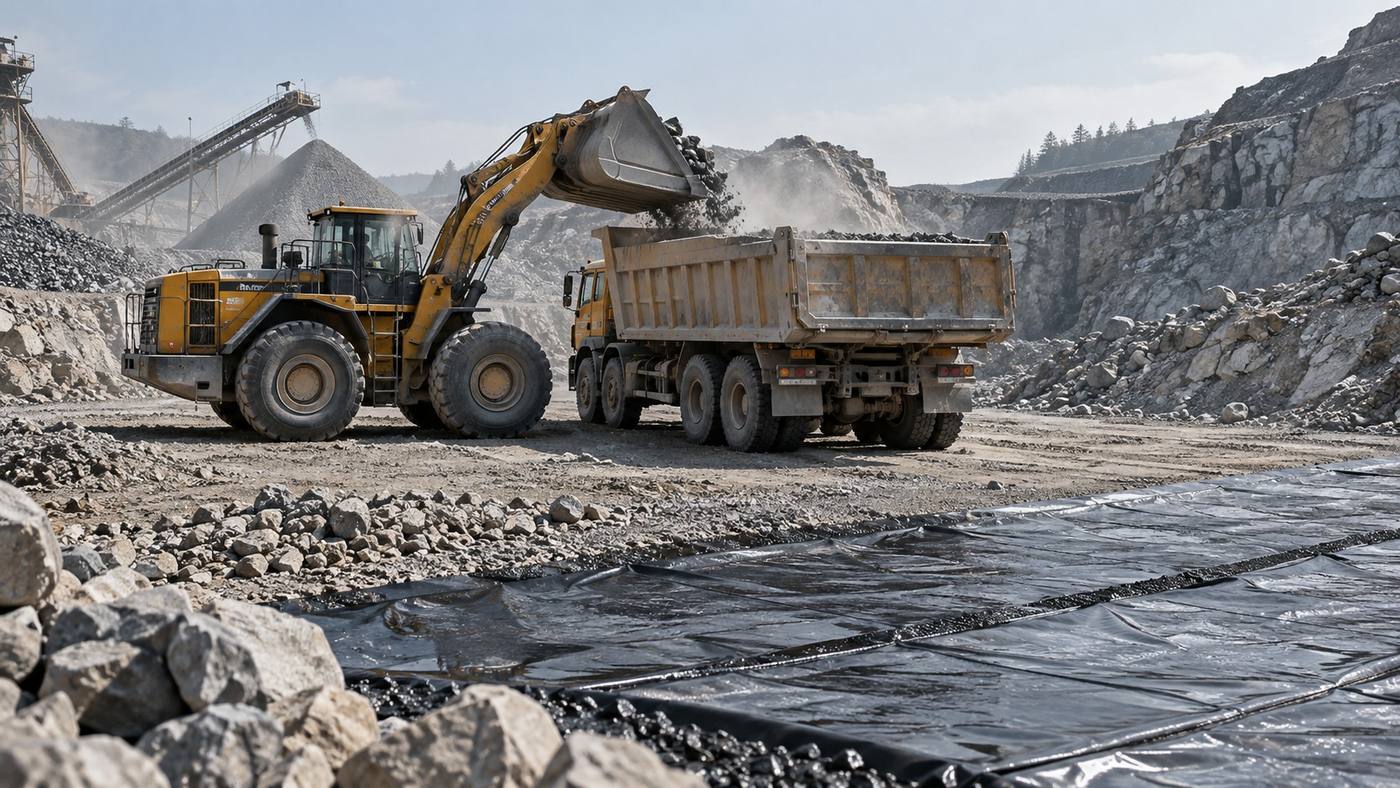 Mines, quarrying and drilling
 Agriculture, plantations and forestry
 Transport fleet and self-loading vehicles
 Lifting and lease of equipment
 Energy, electricity and new sources of energy
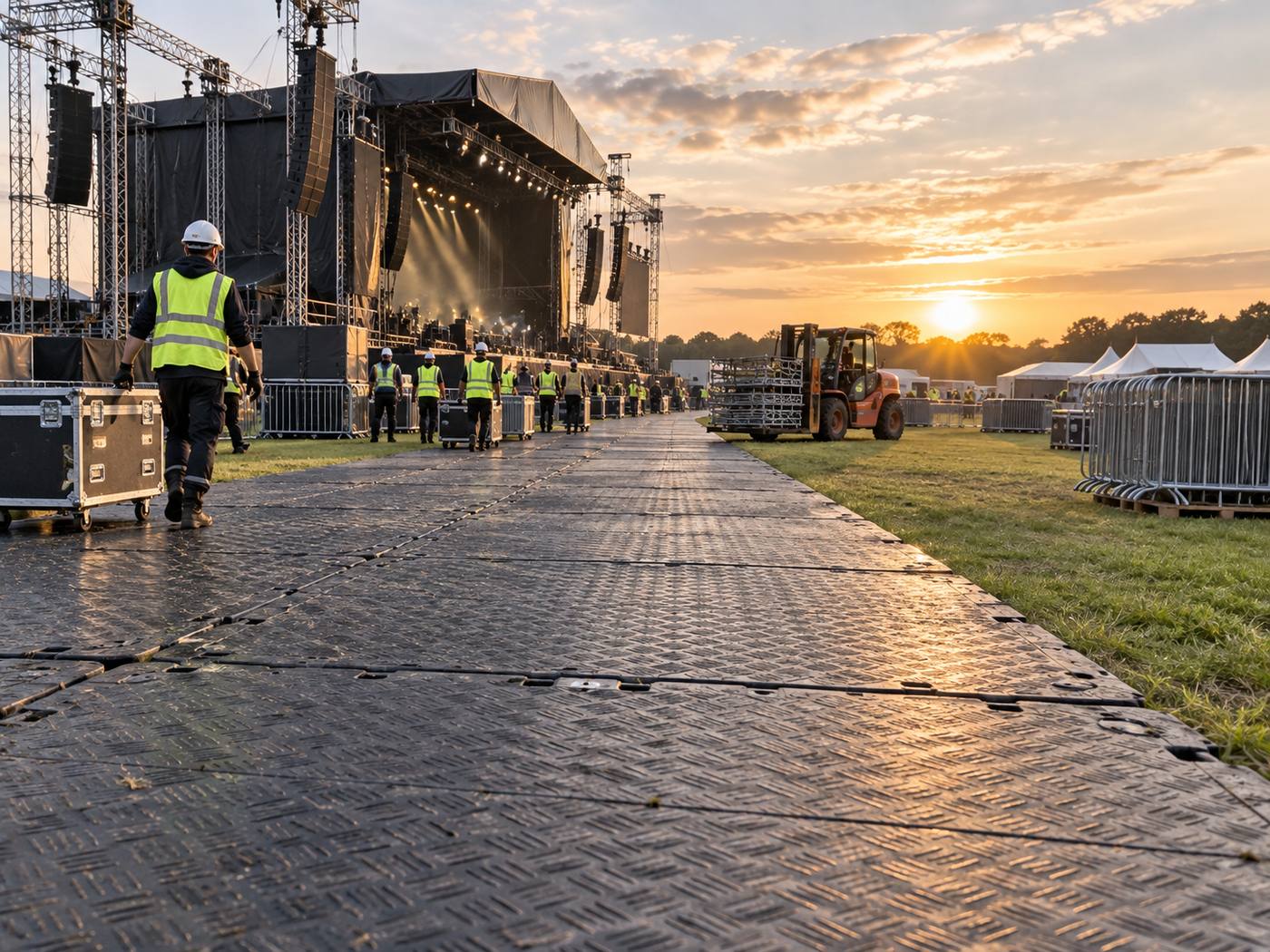 Events, performances and temporary venues
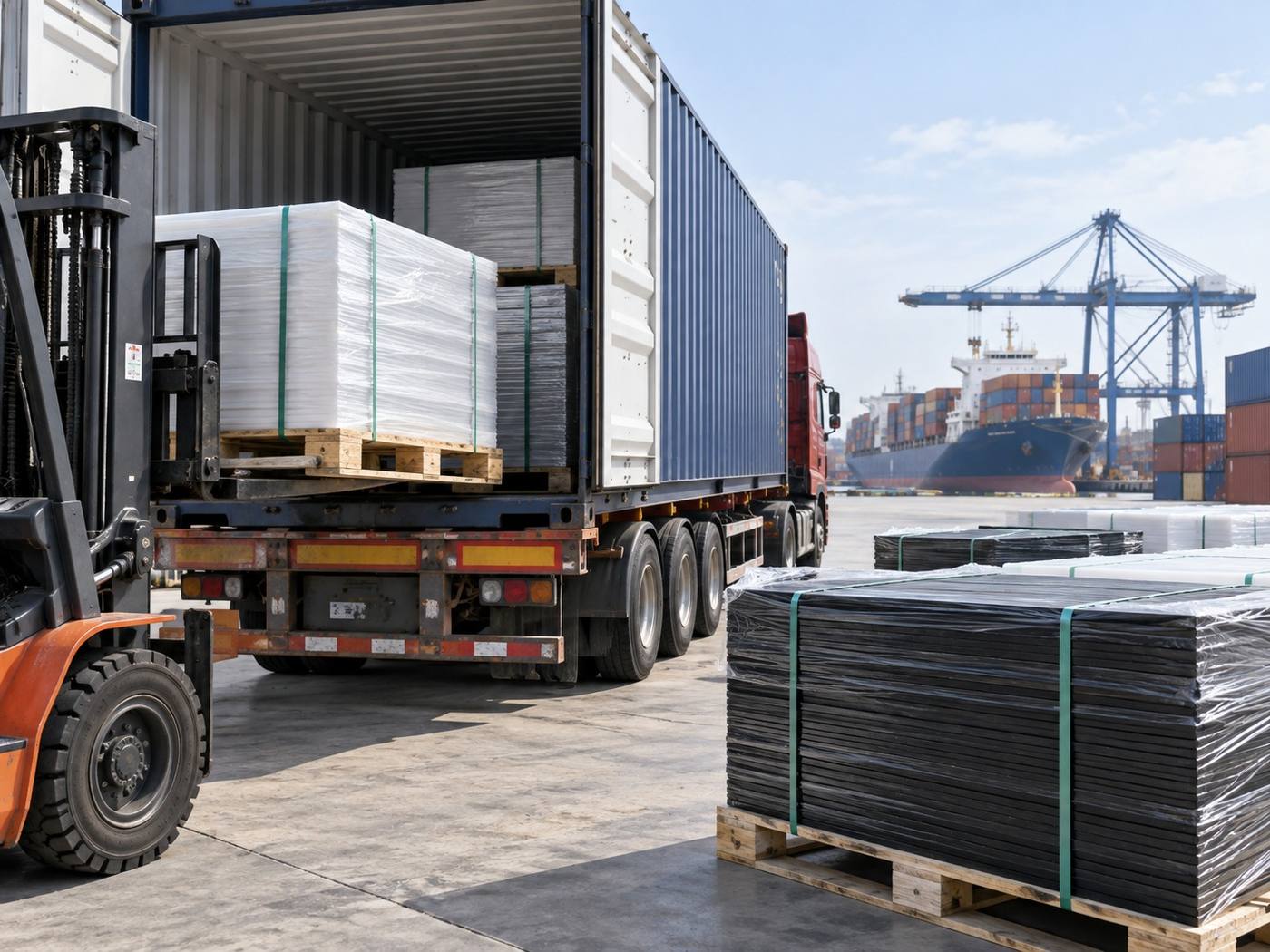 Ports, logistics and industrial sitesConstruction & InfrastructureMines, quarrying and drillingAgriculture, plantations and forestryTransport fleet and self-loading vehiclesLifting and lease of equipmentEnergy, electricity and new sources of energyEvents, performances and temporary venuesPorts, logistics and industrial sites