Different miles of the same pipe may be from hard drylands to water fields, wetlands, valleys or frozen ground, with rapidly changing carrying and drainage conditions.A solid segment would be wasteful and possibly insufficient if the same pavement were used across the line;Increased and random expansion of operating bands would also increase the pressure on reclamation and environmental acceptance.The project shall establish a land condition account at a mileage to mark the trenches, underground installations, eco-red lines and land boundaries, and determine the level of continuous laying, partial reinforcement or restricted areas.The sub-deposition, mud spills and peripheral disturbances were recorded in the construction advance, after which the site was cleared, recovered and restored in accordance with the plot requirements.The oil, gas and pipeline construction site should set clear standards for the discontinuation of “long-range operating belts crossing multiple geological and environmentally sensitive areas”, such as continued long-range tipping, incomplete support surfaces, extended deposition, visible slippage of vehicles or loosed connectors.Unusual isolation and unloading were detected, and then the floors were repaired or reconfigured, and temporary pads were prohibited in carrying conditions.The head of the mission may not resume operations until he or she has been qualified to do so, and records of disposal are maintained.
Oil, gas and pipeline engineering field applications
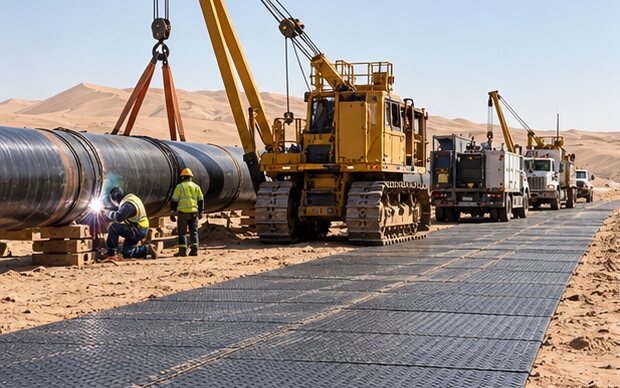
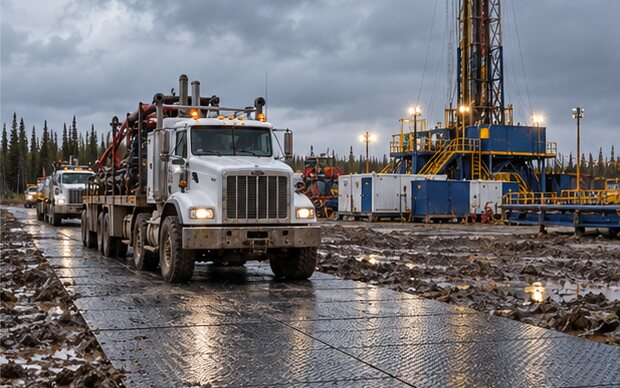
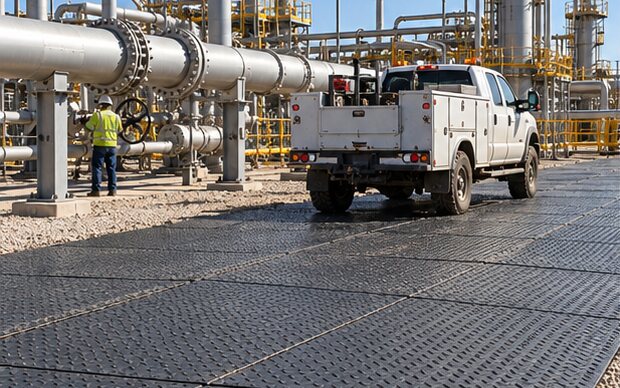
Common oil, gas and pipeline construction project applications
Description of the business processes, vehicle equipment, ground conditions and the project cycle.
Oil, gas and pipeline construction involves the construction of drilling fields, fracturing and maintenance, long pipeline line discharge, pipe transport, welding tests, ditch filling, valves and pumping stations. The project route may cross agricultural land, grasslands, wetlands, frozen soil, sands and remote uncorrigided areas. Heavy pipe transporters, cranes, excavators, welders, and mobile cranes need to be carried forward continuously along the narrow operating belt.
In a well-drilled platform or site, there is a high level of equipment and vehicles, and leg-style lifting and maintenance equipment also requires stabilization operations in limited space.There are long-sized loads and rotation radius requirements for the handling of pipes, while mud, drilling chips or backfill transport may pose problems of car adhesion and clean-up.The application design should separate the route, the docking station, the material dump and the pollution control, collect data on axle loads of vehicles, single unit weight of tubes, retrogressive legs, ground-based loads, length of lines, slopes and seasonal variations, and form a combination of options that can be moved with the construction segment.
Common Issues
The actual performance of the oil, gas and pipeline works is explained, respectively, for reasons of formation, possible impacts, inspection priorities and management methods.
(a) The length of the pipe transport vehicle and the apparent internal cut-off of the rear wheel tracks, which can easily deviate from the surface in narrow bends, slopes and car areas;The retroactivity of the crane leg with the operational radius and possibly close to the edge of the gutter is observed when the channel, ditch and site are installed.The selection of vehicle widths or crane tonnages alone will omit the bends to sweep, groove impact lines and dynamic loads.The longest vehicle tracks should be simulated prior to construction, with a wider inside and meeting point of the bend and a restricted ramp;Hanging slots are required to verify the length of the ditch, the mass of the backfill and the maximum reaction of the single leg, and to set up a flat and deposition observation to avoid the crushing of the legs on the ditch or loose slope.The oil, gas and pipeline construction project should also include the results of the inspection in the pre-class confirmation and handover records, in response to the “high geometry and support requirements of the route for long pipe transport and loading”, specifying who is responsible for release, who is responsible for inspection, what deposition or relocation must be discontinued.Retroactive recording of photographs, measurements and usages will make it possible to distinguish ground-based changes, operational deviations from product damage and avoid repetition of the same problem between different groups.
Drilling mud, water-drilling chips and viscous backfills easily bind to cars, and residues increase back-to-back weights, lower payloads and cause problems of cleaning and compliance by dripping down roads.Drivers can increase damage to equipment and human exposure if they are struck or suddenly prepared.The selection of the internal liner shall be preceded by the identification of the material composition, temperature, solidity rate, particle shape and any special compatibility requirements, as well as the examination of the discharge site angle and the washing process.Dump Truck Bed Liners- will only improve mobility and grinding and will not replace sealing, cover and pollutant disposal systems, and the project will still require checkpoints and clean records.The treatment of “glute, drilling debris and wet soil transport that creates a sticky and pollution control pressure” cannot be seen only as a single pass, but also as covering the maximum load, maximum frequency, worst weather and evacuation phases.It is recommended that representative positions be selected for trial, that ground, vehicle or equipment data be recorded and that the scope, connection and frequency of maintenance be adjusted to the results;Changes in conditions have confirmed that early experience is not directly applied to the entire oil, gas and pipeline construction project.
Solution Recommendations
The route, the grass-roots, the support or the unloading of the material is addressed first, and the corresponding products are recommended according to the work situation.
The programme should be centred on line classification and mobile construction metametry.The terrain is then divided into four categories, solid, seasonally softened, continuously saturated and environmentally sensitive, each of which is defined for grass-roots treatment, plate thickness, length laid and timing of recovery.(b) Broadening the protective width of the long vehicle on the back track by setting special checkpoints in the trenches, on the slopes and at the entrance to the site;The wells and valves are divided into vehicle areas and hanger areas, which manage the wheel and point loads, respectively.Check the weather, underground facilities and land restrictions before construction starts in each construction sector, and take stock of the sheet and the connectors at the close of the construction to avoid any legacy.
HDPE Ground Protection Mats—temporary access routes for pipe transport, rigs and service vehicles, wetland or high frequency segments should be assessed for thicker specifications and reliable connections;Crane Outrigger Pads for clipber auxiliary suspension, car suspension, pump vehicle and maintenance equipment, calculated by single-leg reaction and ground-permissible pressure.If wet soil, drilling chips or specific bulk materials are transported, the UHMWPE Dump Truck Bed Liners- may be used to improve the smoothness of discharges and reduce the wear-out of cars, after ascertaining the material compatibility and temperature.The procurement list should be organized according to the construction mileage, rotation and the most unfavourable conditions of work, rather than filling the entire sheet with a single line.
Ground Protection Mats
For the establishment of temporary vehicle access, protection of the original ground and dispersion of the wheel; specific thickness, size, texture and connection will be determined by vehicle and base level.
Crane Outrigger Pads
For the purpose of increasing the area of the foot exposure and reducing average ground pressure; must be calculated in conjunction with maximum single-leg reaction, original foot size and a permissible ground pressure.
Dump Truck Bed Liners
For the improvement of viscous bulk material discharges and the protection of carriages; materials, thickness, fractions and fixed structures need to be customised to materials and carriages.
Manufacturing
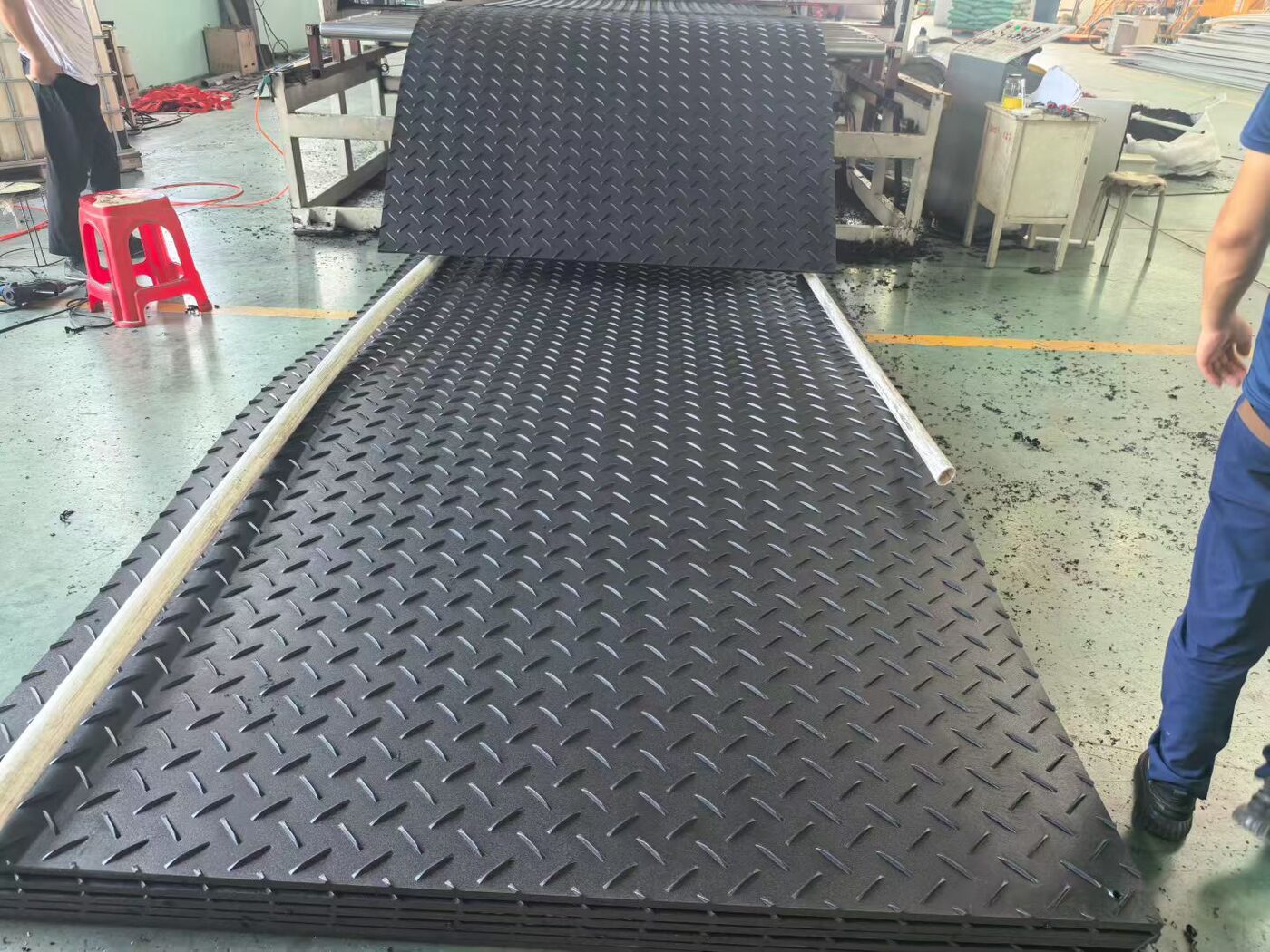
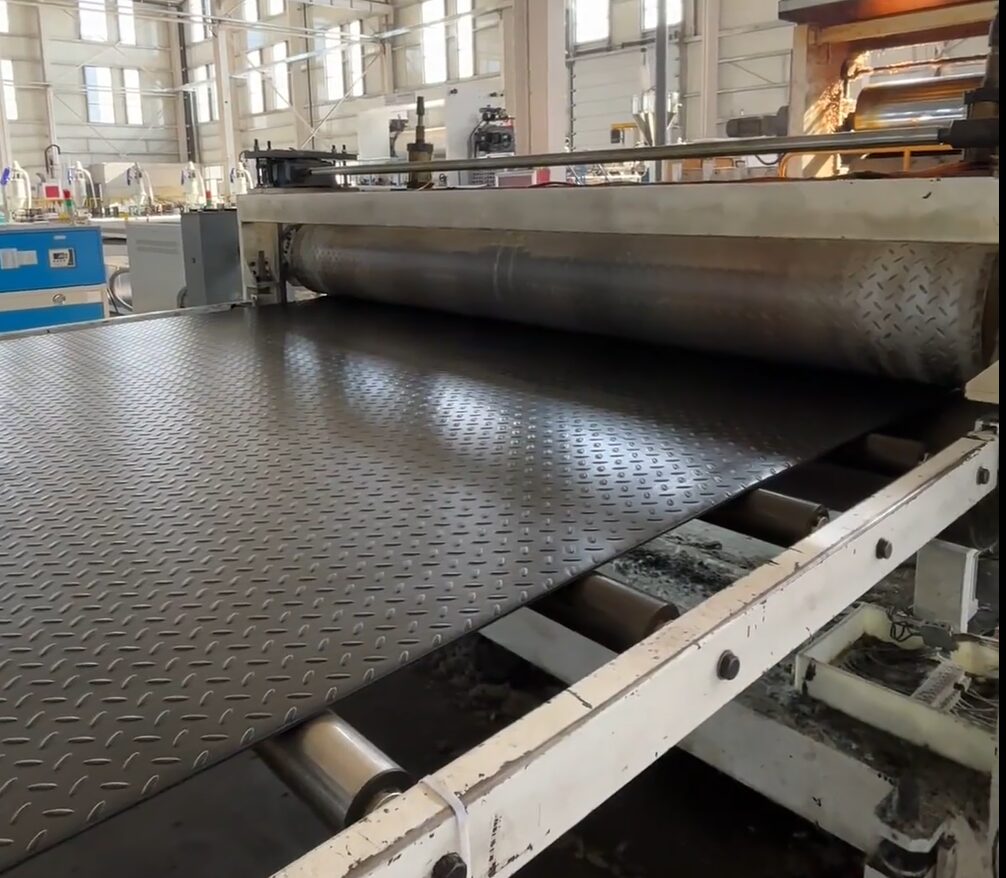
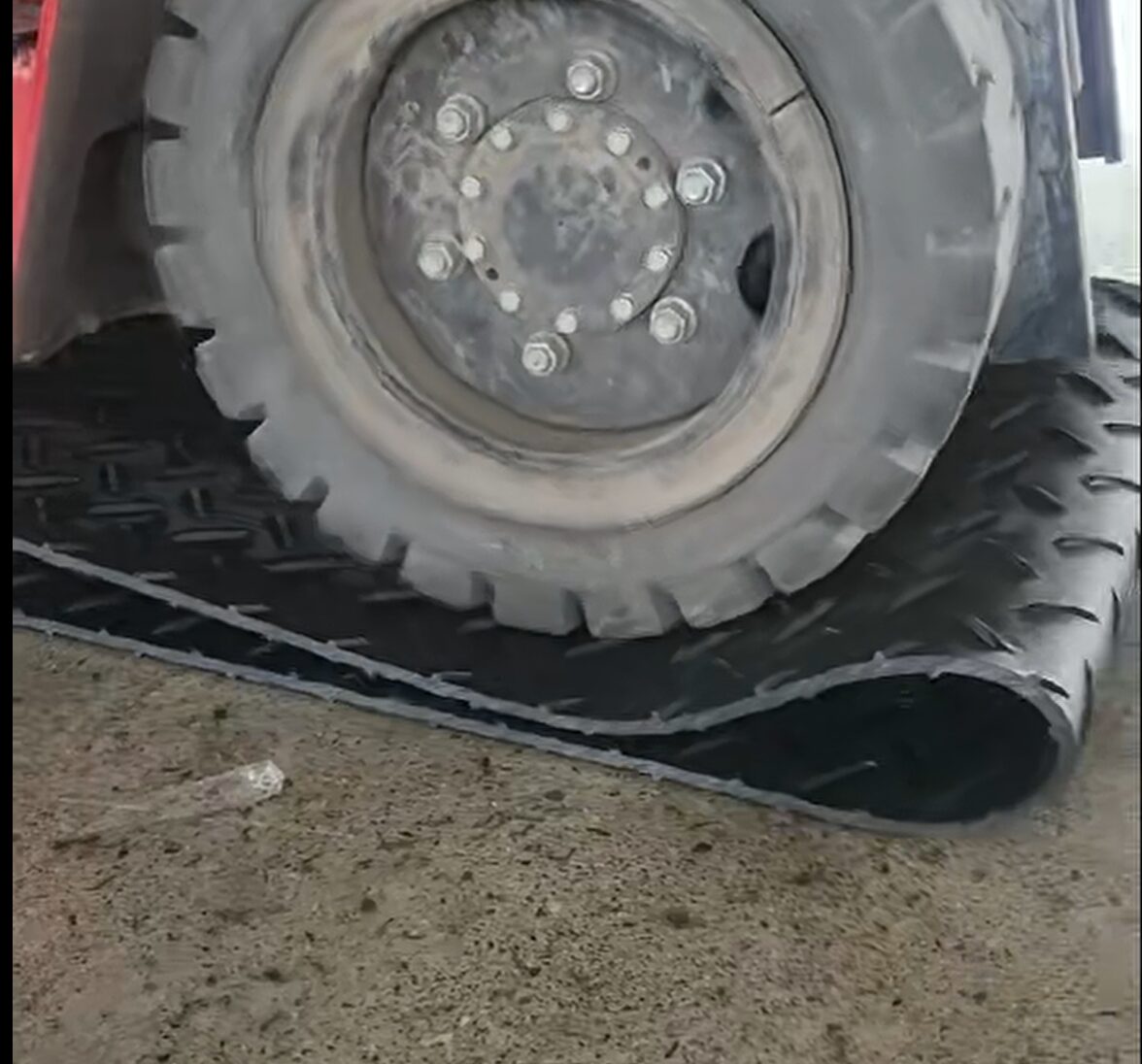
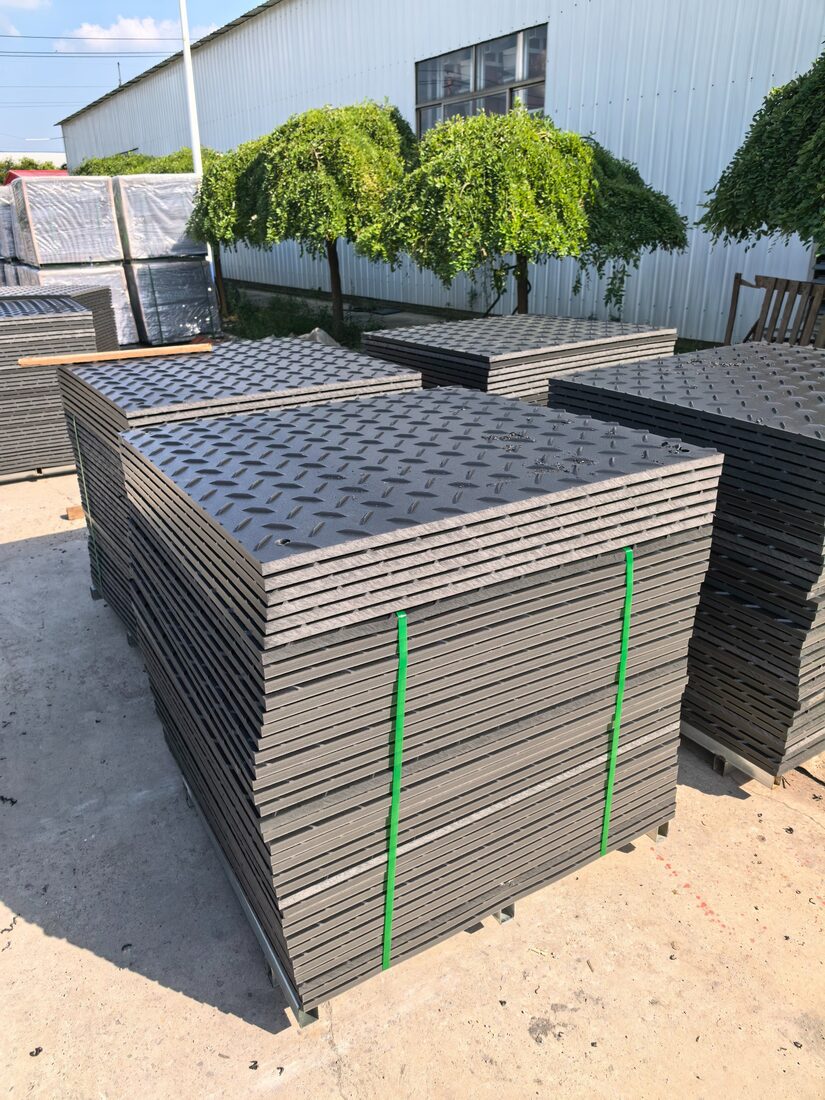
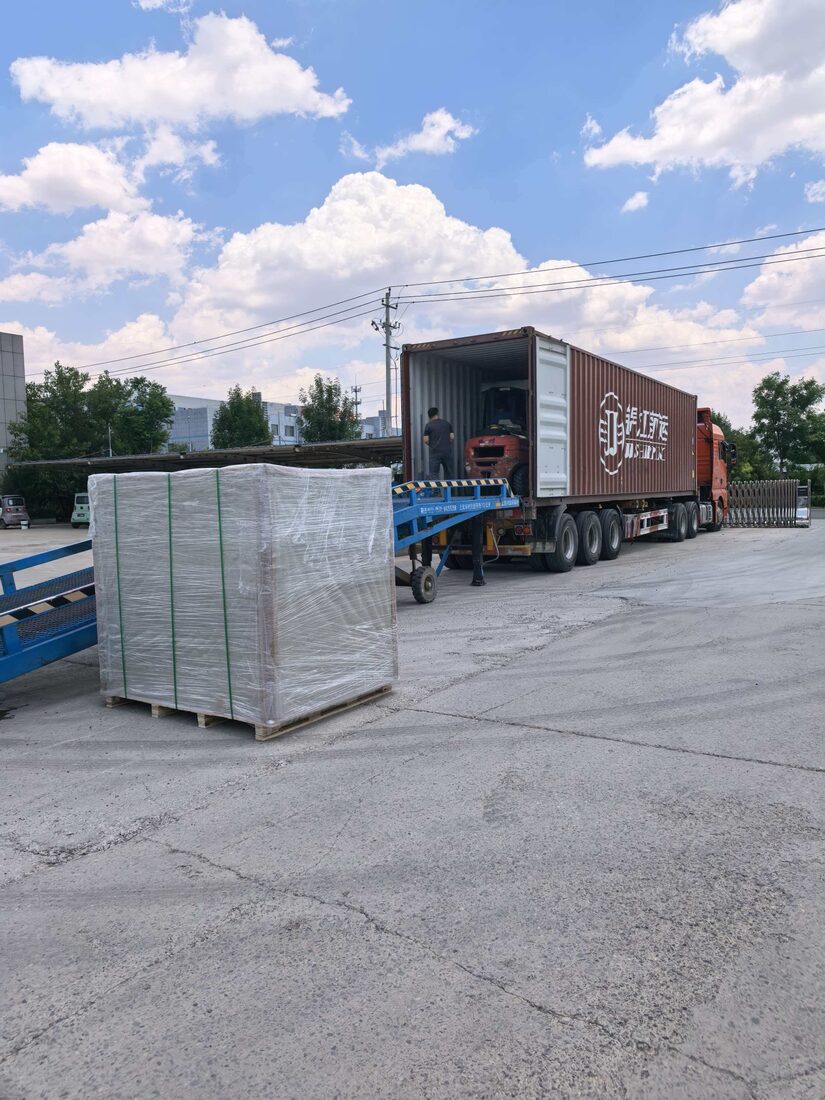
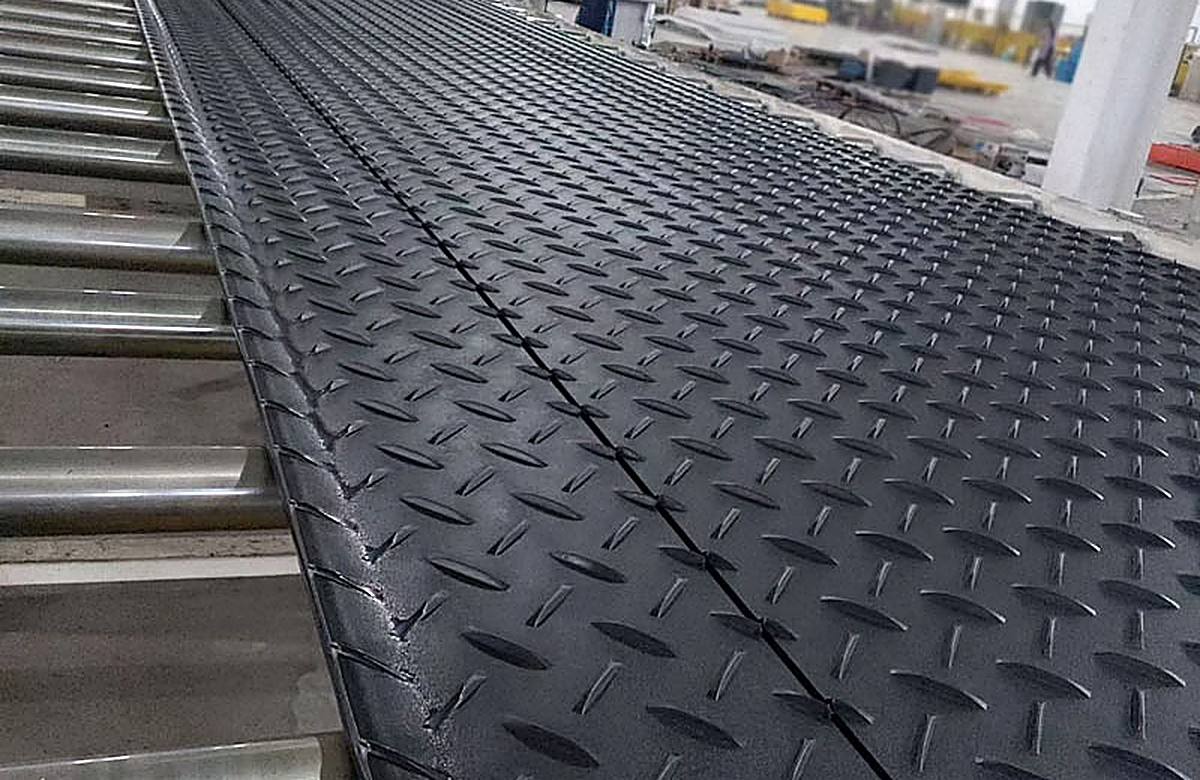
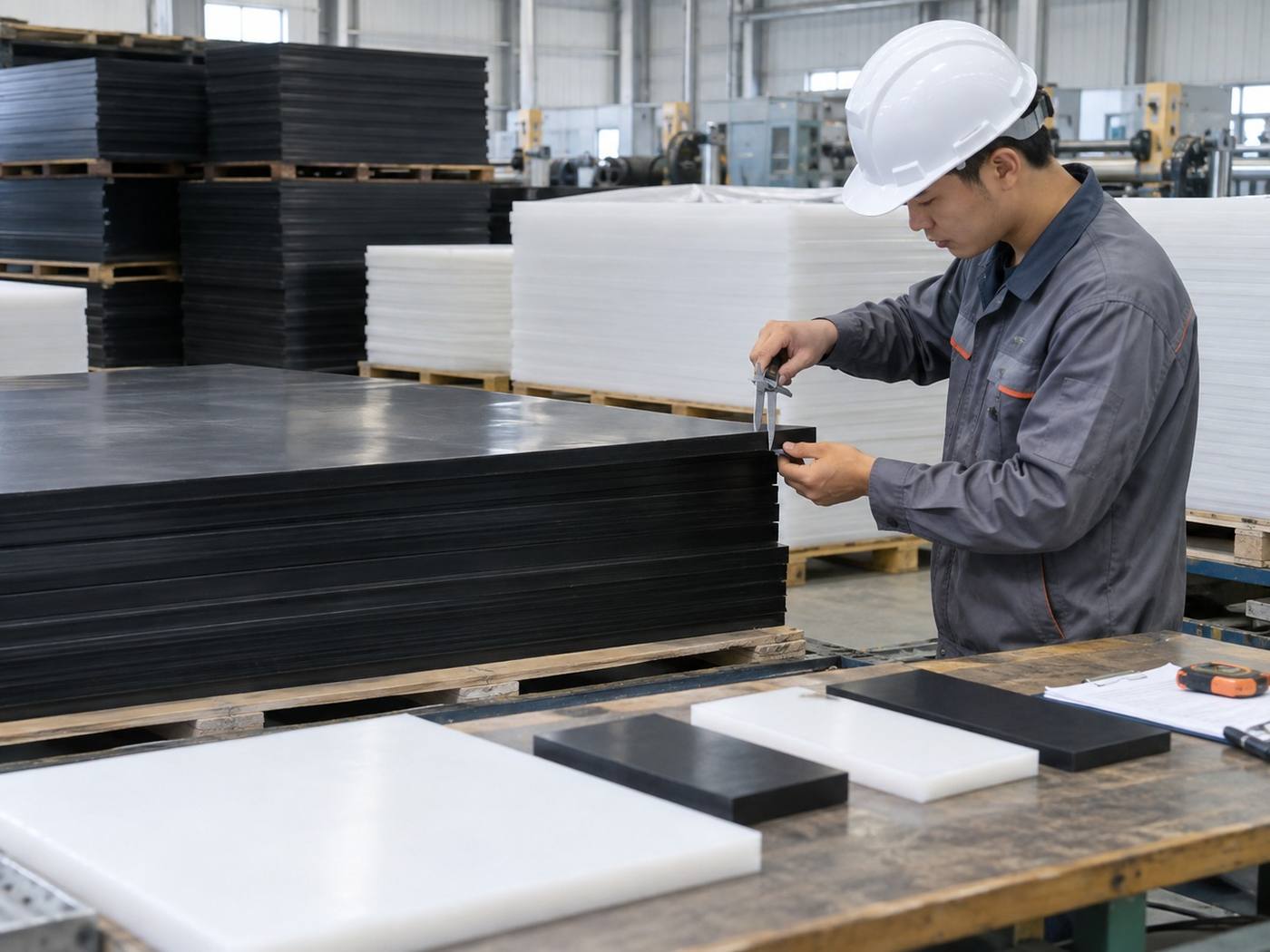
01Ground Protection Mats Production and bulk delivery
From smooth-truck road formation to vehicle load validation, to mass stacking, packaging and loading.
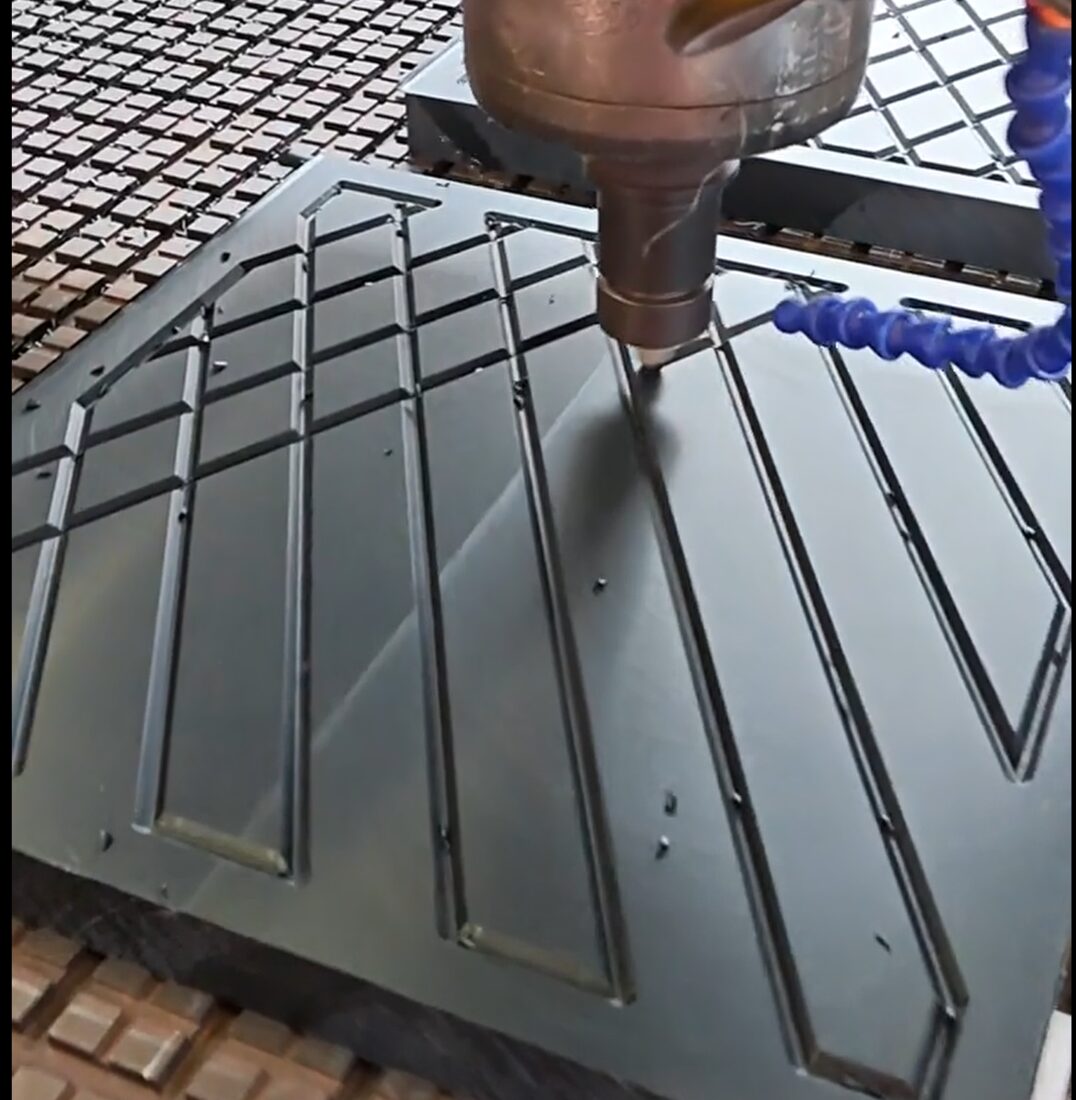
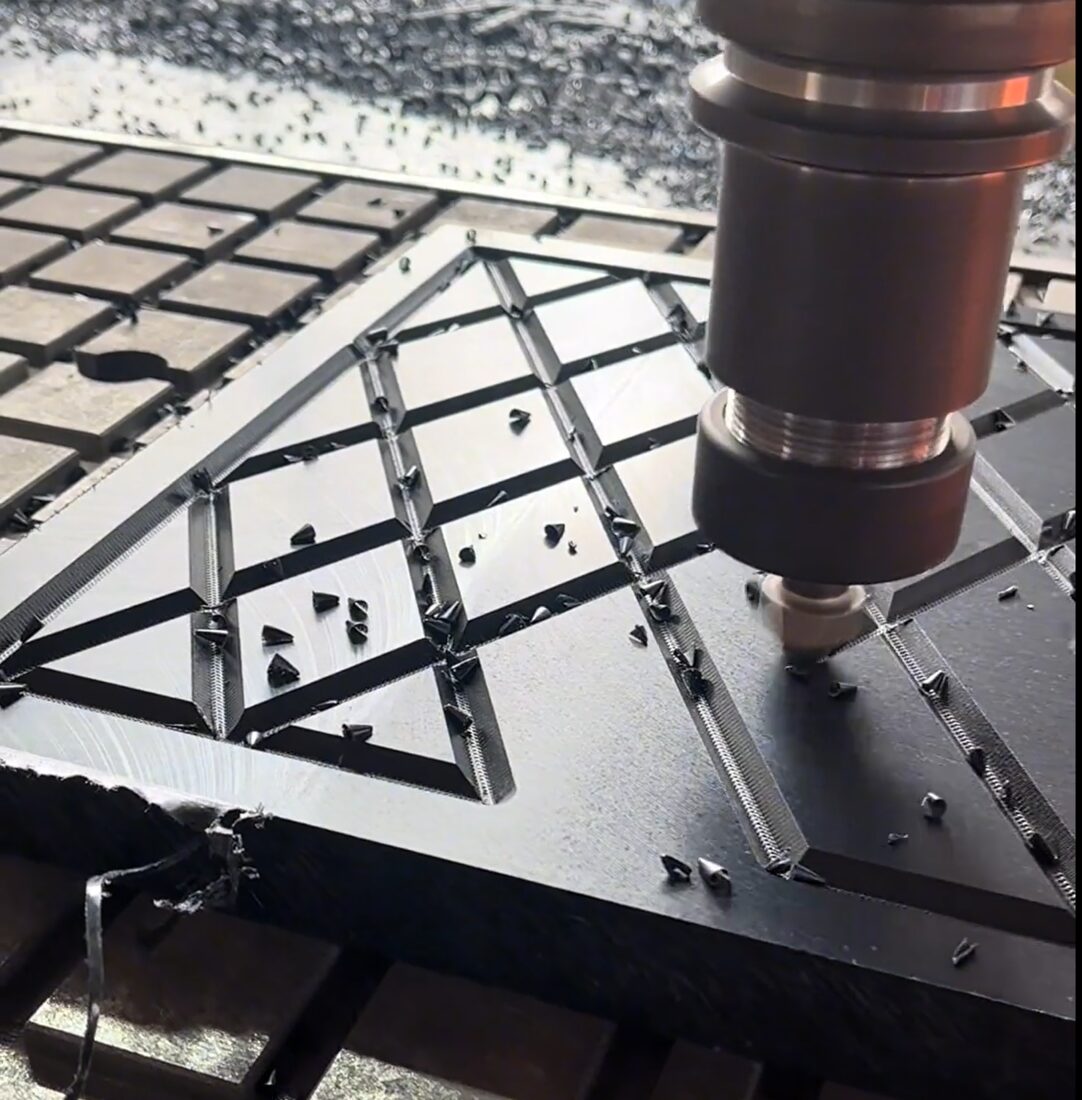
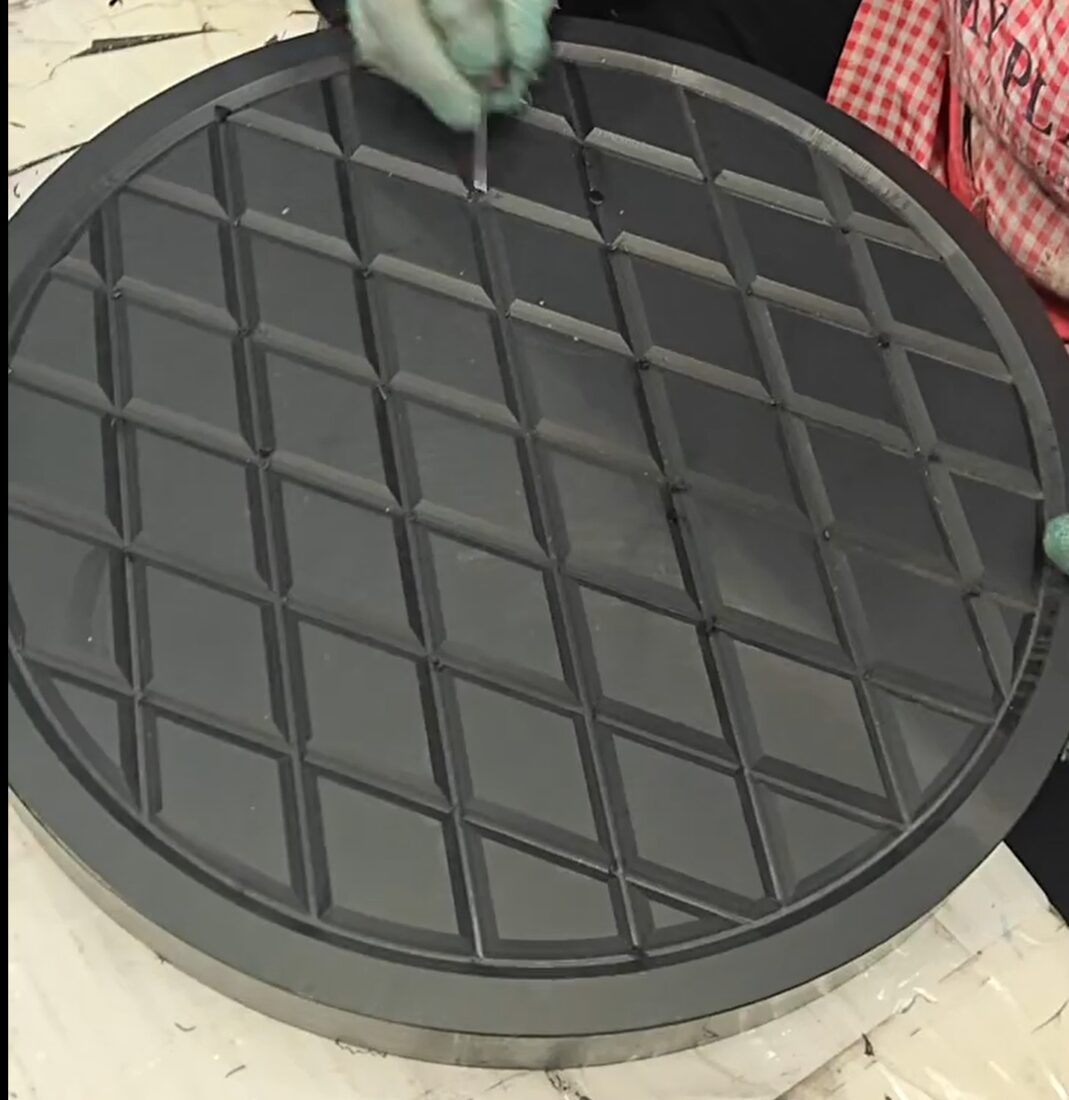
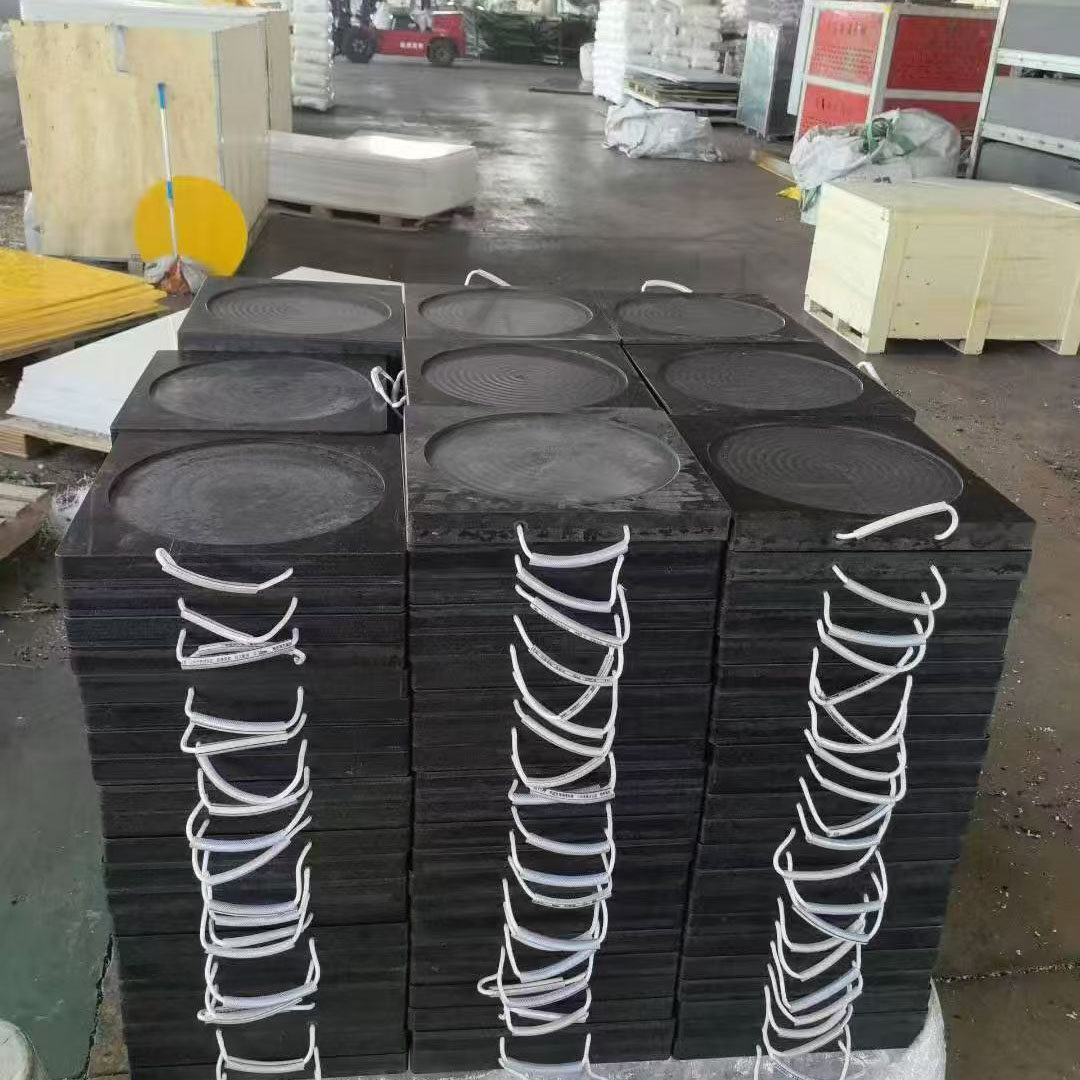
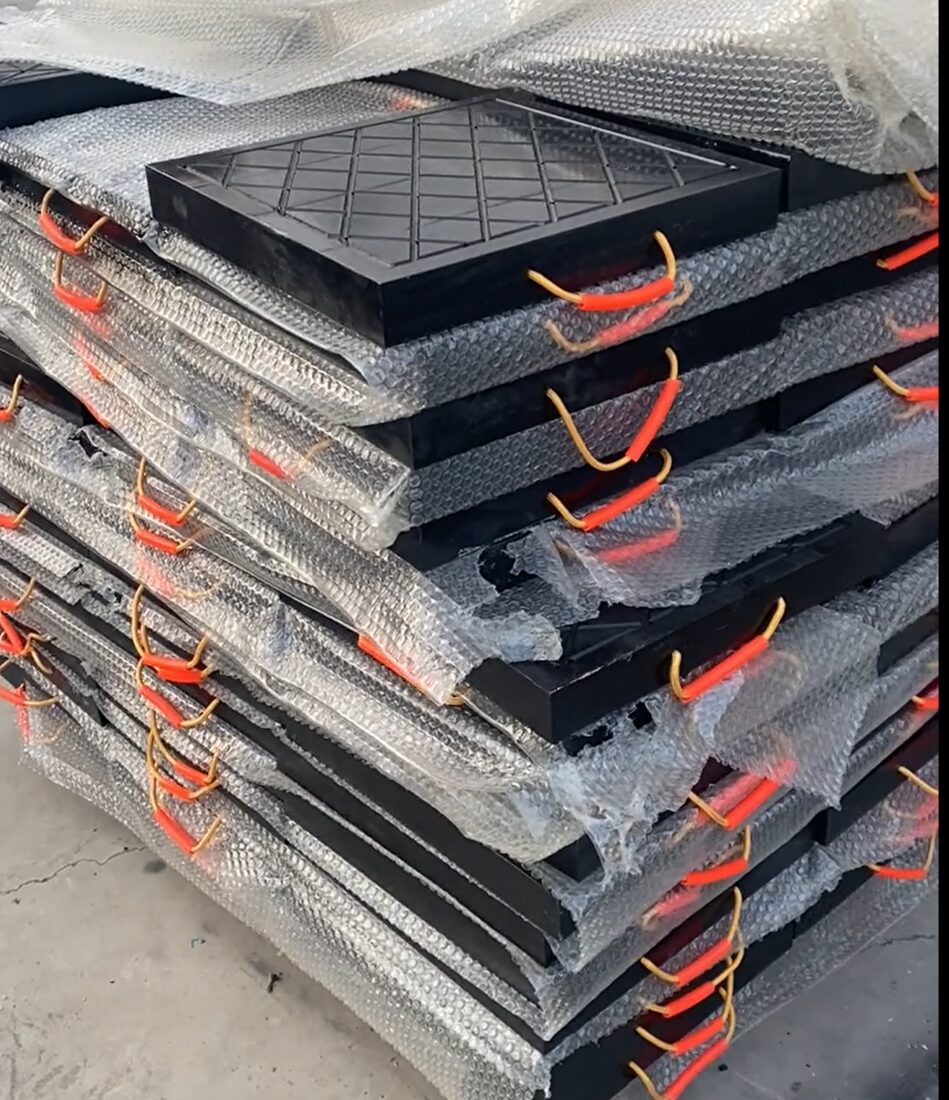
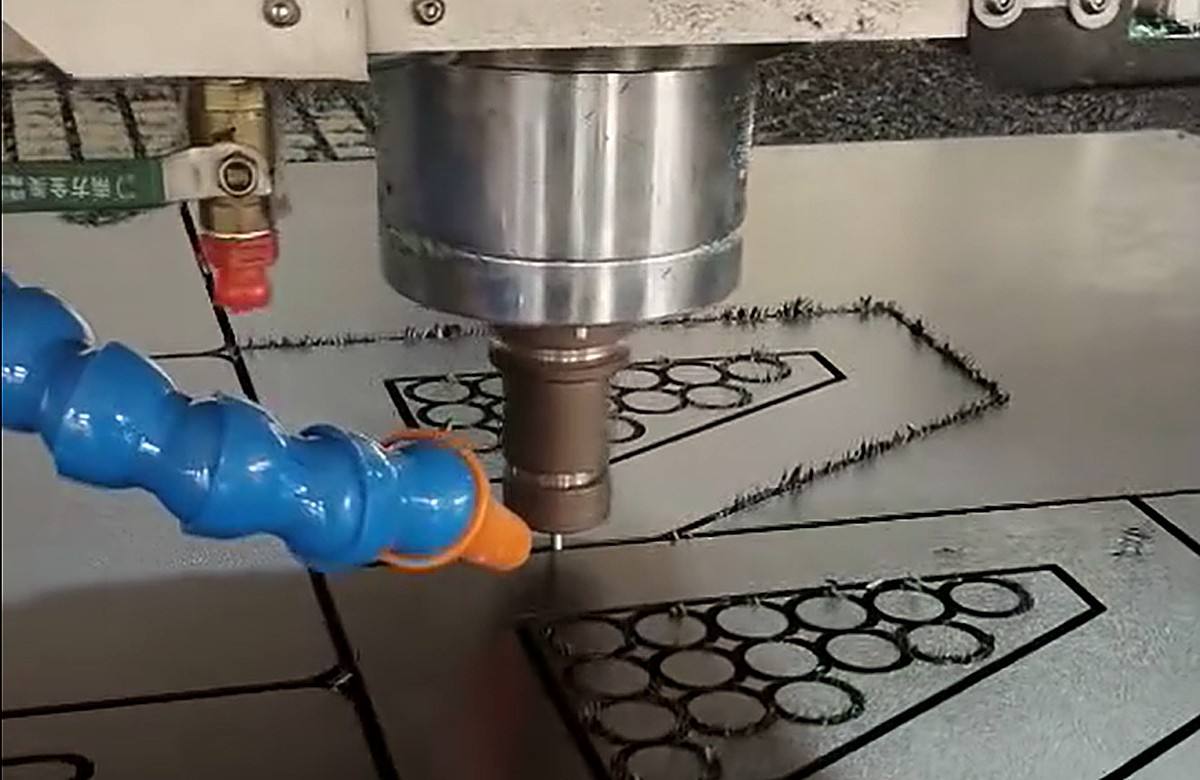
02Crane Outrigger Pads Processing and Inspection
CNC processes, surface structural checks, attachment configurations and packagings showing circles, squares—Outrigger Pads.
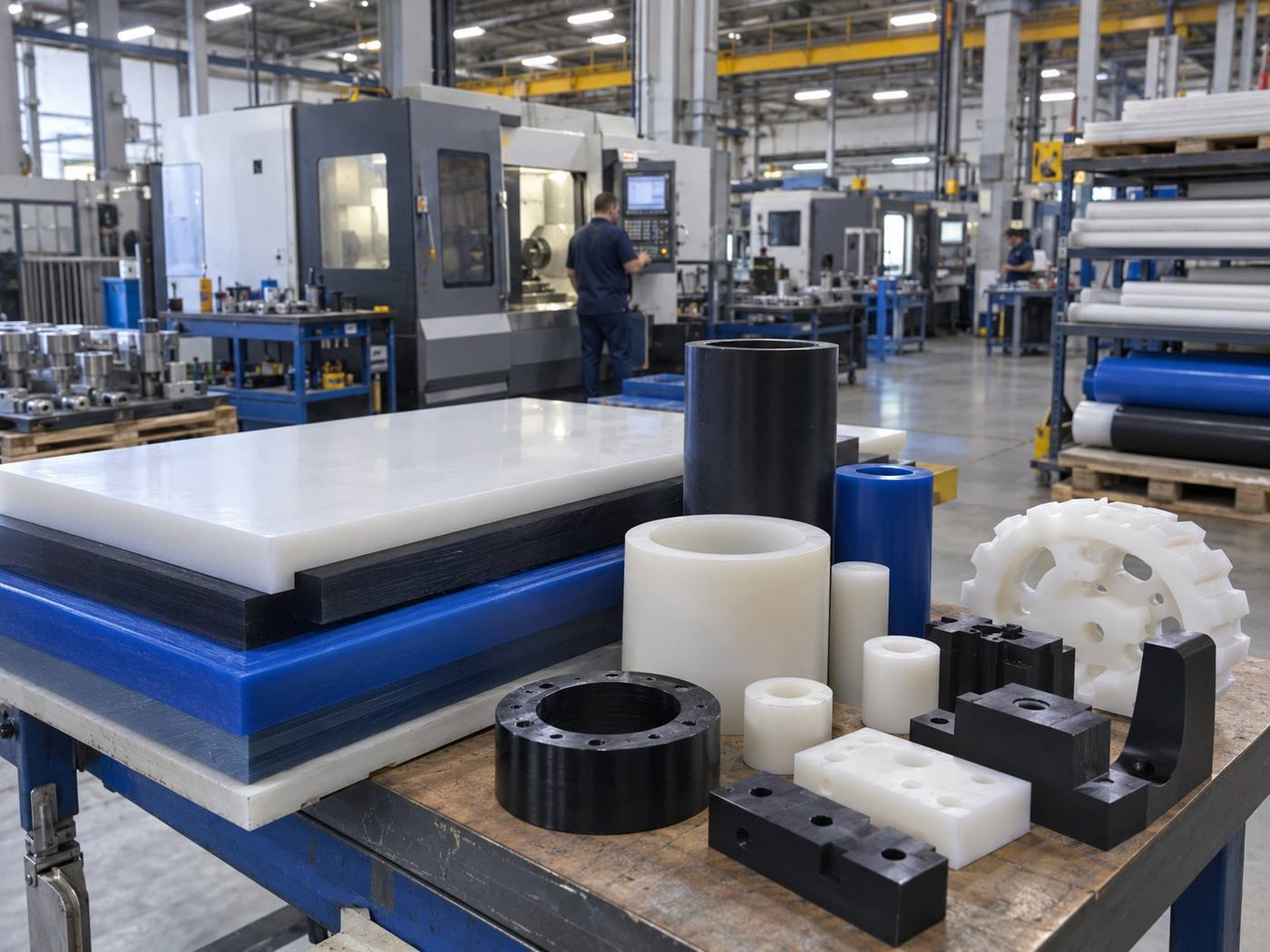
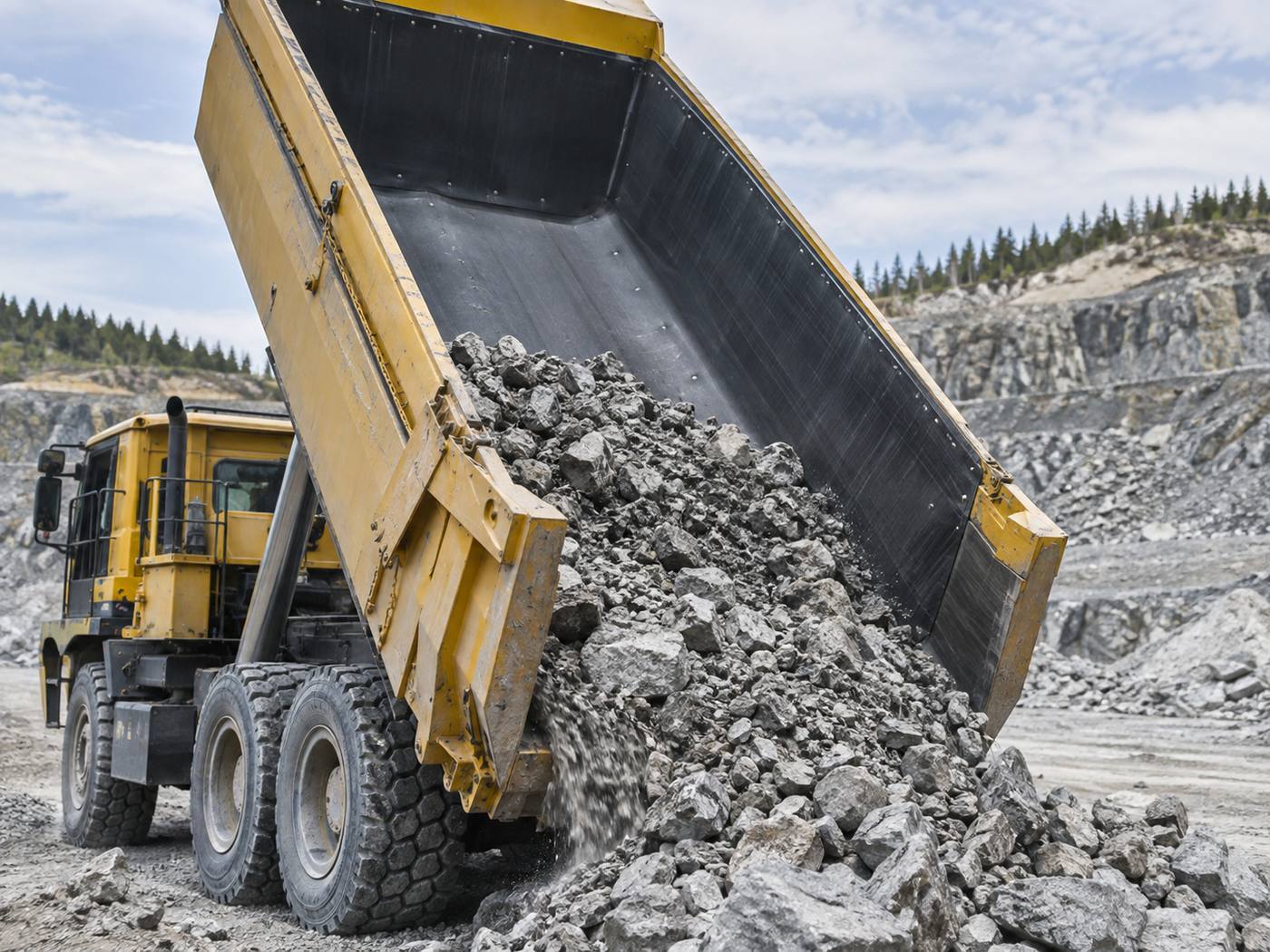
03Dump Truck Bed Liners- Manufacture and Customisation
Prepare the plates according to the type of vehicle, the size of the vehicle and the transportation material, the calibration, the pore review and the packing delivery.
Information proposed before request for quotations
The more complete the information, the easier it is to quickly determine the appropriate size, thickness, structure, quantity and customization.
- Type and weight of vehicle/equipment
- Ground type versus hardness
- Length, width and turn of route
- Retroactivity of equipment model with maximum leg
- Size of original foot
- Ground carrying conditions
- Projected number of acquisitions
- Port of destination/delivery area
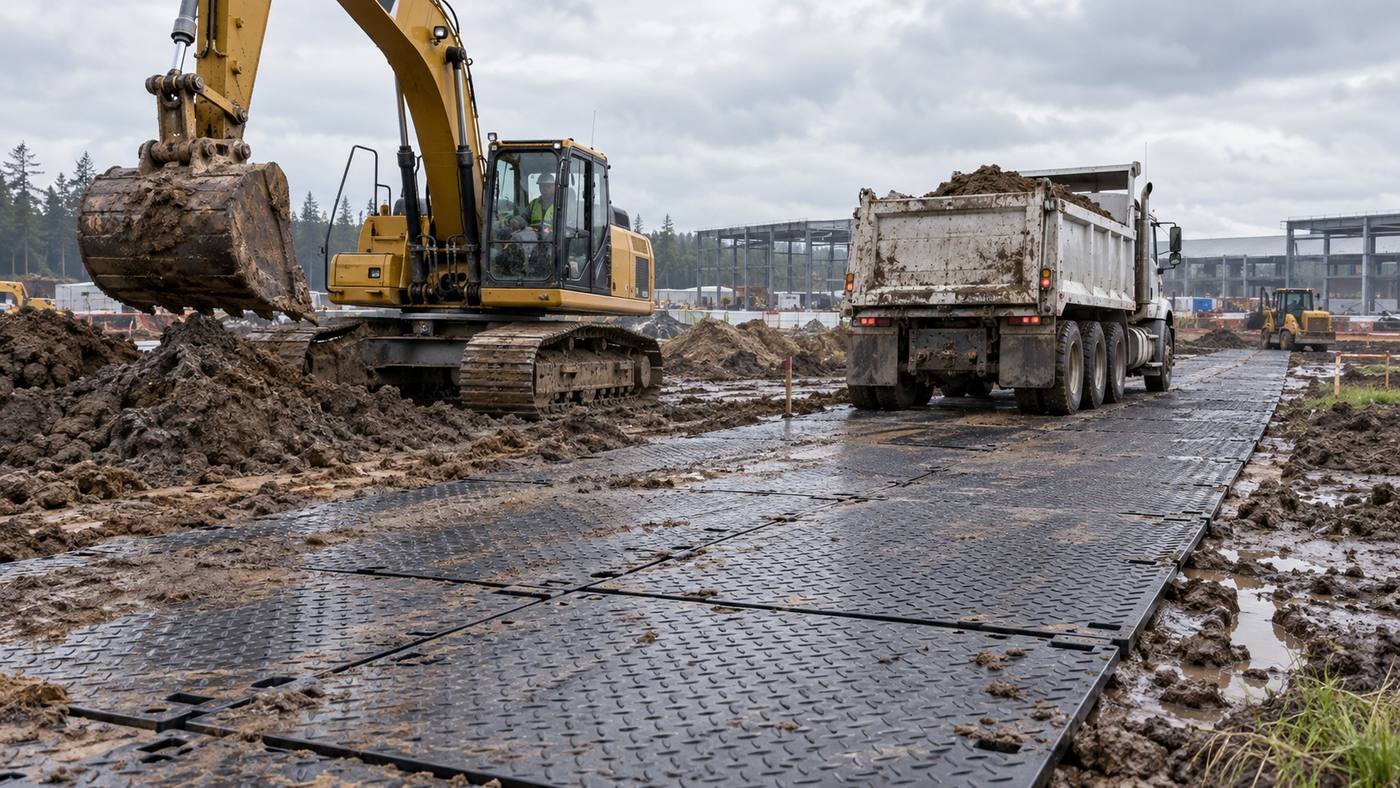
The oil, gas and pipeline construction project proposal is needed?
We continue to assess the actual conditions of work for the distribution of site photographs, equipment/vehicle parameters, application conditions, quantity and port of destination.
Industry application cases
Browse the typical applications of Ground Protection Mats-, Dump Truck Bed Liners- and Outrigger Pads-- in different industries, click on pictures to enter the corresponding industry pages.
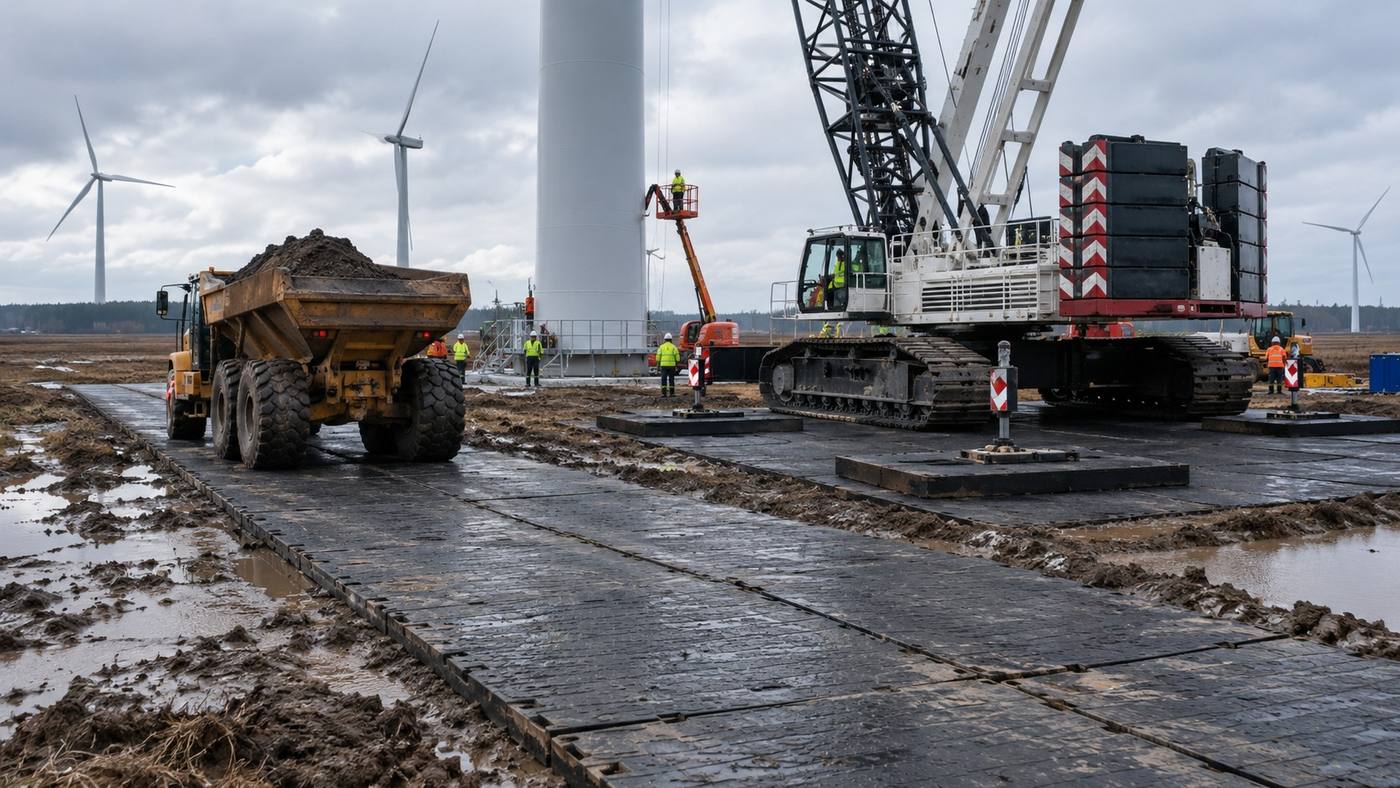 Construction & Infrastructure
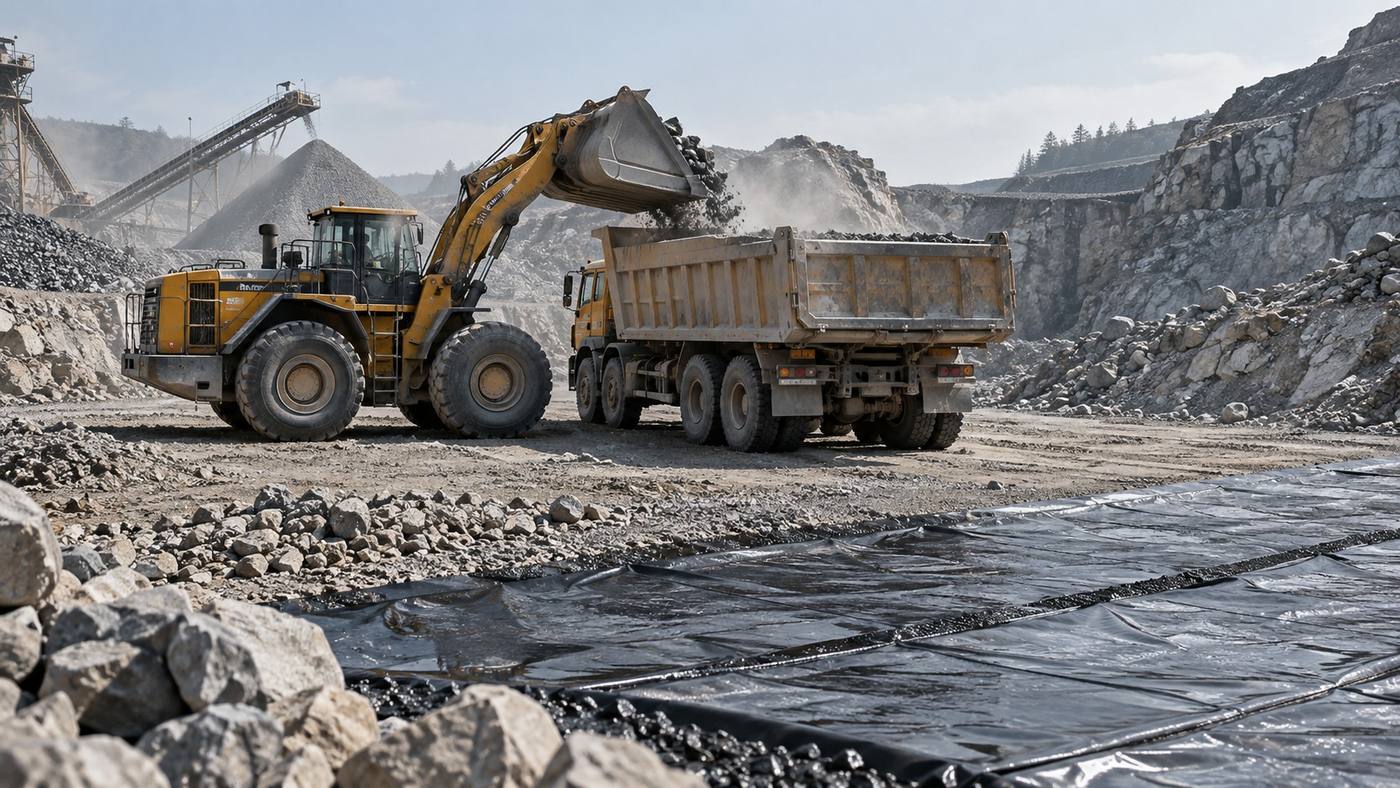 Mines, quarrying and drilling
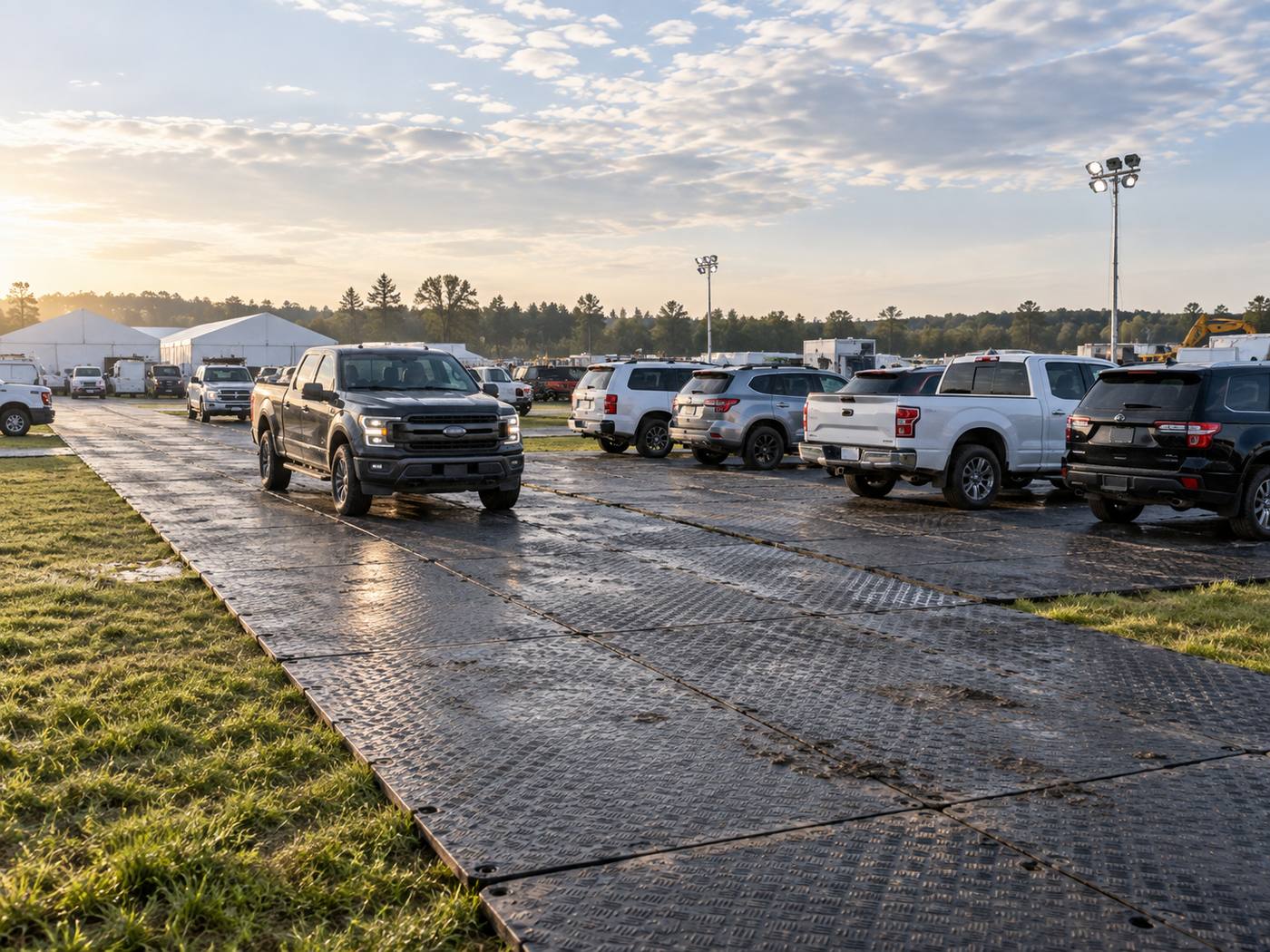 Agriculture, plantations and forestry
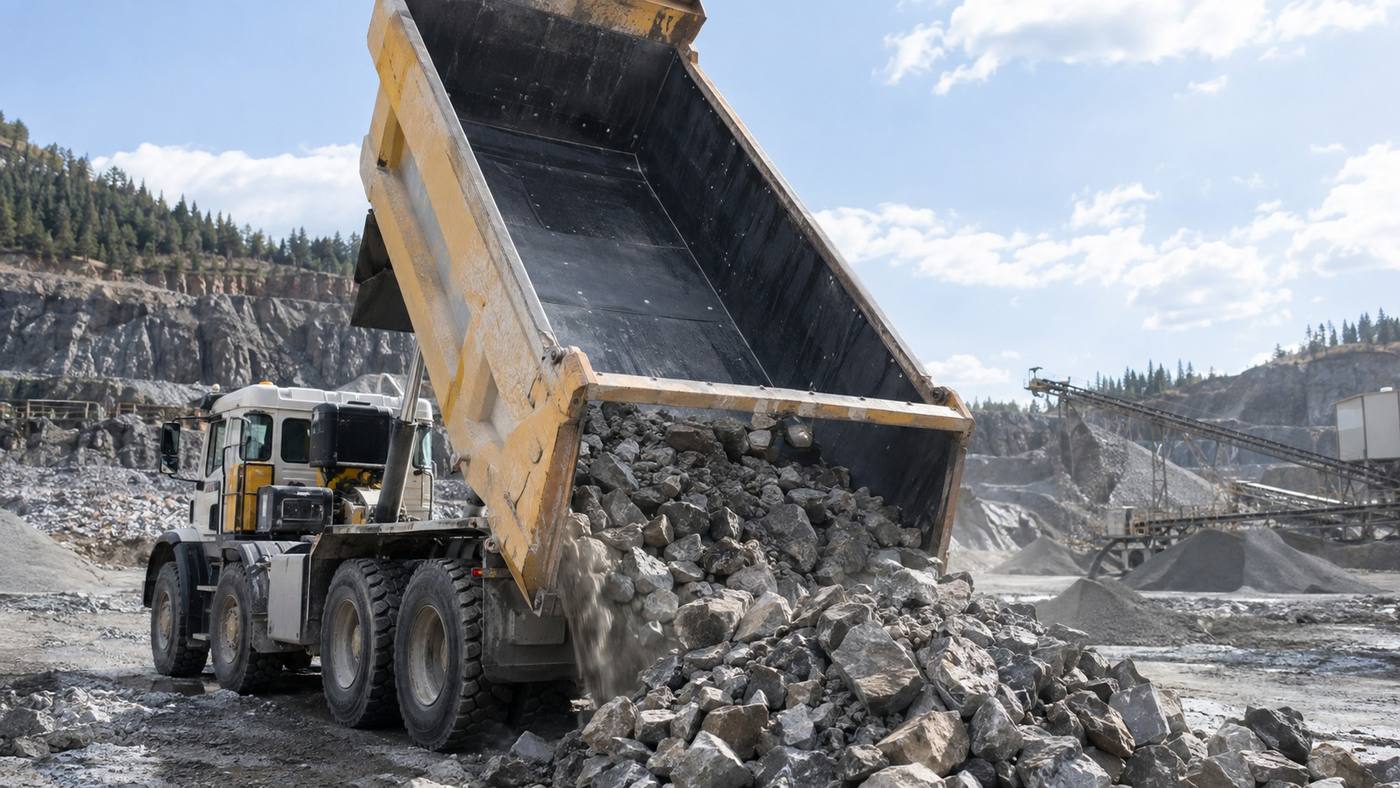 Transport fleet and self-loading vehicles
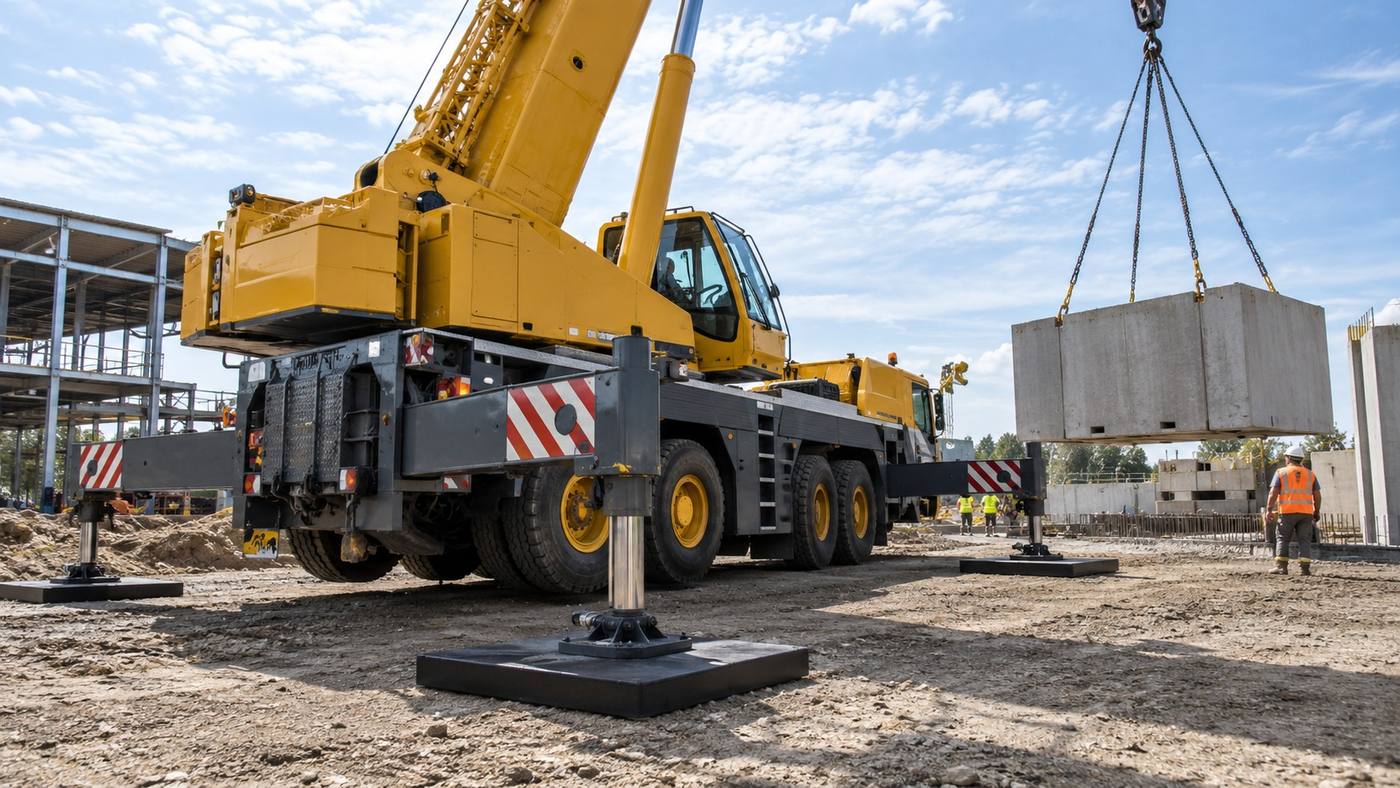 Lifting and lease of equipmentEnergy, electricity and new sources of energy
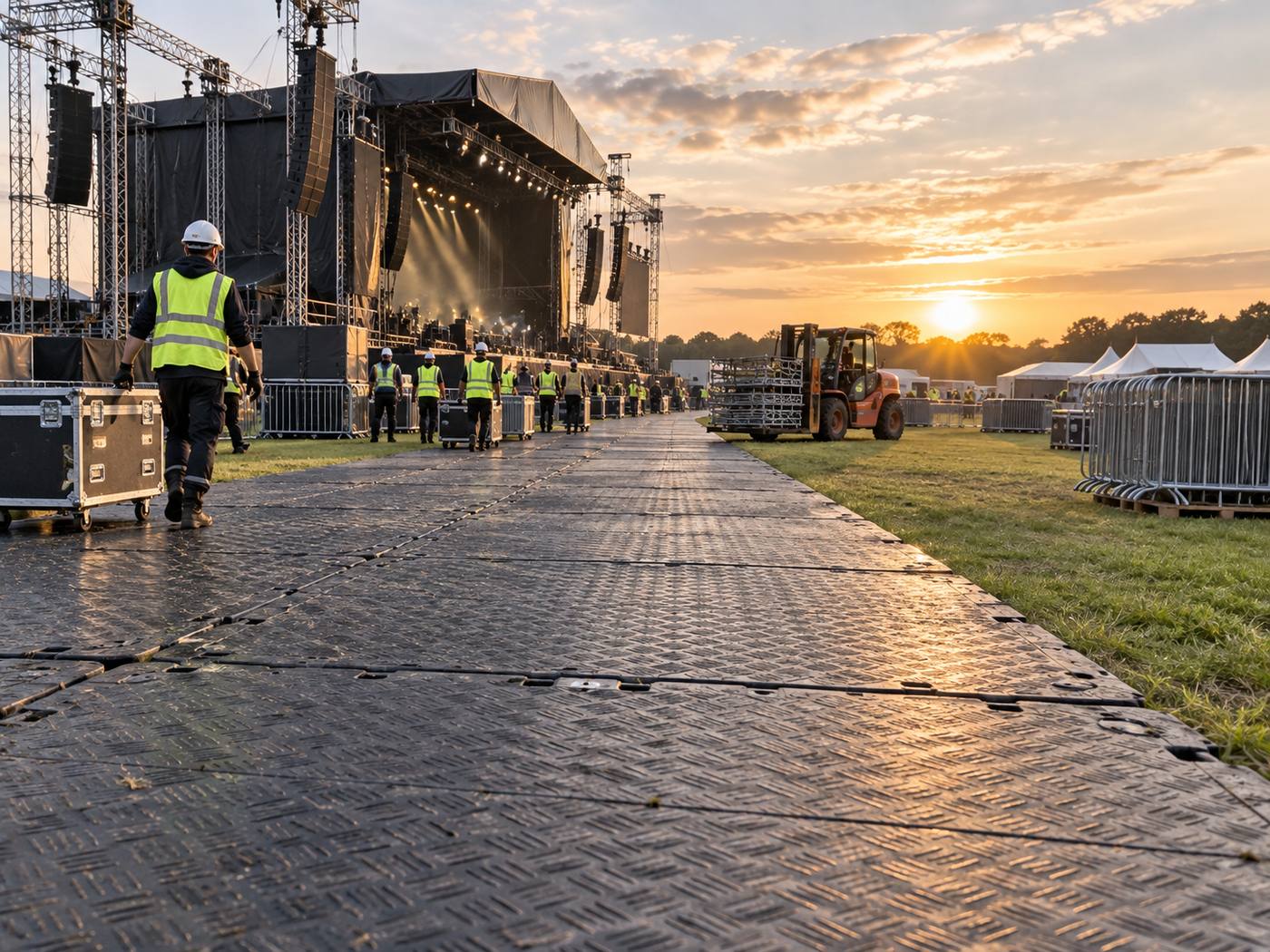 Events, performances and temporary venues
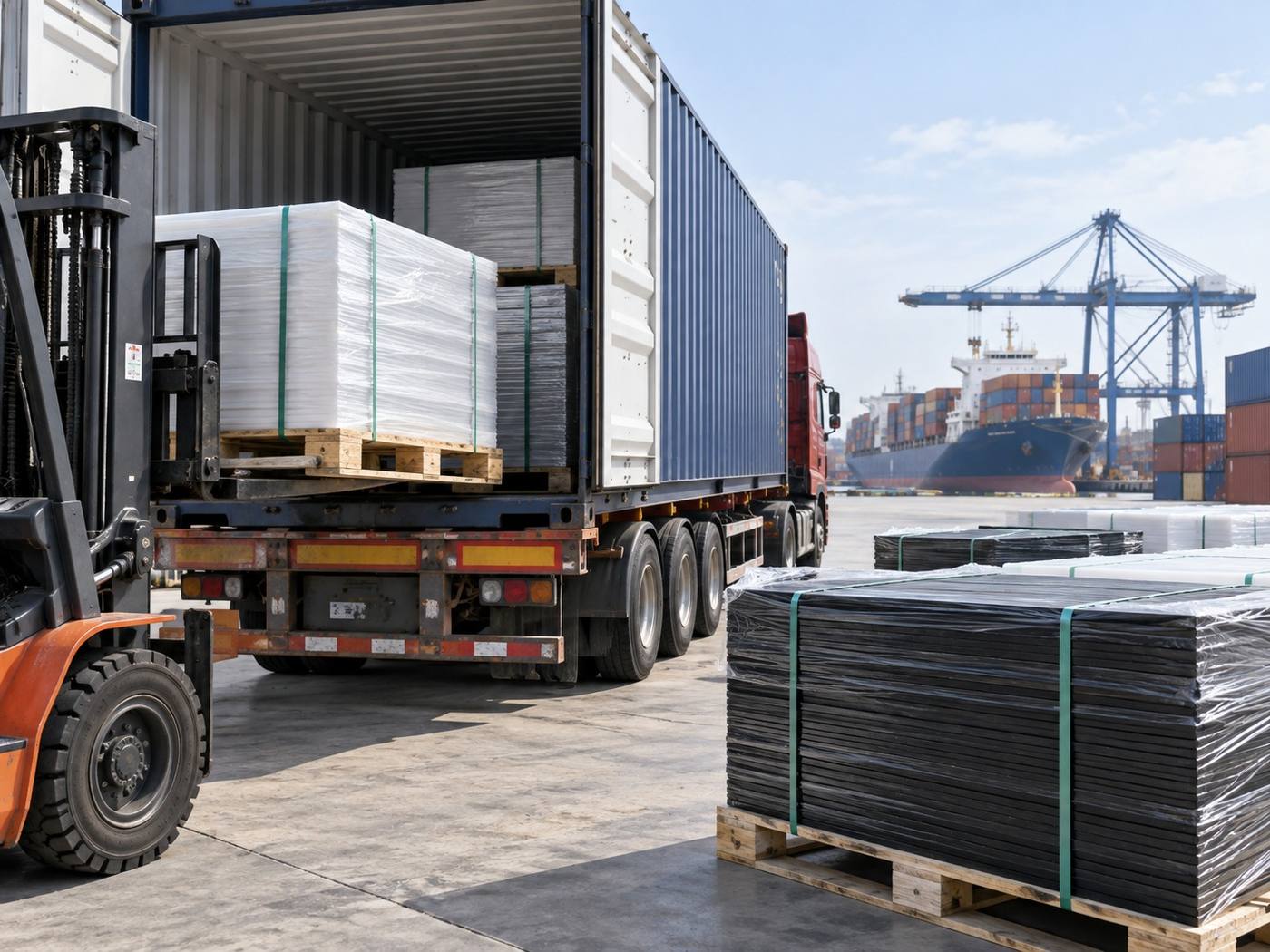 Ports, logistics and industrial sitesConstruction & InfrastructureMines, quarrying and drillingAgriculture, plantations and forestryTransport fleet and self-loading vehiclesLifting and lease of equipmentEnergy, electricity and new sources of energyEvents, performances and temporary venuesPorts, logistics and industrial sites