
The “100-ton crane” describes the level or rated capacity of the equipment and does not mean that the four legs bear the same load on average.The direction of the arm, the operational radius, the weighting, the suspension and the dynamic operations make a leg a control point.If only the total number of legs is divided by the number of legs, the required area may be seriously underestimated.The selection shall obtain the maximum reaction in the manufacturer ' s leg load table or in the calculation of the suspension, and calculate the minimum exposure area in combination with the effective size of the original foot and the ground pressure allowed, taking into account deviations, edges and actual placement errors.Where there is no retroactivity, it should be assessed by qualified personnel, and there should be no empirical commitment.With regard to “selecting mats only by crane tonnage, ignoring maximum single-leg reaction”, the crane industry project should also include the results of the check in the pre-class confirmation and handover records, specifying who is responsible for release, who is responsible for inspection, what deposition or relocation must be discontinued.Retroactive recording of photographs, measurements and usages will make it possible to distinguish ground-based changes, operational deviations from product damage and avoid repetition of the same problem between different groups.
Field application for crane industry
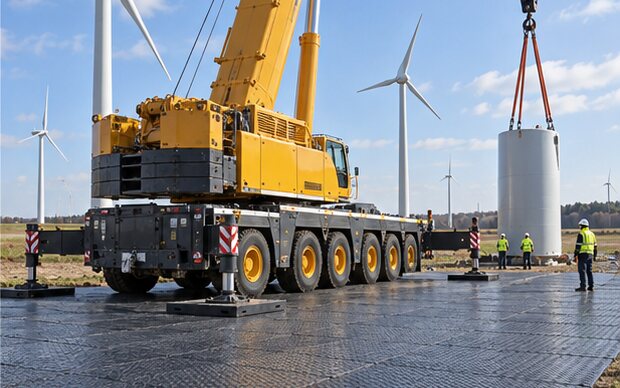
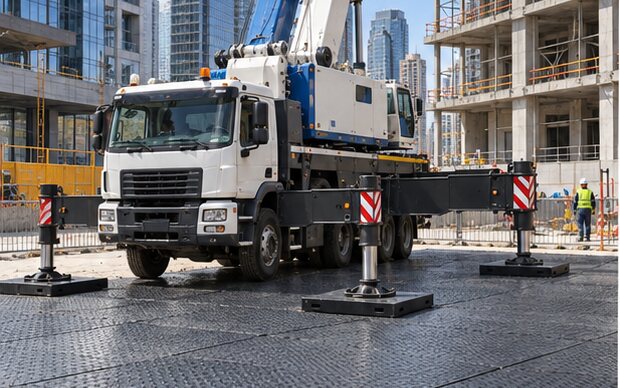
Common project applications in the crane industry
Description of the business processes, vehicle equipment, ground conditions and the project cycle.
The crane industry covers leg-style equipment such as car hanging, tracked hanging, hanging with a vehicle, ground-wide crane, tower installation, high-altitude operating vehicles and pump vehicles. Typical items include steel structures, wind power, plant equipment, bridges, construction power, containers and emergency cranes.
The application must be combined with the suspension programme, the manufacturer’s reaction data, the original foot size, ground allowed pressure, slopes, underground pipelines and weather. Temporary access to mud, lawn or unrigided sites requires Ground Protection Mats- to assist with the passage of cranes and heavy vehicles. The complete programme should integrate the entry route, grouping area, station positions, back-to-back restricted areas and evacuation routes.
Common Issues
The actual performance of the crane industry is explained separately for reasons of formation, possible impacts, inspection priorities and management methods.
Scrutinized surfaces may cover the top floors of the basement, cables, drains, old base and backfill areas, and the ground appears to be strong but cannot withstand a leg load;There may also be general slippages or partial collapses near trenches, walls and slopes.The pads can only disperse surface pressure and cannot cross untested structurally weak areas.Underground information, ground-based processing and platform acceptance should be reviewed prior to loading and the containment range should be marked.(b) The lower side of the mat shall be flat and continuous, and not half of it shall be suspended or pressed on the edge of the well cover;If necessary, it is confirmed by structural or geotechnical personnel.The treatment of “the impact of a backfill, ditch, reservoir or slope below the station” cannot be limited to a single pass, but also covers the maximum load, maximum frequency, worst weather and evacuation phases.It is recommended that representative positions be selected for trial, that ground, vehicle or equipment data be recorded and that the scope, connection and frequency of maintenance be adjusted to the results;Changes in conditions have confirmed that early experience is not directly applied to the entire crane industry.
When the crane is initially levelled, the weighting is removed from the ground, the return to different pictograms, or the wind speed increases change the stress of the leg.Rain will soften the earth's foundations, while ice, oil pollution and mud will lower the pads and friction on the ground.If only one check is made before construction starts, several millimeter depositions in the operation may also gradually increase the tilt of the equipment.The site should be evened after the mat is fully in contact with the foot, a deposition observation mark should be set and reviewed after suspension, change of condition, rainfall or relocation.When the padding is found to be defusing, falling down, cracking or foot close to the edge, it is immediately unloaded and the carrying of the adjustment pad is prohibited.The crane industry site should set clear standards for the discontinuation of “sliding or slide of legs due to tumbling, rotation and weather change”, such as continued tipping, incomplete support surfaces, expansion of deposition, visible slippage of vehicles or looseness of connections.Unusual isolation and unloading were detected, and then the floors were repaired or reconfigured, and temporary pads were prohibited in carrying conditions.The head of the mission may not resume operations until he or she has been qualified to do so, and records of disposal are maintained.
Solution Recommendations
The route, the grass-roots, the support or the unloading of the material is addressed first, and the corresponding products are recommended according to the work situation.
Two double tests were completed for the suspension and ground-based tests.(a) The suspension programme provides maximum single-leg reaction, foot size and direction, and the site survey gives ground allowed pressure, slope, underground facility and slope distance;The reversibility is divided by allowing the pressure to obtain the theoretical minimum size, and then combines the safety residuals, the slab strength and the actual placement selection specifications.Stations are flattened and loose matter is removed, mats are placed in the middle and feet are not allowed to approach the edges.(c) Set up test hanging and deposition monitoring, re-check when conditions, weather or position change, and include all data and photographs in the suspension records.
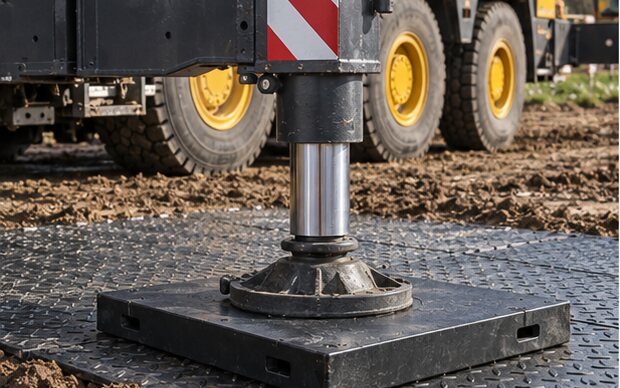
Crane Outrigger Pads is the core product of the industry and can be tailored to round, square, size, thickness and lift structure, with materials selected in a manner that combines rigidity, resilience, durability and handling;If a crane, heavy vehicle or auxiliary vehicle is to cross the soft soil, lawn and mud route, a continuous route is to be established with HDPE Ground Protection Mats.Road boards cannot replace calculated — Outrigger Pads -- and Outrigger Pads — cannot pave the way for growth.The request for quotations shall provide the type of crane, maximum retroactivity of the legs, size of the original foot, type of ground, permissible pressure, frequency of use and port of destination in order to form a reliable configuration.
Crane Outrigger Pads
For the purpose of increasing the area of the foot exposure and reducing average ground pressure; must be calculated in conjunction with maximum single-leg reaction, original foot size and a permissible ground pressure.
Ground Protection Mats
For the establishment of temporary vehicle access, protection of the original ground and dispersion of the wheel; specific thickness, size, texture and connection will be determined by vehicle and base level.
Manufacturing
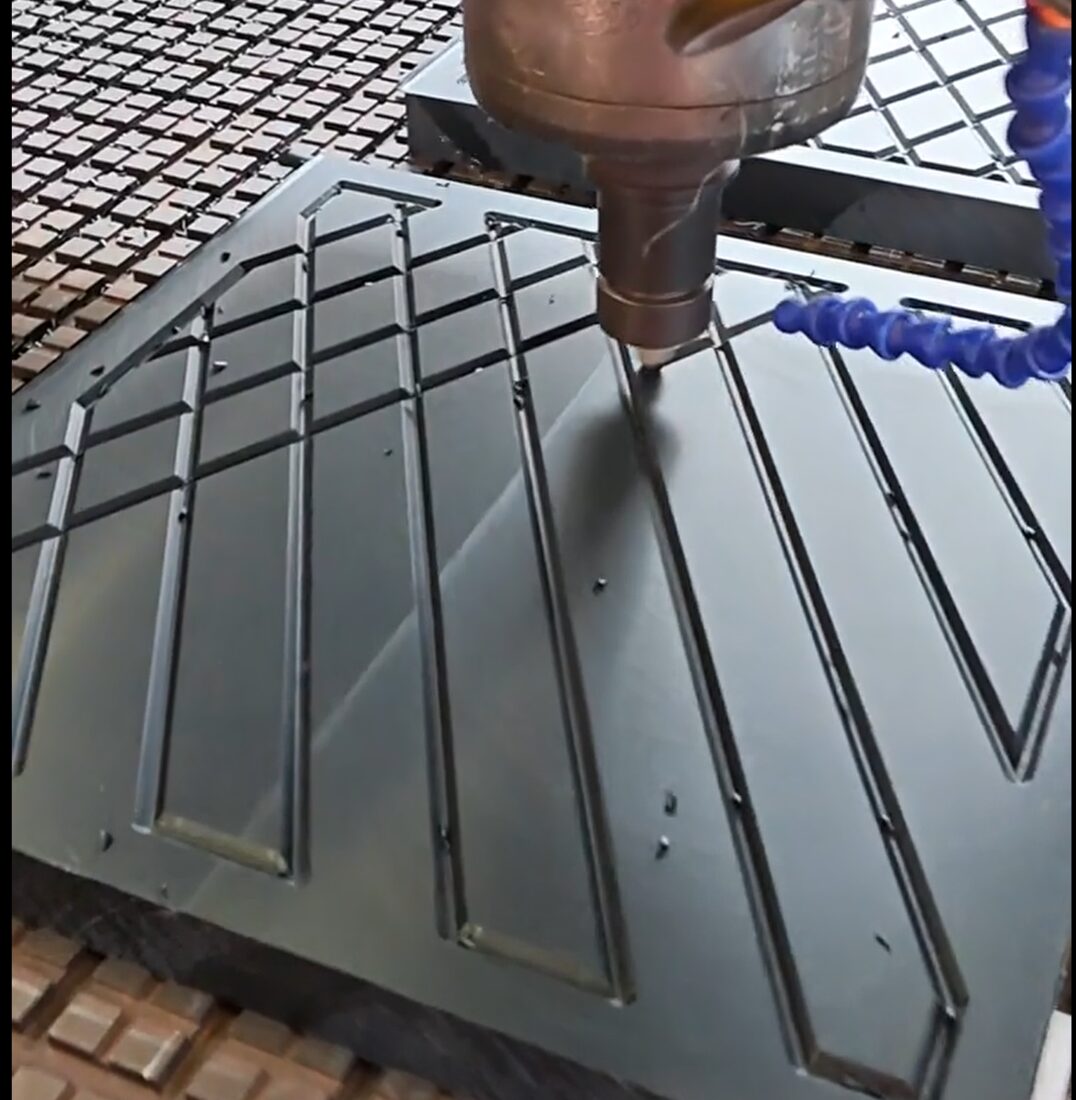
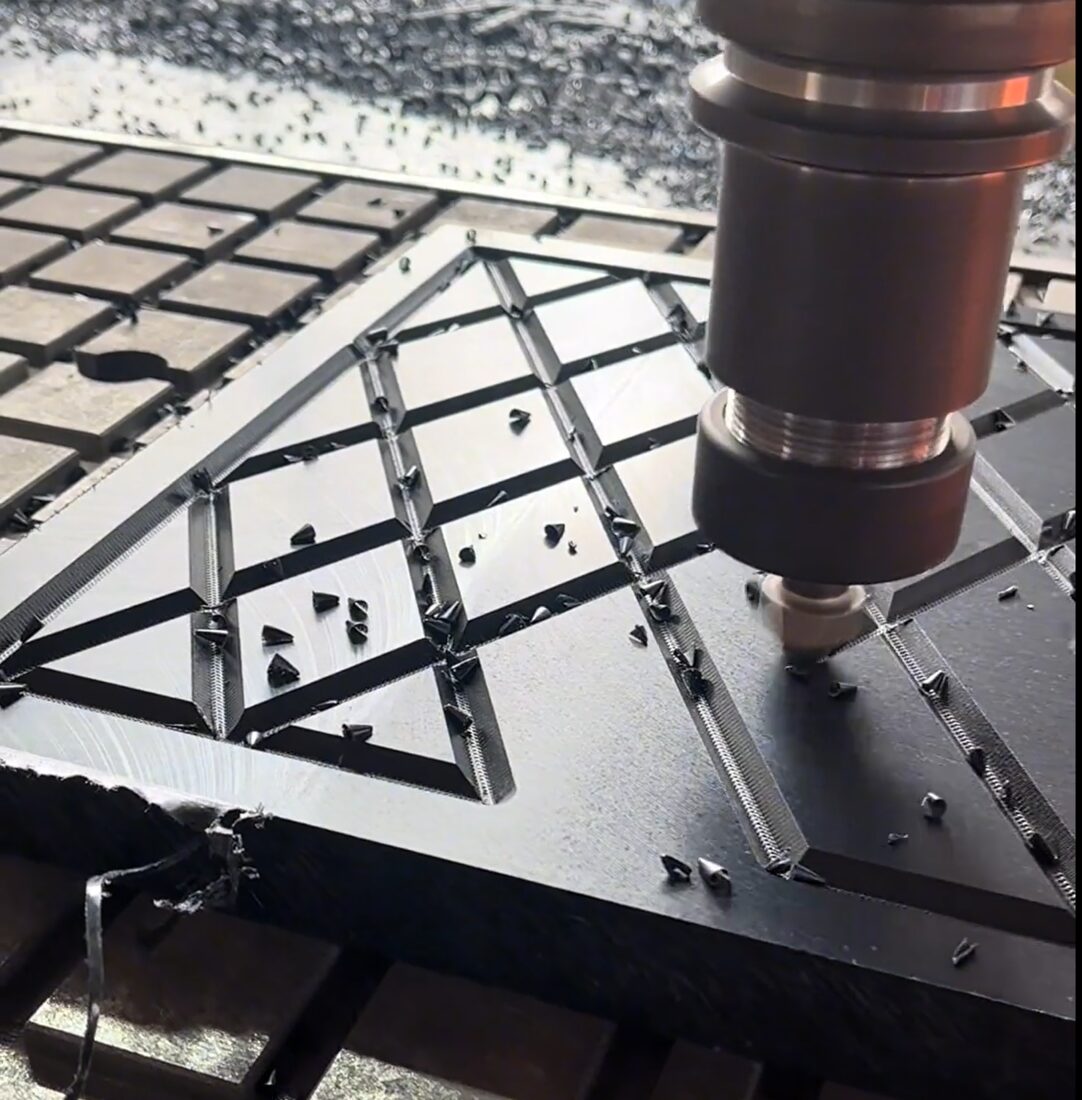
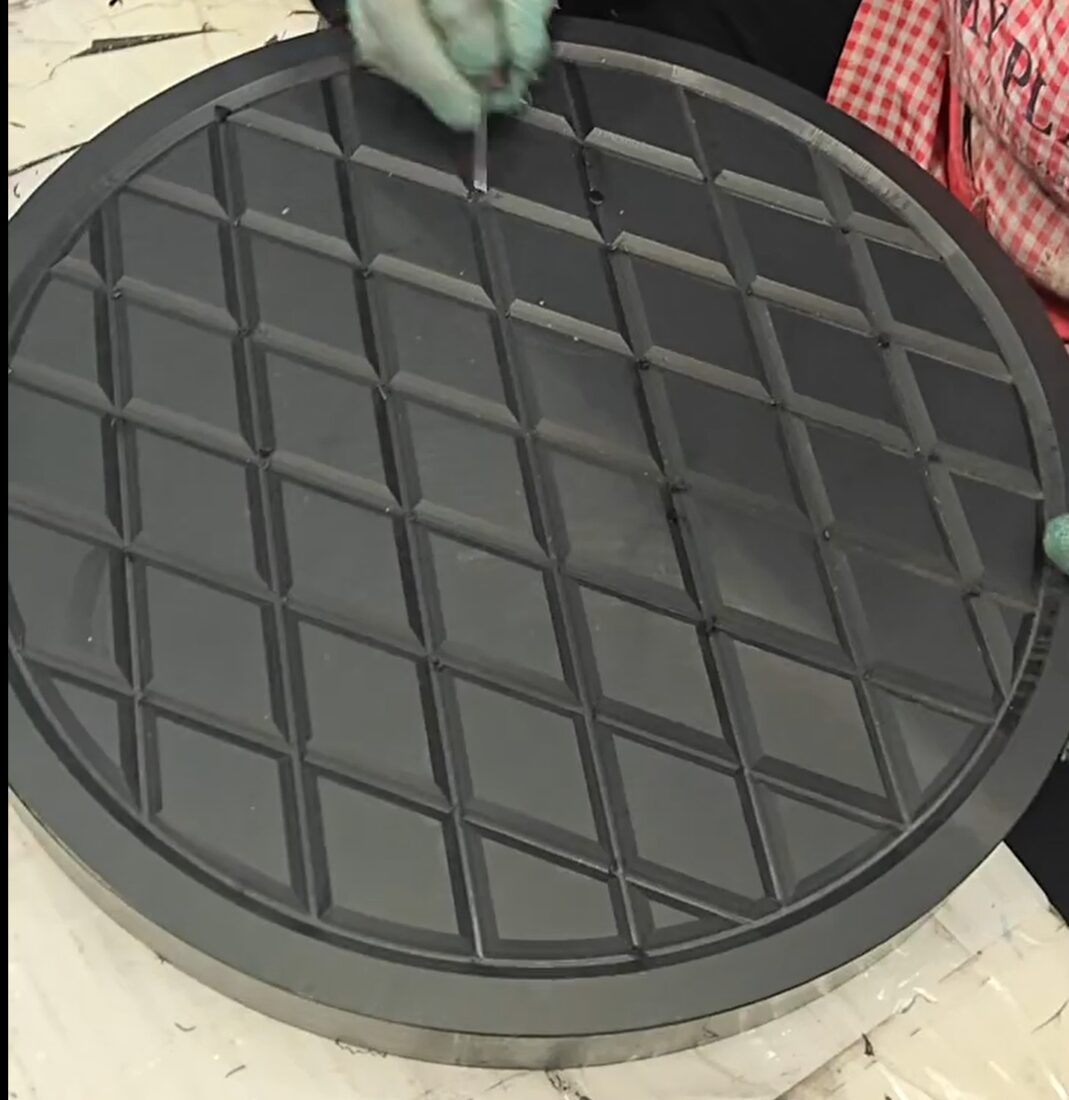
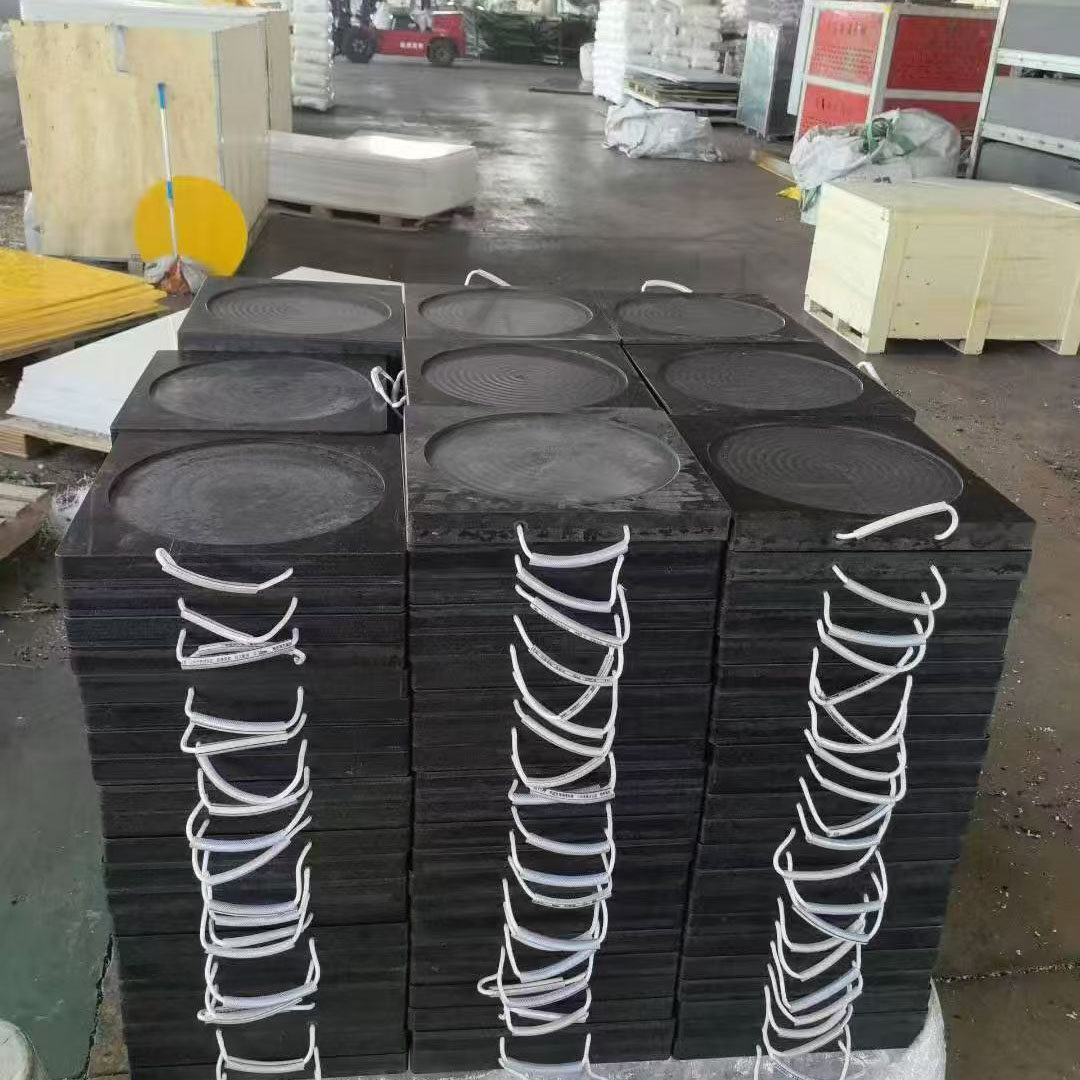
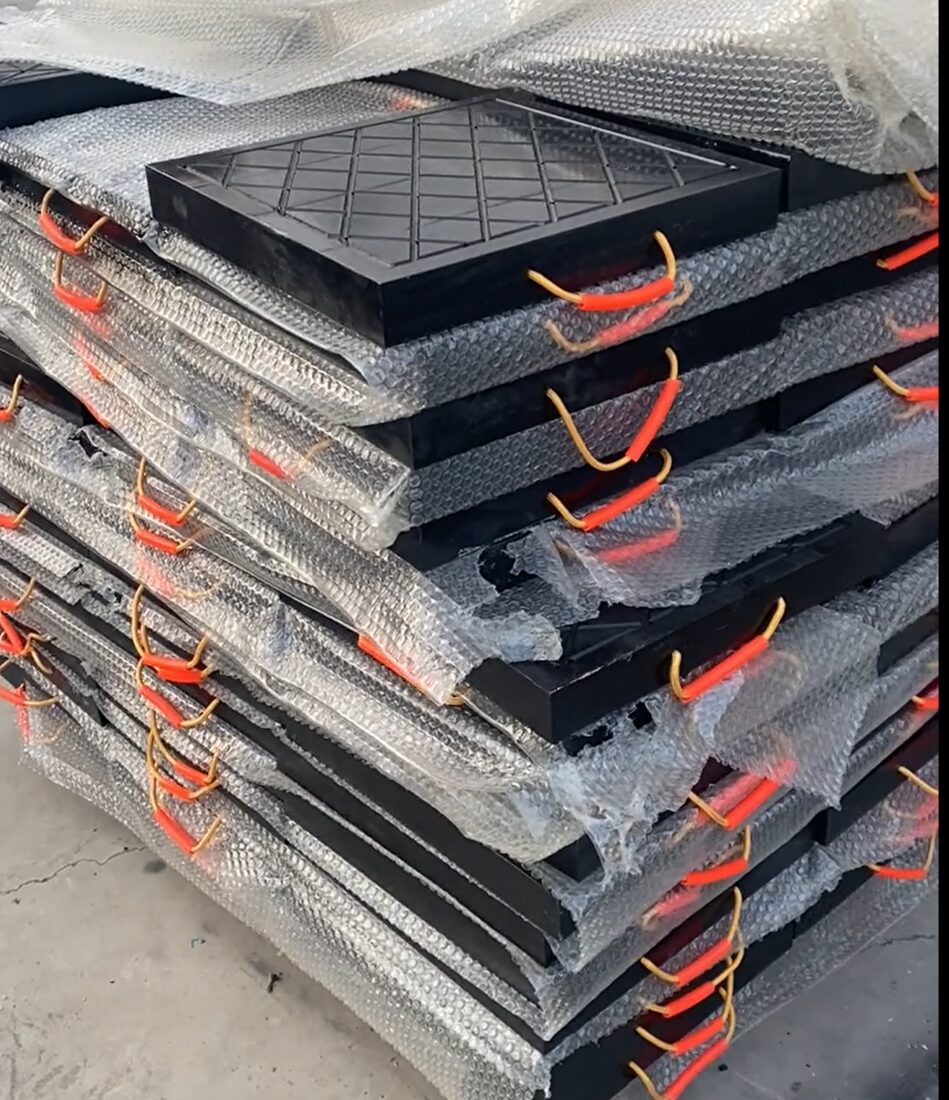
01Crane Outrigger Pads Processing and Inspection
CNC processes, surface structural checks, attachment configurations and packagings showing circles, squares—Outrigger Pads.
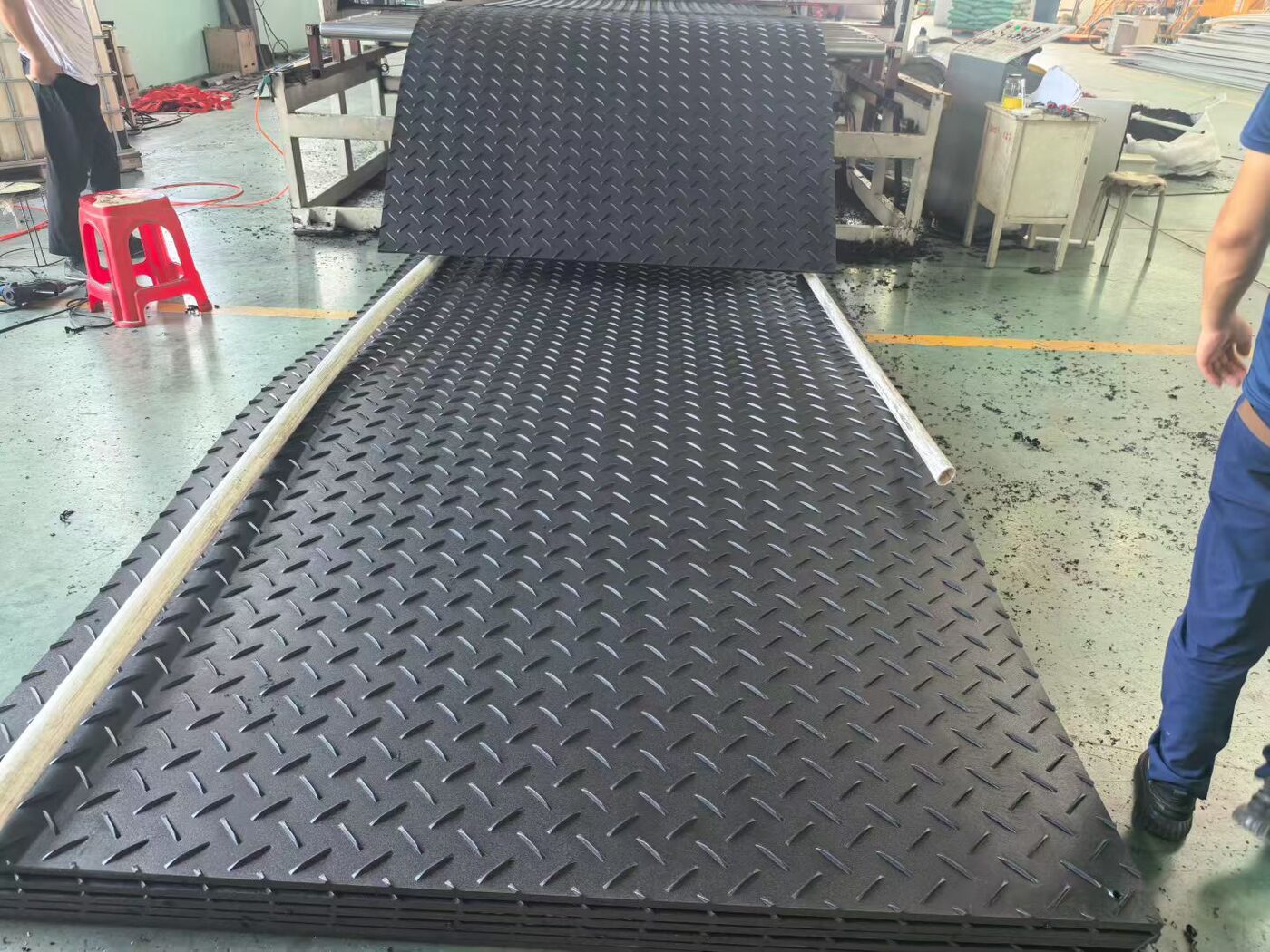
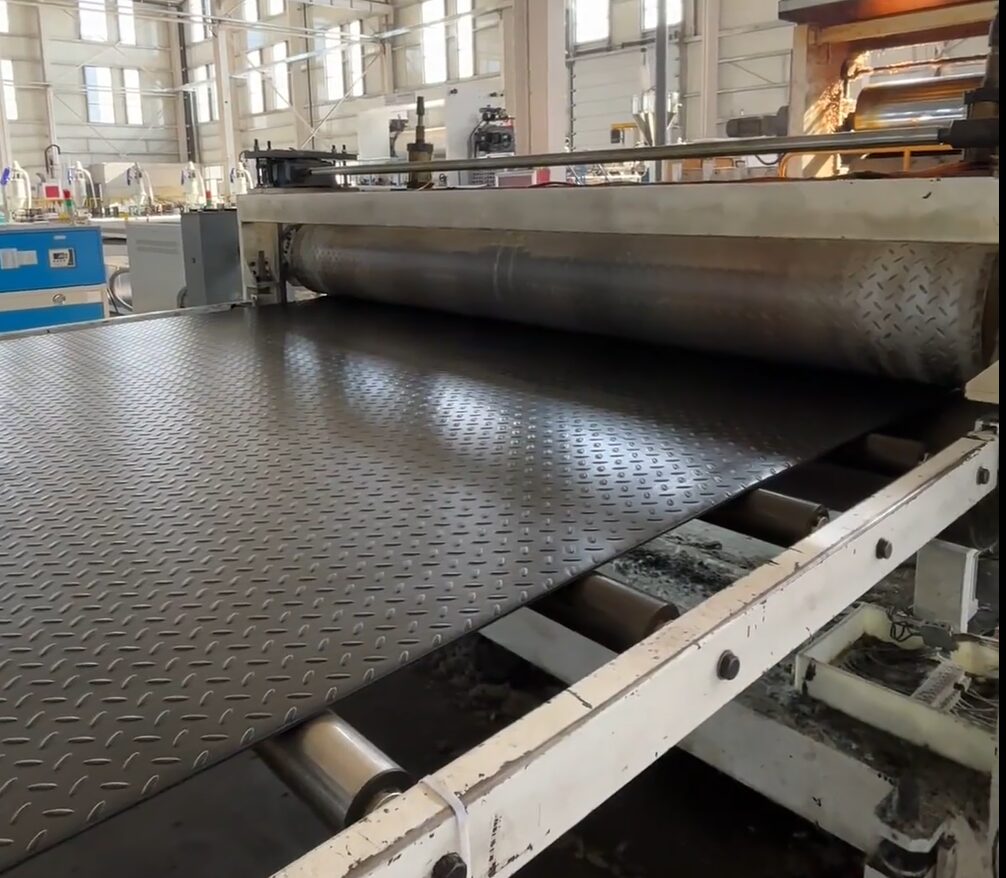
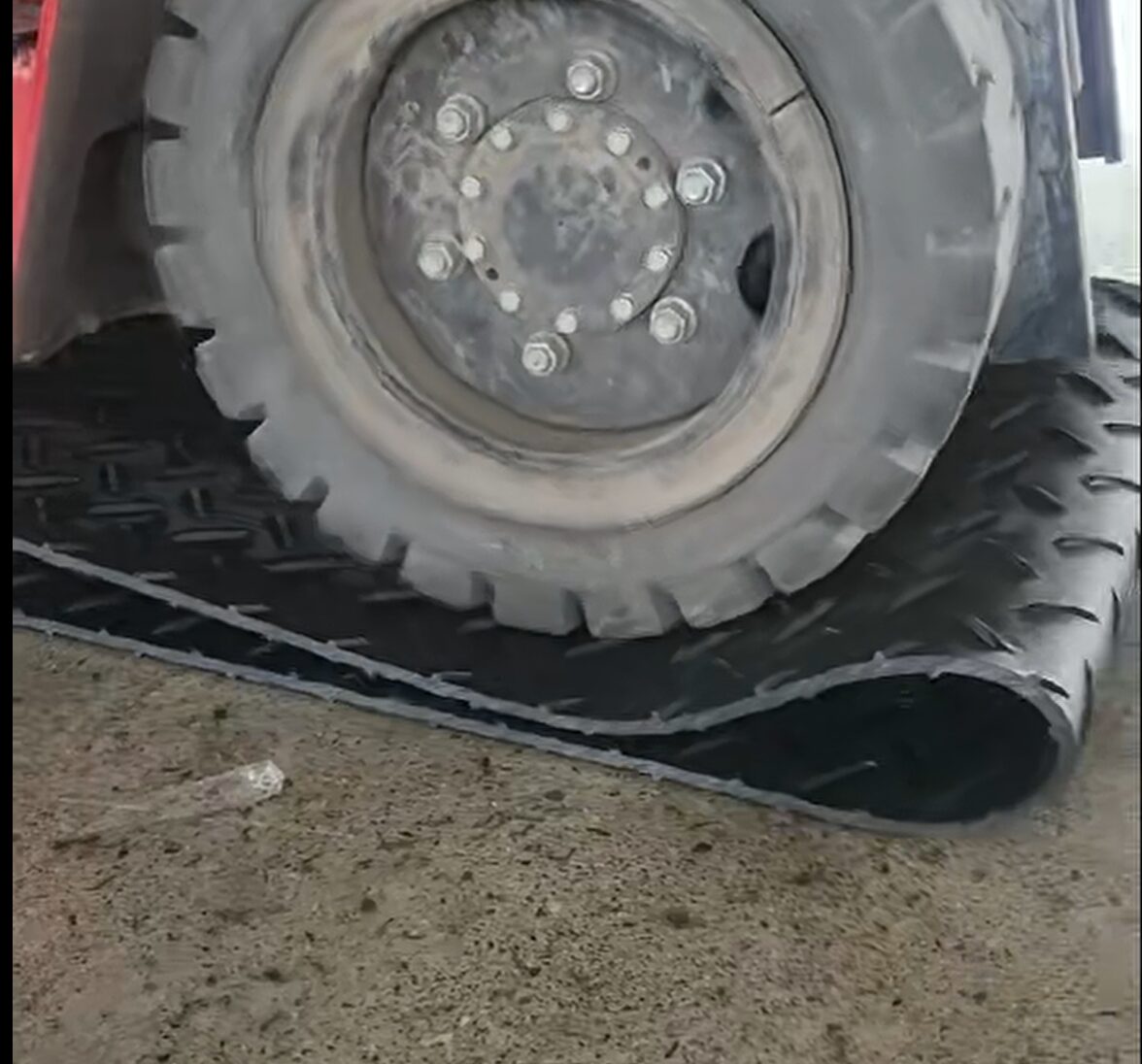
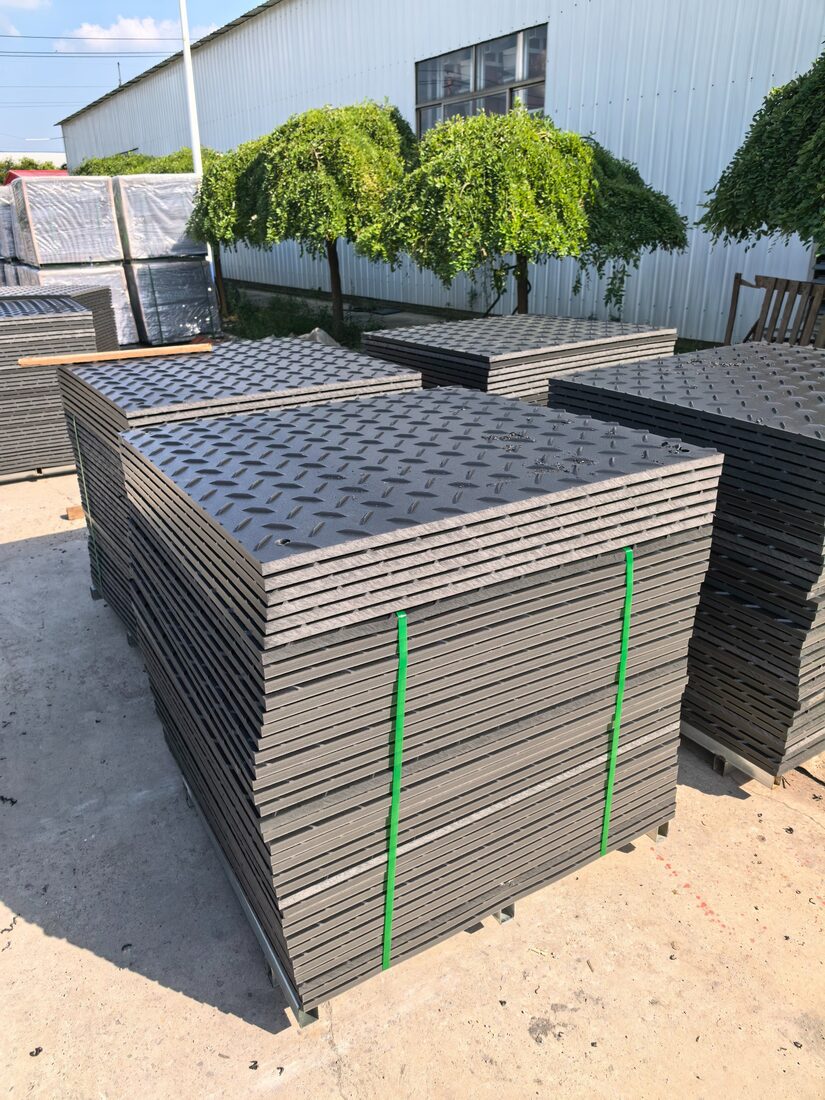
02Ground Protection Mats Production and bulk delivery
From smooth-truck road formation to vehicle load validation, to mass stacking, packaging and loading.
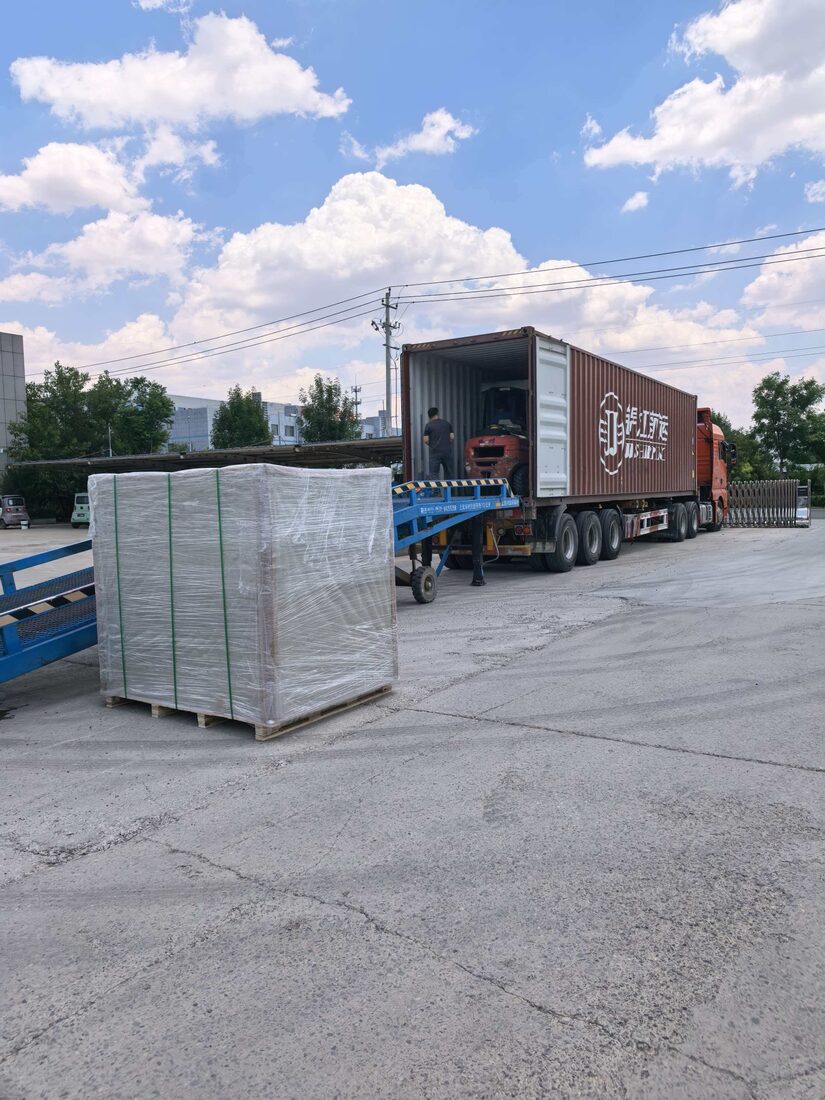
Information proposed before request for quotations
The more complete the information, the easier it is to quickly determine the appropriate size, thickness, structure, quantity and customization.
- Retroactivity of equipment model with maximum leg
- Size of original foot
- Ground carrying conditions
- Projected number of acquisitions
- Port of destination/delivery area
Need a crane industry project?
We continue to assess the actual conditions of work for the distribution of site photographs, equipment/vehicle parameters, application conditions, quantity and port of destination.
Industry application cases
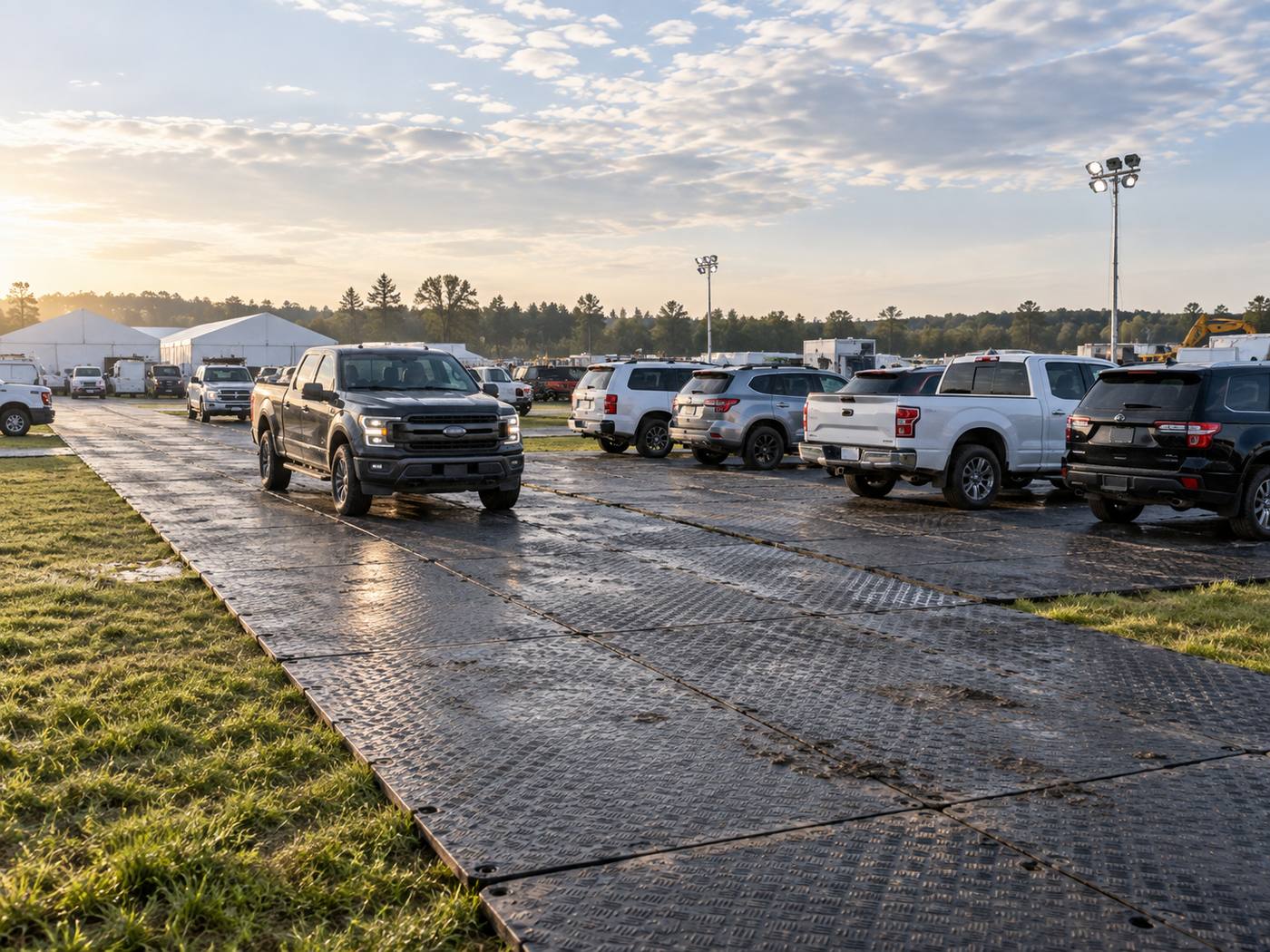
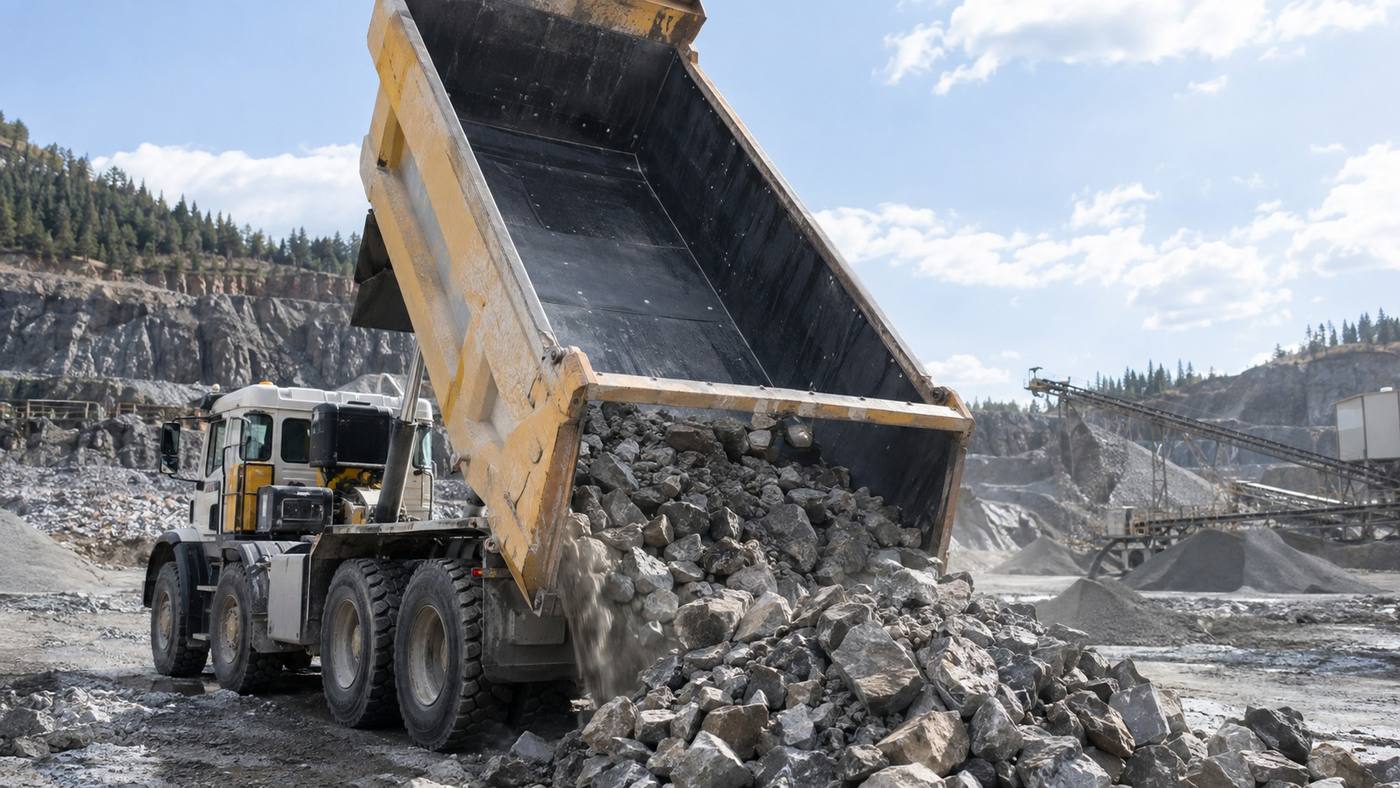
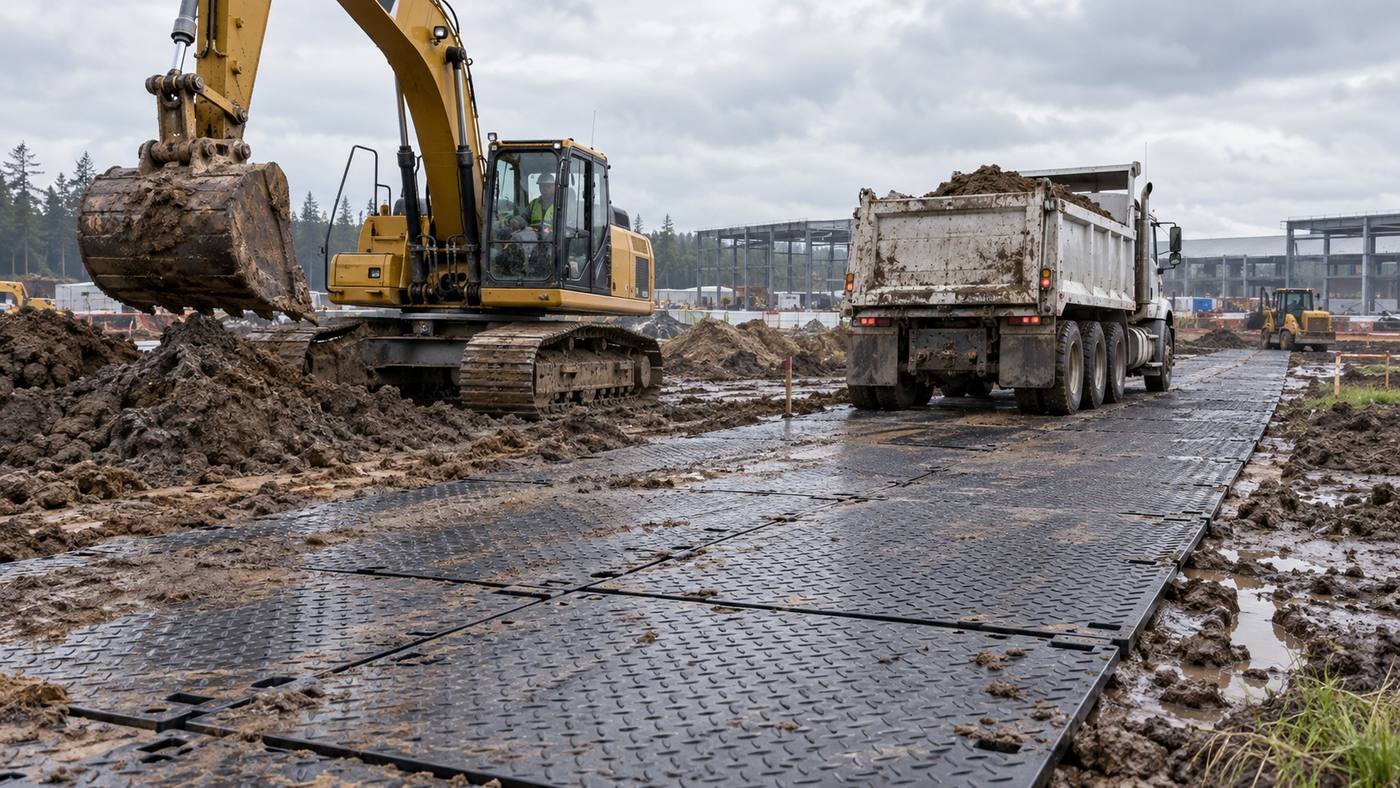
Browse the typical applications of Ground Protection Mats-, Dump Truck Bed Liners- and Outrigger Pads-- in different industries, click on pictures to enter the corresponding industry pages.
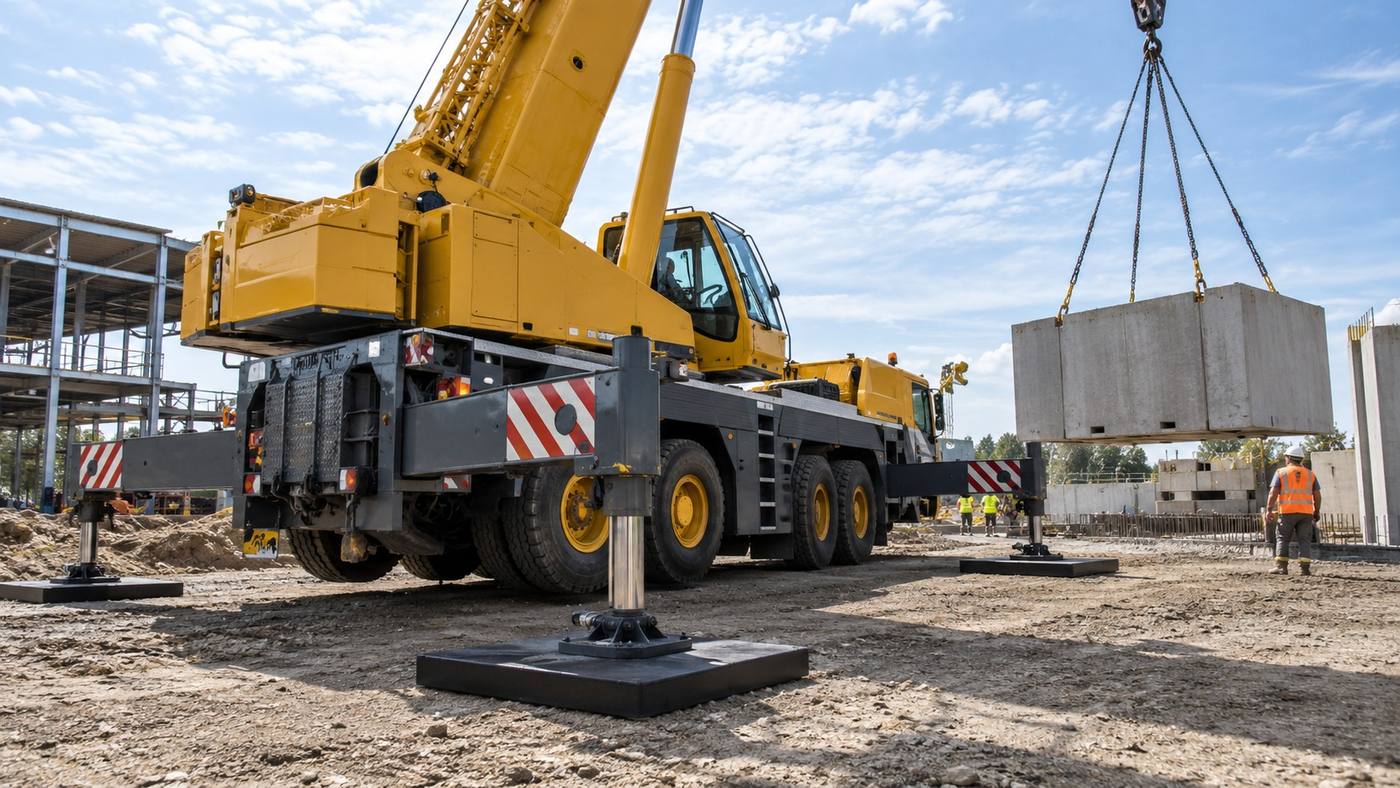
 Construction & Infrastructure
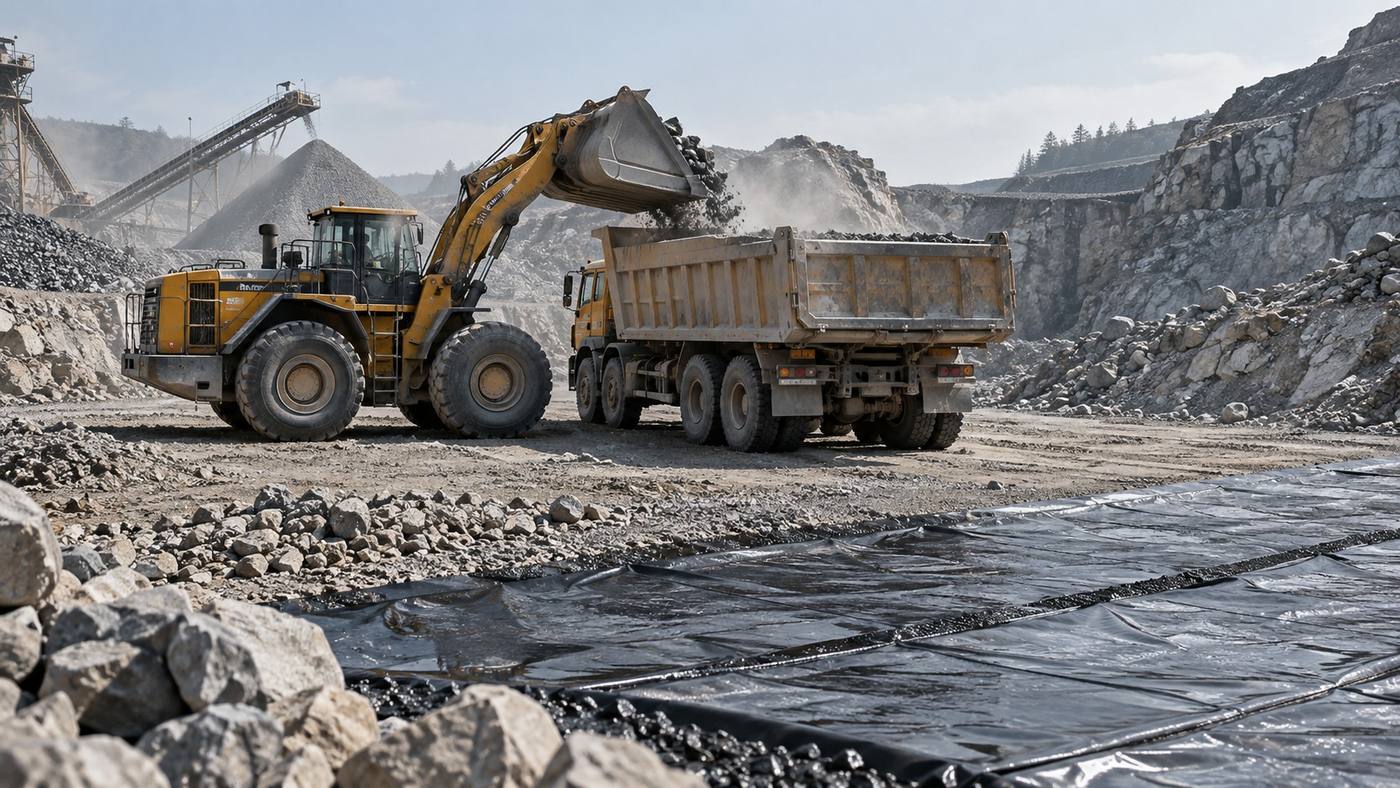 Mines, quarrying and drilling
 Agriculture, plantations and forestry
 Transport fleet and self-loading vehiclesLifting and lease of equipment
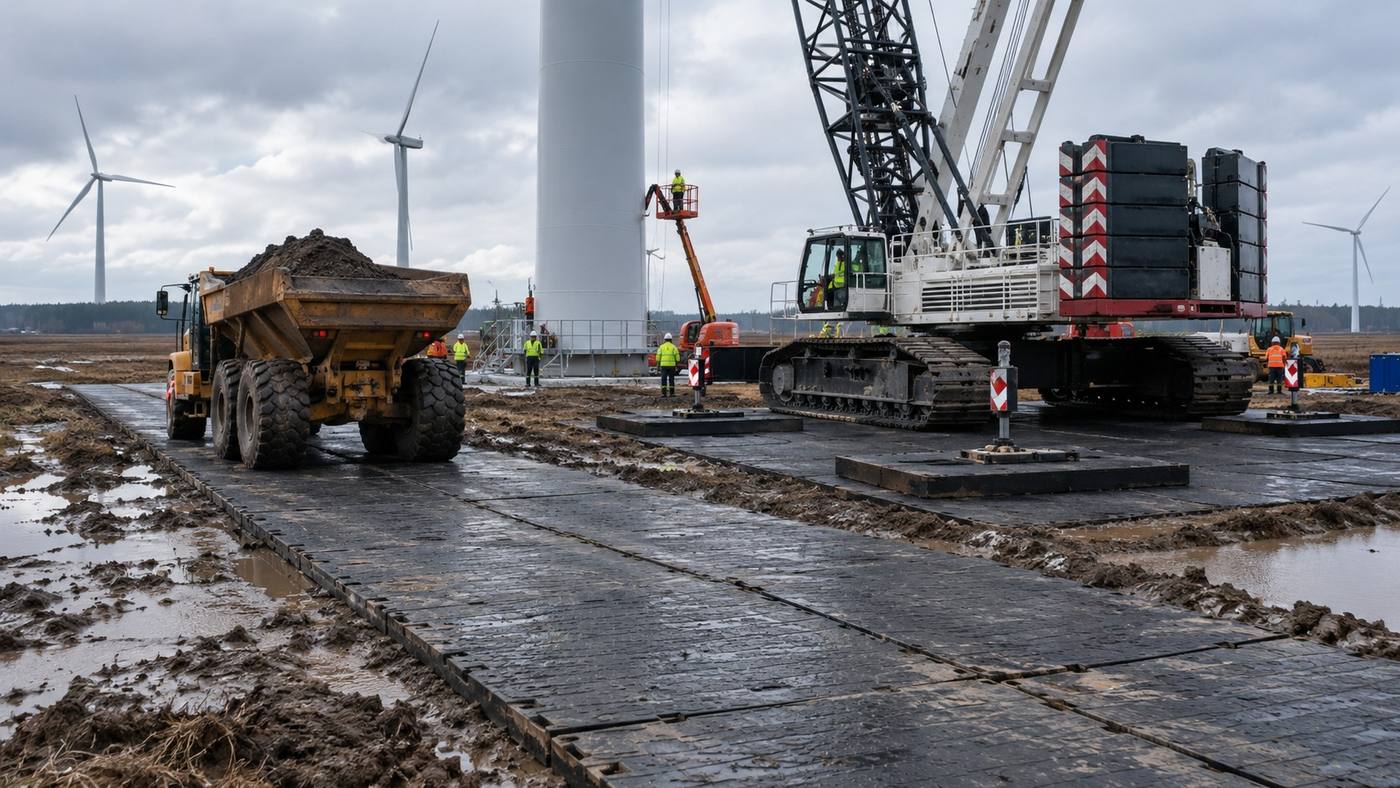
 Energy, electricity and new sources of energy
 Events, performances and temporary venues
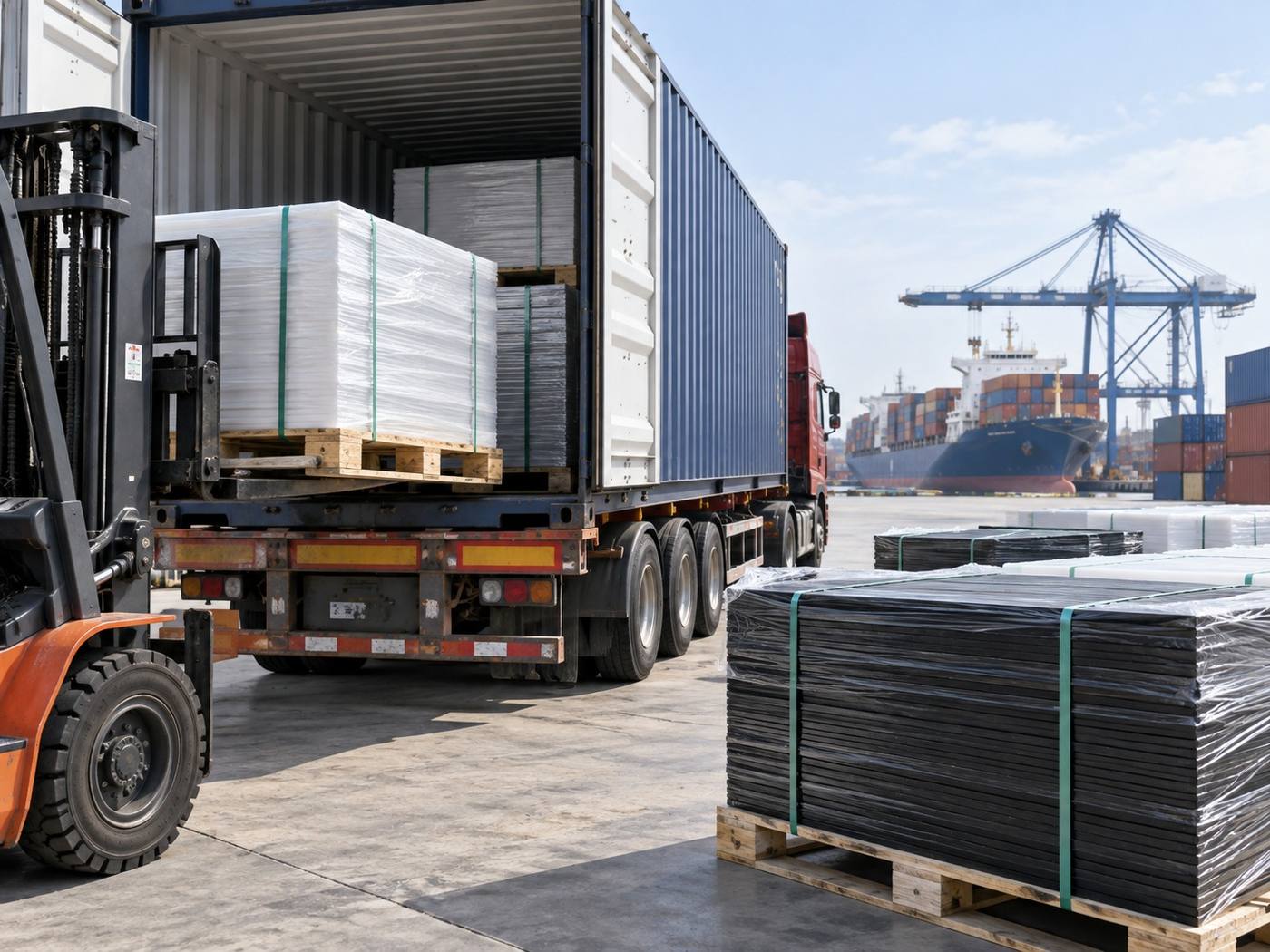 Ports, logistics and industrial sitesConstruction & InfrastructureMines, quarrying and drillingAgriculture, plantations and forestryTransport fleet and self-loading vehiclesLifting and lease of equipmentEnergy, electricity and new sources of energyEvents, performances and temporary venuesPorts, logistics and industrial sites