
The scrutinizing gallery at the previous station may be only one day away from the wet grassland at the next station, and when vehicles are loaded in a fixed experience, there is often a lack of long routes, a lack of access to curves or too heavy weight to carry.The team should use a uniform pre-trial form to collect the width of the entrance, the length of the main line, the ground, the slope and the projected rainfall, and calculate vehicle routes, loading areas and reserves in advance.(b) Basic packages covering high frequency scenes, with separate additions to special sites;All plates and connector numbers are boxed, and the exit site is checked against the list to avoid loss and ultimately security during successive tours.The treatment of “situation differences lead to a lack of matching of standard packages or specifications” cannot be viewed only as a single pass, but also as covering the maximum load, maximum frequency, worst weather and evacuation phases.It is recommended that representative positions be selected for trial, that ground, vehicle or equipment data be recorded and that the scope, connection and frequency of maintenance be adjusted to the results;Changes in conditions are confirmed and early experience is not directly applied to the whole circus, fair and tour project.
Circus, show and tour live applications
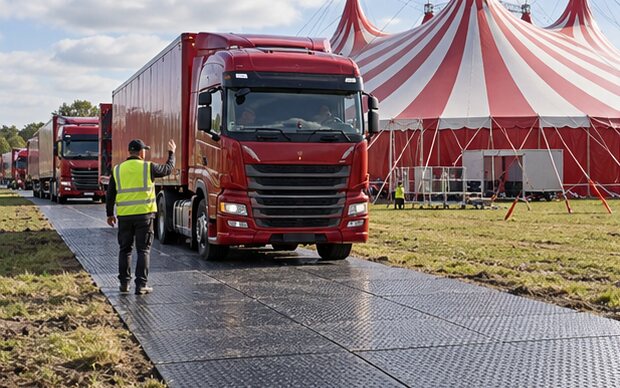
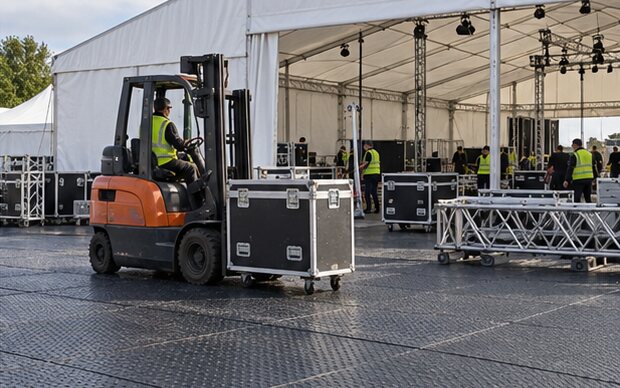
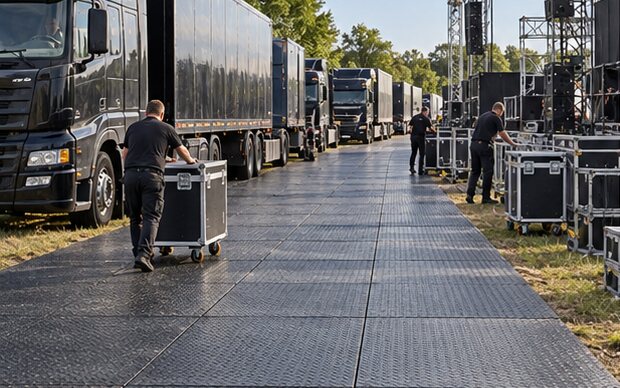
Circus, fairs and tour projects
Description of the business processes, vehicle equipment, ground conditions and the project cycle.
Tours and fairs require the transfer of tents, stands, chairs, lights, generators and logistics to high frequency between different cities. Semi-mounted vehicles, forklifts, cranes and camp vehicles often have very short access windows, moving from public roads into grasslands, around the gallery or temporary camps, and leaving them in the order in which they are loaded.
The project should be preceded by a plan, photographs of the entrance, weather and underground facilities, with the widest vehicles, maximum axle load, leg reaction, stop time and exit sequence, and the base and spare numbers.
The project manager reviews the route and station according to the most unfavourable conditions and adjusts the number, specification and frequency of the products to avoid solving the problem only on the day of entry.
Common Issues
The actual performances of circuses, fairs and tour tours are explained separately for reasons of formation, possible impact, focus of inspections and management methods.
Tent poles, stage cars, crane equipment and generator legs will concentrate the load on a smaller area and may be moved several times during the structural positioning process.A slight fall on the ground may affect tent tension, stage level and equipment stability, and road plates do not automatically replace feeder containment designs.Before construction, feeder loads and layouts should be obtained to check underground pipes, drains and backfill areas, using dedicated Outrigger Pads- and maintaining complete contact.Rebalancing after each repositioning and setting observation points to record deposition during rainfall and continuous operation.Circus, fairs and itinerant performances should set clear standards for the discontinuation of “foster loads of tents, stage and power generation equipment”, such as continued tip-ups, incomplete support surfaces, extended depositions, visible slippage of vehicles or loose links.Unusual isolation and unloading were detected, and then the floors were repaired or reconfigured, and temporary pads were prohibited in carrying conditions.The head of the mission may not resume operations until he or she has been qualified to do so, and records of disposal are maintained.
After the performance, the vehicles were concentrated and the plates were likely to cover mud, oil or scattered material.(b) The continuity of the route is undermined by the drawing of the midway through the vehicle;The damaged plates are taken to the next station without being cleaned and checked directly.The evacuation site should be closed and recovered from the end to hard, with the main channel remaining until the last heavy vehicle left.Cleaning, checking, cataloguing and loading positions, recording cracks, deformations and missing items in numbered lists, and completing maintenance and replenishments before the next stop begins.In response to the “wrong dismantling, mud-loading and damage leaks at the drop-off site”, the circus, fairs and tour shows should also include the results of the examination in the pre-class confirmation and handover records, specifying who is responsible for release, who is responsible for inspection, what deposition or relocation must be discontinued.Retroactive recording of photographs, measurements and usages will make it possible to distinguish ground-based changes, operational deviations from product damage and avoid repetition of the same problem between different groups.
Solution Recommendations
The route, the grass-roots, the support or the unloading of the material is addressed first, and the corresponding products are recommended according to the work situation.
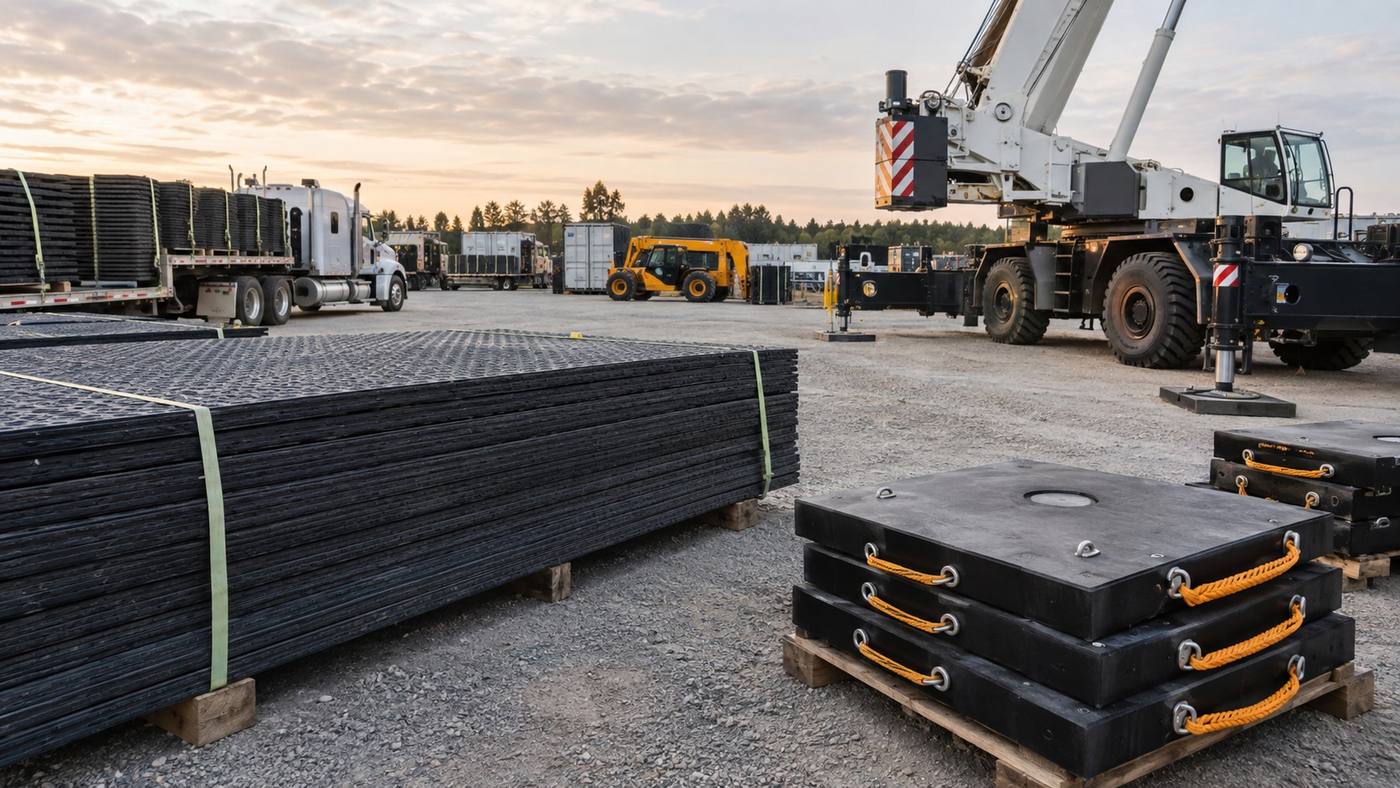
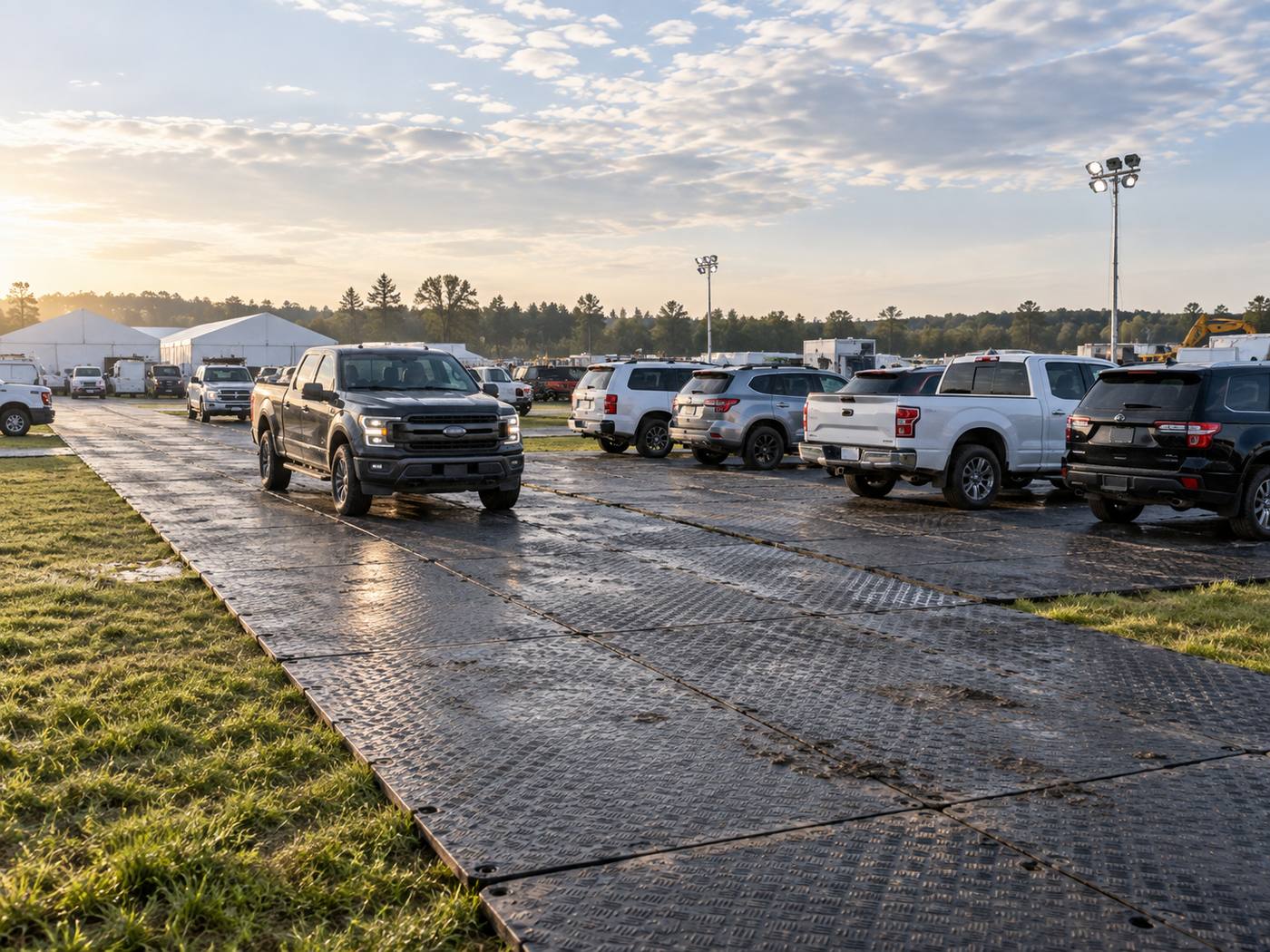
The basic set includes the usual Ground Protection Mats, connector, Outrigger Pads, reflector identification and cleaning tools; each station completes the entrance, loading area, main tent and fire route in the order in which the vehicle arrives, and supplements the camp feed line.
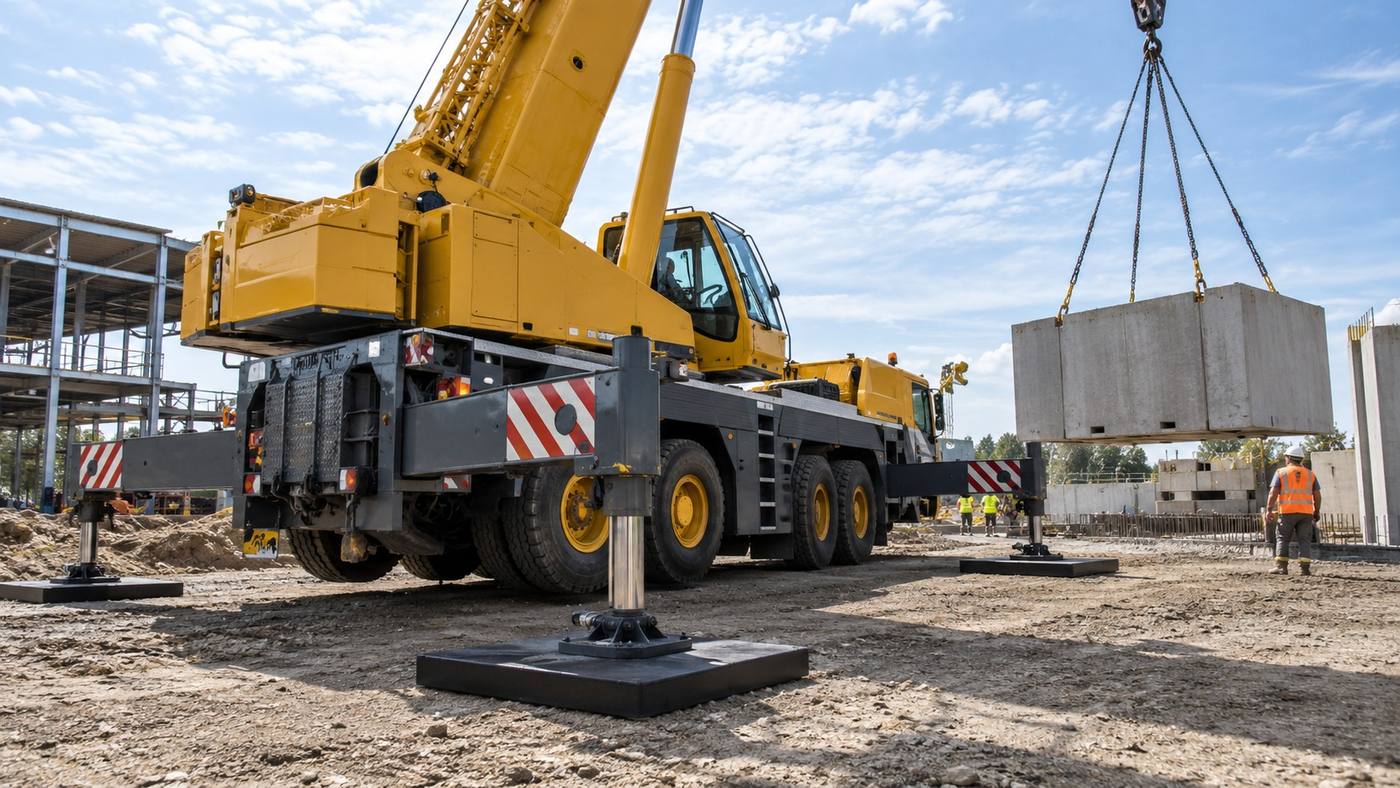
(b) Crane Outrigger Pads for cranes, stage cars, tents, and generator legs, with different sizes according to feeder loads and ground pressure. The tour takes into account, in addition to durability, the size, numbering, rapid cleaning and spare ratio of the vehicle, to avoid damage to a plate or a connection and disrupt the entire entry route.
Ground Protection Mats
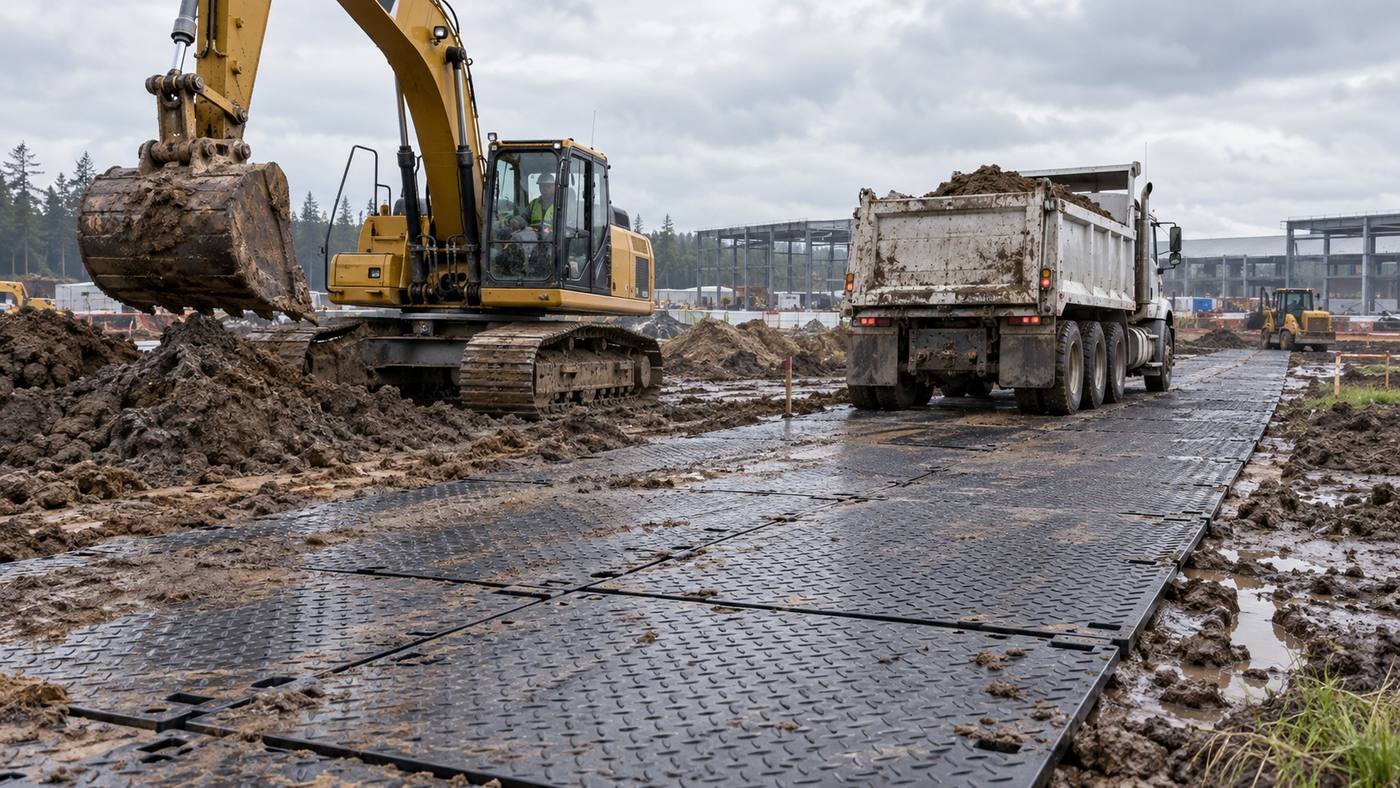
For the establishment of temporary vehicle access, protection of the original ground and dispersion of the wheel; specific thickness, size, texture and connection will be determined by vehicle and base level.
Crane Outrigger Pads
For the purpose of increasing the area of the foot exposure and reducing average ground pressure; must be calculated in conjunction with maximum single-leg reaction, original foot size and a permissible ground pressure.
Manufacturing
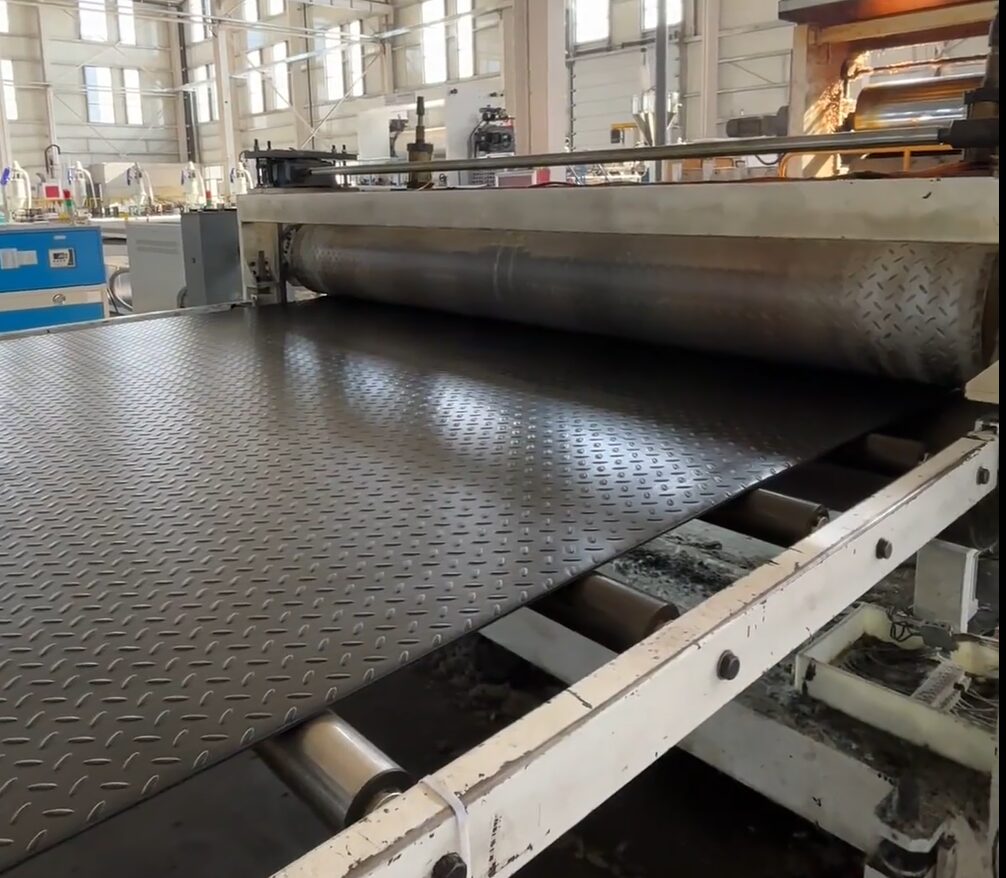
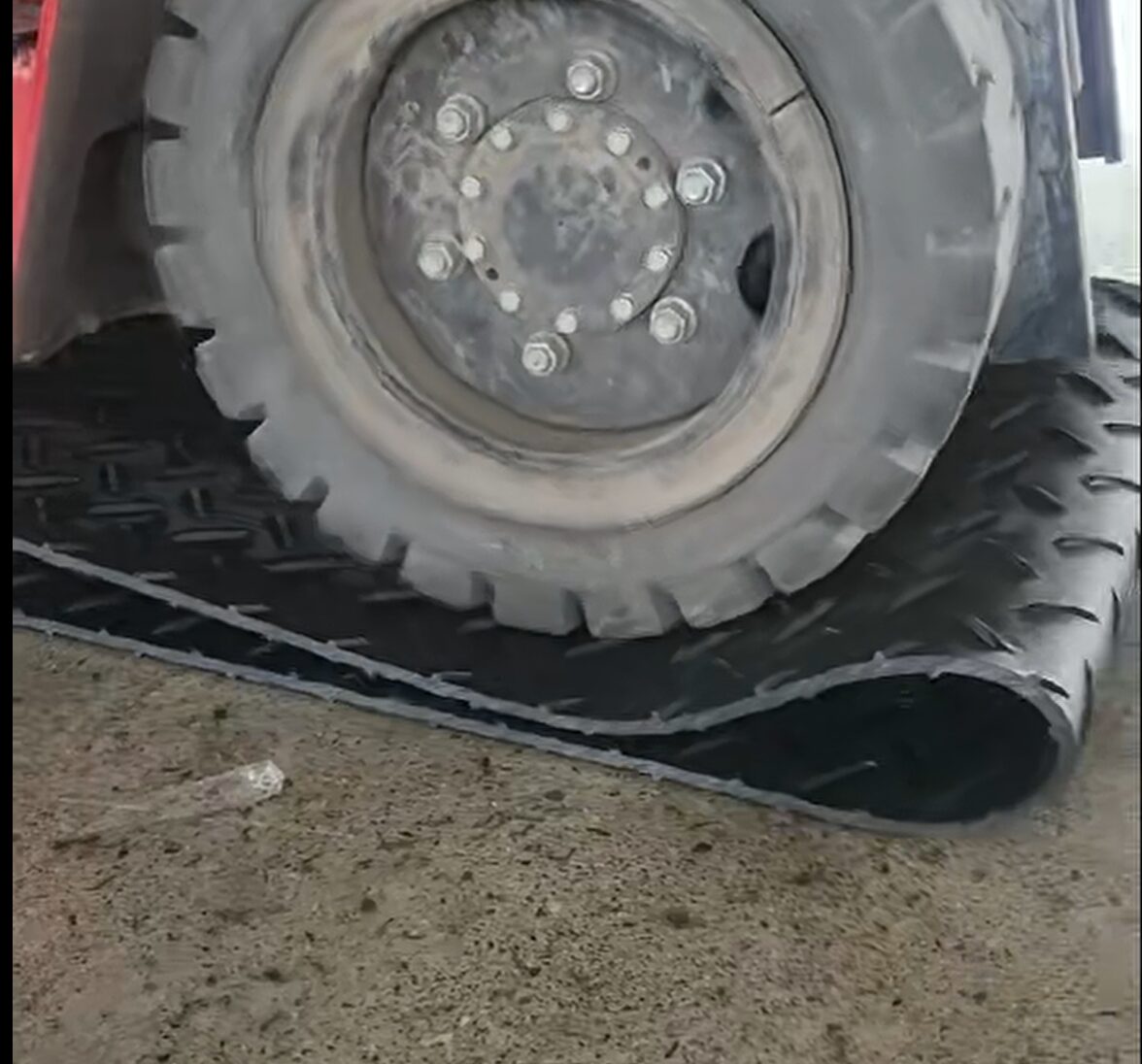
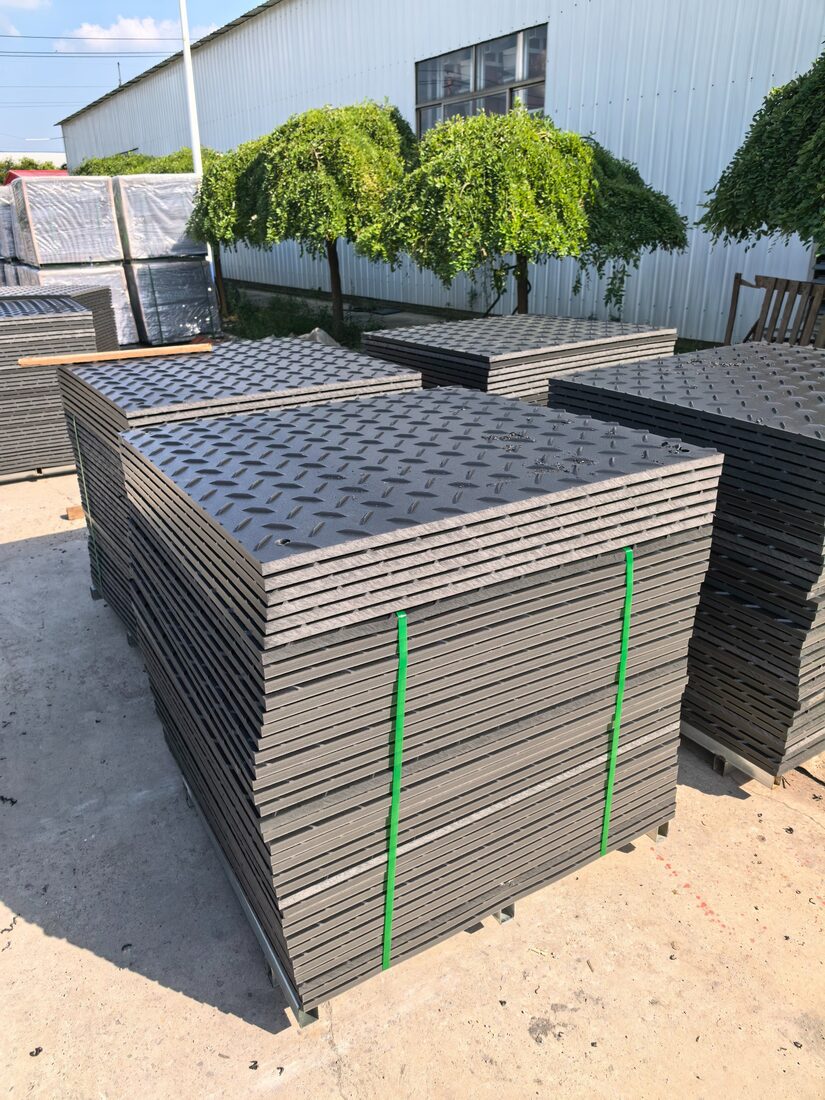
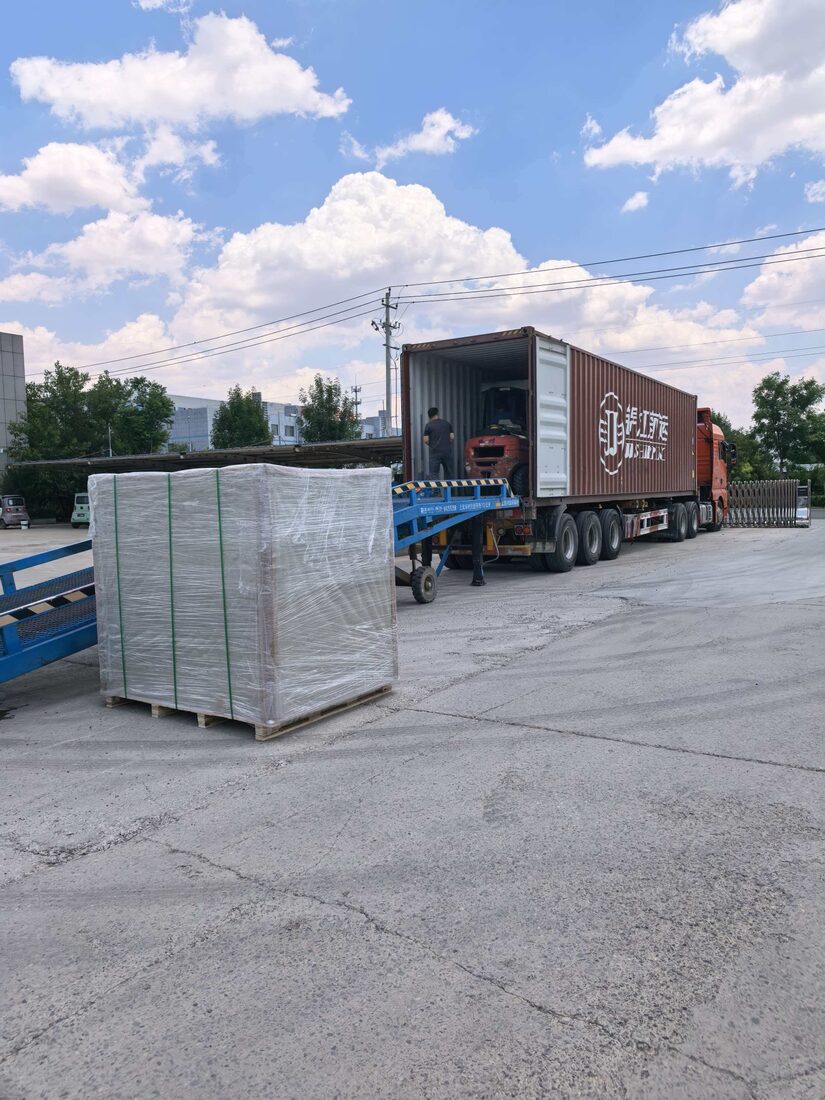
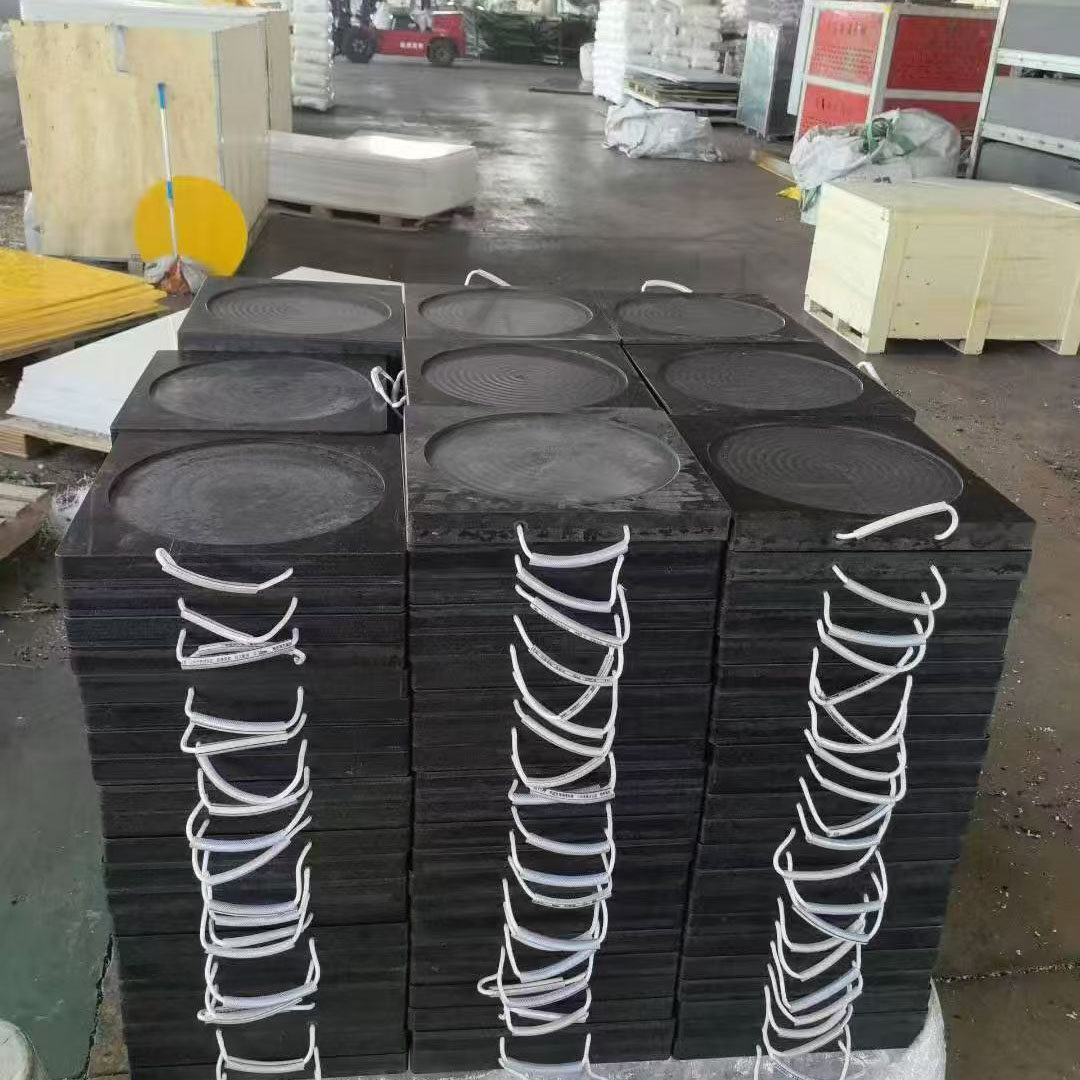
01Ground Protection Mats Production and bulk delivery
From smooth-truck road formation to vehicle load validation, to mass stacking, packaging and loading.
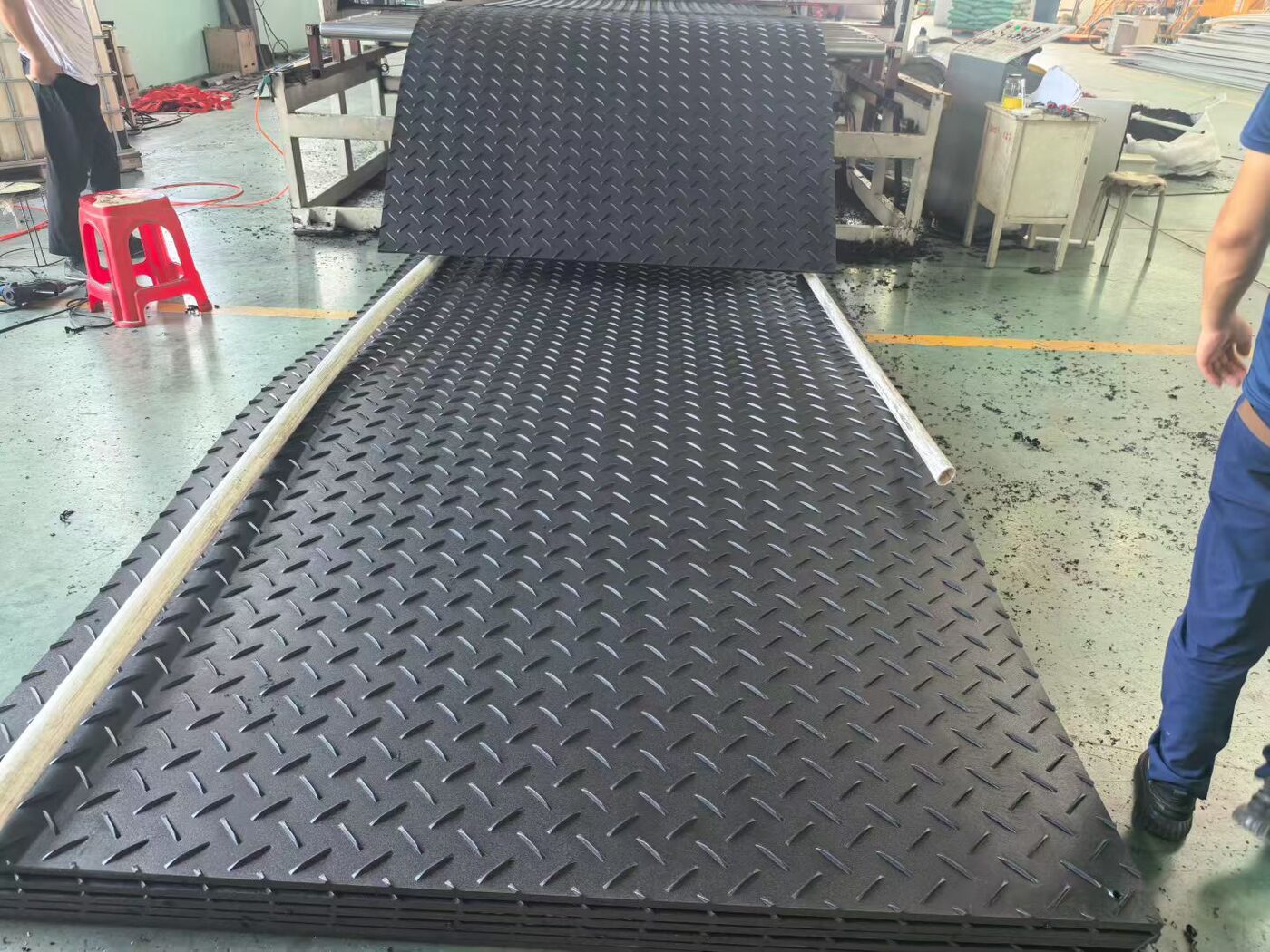
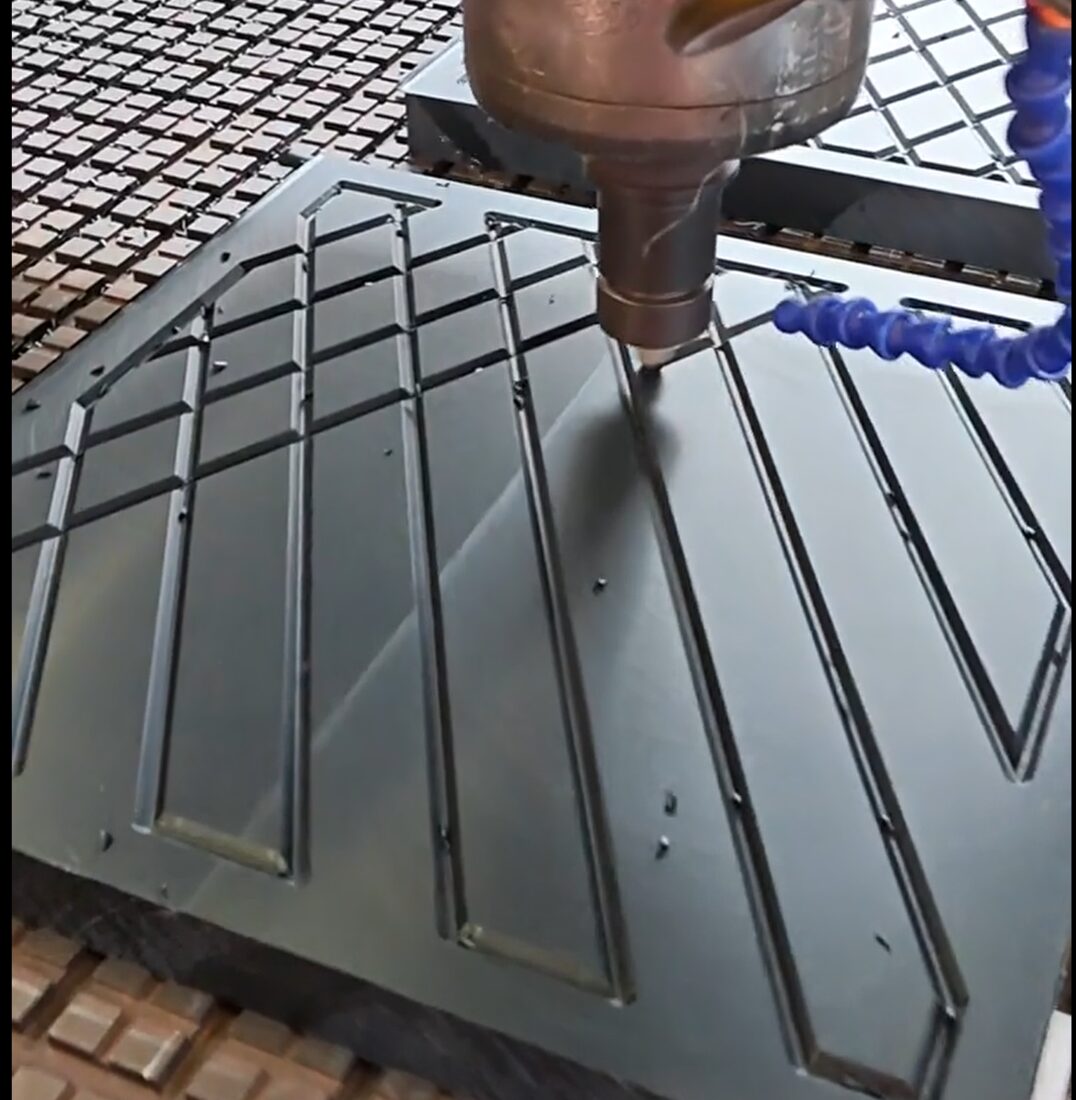
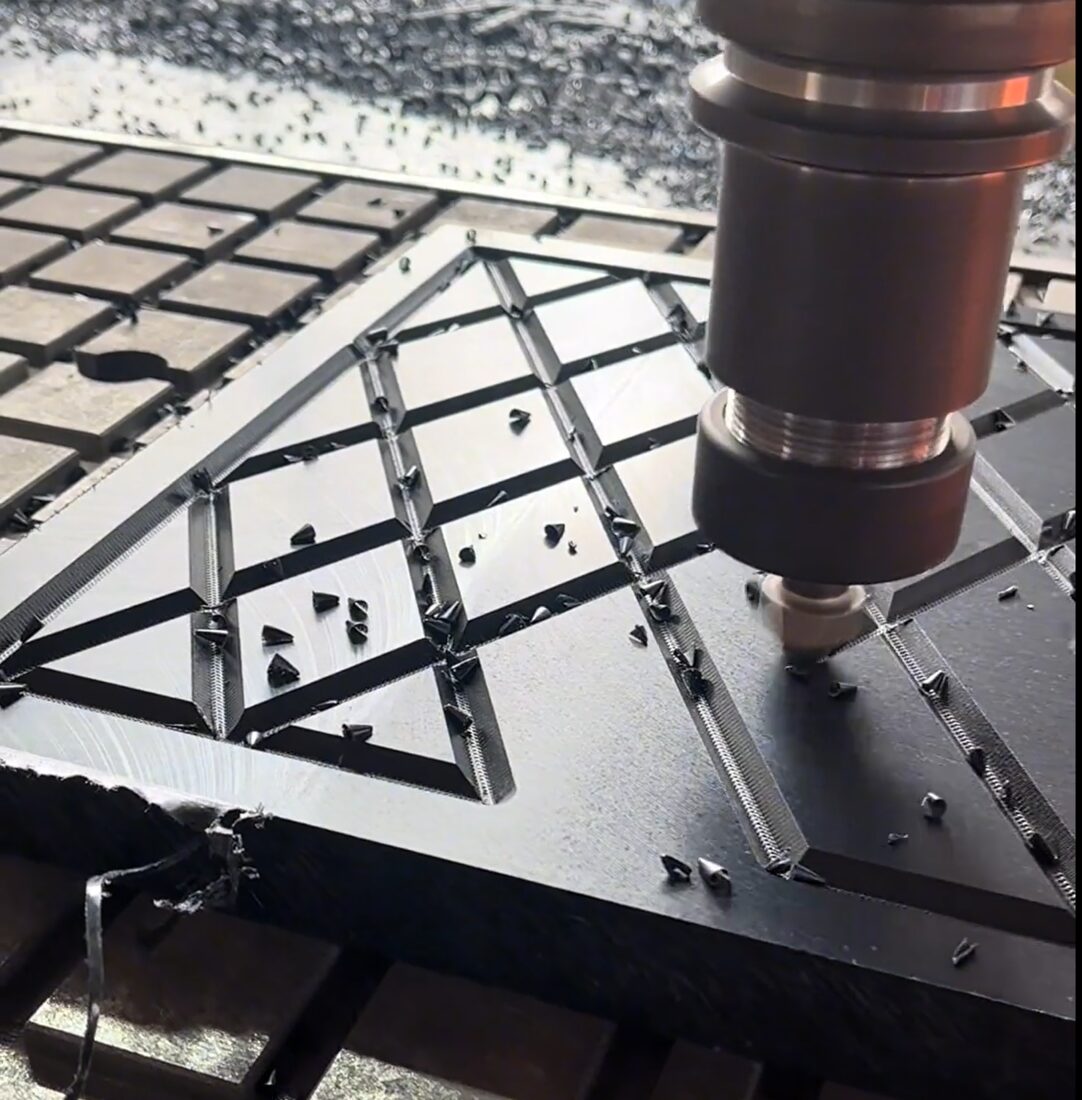
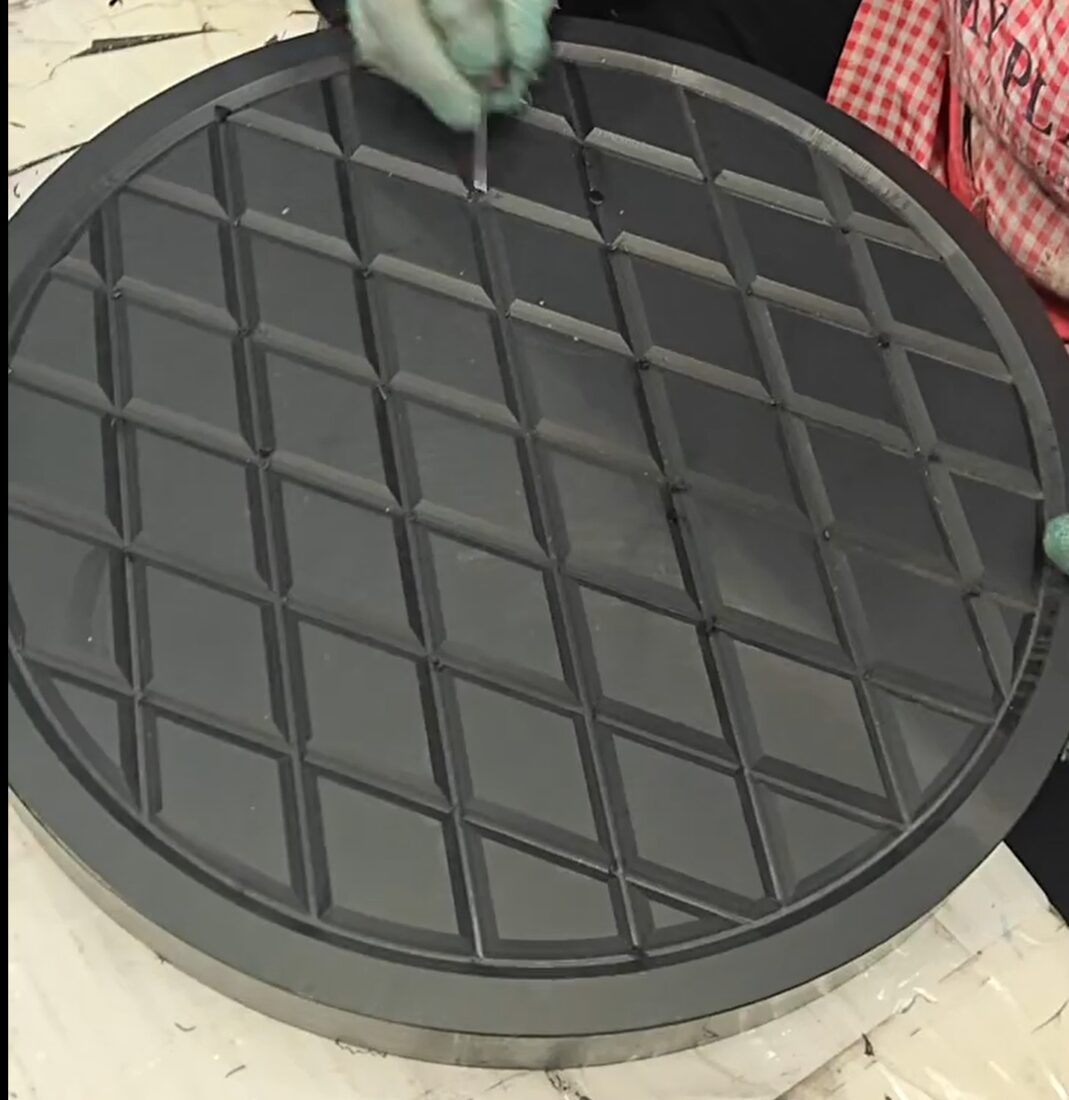
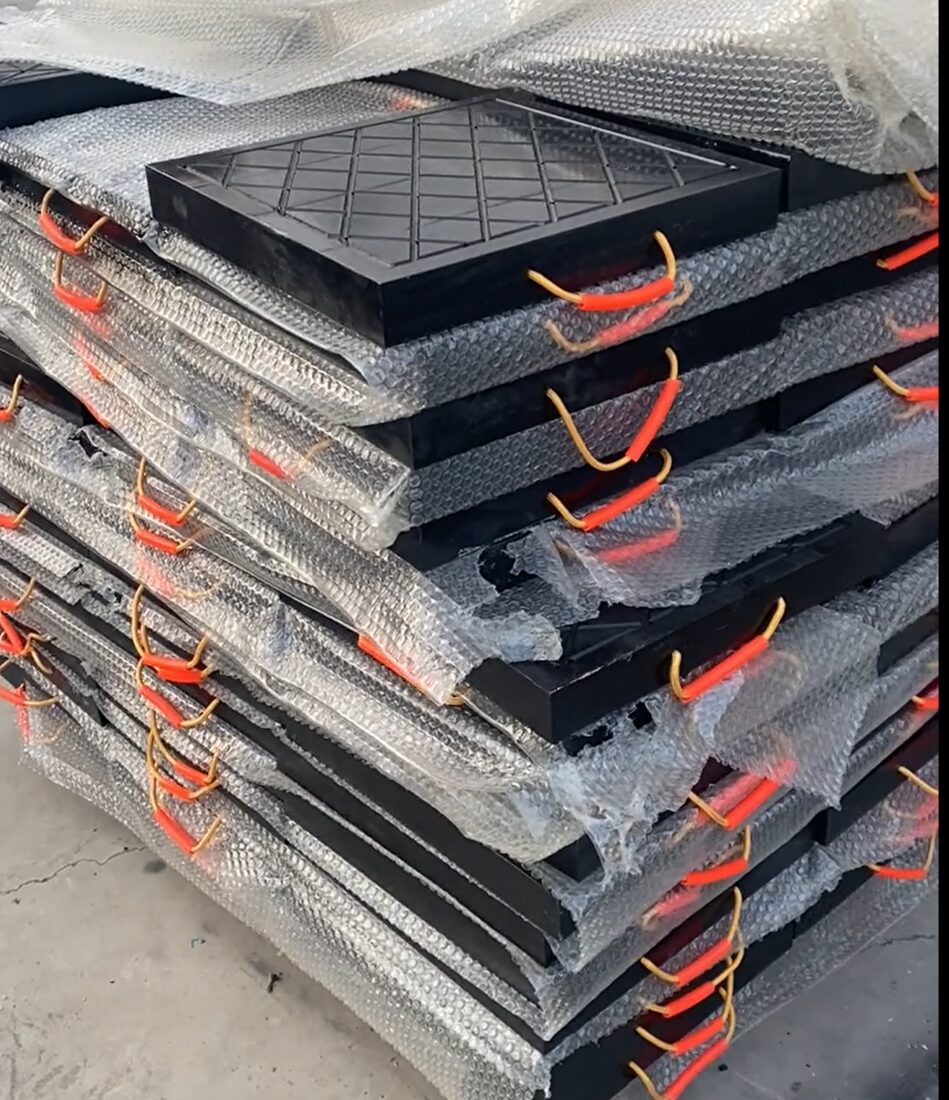
02Crane Outrigger Pads Processing and Inspection
CNC processes, surface structural checks, attachment configurations and packagings showing circles, squares—Outrigger Pads.
Information proposed before request for quotations
The more complete the information, the easier it is to quickly determine the appropriate size, thickness, structure, quantity and customization.
- Type and weight of vehicle/equipment
- Ground type versus hardness
- Length, width and turn of route
- Retroactivity of equipment model with maximum leg
- Size of original foot
- Ground carrying conditions
- Projected number of acquisitions
- Port of destination/delivery area
You need circuses, fairs and tour programs?
We continue to assess the actual conditions of work for the distribution of site photographs, equipment/vehicle parameters, application conditions, quantity and port of destination.
Industry application cases
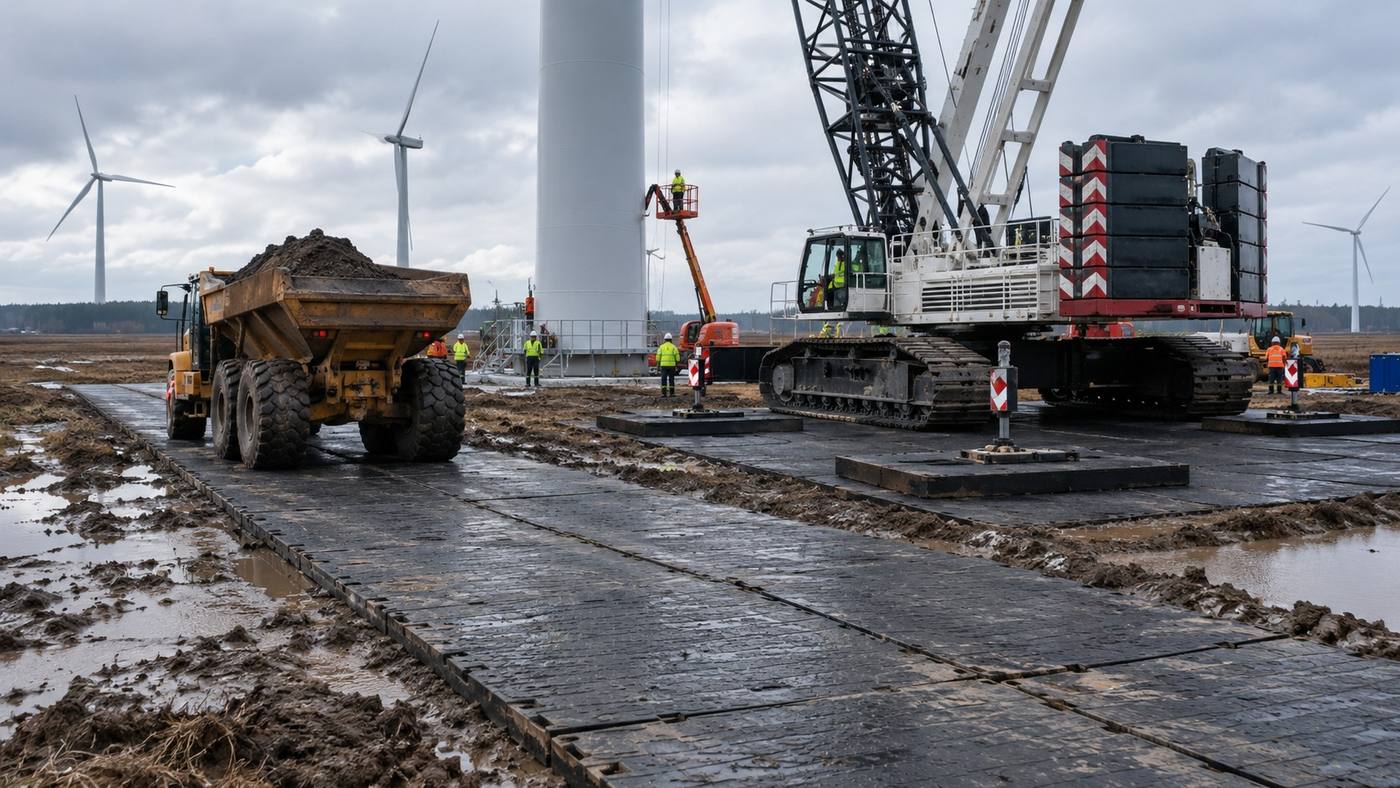
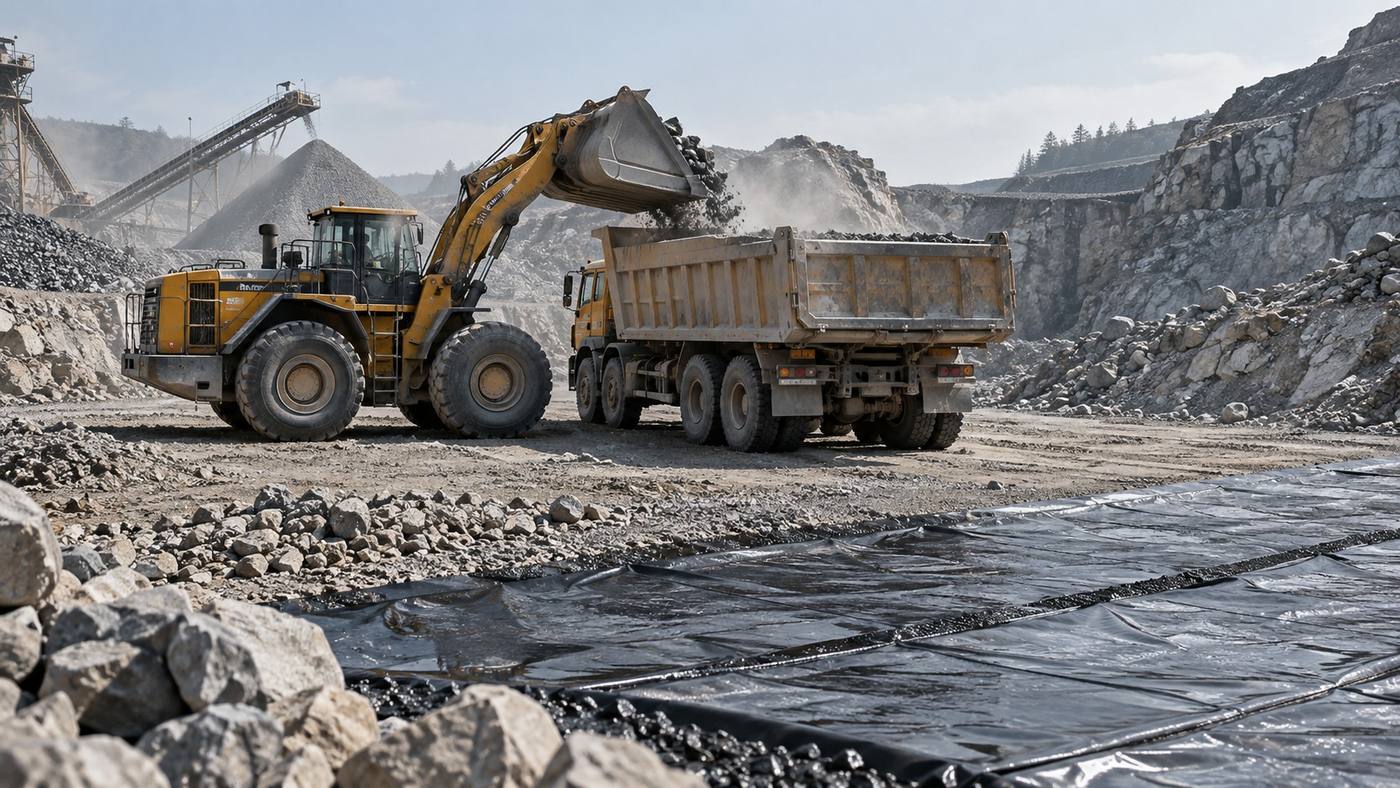
Browse the typical applications of Ground Protection Mats-, Dump Truck Bed Liners- and Outrigger Pads-- in different industries, click on pictures to enter the corresponding industry pages.
 Construction & Infrastructure
 Mines, quarrying and drilling
 Agriculture, plantations and forestry
 Transport fleet and self-loading vehicles
 Lifting and lease of equipment
 Energy, electricity and new sources of energy
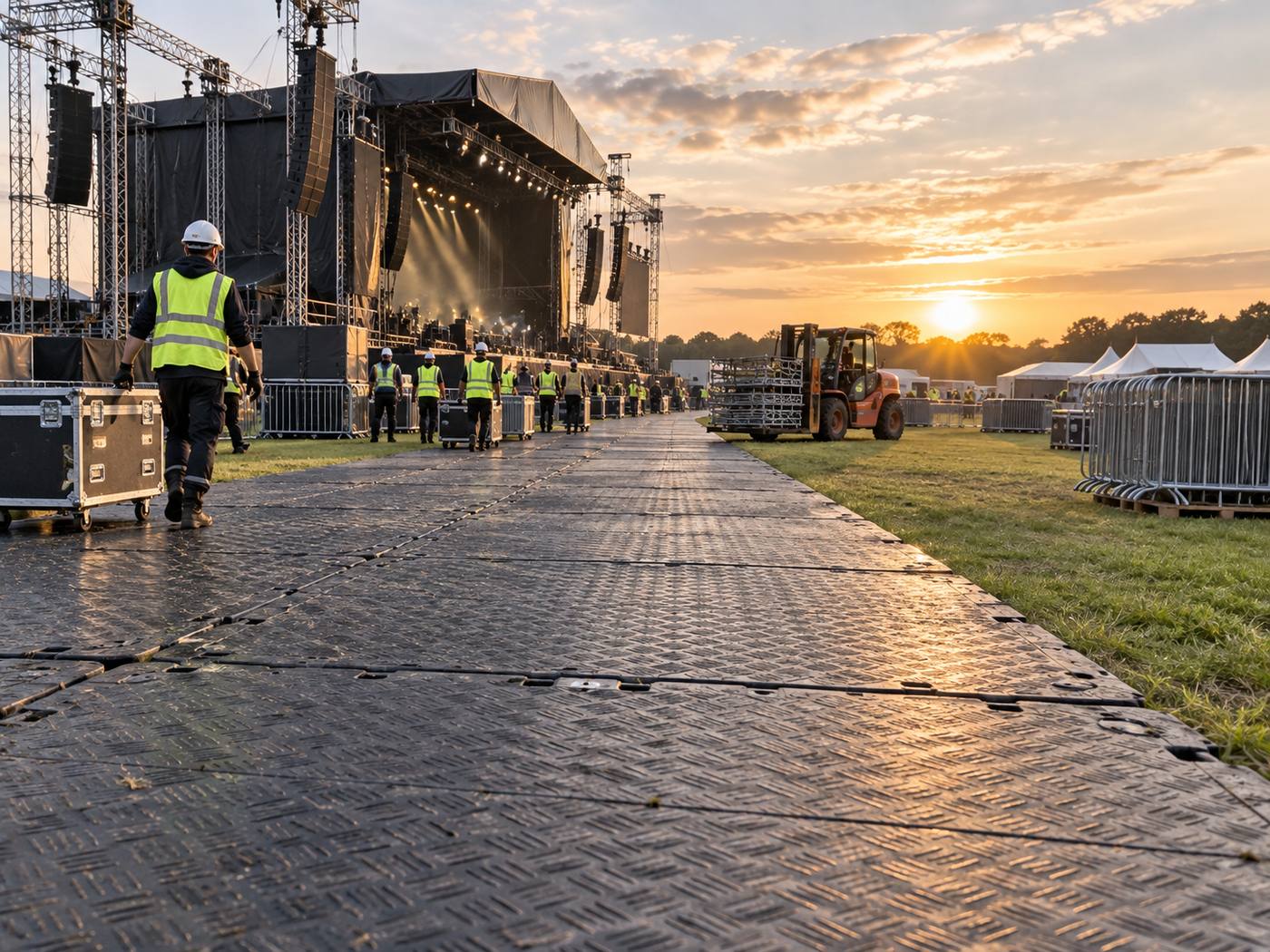 Events, performances and temporary venues
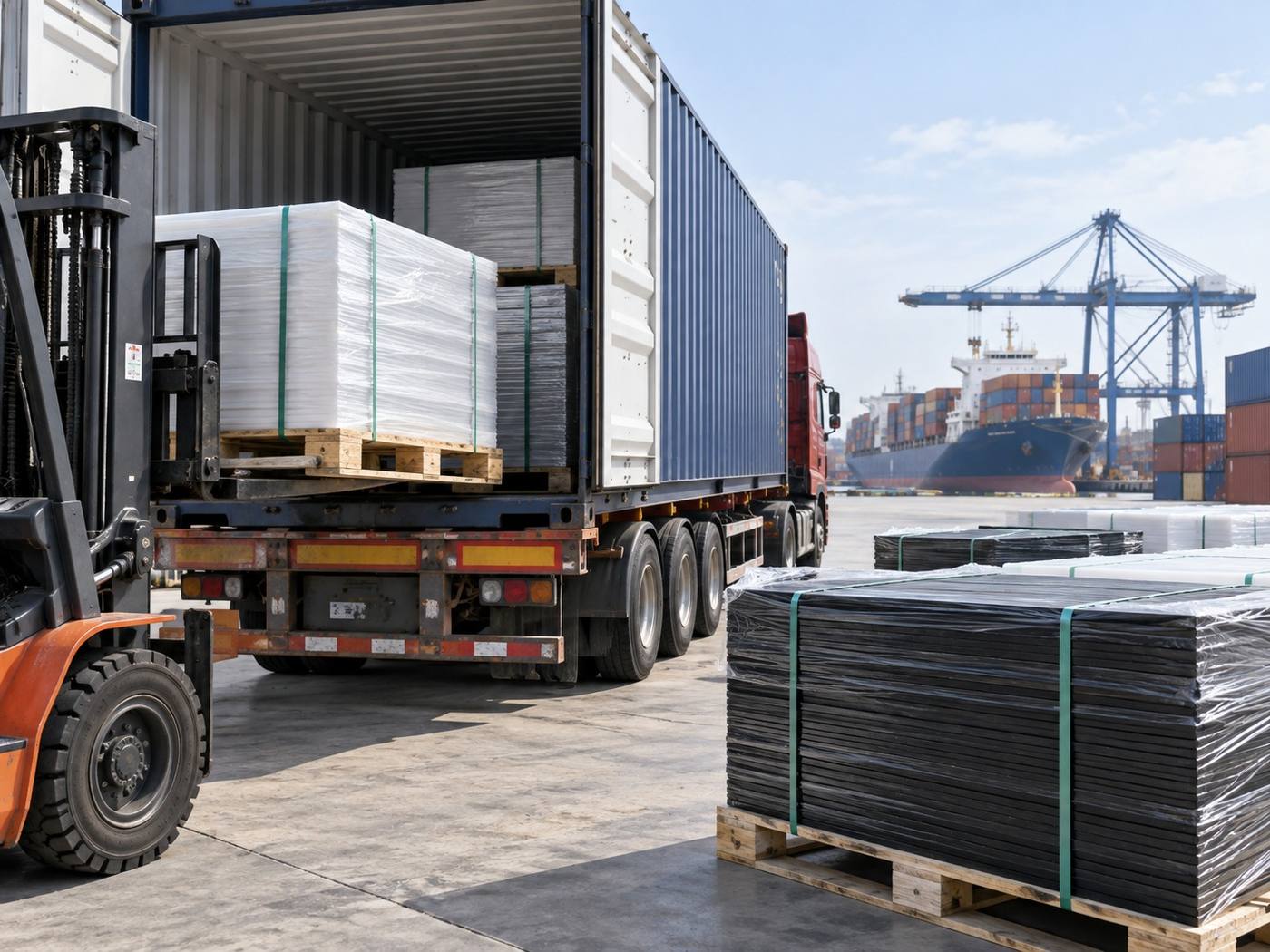 Ports, logistics and industrial sitesConstruction & InfrastructureMines, quarrying and drillingAgriculture, plantations and forestryTransport fleet and self-loading vehiclesLifting and lease of equipmentEnergy, electricity and new sources of energyEvents, performances and temporary venuesPorts, logistics and industrial sites