
(a) The collector and engineering vehicles bring high axle loads, and small-sized solid-heart wheels of forklifts and tractors concentrate pressure on smaller areas;Frequent start-ups, brakes and in-situ shifts to subject the panels and seams to repeated cuttings.Where routes are mixed without speed and shift rules, the first to be damaged is usually the junction, gate and loading slot.The project should measure the number of vehicles of different types and the type of wheel, divide the heavy lanes, forklift areas and personnel areas by function, widen the turn and brake points and enhance inspections.Scatters, scrap metal and sand particles are used to accelerate wear and wear, and a class cleaning and panel inspection system should be established.Airports, ports and logistics site sites should set clear standards for the discontinuation of “high frequency (HF) traffic and small-wheeling equipment resulting in centralized wear”, such as continued tipping, incomplete support surfaces, extended depositions, visible vehicle slippage or loose links.Unusual isolation and unloading were detected, and then the floors were repaired or reconfigured, and temporary pads were prohibited in carrying conditions.The head of the mission may not resume operations until he or she has been qualified to do so, and records of disposal are maintained.
Field applications for airports, ports and logistics stations
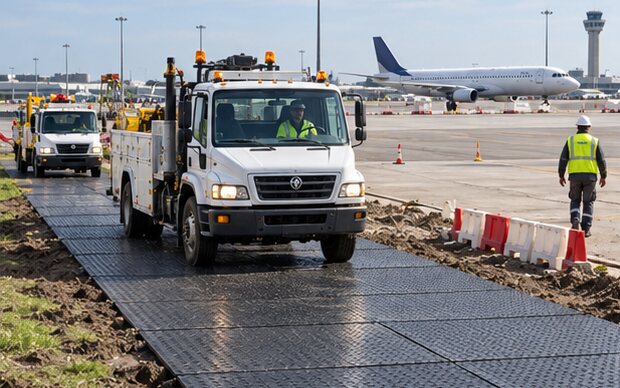
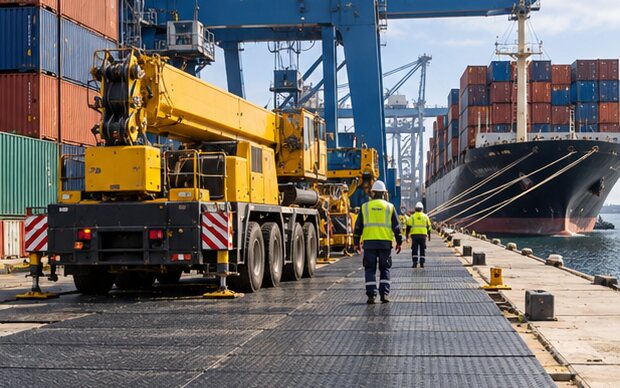
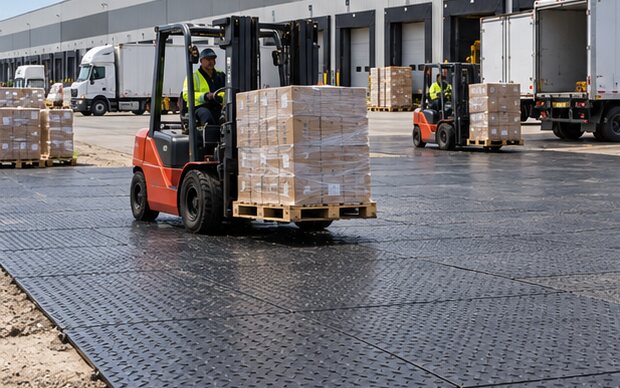
Common project applications for airports, ports and logistics stations
Description of the business processes, vehicle equipment, ground conditions and the project cycle.
Forklifts, tractors, pick-up cards, dumps, mobile cranes and engineering vehicles are used at high frequencies and the area of operation is adjacent to normal operations. The temporary access not only carries but also meets the requirements for traffic diversion, marking, cleaning, firefighting and operation.
The airport and port surface may be high standard concrete, asphalt, graded gravel or temporary filling areas, with underground drainage, cables, pipelines and communication facilities. The logistics field station also has high concentration pressure on small wheeled forklifts, frequent vehicle brakes and cargo drops.
Common Issues
The actual performance of airports, ports and logistics stations is explained, respectively, by the reasons for their formation, possible impacts, priorities for inspections and management methods.
Airports and port operating areas cannot tolerate loose connectors, fragments or plates, and any alien object may affect vehicles, equipment or even aviation security.Oil pollution, bulk and soil can also reduce friction and contaminate normal areas of operation.The material count and numbering should be completed prior to laying, using a connecting method suitable for the site, with visual marking on the edge;After opening up, it was visited by a specialist and the pine items were immediately closed.The vehicle was placed clean of tyres and panels before entering the area of operation, and the evacuation site was closed by area to ensure that there were no connects, packaging or residues left.In response to “the strict requirements for alienation, pollution and route continuity in the area of operation”, the airport, port and logistics station project should also include the results of inspections in pre-class confirmation and handover records, specifying who is responsible for release, who is responsible for inspection, what deposition or relocation must be discontinued.Retroactive recording of photographs, measurements and usages will make it possible to distinguish ground-based changes, operational deviations from product damage and avoid repetition of the same problem between different groups.
The potential for drainage tank content, cables, fire pipes and local cavities at the bottom of the stacks and aprons does not mean that the surface concrete strength is high enough to impose a leg load at any location.The equipment is more risky when it is sewn close to the edge of the pier, the gutter lid or the floor.An underground facility chart, a single-legged reaction of the equipment and a ground-based pressure should be obtained prior to the suspension, confirming that the legs do not cross the cavity or weak structures.The pads need to be fully integrated and kept at a level, with areas of separation to prevent collisions between other vehicles;The crane is re-verted, the payload changes or is re-examined after it is moved.The processing of “underground facilities and station-restricted equipment” does not only allow for the smooth passage of a single pass, but also covers the maximum load, maximum frequency, worst weather and evacuation phases.It is recommended that representative positions be selected for trial, that ground, vehicle or equipment data be recorded and that the scope, connection and frequency of maintenance be adjusted to the results;Changes in conditions have confirmed that early experience is not directly applied to the entire airport, port and logistics site project.
Solution Recommendations
The route, the grass-roots, the support or the unloading of the material is addressed first, and the corresponding products are recommended according to the work situation.
The programme begins with operational segregation and route classification. The construction vehicle entrance, heavy-loading tunnel, forklift operating area, suspension area and personnel corridor are set up separately and are linked to the airport or port permit, identification and alien management process.
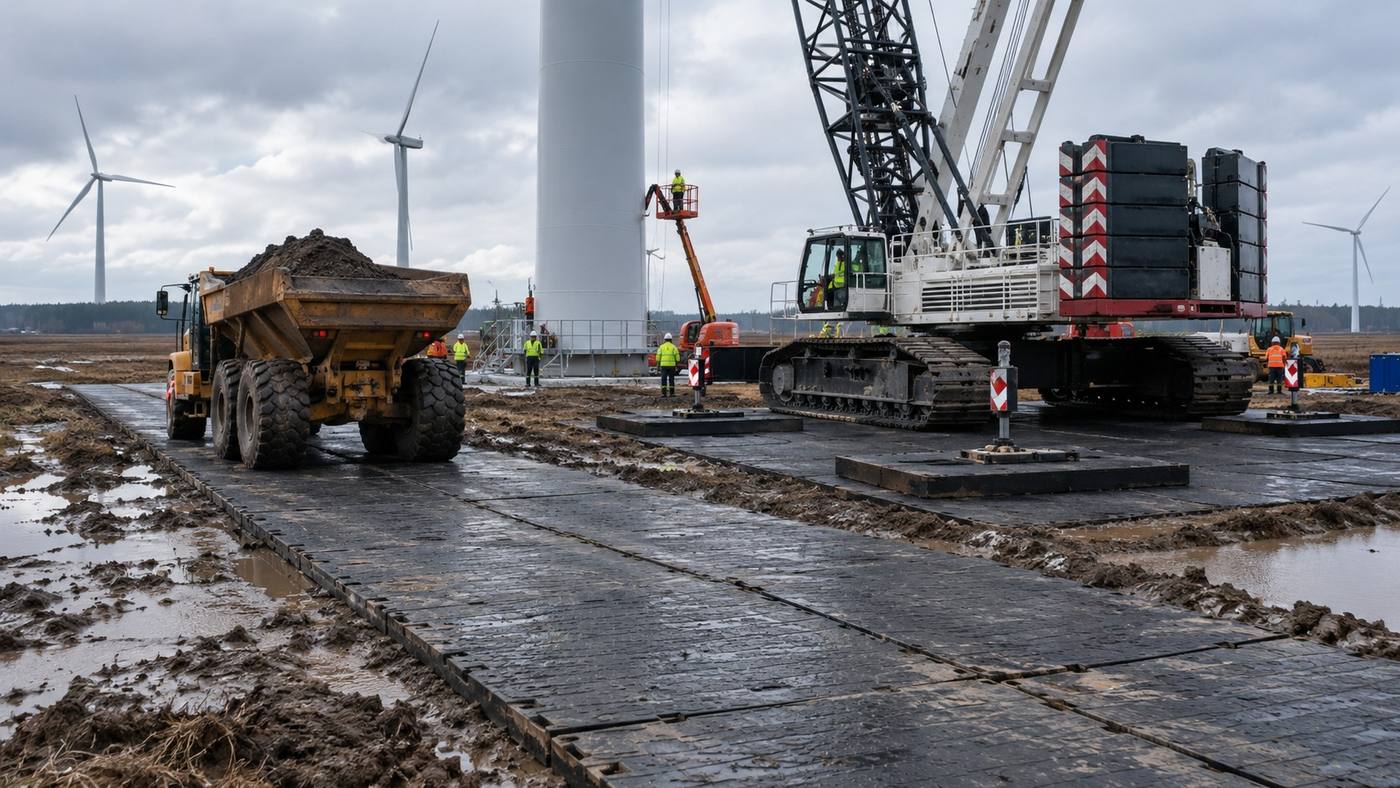
HDPE Ground Protection Mats—for temporary cargo, equipment entry and protection of the completed floor, with specifications assessed by maximum axle load, forklift wheel and traffic frequency;Crane Outrigger Pads for containers, electromechanical equipment and maintenance of suspensions, the area of exposure is calculated by the single-legged reaction and by the permitted ground pressure.When bulk, sticky raw materials or scrap are transported using offload vehicles, UHMWPE Dump Truck Bed Liners-- may be configured to improve discharges and reduce residues, provided that material and cleaning requirements are met.The technical conditions are to be included in the acquisition together with colour recognition, de-stamping of connectors, numbering tracking and site cleaning.
Ground Protection Mats
For the establishment of temporary vehicle access, protection of the original ground and dispersion of the wheel; specific thickness, size, texture and connection will be determined by vehicle and base level.
Crane Outrigger Pads
For the purpose of increasing the area of the foot exposure and reducing average ground pressure; must be calculated in conjunction with maximum single-leg reaction, original foot size and a permissible ground pressure.
Dump Truck Bed Liners
For the improvement of viscous bulk material discharges and the protection of carriages; materials, thickness, fractions and fixed structures need to be customised to materials and carriages.
Manufacturing
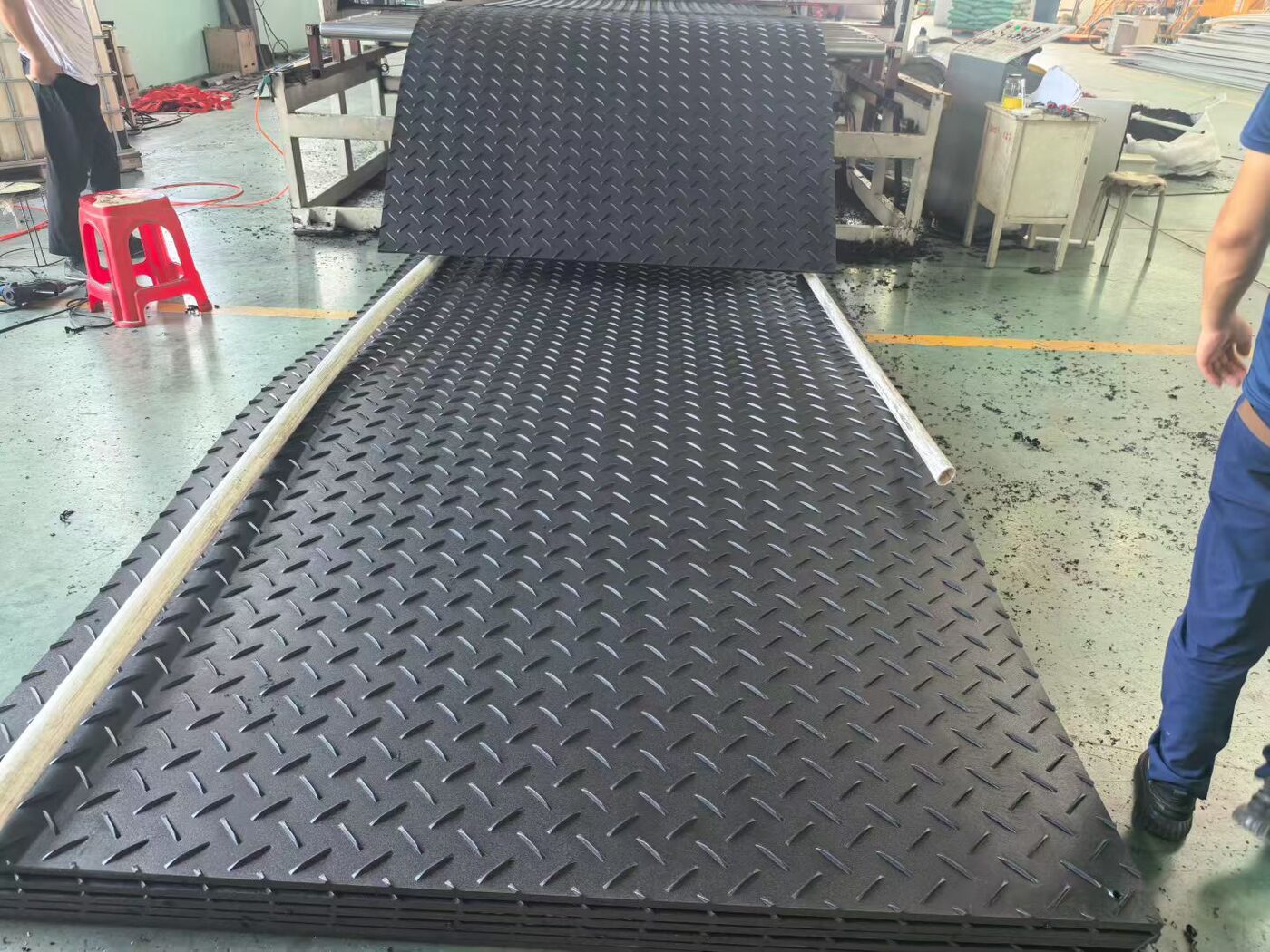
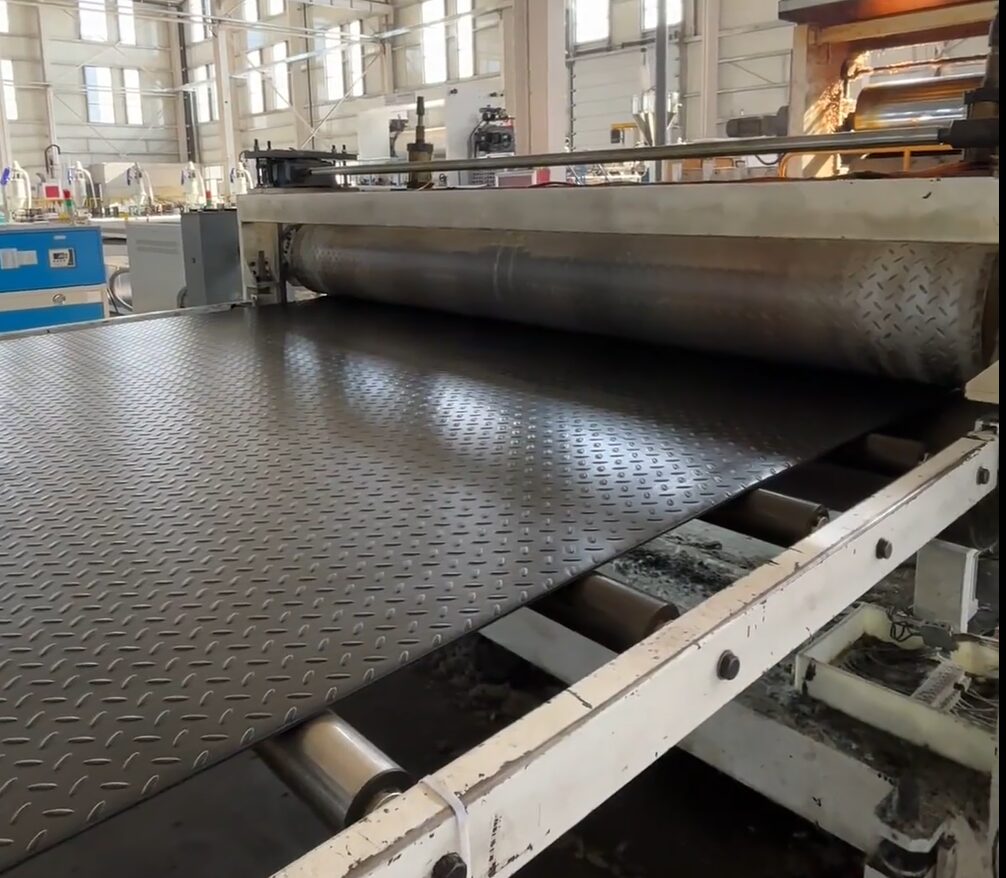
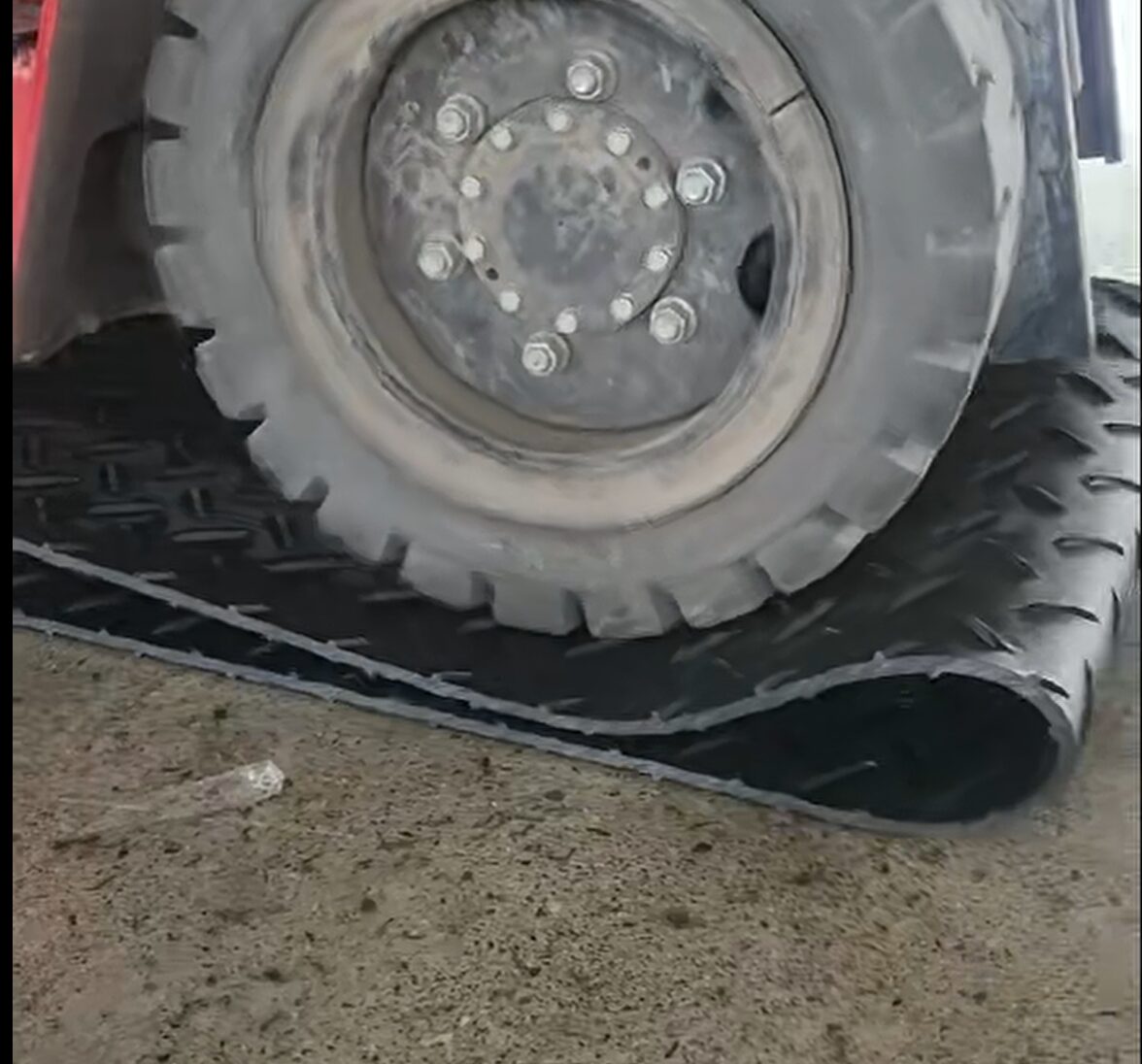
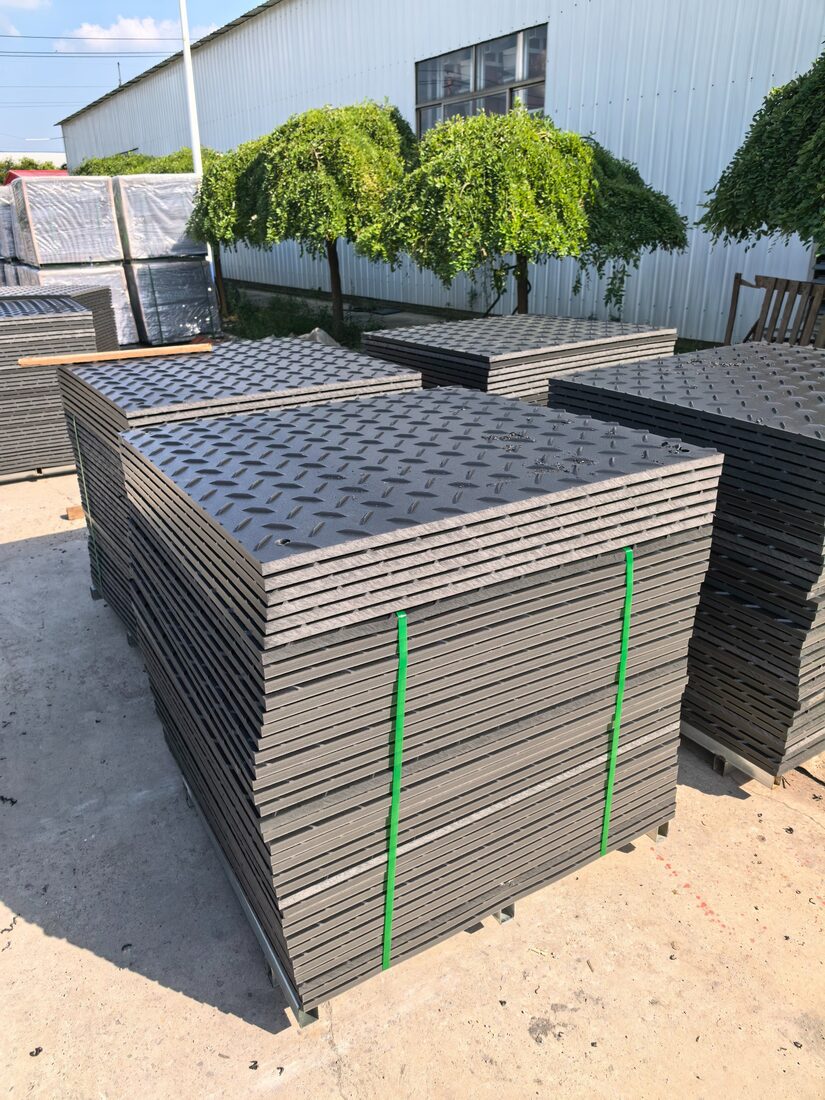
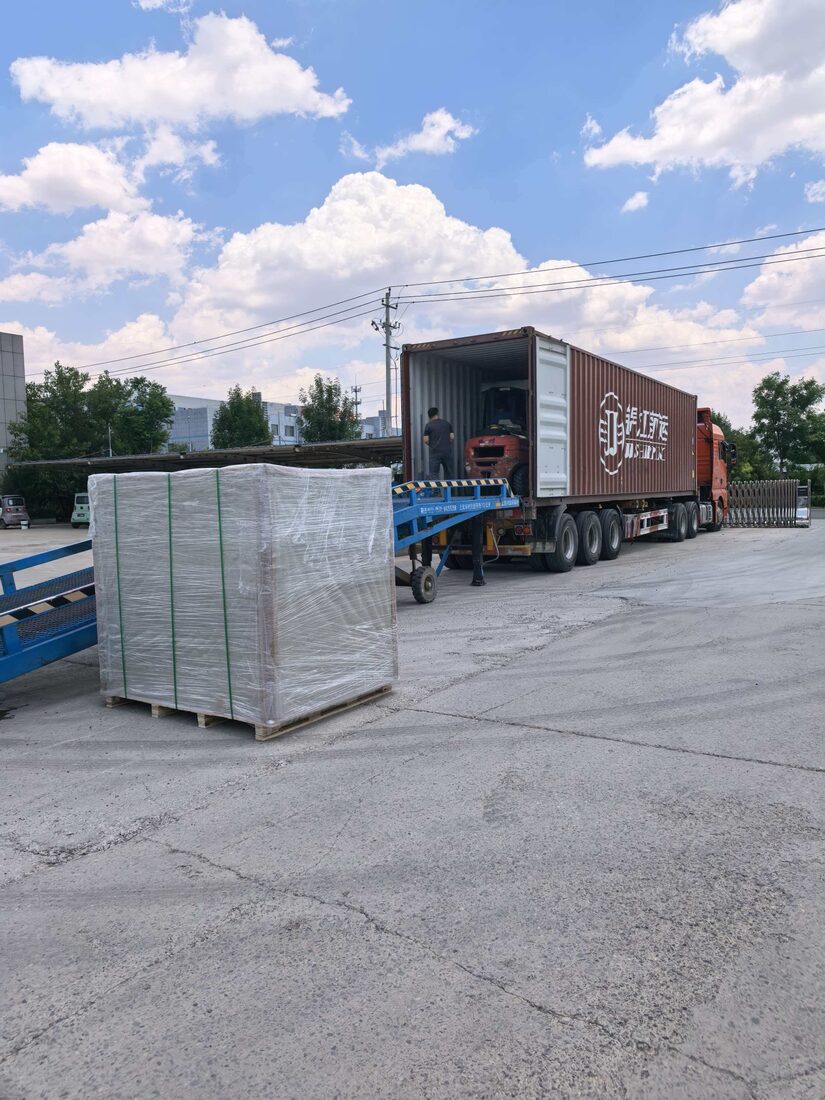
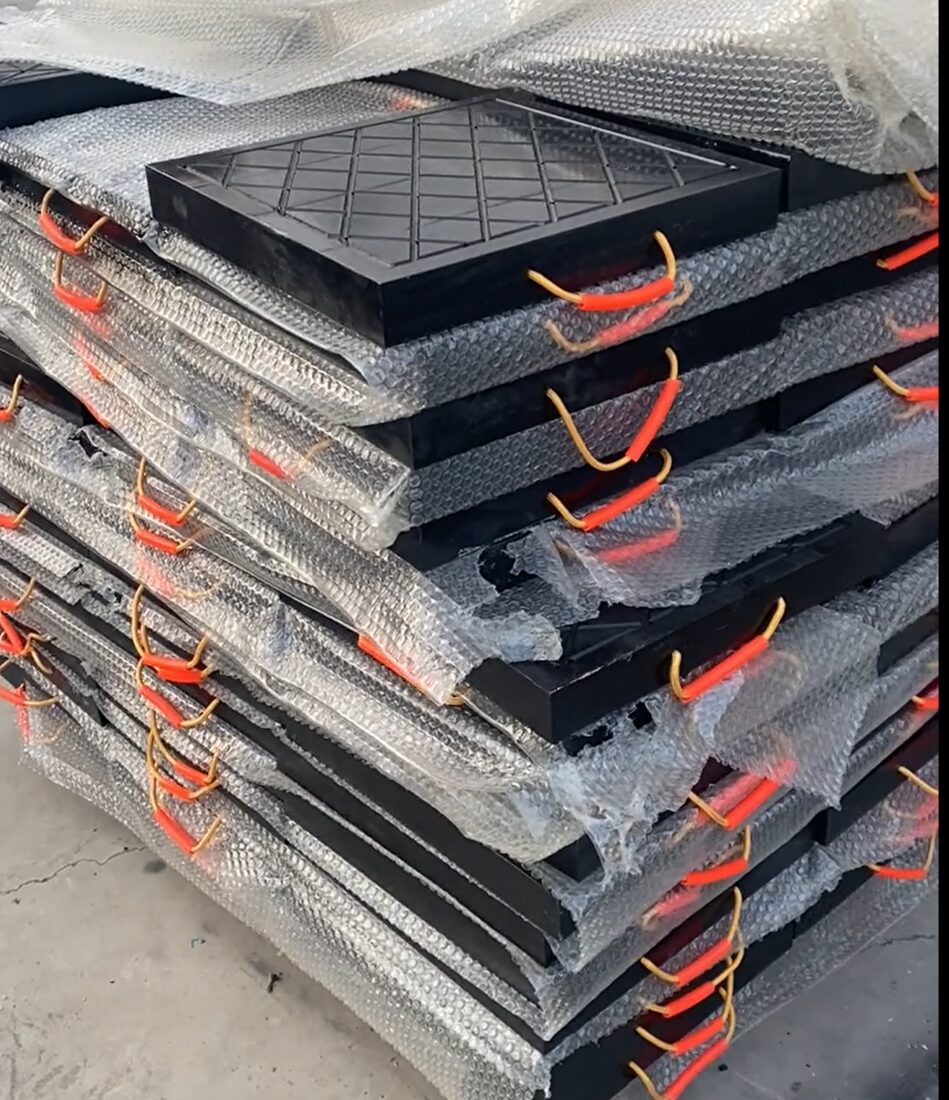
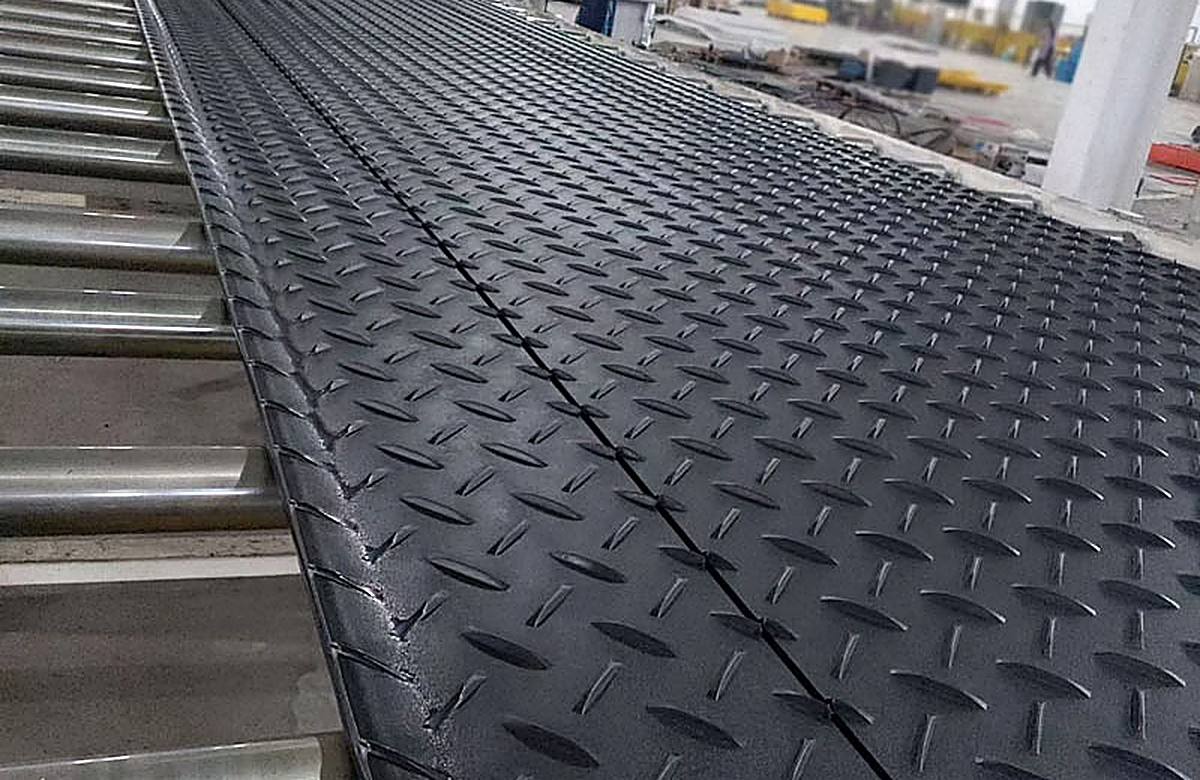
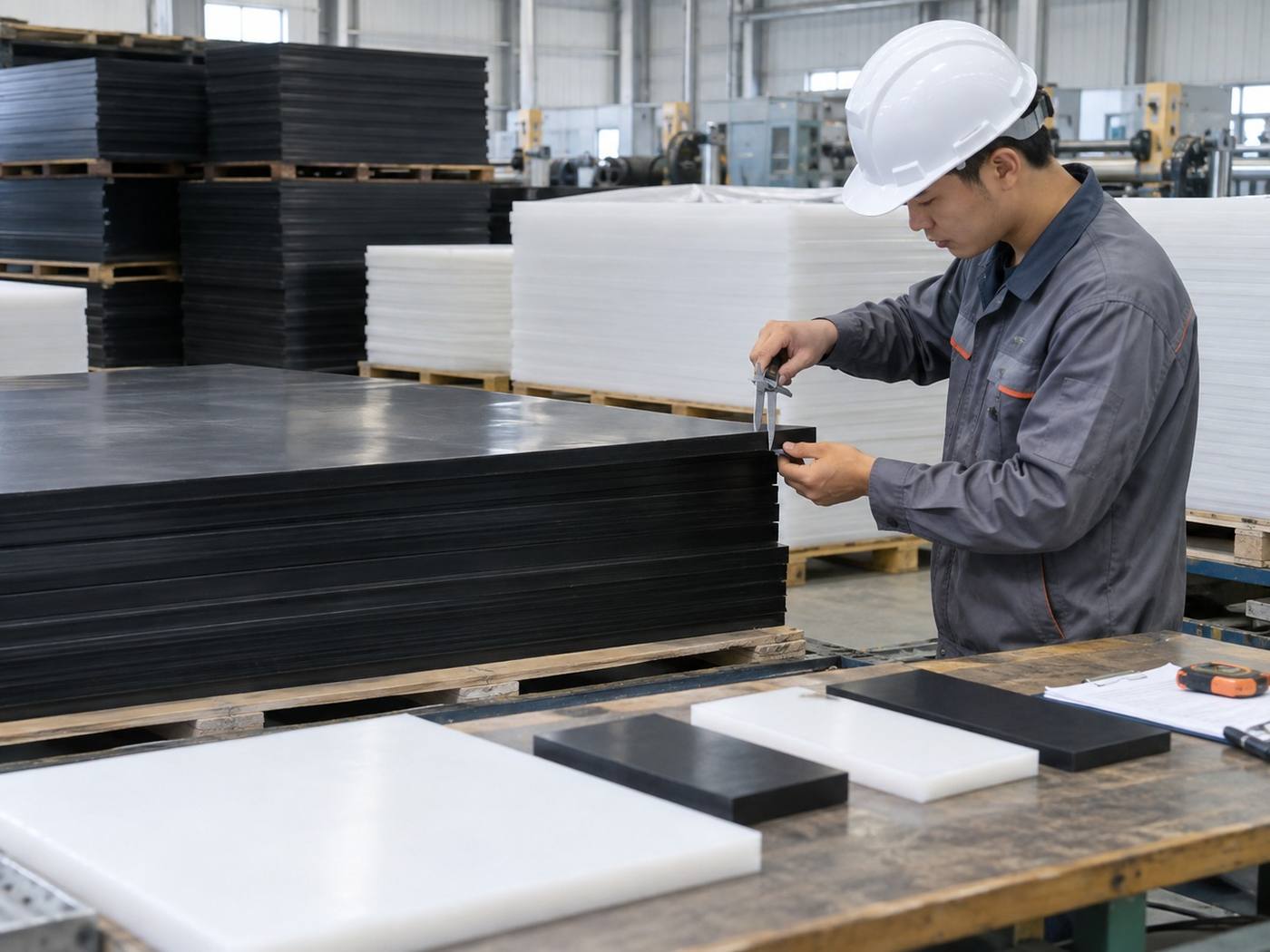
01Ground Protection Mats Production and bulk delivery
From smooth-truck road formation to vehicle load validation, to mass stacking, packaging and loading.
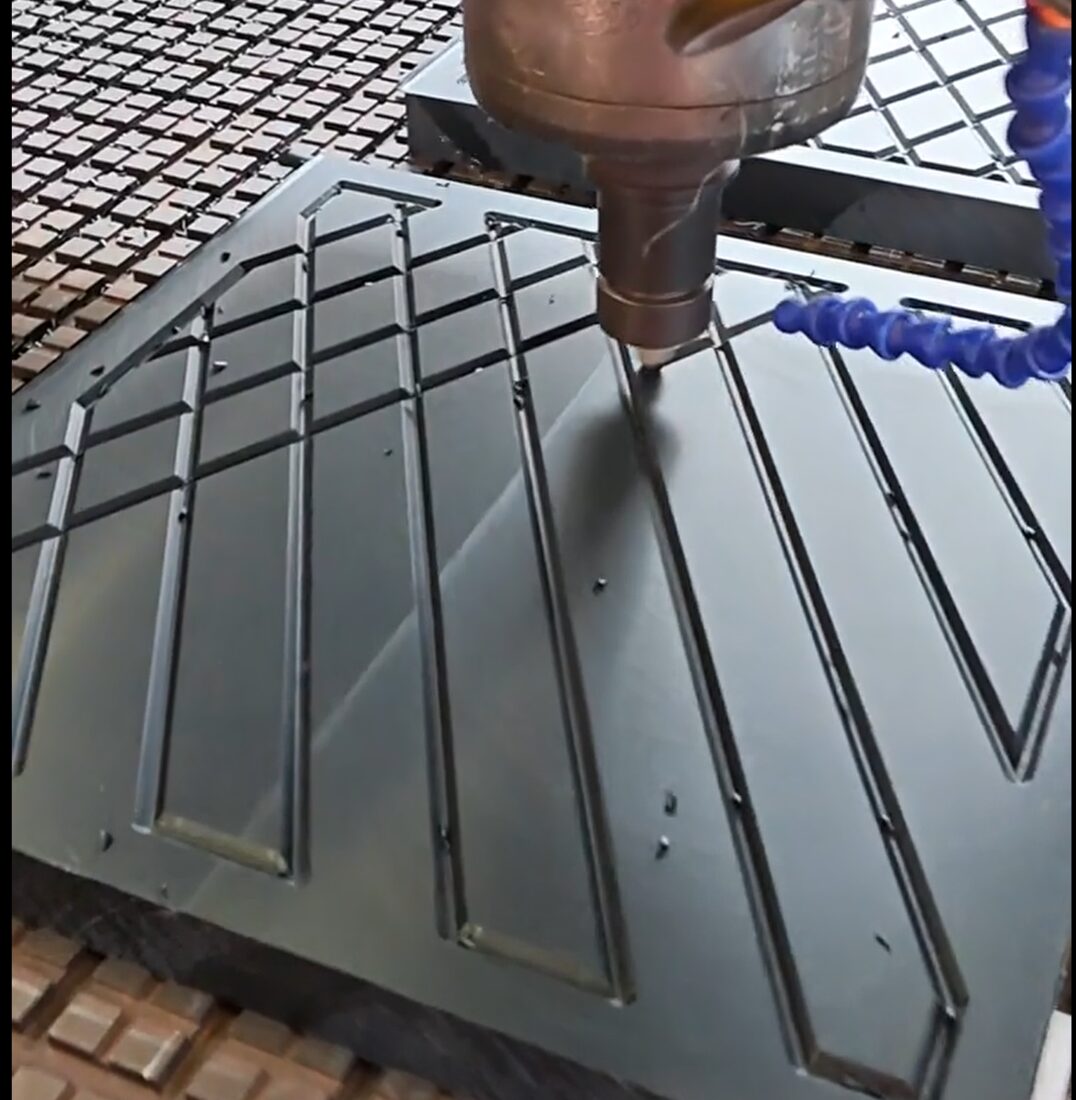
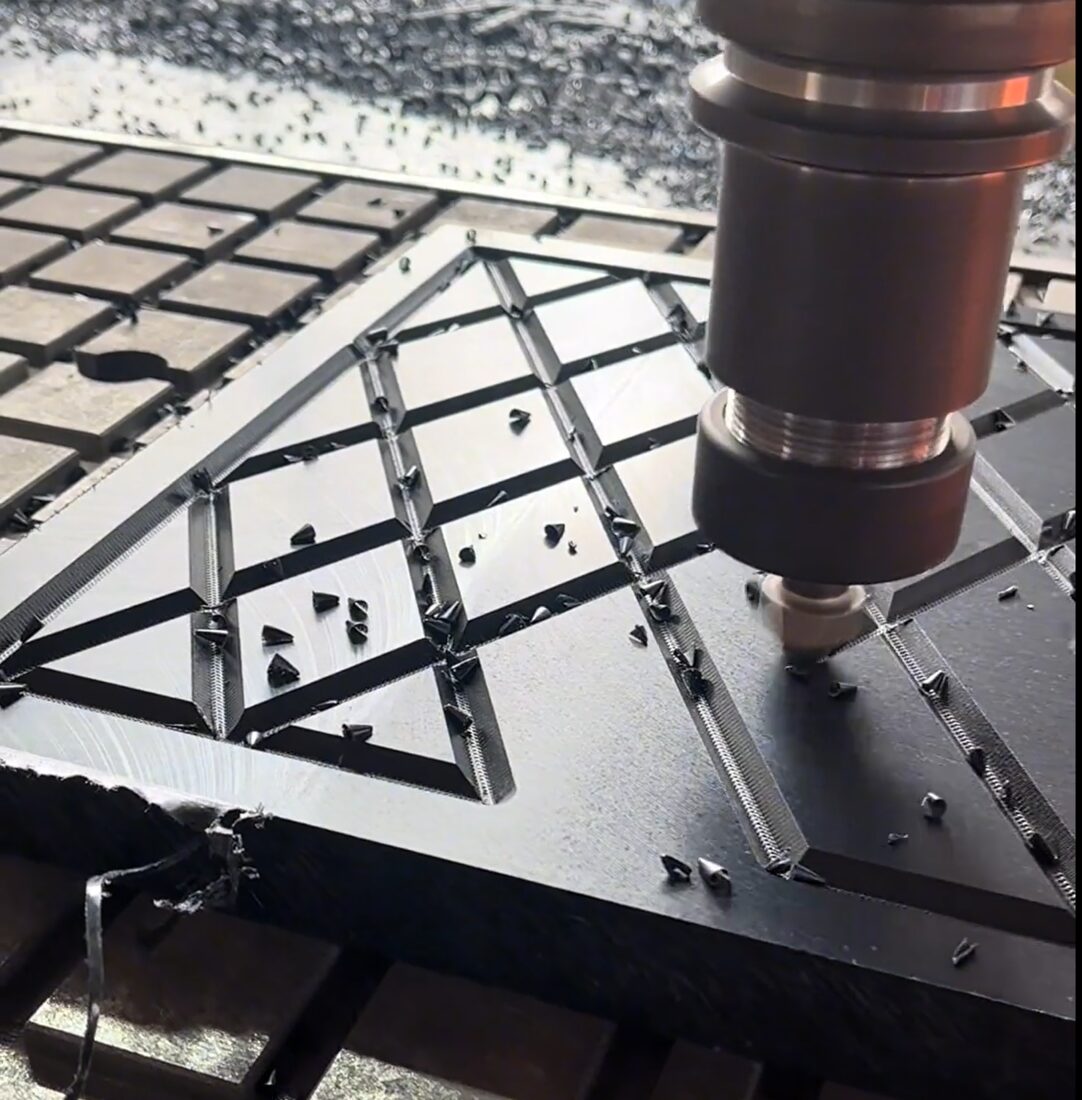
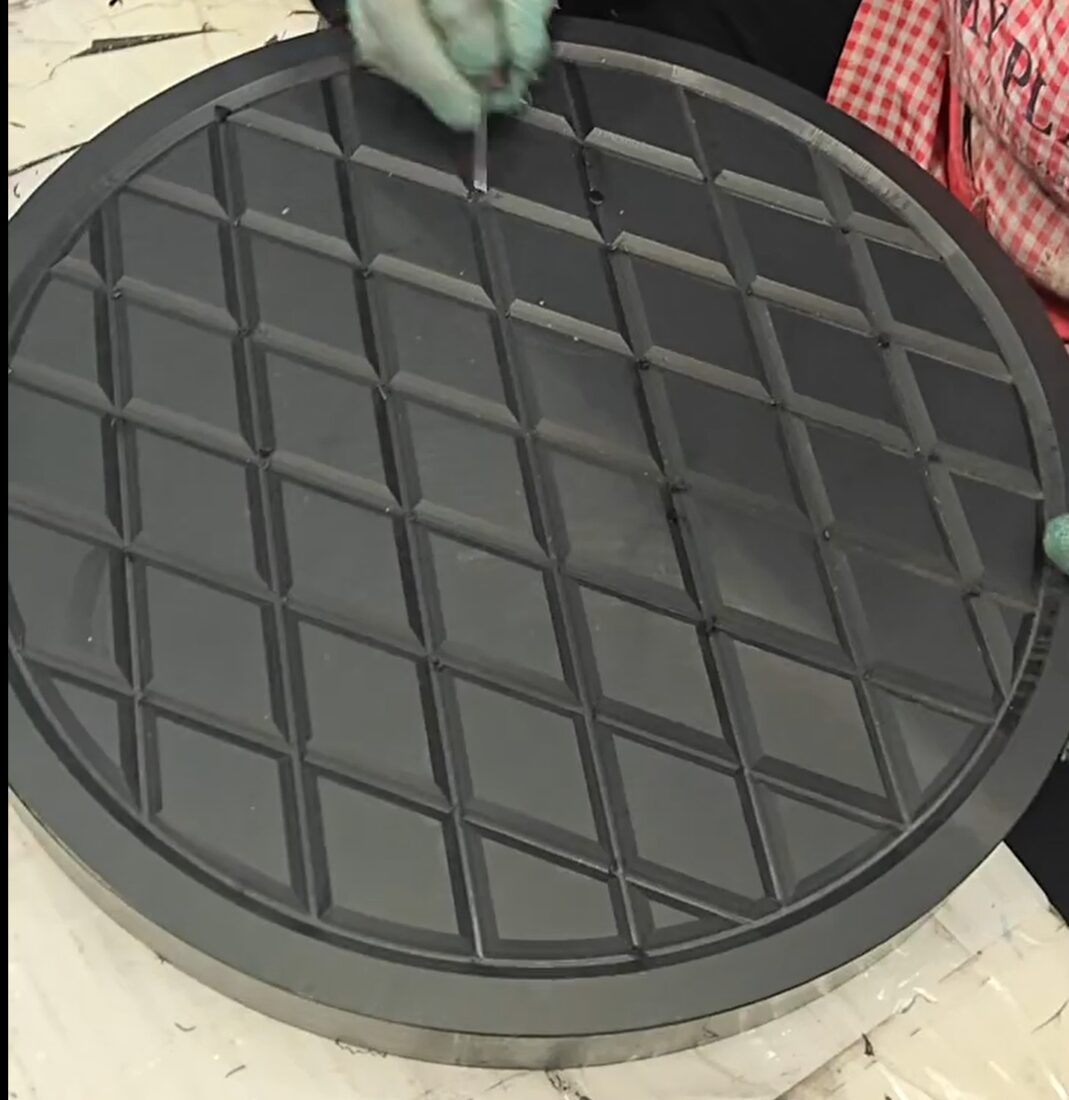
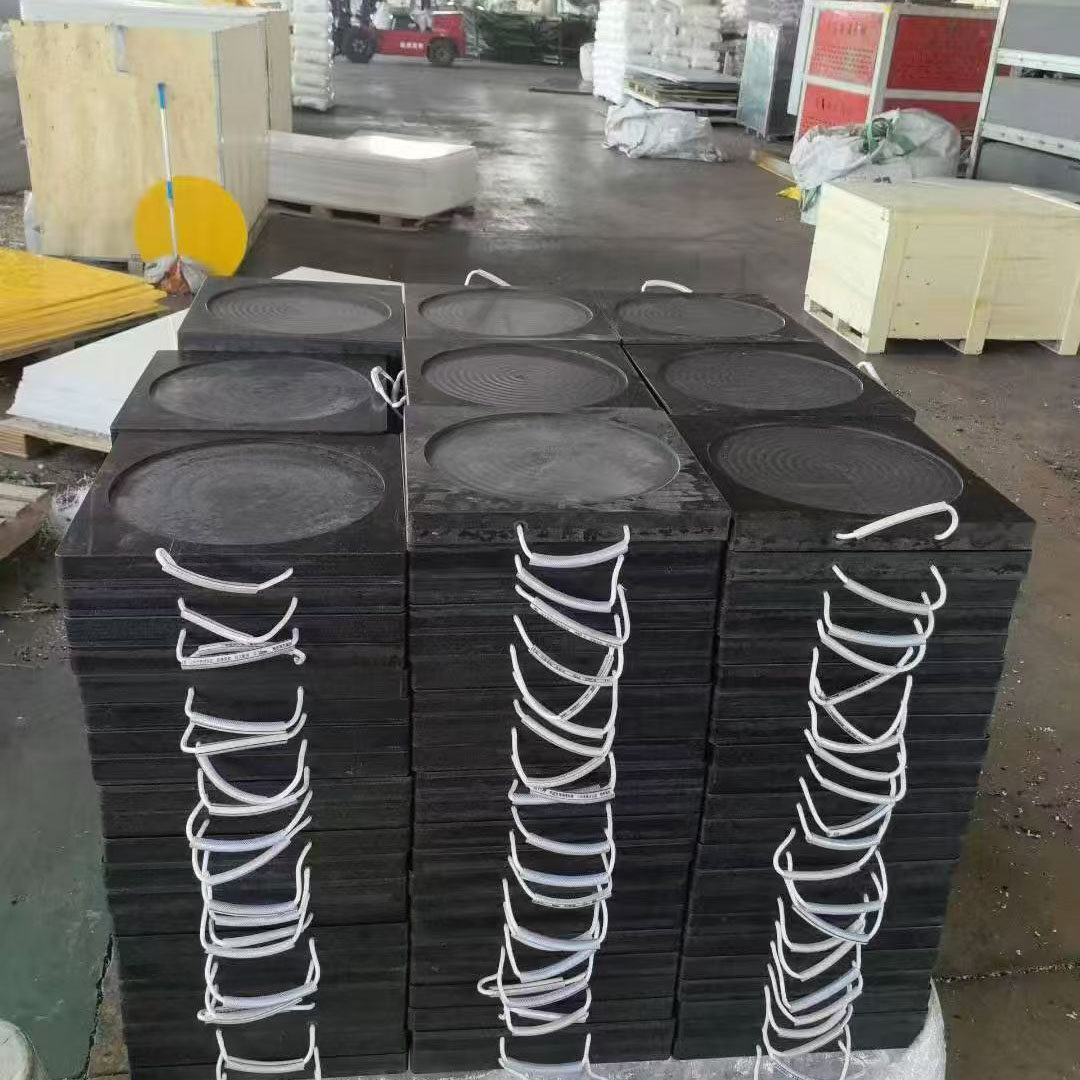
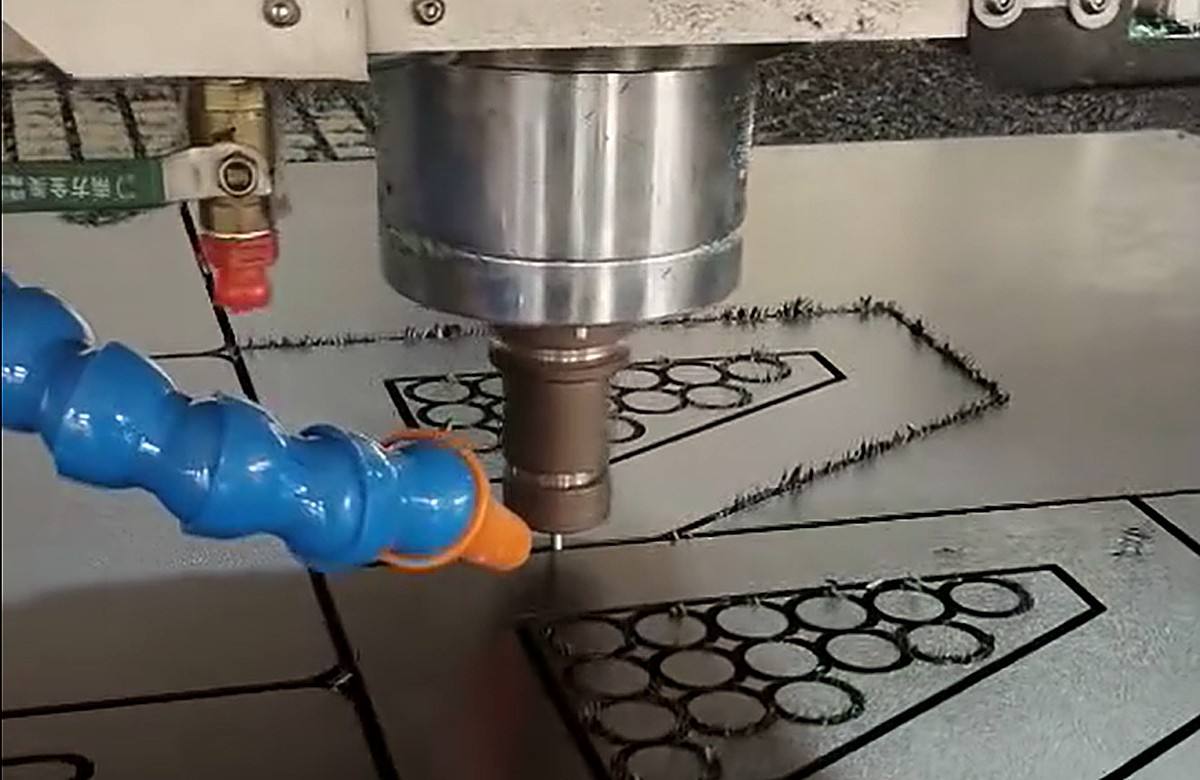
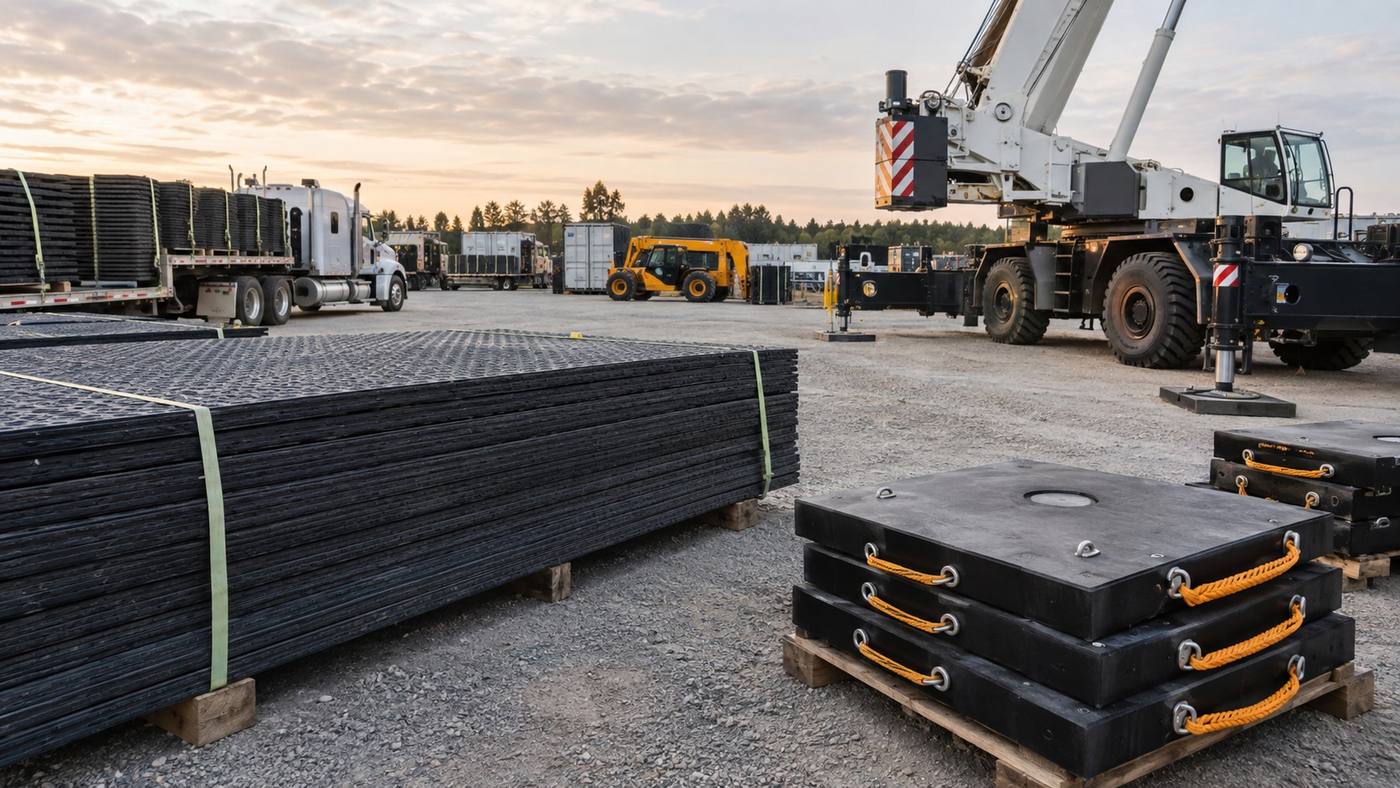
02Crane Outrigger Pads Processing and Inspection
CNC processes, surface structural checks, attachment configurations and packagings showing circles, squares—Outrigger Pads.
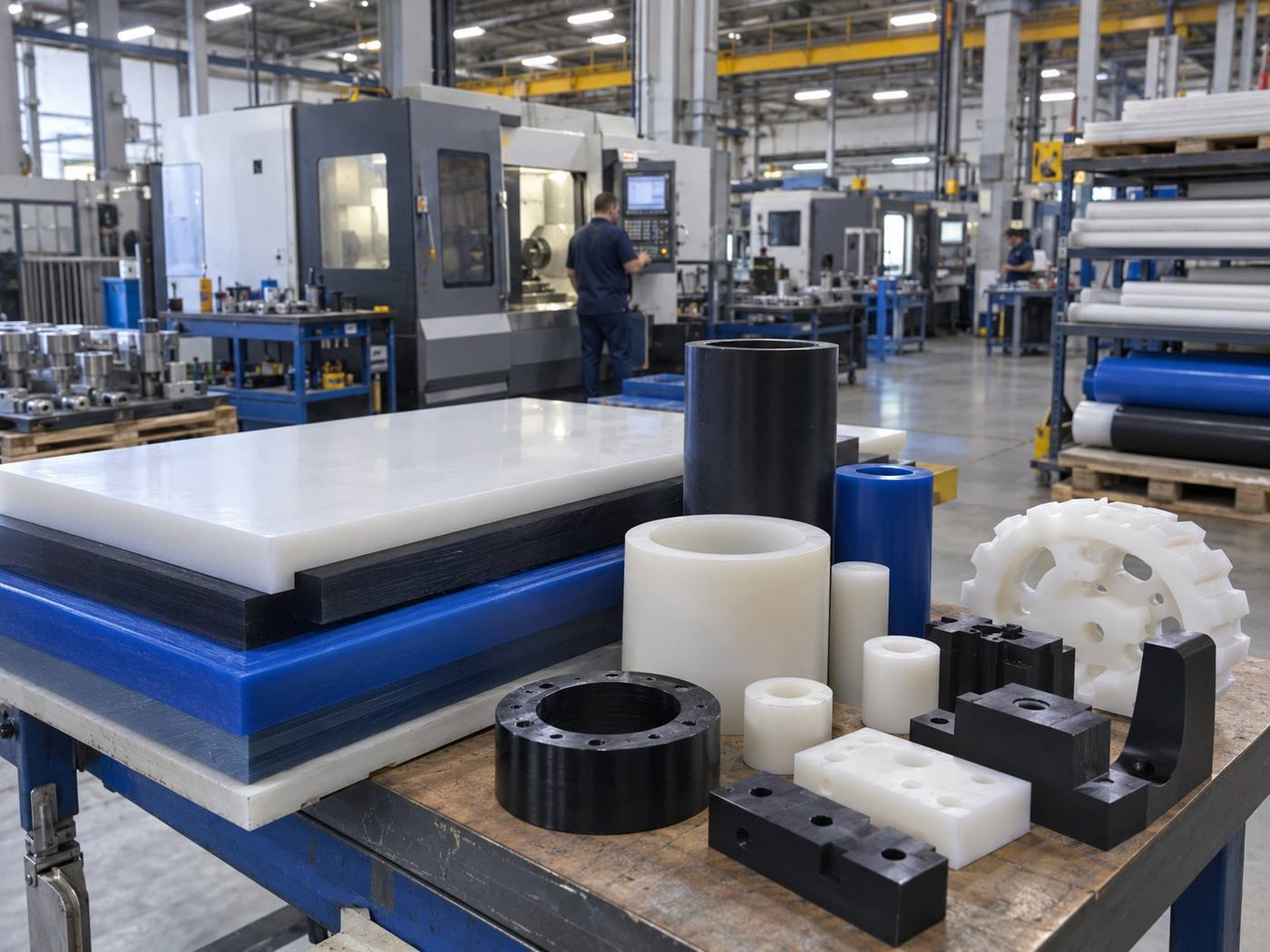
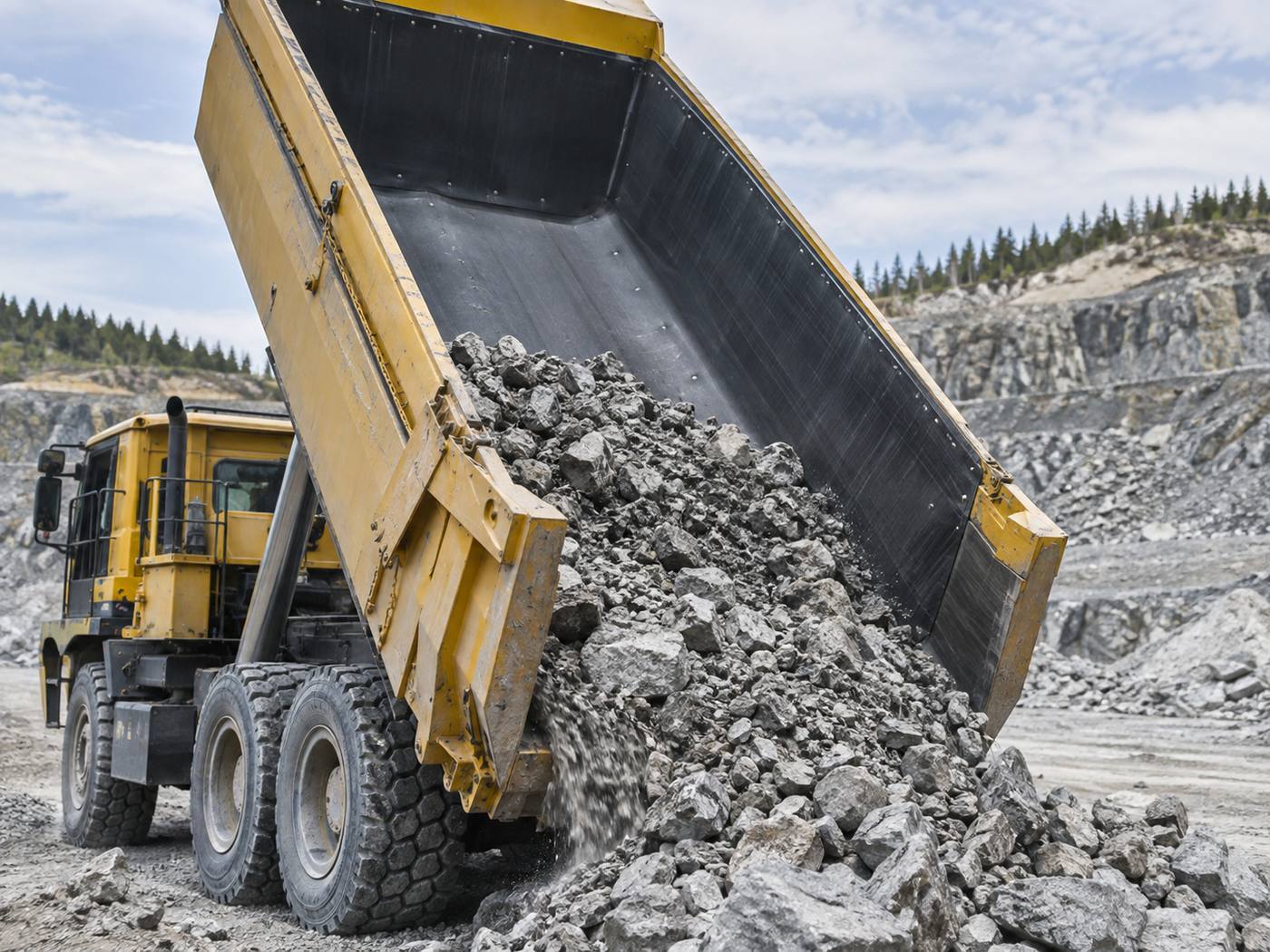
03Dump Truck Bed Liners- Manufacture and Customisation
Prepare the plates according to the type of vehicle, the size of the vehicle and the transportation material, the calibration, the pore review and the packing delivery.
Information proposed before request for quotations
The more complete the information, the easier it is to quickly determine the appropriate size, thickness, structure, quantity and customization.
- Type and weight of vehicle/equipment
- Ground type versus hardness
- Length, width and turn of route
- Type of material transported and water content/gluctity
- Internal dimensions of the car
- Frequency of vehicle loads and discharges
- Projected number of acquisitions
- Port of destination/delivery area
Need for airport, port and logistics station project programs?
We continue to assess the actual conditions of work for the distribution of site photographs, equipment/vehicle parameters, application conditions, quantity and port of destination.
Industry application cases
Browse the typical applications of Ground Protection Mats-, Dump Truck Bed Liners- and Outrigger Pads-- in different industries, click on pictures to enter the corresponding industry pages.
 Construction & Infrastructure
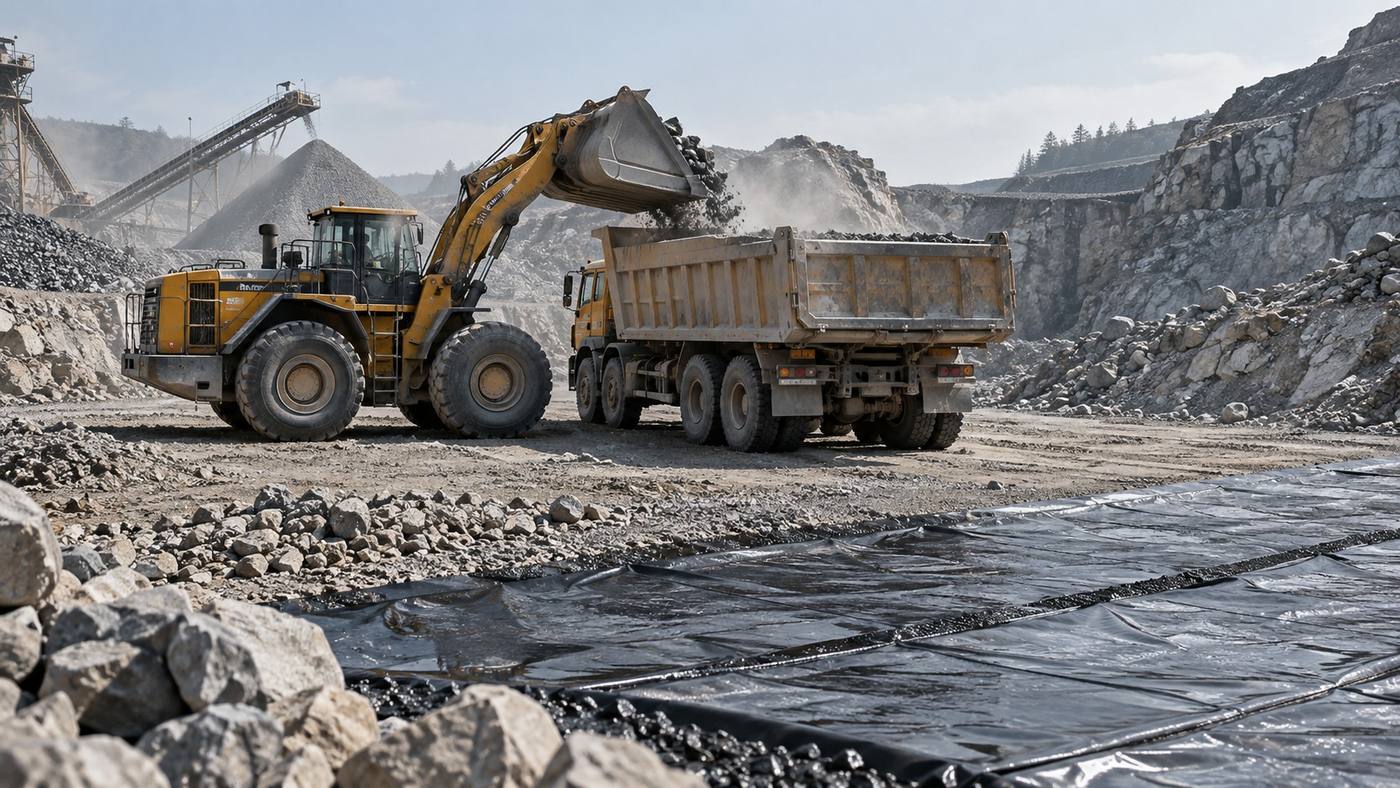 Mines, quarrying and drilling
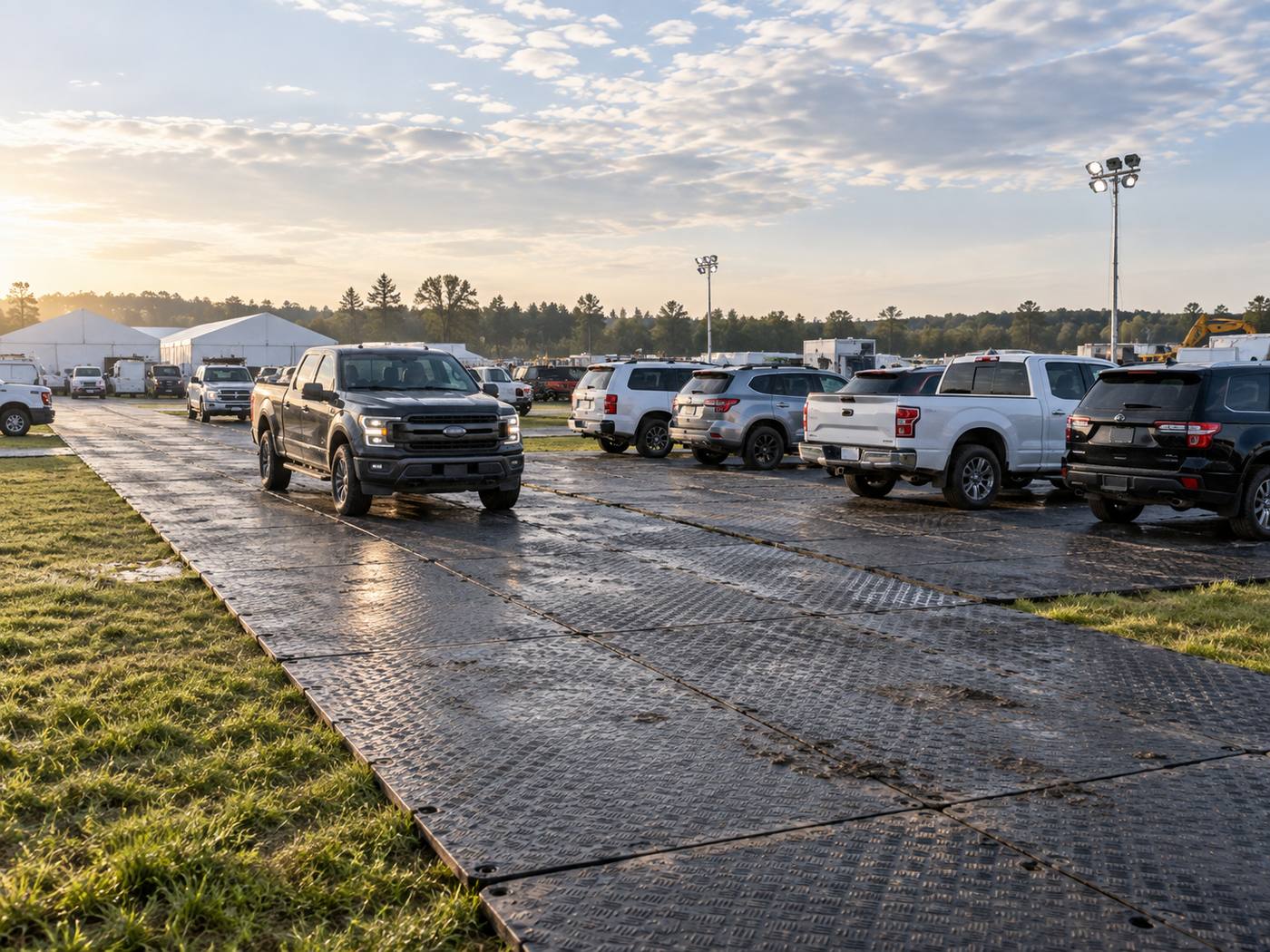 Agriculture, plantations and forestry
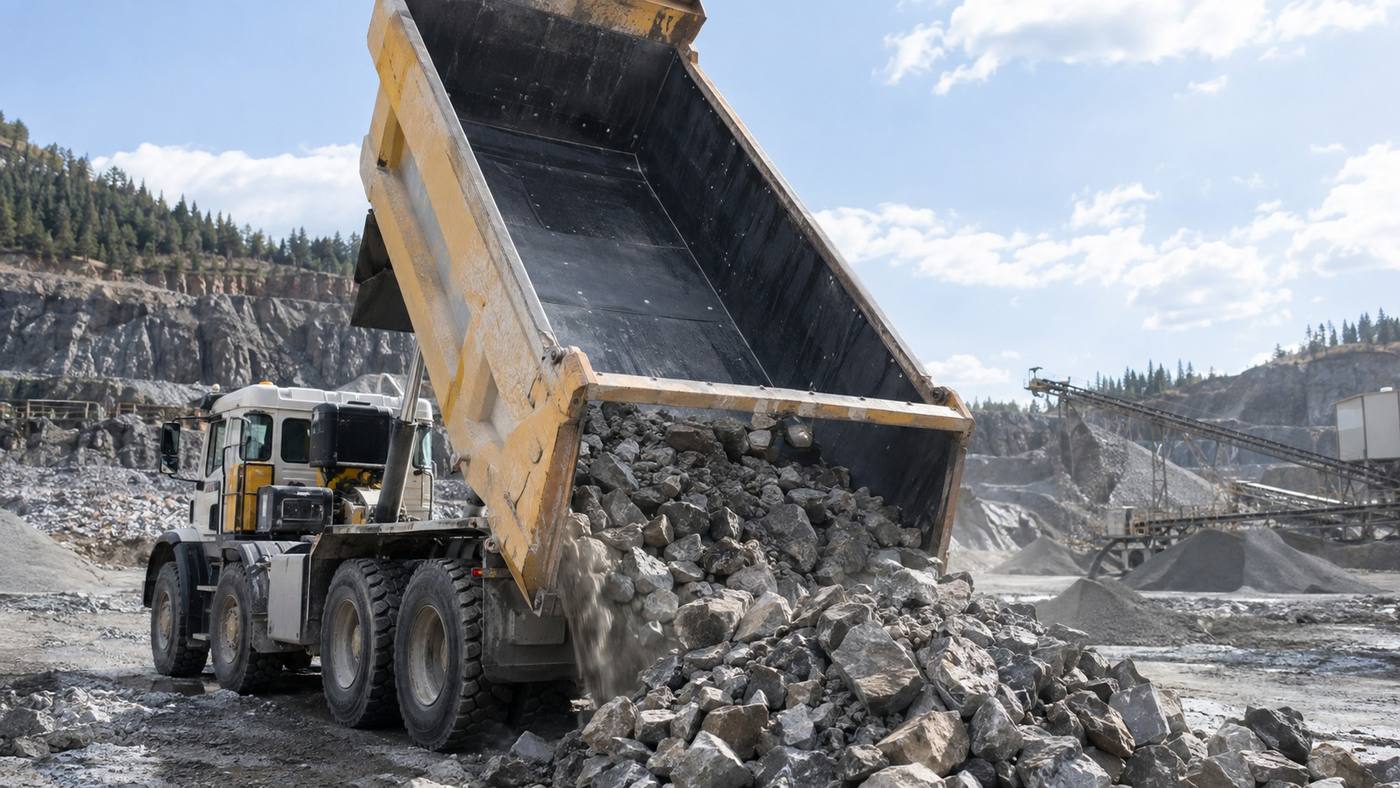 Transport fleet and self-loading vehicles
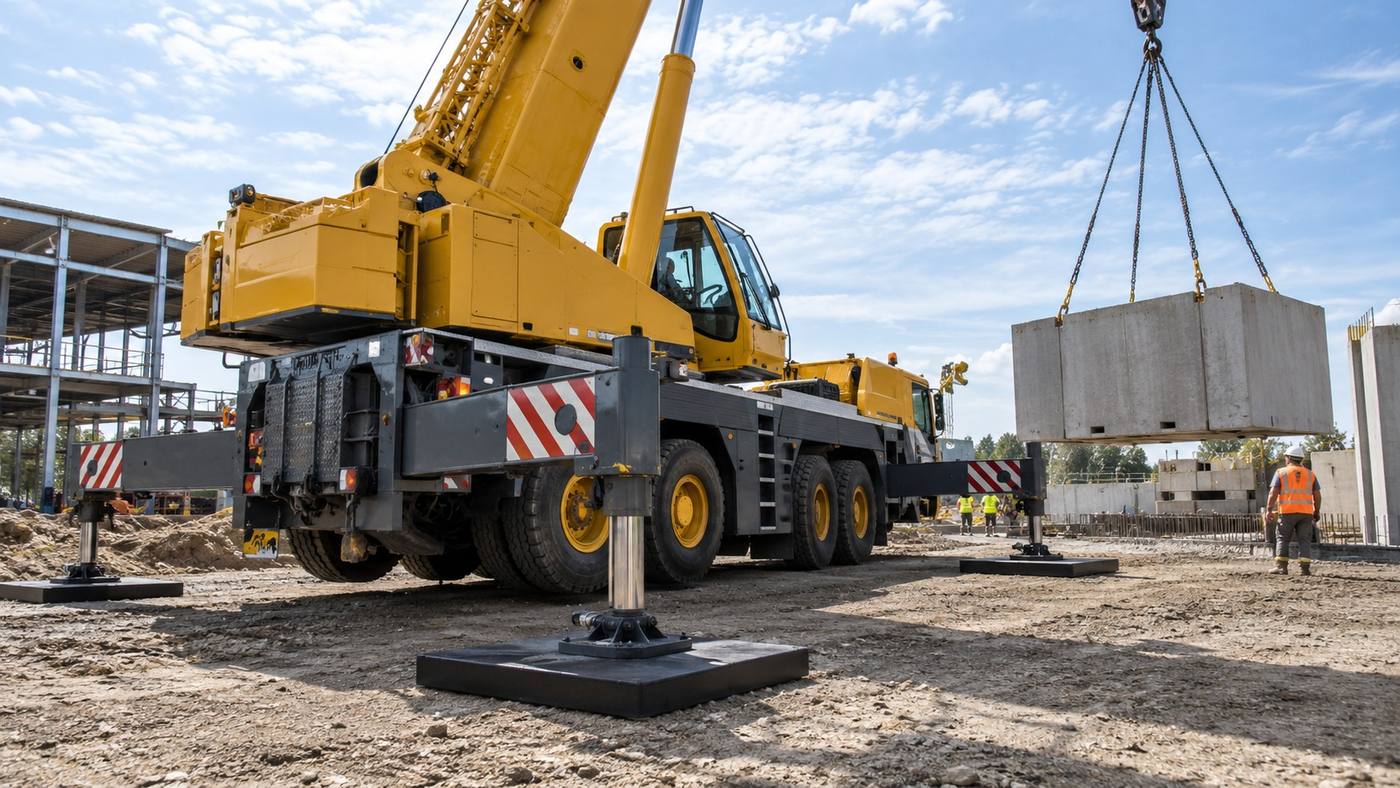 Lifting and lease of equipment
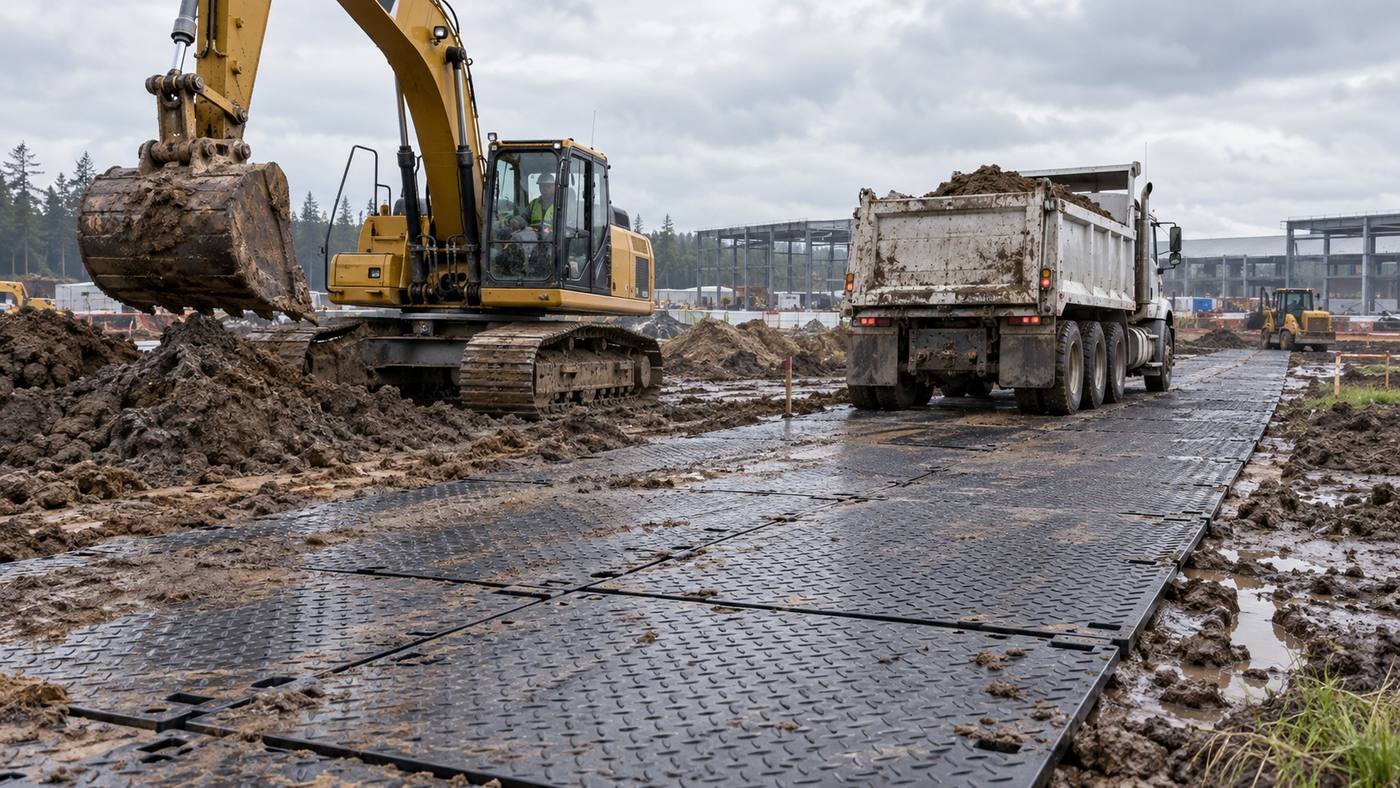 Energy, electricity and new sources of energy
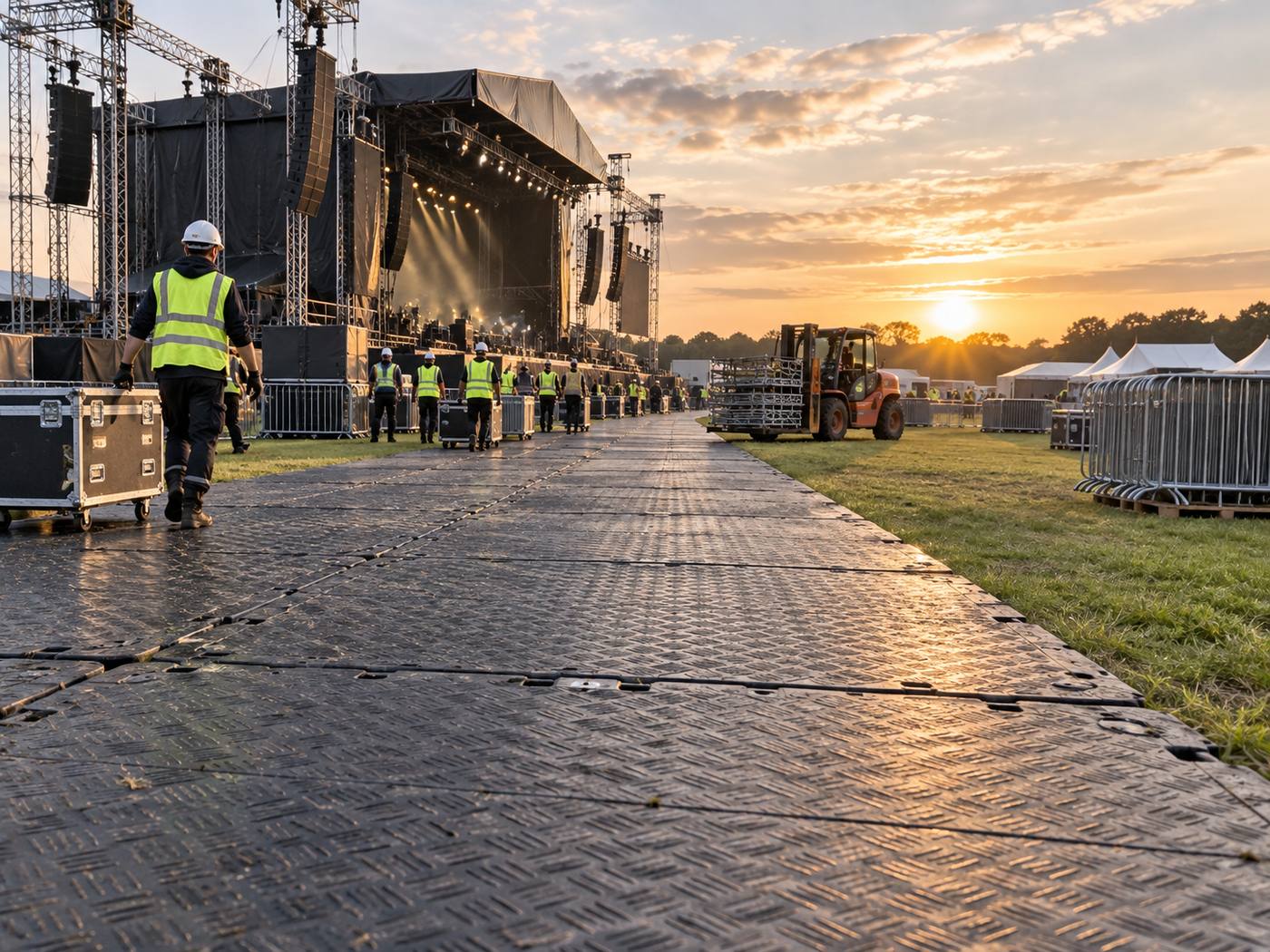 Events, performances and temporary venues
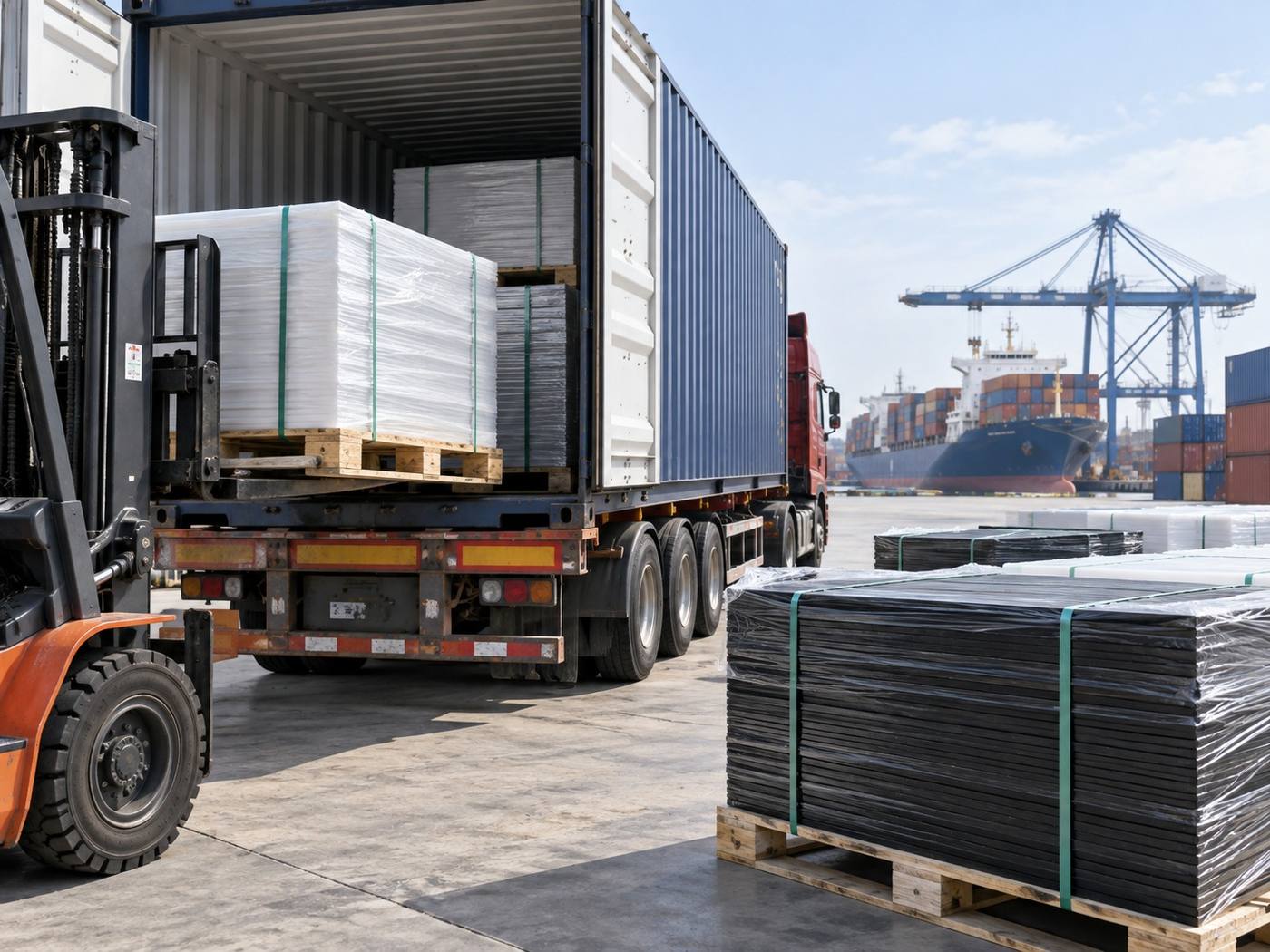 Ports, logistics and industrial sitesConstruction & InfrastructureMines, quarrying and drillingAgriculture, plantations and forestryTransport fleet and self-loading vehiclesLifting and lease of equipmentEnergy, electricity and new sources of energyEvents, performances and temporary venuesPorts, logistics and industrial sites