
The lease request often provides only “how many square metres will have to be laid” or an on-site photograph of a “trailer”, but the actual selection also depends on single-leg reaction, ground allowed pressure, vehicle axle, turn and frequency of use.If the supplier directly recommends a fixed specification for quick delivery, there may be insufficient numbers or mismatches at the site.Clients should be asked to provide equipment signs, foot sizes, route lengths, narrowest places, ground and projected vehicle lengths using standard questionnaires;When key information is missing, the assumptions and limitations are clearly indicated.High-risk projects can be arranged for site surveys or trial preparation, and product ranges cannot be used as a guarantee on any ground.The equipment lease and engineering project supply site should set clear standards for discontinuation of the “customer condition information is incomplete and prone to error selection”, such as continued tip-ups, incomplete support surfaces, extended depositions, visible slippage of the vehicle or loose connection.Unusual isolation and unloading were detected, and then the floors were repaired or reconfigured, and temporary pads were prohibited in carrying conditions.The head of the mission may not resume operations until he or she has been qualified to do so, and records of disposal are maintained.
Equipment lease and project supply site application
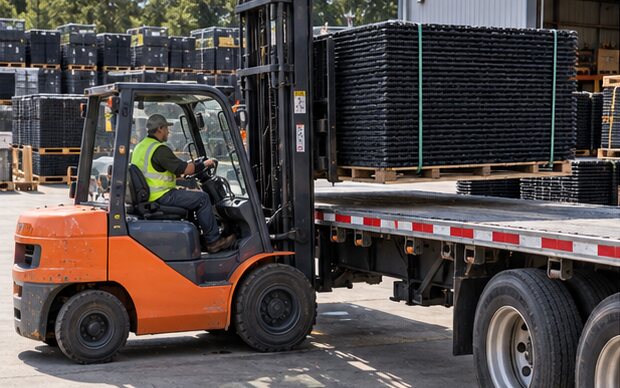
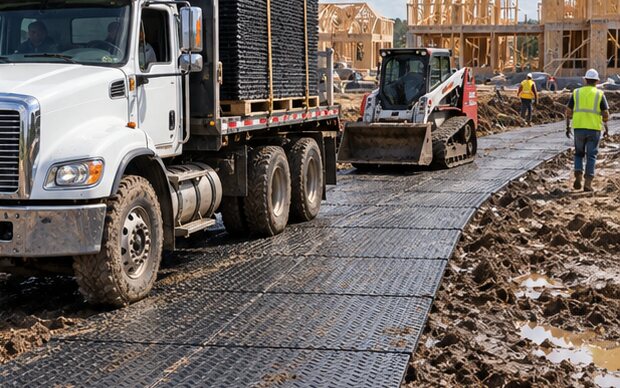
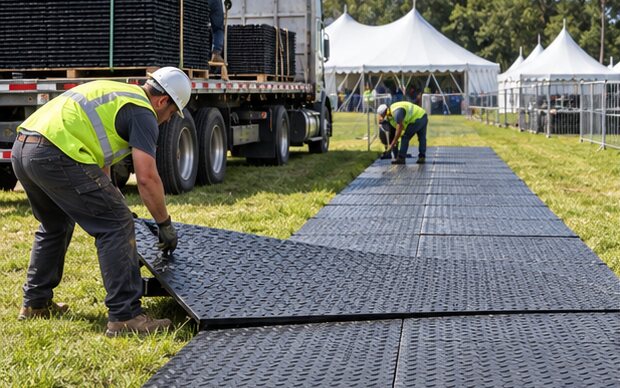
Application of common items for rental of equipment and supply of engineering projects
Description of the business processes, vehicle equipment, ground conditions and the project cycle.
The rental of equipment and various types of customers, such as service construction, suspension, activity, energy, mines and municipalities, need to be delivered as equipment packages, short leases or project packages. The leased products will be rotated repeatedly between the mud, lawn, sand, hardened floors and industrial sites, using irregular levels of personnel, vehicles and maintenance.
Common operations include the provision of Outrigger Pads by cranes, the provision of road panels for activities and sites, the modification of the interior liner of the vehicle fleet or the packaging of quotations by project area, route and lease term.The programme needs to balance interoperability and targeting: too many specifications increase stockpiles, and a single specification does not cover extreme payloads.Vendors should establish customer information forms to collect equipment models, maximum leg reflexes, vehicle axle loads, ground, route, frequency of use and liability boundaries, and determine clearly and correctly the use, cleaning and damage through contractual and handover records.
Common Issues
The actual performance of the equipment lease and the supply of the engineering project are explained separately for reasons of formation, possible impact, inspection priorities and management methods.
The plates may have been punctured by sharp objects, dragged for long periods or worn with a connection hole in the previous project, and deep vents, deformations and chemical contamination may have occurred Outrigger Pads.If returned in quantities only, the next customer will receive products in an unknown state;The missing connector also leads to temporary on-site substitution.Vendors should create a number for each plate or group of products, and take photographs of the inventory and return, which are managed in four state-of-the-art cleaning, inspection, maintenance and end-of-life conditions.For food, agriculture or sensitive sites to prevent cross-contamination, the storage area distinguishes between inspected and uninspected products, and maintains the ratio of the spare connector.In the case of “multiple post-resilient damage, contamination and loss of spare parts, difficult to trace”, equipment leasing and supply items should also include the results of the inspection in the pre-class confirmation and handover records, specifying who is responsible for release, who is responsible for inspection, what deposition or relocation must be discontinued.Retroactive recording of photographs, measurements and usages will make it possible to distinguish ground-based changes, operational deviations from product damage and avoid repetition of the same problem between different groups.
A large number of — Ground Protection Mats loads of handling, laying and recycling require personnel, forklifts or specialized tools, and the client may consider the rent to be covered by all services;It is also easy to dispute whether the product, the foundation or the faulty use of the sheeting, ground damage or the sinking of the equipment occur.The quotation shall identify the transportation vehicle, the conditions of discharge, the responsibility for installation, the frequency of inspections, the cost of cleaning and renewal, and provide instructions on use and the criteria for decommissioning.High payload - Outrigger Pads - indicates that the fundamental and leg reaction must be confirmed by the client.The number and status of signatures were signed by both parties at the time of delivery, and the evacuation site was counted by area, reducing verbal engagements.The “undefined boundary of transport, handling and on-site liability” cannot be handled only through a single pass, but also through the most heavy load, maximum frequency, worst weather and evacuation phases.It is recommended that representative positions be selected for trial, that ground, vehicle or equipment data be recorded and that the scope, connection and frequency of maintenance be adjusted to the results;Changes in conditions have resulted in the re-confirmation that early experience is not directly applied to the entire equipment lease and engineering project supply.
Solution Recommendations
The route, the grass-roots, the support or the unloading of the material is addressed first, and the corresponding products are recommended according to the work situation.
Vendors should establish a “situation classification + standard package + technical clearance” system.Common operations are classified as light lawn protection, heavy and medium site access, heavy temporary roads, common leg support and high-resilient cranes, each with recommended specifications, connections, handling tools and restrictions on use.The sales are first collected in full, ordinary items are quickly quoted from the standard package and items that go beyond the border are accounted for by technicians.The library provides maps and checklists, during the lease term, which require the customer to record abnormalities and then to complete the clean-up and damage classification by serial number.
The product structure can cover three lines: HDPE Ground Protection Mats—for temporary road and ground protection, and multi-scale inventories by single weight, thickness and connectivity;Crane Outrigger Pads for car hanging, high-altitude vehicles, pump vehicles and leg-type equipment, which shall be distributed in different areas according to the range of the reaction and shall not be subject to arbitrary stacking;The UHMWPE-Dump Truck Bed Liners- is more suitable for vehicle fleet modifications or project sales and needs to be customised by car survey.It is recommended that common products be combined with a small number of high-spectrum backups, with visible labels, 2D codes and damage determination criteria, to improve turnover efficiency and reduce misuse.
Ground Protection Mats
For the establishment of temporary vehicle access, protection of the original ground and dispersion of the wheel; specific thickness, size, texture and connection will be determined by vehicle and base level.
Crane Outrigger Pads
For the purpose of increasing the area of the foot exposure and reducing average ground pressure; must be calculated in conjunction with maximum single-leg reaction, original foot size and a permissible ground pressure.
Dump Truck Bed Liners
For the improvement of viscous bulk material discharges and the protection of carriages; materials, thickness, fractions and fixed structures need to be customised to materials and carriages.
Manufacturing
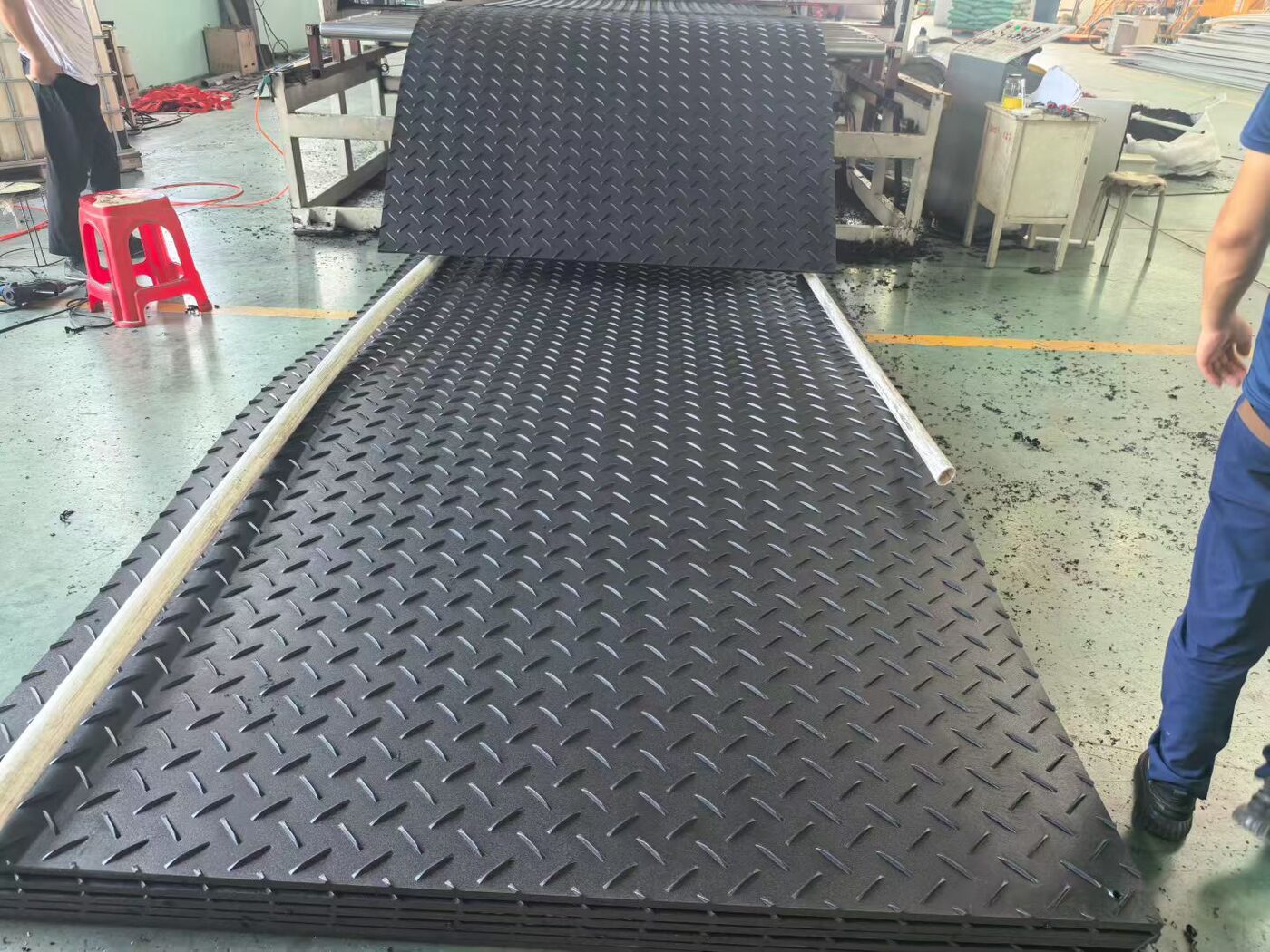
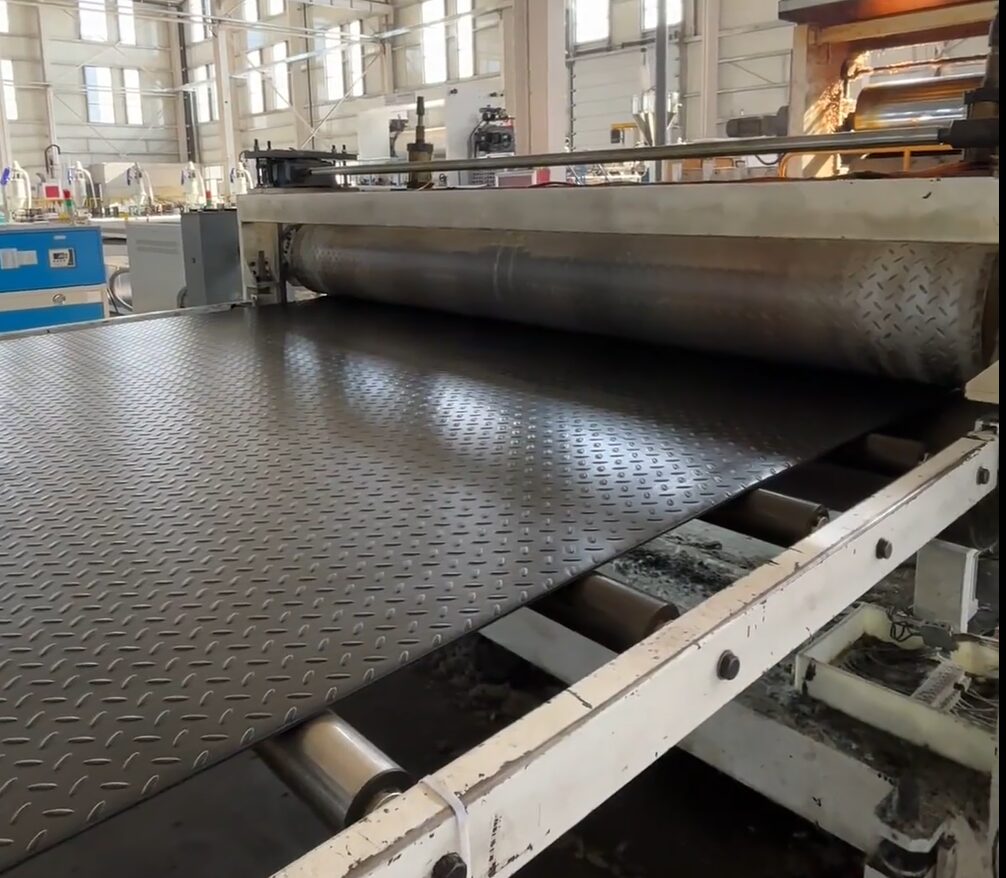
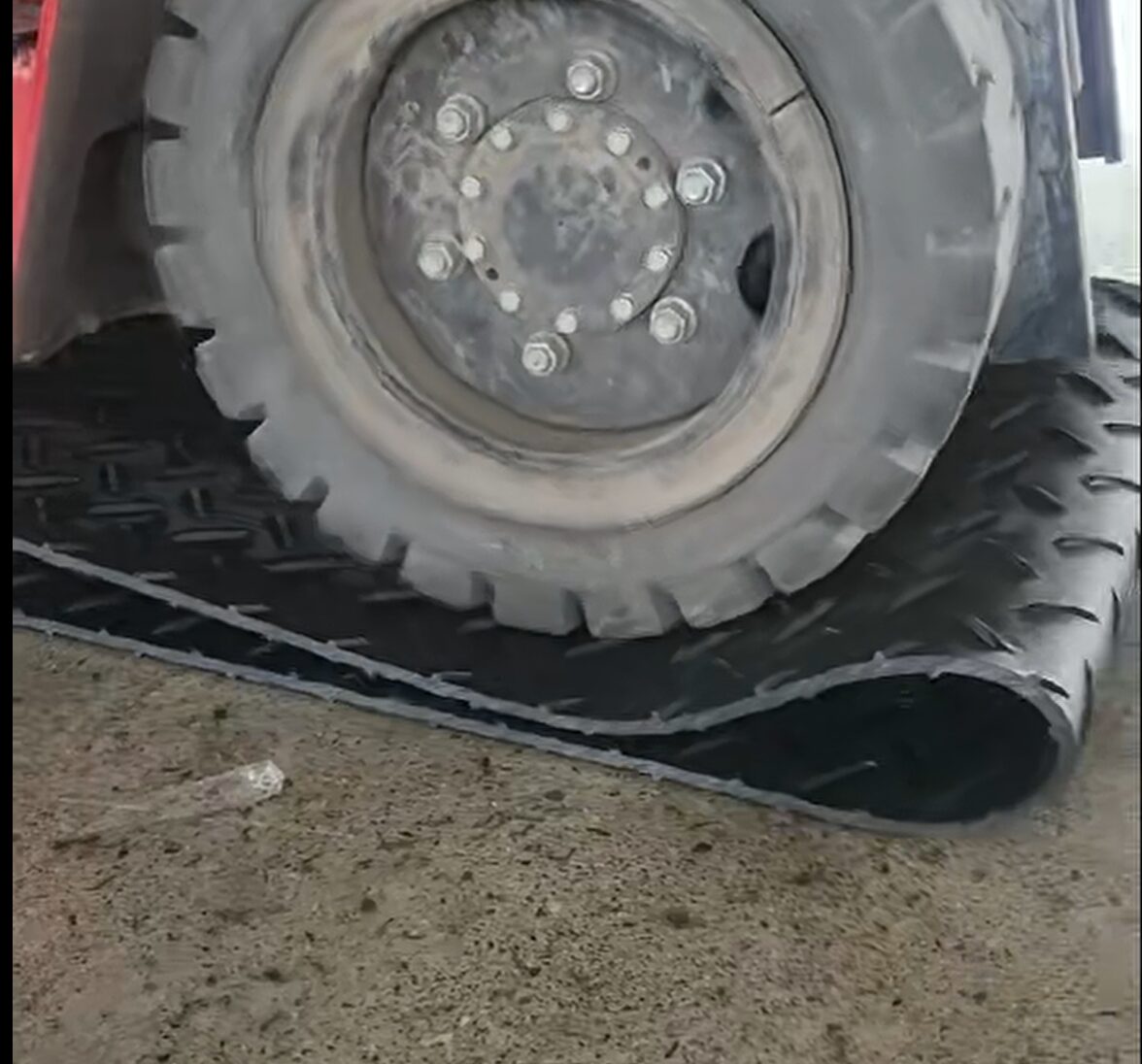
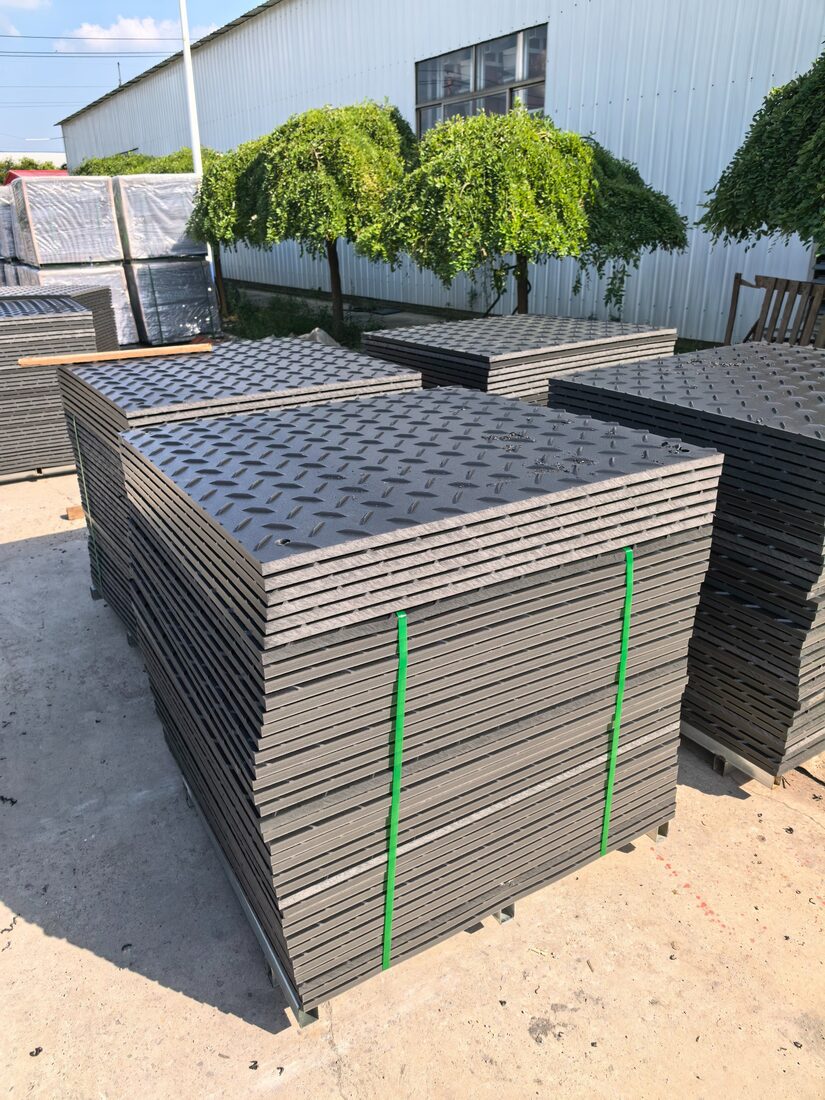
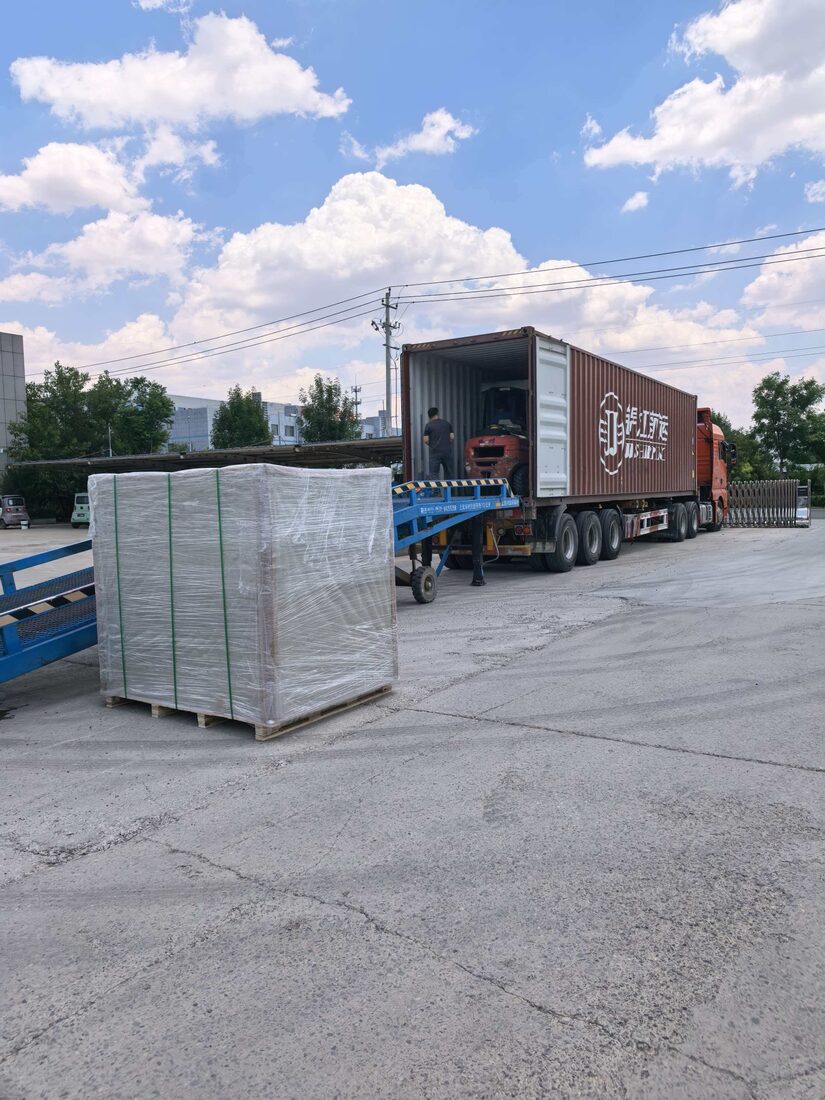
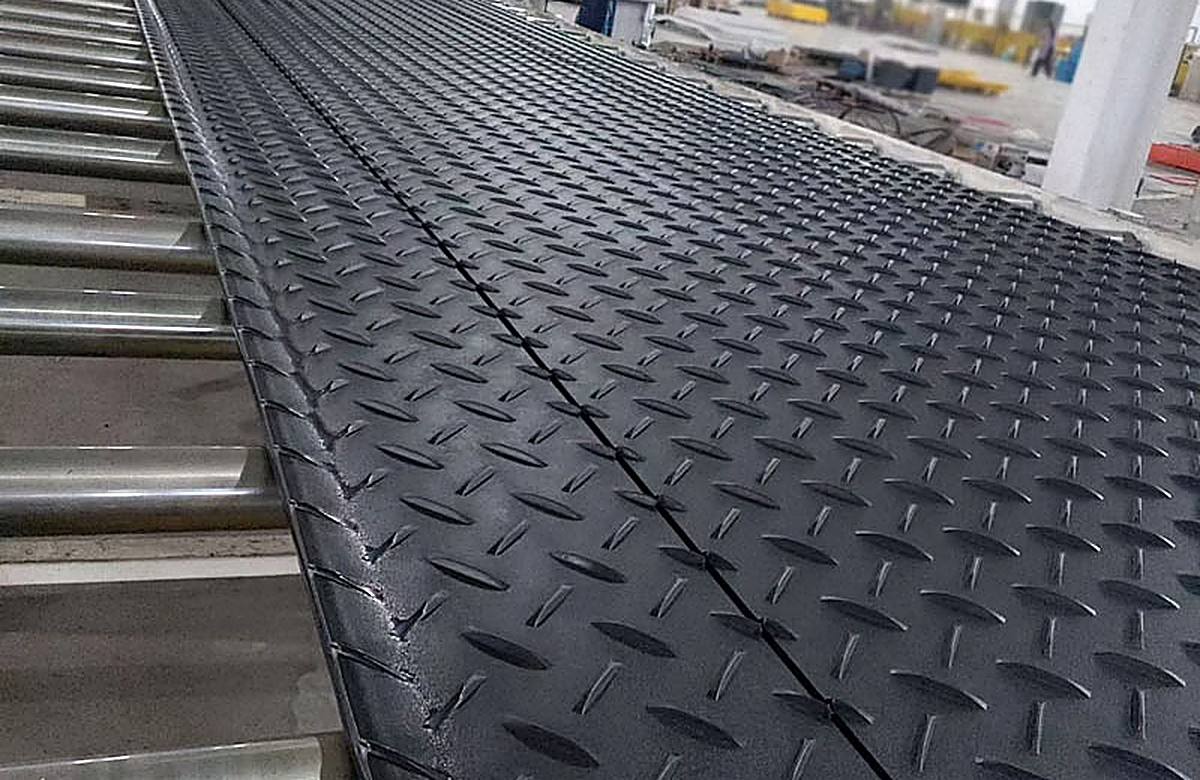
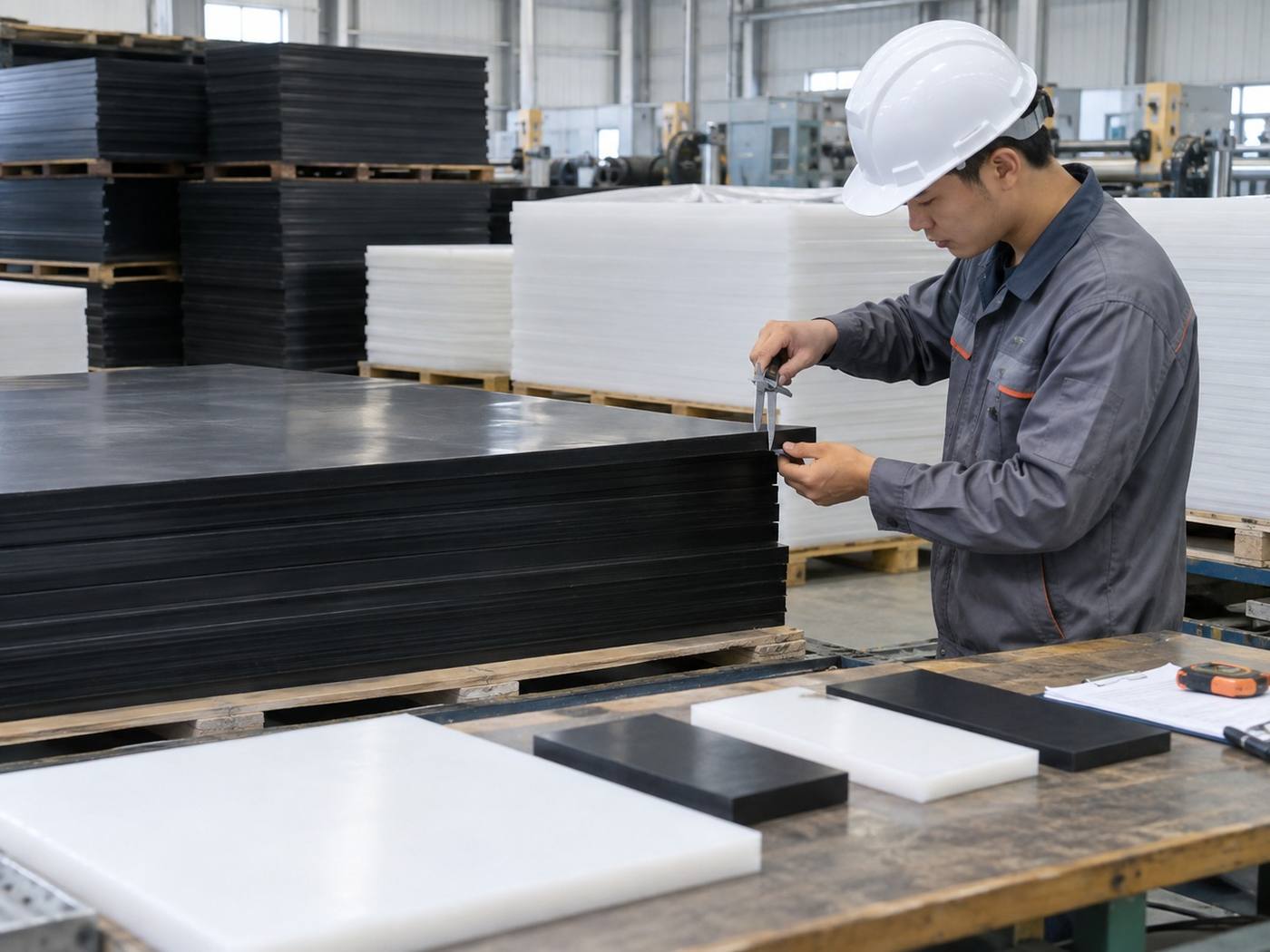
01Ground Protection Mats Production and bulk delivery
From smooth-truck road formation to vehicle load validation, to mass stacking, packaging and loading.
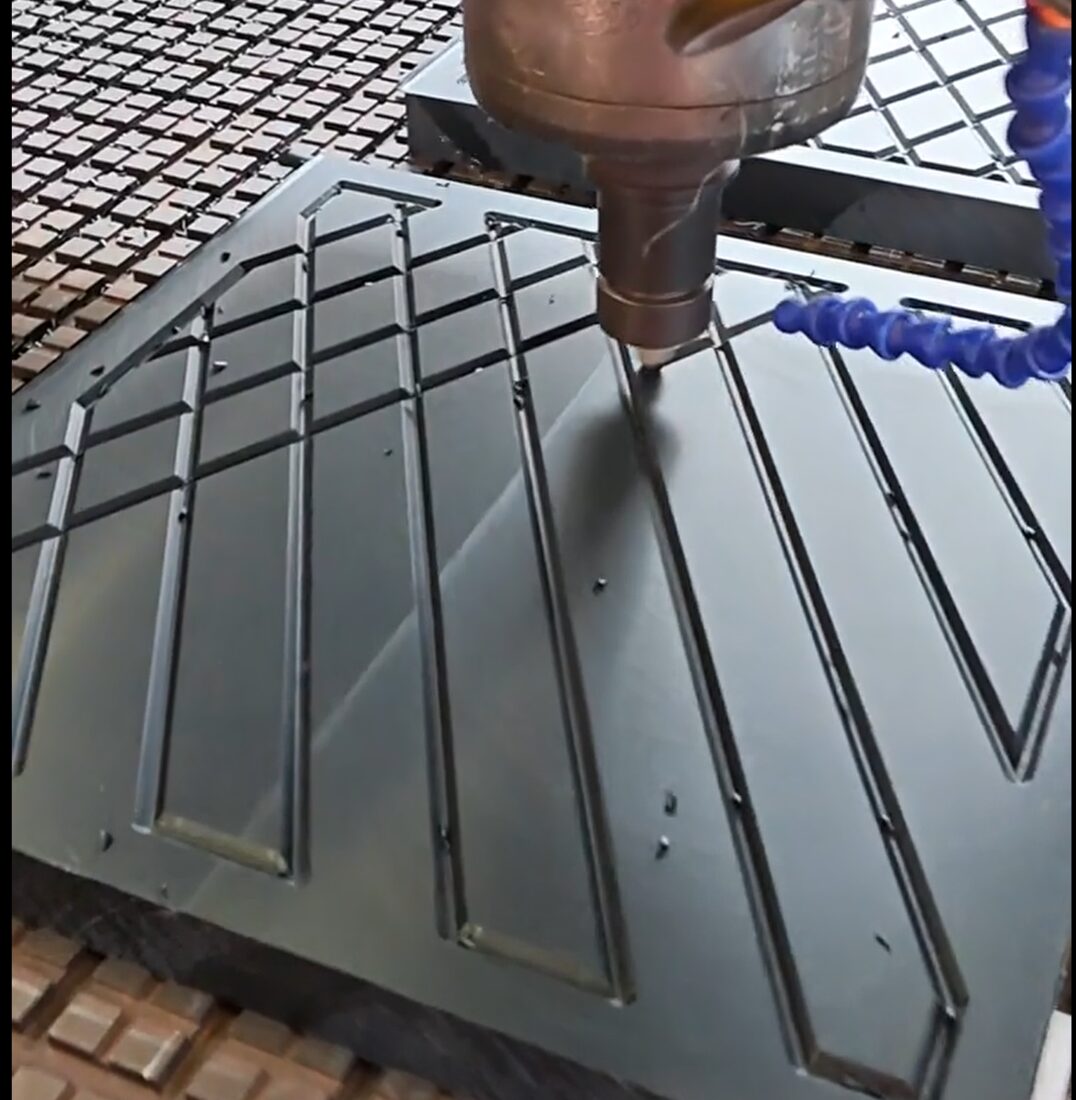
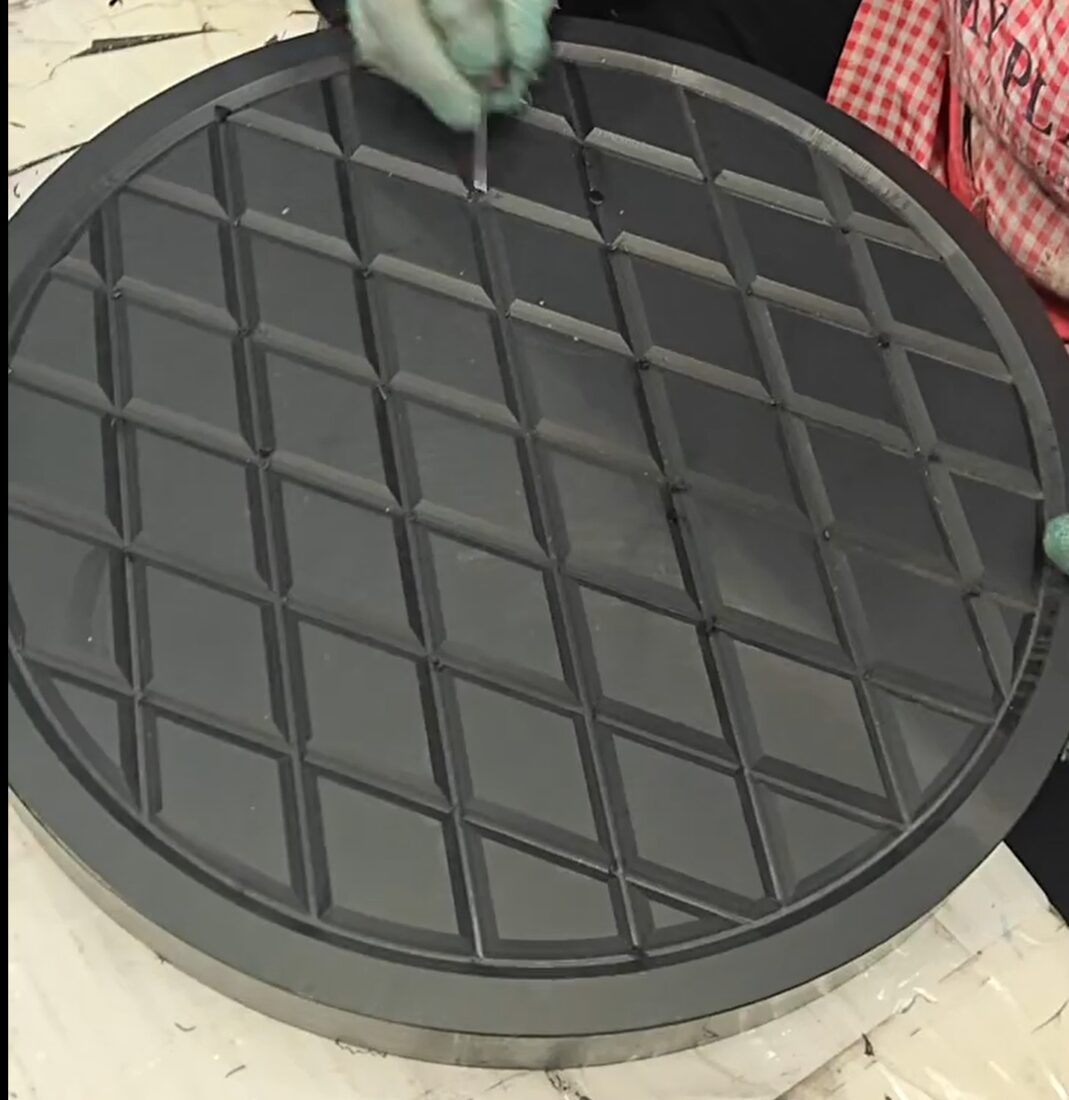
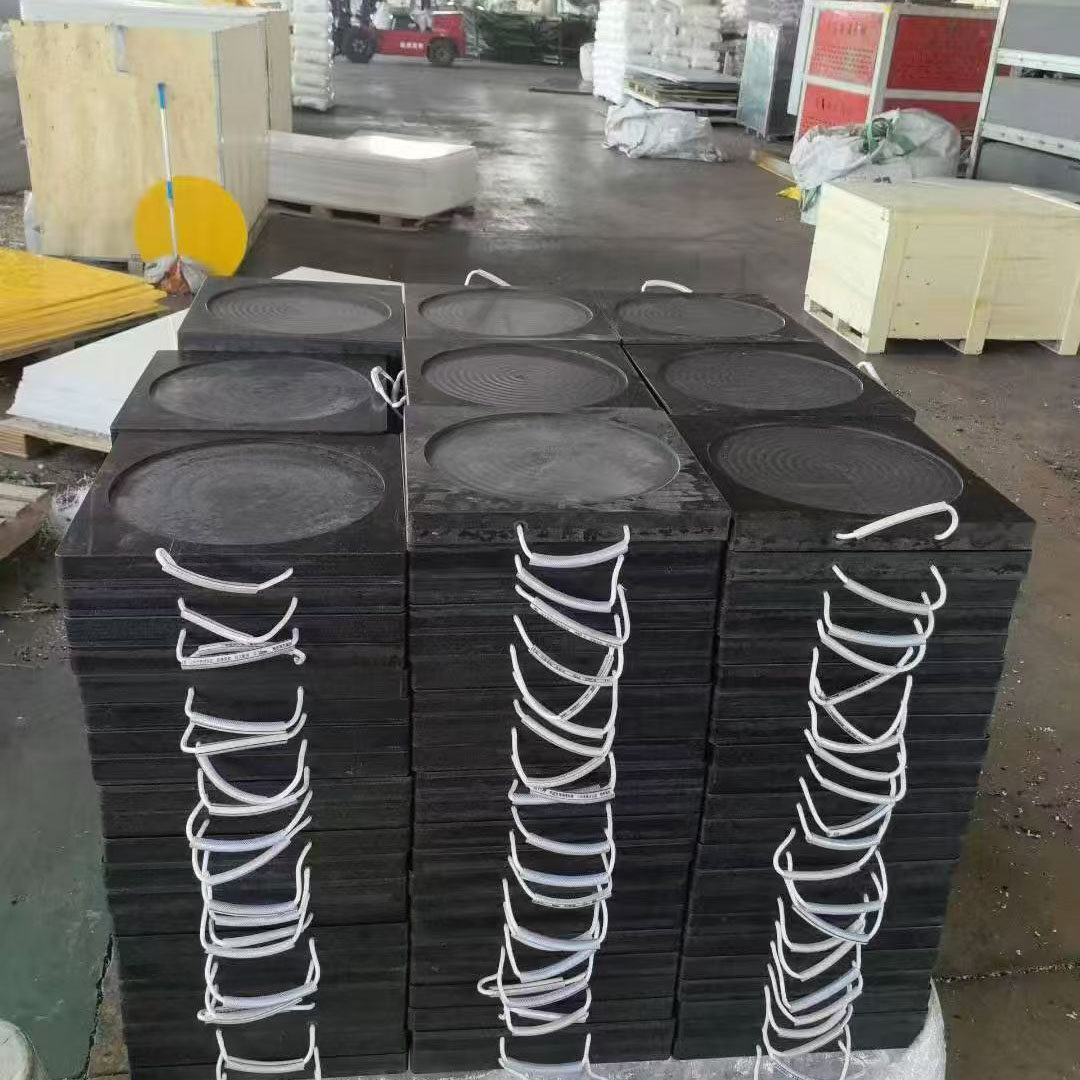
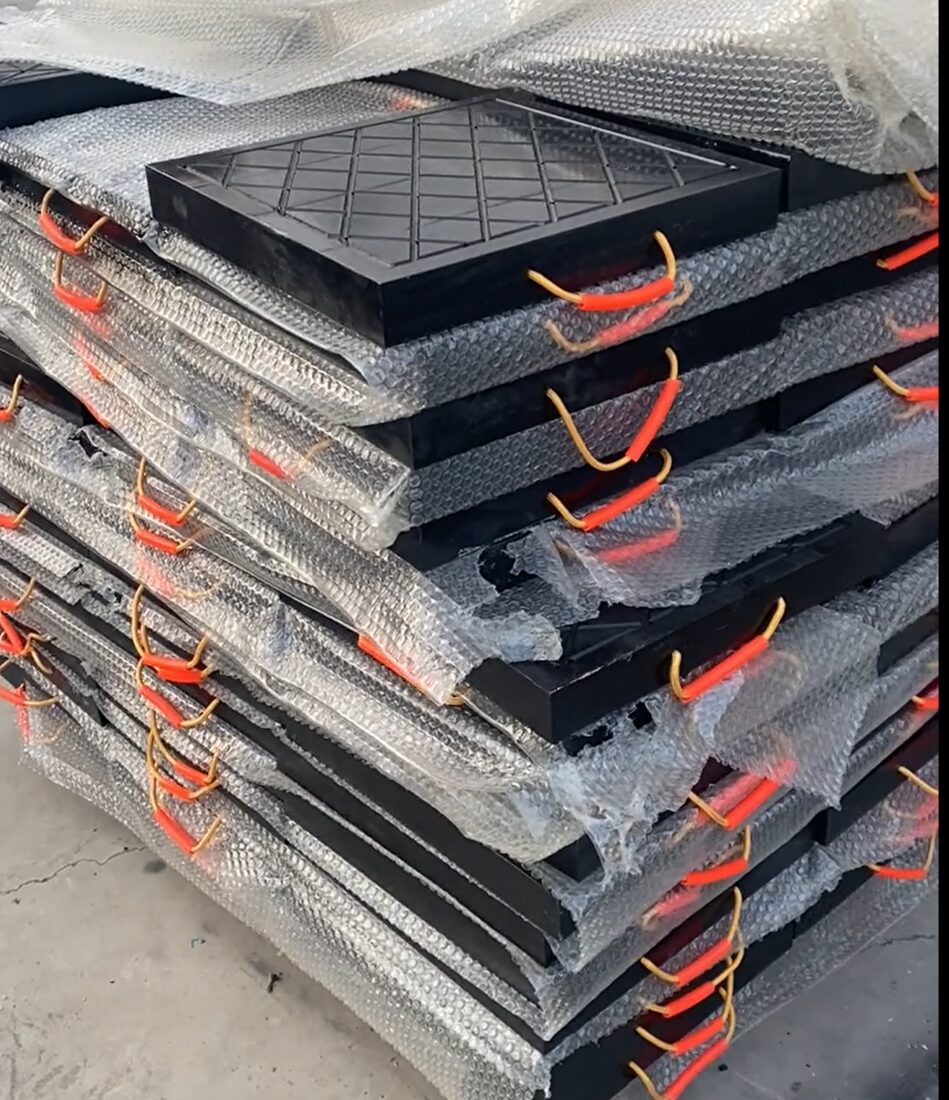
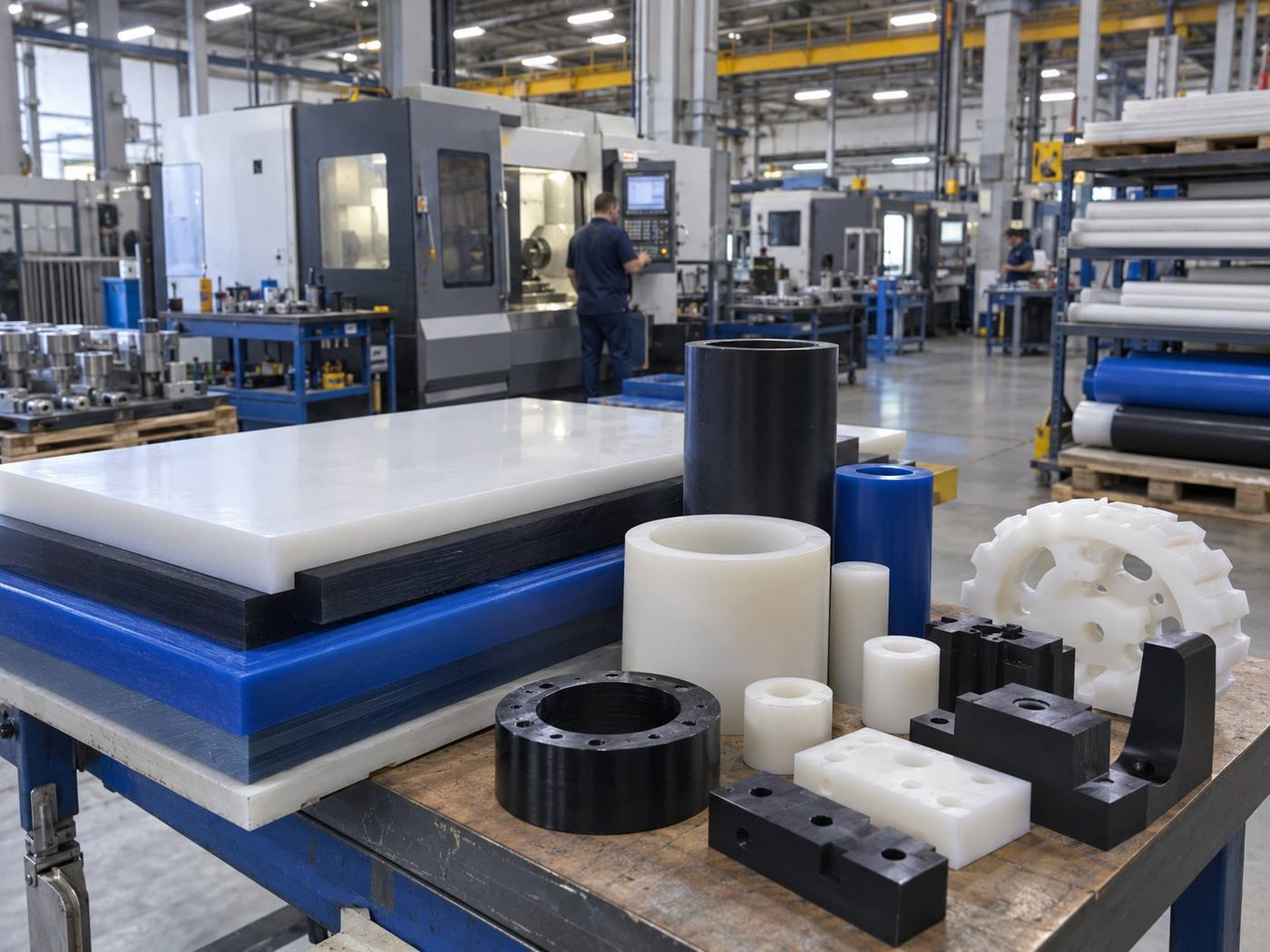
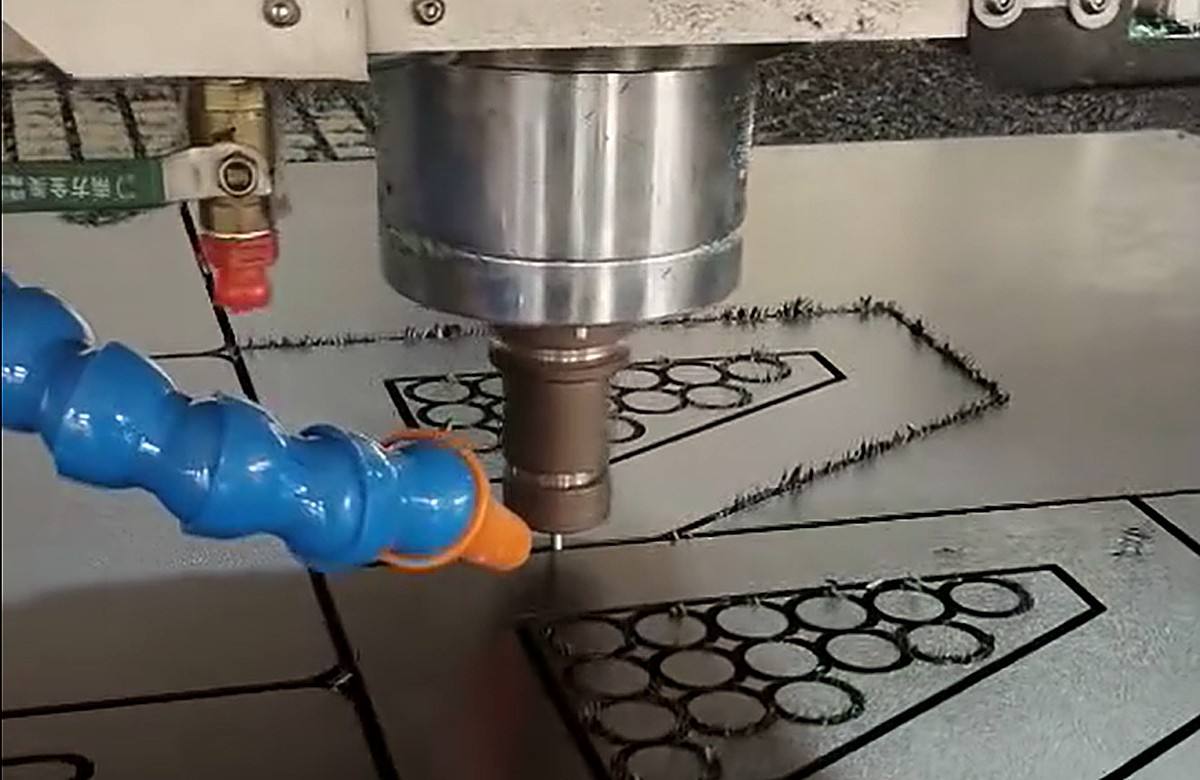
02Crane Outrigger Pads Processing and Inspection
CNC processes, surface structural checks, attachment configurations and packagings showing circles, squares—Outrigger Pads.

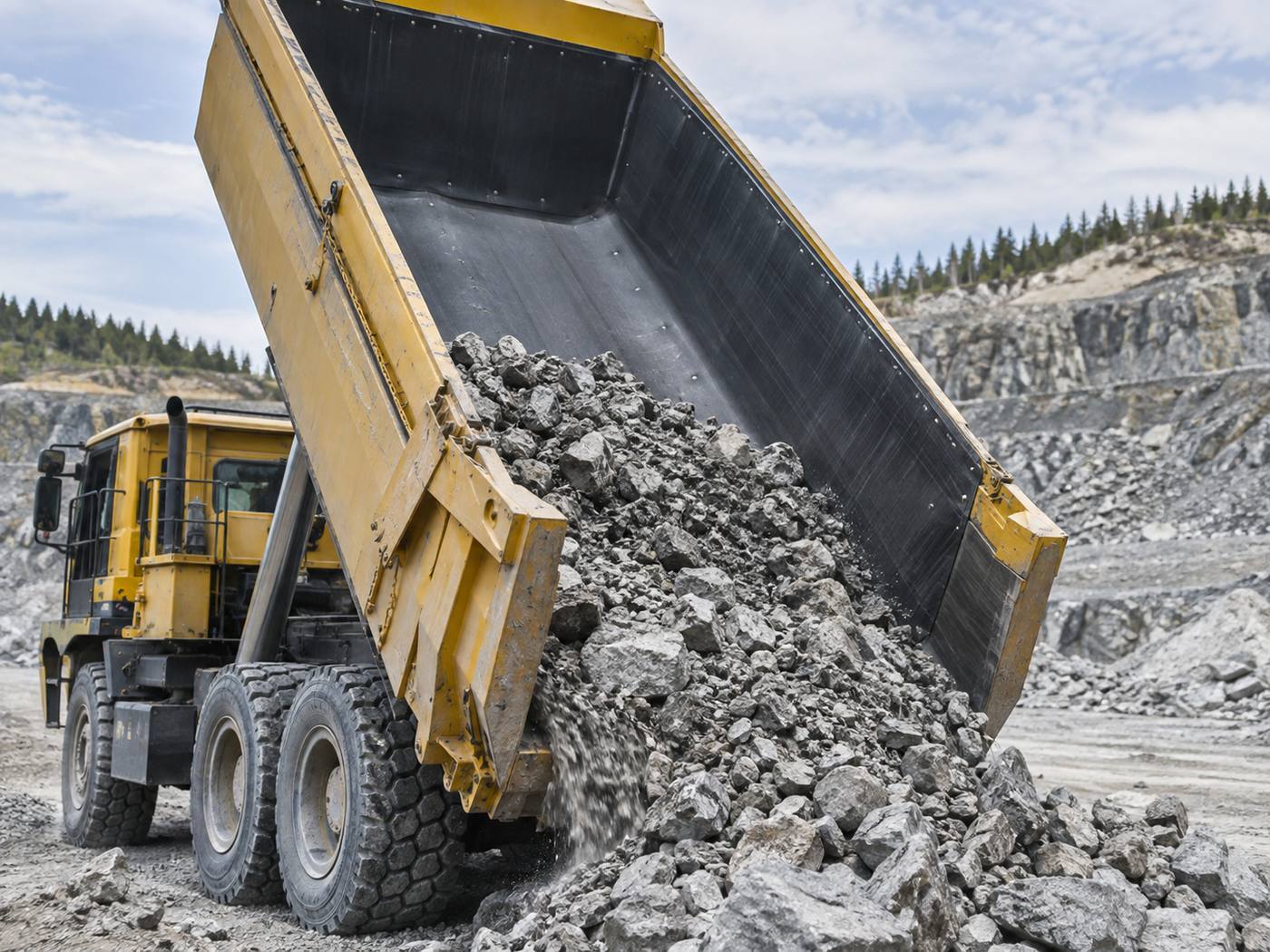
03Dump Truck Bed Liners- Manufacture and Customisation
Prepare the plates according to the type of vehicle, the size of the vehicle and the transportation material, the calibration, the pore review and the packing delivery.
Information proposed before request for quotations
The more complete the information, the easier it is to quickly determine the appropriate size, thickness, structure, quantity and customization.
- Type and weight of vehicle/equipment
- Ground type versus hardness
- Length, width and turn of route
- Type of material transported and water content/gluctity
- Internal dimensions of the car
- Frequency of vehicle loads and discharges
- Retroactivity of equipment model with maximum leg
- Size of original foot
- Ground carrying conditions
- Projected number of acquisitions
- Port of destination/delivery area
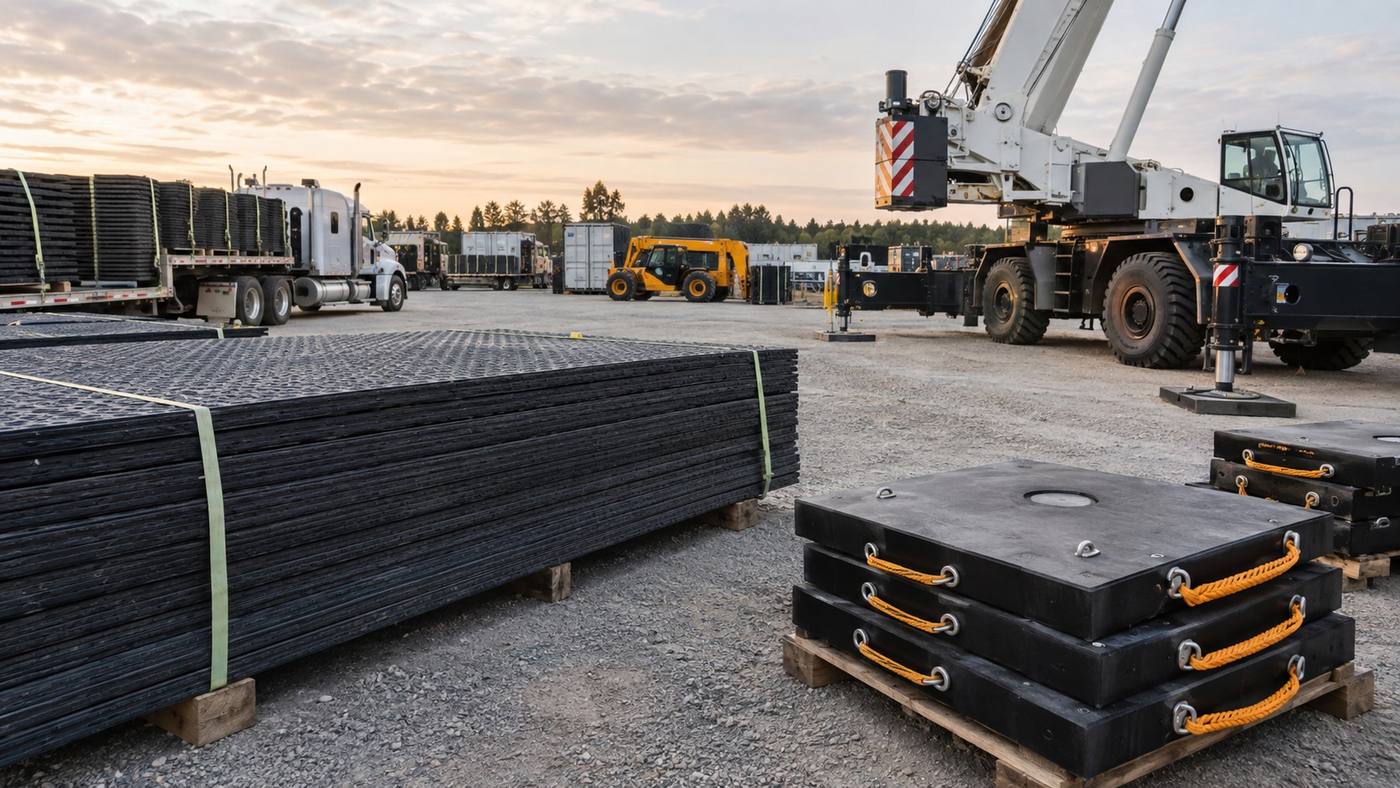
(b) The need for equipment leasing and project supply programmes?
We continue to assess the actual conditions of work for the distribution of site photographs, equipment/vehicle parameters, application conditions, quantity and port of destination.
Industry application cases
Browse the typical applications of Ground Protection Mats-, Dump Truck Bed Liners- and Outrigger Pads-- in different industries, click on pictures to enter the corresponding industry pages.
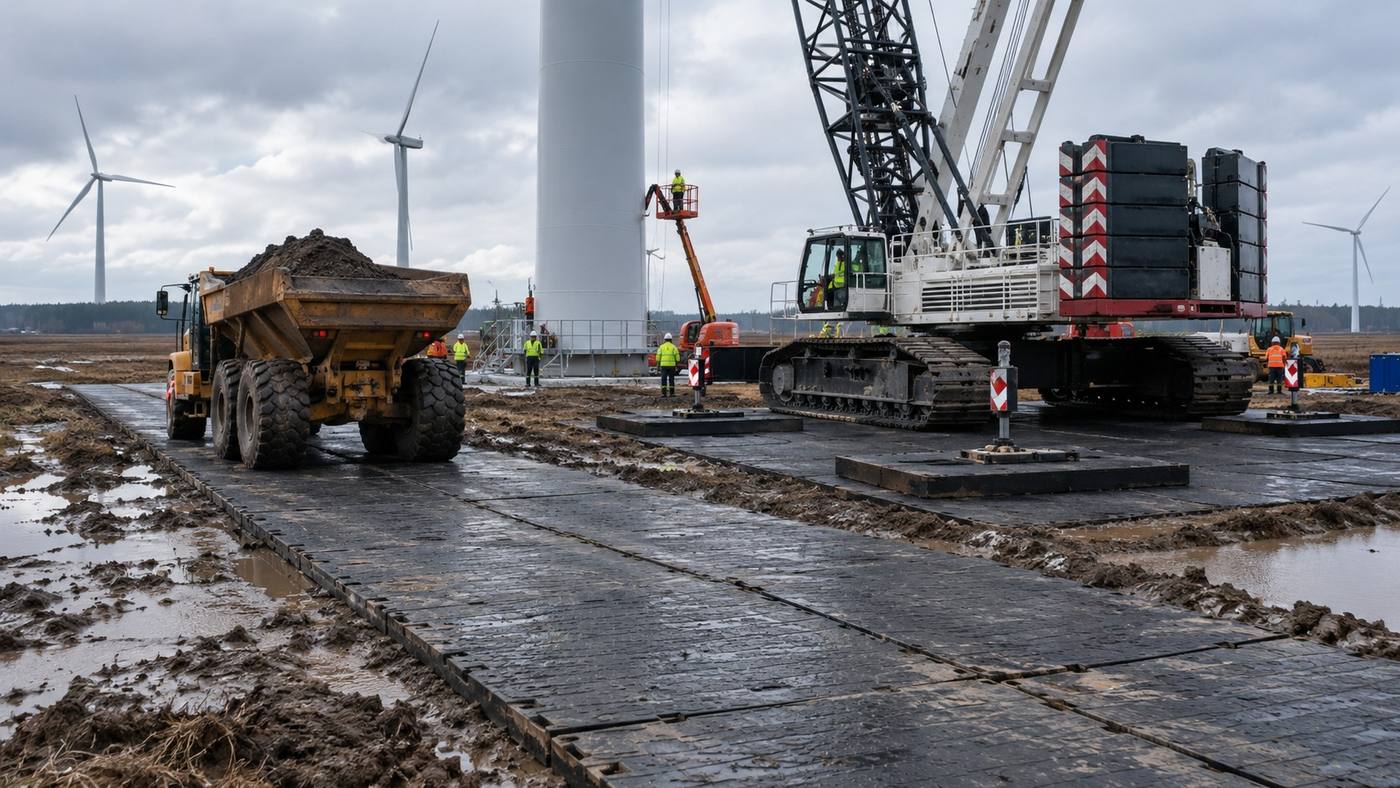 Construction & Infrastructure
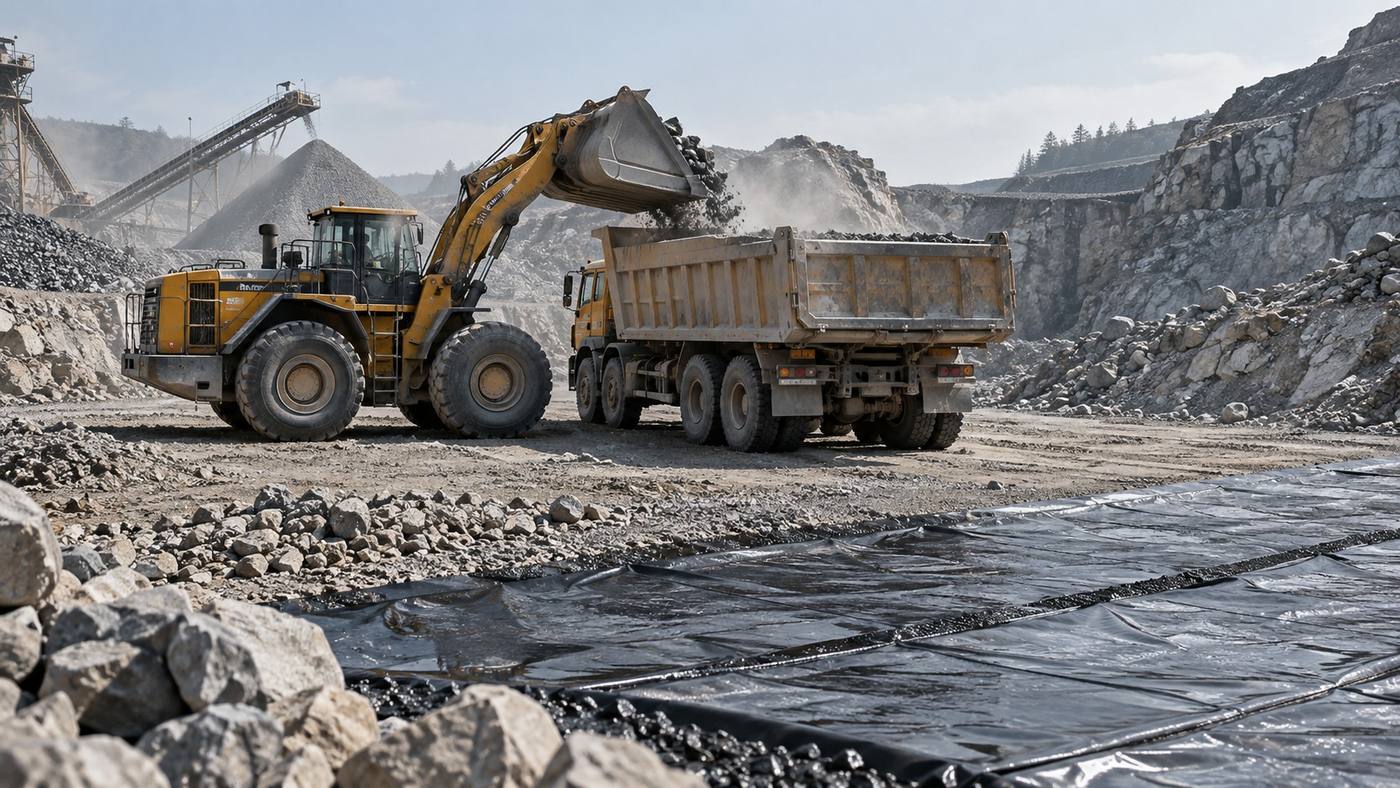 Mines, quarrying and drilling
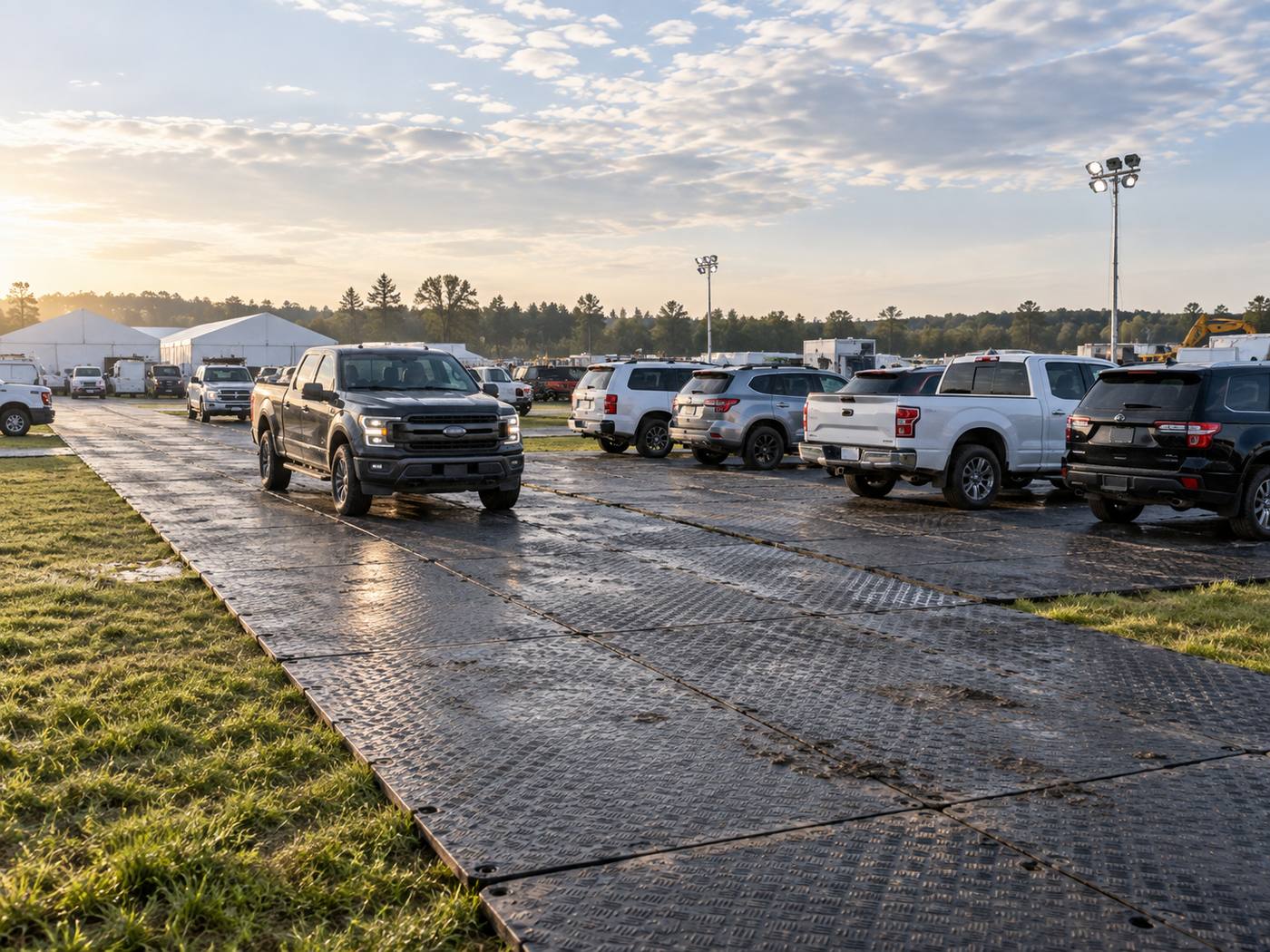 Agriculture, plantations and forestry
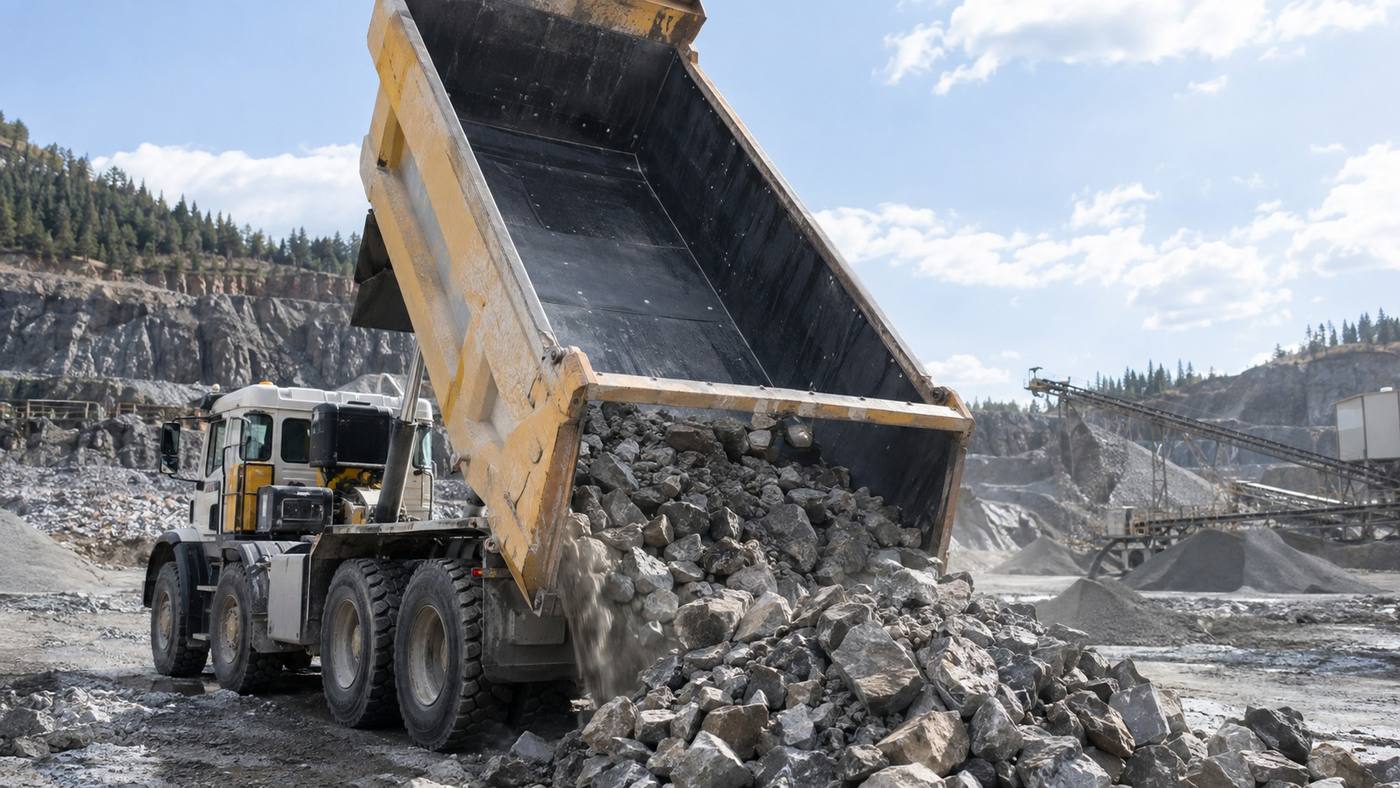 Transport fleet and self-loading vehicles
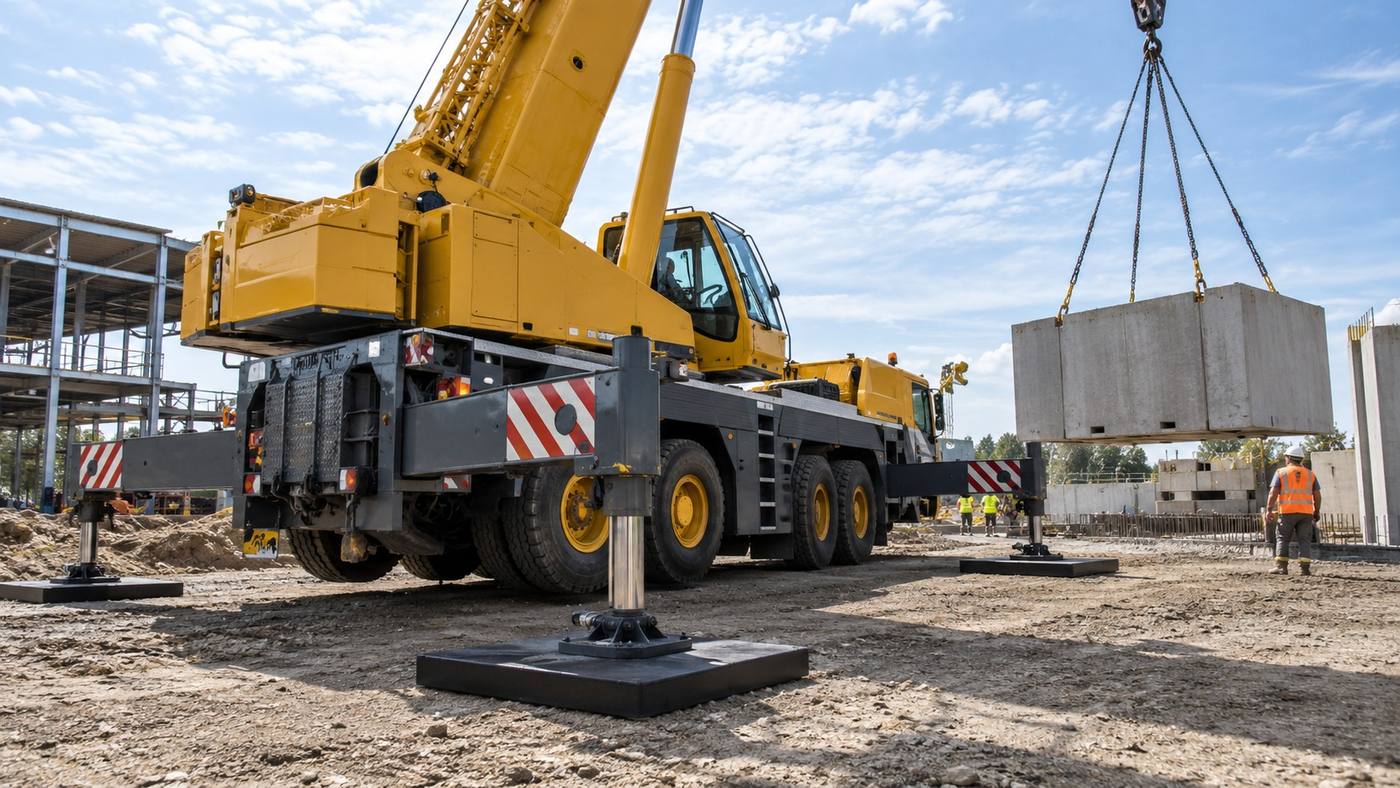 Lifting and lease of equipment
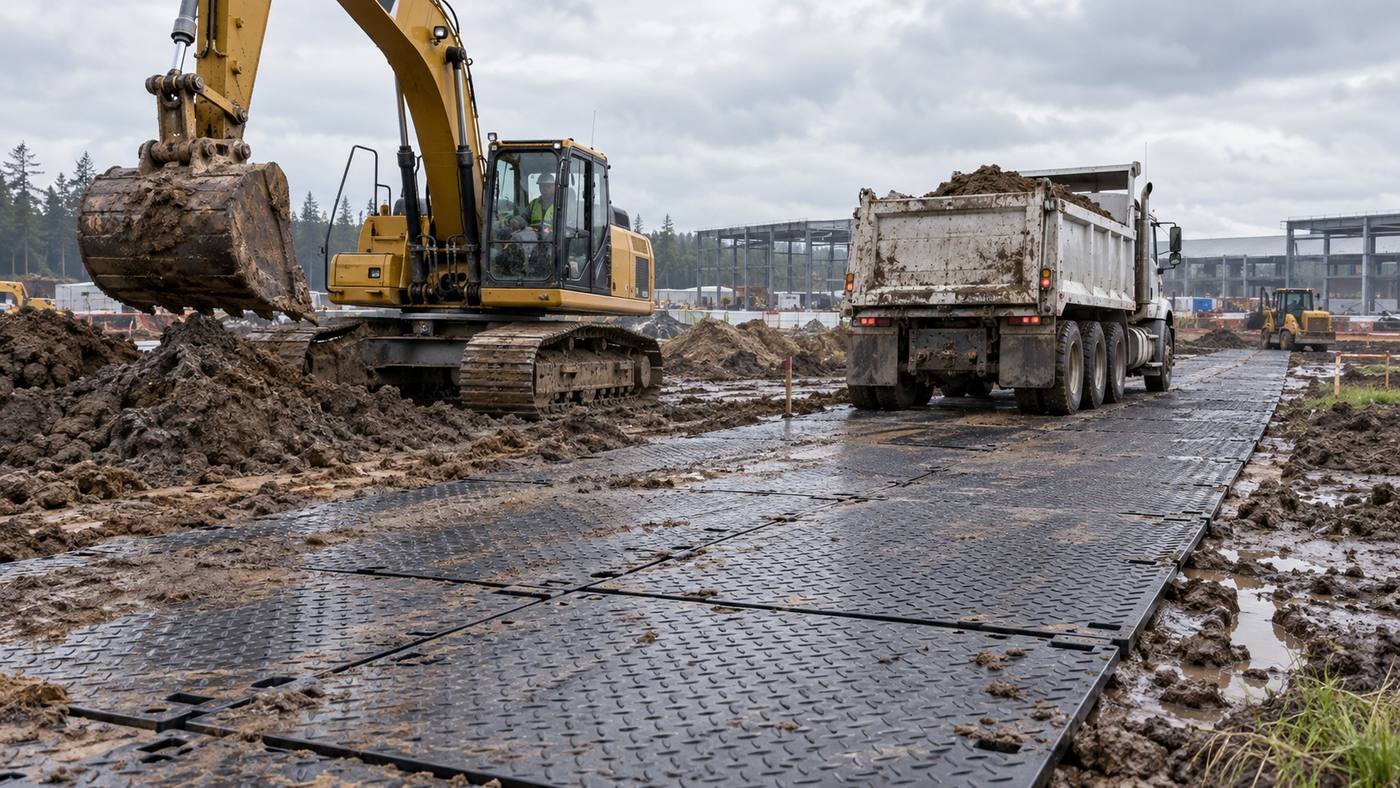 Energy, electricity and new sources of energy
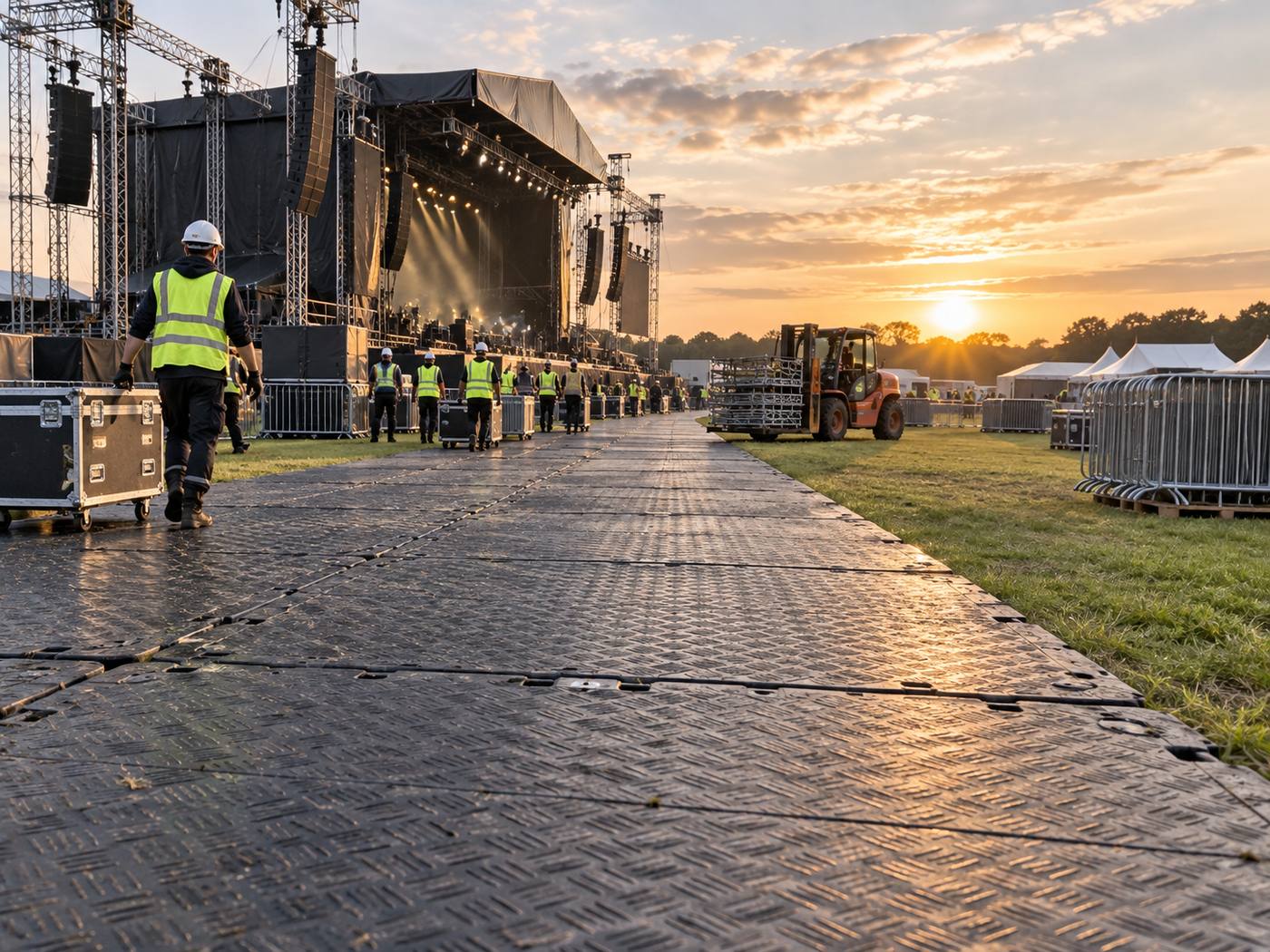 Events, performances and temporary venues
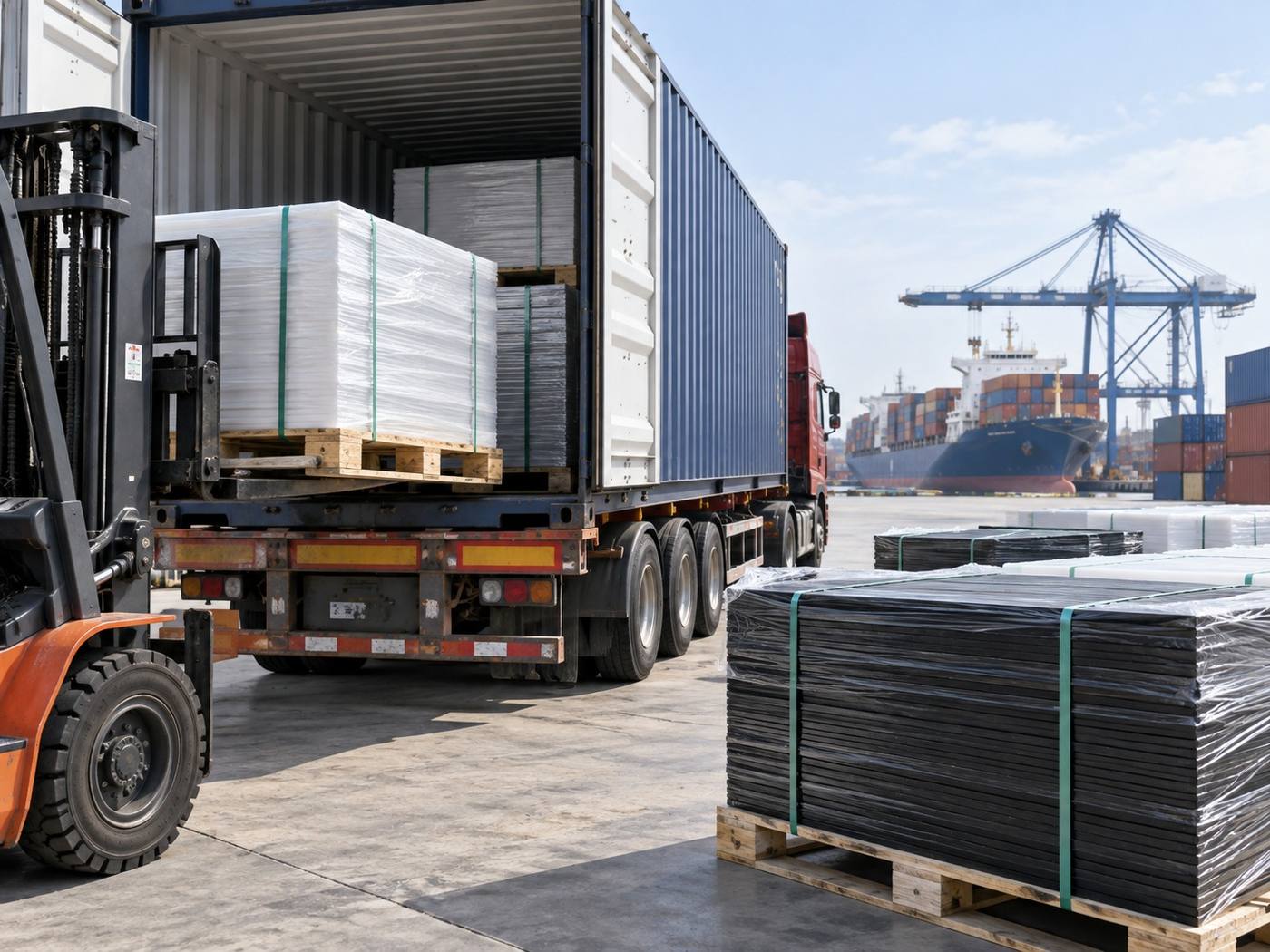 Ports, logistics and industrial sitesConstruction & InfrastructureMines, quarrying and drillingAgriculture, plantations and forestryTransport fleet and self-loading vehiclesLifting and lease of equipmentEnergy, electricity and new sources of energyEvents, performances and temporary venuesPorts, logistics and industrial sites