
The same maintenance team may work in hard roads in the city in the morning and enter fields or hills in the afternoon, with very different vehicle, ground and public risks.If only fixed and single-specified plates are carried, they are not available at long distances and soft land, and narrow communities may not be able to lay or move.The project should establish a pre-workspace questionnaire to record at least the width of the entry, the type of ground, underground facilities, the weight of equipment, the retroactivity of the legs and the expected length of stay;Selection of panels by scene, Outrigger Pads, connector and alert attachment before departure.After the transfer, the numbering, examination of the damage and the state of cleanliness are counted to prevent the mud or contaminants from being brought to the next site at the previous site.
Power, communications and public utilities on-site applications
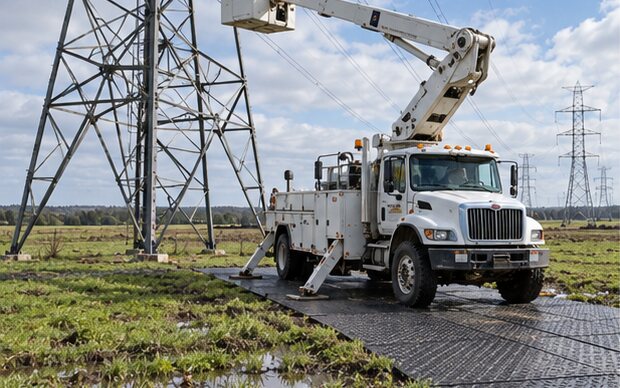
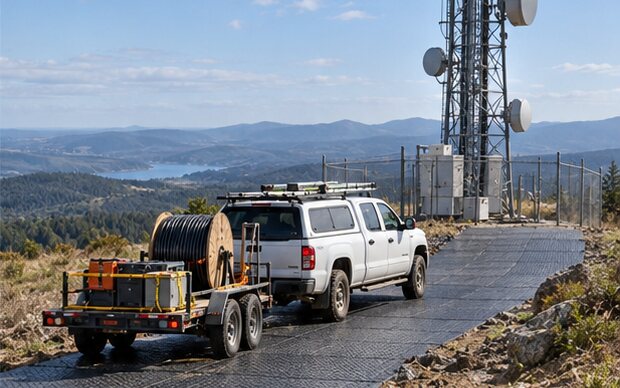
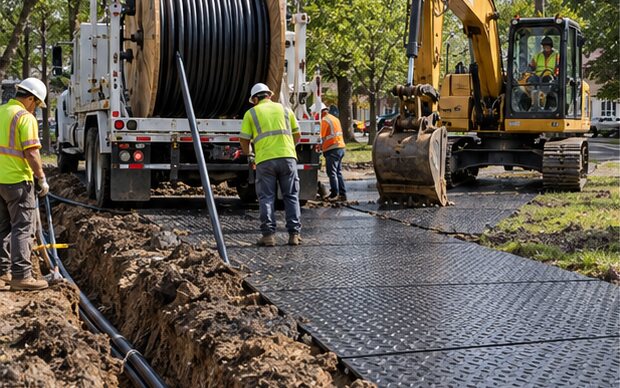
Common project applications for electricity, communications and public utilities
Description of the business processes, vehicle equipment, ground conditions and the project cycle.
The construction of electricity, communications and public utilities includes transmission towers and pole infrastructure, conversion plant extension, underground cable installation, communications base station installation, water gas repairs, and route inspections.
Such works are characterized by frequent diversions, power outages or outage windows, and temporary roads and supporting materials must be easily carried, numbered and configured over time.(a) Platoon formation, transformer installation, cable-climatic suspension and high-altitude overhaul, which would result in a centralized leg load;The construction of the underground pipeline was accompanied by trenches, wellheads and backfill belts.The application programme should collect in advance lists of vehicles and equipment, retrogressive legs, road widths, maps of underground installations, residential access and restoration requirements, develop standardized kits, and prepare different types of laying and alerts for three types of work in mountainous areas, cities and agricultural lands.
Common Issues
The actual construction of electricity, communications and public utilities is described separately for reasons of formation, possible impacts, inspection priorities and management methods.
Under the roads of the densely populated areas of public facilities, there may be cables, communication pipelines, drainage wells and backfilling strips, and the integrity of the surface does not mean that it can withstand heavy vehicles or legs.The partial destruction of the arm vehicle and the vehicle ' s suspension, if they were to be placed within the influence of a well cover, road stone or ditch, would endanger both the stability of the equipment and the established facilities.The underground drawings should be checked and field marked prior to the operation, and the safety distance should be increased or structurally verified if it is not possible to confirm.(b) The bottom of the pad must be flat, continuously charged and not emptied;Review levels and depositions after changes in the arm, rotation and payload of equipment.The treatment of “underground pipes, wells and trenches which make surface carrying difficult” cannot be limited to a single pass, but also covers the maximum load, maximum frequency, worst weather and evacuation phases.It is recommended that representative positions be selected for trial, that ground, vehicle or equipment data be recorded and that the scope, connection and frequency of maintenance be adjusted to the results;Changes in conditions have confirmed that early experience is not directly applied to the entire electrical, communications and public facilities construction project.
Wind, ice or post-disaster circuits are required to quickly restore electricity and communications, and on-site lighting, roads and information are often incomplete.(a) A rush to enter may lead to vehicles being trapped on wet soft shoulder or to high-altitude operations without full legs;Once access is blocked, follow-up personnel and materials cannot be reached.The recovery team should prepare modular panels and Outrigger Pads at normal times, with a minimum length of preparation, rapid connection, night marking and review process.The rescue and evacuation route should be secured after arrival, the equipment station should be installed and any apparent deposition, slide or sew open should trigger a pause and reassessment.The construction site for electricity, communications and public utilities should set clear standards for the discontinuation of “short power outages and often affected by bad weather”, such as continued uplifting of plates, incomplete support surfaces, extended depositions, visible slippages of vehicles or loose connections.Unusual isolation and unloading were detected, and then the floors were repaired or reconfigured, and temporary pads were prohibited in carrying conditions.The head of the mission may not resume operations until he or she has been qualified to do so, and records of disposal are maintained.
Solution Recommendations
The route, the grass-roots, the support or the unloading of the material is addressed first, and the corresponding products are recommended according to the work situation.
The solution would be a standardized service package that could be carried with a vehicle.(b) Set the number, size, connector, Outrigger Pads- and reflector marking lists based on four types of scenes: urban, agricultural, mountainous and post-disaster rehabilitation;When you arrive, check the underground facilities and access conditions before laying them from hard to soft and avoiding the wellrooms and trenches.The width of the route is to cover the movement of vehicles to and from the emergency evacuation, and the area of the arm and crane stations is to be flattened separately.Cleaning, damage checks and numbered records are completed before each transfer to enable teams to know which plates are suitable for passage and which pads are dedicated to the dot support.
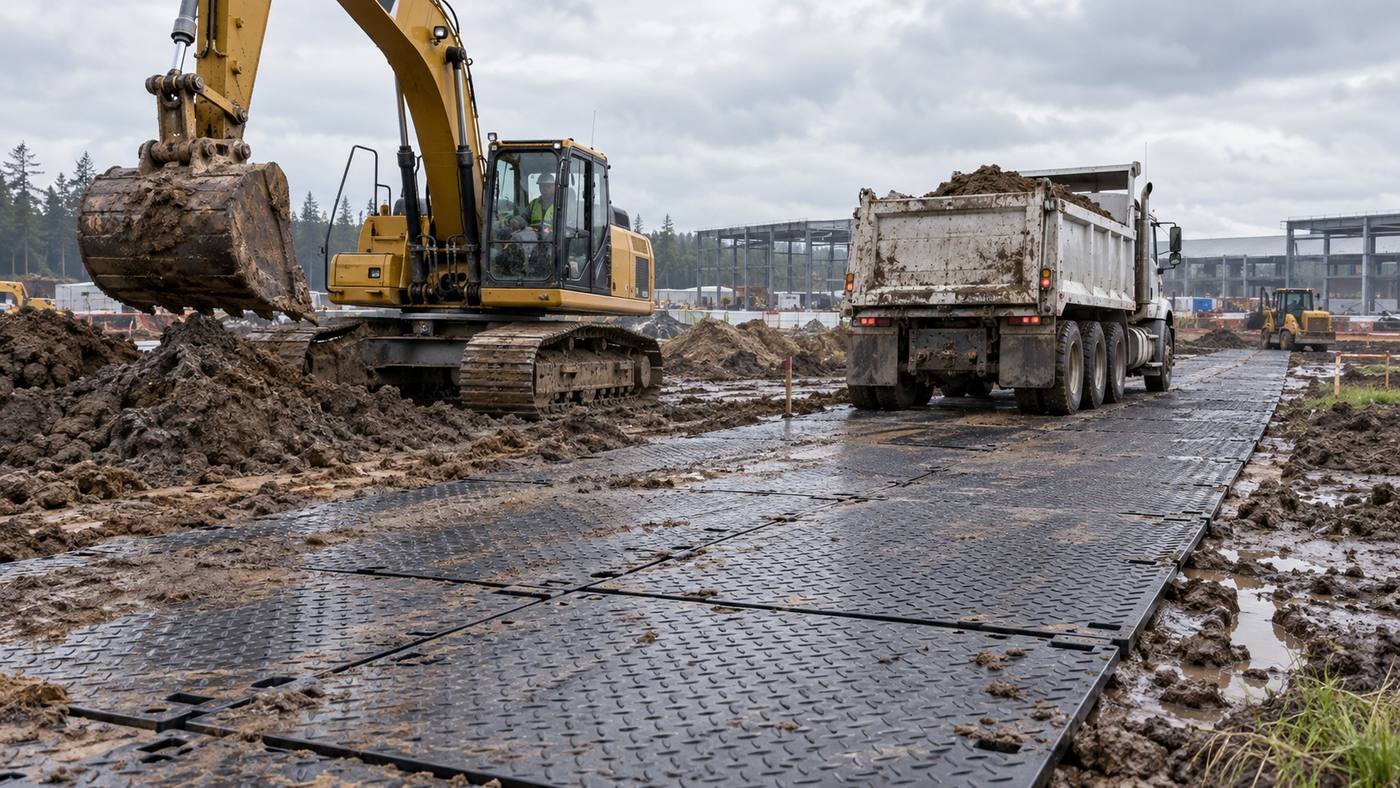
HDPE Ground Protection Mats—Appropriate arm, cable transport, and maintenance vehicles can also protect sidewalks and finished floors by crossing grasslands, farmland, road shoulders and unhard ground;Crane Outrigger Pads is used under the legs of the arming vehicle, the crane with the vehicle and the small lifting equipment, and the area is to be determined according to the maximum reaction of the single leg and the permitted pressure at the ground level.Do not fold the right size of the Outrigger Pads with a few small plates, and don't put a leg on the Ground Protection Mats-board.The single-person load, vehicle storage space, night identification and the durability of frequent diversions should be taken into account in procurement.
Ground Protection Mats
For the establishment of temporary vehicle access, protection of the original ground and dispersion of the wheel; specific thickness, size, texture and connection will be determined by vehicle and base level.
Crane Outrigger Pads
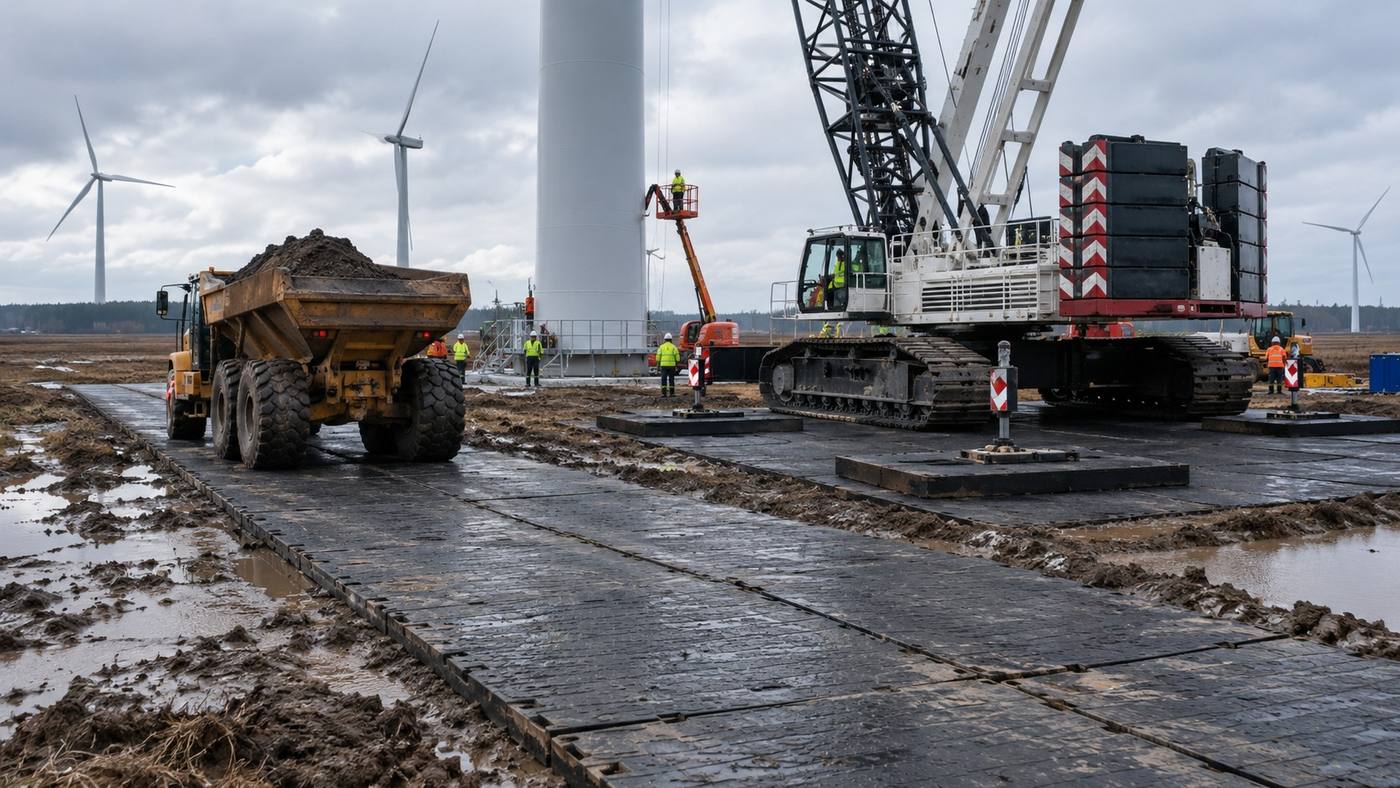
For the purpose of increasing the area of the foot exposure and reducing average ground pressure; must be calculated in conjunction with maximum single-leg reaction, original foot size and a permissible ground pressure.
Manufacturing
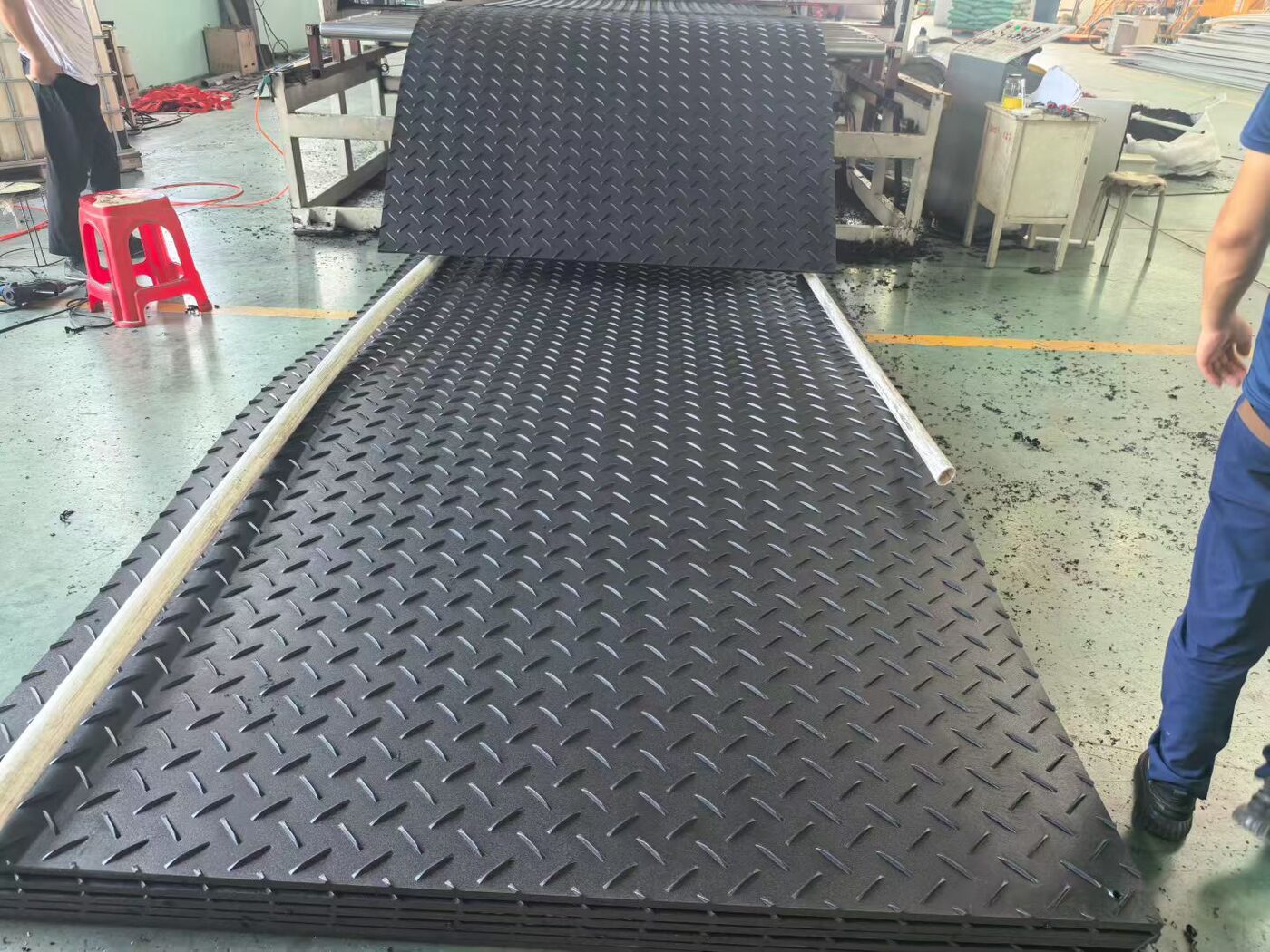
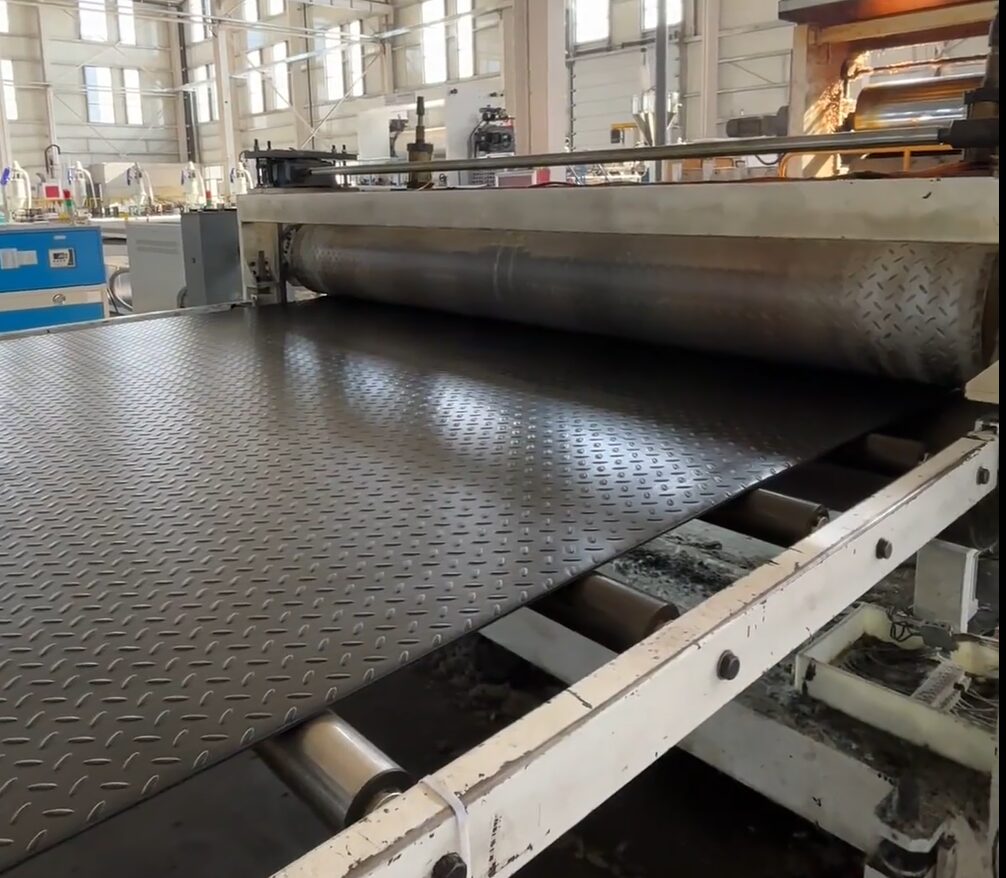
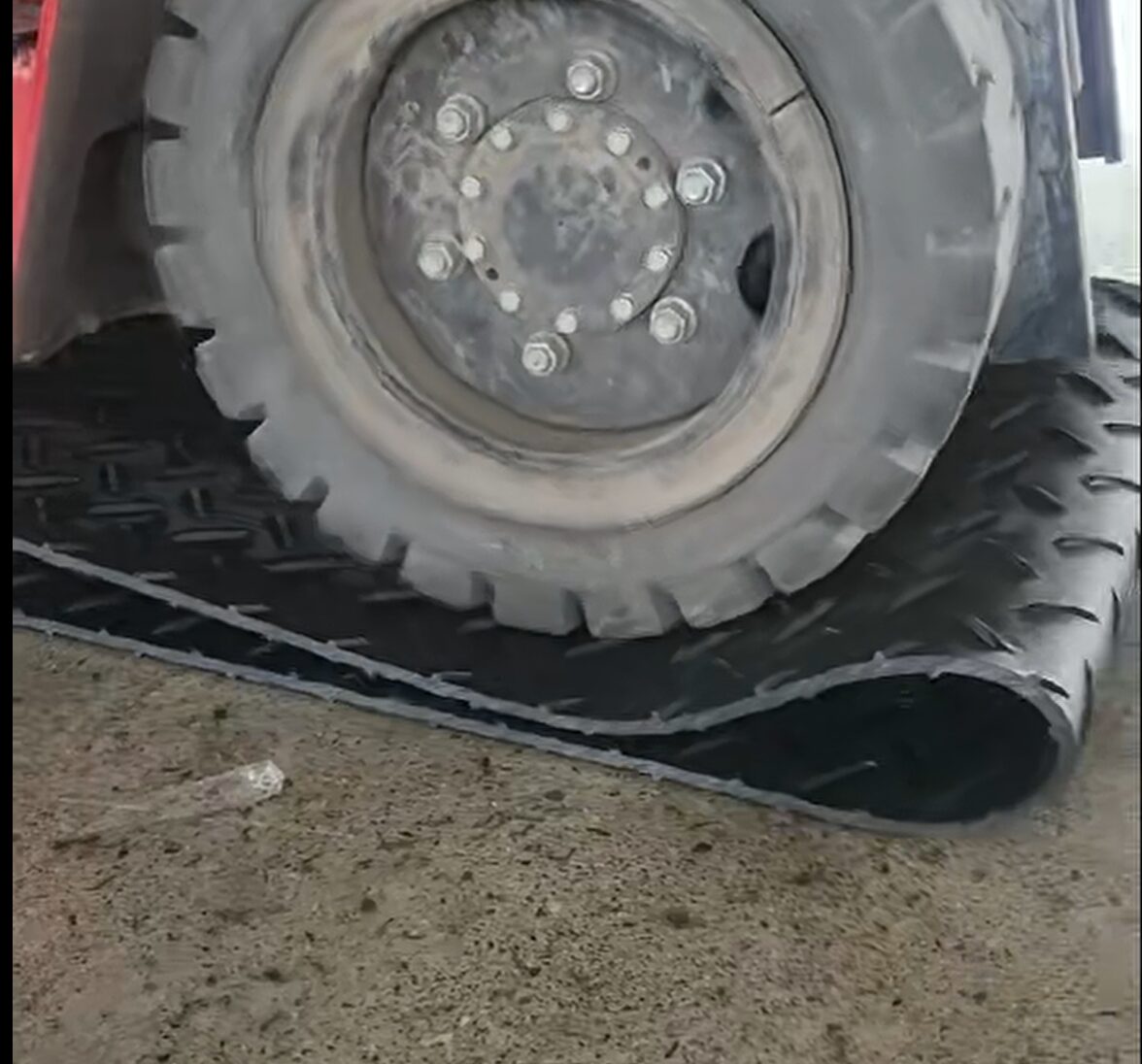
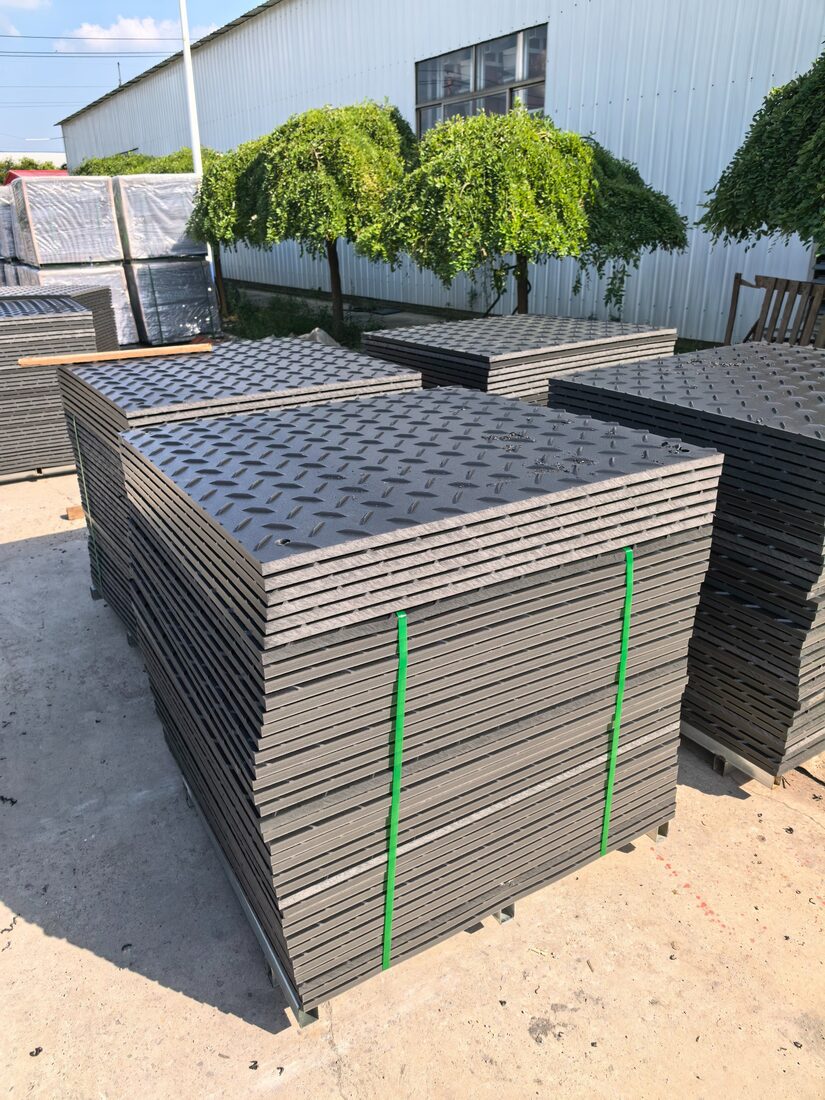
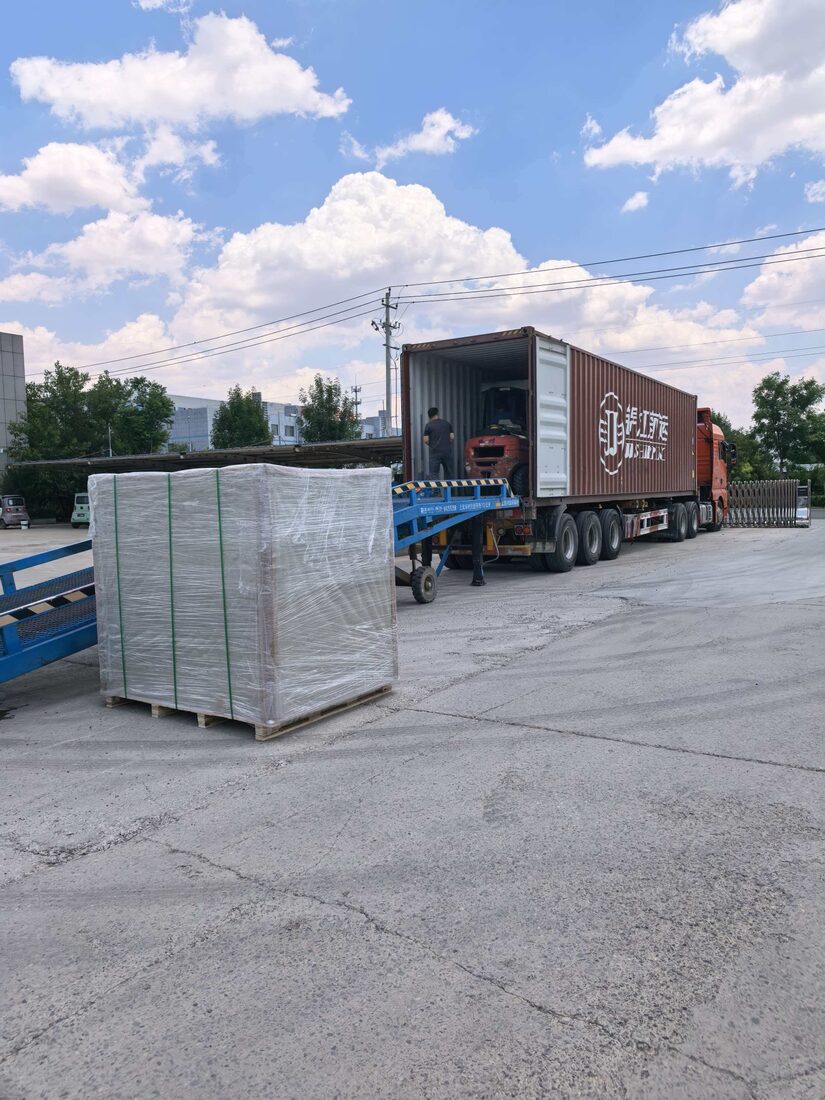
01Ground Protection Mats Production and bulk delivery
From smooth-truck road formation to vehicle load validation, to mass stacking, packaging and loading.
02Crane Outrigger Pads Processing and Inspection
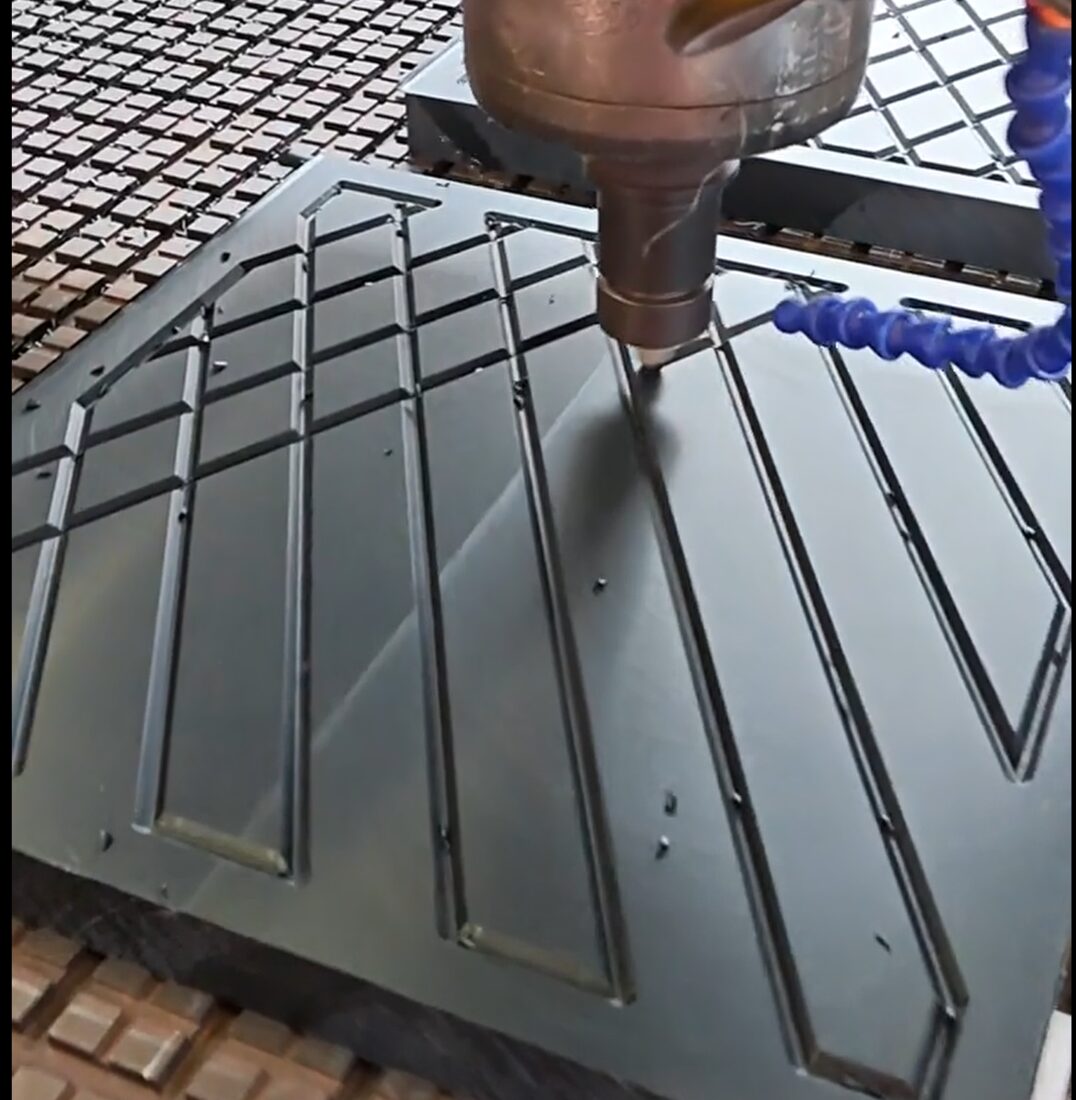
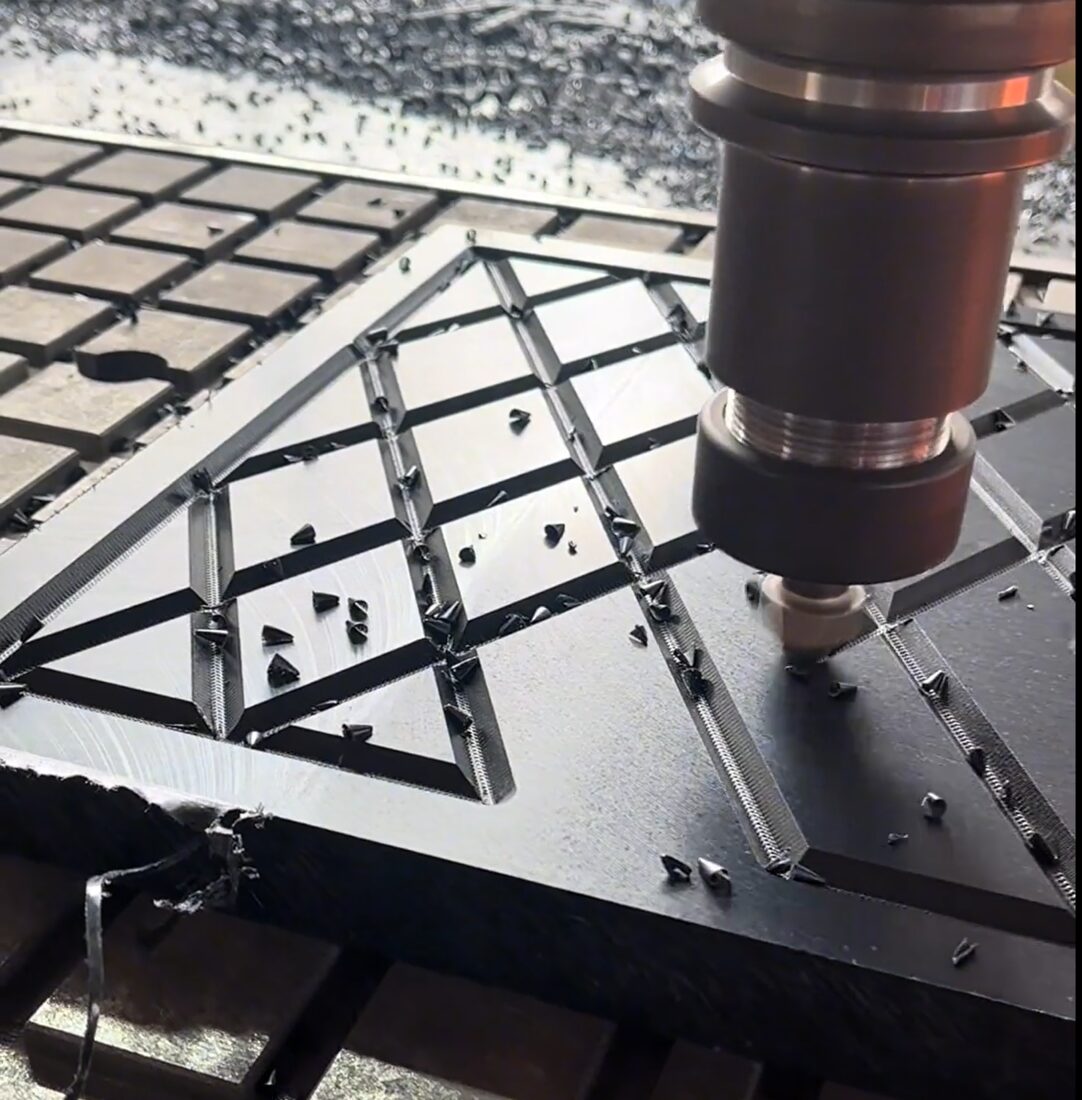
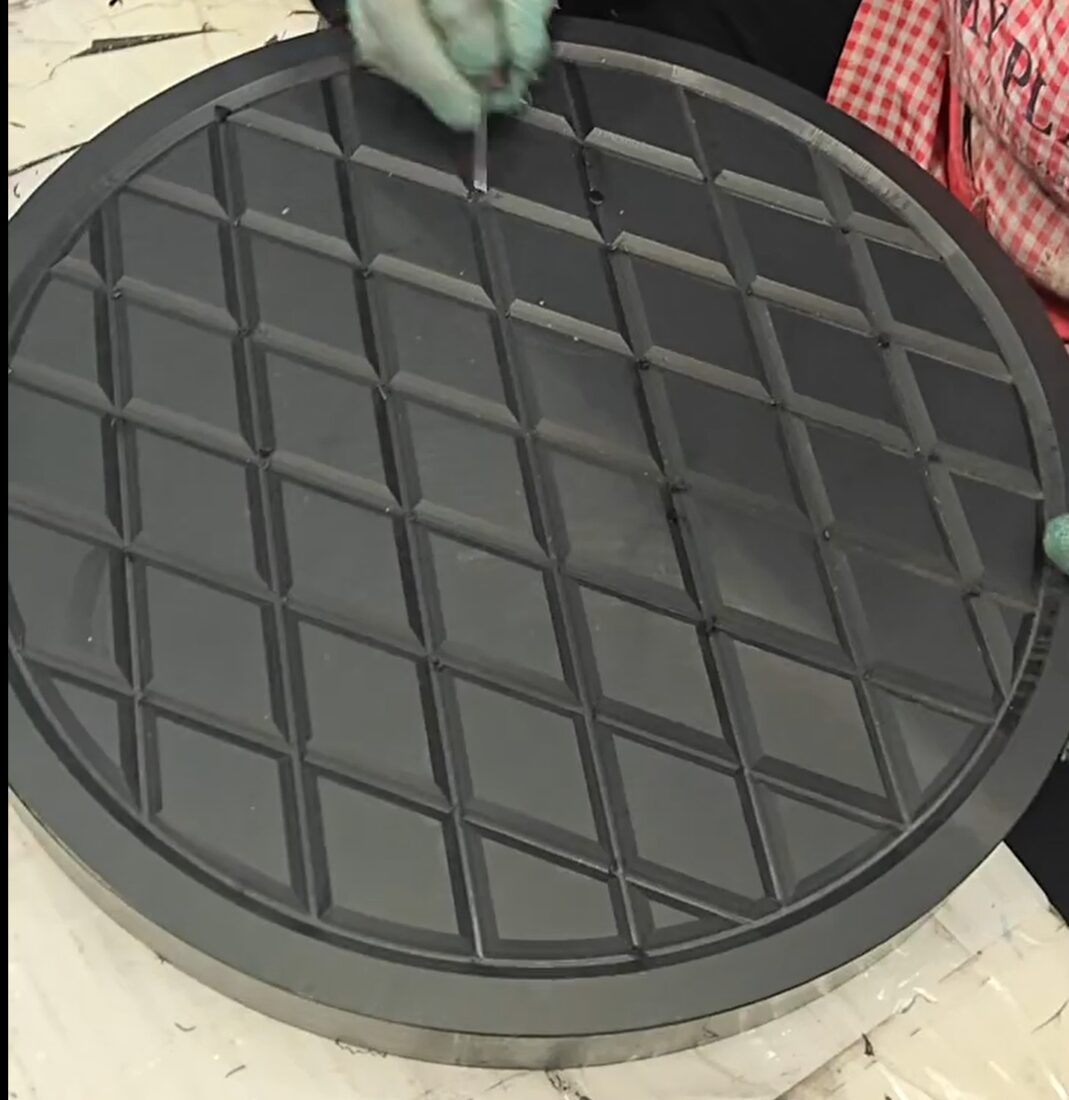
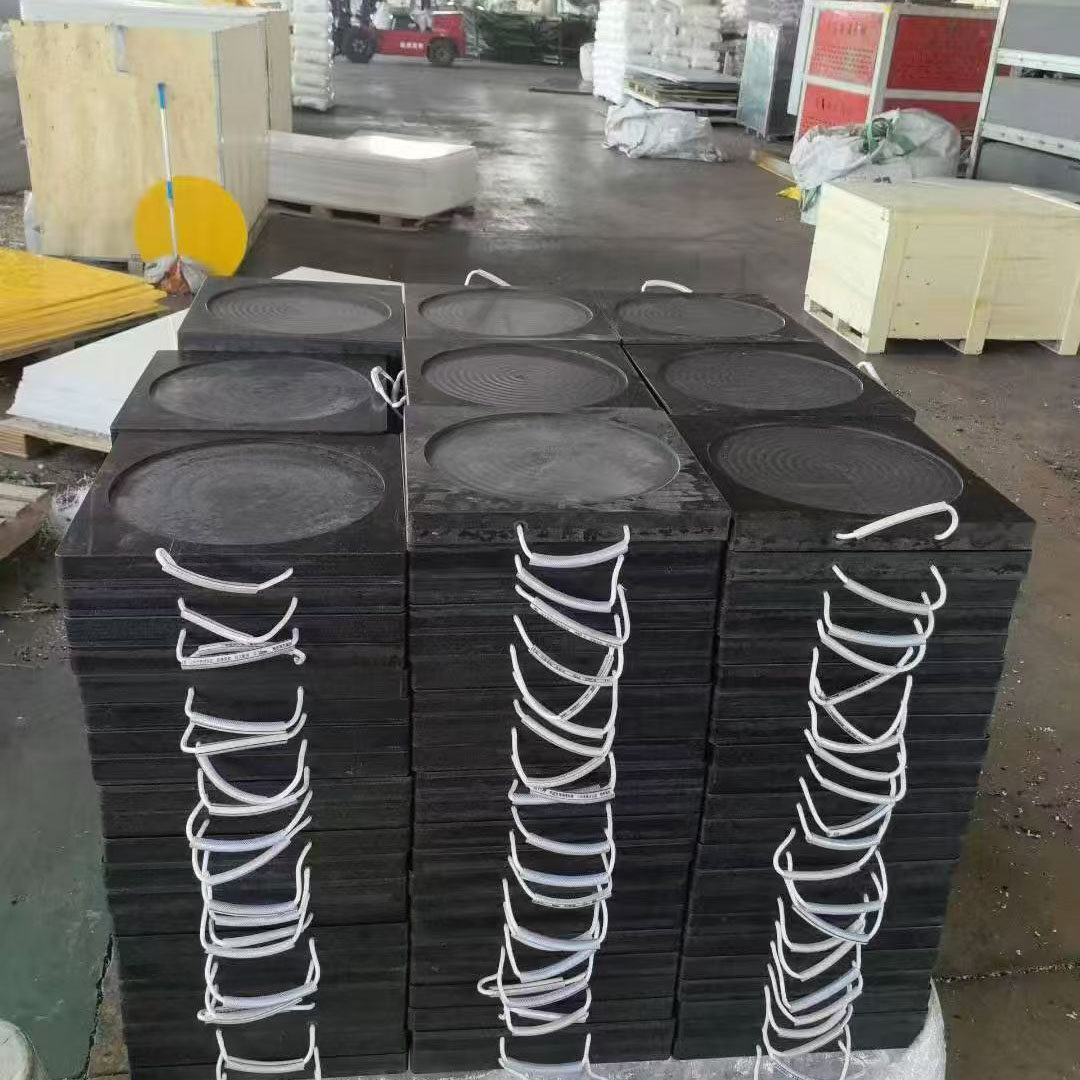
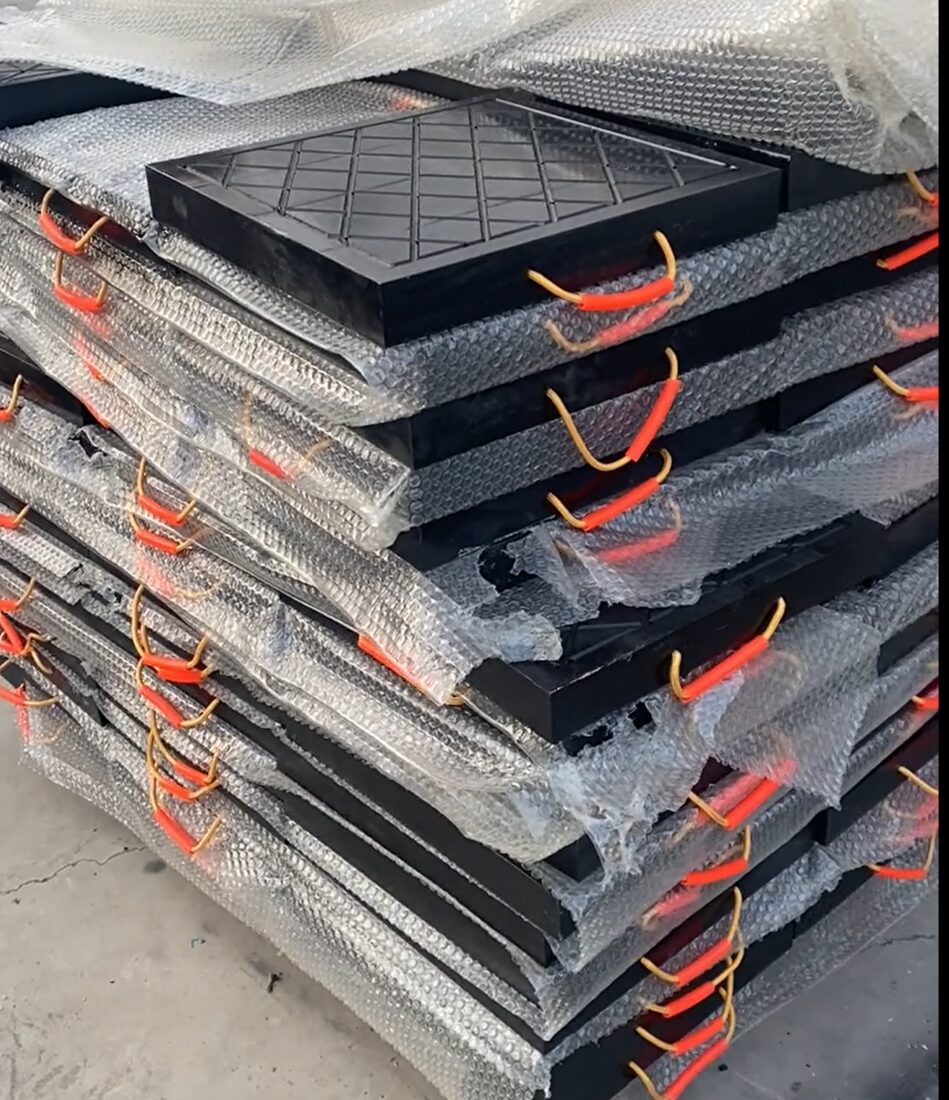
CNC processes, surface structural checks, attachment configurations and packagings showing circles, squares—Outrigger Pads.
Information proposed before request for quotations
The more complete the information, the easier it is to quickly determine the appropriate size, thickness, structure, quantity and customization.
- Type and weight of vehicle/equipment
- Ground type versus hardness
- Length, width and turn of route
- Retroactivity of equipment model with maximum leg
- Size of original foot
- Ground carrying conditions
- Projected number of acquisitions
- Port of destination/delivery area
(a) The construction project programme for electricity, communications and public utilities?
We continue to assess the actual conditions of work for the distribution of site photographs, equipment/vehicle parameters, application conditions, quantity and port of destination.
Industry application cases
Browse the typical applications of Ground Protection Mats-, Dump Truck Bed Liners- and Outrigger Pads-- in different industries, click on pictures to enter the corresponding industry pages.
 Construction & Infrastructure
 Mines, quarrying and drilling
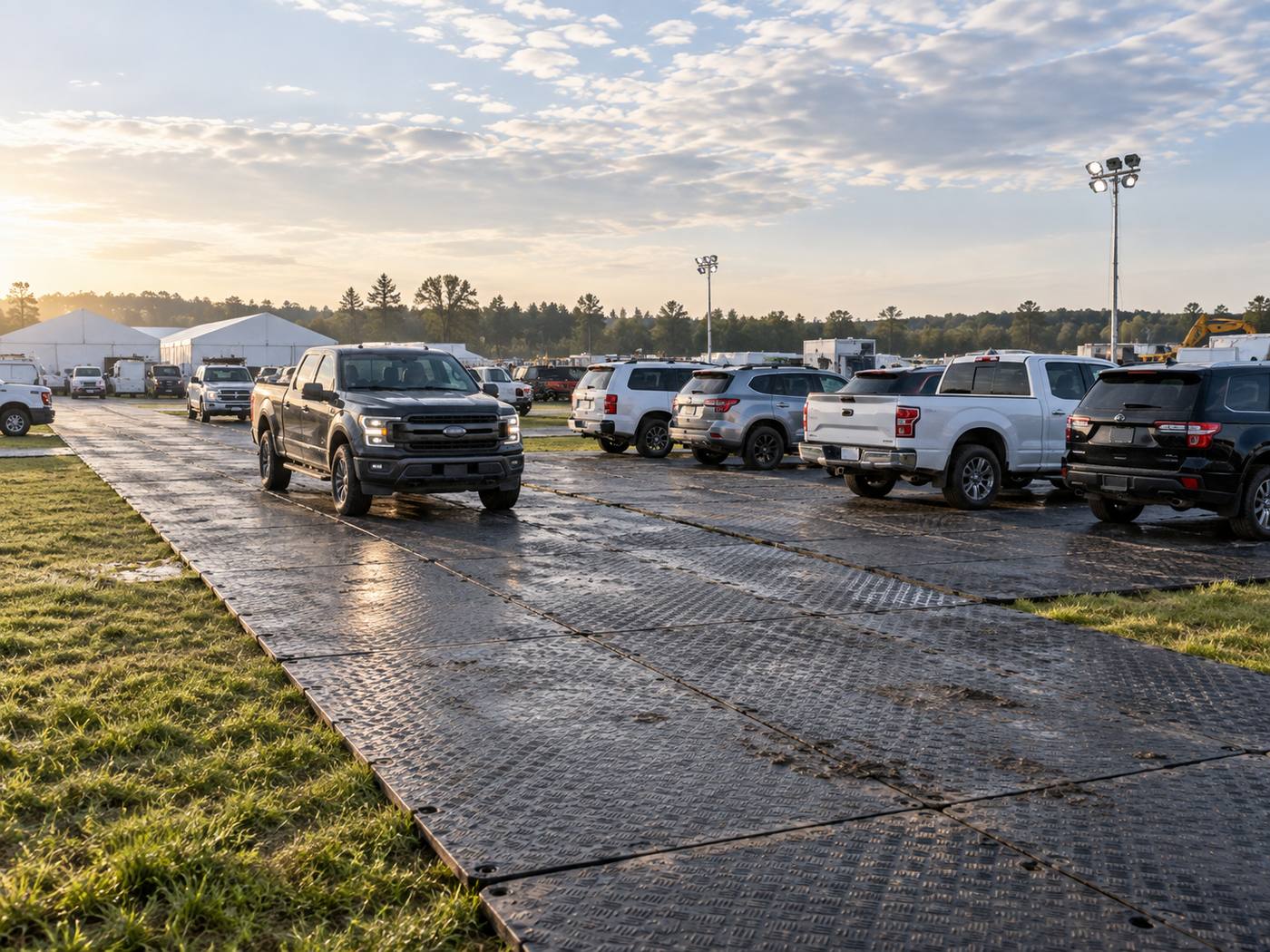 Agriculture, plantations and forestry
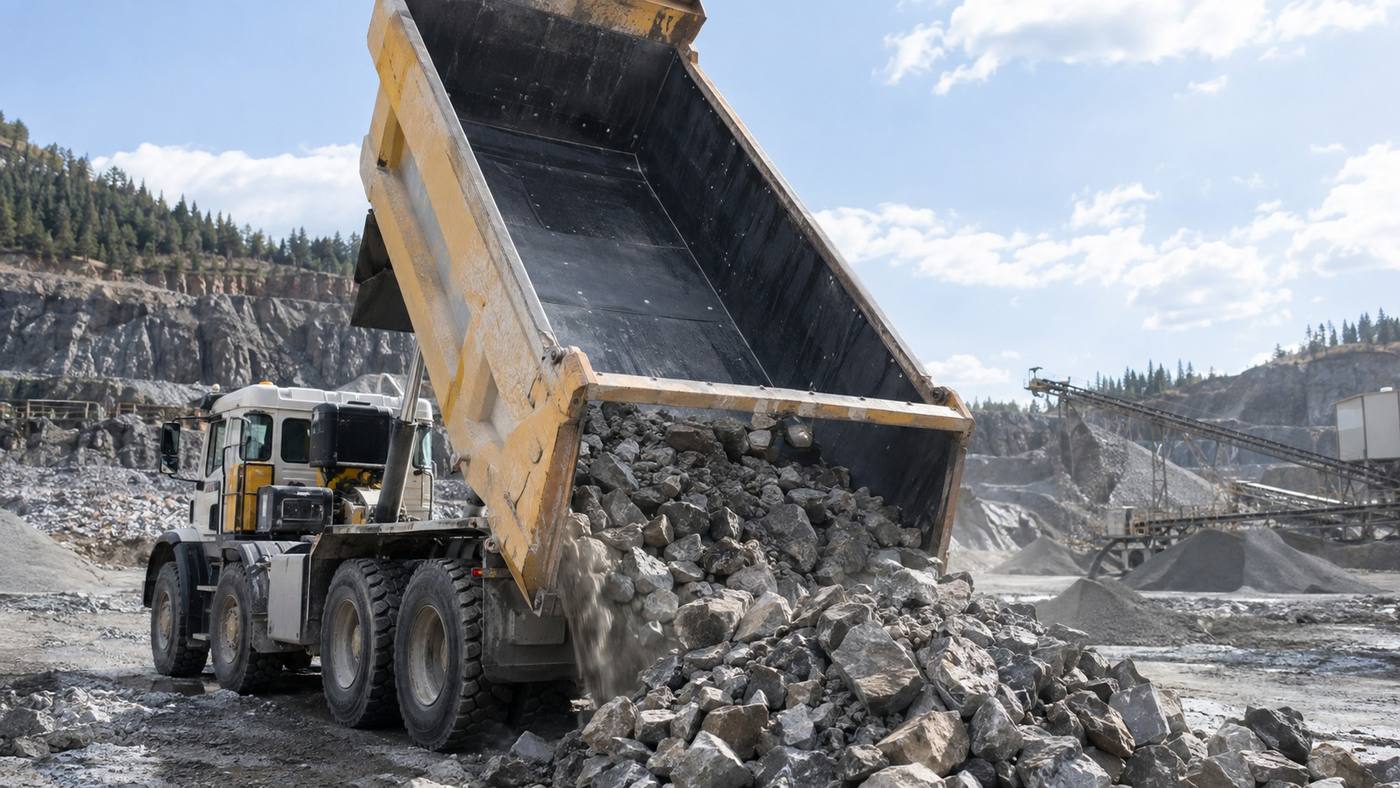 Transport fleet and self-loading vehicles
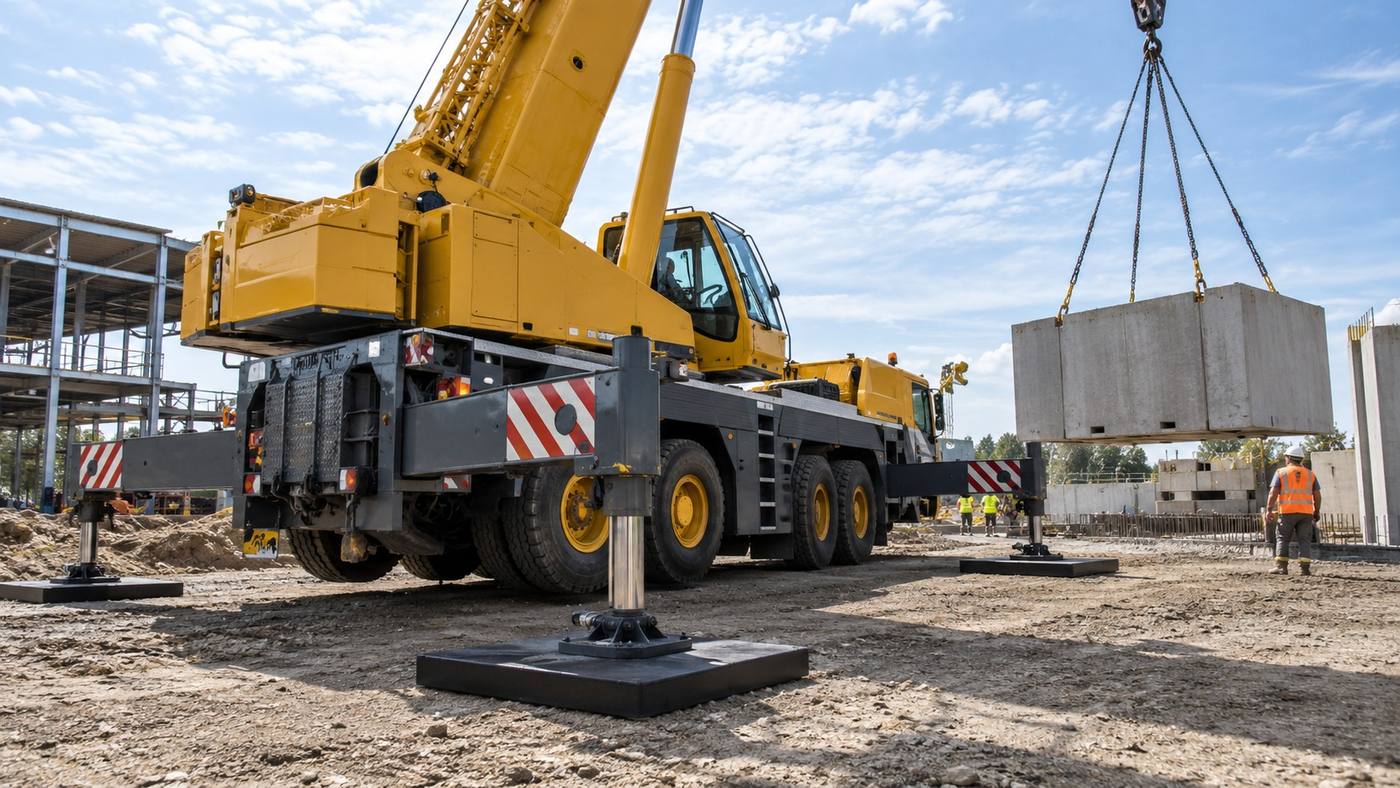 Lifting and lease of equipmentEnergy, electricity and new sources of energy
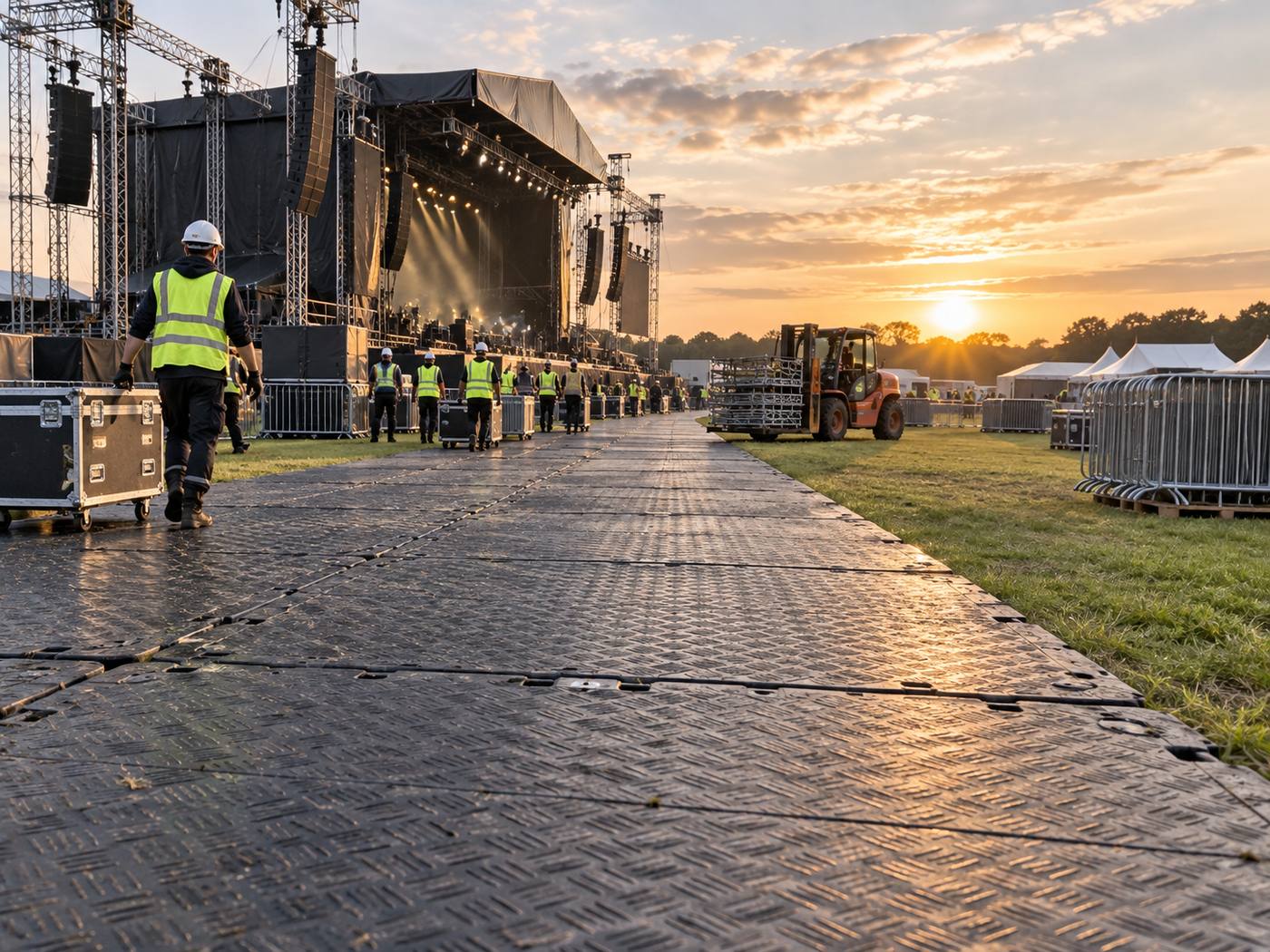 Events, performances and temporary venues
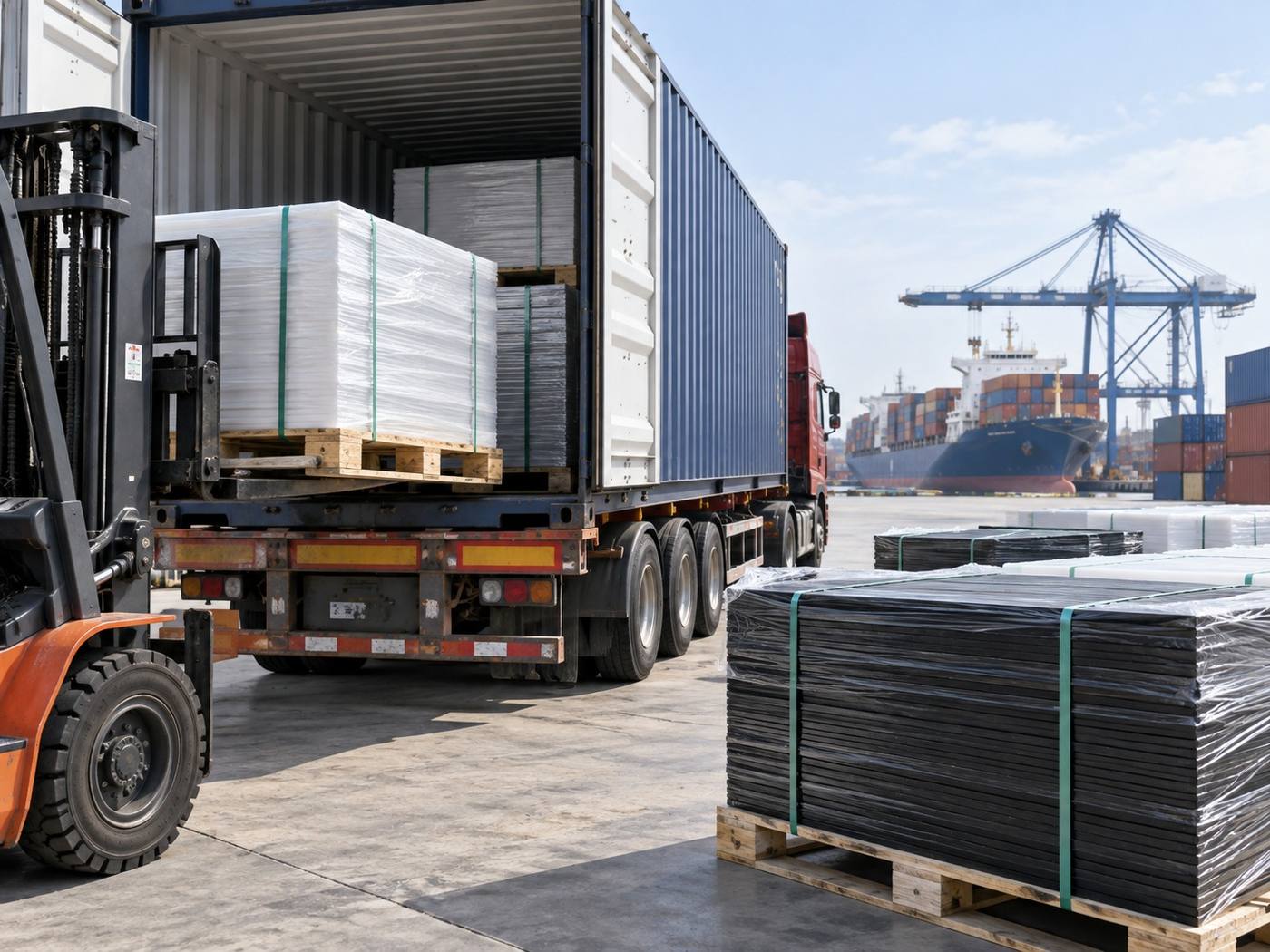 Ports, logistics and industrial sitesConstruction & InfrastructureMines, quarrying and drillingAgriculture, plantations and forestryTransport fleet and self-loading vehiclesLifting and lease of equipmentEnergy, electricity and new sources of energyEvents, performances and temporary venuesPorts, logistics and industrial sites