
There is no stable adhesion in the sand, and the acceleration, rapid rotation or brake of the vehicle will push the grain towards the edge of the plate and the seams, causing a gradual emptiness or rise under the plate.Even when first laid flat, successive car runs can then form wave-like ground, leading to the rise of the plate.The project should select a smoother route, remove loose sand piles from the surface and moderately level them, and lay them from stable hard to sand;(c) Limit speed and rapid turn and set fixed wheel tracks.The inspectors were required to clear the panels, check the edges and remove the stitches, and when the holes were found, lift the plates back to level, rather than keep the vehicles running over.In response to the “continuing migration of loose sand under wheel drive and brake”, the Desert, Beach and Sand Project should also include the results of the inspection in the pre-class confirmation and handover records, identifying who is responsible for release, who is responsible for inspection, what deposition or relocation must be discontinued.Retroactive recording of photographs, measurements and usages will make it possible to distinguish ground-based changes, operational deviations from product damage and avoid repetition of the same problem between different groups.
Field application of the Desert, Beach and Sand Project
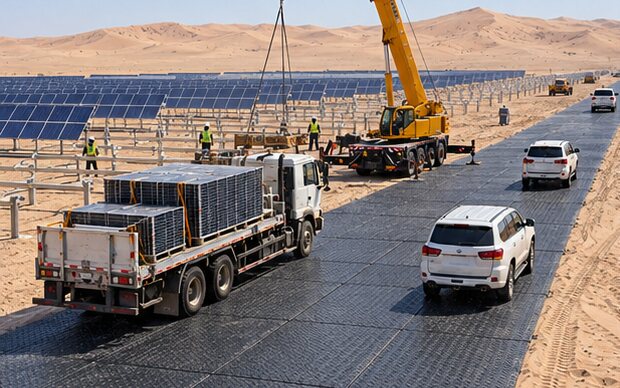
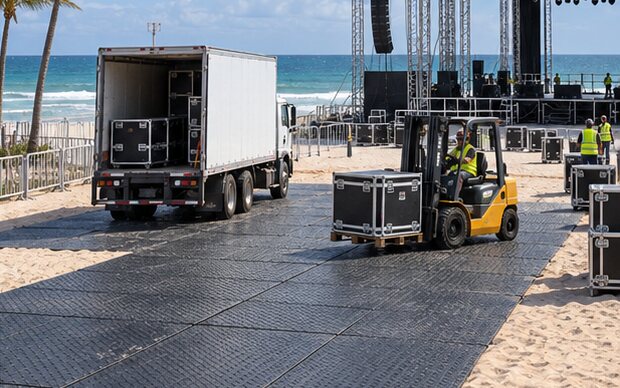
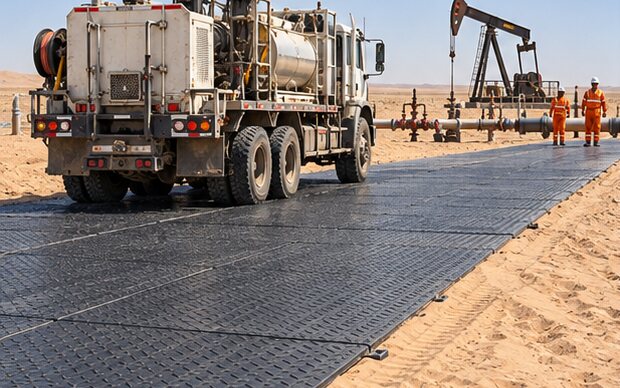
Common project applications for desert, beach and sand projects
Description of the business processes, vehicle equipment, ground conditions and the project cycle.
Deserts, beaches and sand projects are common in photovoltaics and wind power construction, oil and gas exploration, coastal engineering, tourism activities, video photography, rescue corridors and temporary camps.
The beach project also considers public, ecological, and off-site cleaning. The programme should determine the width, fixed mode, and frequency of laying, and set the rules for parking when weather, tidal, or visibility is not satisfactory.
Common Issues
The actual work of the Desert, Beach and Sand Project is described separately as the cause of formation, possible impact, focus of inspection and management methods.
The desert has a high temperature difference between day and night, and the plate is subject to heat swelling and cold contraction;Coastal salt fog, tides and fine sands enter the connecting area, affecting the dismantling.High noon temperatures also change the handling and surface touch, and the boundary of the route is unclear when visibility decreases at night.The project should set aside space for reasonable stretching, select durable materials and regularly check connections, and clean up the beaches in a timely manner.The construction time avoided extreme temperatures and rising tides and the plate was marked with wind and sand tolerance.Environmental adaptation of connectors, metal attachments and cleaning tools should not be overlooked because of material resistance to corrosion.The handling of “high temperature, high ultraviolet, salt fog and tidal impact materials and maintenance” cannot be limited to one successful pass, but also covers the maximum load, maximum frequency, worst weather and evacuation phases.It is recommended that representative positions be selected for trial, that ground, vehicle or equipment data be recorded and that the scope, connection and frequency of maintenance be adjusted to the results;The change in conditions was confirmed and early experience was not directly applied to the entire desert, beach and sand project.
The expansion of the area on sand — Outrigger Pads — can reduce average pressure, but if the lower sand layer is loose, damp or close to the edge of the brush, the entire mat may still be tilted down.The return of cranes and wind loads also alter the reaction of legs, and changes in beach tides may weaken the grass-roots level during operations.Ground-based confirmation should be conducted prior to the operation, avoiding sand dunes slopes, swiping trenches and tidal impact areas, and levelling and crushing stations;Select the area of the padding based on the maximum one-leg reaction.Levels and depositions are monitored and reviewed after changes in wind speed, tide or payload, and it is found that the sinking of one side is stopped immediately, rather than continuing to be prolonged.The desert, beach and sand project site should set clear standards for the cessation of use, such as the continued rise of the plate end, incomplete support, extended deposition, visible slippage of the vehicle or loose-linking of the link.Unusual isolation and unloading were detected, and then the floors were repaired or reconfigured, and temporary pads were prohibited in carrying conditions.The head of the mission may not resume operations until he or she has been qualified to do so, and records of disposal are maintained.
Solution Recommendations
The route, the grass-roots, the support or the unloading of the material is addressed first, and the corresponding products are recommended according to the work situation.
The surface layer is flatted from hard ground, with seams kept clean and sand-suited connections and edges managed; the frequency is cleared according to the speed of the wind and sand, and empty plates are filled back in time. The beach is constructed by tidal windows and public isolation, and deserts are adjusted for high temperature and visibility.
HDPE Ground Protection Mats—Appropriate for desert construction, beach activity and temporary movement of rescue vehicles, depending on vehicle axle, tire, width and climate selection thickness, colour and smoothing routes;The crane, drill or leg-type equipment shall be equipped with a sufficient area of Crane Outrigger Pads-, provided that it is accompanied by ground-based levelling, pressure and deposition monitoring.It is recommended that additional connectors, sand-clearing tools and visible boundary markers be prepared, and that long-term projects be periodically rotated on high-paint panels.The product can be dispersed only and cannot substitute for engineering judgements about dune, tidal and ground-based stability.
Ground Protection Mats
For the establishment of temporary vehicle access, protection of the original ground and dispersion of the wheel; specific thickness, size, texture and connection will be determined by vehicle and base level.
Crane Outrigger Pads
For the purpose of increasing the area of the foot exposure and reducing average ground pressure; must be calculated in conjunction with maximum single-leg reaction, original foot size and a permissible ground pressure.
Manufacturing
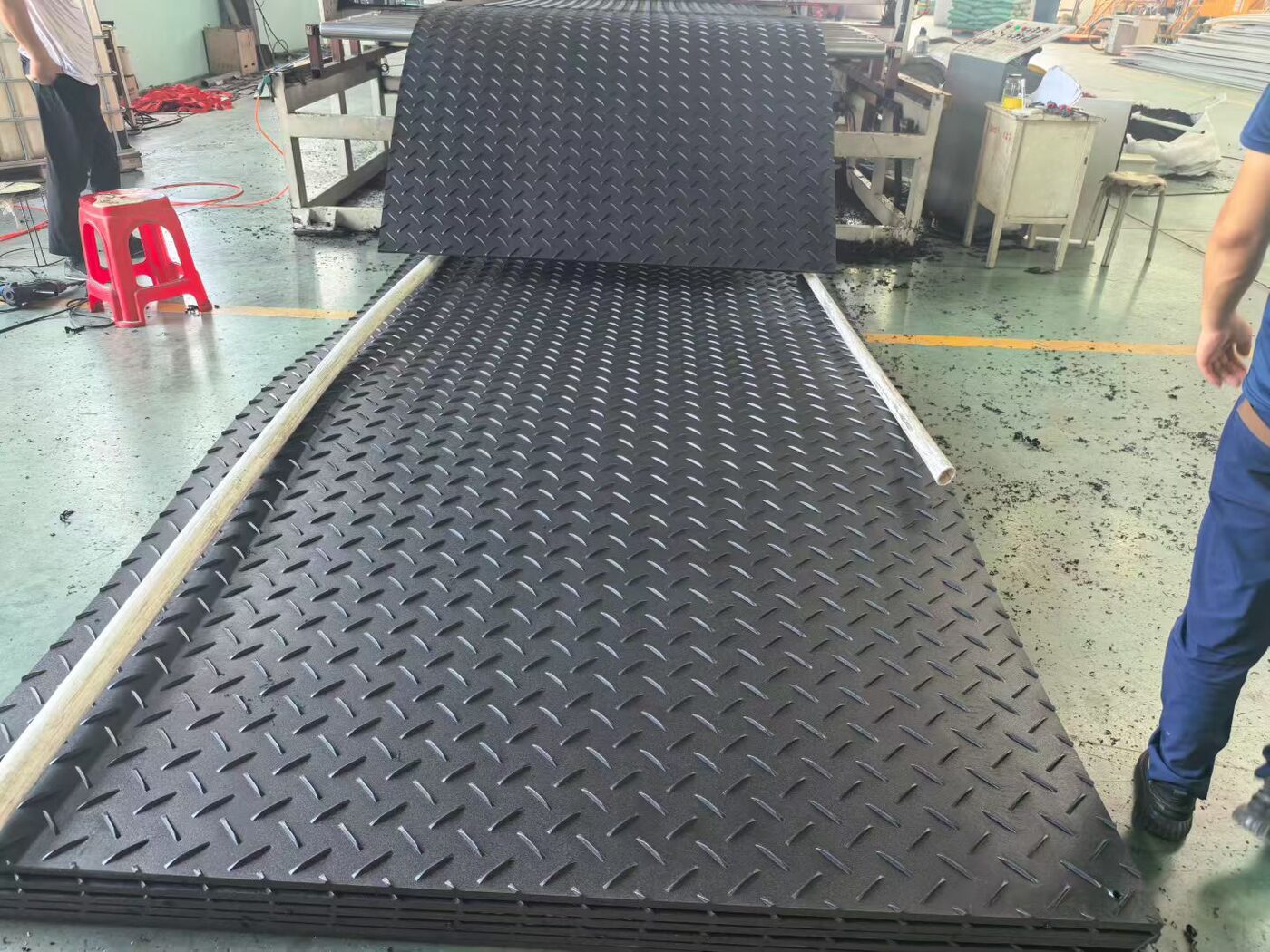
01Ground Protection Mats Production and bulk delivery
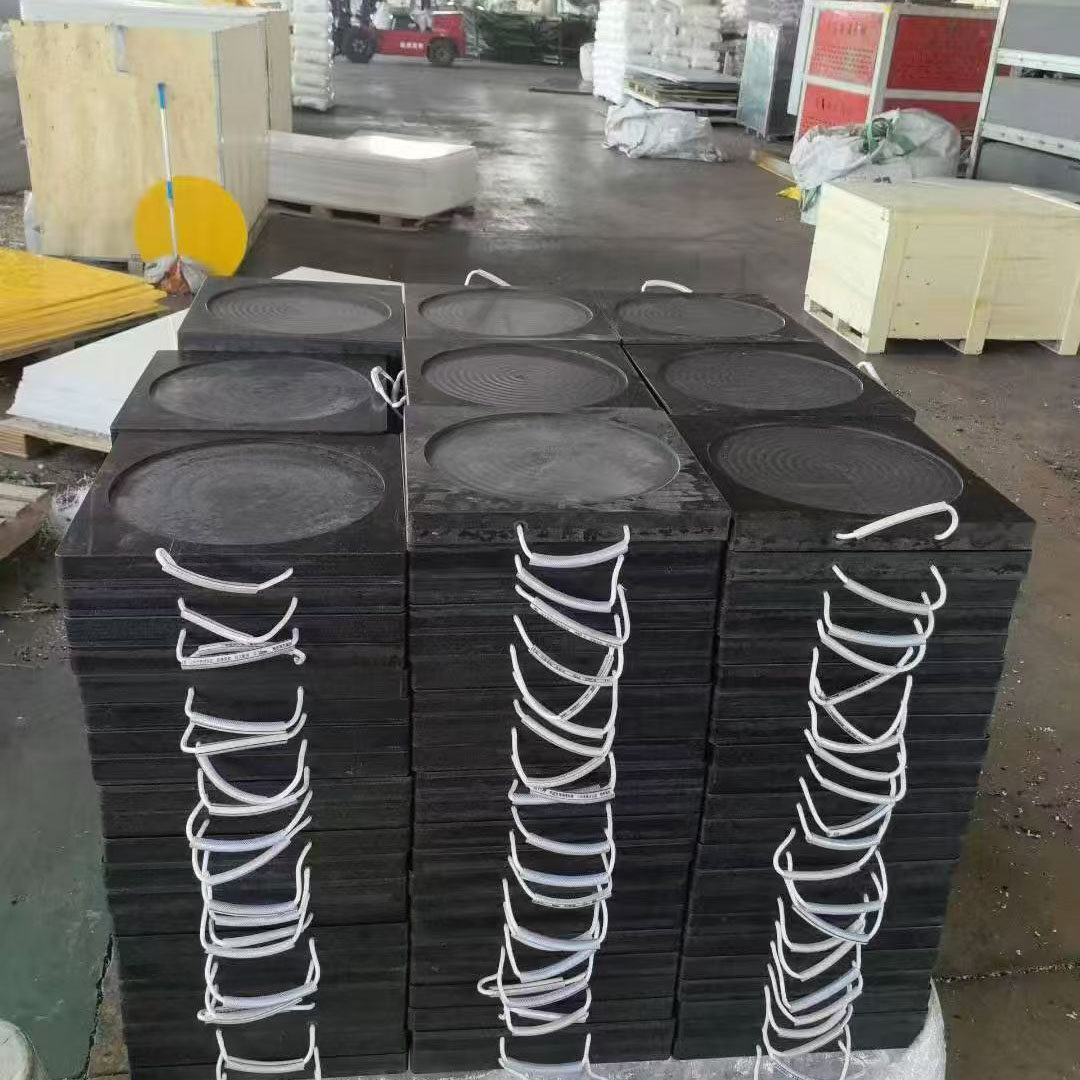
From smooth-truck road formation to vehicle load validation, to mass stacking, packaging and loading.
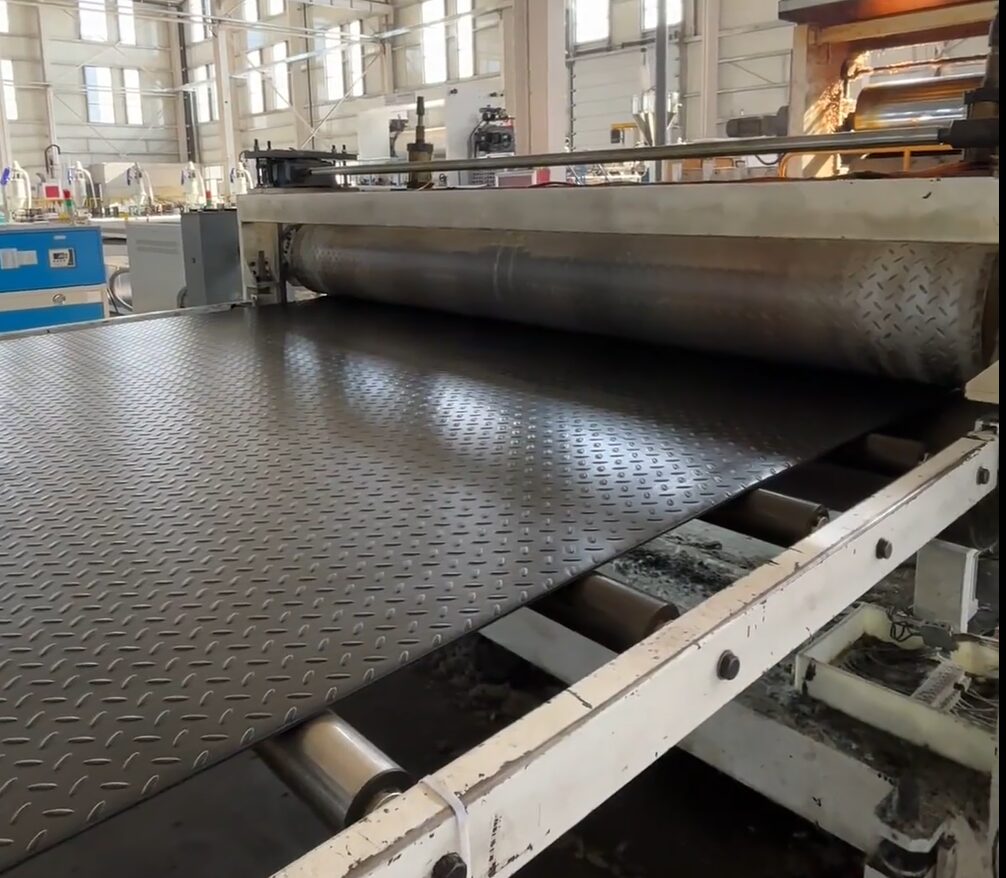
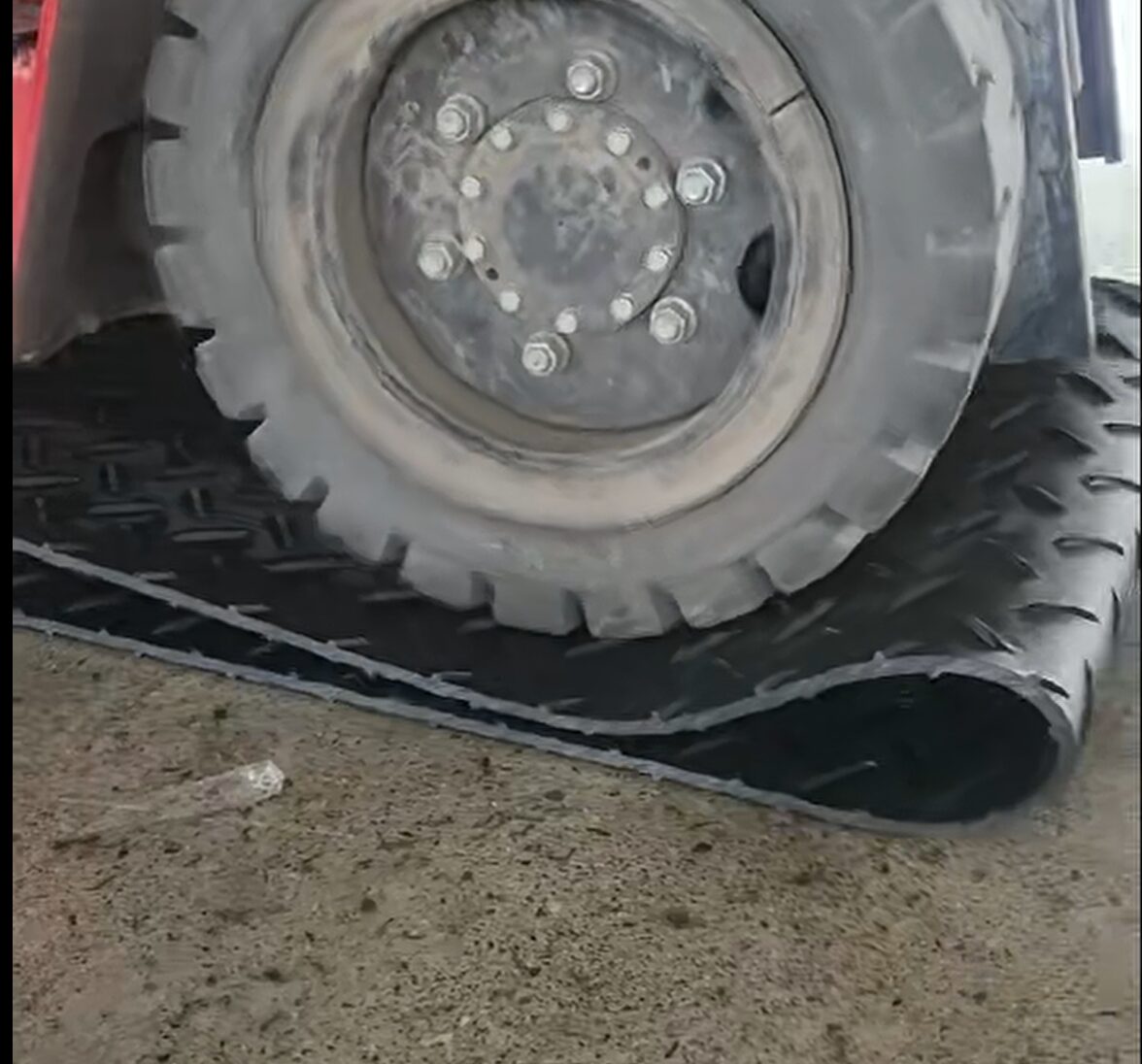
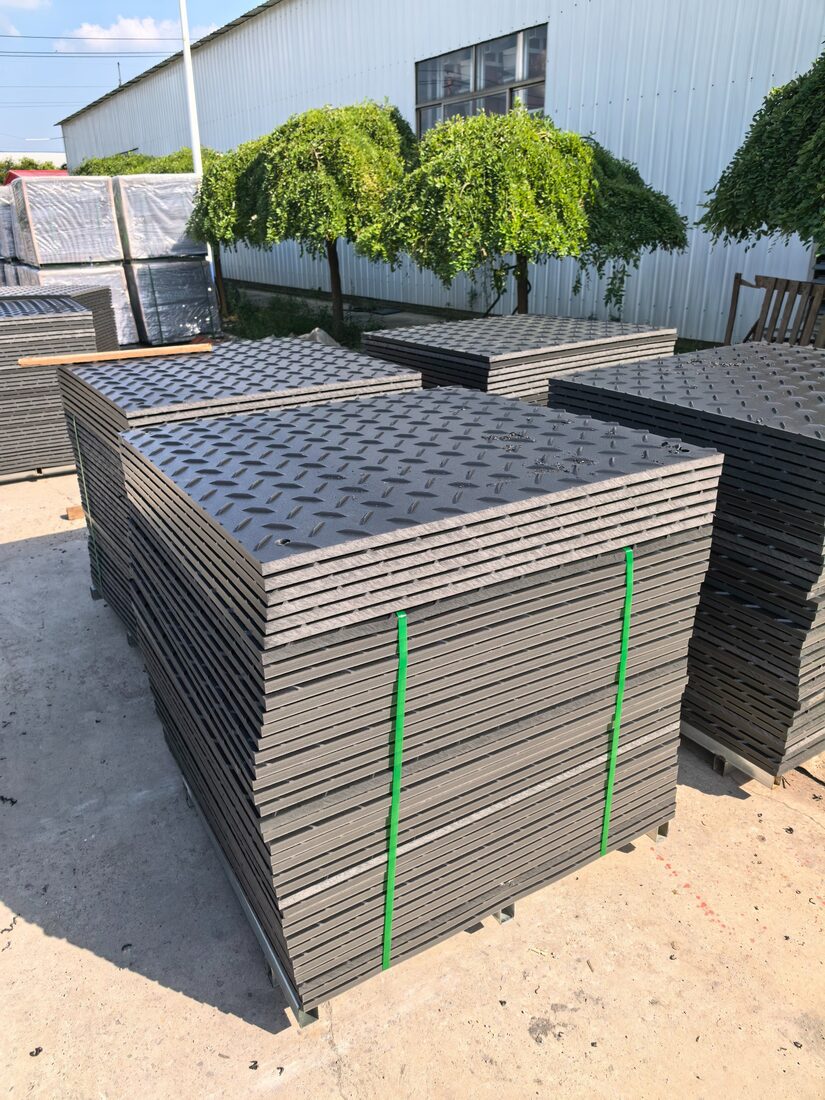
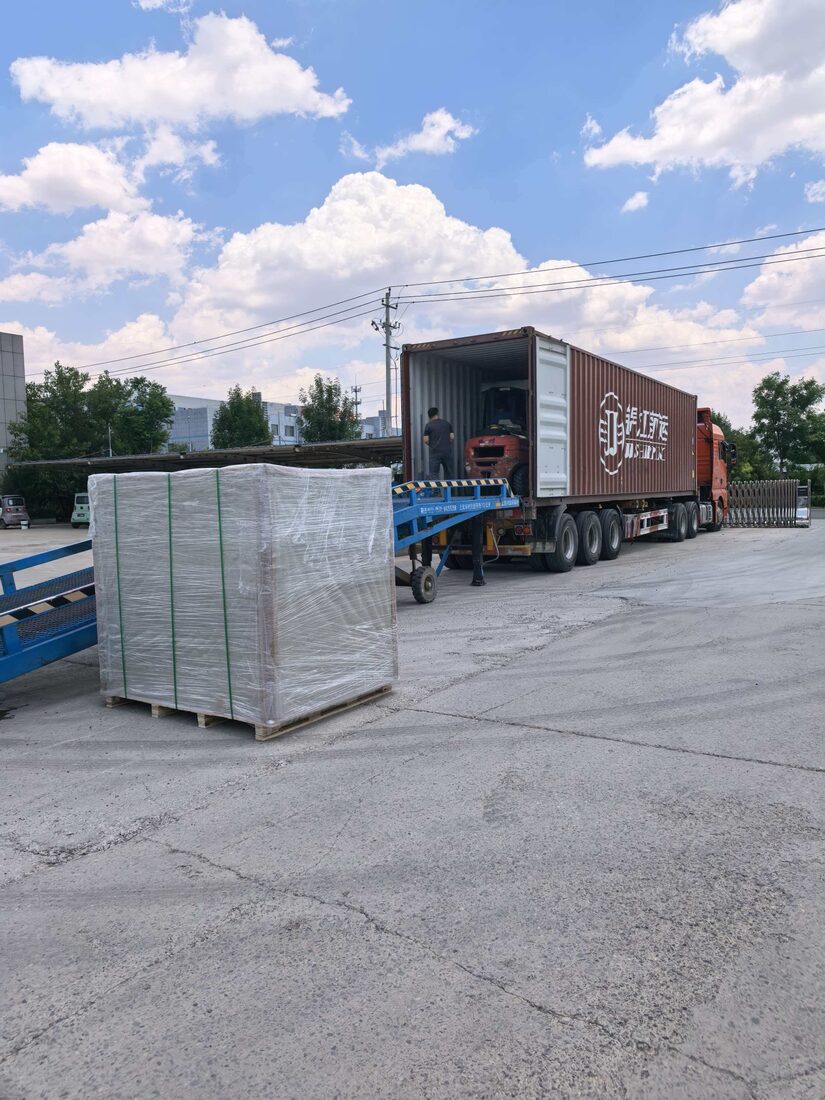
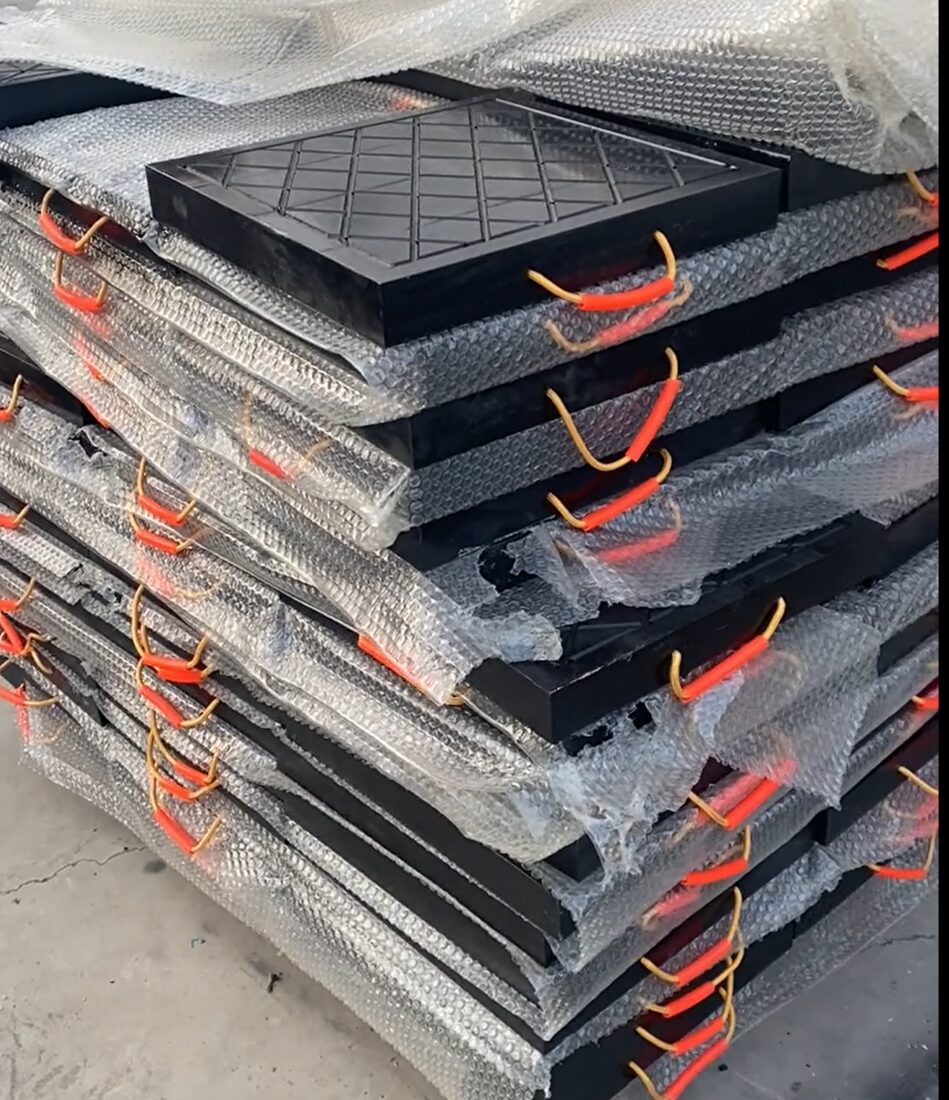
02Crane Outrigger Pads Processing and Inspection
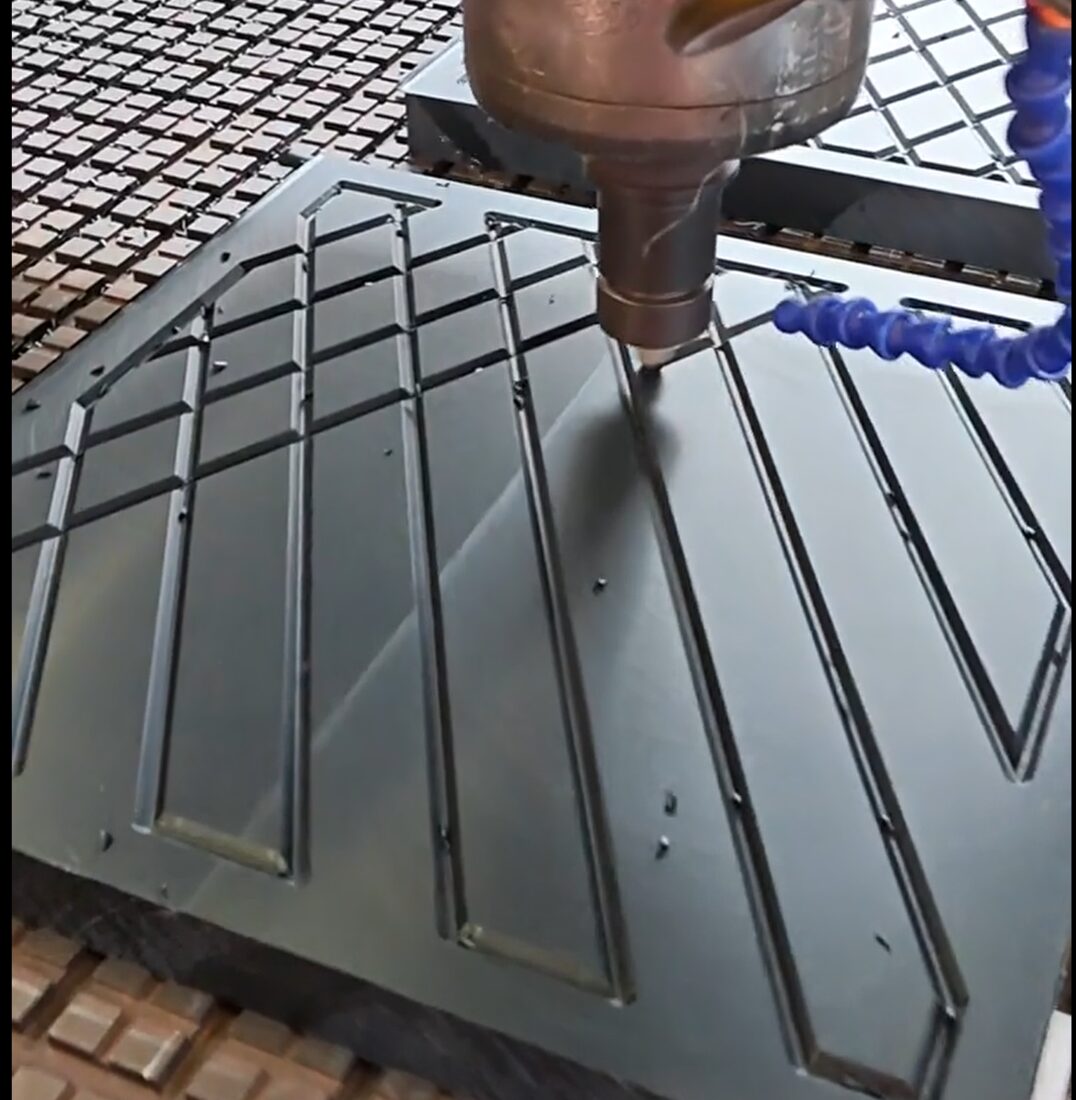
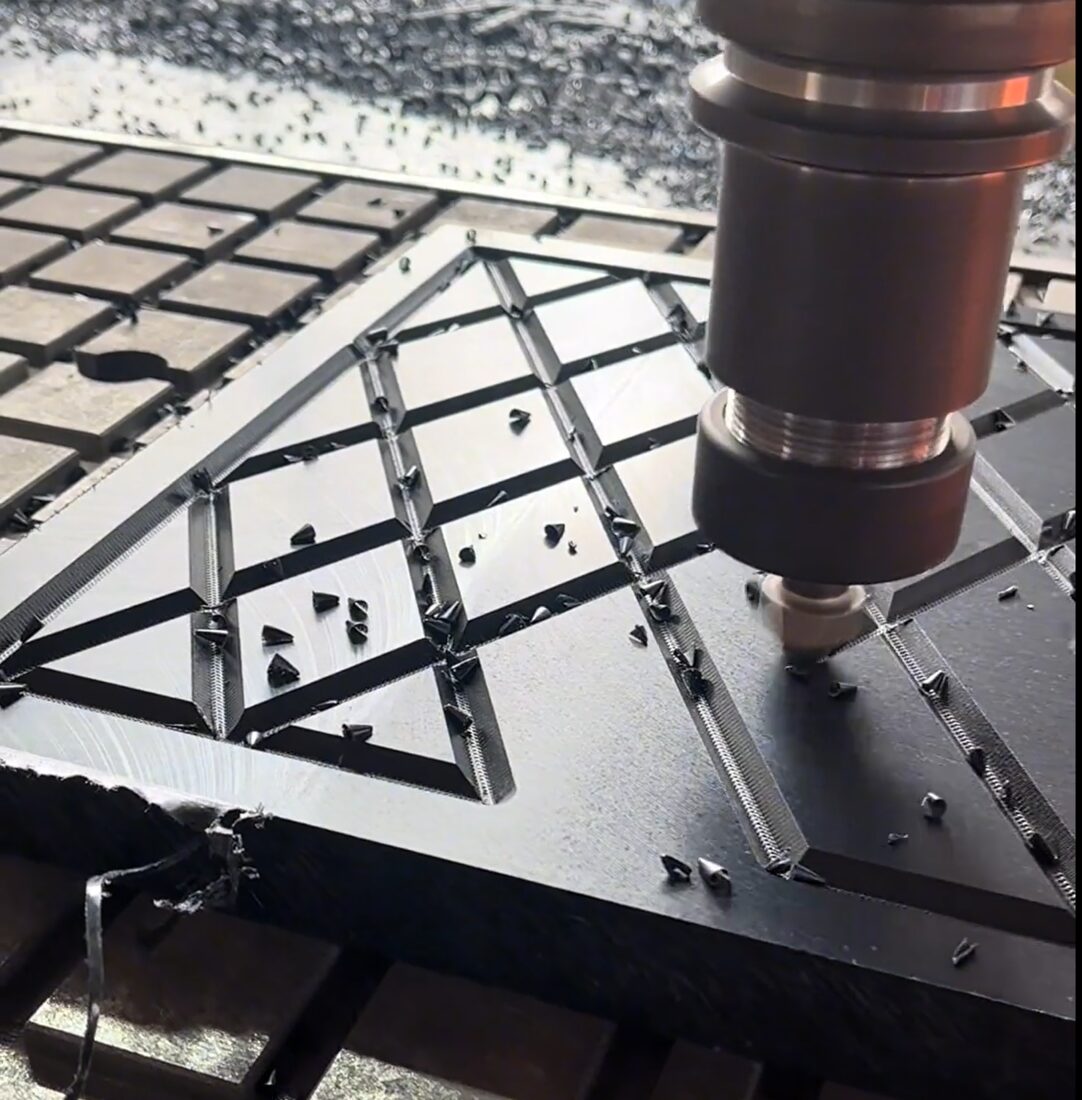
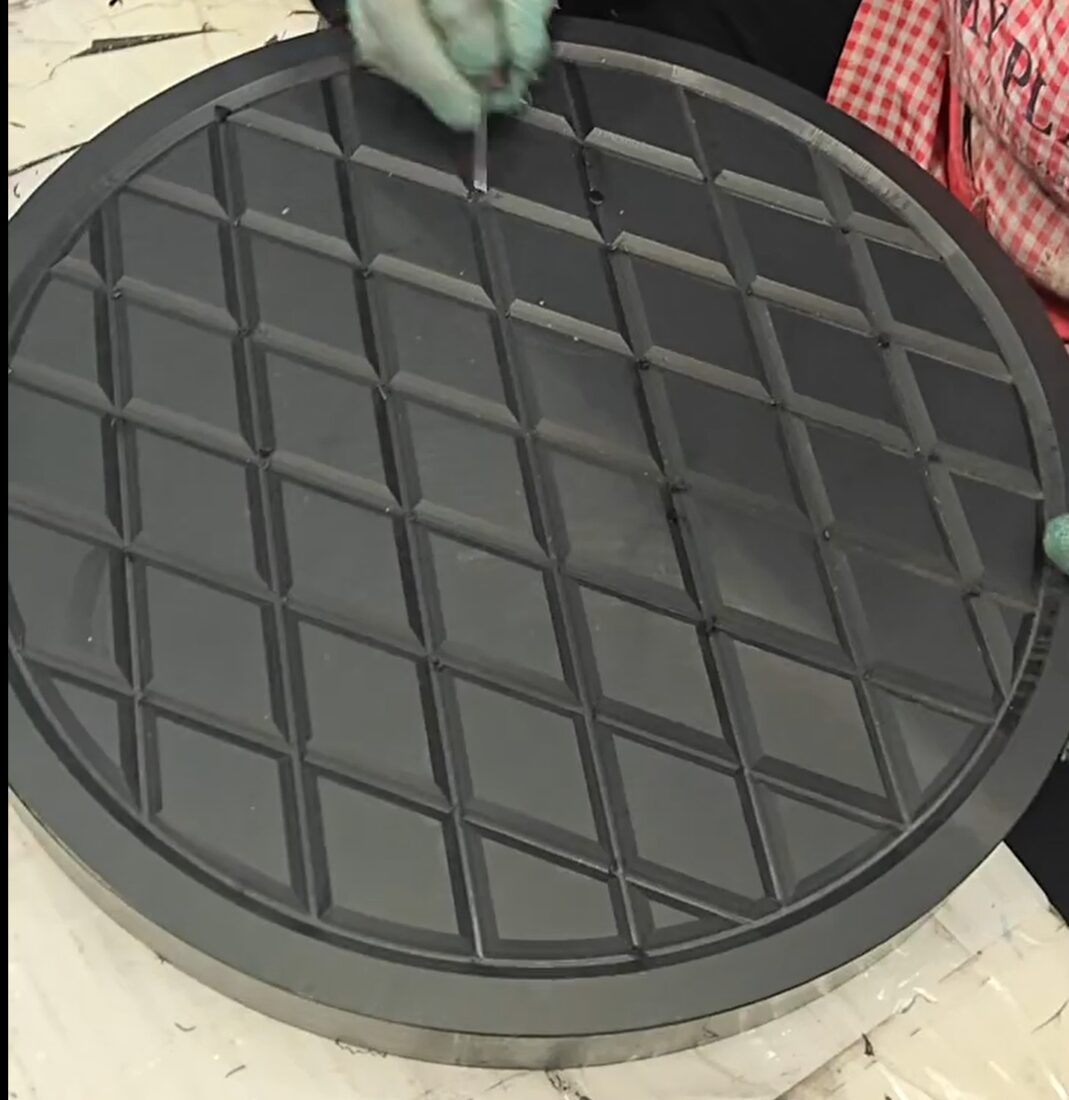
CNC processes, surface structural checks, attachment configurations and packagings showing circles, squares—Outrigger Pads.
Information proposed before request for quotations
The more complete the information, the easier it is to quickly determine the appropriate size, thickness, structure, quantity and customization.
- Type and weight of vehicle/equipment
- Ground type versus hardness
- Length, width and turn of route
- Projected number of acquisitions
- Port of destination/delivery area
Need for the Desert, Beach and Sand Project programme?
We continue to assess the actual conditions of work for the distribution of site photographs, equipment/vehicle parameters, application conditions, quantity and port of destination.
Industry application cases
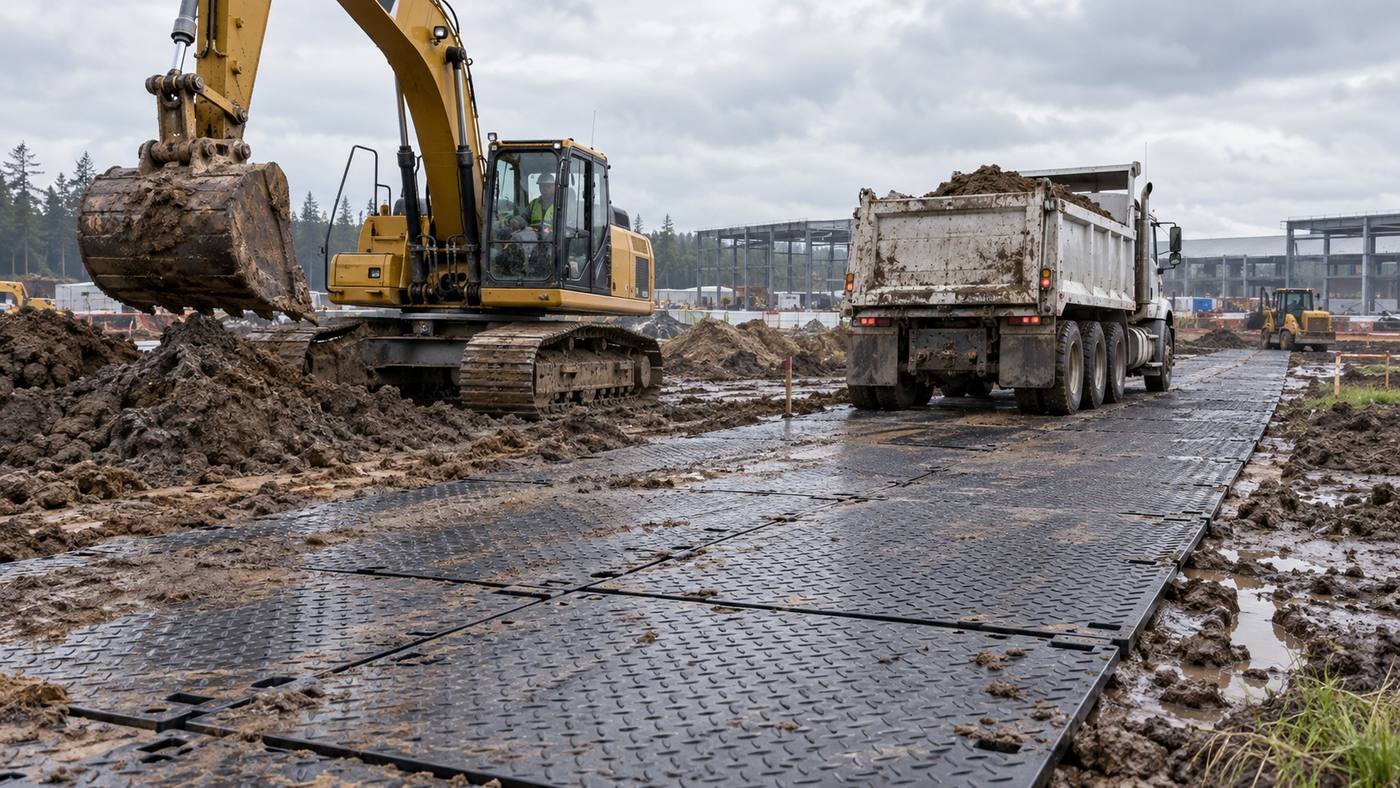
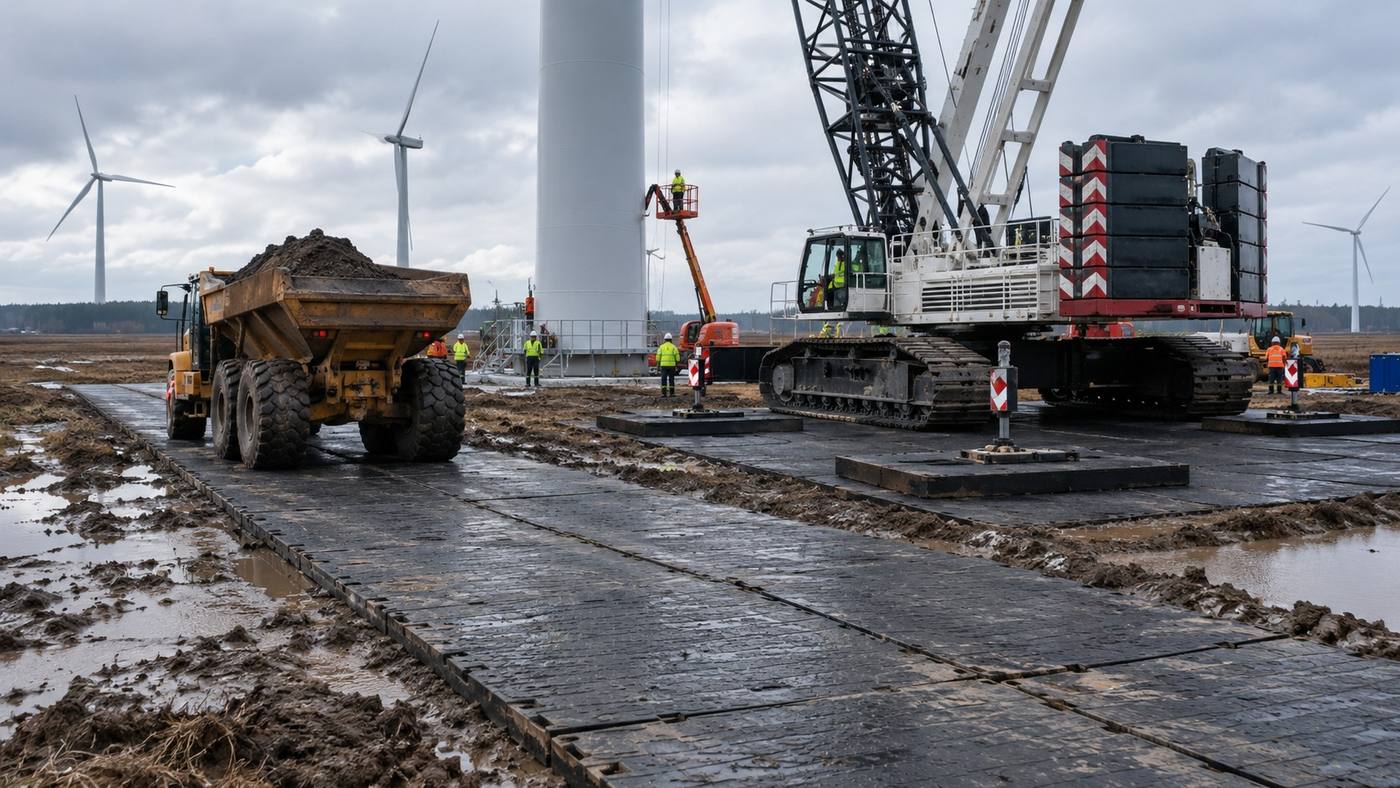
Browse the typical applications of Ground Protection Mats-, Dump Truck Bed Liners- and Outrigger Pads-- in different industries, click on pictures to enter the corresponding industry pages.
 Construction & Infrastructure
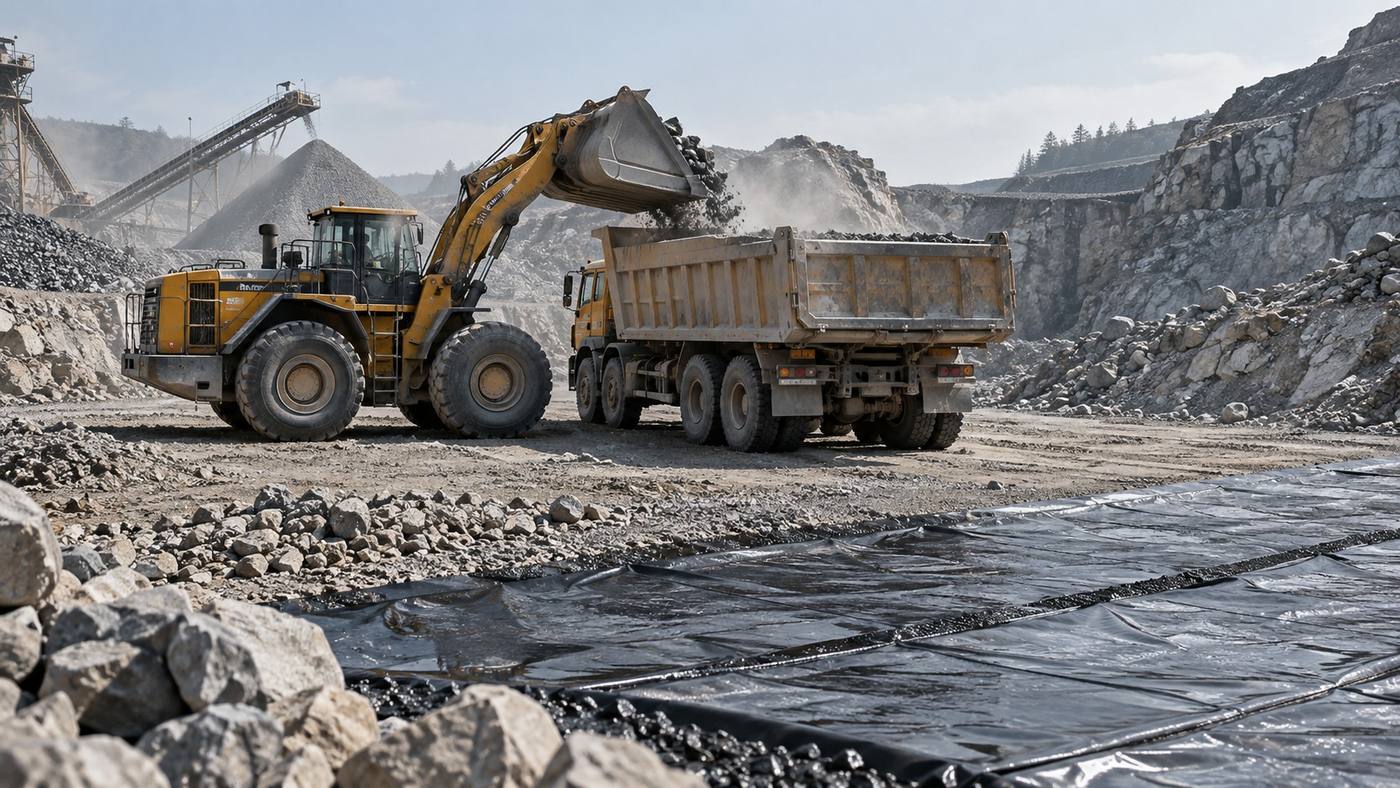 Mines, quarrying and drilling
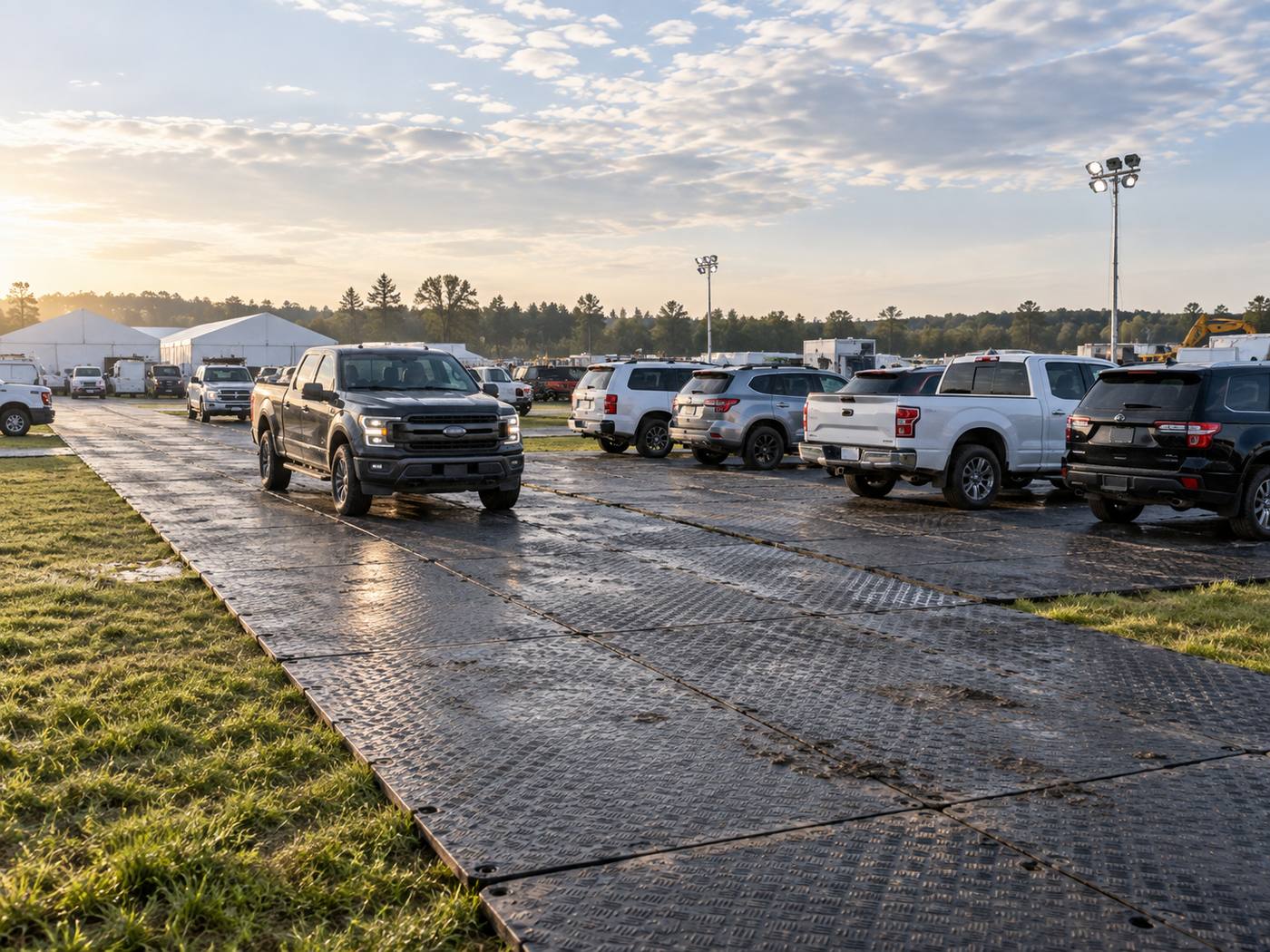 Agriculture, plantations and forestry
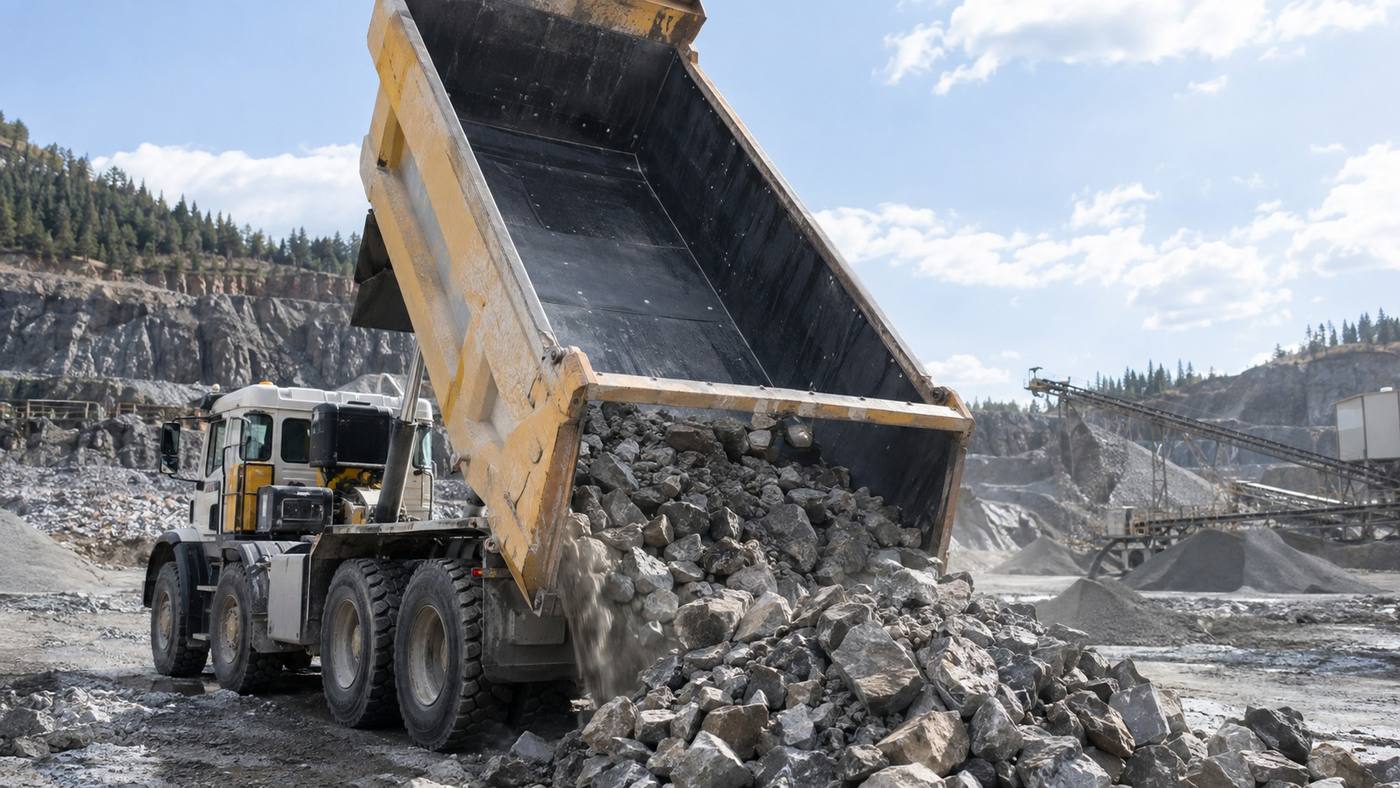 Transport fleet and self-loading vehicles
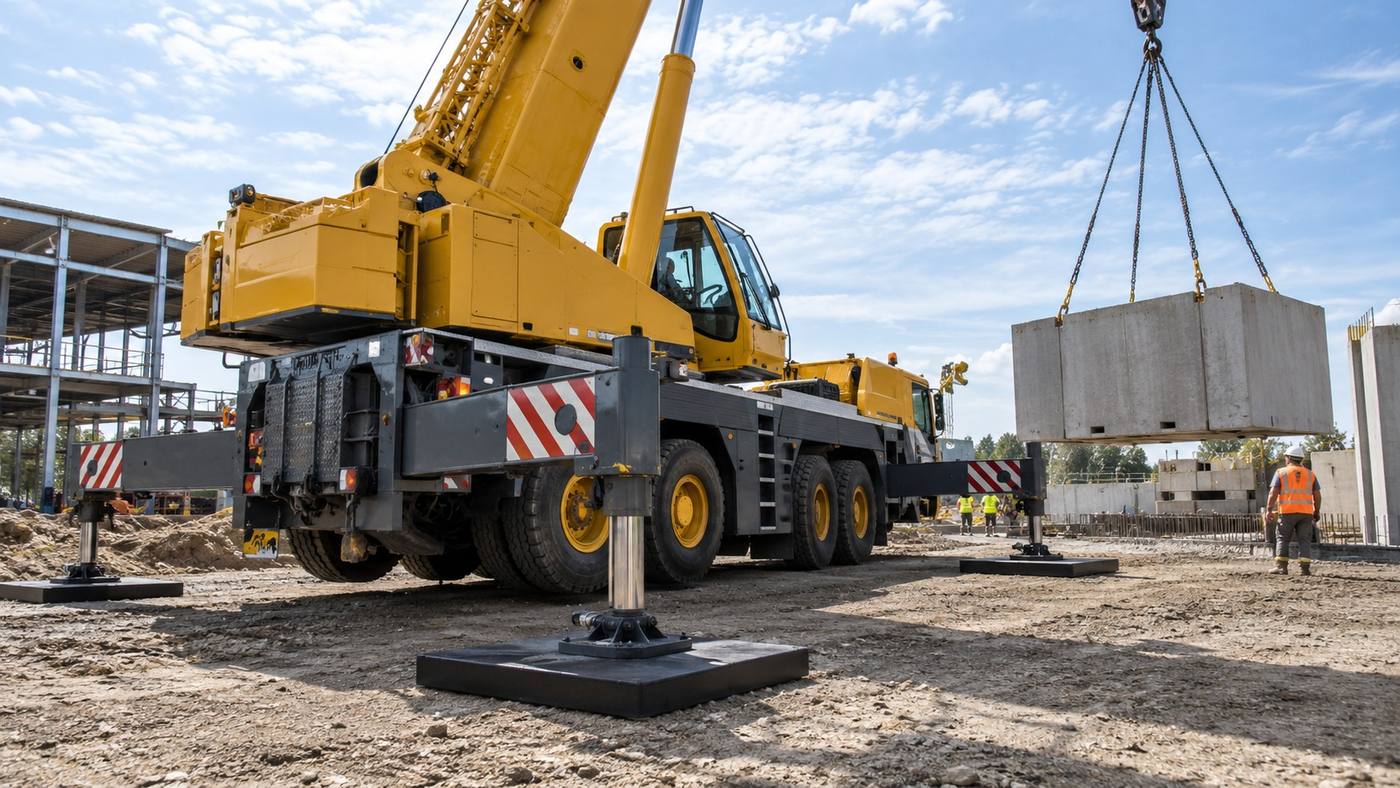 Lifting and lease of equipmentEnergy, electricity and new sources of energy
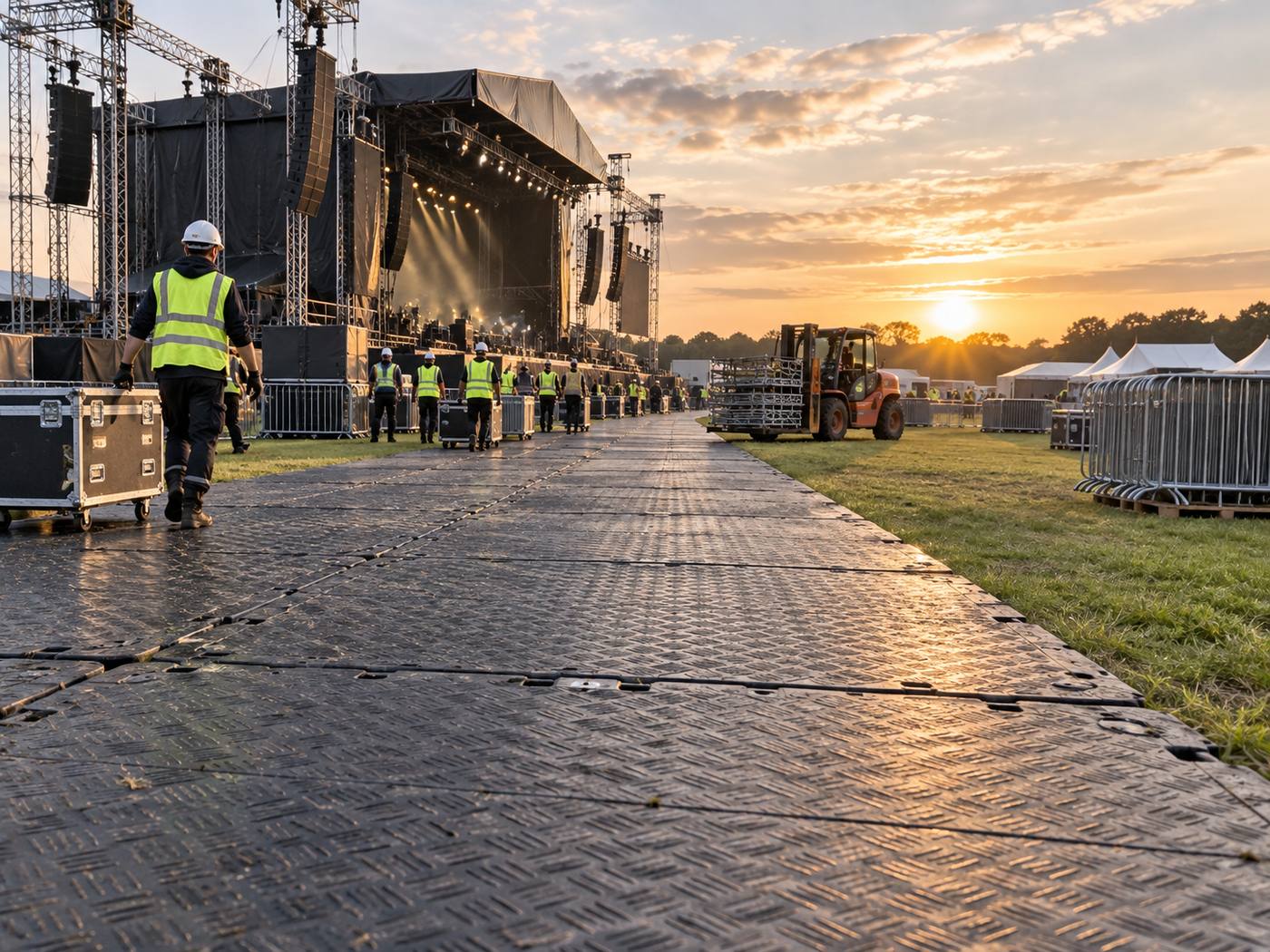 Events, performances and temporary venues
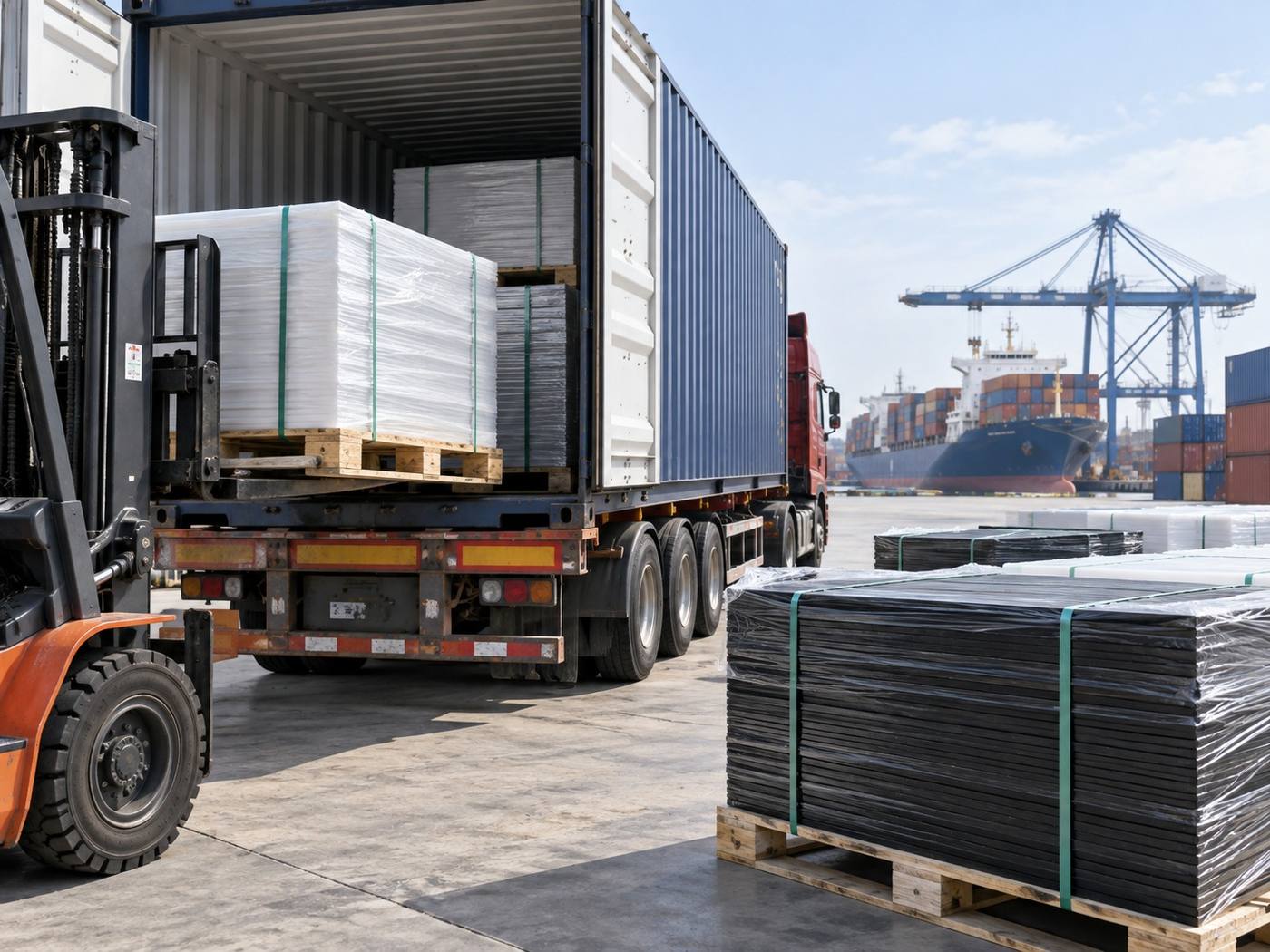 Ports, logistics and industrial sitesConstruction & InfrastructureMines, quarrying and drillingAgriculture, plantations and forestryTransport fleet and self-loading vehiclesLifting and lease of equipmentEnergy, electricity and new sources of energyEvents, performances and temporary venuesPorts, logistics and industrial sites