
The first step in the whole container procurement was not to ask “how much per block”, but to clarify product specifications, project terms and trade information. The planks require sizes, thickness, texture, colours, connectors and number of roads; the leg pads require maximum retroactivity of the leg, shape, thickness, torque and handle; and the liners require material, thickness, plate size, vehicle drawings and scope of installation. Where specifications have not yet been determined, equipment and field data should be submitted first, so that the supplier can present the recommended options and options separately.
Quantities distinguish between project needs and container optimization. The purchaser may give a net demand for the specifications, the back-up ratio and whether or not to allow the mixing, and the supplier calculates the total number of cabinets based on block weight, packaging and container limits. Large but light-weight pavements may first be subject to space restrictions, and heavy leg pads or linings may first reach the weight limit; different countries and routes may also have different container limits. The cabinet list should include trays, bundles, connectors and spare parts, and not just the total number.
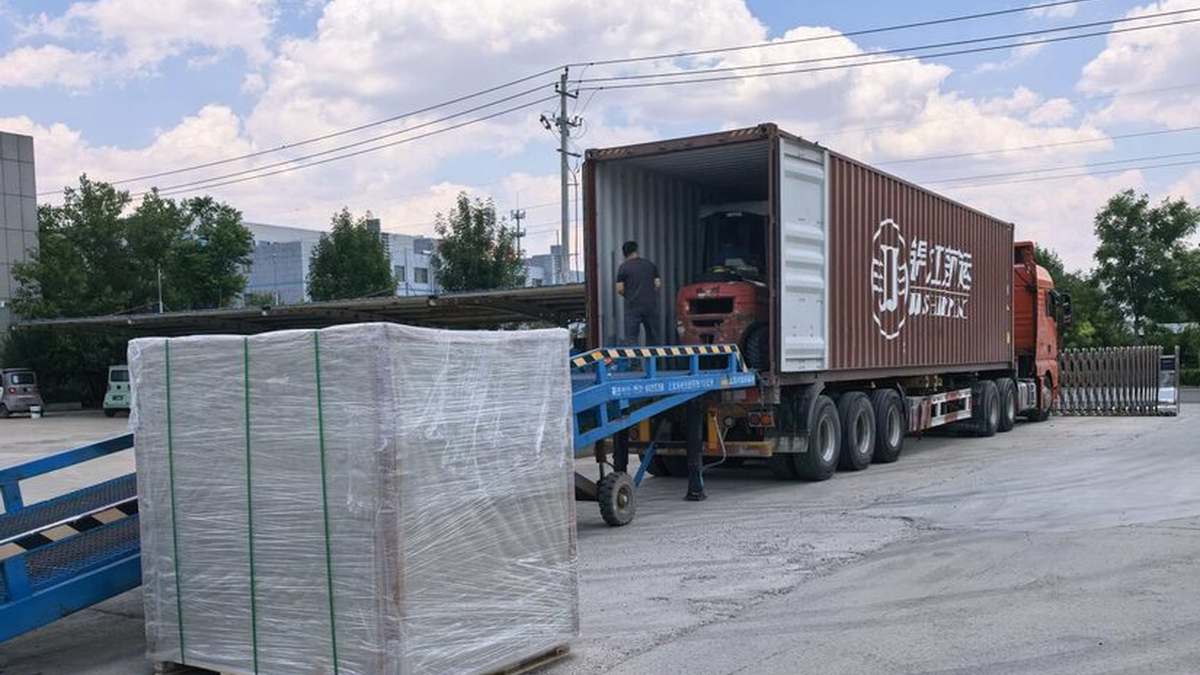
Photo taken on the official web site: paved board pack and bulk delivery
The full offer should identify trade terms and designated locations, such as EXW, FOB or CIF ports, and whether the costs of products, moulds, packaging, inland transport and sea transport are included. The validity of the offer, the manner of payment, the production cycle, the port of shipment, the port of destination, the projected container type, gross weight, volume and documentation requirements are also to be confirmed. If the purchaser needs a certificate of origin, a declaration of fumigation or non-wood packaging, a specific label and a third party inspection, it should be submitted before the next order to avoid temporary modifications upon completion of the goods.
Packaging shall match the conditions for discharge. If the destination is only forklift, the size of the tray, the forkhole and the weight of the individual package should be confirmed; if a crane is used, a safe suspension programme is required. The edges of the sheeting, the holes and the surfacelines shall be protected during transport, and the binding shall not cause long-term local deformation. The cabinet can be preceded by a request for packing photographs, drafts of the list and a cabinet plan, after which the cabinet number, seals, gross weight and key process photographs will be kept for easy check-in.
The products in this category are supplied in bulk and not retail. In order to obtain an enforceable offer, submit the company ' s identity with the buyer, the application industry, the product specifications or field data, the quantity of the specifications, the port of destination, the expected time of arrival, the packing and documentation requirements, and the need for the OEM identification. Upon receipt of the quotation, the supplier should be compared with the same specification, the same trade clause and the same packing range, rather than a single unit price without freight or spare parts. Final orders are based on confirmation of drawings, form invoices and mutually agreed tests.
Need for further evaluation of the actual project?
Applications, sizes, quantities, site photographs or drawings and delivery destinations are sent, on which we can identify more suitable products and processing programmes.







