
The panel is not a generic interior for the “car type” only. The same model may have different internal dimensions as a result of car manufacturers, years, maintenance and higher modifications, and old cars may also have bottom bends, welding and local grinding. A minimum of vehicle brand and model, car manufacturer, internal length and width, back and forth altitude, side wall angle, bottom and side wall transition radius, tail door structure, lift angle and available fixed position are required prior to design.
The measurement shall be based on the actual internal surface of the car and shall indicate the date and unit of measurement. In addition to the total size, the position of the reinforced band, welding, bolts, drainholes, hydraulic parts, tail door locks and any lifting barrier is recorded. It is proposed to provide a full view and details with a ruler, with complex cars that can produce 2D maps, 3D scans or cardboard templates. Multiple measurements on both the right and the right sides and back show that the carriages are not fully square, avoiding a large number of cuttings when the liners arrive.
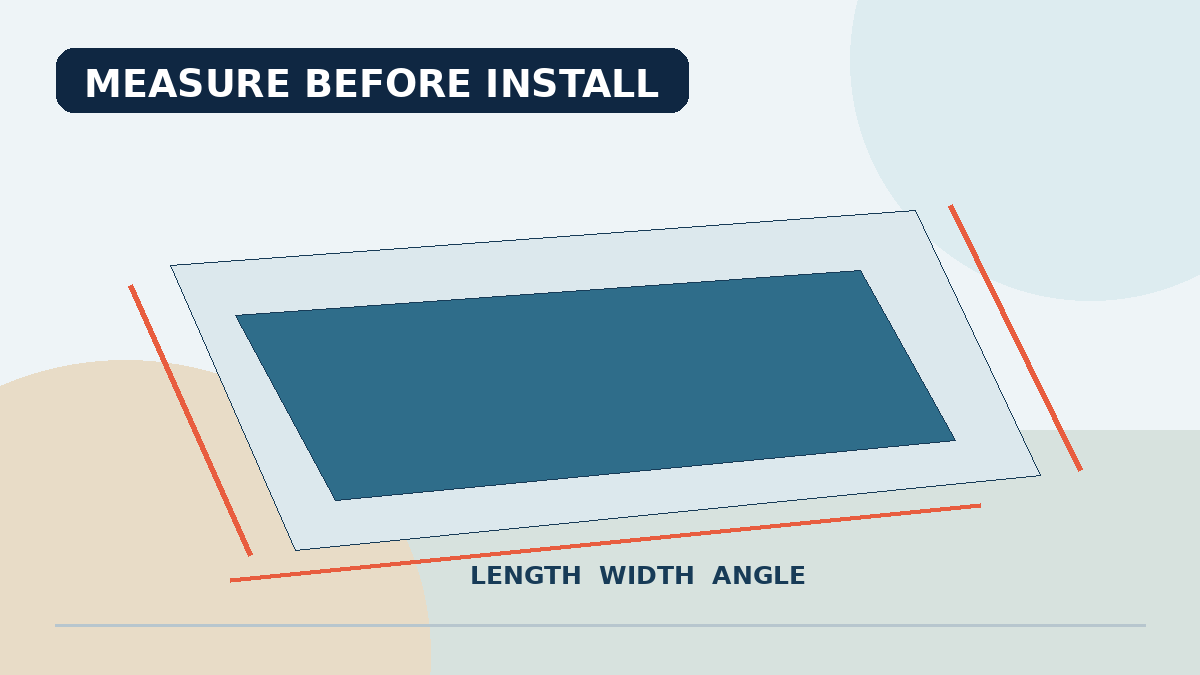
Map showing the internal dimensions, angles and structure of the self- discharge vehicle
Work situational data also determine the programme. The transport material, particle size, temperature, water content rate, weight per vehicle, daily cycle, load deviations and current problems should be indicated, whether viscous, worn, corrosive or multiple. The State in which the vehicle is located shall also be informed of the weight limit, the intended payload, the minimum and maximum temperature of the environment, the cleaning agent and whether food or other compliance levels are required. Without this information, the material and thickness recommendations can only be a preliminary estimate.
The conditions for installation included the availability of lifting, drilling, welding, barging and skilled personnel at the site, the duration of stoppage of the vehicle and the provision of precuts, kits or on-site services by the supplier. Fixed systems need to allow thermal expansion and cooling and avoid critical structures; tight head and seams should be in the direction of unloaded material. Prior to installation, sharp welding tumors, loose steel plates and severe deformation should be repaired, and the unsolved car structure problems cannot be covered with a lining.
Upon completion of the information, the supplier should return the numbered layout, panel list, size difference, stationary location, installation sequence and acceptance criteria. The purchaser signs to confirm the drawings prior to production and maintains a record of the version. Following the completion of the installation, empty vehicles were used to check tail doors, lifts and interferences, and then to unload the material through gradual loading tests. Making measurements and confirmations ahead usually saves more time and controls safety and quality than repeated cuttings after arrival.
Need for further evaluation of the actual project?
Applications, sizes, quantities, site photographs or drawings and delivery destinations are sent, on which we can identify more suitable products and processing programmes.







