
In response to frequently asked questions, the site should first identify the target of access: whether it is a continuous transport, a short-term suspension or a temporary stop during peak periods. Forklifts, tractors, distribution trucks, forklifts with scalding arms and forklifts and cleaning and maintenance vehicles are involved in warehouse swing areas, internal roads and open dumps at industrial parks, while control is required for narrow routes, multiple turnovers and mixed man-to-man carriages, shift of sides, detours and sight masks. When targets, vehicles and vulnerable locations are matched, the scope is not too large or missing key points; the practical implementation principle is that most of the problems are concentrated on inadequate drainage, discontinuity at the grass-roots level, loose connectivity, vaccinating edges and misdirection.
In order to determine whether common problems could be implemented, a spot should be set up, rather than just a few photographs. In particular, the mixed surfaces in the humid salt fog environment of the port area will be reviewed, as the drying of the surface does not represent a continuous carrying of the lower part. The project information should also include the maximum daily traffic, the length of vehicle stay, the direction of handling and the drainage route during the wet salt fog. For troughs, inspection wells and underground facilities, the prohibited support or need to be reinforced should be indicated in the road map.
Road-paving boards are responsible for spreading wheel pressure and leg mats for expanding static support areas, which cannot be replaced by one another. For this scenario, the pavement will allow for a clear separation of the temporary driveway from the area of operations, and the leg pads will stabilize the support point for the lift and maintenance equipment. 30 mm could be included as an option and compared with other thickness, subject to the simultaneous validation of plate sizes, connection structures, grass-roots stratification and number of passages. The labelling of 160 to 200 tons of products does not mean that all the same vehicles are available on the ground, and ground conditions remain the determining factor.
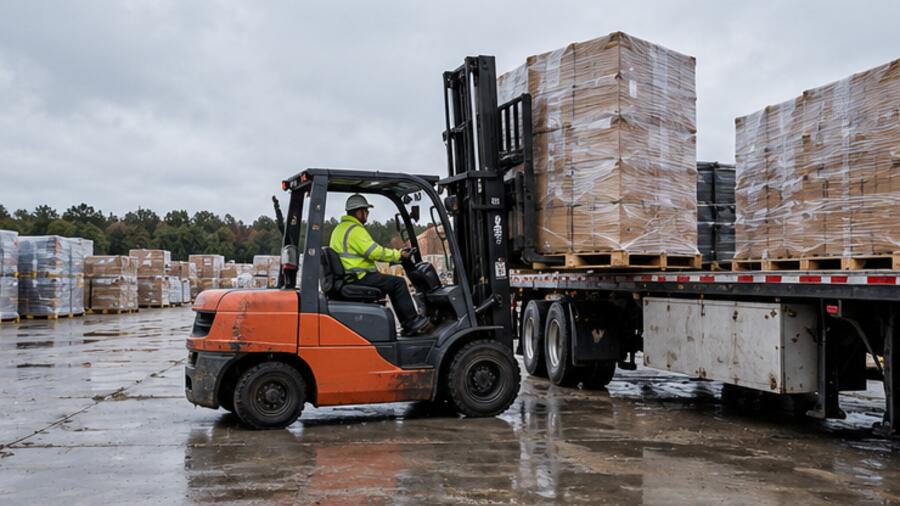
Pre-installation to remove sharp waste, loose rock and mobile mud, and to purge and level the ground. The plates were set up in the main direction and were sewd to avoid the deep path and to check the wells and legs. The turn and reverse areas are to be slightly wider and the connectors are to be locked as required. The site should also implement “the identification of people's accesses with a clear target” and include this requirement at the end of the class and in the traffic organization chart.
Operating records include at least open hours, traffic through vehicles, unusual locations and disposal results. The first group of vehicles shall travel at a low speed to observe whether the plates are moving with the tyres; the second class shall then adjust the speed limits and frequency of the inspection to the records. Forklifts with frequent and rapid turnovers should check for surface wear and, if the crane changes the condition, re-check the retroactivity of the leg. Once maintenance is completed, access will be restored to the designated person.
A reference scenario is a warehouse site retrofit project that requires the maintenance of routine deliveries and deliveries. During the maintenance and repair phase, the project will make short-term trial preparation to record the relocation and deposition of the first vehicle and then gradually extend the route. The turn areas, parking areas and pick-up points are inspected separately and no result is used to replace the full condition. This is an example of a methodology rather than a statement of performance, and the intended management effect is to enable the receiving and inspection records to correspond to the site photographs and location maps; after completion, a comparison is also required between the original ground photographs, cleaning hours and the number of plates that can continue to be used.
If the transport chain contains coal, ore, wet soil or food, self-release efficiency may be assessed as an independent subject. Car skateboards help to reduce the adhesiveness of certain materials, but prior to installation, the lining thickness, scalables, bolts or presses and tail door motion space should be confirmed. If there is no need for bulk discharges, there is no need to add the subparagraph; the procurement programme should be consistent with the use.
In addition to the total area, the request shall provide information on indoor and external temperature and chemical contamination, as well as information on the country, duration, conditions of handling, packing and port of destination. Compared suppliers can check the documentation, size difference, surface routing, connector, piece weight, effective area coverage, cabinet list and batch retroactive. The whole container shall be purchased in advance to confirm the discharge equipment. The final programme, which involves the safety of the ground, assembly or operation of the airport, must be approved by the project professional.
Need for further evaluation of the actual project?
Applications, sizes, quantities, site photographs or drawings and delivery destinations are sent, on which we can identify more suitable products and processing programmes.







