
In the event of a recovery from rain, the site should first determine whether the target is a continuous transport, a short-term suspension or a temporary stop during peak periods. Short-term construction of port repairs, logistics peaks, airport maintenance windows and industrial sites involves the installation of recovery equipment for transport trucks, forklifts, engineering vehicles and plates, while when the work is done, with little drainage, smoothing, connection and inspection, the passageway will result in a faulty or shifting of stations after the first heavy vehicle has passed. When targets, vehicles and vulnerable locations are matched, the scope is not too large or missing critical points; the practical implementation principle is first to drain and close the softest sections of the road, pending continuous support at the grass-roots level.
The project team could complete a joint pedal survey before the vehicle enters the field, focusing on restricted load belts, drainage lows, ramps and available car space above the ditch. The retroactivity of the legs of the vehicle ' s axial load, the exterior dimensions, the minimum convective radius and the equipment for the suspension was then collected. Continuous rainfall may change the state of the grass-roots level, so measurements need to be date- and weather-specific. All parameters should be consolidated in the same version of the road map and equipment list.
Material parameters should serve the field rather than be propaganda figures. The HDPE pavement with access holes and smooth-lined roads is suitable for modularization and can be moved to the next item after cleaning. The project allows for the comparison of 20 mm and the adjacent specification of the single mass, rigidity, laying efficiency and number of containers, as well as for the reconciliation of the links to the surface. Between 80 and 120 tonnes are only primary sifts; ground-based and support designs should be completed when underground holes, weak shoulder or suspension loads are overloaded.
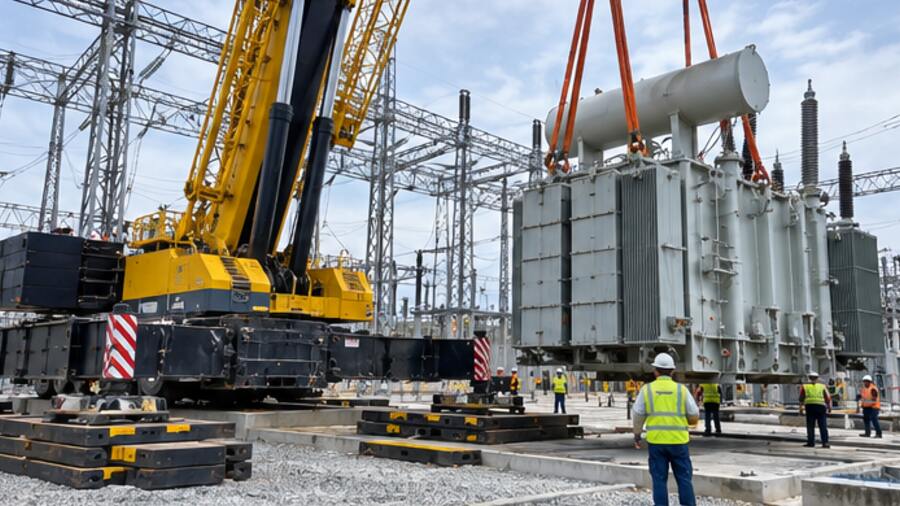
The fast-track installation still requires the retention of basic processes: drainage, debarment, peace-building, positioning, connection and trial passage. The plates remain continuous in line segments, leaving sufficient width at the intersections and outside areas; and they are to be removed from the rigid surface interface. The project owner shall arrange for “the location of each plate to be marked with a numbering chart” and shall specify the conditions for decommissioning in order to prevent unusual leave to the next group during rush hours.
Maintenance staff can divide the straight-line, turn-out, waiting areas and support points into different levels of inspection. The straight-line sections focus on the sutures and the tracks, turn around and look for lateral shifts, wait areas to see long-term static sinking, and support points to check whether the pads and the ground are sunk. Shorter check intervals after rain or when the traffic suddenly increases; any plate-side rise, loose connection or grass-roots plasma should trigger decommissioning.
In the case of a temporary route mission requiring that the site be laid on the same day and evacuated immediately after completion of operations, the site could be divided into five areas during the installation phase of the equipment, straight, turning, operating and recycling. The entry point is responsible for vehicle reconciliation, maintaining continuous coverage of the straight-line segment, increasing the outer width of the turn-band, separate validation of the operating segment and completion of clean bundles in the recovery area. This simulation programme is used to illustrate the methodology and is not a client-specific performance; it can help the project team to recycle the panels to the next stage and keep a record of the number of maintenances and the length of breaks.
In the integrated site, different problems were solved by the pavement, leg mats and carboards. Vehicle traffic is supported by a continuous focus on the maximum retroactivity of the leg and the friction and adhesion of material from the surface of the vehicle. If MHMWPE skateboards are used, thermal stretches should be set aside and fixed systems checked; if relevant material is not available at the site, they should be removed from the list and the investment targeted.
The demand for quotations must be based on the projected number of trips per day and the number of days spent, otherwise it is likely that the different vendors will calculate on different assumptions. The procurement staff shall also require the description of the effective size, weight, number of attachments, packing units, container load and delivery cycle of each plate. The evaluation will be based on technical conformity, installation efficiency and turnover. Where key payloads or ground data have not been confirmed, the quotations should be marked as preliminary and the review retained.
Need for further evaluation of the actual project?
Applications, sizes, quantities, site photographs or drawings and delivery destinations are sent, on which we can identify more suitable products and processing programmes.







