
In equipment relocation workshops, production line retrofitting areas and factory entrances, the cost of repairs directly affects the ability of vehicles to access the operational surface as planned. Forklifts, trajectories, hydraulic modular vehicles, equipment loaders and small cranes, which are common in the field, have different dynamic voltage, stationary deformation and power. Wheel pressure, metal belts, fallers and in-situ shifts may cause injury to coats, crush stitches or leave permanent marks in vulnerable areas. The programme should, therefore, first target routes and time windows that must be kept open, before arranging for materials and personnel to avoid temporary changes in rules of passage on the construction side.
The project team could complete a joint pedal before the vehicle enters the site, focusing on areas within the airport perimeter that are sensitive to the soil, low drainage points, ramps and available car space. The retroactivity of the legs of the vehicle ' s axial load, the exterior dimensions, the minimum convective radius and the equipment for the suspension was then collected. Short and heavy rainfall can change the state of the grass-roots level, so measurements need to be date- and weather-specific. All parameters should be consolidated in the same version of the road map and equipment list.
Road-paving boards are responsible for spreading wheel pressure and leg mats for expanding static support areas, which cannot be replaced by one another. For this scenario, a properly paved pavement with a lined surface can isolate the tyre from the floor and the crane or equipment should use the calculated leg pad below the jack. 15 mm could be included as an option and compared with other thickness, provided that the size of the plate, the connection structure, the base level and the number of passages were verified. The labelling of 160 to 200 tons of products does not mean that all the same vehicles are available on the ground, and ground conditions remain the determining factor.
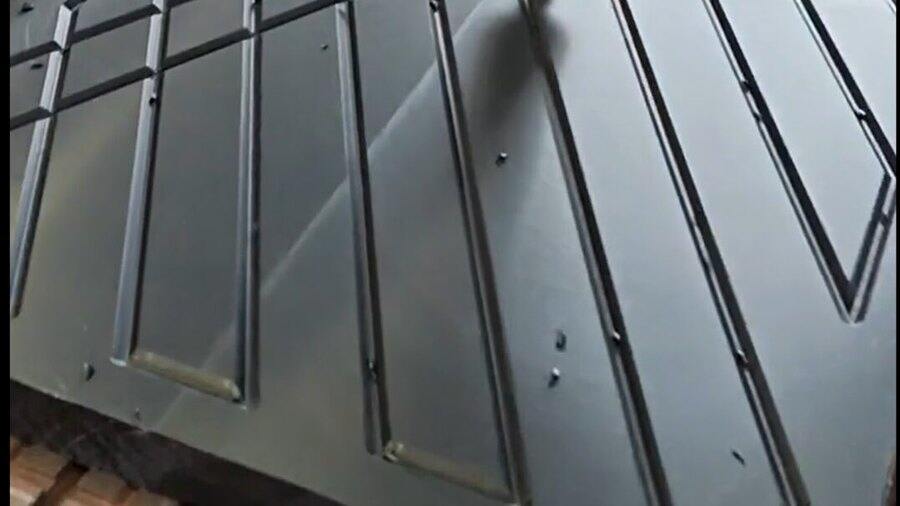
The fast-track installation still requires the retention of basic processes: drainage, debarment, peace-building, positioning, connection and trial passage. The plates remain continuous in line segments, leaving sufficient width at the intersections and outside areas; and they are to be removed from the rigid surface interface. Project leaders should arrange for “the installation of portable lighting for night shift teams”, while specifying the conditions for decommissioning and preventing unusual leave to the next group during rush hours.
Temporary roads cannot be paved for long. Vehicle brakes, loading overloading and water stowing can gradually change the support under the plate, and surfaces may appear flat and may have created gaps. The site should be inspected before and after peak traffic, after short and heavy rainfall and when the route changes. In the event of a sinking, the ground and drainage should be checked before deciding whether to change or replace the panels, so as to avoid covering up the problem by filling the panels.
Assuming that an equipment relocation route through the normal production area is subject to an increase in traffic during the pre-entry phase, managers can first freeze the change of route and then divide the problems into four categories: ground, plates, vehicles and movement control. Weak positions are reinforced, damage plates are replaced, vehicles are limited in speed, and one-way access is introduced for peak hours. The example does not correspond to the true customer, but shows how the shoulder of the original repeater is integrated into the continuous coverage and how the on-site judgement can be converted into the next reusable list of items.
Auxiliary equipment also affects the overall programme. A leg pad is required to accompany a vehicle, a forklift is required to focus on tyre contact, and a bulk vehicle may require a slab. The suitability of the UHMWPE liner depends on the work temperature, the chemical environment, the material impact and the car structure, and the manufacturer provides the installation requirements. Each product should be matched to specific equipment in the project form to avoid the use of the same parameter across uses.
The procurement list should provide suppliers with a real picture of the work, in which the means of connection and the need for a tool to be laid are data that need to be added to this section. The remaining information includes vehicle and leg loads, ground photographs and sizes, projected number of vehicles, number of days of use, colour trails, destination port and desired period. A comparison of the quotations should be converted to a valid area coverage and complete connection system and not only a single block price; the acceptance and inspection criteria should also be included in the document before the next list.
Need for further evaluation of the actual project?
Applications, sizes, quantities, site photographs or drawings and delivery destinations are sent, on which we can identify more suitable products and processing programmes.







