
The answer to the configuration of the floor protection back-up pavements in the plant workshop should start with the course of operation and not with a fixed specification. The back-up should be in the vicinity of the weak segment, the turning area and the recovery point, and a fast-tracked connection should be reserved. Equipment relocation workshops, production line retrofitting areas and factory entrances are usually accompanied by forklifts, trajectories, hydraulic modular vehicles, equipment loaders and small cranes, with different pressures on tyres, axles and shifts. Wheel pressure, metal belts, fallers and in-situ shifts may cause injury to coats, crush stitches or leave permanent marks in vulnerable areas. The project team shall first delineate the main corridor, the waiting areas, the loading and unloading points and the emergency export, and then the boundary shall be confirmed jointly by the construction, logistics and security authorities.
The survey forms can be completed by the four columns of ground, equipment, route and time. The surface column shows loose grass-roots and adjacent drainage points following the winter freeze; the equipment column lists vehicle weight, cargo weight, number of axes and tyre specifications; the route column takes a net width, slope and turn radius; and the time bar indicates cryogenic freezing and shift arrangements. If a crane is present, it should be based on the retroactivity of the leg in the manufacturer ' s worksheet, and it cannot be rated as a ground load.
Road-paving boards are responsible for spreading wheel pressure and leg mats for expanding static support areas, which cannot be replaced by one another. For this scenario, a properly paved pavement with a lined surface can isolate the tyre from the floor and the crane or equipment should use the calculated leg pad below the jack. 15 mm could be included as an option and compared with other thickness, provided that the size of the plate, the connection structure, the base level and the number of passages were verified. The labelling of 160 to 200 tons of products does not mean that all the same vehicles are available on the ground, and ground conditions remain the determining factor.
The sequence of laying would allow for the advance from the stable entrance to the area of operations. First, water and high differentials are processed, then the first plate is located; the subsequent plate is consistent in the direction of the texture and check if the seams form the steps. The ramp, turn and brake points shall increase the horizontal constraints or the width of the coverage. For this item, “Adjusting the route ahead of schedule in accordance with weather forecasts” could be a key action, with a dedicated record of the time of completion and the results of the review.
Following the opening of access, the focus of the inspection was on the continued support under the plate. The first heavy vehicle passes by to check for high seams, peripheries, mudslides and planks; the shift is repeated after weather changes. The pressure of contact of the forklift ' s solid-heart wheel differs significantly from the concentrated static of the crane ' s legs, and anomalies should be detected first in isolation before being drained, evened or replaced, and the subsequent flow of the vehicle cannot continue to magnify the damage.
A reference scenario is a route for the relocation of equipment through normal production areas. During the maintenance and repair phase, the project will make short-term trial preparation to record the relocation and deposition of the first vehicle and then gradually extend the route. The turn areas, parking areas and pick-up points are inspected separately and no result is used to replace the full condition. This is an example of a method rather than a statement of performance, and the expected management effect is to reduce the probability of the floor being directly crushed by tires and legs; after completion, a comparison is also required between the original ground photographs, cleaning hours and the number of plates that can continue to be used.
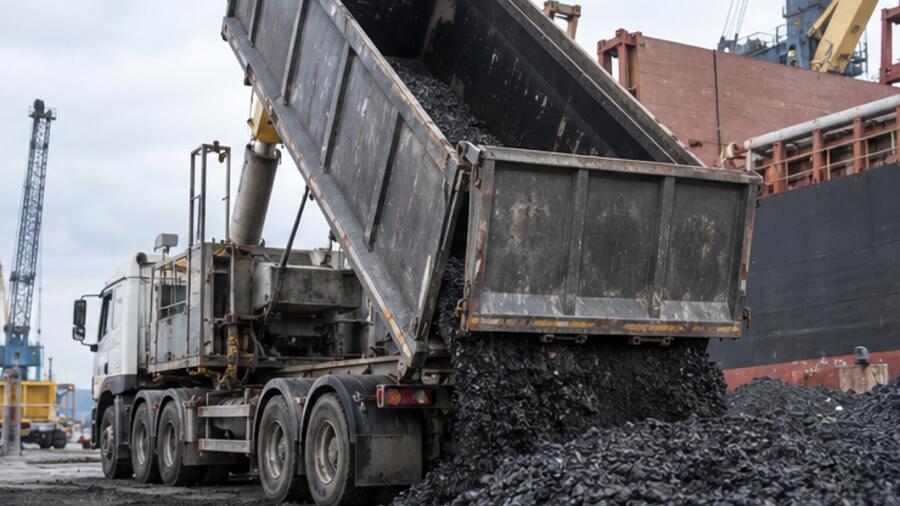
If the transport chain contains coal, ore, wet soil or food, self-release efficiency may be assessed as an independent subject. Car skateboards help to reduce the adhesiveness of certain materials, but prior to installation, the lining thickness, scalables, bolts or presses and tail door motion space should be confirmed. If there is no need for bulk discharges, there is no need to add the subparagraph; the procurement programme should be consistent with the use.
In addition to the total area, requests for quotations should include quality documentation, batch retroactive and acceptance methods, as well as a description of the country, the duration, the conditions of handling, the manner of packing and the port of destination. Compared suppliers can check the documentation, size difference, surface routing, connector, piece weight, effective area coverage, cabinet list and batch retroactive. The whole container shall be purchased in advance to confirm the discharge equipment. The final programme, which involves the safety of the ground, assembly or operation of the airport, must be approved by the project professional.
Need for further evaluation of the actual project?
Applications, sizes, quantities, site photographs or drawings and delivery destinations are sent, on which we can identify more suitable products and processing programmes.







