
In equipment relocation workshops, production line retrofitting areas and factory entrances and exits, the vendor has a more direct impact on the ability of the vehicle to access the site as planned. Forklifts, trajectories, hydraulic modular vehicles, equipment loaders and small cranes, which are common in the field, have different dynamic voltage, stationary deformation and power. Wheel pressure, metal belts, fallers and in-situ shifts may cause injury to coats, crush stitches or leave permanent marks in vulnerable areas. The programme should, therefore, first target routes and time windows that must be kept open, before arranging for materials and personnel to avoid temporary changes in rules of passage on the construction side.
On-site measurements cover soften shoulder near drains, recording weak ranges, slopes, drainage directions and underground pipes. Changes in the water-bearing state and the car tracks should be observed before and after short and heavy rainfall. Mobile equipment will need to provide the whole vehicle with its own weight, full load weight, a single axle load, tyre size, turn radius and projected duration; the crane will also need to provide the maximum reversibility of the leg and leg extension. Data sources and measurement dates should also be recorded to avoid different versions.
The selection is based on the calculation of the local pressure and the examination of whether the plate remains continuous at the grass-roots level. Appropriate pavements of surfaced roads can isolate tyres from the floor, and a calculator leg pad should be used below a crane or equipment jack. The common thickness ranges from 15 mm to 30 mm, and this option can first assess 20 mm and then adjust it through trial preparation or project accounting. The so-called 50-80-ton carrier should have a clear test boundary and cannot be cited separately from the distance, temperature, payload distribution and safety factor.
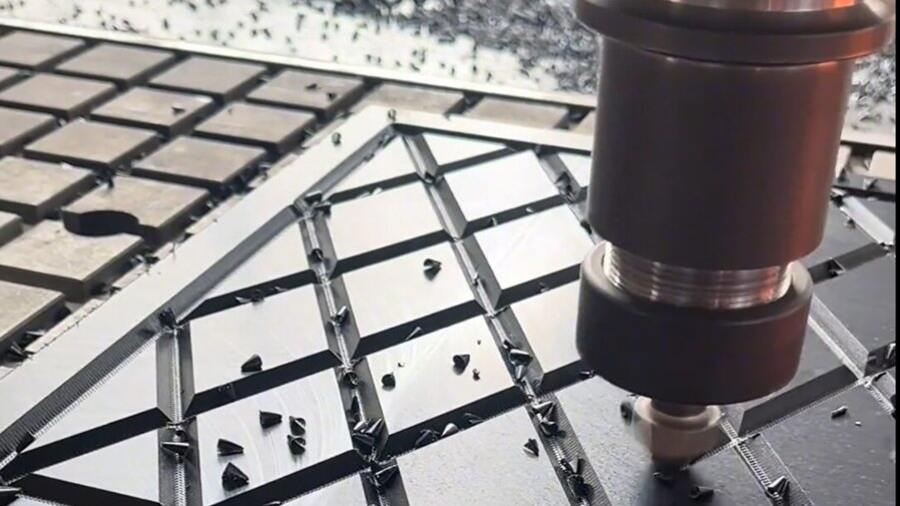
When the plates arrive at the site, the quantity, the connector and the crane are checked and the goods are discharged by route number. Upon completion of the grass-roots level, the vehicle entrance is prepared in sub-sections, and the level and edge support is checked at each stage of completion. The leg area of operation shall be separated from the area of passage. The inclusion of the words “cleaning of bulk and sharp material before dismantlement” in the installation programme would allow the field personnel to convert abstract requirements into actionable.
Following the opening of access, the focus of the inspection was on the continued support under the plate. The first heavy vehicle passes by to check for high seams, peripheries, mudslides and planks; the shift is repeated after weather changes. The pressure of contact of the forklift ' s solid-heart wheel differs significantly from the concentrated static of the crane ' s legs, and anomalies should be detected first in isolation before being drained, evened or replaced, and the subsequent flow of the vehicle cannot continue to magnify the damage.
A reference scenario is a route for the relocation of equipment through normal production areas. The project involves short-term trial preparation during the start-up phase, recording the relocation and deposition of the first vehicle after its adoption, and a gradual extension of the route. The turn areas, parking areas and pick-up points are inspected separately and no result is used to replace the full condition. This is an example of a methodology rather than a statement of performance, and the expected management effect is to make it possible for both laying and recycling to be carried over in shifts; after completion, a comparison between the original ground photographs, cleaning hours and the number of plates that can be used on a continuous basis is required.
Three products may be used in this category at the same time, but the boundaries of the use are clear: road-painted service vehicle routes, leg-past services are centrally supported, and carboard services are applied to bulk discharges. In particular, UHMWPE skateboards need to check the material particle size, water content rate, temperature, impact and car shape. No product could compensate for the error, and the configuration list should be deleted from the field mission.
In order to obtain a comparable offer, the purchaser should harmonize the request for quotations to at least indicate the back-up ratio and the conditions for on-site maintenance, route size, vehicle condition, ground condition and project time. Vendors are required to respond to material plates, sheeting, single weight, connection, packaging, containerization and quantity and quality documents. If the project is purchased on a containerized basis, the capability of the forklift or forklift on site or forklift is also confirmed. All safety-related selections are based on the equipment manual and the approval programme.
Need for further evaluation of the actual project?
Applications, sizes, quantities, site photographs or drawings and delivery destinations are sent, on which we can identify more suitable products and processing programmes.







