
The construction of the wetland and meadow pipelines should be based on the most unfavourable, rather than average, conditions, as specified by vehicle weight. The construction of pipelines on marshes, meadows, river banks and high-water-bearing soils, with a focus on how “wetland and meadow line construction is selected according to vehicle weights”, may be affected by heavy vehicle cycle, rainfall and time compression at the same time, with temporary changes in the construction route increasing traffic as vehicles enter unprotected areas. It would be clearer for on-site execution to first determine the conditions for allowing deposition, decommissioning and those responsible, and then select product specifications.
A one-time collection of wetland water levels, topsoil thickness, vegetation protection boundaries, vehicle axle loads, route width, drainage permits, cross-grenade position and restoration standards was recommended before the design and request was made. The topic could begin with a programme of “continuing coverage according to the most adverse vehicle, complete wheel and weather change planning”. The standard 15, 20, 25 and 30 mm specifications for paving boards can only be used as the starting point for communication, with the actual selection being combined with materials, size, thickness, single weight, texture, connection, grass-roots support and supplier testing conditions. For “how the construction of the wetland and meadow pipelines is based on vehicle weight specifications”, the information review should also record changes in the watery state and the scope of soft spots before and after rainfall and include missing information as items to be confirmed in the quotation and construction programme.
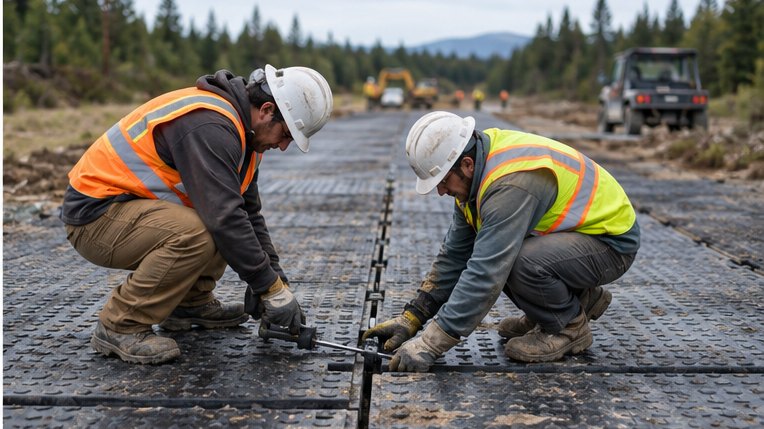
Figure: Construction of pipelines on marshes, meadows, river banks and high-water-bearing soils, with a focus on “How construction of wetlands and meadows is based on vehicle weights”
The construction organization is as important as the product specifications. Operators should use means of moving a single load, with the vehicle being directed by a commander, without brakes, in situ wheeling or constant pressure. The construction of wetlands should prioritize the maintenance of water flow lanes and continuous support to avoid repeated deviations by vehicles to expand the disturbance area. Changes in traffic routes, repositioning of equipment or heavy rainfall are followed by a re-examination of the continued applicability of the original programme. The trial-pail record of “how the construction of the wetland and meadow line is based on the selection of the vehicle weight” should indicate the starting and ending position, the vehicle's condition and the release conclusion, so as to facilitate review as the construction conditions change.
It is recommended that the pavements and the mats be included in the asset desk account, numbering the relevant specifications, batches, pavements and hours of use. The scope of the inspection included surface currents, depositions, pumping muds, peripheries flushing, vegetation pressure, connectors, spill position and restoration boundary. The removed components are to be cleaned, dried, flattened and placed in subdivisions that are qualified, subject to assessment, to repair and to end-of-life status, to prevent the re-entry of unqualified products. The inspection forms, around “how the construction of the wetlands and the straw line is based on the vehicle weight specification”, need to show a separate change in the construction route to allow the vehicle to enter the unprotected area and to indicate the inspector and the time of return.
For oil and gas projects that are ongoing or duplicated, a baseline can be established for each square metre of work-hours, vehicle cycle, cleaning time, damage rate and restoration costs. As a result, the next offer and inventory planning will no longer be based solely on experience, and it will be easier to identify whether temporary changes in the construction route have led to the recurrence of vehicles entering unprotected areas during a given season. It should also answer whether the “how wetland and meadow line construction is based on vehicle weight specifications” has been certified for improvement through continuous coverage according to the most unfavourable vehicle, complete wheel and weather change planning, avoiding a subjective description of the closing item.
Progress pressure cannot reduce the security floor. When a temporary change in the construction route results in a vehicle entering an unprotected area, it should first isolate and identify the reasons before deciding on the repair, rerouting or replacement of the product. Any measures should avoid introducing new risks of slide, overloading, tripping, electric area intrusion or human-car conflict.
The following special verifications should be carried out in conjunction with the construction of pipes on marshes, meadows, river banks and high-water-bearing soils on the basis of how the construction of wetland and meadows is based on vehicle weights: when chosen, the total heavy should be divided into specific axes and tires, taking into account the additional effects of brakes, turnovers, ramps and local suspensions. Reference data in product samples are of comparative interest only when the conditions for testing the support are similar.
On-site implementation of recommendations: Representative heavy vehicles should be tested on a low-speed basis with actual full capacity, and empty vehicles should not prove to be fully loaded. Where multiple vehicles share roads, they should be validated by the most adverse axle load, tires and turn-arounds, rather than simply using average fleet weight.
Need for further evaluation of the actual project?
Applications, sizes, quantities, site photographs or drawings and delivery destinations are sent, on which we can identify more suitable products and processing programmes.







