
What needs to be taken into account in the procurement of the whole container of the wetland and meadow pipelines is first to be judged separately from vehicle traffic, stationing of equipment and the support of suspension. In the case of the construction of pipelines on marshes, meadows, river banks and high-water-bearing soils, the focus is on “what needs attention to be paid to the procurement of whole cabinets for the construction of wetlands and meadows” which usually goes through multiple stages of entry, construction, overhaul and evacuation, with variations in ground water content rates and traffic. The most easily ignored of this topic is the drop in ground-based loads and the emergence of pump muds or faults following rainfall. The problem of grass-roots and drainage may have expanded if only ad hoc slabs were added after a vehicle has been trapped.
The product configuration cannot be determined by area or thickness alone. The project shall verify wetland water levels, topsoil thickness, vegetation protection boundaries, vehicle axial loads, corridor width, drainage permits, cross-drive position and restoration criteria, and then reduce the base load after rainfall and convert the pump mud or fault table to drainage, carrying, stabilization, surface pull and restoration requirements. Moving tools, manual weights, back-up quantities, cleaning and back-to-back stacking should also be considered in the context of the reverse removal and retention of emergency routes in the order of exit of equipment until the final ICP. For “What needs to be taken into account in the procurement of the whole container for the construction of the wetlands and the straw line”, the information review should also include a breakdown of net area, turnovers, back-up rates and wear and tear rates, and include missing information as items to be confirmed in the quotations and construction programme.
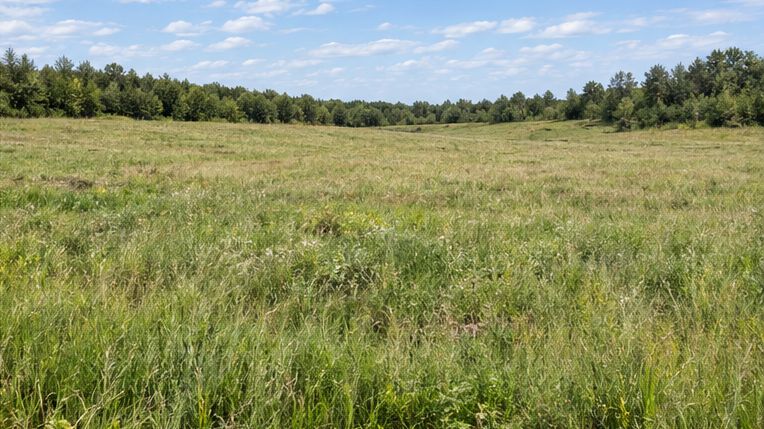
Figure: Construction of pipelines on marshes, meadows, river banks and high-water-bearing soils, with a focus on “What needs attention to be paid to the procurement of whole cabinets for the construction of wetlands and meadows”
A representative route or a feeder may be selected for a controlled trial pavement to cover the softest floor and the most heavy equipment condition. The construction of wetlands should prioritize the maintenance of water flow lanes and continuous support to avoid repeated deviations by vehicles to expand the disturbance area. The decision to increase width, improve drainage or reorient traffic is then taken by means of experimental observation of grass-roots, sewn, tyre tracks and operating space. The trial-pave record of “what needs attention to be paid to the procurement of the whole container of the wetland and meadow line” should indicate the starting and ending location, vehicle status and release conclusions to facilitate review as the construction conditions change.
The inspection cycle can be shortened at an early stage of use and then stabilized before adjusting to vehicle cycles and weather. The maintenance staff focused on the underwater flow of the plate, deposition, pumping mud, peripheries, vegetation pressure, connectors, spill positions and restoration boundaries, and observed the driver ' s compliance with speed limits and diversion requirements. Any unconfirmed sub-board support, edge instability or foot contact should first be disabled. For “what needs to be noted in the procurement of the whole cabinet around the wetland and meadow line”, the inspection forms are to show a separate drop in ground-based loads following rainfall and changes in pumping mud or the wrong table, with an indication of the inspector and the time of return.
The impact assessment cannot be based solely on the movement of vehicles on the same day. The project compares vehicle waiting, trapping, maintenance hours, cleaning time, loss of connection, site restoration area and evacuation cycle, and records weather and traffic simultaneously. It is only when data are built around the drop in the ground-based load following rainfall and the emergence of pump mud or error tables that the suitability of this subject is determined for replication at the next hydrocarbon project. It should also answer “what needs to be taken into account in the procurement of the whole container of the wetland and meadow line” by removing it in reverse and retaining the emergency route in the order in which the equipment was withdrawn, so that it would not be possible to conclude with a subjective description.
If the conditions on the ground are different from the assumptions in this paper, the application of the conclusions should be suspended and reassessed. Fuel and gas transport, suspension, recovery and repair are subject to the project programme, equipment manual and statutory requirements. The supplier may assist in matching the product, but the final placement, commissioning and release shall be approved by the responsible party for the project.
The following special checks should be carried out in connection with the construction of pipes on marshes, meadows, river banks and high-water-bearing soils, in connection with “what needs to be taken into account in the procurement of whole containers of wetlands and herds”, as follows: the purchase of whole containers requires the confirmation of the individual weight, the method of bundling, the quantity of containers, the fixed contents of the containers, the equipment for unloading containers at the port of destination and the conditions for storage on site prior to the receipt. When mixed with pavements, leg pads or skating boards, the core, handling order and batch list are also required.
On-site implementation of recommendation: The container programme should balance weight limits with the order in which the container was unloaded. The specifications to be used first would be appropriate to approach the door of the cabinet and to provide for the operation of the forklift or crane equipment; in the absence of suitable offloading equipment, the packaging should be redesigned before shipment.
Need for further evaluation of the actual project?
Applications, sizes, quantities, site photographs or drawings and delivery destinations are sent, on which we can identify more suitable products and processing programmes.







