
When discussing how to reduce the cost of ground rehabilitation for the construction of temporary roads for pipelines, the project leader could not ask only how many tons the pavement could bear. Transport, welding, ditching and backfilling of long-range pipeline corridors, this topic is concerned with how the use of tyres in “the temporary road for the construction of pipelines to reduce the cost of ground rehabilitation” can be different, while the physical use of a loose connection, drainage congestion or pollution reduction is often the most detrimental. Reasonable coverage can be determined only if the routes, terminals and emergency exits must be secured.
The technical communication shall first identify the control design of the pipeline by which, the maximum weight and axle load of the vehicle, the length and width of the route, the slope, the position of the gutter, the water content of the soil, the direction of the discharge and which conditions are in the construction window. It is proposed that the line segments, turn areas, docking slots and surfaces be counted separately, and that suppliers be required to describe the materials, the finished goods, the test methods, the basis of application and the conditions of operation. Reference data such as nominal 50 to 200 tonnes cannot be directly compared horizontally without the same test basis. As to “how to reduce the cost of ground rehabilitation for the construction of temporary roads for the pipeline”, the information review should also approve the passage of vehicles after the map of the underground facility is consistent with the site markings and include missing information as an item to be confirmed for the quotation and construction programme.
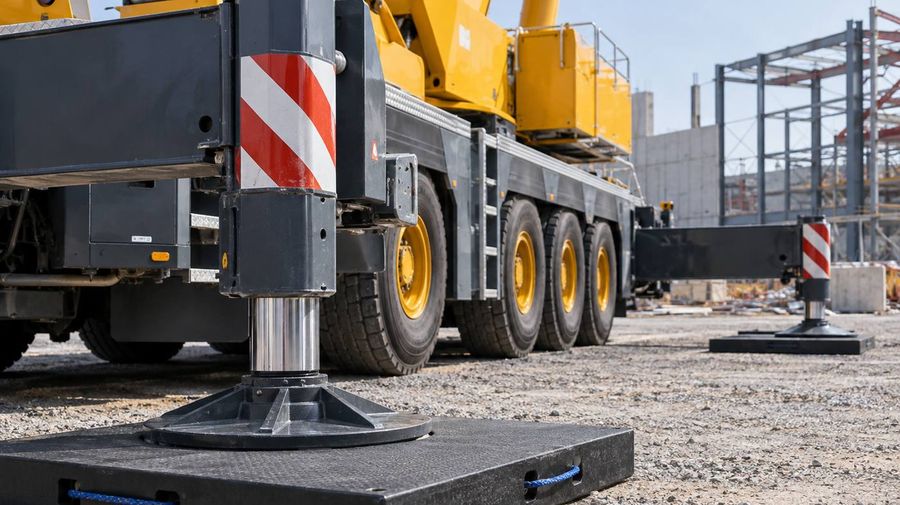
Figure: Transport, welding, ditches and backfilling operations in long-range pipeline corridors, with a focus on “How to reduce the cost of ground rehabilitation through the construction of temporary pipeline roads” (inventory material for the plastic network).
The drainage direction, soft spots and support under the plate should be compared before and after the rainfall, and the water should not be enclosed under the plate. First, a continuous channel is formed by a complete transport trajectory, then the edge of the ditch, the welding area, the lower point and the car section are expanded to cover them separately. If the connection is loose, drainage congestion or pollution has already occurred to reduce the actual use, the area should be sealed, the lifting plate should be connected to the drain and then the repositioning; the reason cannot normally be removed by cleaning the surface or adding a single sheet. The test-pail record of “how to reduce the cost of ground rehabilitation through the construction of temporary pipelines” should indicate starting and ending locations, vehicle status and release conclusions to facilitate review as construction conditions change.
The period of operation shall be before class, after peak traffic and after rainfall, sews, connectors, edges of trenches, shoulders, tracks, drainage exits, vehicle tracks and alert borders. Each record shall contain the date, location, vehicle, weather, unusual photographs and processing results. In the case of repeated spasms of connections, drainage congestion or pollution in the same area, the actual use should be re-analysed at the grass-roots level, drainage, transport organization and specifications, rather than replacing only surface components. The inspection form, which revolves around “how to reduce the cost of ground restoration through the construction of temporary roads for pipelines”, contains a separate list of changes in the condition of physical use associated with looseness, drainage congestion or pollution, and indicates the time taken by the inspectors to resume traffic.
For oil and gas projects that are ongoing or duplicated, a baseline can be established for each square metre of work-hours, vehicle cycle, cleaning time, damage rate and restoration costs. This will make it easier to identify whether the next offer and inventory planning are not based solely on experience, but also whether the connection is loose, drainage congestion or pollution is decreasing in actual use over a specific season. This refill should also answer whether the “how to reduce the cost of ground restoration by temporary access roads” has been improved by calculating the line segments, turn areas, docking slots and surfaces separately to avoid a subjective description of the closing item.
If the conditions on the ground are different from the assumptions in this paper, the application of the conclusions should be suspended and reassessed. Fuel and gas transport, suspension, recovery and repair are subject to the project programme, equipment manual and statutory requirements. The supplier may assist in matching the product, but the final placement, commissioning and release shall be approved by the responsible party for the project.
The following specific verifications should be carried out in conjunction with long-range pipeline corridors for transport, welding, ditches and backfilling: the restoration costs can be accounted for in three parts, from the pre-entry baseline, from disturbance during use and from the evacuation site. Original photographs, coverage, vehicle cycle, abnormal worksheets and demolition records are maintained to determine whether the costs are derived from existing soft spots, construction changes or operational deviations.
On-site implementation of the recommendation: Ground recovery should set a fixed sample point along the original route, comparing the depth of the tracks, topsoil thickness, drainage and vegetation. The restoration should be carried out on the basis of a contract and at the request of the competent authority and could not be justified by the use of the pavement.
Need for further evaluation of the actual project?
Applications, sizes, quantities, site photographs or drawings and delivery destinations are sent, on which we can identify more suitable products and processing programmes.







