
In the muddy areas between oil wells, gas wells, distribution stations and service vehicles, the focus of the topic is on “how the mudholes of oil fields and gas fields are paved and run”, and surfaces appear to be flat and do not mean that there is a continuous burden under the plate. Test-painting and test-runs of the mudslides of the oil and gas fields should be recorded on the ground, weather and the most heavy vehicle condition before entering the field, as static, brakes and turnovers may increase local pressure significantly after repeated traffic. The establishment of baseline photographs and measurement points will facilitate follow-up inspections and recovery of acceptances.
Four school-specific topics are available at sites, equipment, products and operations. The site and equipment column records the location of oil or gas wells, the type of service vehicle, full-load axle charge, road soft points, rainfall, traffic frequency, operating shifts, pollution control and emergency response routes, the product column lists sizes, thickness, texture, connection and batches, and the operating column indicates the first treatment of discharges and soft points, which are then laid out from the stabilization end and tested. Any one still relies on empirical speculation may allow static, brakes and turns to significantly increase local pressure at the peak of construction. The information review should also distinguish between vehicles by axle-load and tyre, replace all inputs with total weight, and include missing information as an item to be confirmed for quotations and construction programmes.
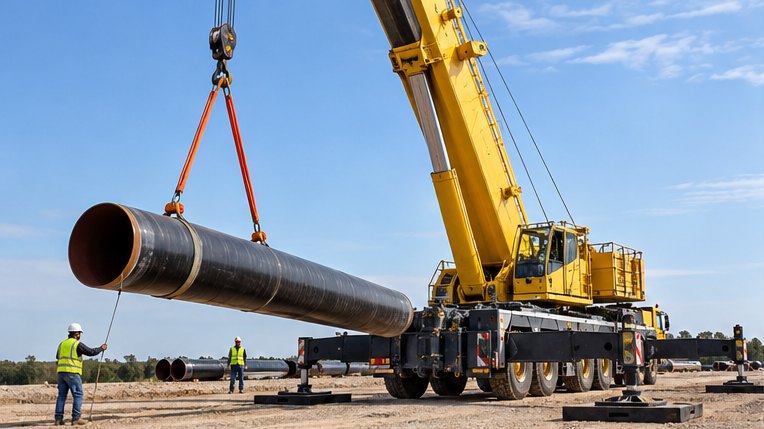
Figure: Mud-crossing areas between oil wells, gas wells, distribution stations and service vehicles, with a focus on “how the mud-painting and commissioning of oil and gas fields”
The site installation should be located with an approved drawing number, and the level, seam, edge and drainage should be inspected at each stage of completion. The muddy oil and gas field road should first cut the drain and repair the deep-drive tracks, and then use the continuous laying of dispersed wheels, so that the plates cannot be thrown directly into the flow of thin mud. The test operation can first be carried out using a low-risk vehicle with a slow-speed straight-line and then gradually verify the turnover, parking and full-loading; it should be discontinued as soon as it is discovered that it continues to sink under the plate, pump mud or branch position. The test-painting record of the “how to conduct the test-painting and commissioning of the mudslides of the oil and gas fields” should identify the starting-point location, vehicle condition and release conclusions to facilitate review following a change in construction conditions.
Special inspections should be added after extreme weather, equipment anomalies or route adjustments. The use of position markings and fixed view photographs for pumping mud, water accumulation, pressure edges, slides, loose connections, contaminants, shoulder depositions and vehicle congestion facilitates comparison of sedimentation and position shifting. Cleaning the surface of polymers avoids fire, sharp shovels and violent knocks, creating new cracks and stress concentrations. The inspection form, which revolves around “how the mudslides of the oil fields and the gas fields are to be laid and run on a trial basis”, contains a separate column of changes in static, brakes and turnovers that significantly increase the local pressure and indicates the time taken by the inspector and his/her return.
It is recommended that a key route or a feeder of equipment be selected for controlled validation, with observation cycles and exit conditions. The records cover normal and most unfavourable conditions, with particular attention to static, brakes and turnovers, which significantly increase local stress. A further expansion after the trial could reduce one-time procurement or full-line errors, while providing the same basis for vendor comparison. This retrodiscussion should also answer whether the “how the mudholes of oil fields and gas fields are paved and run” have been improved by first processing drainage and soft points and then from the stable end segment and test operation to avoid a subjective description of the end.
This paper provides a selection and management approach and does not replace the equipment instructions, the suspension programme, ground-based evaluation or local regulations. Work involving lifting support, underground facilities, electrical areas, the edges of trenches and the entry of persons into dangerous areas shall be reviewed by persons with appropriate qualifications. The above parameters may be provided in the request for quotations to obtain recommendations for size, thickness, quantity, packaging and shipment.
The following special verification should also be carried out in relation to the “test-painting and test-run” of the mudholes of oil and gas fields, in conjunction with the mud-crossing areas between oil wells, gas wells, distribution stations and service vehicles: the test-pave should select the softest floor and representative heavy vehicles, and record differences in the vehicle's state, velocity, rotation, sew change and post-rain rains. The test operation is not considered to be permanent and will still need to be revalidated after the vehicle has become heavy, its route has changed or the weather has deteriorated.
Recommendation on on-site implementation: Test-run records should indicate temperature, weather, ground state, vehicle load, tyre pressure and speed. When the subsequent conditions go beyond the scope of the test, the original conclusion automatically lapses, requiring a further inspection or approval of the change by the project technical staff.
Need for further evaluation of the actual project?
Applications, sizes, quantities, site photographs or drawings and delivery destinations are sent, on which we can identify more suitable products and processing programmes.







