
In the muddy area between oil wells, gas wells, distribution stations and service vehicles, the issue is concerned with “how the mudholes of oil fields and airfields are selected according to the weight of the vehicle” and the apparent levelling of the surface does not mean that there is a continuous burden under the plate. The ground condition, weather and the most heavy vehicle condition should be recorded before entering the field, as the lack of support on the edge of the road may result in the slab bending and crushing of the sides after repeated traffic. The establishment of baseline photographs and measurement points will facilitate follow-up inspections and recovery of acceptances.
The technical communication shall first identify the location of the oil or gas wells, the type of service vehicle, the full axle charge, the soft point of the road, the rainfall, the frequency of traffic, the work shift, the pollution control and the design of the control of the emergency route. It is proposed to retain back-up panels and connects for the timely restoration of sealing controls in unusual areas, and to require suppliers to specify the materials for the pavement or stubbed, the grade of finished products, the test method, the basis of application and the conditions of limitation. Reference data such as nominal 50 to 200 tonnes cannot be directly compared horizontally without the same test basis. The information review should also record changes in the water status and scope of soft points before and after rainfall and include missing information as an item to be confirmed for quotations and construction proposals.
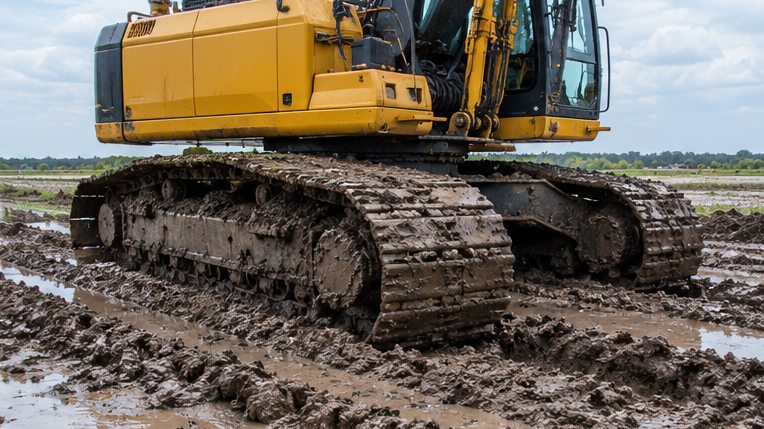
Figure: Mud area between oil wells, gas wells, distribution stations and service vehicles, with a focus on “How the mud lanes of oil fields and gas fields are selected according to vehicle weight”
The installation should leave a photo, location and measurement record. First, ground-level levelling, drainage and underground facilities are identified, and the complete contact, connection, edge and transition of the pavement is checked, or the size, location and centering of the leg pads are checked. The muddy oil and gas field road should first cut the drain and repair the deep-drive tracks, and then use the continuous laying of dispersed wheels, so that the plates cannot be thrown directly into the flow of thin mud. Areas not eligible for acceptance should not be replaced by speed-limit signs alone. The test-pail record of the “how the soil and gas fields silhouetted according to the weight of the vehicle” should indicate the starting and ending position, the condition of the vehicle and the conclusion of its release, so as to facilitate review as the construction conditions change.
It is recommended that the pavements and the mats be included in the asset desk account, numbering the relevant specifications, batches, pavements and hours of use. The scope of the inspection included pumping mud, water accumulation, pressure edges, slides, loose connections, pollutants, shoulder deposition and vehicle congestion. The removed components are to be cleaned, dried, flattened and placed in subdivisions that are qualified, subject to assessment, to repair and to end-of-life status, to prevent the re-entry of unqualified products. The inspection forms around “how the mud paths of the oil and gas fields are selected according to the weight of the vehicle”, need to show a lack of support on the edges of the separate road, leading to changes in the bending and crushing of the sheet, and to indicate the time of the repeater and the resumption of traffic.
The full life-cycle costs include procurement or leasing, shipping, unloading, laying, inspection, cleaning, maintenance, warehousing and ground restoration. The project should compare the cost of implementation of the maintenance of spare panels and connectors for timely containment repairs of unusual areas with the cost of stoppages or repairs caused by the lack of support on the edges of the roads, resulting in the bending and crushing of the plates, and not be determined solely on the basis of the price of a single block product. This retrodiscussion should also answer whether the “how the oil field and gas field mud lanes are speculated according to the weight of the vehicle” has been certified as improved by the retention of spare panels and connectors for the timely repair of the sealing of the abnormal area, avoiding a subjective description only.
This topic can be summarized as first confirming the boundary of the work, then configure the appropriate product, and then validate it with test run, inspection and project data. The formal programme should identify those responsible, the restrictions, the criteria for decommissioning, the means of recovery and the emergency route, so as to avoid the loss of critical information following changes in the class or contractor.
The following special verifications should be carried out in relation to the “how the oil and gas fields mud lanes are selected according to vehicle weights”, in conjunction with the mud-crossing areas between wells, gas wells, distribution stations and service vehicles: when chosen by vehicle weight, the total heavy should be divided into specific axes and tires and the additional effects of brakes, turnovers, ramps and local suspensions should be considered. Reference data in product samples are of comparative interest only when the conditions for testing the support are similar.
On-site implementation of recommendations: Representative heavy vehicles should be tested on a low-speed basis with actual full capacity, and empty vehicles should not prove to be fully loaded. Where multiple vehicles share roads, they should be validated by the most adverse axle load, tires and turn-arounds, rather than simply using average fleet weight.
Need for further evaluation of the actual project?
Applications, sizes, quantities, site photographs or drawings and delivery destinations are sent, on which we can identify more suitable products and processing programmes.







