
Ground protection of drilling equipment requires the collection of field parameters from the most unfavourable rather than average conditions. The construction of well rigs, relocation of equipment, supply of materials and auxiliary hang-up sites are of concern to the topic “What field parameters need to be collected for surface protection of well-drilling equipment” which may be affected by heavy vehicle cycles, rainfall and the compression of construction schedules at the same time, and the lack of support on the edges of the road leads to increased slab bending and crushing as traffic increases. It would be clearer for on-site execution to first determine the conditions for allowing deposition, decommissioning and those responsible, and then select product specifications.
The technical communication should first identify the control design of the driller module, the transport vehicle axial load, the tracked size, the retroactivity of the crane leg, the equipment set-up, the underground facility, the site endurance and the conditions of the rainy season. It is proposed to set speed limits, prohibit in-situ wheeling and arrange for exclusive command for heavy vehicles, and to require suppliers to specify the materials for the pavement or stubble, the finished goods, the methods of testing, the basis of application and the conditions of limitation. Reference data such as nominal 50 to 200 tonnes cannot be directly compared horizontally without the same test basis. For “the parameters of the field to be collected for the ground protection of drilling equipment”, the information review should also mark the map of the change in slopes, equipment-crawling capacity and downhill brake areas and include missing information as items to be confirmed in the quotations and construction programme.
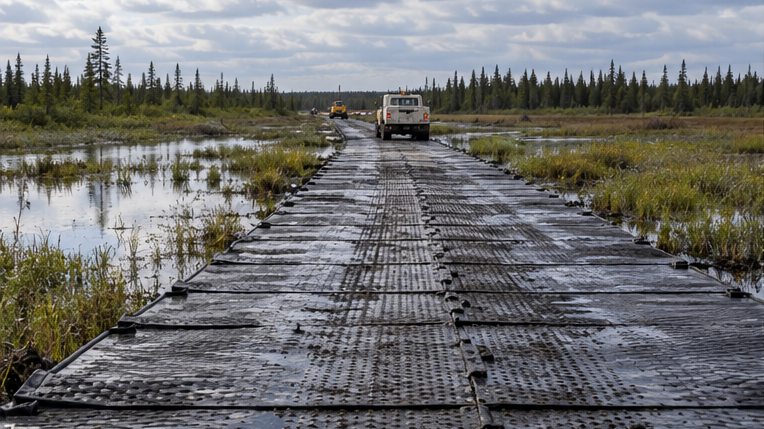
Figure: Stations for rigs, equipment relocation, supplies and auxiliary hangers, with a focus on “What are the field parameters to be collected for surface protection of drilling equipment”
A smooth transition should be put in place at the different ground crossings to avoid the sudden impact of vehicles on temporary circuits from hard roads. The internal and external wheels and brake positions of the most heavy vehicles will also be reviewed after the installation of a speed limit, a ban on in-situ wheeling and a exclusive command for heavy vehicles has been completed. The rigs shall distinguish between vehicle access, stationing of equipment and cranes, and the pavement shall be responsible for the protection of the ground and the mats shall be accounted for on the basis of maximum reversibility and durability. Physical segregation and clear rules for release are required in the vicinity of public areas. The trial preparation records for “the field parameters to be collected for the ground protection of drilling equipment” should indicate the starting and ending position, vehicle condition and release conclusions to facilitate review as construction conditions change.
The transition involves reporting changes in the track trajectory, the permanent deformation of the sheet, the deposition of legs, the drainage of the floor, soft spots, connections, mud contamination and horizontal measures, rather than a description of the appearance. The sutures, shoulders or sub-points repaired in the previous class are reviewed in the next class. If the lack of support on the edge of the road results in the bending of the sheet and the increase in the amount of traffic on the side, the project shall immediately limit the speed, reroute or suspend the equipment until the re-entry passes. With regard to the field parameters to be collected around the “ground protection of drilling equipment”, the inspection forms need to show the lack of support on the edges of the separate road, leading to changes in the bending and crushing of the sheet, and to indicate the time taken by the inspector and his/her return.
The receiving and inspection information shall be maintained in the form of maps, product numbers, photographs of entry and exit sites, initial ground conditions, abnormal worksheets and demolition records. In the event of a ground or equipment dispute, this information can distinguish between the original soft spot, the use of changes and the removal site damage, and can also quantify the impact on the cost of the project of the lack of support on the edges of the road, resulting in the bending and crushing of the sheet. It should also answer whether “the field parameters to be collected for the ground protection of well-drilled equipment” have been certified for improvement by setting speed limits, prohibiting in situ wheeling and arranging for exclusive command of heavy vehicles, avoiding a subjective description of the final item.
This topic can be summarized as first confirming the boundary of the work, then configure the appropriate product, and then validate it with test run, inspection and project data. The formal programme should identify those responsible, the restrictions, the criteria for decommissioning, the means of recovery and the emergency route, so as to avoid the loss of critical information following changes in the class or contractor.
In relation to “the parameters of the field to be collected for the ground protection of drilling equipment”, the following special verifications should also be carried out in conjunction with the drilling platform, the relocation of equipment, the supply of materials and the auxiliary suspension site: data collection should not be limited to the total weight of the vehicle, but should also record the size of the axle load, tyres or belts, the direction of the full and empty load, the frequency of the day cycle, the call time and the driver's operational restrictions. Missing data should be classified as items to be confirmed and no specific specifications should be given until confirmed.
On-site implementation of recommendations: Field parameters should be jointly identified with construction, equipment, HSE and logistics, with photographs bearing location and date. The version received by the procurement staff must be consistent with the construction map, so as to avoid re-routing the site and the number still being calculated on an earlier basis.
Need for further evaluation of the actual project?
Applications, sizes, quantities, site photographs or drawings and delivery destinations are sent, on which we can identify more suitable products and processing programmes.







