
When discussing how to sequence the installation of surface protection of drilling equipment, the project manager could not ask only how many tons the pavement could bear. The construction of the rig, the relocation of equipment, the supply of materials and the auxiliary hang-up site, which is concerned with the different effects of tyre landings, axles, turnovers, brakes and static bearings in the “how to sequence the ground protection of drilling equipment”, often increases local stress significantly in the most unfavourable positions. Reasonable coverage can be determined only if the routes, terminals and emergency exits must be secured.
The focus of the topic is not on the choice of the thickest or the most heavy products, but on the establishment of a match. The coverage, connection and back-up quantities are determined by the identification of the control conditions based on the weight of the rig module, the axle load of the transport vehicle, the size of the belt, the retrogression of the legs of the crane, the installation of the equipment, the underground facility, the endurance of the field and the changes in the rainy season, and by the identification of the condition, test basis and conditions in the request and acceptance documents. In the case of products requiring cross-project turnaround, the numbering, loss rate, cleaning time and volume of transport should also be included in the total cost. For the “how to sequence the installation of the ground protection of drilling equipment”, the information review also applied to a representative vehicle test thickness, connection and match state at the grass-roots level and included missing information as an item to be confirmed in the quotation and construction programme.
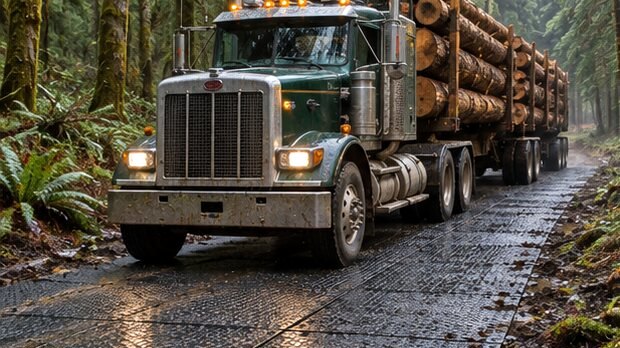
Figure: rig construction, equipment relocation, supplies and auxiliary hang-up sites, with a focus on “How to sequence the surface protection of well-drilled equipment” (Performance material for the plastic network)
Pre-implementation should be preceded by the containment of routes, the removal of sharp stones, stakes and miscellaneous items that may form a spot load, the repair of deep-pit tracks and the removal of horizontal drainage. The rigs shall distinguish between vehicle access, stationing of equipment and cranes, and the pavement shall be responsible for the protection of the ground and the mats shall be accounted for on the basis of maximum reversibility and durability. The plates should be prepared continuously at the stabilization end, with the bends, reverses and parking areas being expanded as appropriate; the leg mats should be flat, intermediated and in full contact, and it should not be allowed to be filled with random stacking. The trial preparation records for “how to sequence the installation of the surface protection of drilling equipment” should indicate the starting point, the condition of the vehicle and the release conclusion, to facilitate review as the construction conditions change.
Special inspections should be added after extreme weather, equipment anomalies or route adjustments. Use of position markings and fixed view photographs for track tracks, permanent deformation of the plate, leg deposition, courtyard drainage, soft spots, connectors, mud contamination and horizontal levels to facilitate comparison of sedimentation and shift. Cleaning the surface of polymers avoids fire, sharp shovels and violent knocks, creating new cracks and stress concentrations. With regard to the “how to sequence the installation of surface protection of drilling equipment”, the inspection forms need to show a separate column of changes in static, brakes and turnovers that significantly increase the local pressure, and to indicate the time taken by the inspectors and their return.
Construction, logistics, HSE, equipment, site and procurement could be jointly evaluated before the planned expansion. The parties confirm the conditions of passage, suspension, inspection, restoration and delivery, to verify whether the conditions of work, the basis of testing and the conditions of delivery are actually enforceable in the request for and acceptance documents. The results of the review should be included in the programme rather than in oral communication. It should also answer whether the “how to sequence the installation of the surface protection of drilling equipment” can be verified and improved by identifying the work, the test basis and the restrictions in the request for and acceptance documents, avoiding a subjective description of the closing item.
Progress pressure cannot reduce the security floor. When static, brakeing and turnovers significantly increase local pressure, they should first isolate and identify the reasons before deciding on the repair, diversion or replacement of the product. Any measures should avoid introducing new risks of slide, overloading, tripping, electric area intrusion or human-car conflict.
With regard to “how to sequence the installation of the surface protection of drilling equipment”, the following special verification should be carried out in conjunction with the construction of the rig, the relocation of the equipment, the supply of materials and the auxiliary suspension site: the installation order should begin at a stable, accessible end, with the main line being laid before the turnover, car encounter and the operational surface. The level, connection and drainage are checked at each stage of completion to avoid further entry at the front end of the vehicle while the back end is still being forced to point the hole or adjust the plate.
On-site implementation of the recommendation: The installation team should first check the panel numbers, connectors and handling tools and then proceed by drawing. In the event of a lack of poaching, roasting or violent pull, it should be checked whether the ground level, the direction of the plate and the specifications are mixed.
Need for further evaluation of the actual project?
Applications, sizes, quantities, site photographs or drawings and delivery destinations are sent, on which we can identify more suitable products and processing programmes.







