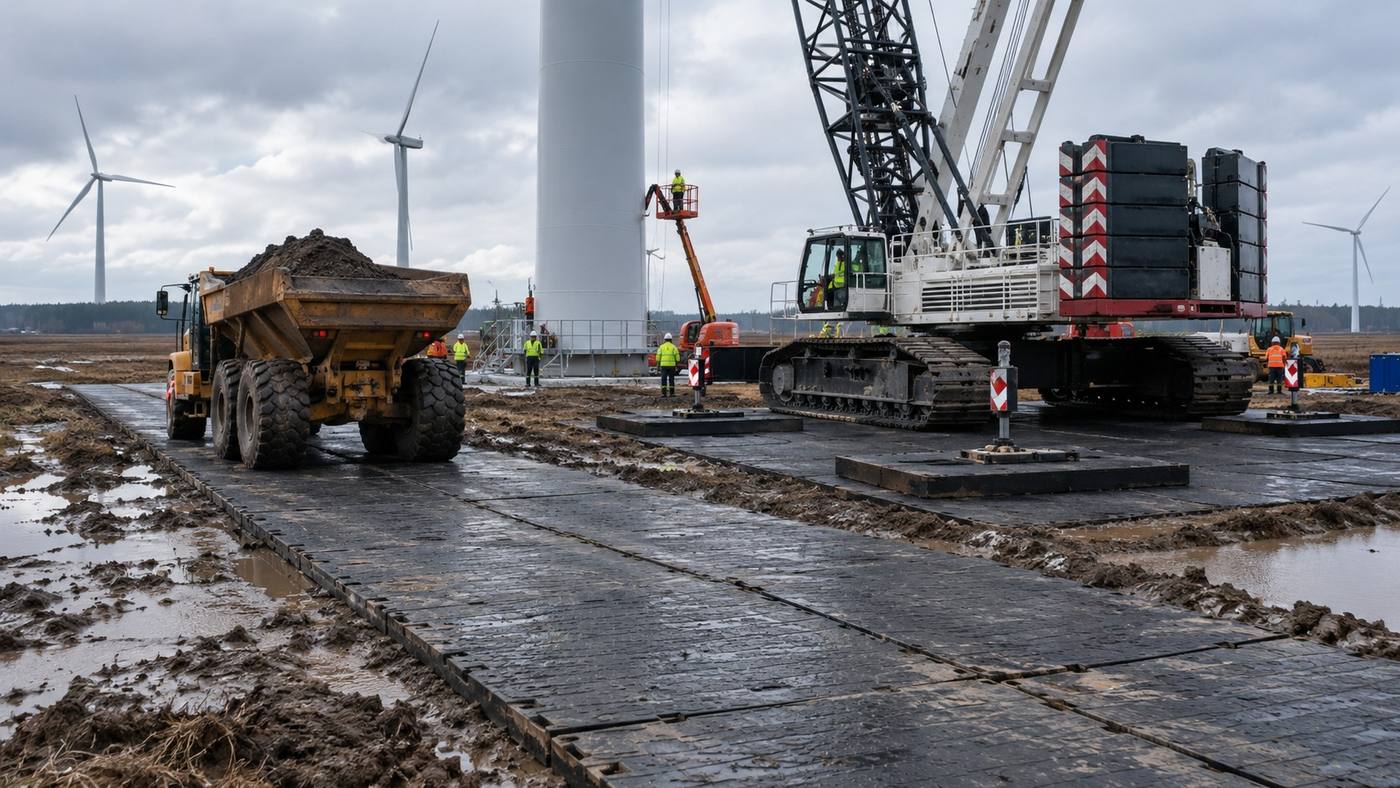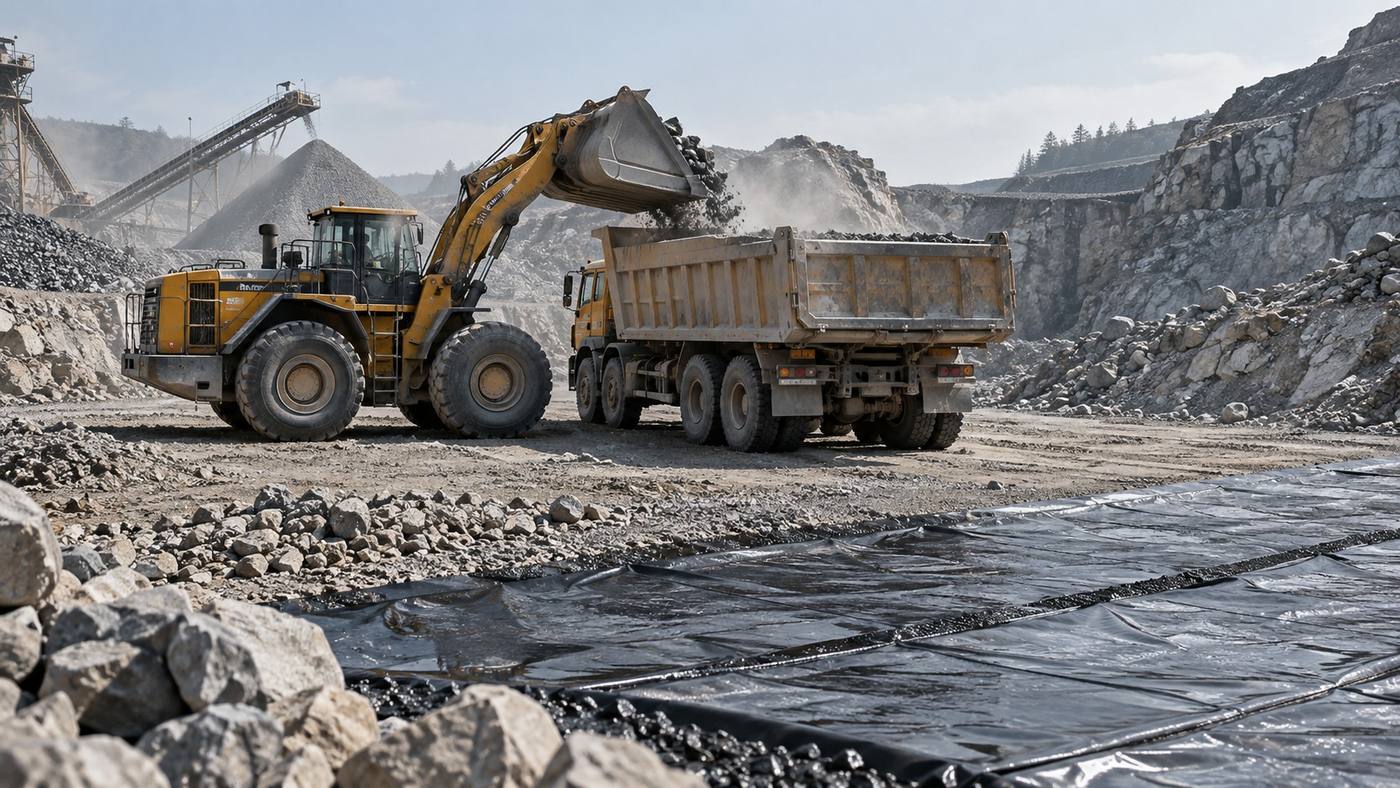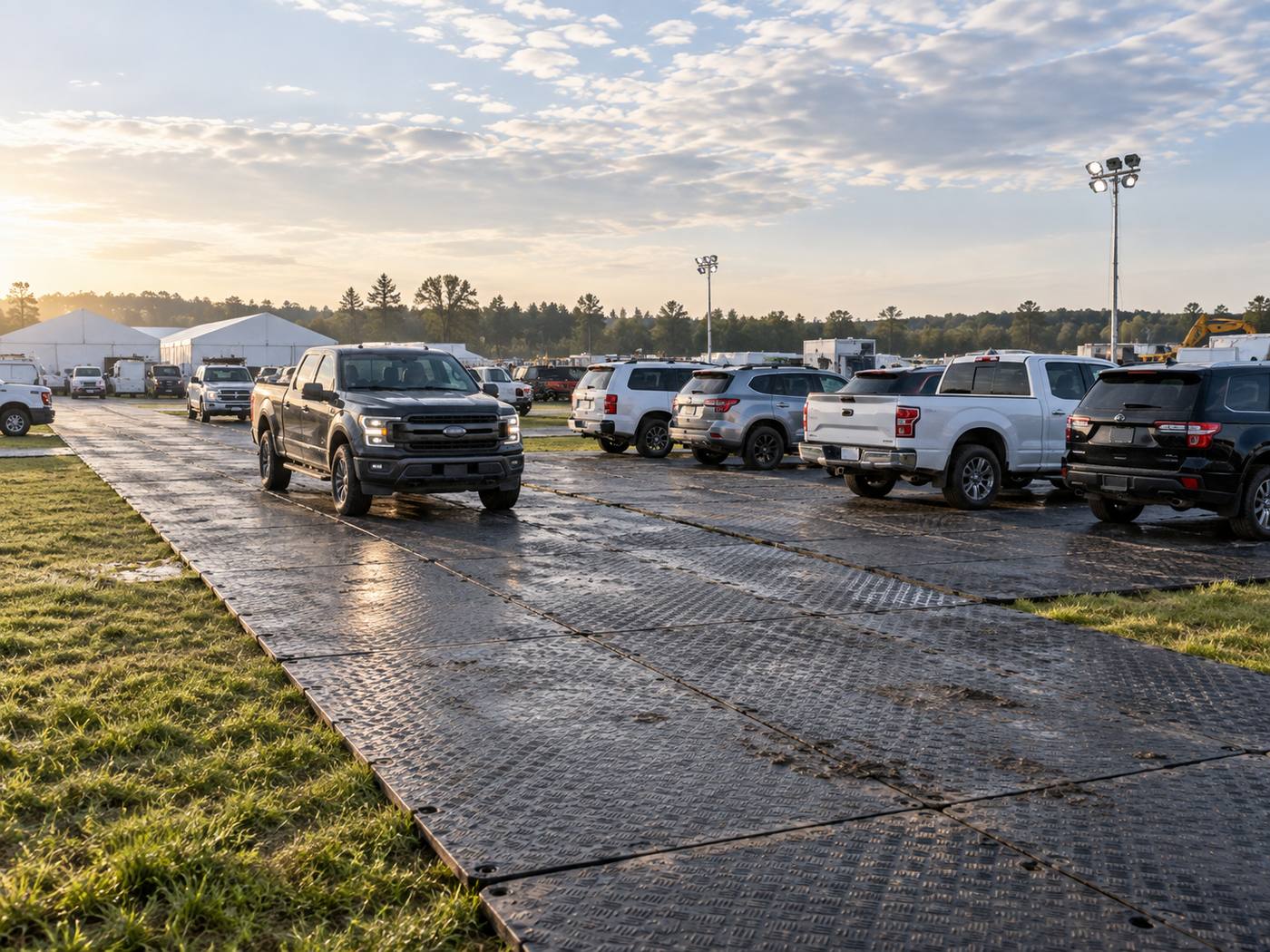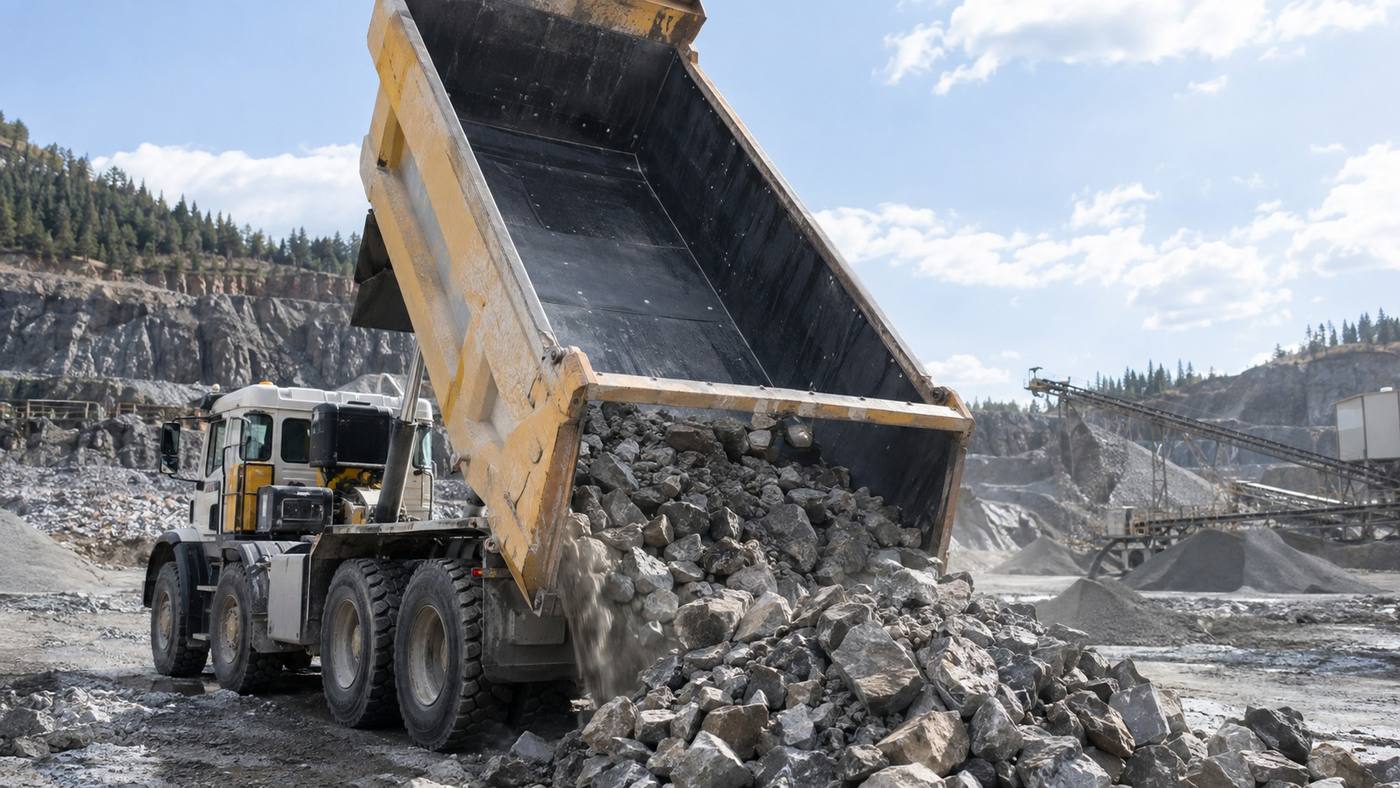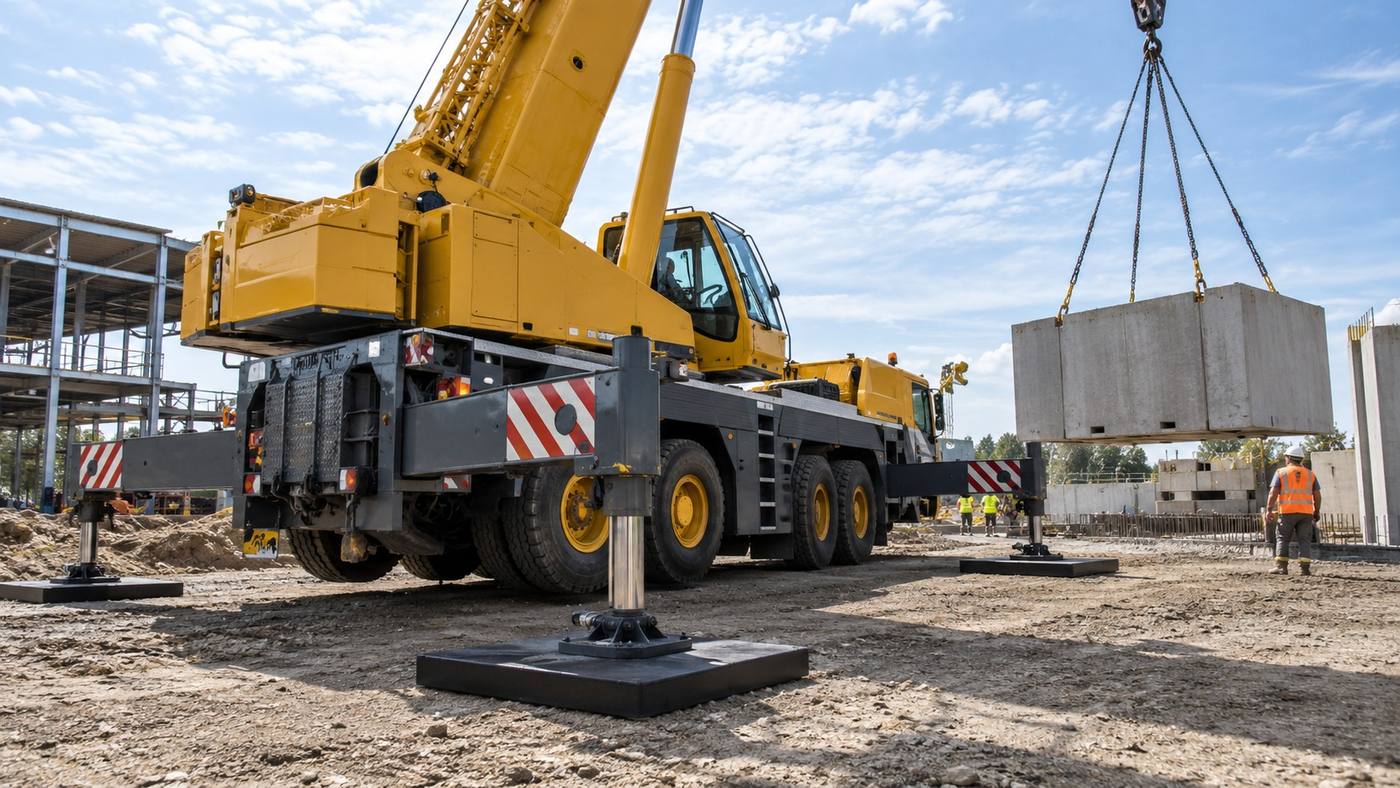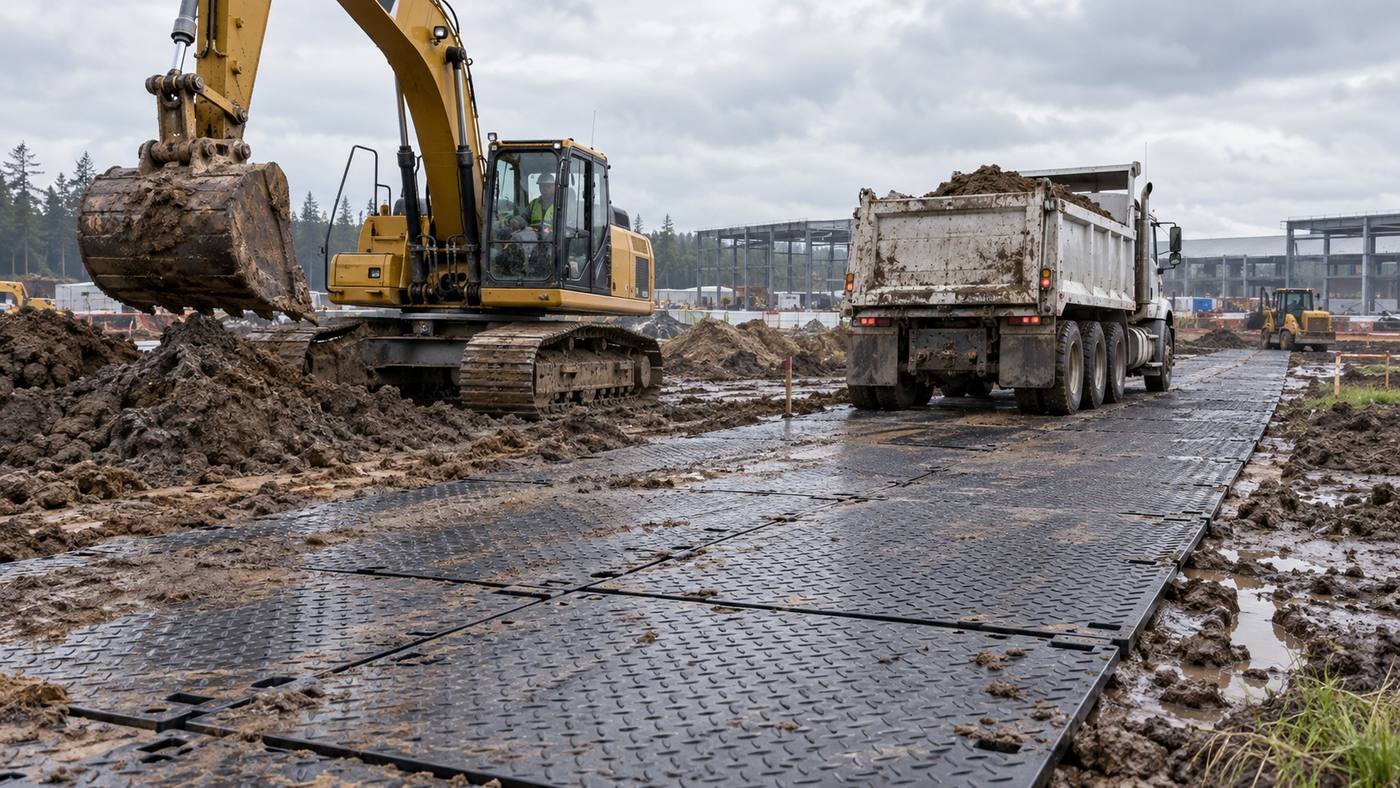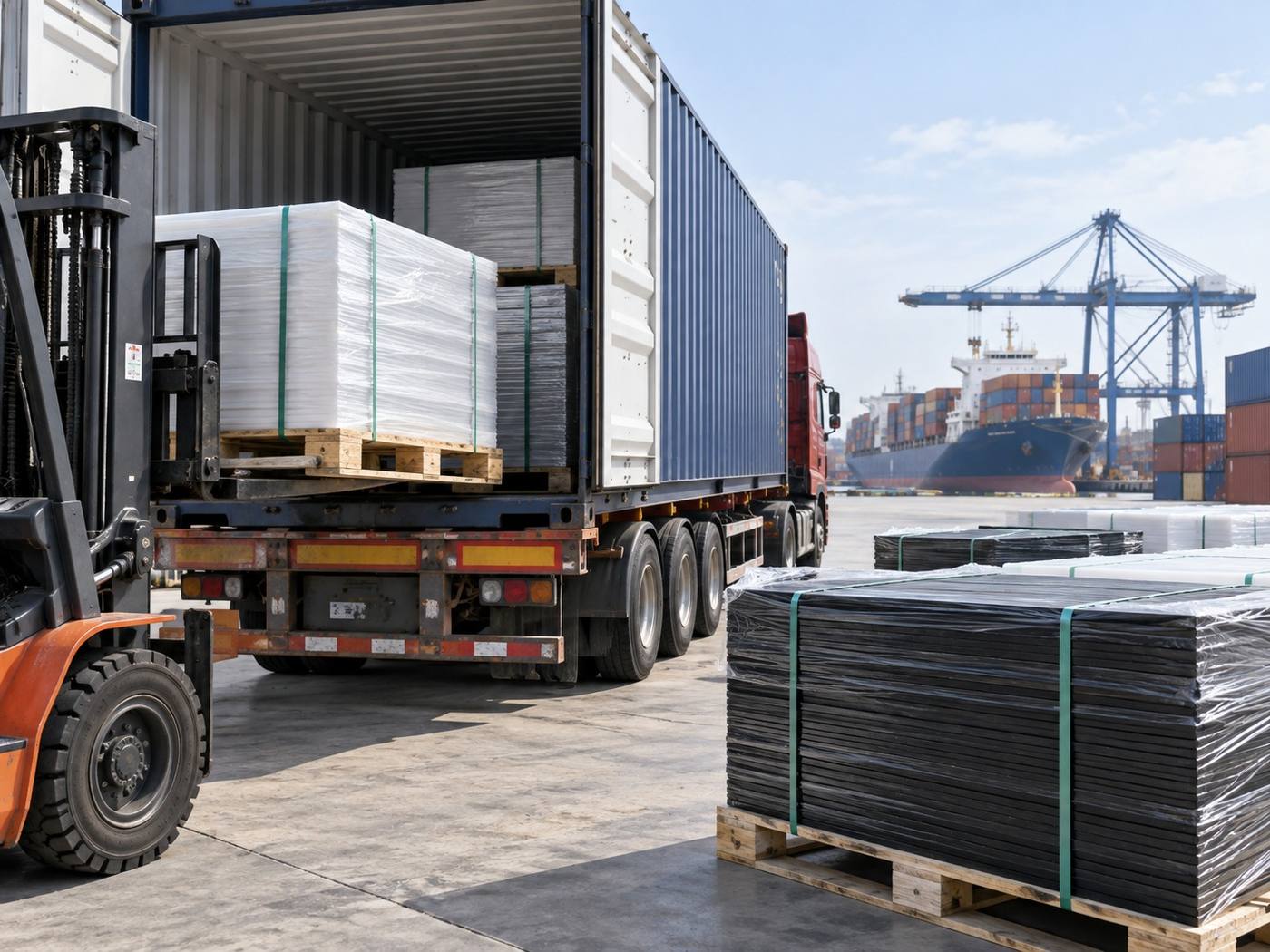
How the offloading anomalies should form the maintenance worksheets, starting with the ground, equipment, materials and operation of the site. The typical working situation in this paper is that drivers find the residue to increase or increase the timing. It is not a single parameter that is most in need of control at this time, but a problem that is not quantified can easily be treated as an occasional situation. If only one layer of material is laid on the surface and no real load of ground, drainage or equipment is identified, movement appears to resume in the short term, with the possibility of subsequent shutdown, back-to-work or safety risks.
The technology is selected to determine which of the most adverse factors are vehicle numbering, shifts, routes, events, maintenance hours, material consumption and operating records, and to screen three types of products around recording material, weather, load, car number, video and liner status. For example, road products focus on localization and connectivity, support products focus on reversibility and rigidity, and car products focus on friction, shocks and contraction. Even if the common thickness of 15, 20, 25 or 30 mm is used, the logic of choice and the applicable boundary must be stated.
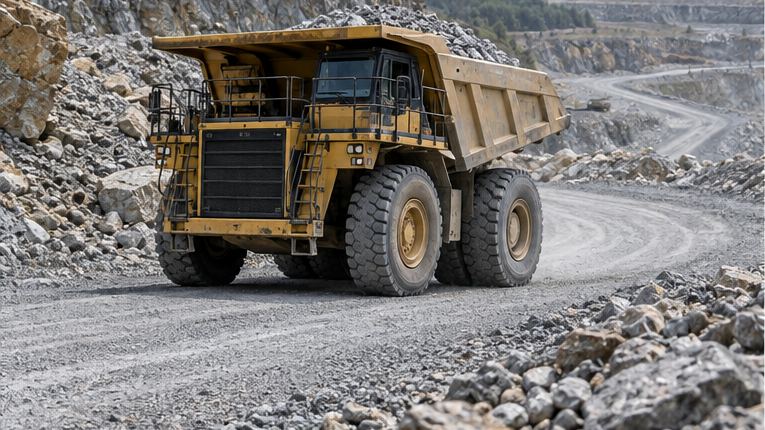
Figure: Drivers find more residues or change in lifting time
The quality of the installation should be reviewed through photographs and measurements, not just oral confirmation. First, they deal with drainage, tatters or deforming steel plates, and then place three types of products in accordance with approved drawings; they include the same set of asset management for roads, support and carriage liners. Any need for temporary blocks of wood, random cutting of angles, forced porosity or stacking should be returned to the technicians for re-evaluation.
A shorter review cycle could be used at the beginning of the operation to confirm that the product has stabilized and is adjusted. The checks included changes in trends, repeated malfunctions, unclosed worksheets and training deviations, and also observed whether operators complied with speed limit, lift or removal requirements. Deep mouths, burns, permanent warp, loose-stretched solids and perforations are expanded and photo measurements should be made; parts that meet the decommissioned conditions must be placed in separate lists.
Receiving and inspection information shall keep the product batch, installation chart, site photographs, initial dimensions and trial running records. When future problems are not quantified and can be easily treated as an occasional situation, it can be judged whether the anomaly arises from initial installation, changes in condition or natural wear. For reusable pavements or leg pads, this set of records will also facilitate the rapid matching of suitable locations for the next transfer.
Finally, this paper provides a selection and management approach, with no alternatives to equipment specifications, special programmes, geological evaluations and local regulations. Work involving lifting support, ramps, ditches, vehicle lifts or personnel entering the carriage shall be reviewed and quarantine, locking and emergency procedures carried out by suitably qualified personnel. The above data may be submitted at the request for quotations to obtain recommendations on size, thickness, quantity and shipment.
Need for further evaluation of the actual project?
Applications, sizes, quantities, site photographs or drawings and delivery destinations are sent, on which we can identify more suitable products and processing programmes.