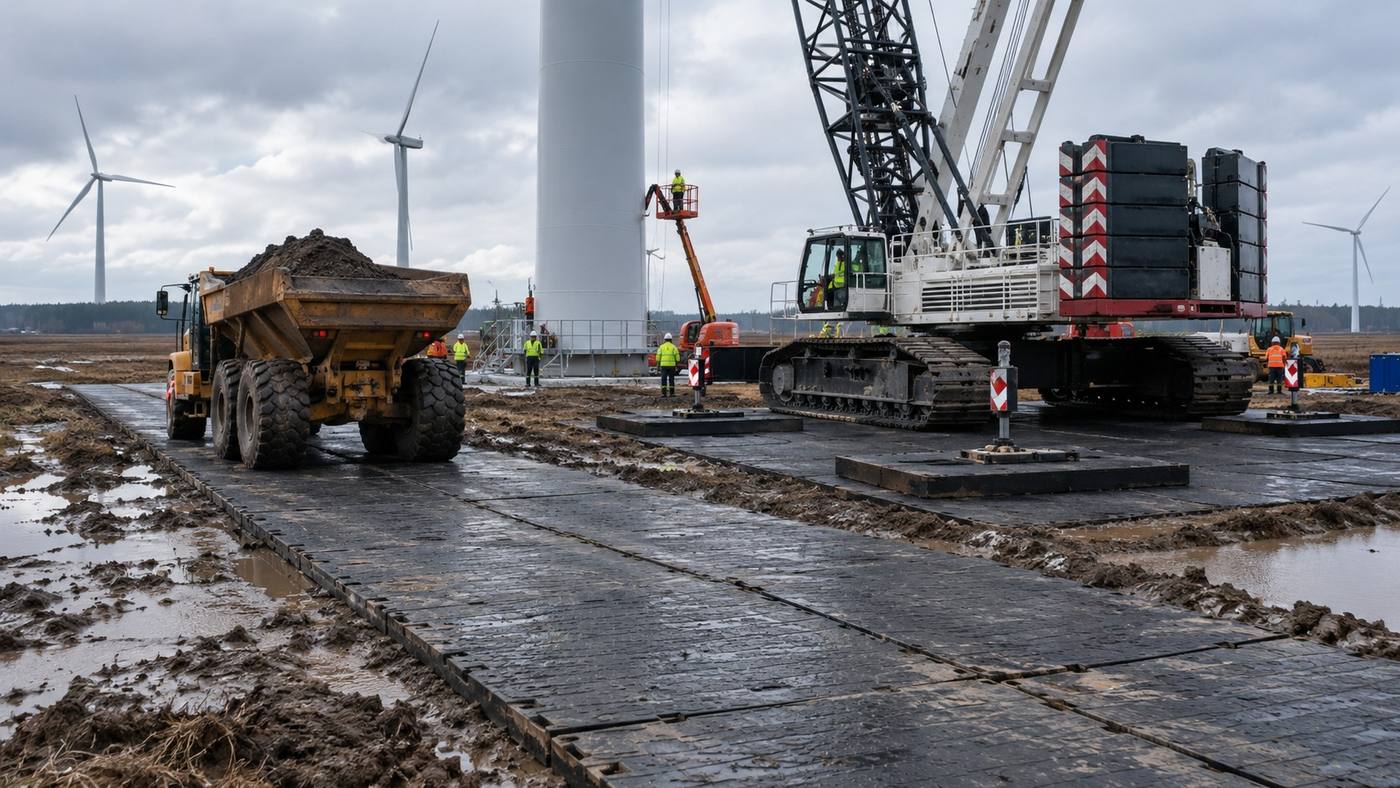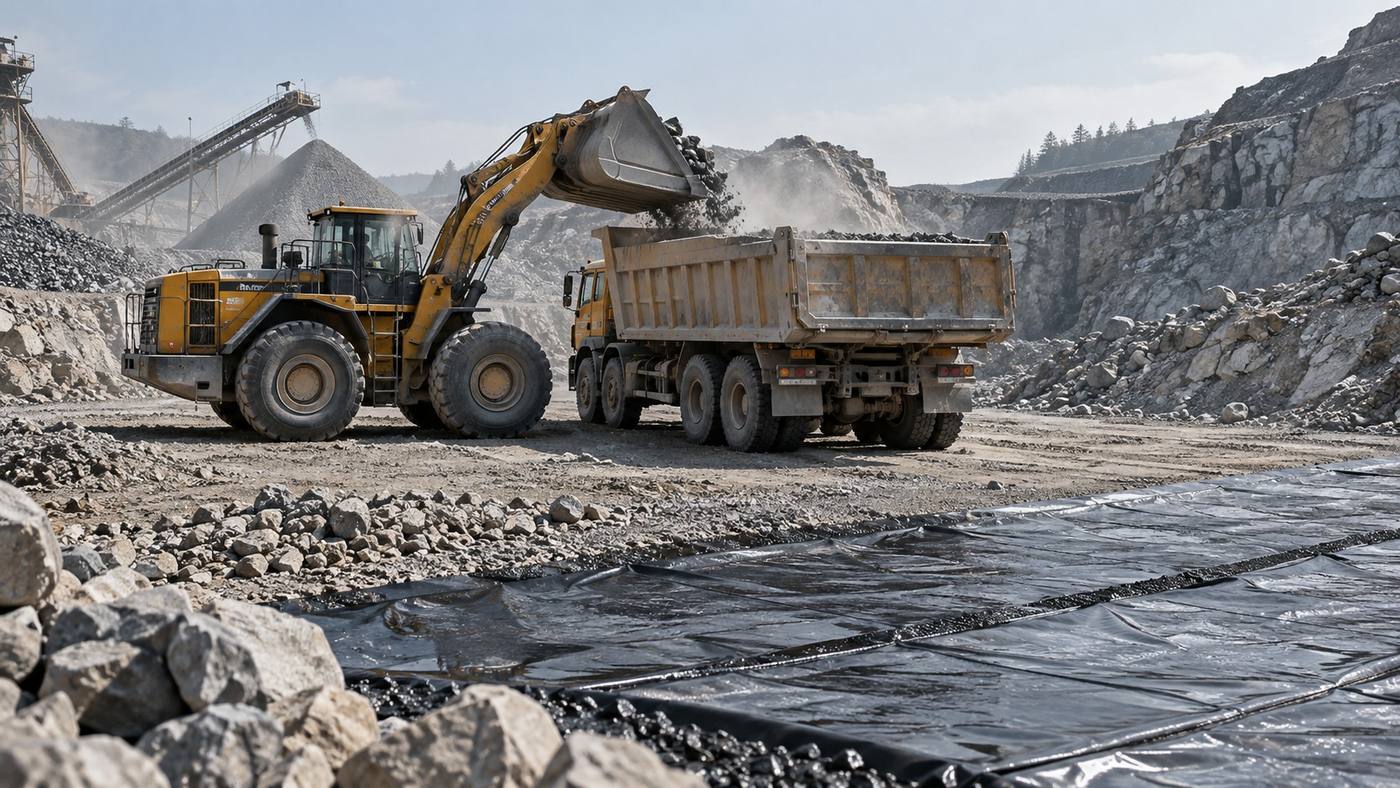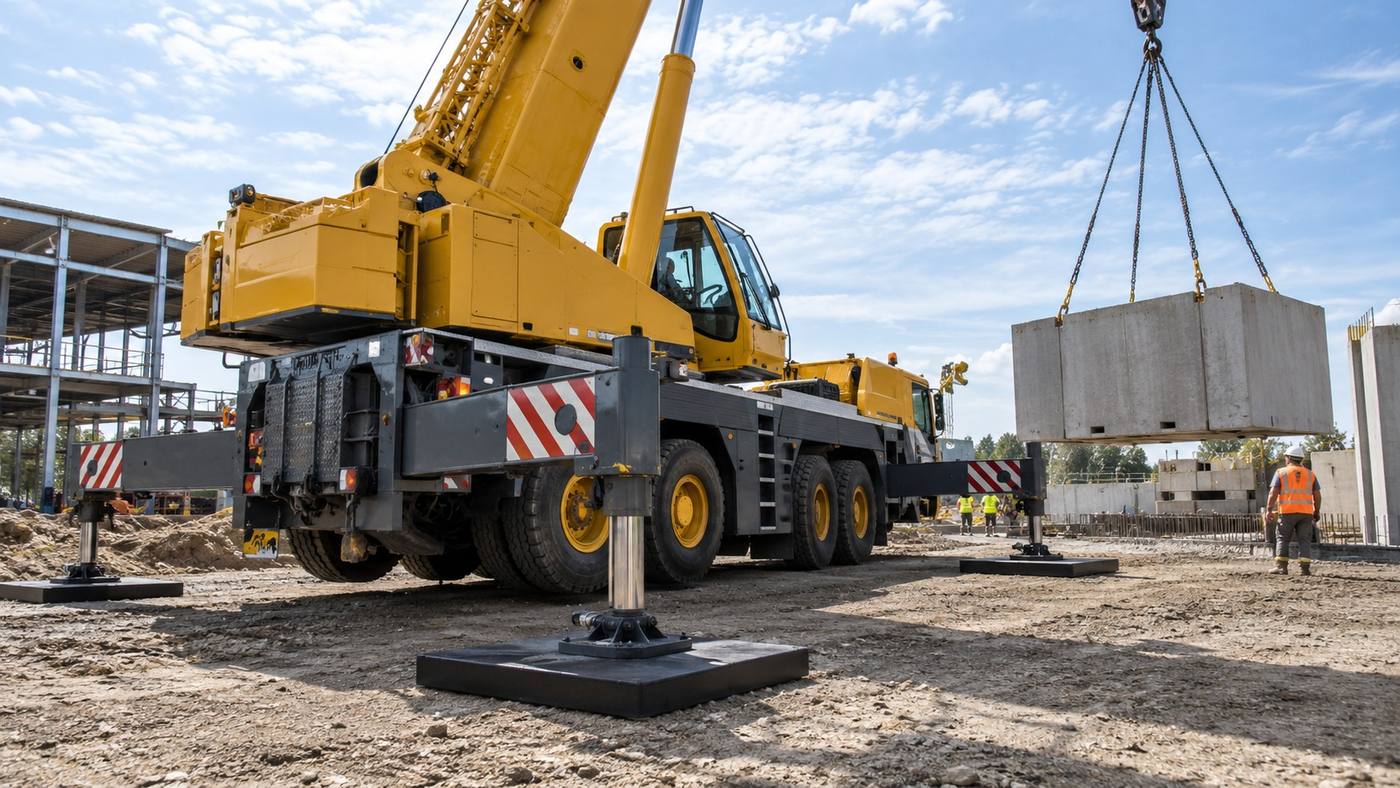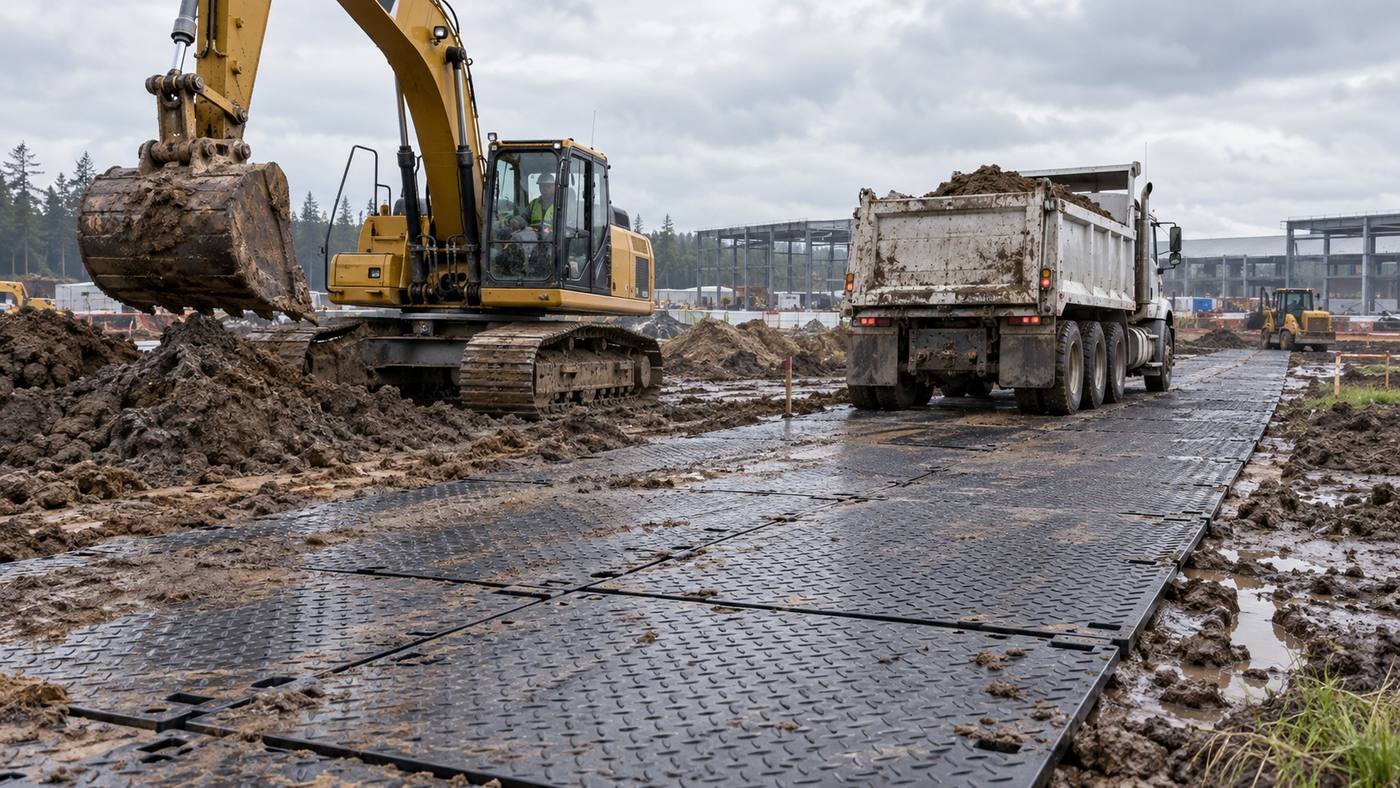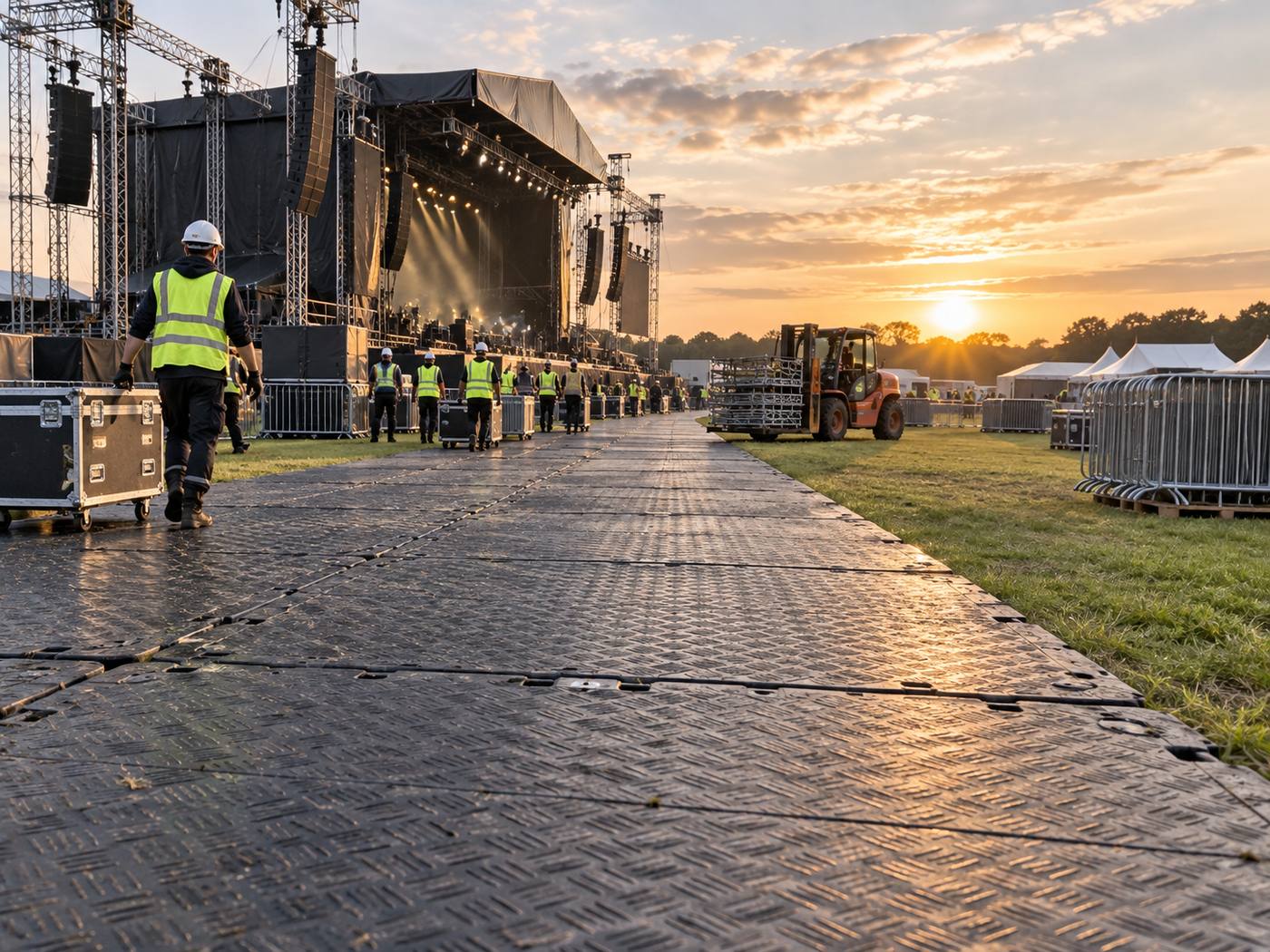
The wet soil adhesived in the self-loading car is not clean, and first, the site problem is to be broken down into “ground, equipment, materials and operations”. The typical working condition of this article is that of a high-colate wet earth loaded into a normal steel carriage. It is not a single parameter that is most in need of control at this time, but the attachment, vacuum and bridge that returns the material with the vehicle. If only one layer of material is laid on the surface and no real load of ground, drainage or equipment is identified, movement appears to resume in the short term, with the possibility of subsequent shutdown, back-to-work or safety risks.
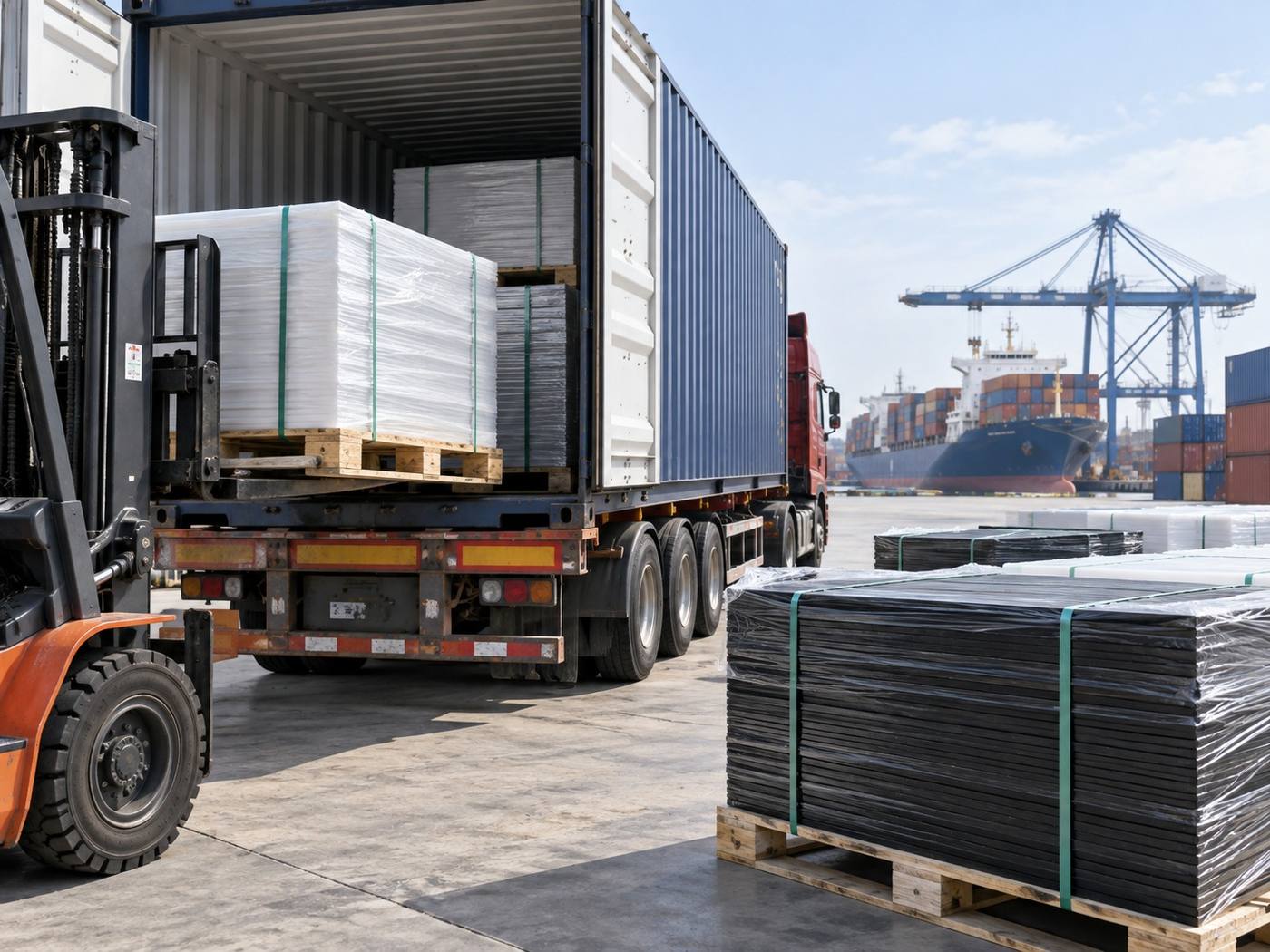
The procurement or technical staff shall first match the type of material, the water content rate, the particle size, the temperature, the load, the angle of the vehicle and the current residue rate with the photographs of the site, indicating, in particular, the location where the attachment, vacuum and bridge bring the material back to the vehicle. It is proposed that the water-bearing rate, the geometry of the vehicle and the low friction liner programme be assessed at the same time, but that the length, width, thickness, weight, surface, hole and permitted temperature of the vehicle skateboard be checked prior to implementation. Where products need to be relocated repeatedly, the ceiling for manual removal and mechanical posts should also be included in the selection.
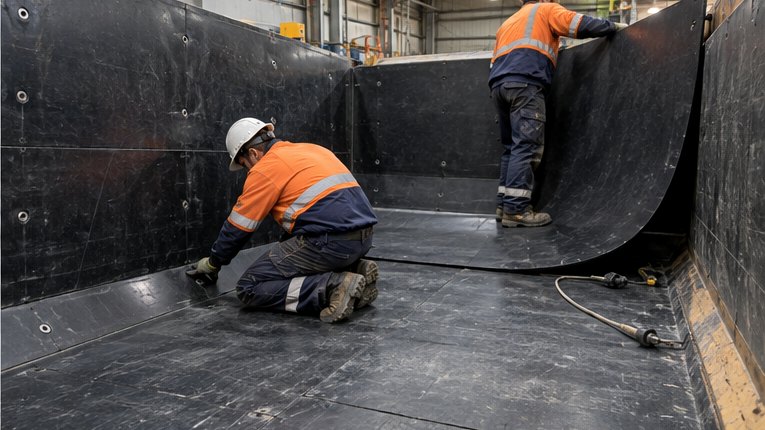
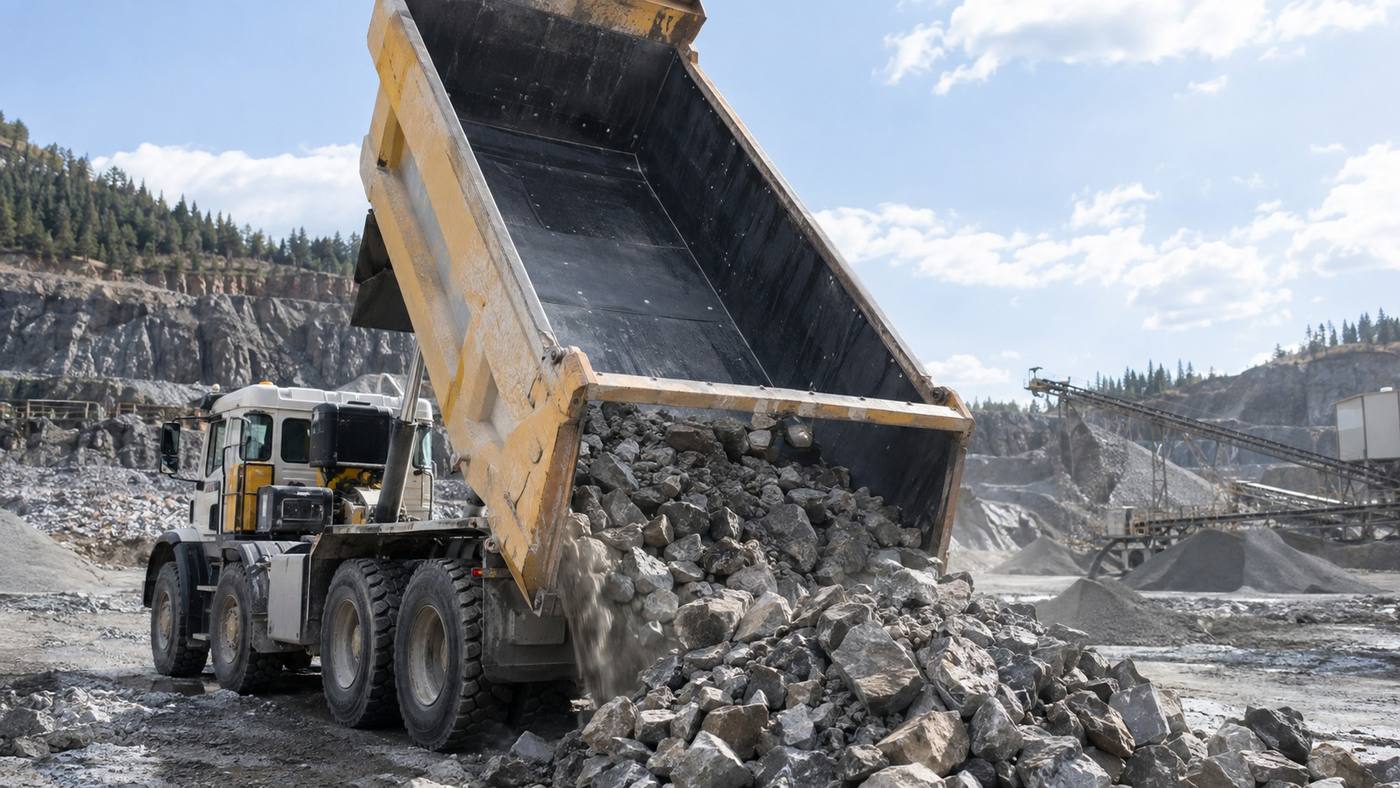
Figure: High viscosity wet soil loaded into ordinary steel cars
During the construction or installation phase, the area of operation is first sealed, and the point-loading of sharp stones, hard blocks and miscellaneous items are cleared, then laid or fixed in the order approved. The low friction liner is to be used with the correct lifting and cleaning system. Where a collage is required, the connection should be directed in the direction of the main drive or material flow, and the conditions of condensation and overhaul required by the manufacturer should be retained; no random drilling, cutting or stacking should be made on site to compensate for the lack of choice.
Maintainers need to know how normal traces of products differ from dangerous injuries. It is more effective to create live illustrations of seams, sudden slips, fallovers and lifting anomalies than simply to write “watch out”. If attachments, vacuums and bridges continue to increase in the number of times the material is returned to use with the vehicle, the payload, foundation or material should be analysed as to whether it exceeds the original conditions and a limit, speed limit or suspension measure should be taken until confirmed.
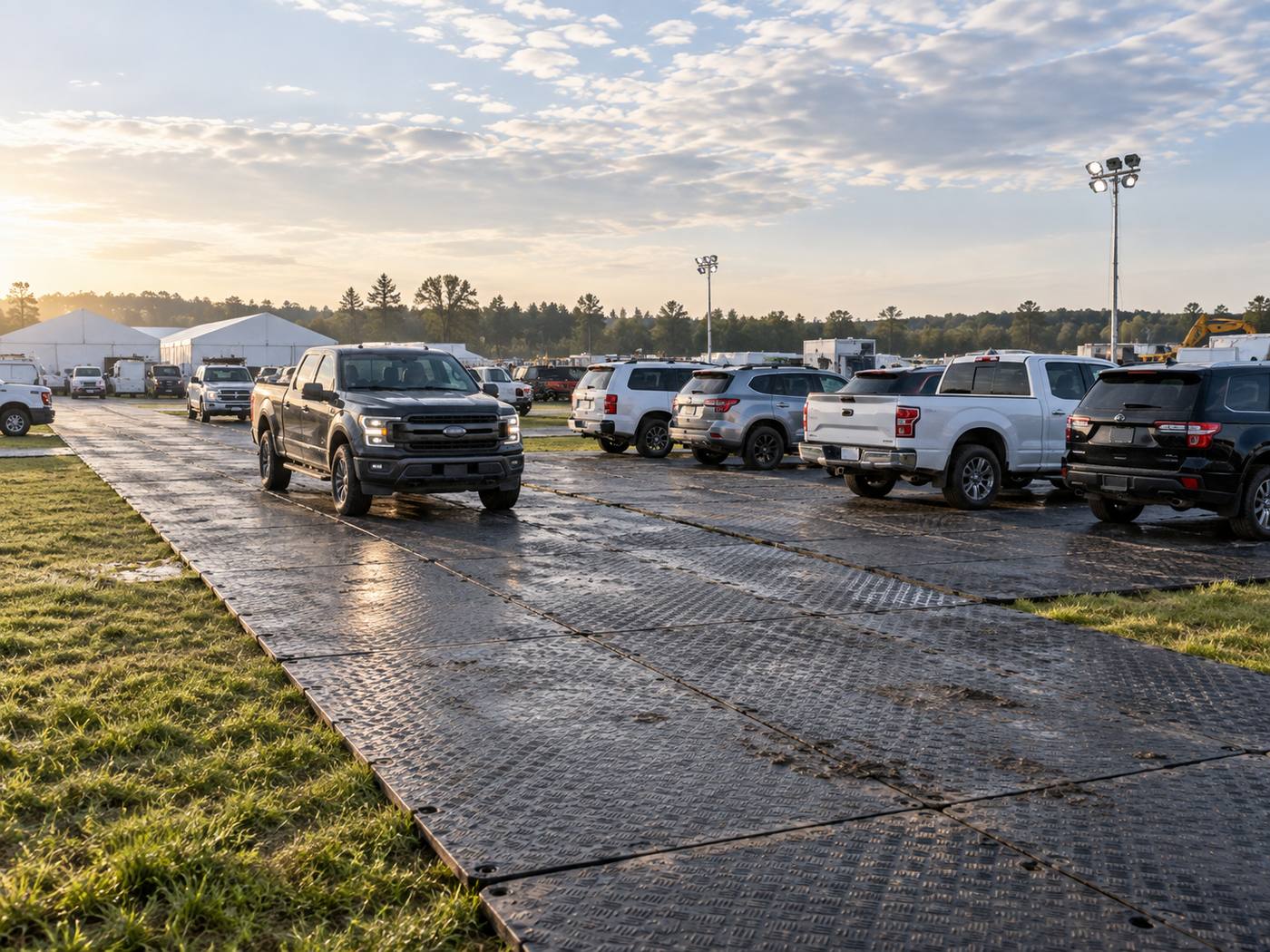
For temporary roads, the number of crashes, the length of blockages and surface repairs can be used as indicators; for leg support, the logs are evened and down; for carriage liners, the residue rate, lifting time and steel plate maintenance are tracked. Select two to four matches to this topic. Changes in calibres, attached, vacuums and bridges that allow material to return with a vehicle can be objectively identified.
Finally, this paper provides a selection and management approach, with no alternatives to equipment specifications, special programmes, geological evaluations and local regulations. Work involving lifting support, ramps, ditches, vehicle lifts or personnel entering the carriage shall be reviewed and quarantine, locking and emergency procedures carried out by suitably qualified personnel. The above data may be submitted at the request for quotations to obtain recommendations on size, thickness, quantity and shipment.
Need for further evaluation of the actual project?
Applications, sizes, quantities, site photographs or drawings and delivery destinations are sent, on which we can identify more suitable products and processing programmes.