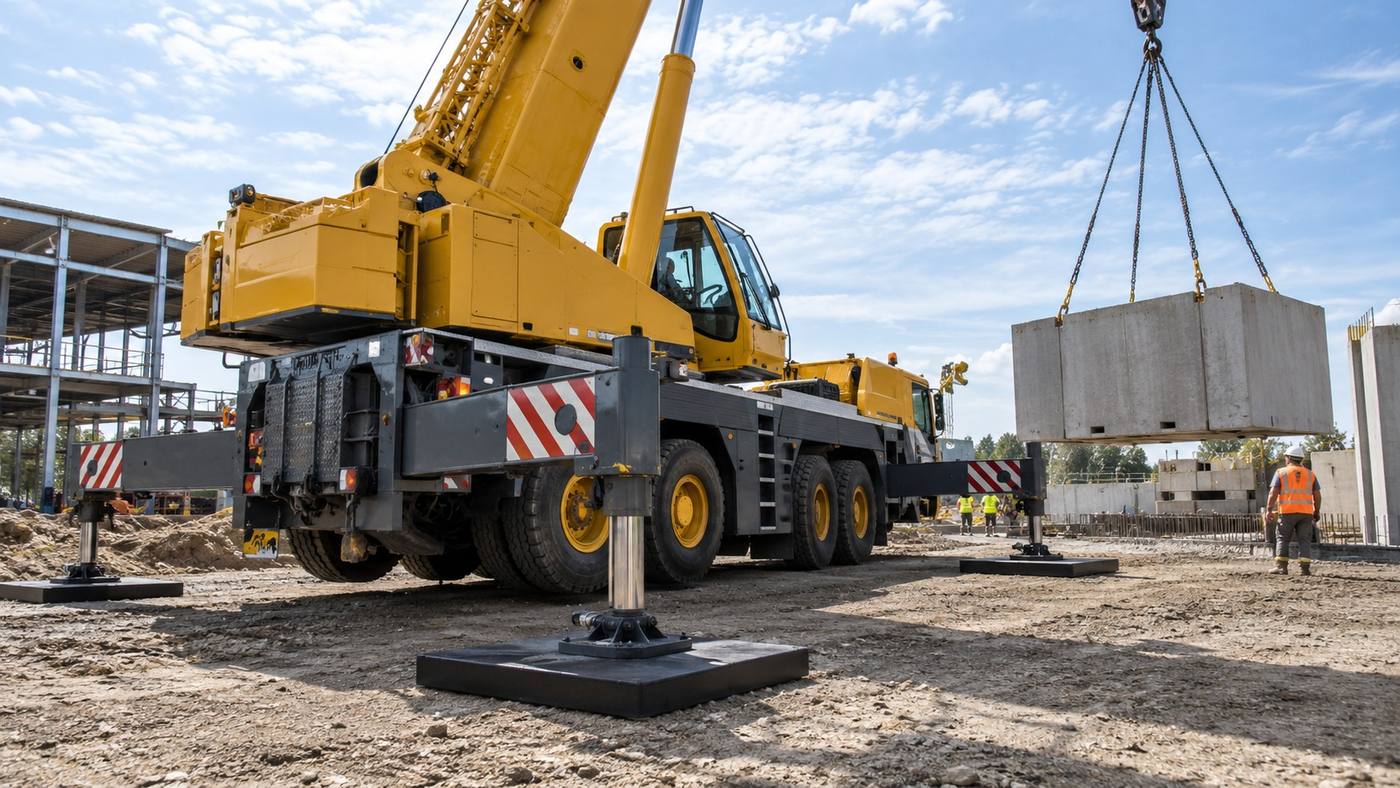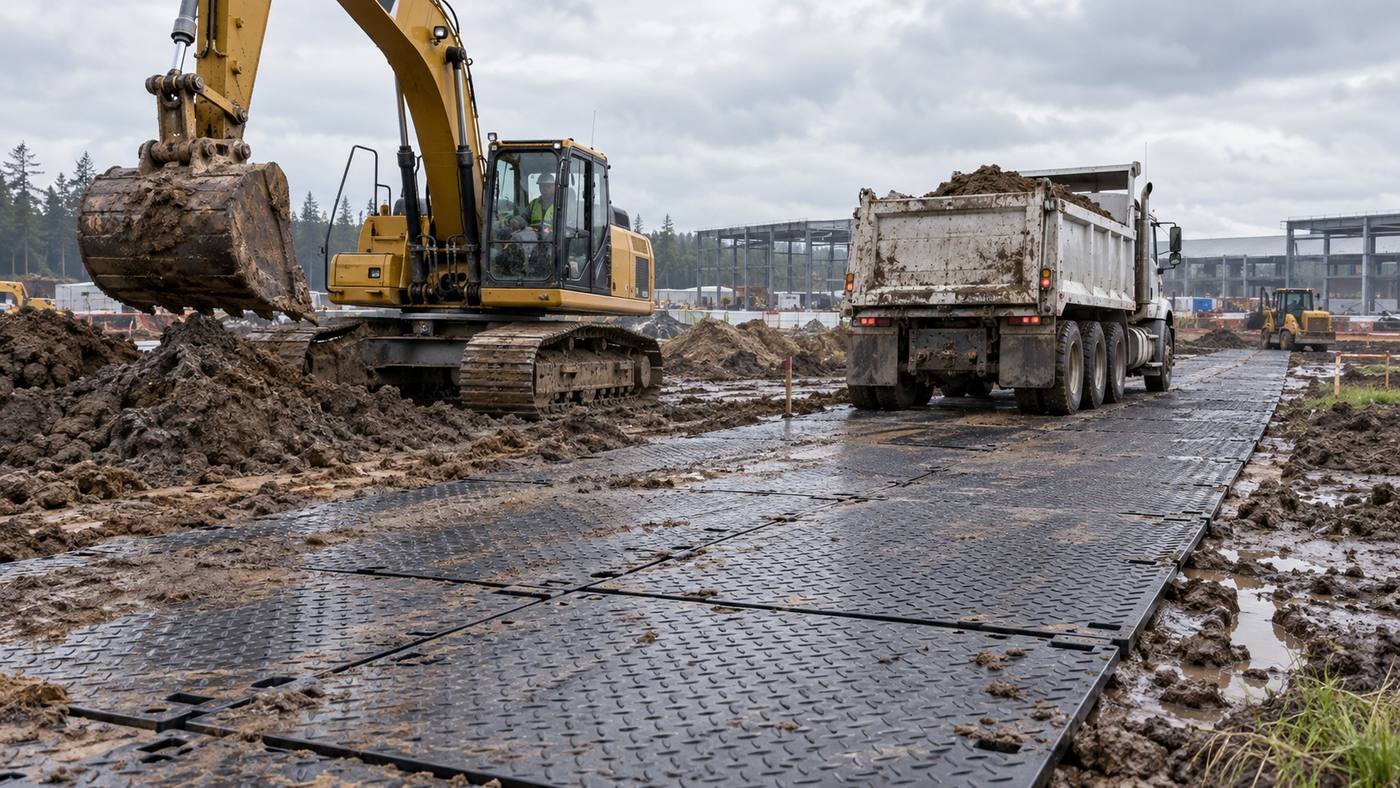
At the scene, when drivers repeatedly lift up and drop their cars in an attempt to decipher, many teams ask first how thick the plates are needed; however, the key to what remains to be done is to confirm the defunct borders. If a synchronous increase in impact load, side-turn risk and hydraulic wear increases significantly after rainfall, full load or continuous operation, the state shall be used as a design condition and shall not be replaced by clear or airborne data.
Prior to the design of the programme, it was recommended to collect material types, water-bearing rates, particle size, temperature, load, car angles and current residue rates. When communicating with suppliers, photographs, size charts and the most unfavourable work conditions should be provided, rather than giving only one “mass tonnage”. The more appropriate control actions for this topic are the cessation of the dangerous dumps, the examination of the material, the lining, the lifting and the discharge floor. In the case of a car skateboard, the material plate number, the size of the finished product, the thickness difference, surface texture, connection or fixation, the working temperature, and the test conditions for the data. The usual specifications of 15, 20, 25 or 30 mm can only serve as the starting point for the request for quotations and cannot directly substitute for the engineering judgement.
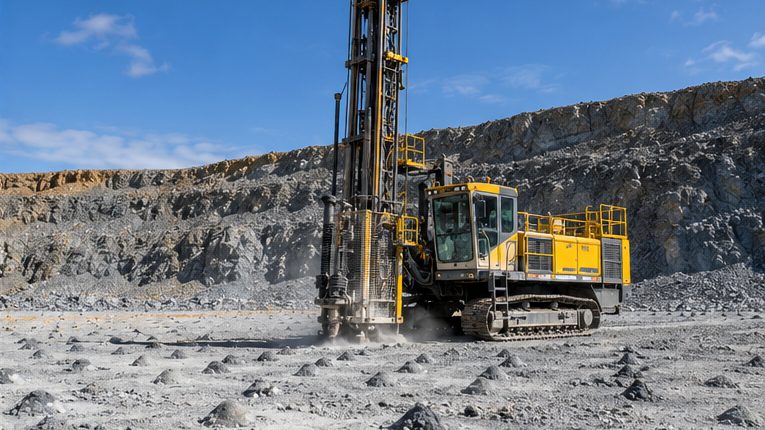
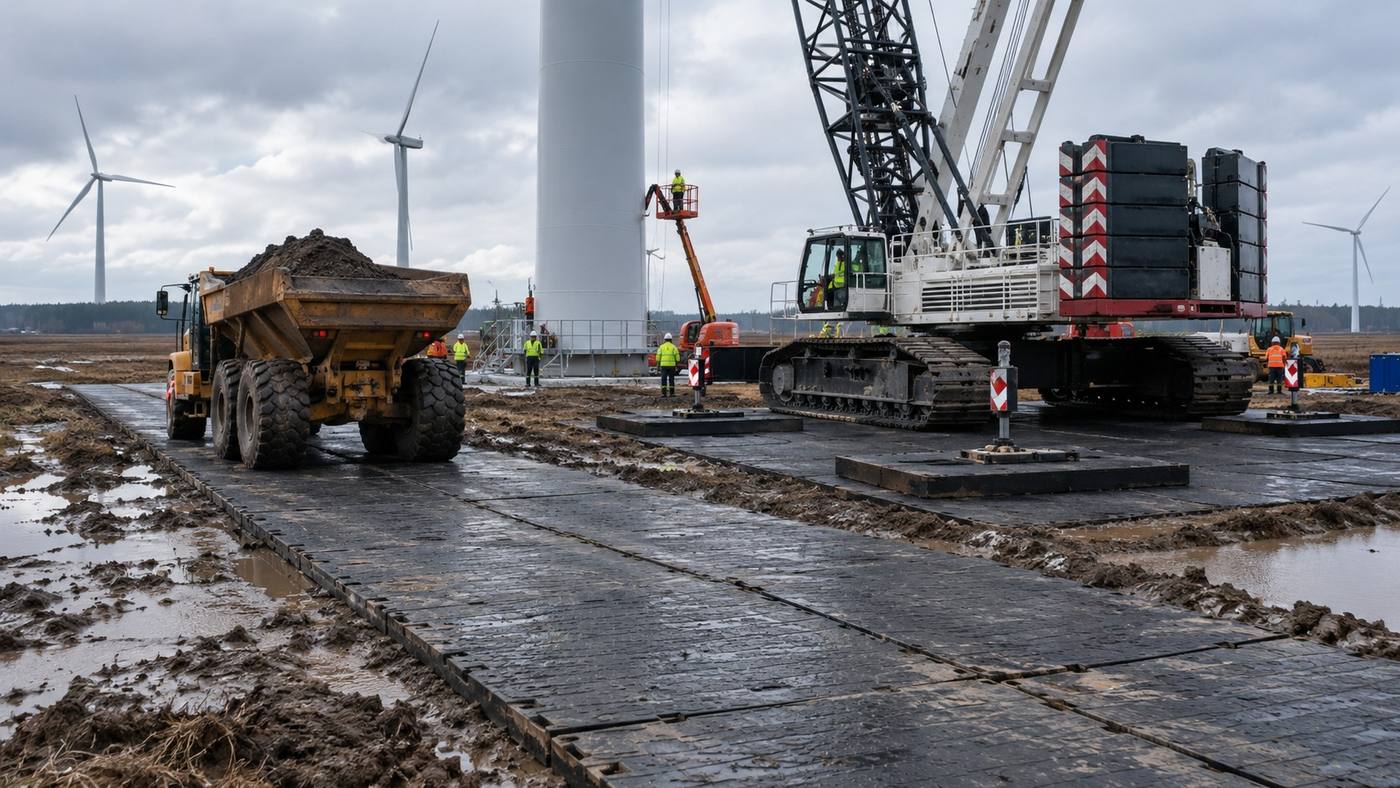
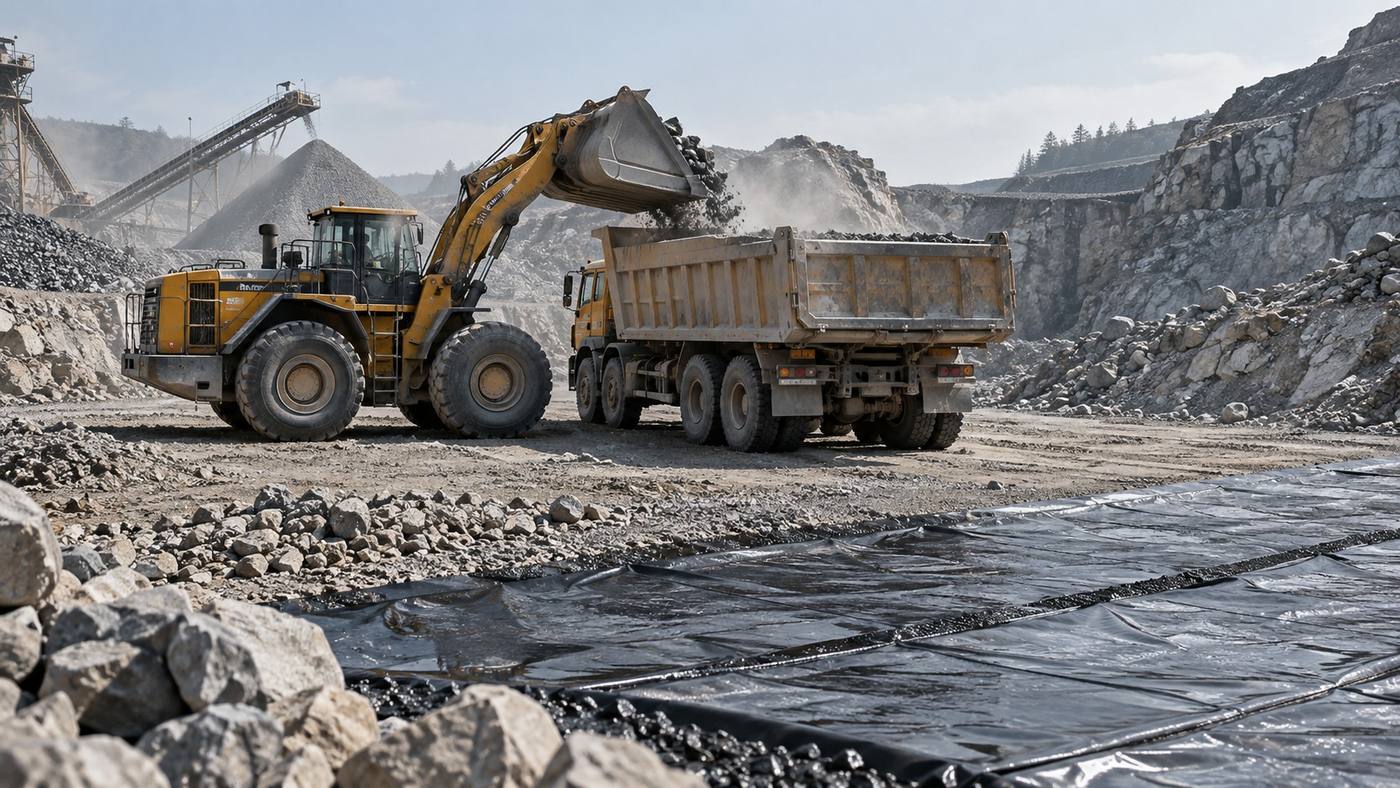
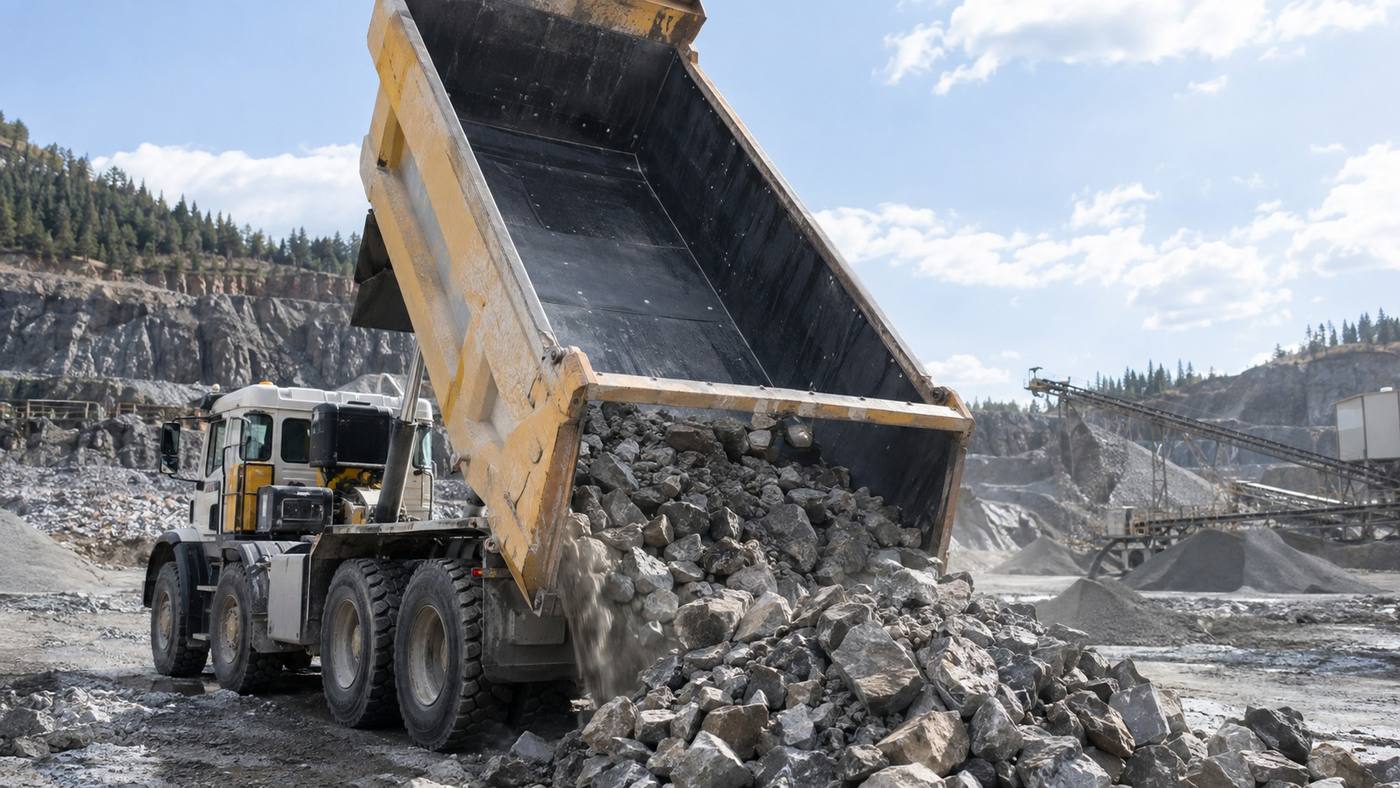
Figure: Drivers repeatedly lift up and drop cars to try to dump the oil
Prior to implementation, a pre-operational meeting may be arranged to clarify who will confirm the basis, who will accept the slabs and who will have the right to cease operations. The low friction liner is to be used with the correct lifting and cleaning system. The site is positioned according to numbering and drawings, and every section completed checks size, edge, connection or rigidity, without leaving all questions to the end. The rhythm shall be reduced during the trial period to observe whether the shock load, the risk of a side flip and the synchronous increase in hydraulic wear and tear have re-emerged.
Maintainers need to know how normal traces of products differ from dangerous injuries. It is more effective to create live illustrations of seams, sudden slips, fallovers and lifting anomalies than simply to write “watch out”. In the case of a synchronous increase in impact load, side-turn risk and hydraulic wear and tear, which increases with the number of use, the payload, foundation or material should be analysed as to whether it exceeds the original condition and a limit, speed limit or suspension measure should be taken until confirmed.
In order to validate the programme, a representative route, a vehicle or a support point could be selected for a controlled trial, with observation cycles and exit conditions. The records should cover normal and most unfavourable conditions, with particular attention to the simultaneous rise in impact loads, side-over risks and hydraulic wear and tear. Only when the test data are stable, the maintenance workload is acceptable and confirmed by project management and security personnel will it be appropriate to expand the application.
The conclusions can be summarized as identifying the boundary before choosing the slab, which will then be validated by checking data. Products shall not be used as substitutes for unsatisfactory foundations, damaged equipment or illegal operations. Where a person is involved in entering a dangerous area, a stop, quarantine and locking procedure shall be carried out; where a load and stability are involved, a review and written basis shall be carried out by a qualified person.
Need for further evaluation of the actual project?
Applications, sizes, quantities, site photographs or drawings and delivery destinations are sent, on which we can identify more suitable products and processing programmes.