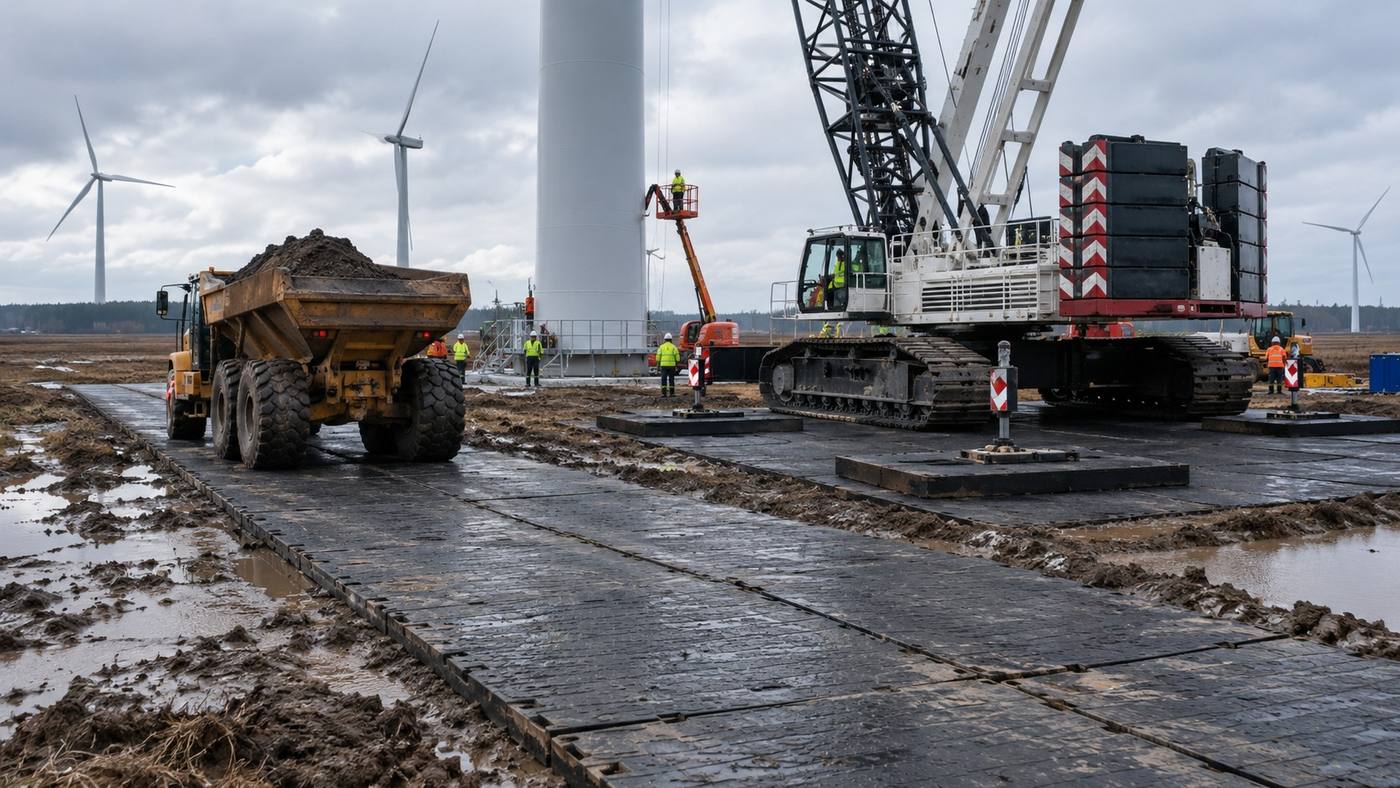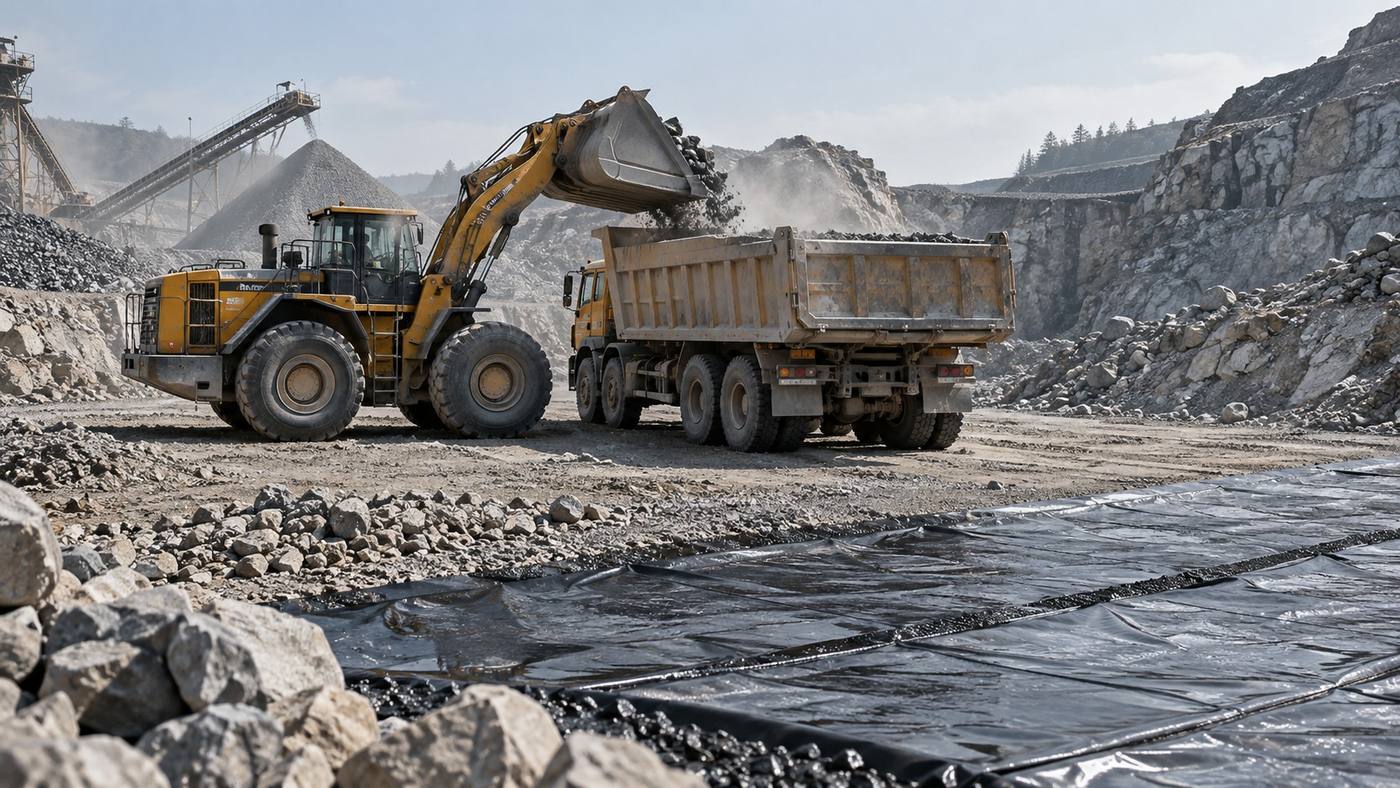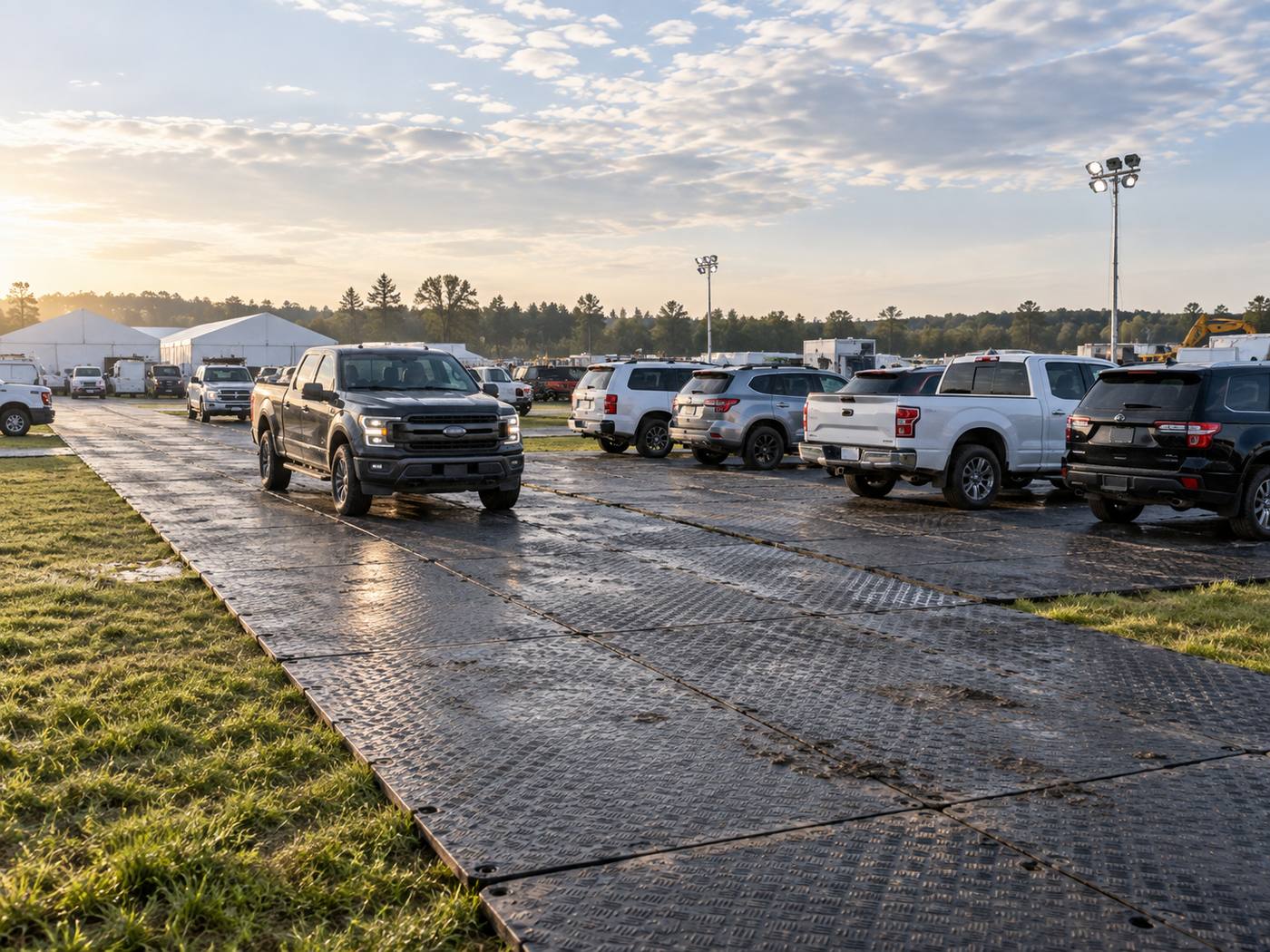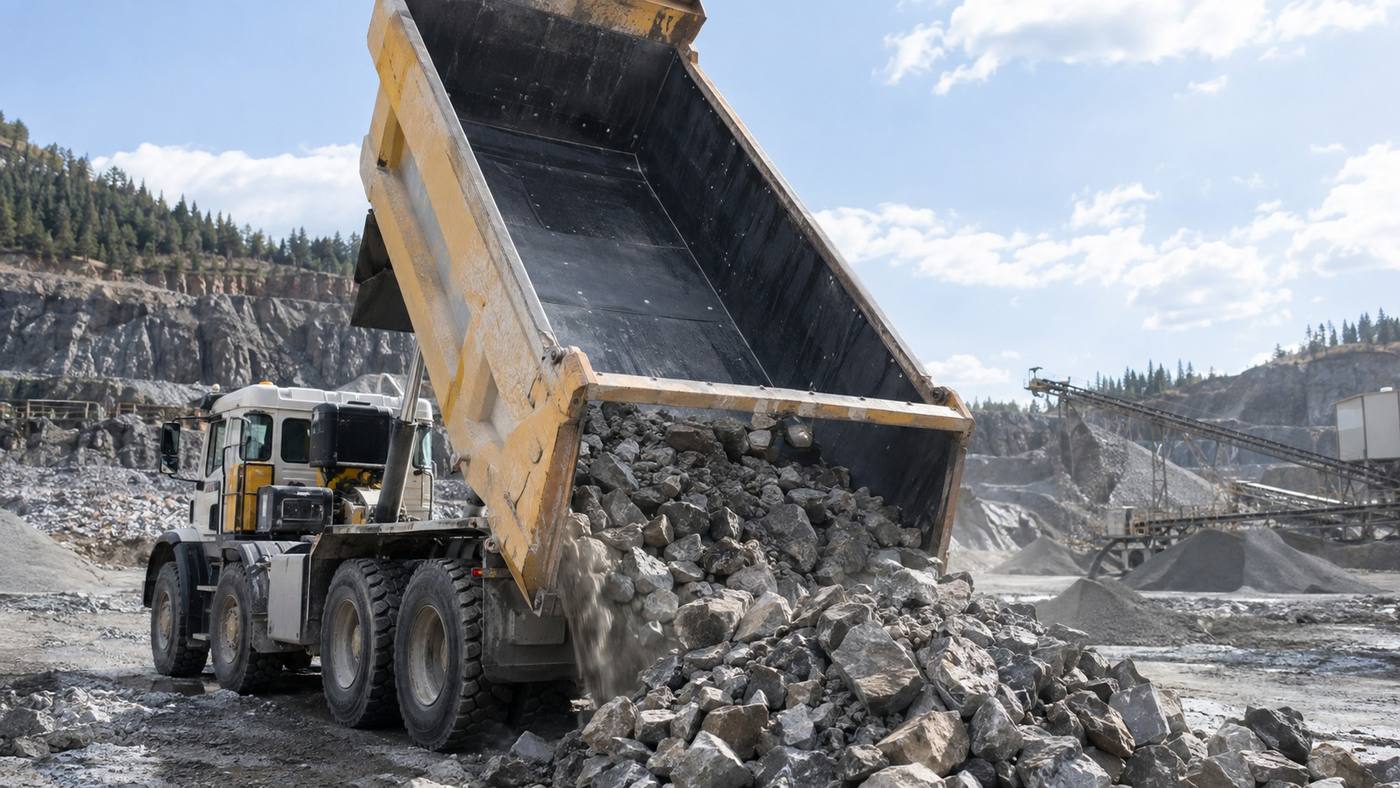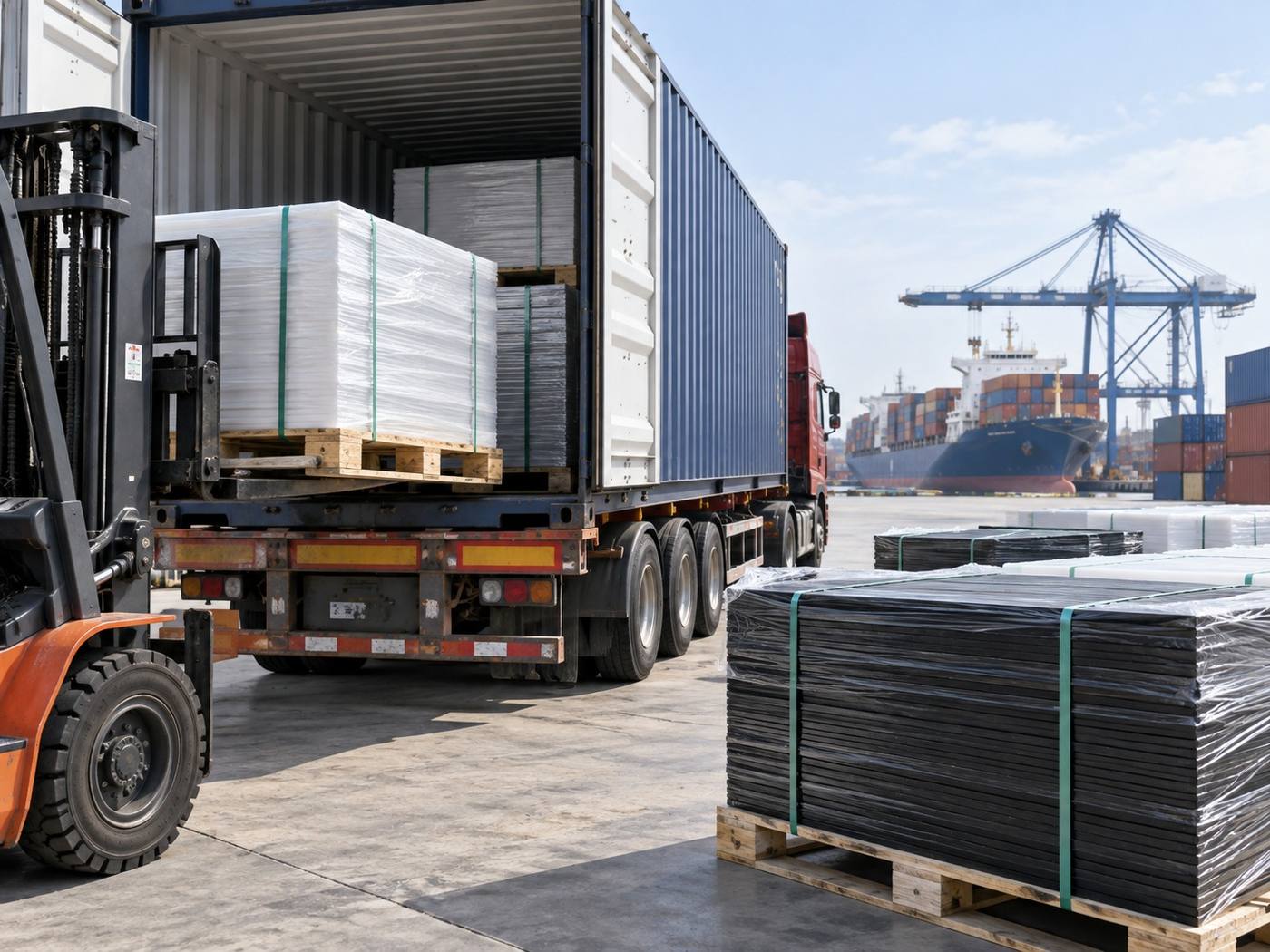
With regard to the care to be taken in the transport of pavements and stacking in remote mining areas, it was suggested that a short question statement be established: the location was long-distance sea, road trans-shipment and open-air dumps, with the main anomalies being inappropriate bundling and scrambling resulting in deformation or dissipation, affecting whom and when to resume. This distinguishes between security issues that must be immediately isolated, control issues that can be maintained, and long-term issues that need to be redesigned.
In order to avoid repeated requests for quotations, the project should provide a one-time replenishment cycle, a climate window, route length, the most heavy vehicles, surface sensitivity and evacuation requirements, with an indication of the frequency and consequences of deformation or dissipation as a result of inappropriate bundling and suspension. Vendors may be required to submit recommendations, product drawings, individual weights, quantities of packaging and restrictions around the use of suitable pallet bindings, flat bearings and traceable numbers. All descriptions of “carrying” or “drying” are traced back to the basis of the test and are not directly considered as field permitted values.
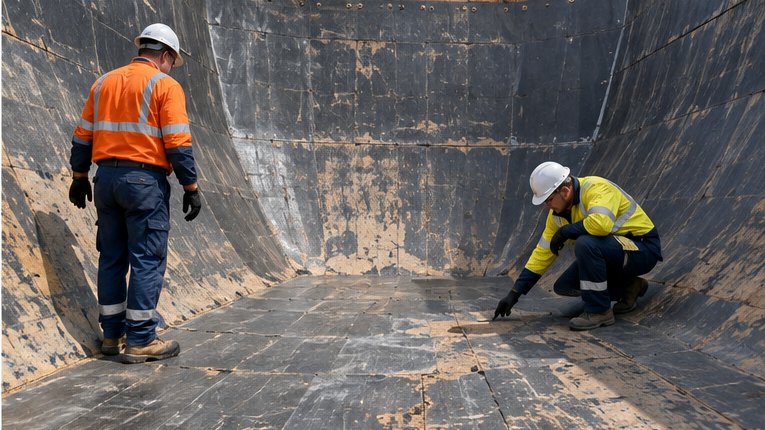
Figure: Long-distance shipping, road transhipment and open dumps
During the construction or installation phase, the area of operation is first sealed, and the point-loading of sharp stones, hard blocks and miscellaneous items are cleared, then laid or fixed in the order approved. The value of recyclable products is to reduce long-term surface disturbances and to support fast-tracking. Where a collage is required, the connection should be directed in the direction of the main drive or material flow, and the conditions of condensation and overhaul required by the manufacturer should be retained; no random drilling, cutting or stacking should be made on site to compensate for the lack of choice.
The site inspection should not simply be “normal”. Floods, freezing, sand, communications and alternative routes should be selected on a case-by-case basis, with anomalies classified as observation, restriction and decommissioning. In the event that the recurrence of inappropriate bundles and suspensions in the same area results in deformation or dissipation, a project restoration order should be created. The removed plates or pads are cleaned, dry, flat and stored in salaried areas.
If the project is ready to expand its application, it is recommended that it be preceded by a common review of operations, maintenance, security and procurement. Operators confirm the ease of use, maintenance staff confirm the feasibility of inspection and replacement, security personnel check the conditions for decommissioning, and procurement staff deliver spare parts in comparison with spare parts. Multiple views can test whether the use of suitable pallet binding, flattening of the bearings and retroactivity numbers is really enforceable outside the paper.
The safety floor does not change due to the tight working schedule. In the event of an unknown foundation, posturing of equipment in excess of the Manual, damage to components or failure to isolate persons, operations should be suspended and approvals upgraded. Any improvement that would result in deformation or disassembly from inappropriate bundles and suspensions must be recognized without introducing a new risk of slide, overload, trip or maintenance.
Need for further evaluation of the actual project?
Applications, sizes, quantities, site photographs or drawings and delivery destinations are sent, on which we can identify more suitable products and processing programmes.