In the scene of the long and narrow retrofit route along the conveyor belt, it is not possible to answer only empirically how the Quarry Field belt retrofit was temporarily laid. The common error zone is an increase in thickness immediately after the sight of mud, wear or viscos, without the conditions for the retrospectation of vehicles close to the gutter and for the construction to be overloaded. The correct approach would be to define the true course of use, the most unfavourable weather, vehicles or equipment before deciding whether to use a pavement, leg pad or car skateboard.
Prior to the design of the programme, it is recommended that the equipment be collected in terms of exterior, routing, local pressure, mode of diversion, debris particles and frequency of operations. When communicating with suppliers, photographs, size charts and the most unfavourable work conditions should be provided, rather than giving only one “mass tonnage”. The more appropriate control action for this topic is to be laid in accordance with the requirements of net width, turn and emergency passage. The material number, the size of the finished product, the thickness difference, the surface texture, the connection or fixation, the working temperature, and the test conditions for the data are also to be confirmed when the pavement board is involved. The usual specifications of 15, 20, 25 or 30 mm can only serve as the starting point for the request for quotations and cannot directly substitute for the engineering judgement.
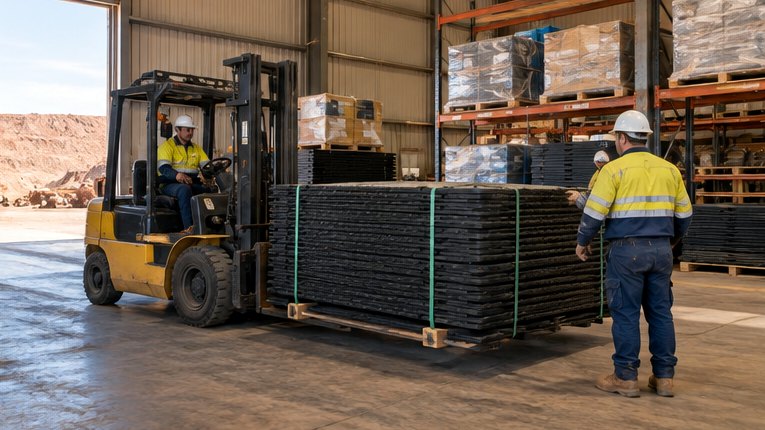
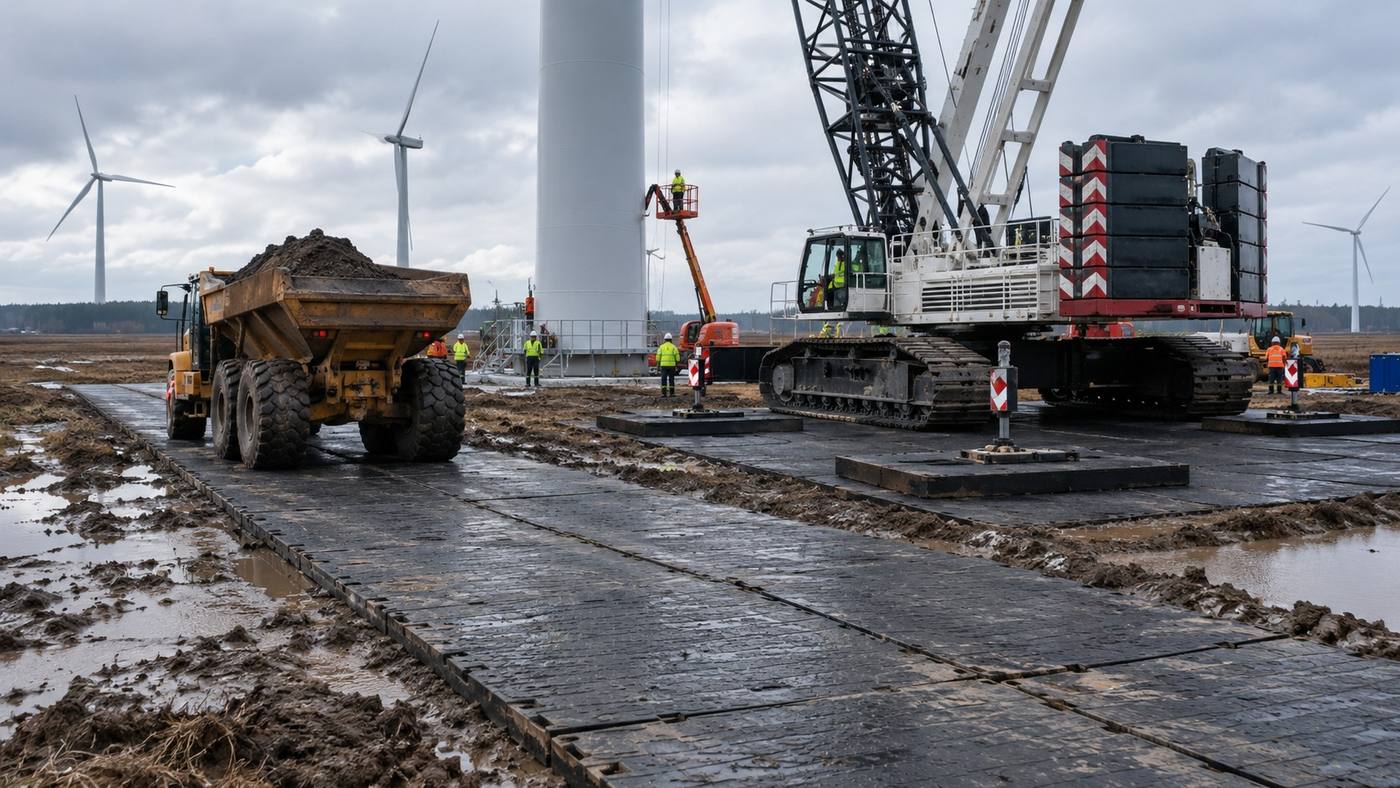
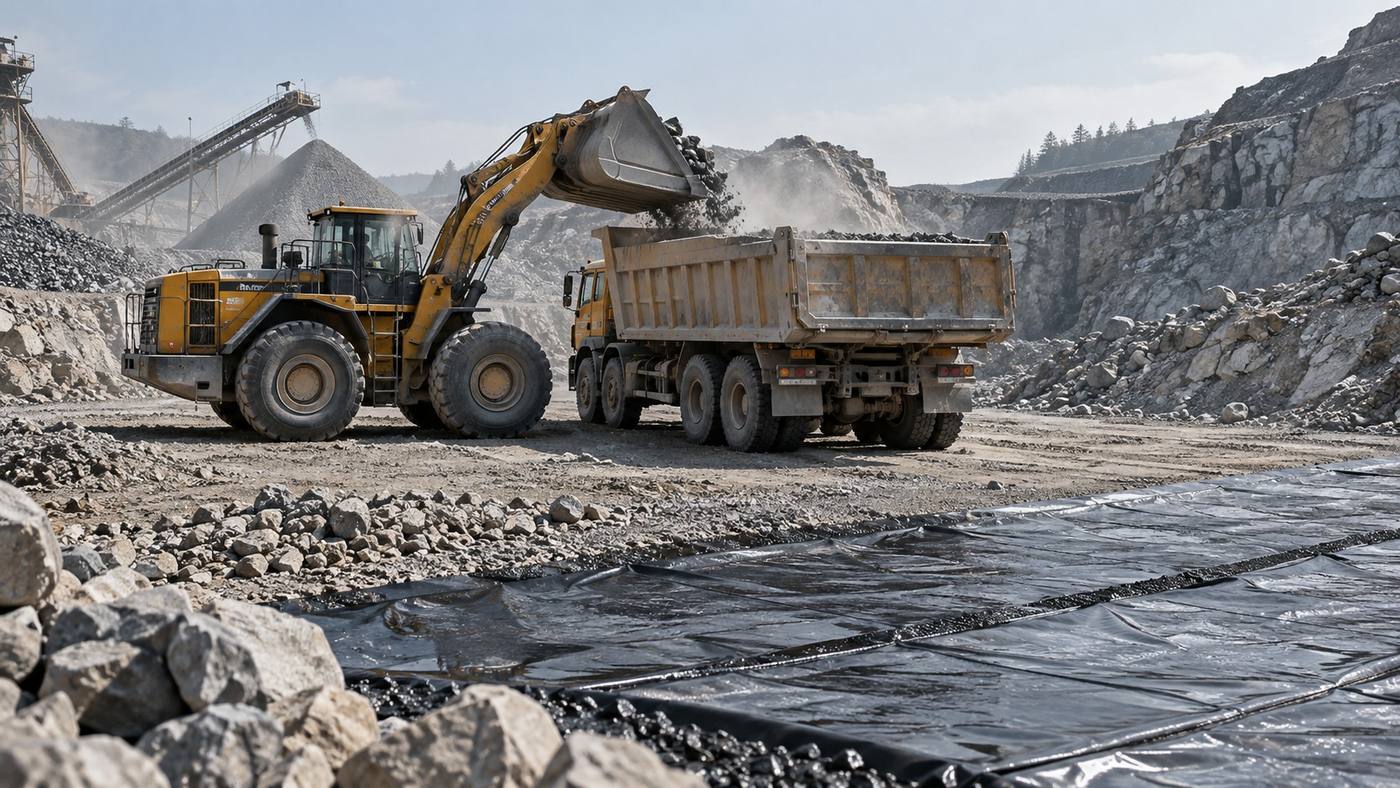
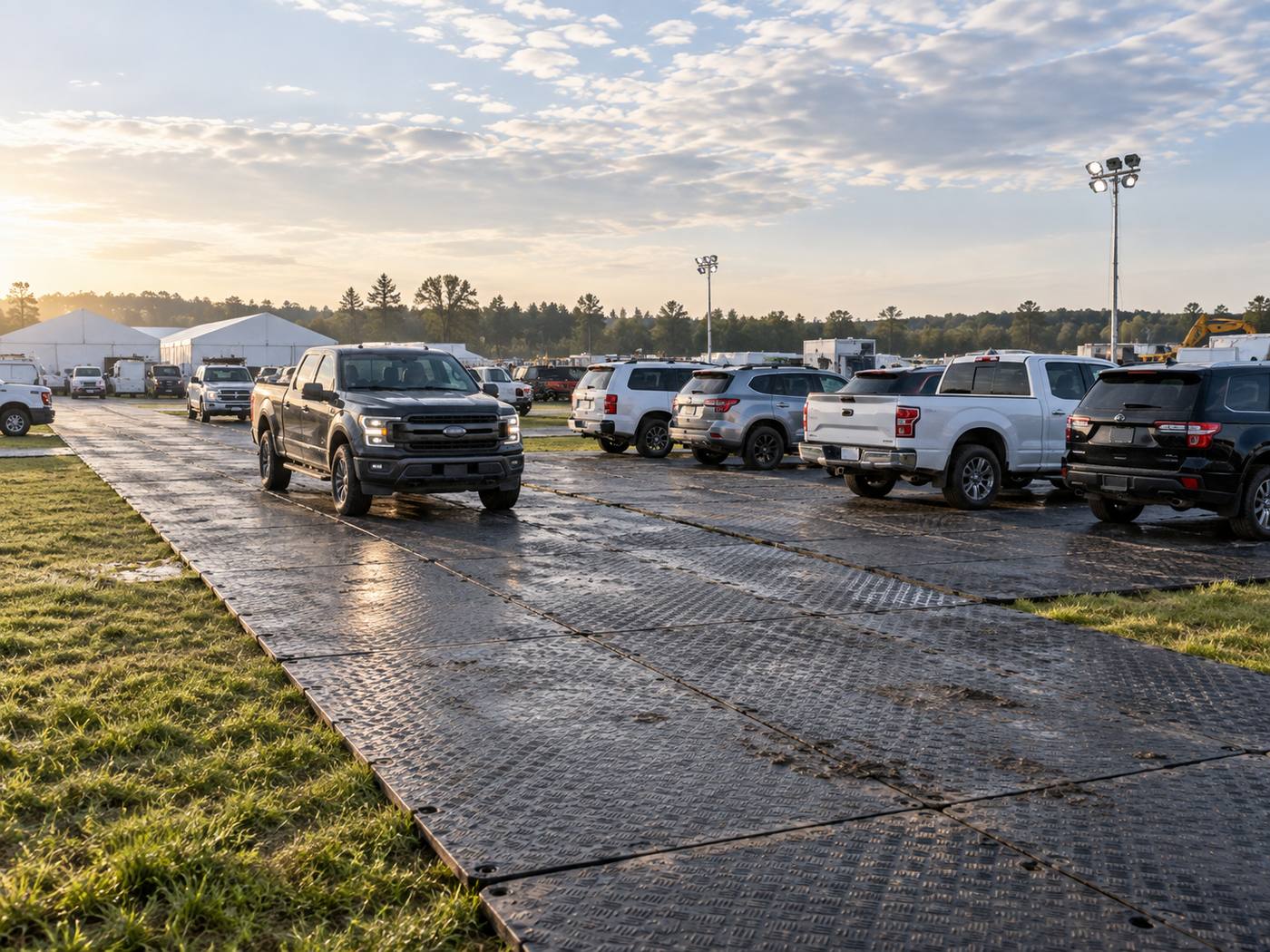
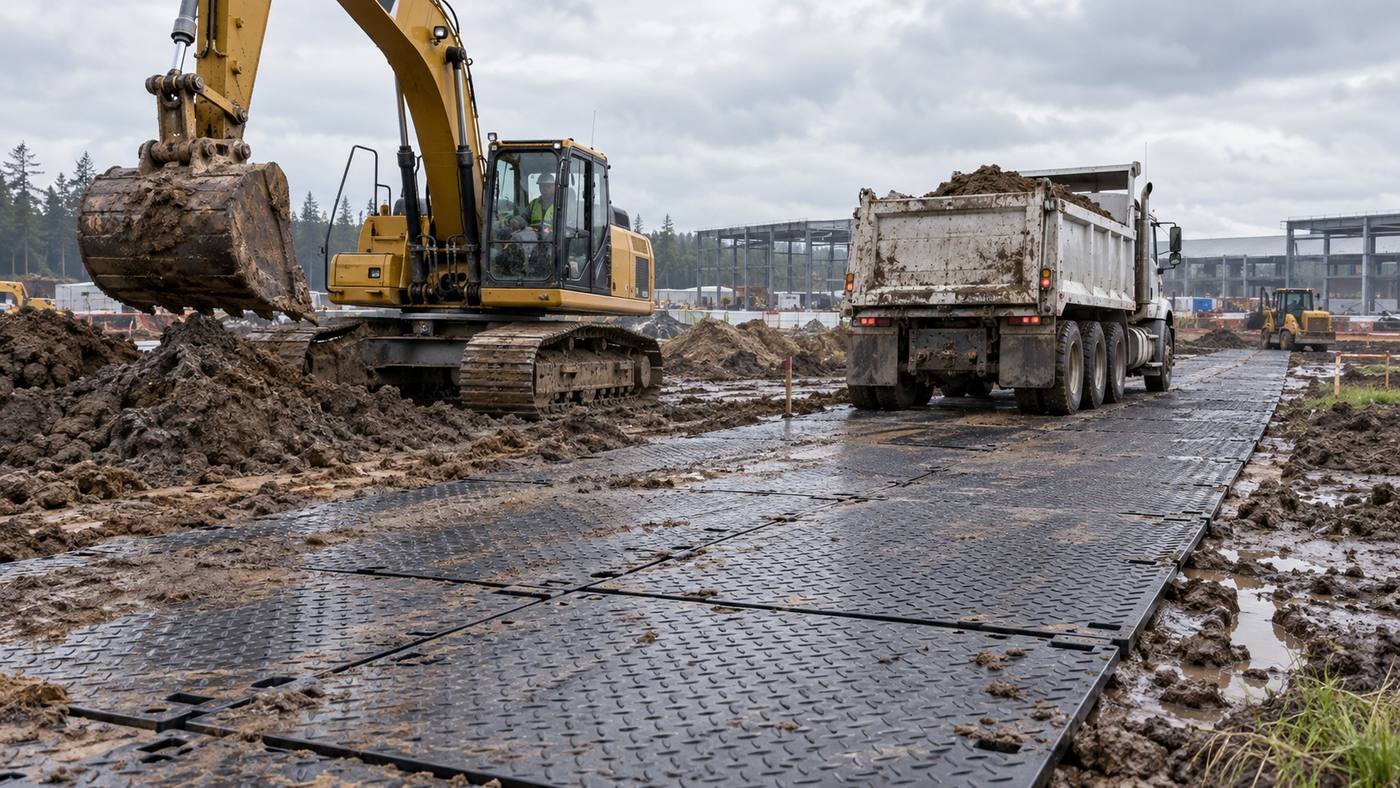
Figure: Long-term rehabilitation routes along transport belts
The field organization also decides to use effects. The area of operations should have clear traffic flow, quarantine coverage and abnormal parking standards, and the installation personnel should use loads that match the weight. Separate passage routes from loading and unloading, fragmentation and personnel areas. In the event of the discovery of abnormal substrates that continue to sink, feeder overload, liner arches or connects, the use of the substrate must be discontinued and the reasons identified, and the problem cannot be covered by accelerated passage, repeated lifting or temporary pressure.
The shift should be accompanied by a clear report of the changes in the tipping stone, the powder, the connector and the reverse area, rather than a description of the current appearance. Connections, feed points or seams processed in the previous class are reviewed in the next class, and abnormally close rings are formed. During the clean-up process, it is prohibited to treat polymer surfaces with fire, violent banging or sharp shovels to avoid creating new vulnerabilities.
Purchase prices are only part of the cost from a life cycle perspective. Installation, removal, cleaning, decommissioning, spare parts, return belts or steel structural repairs should also be calculated. The creation of data around the proximity of repair vehicles to trenches and overloading of structures will enable the project to determine whether the laying of sub-sectors based on net wideness, turnovers and emergency traffic requirements actually reduces the combined costs and provides a reusable basis for the next procurement.
If the conditions on the ground are different from the assumptions in this paper, the application of the conclusions should be suspended and reassessed. In particular, lifting, drilling, ramping and self-lifting operations are subject to equipment instructions, risk assessment and local legal requirements. The creative plastics industry can assist in product selection on the basis of confirmed data, but final placement, operating licences and on-site custody are subject to approval by the responsible party for the project.
Need for further evaluation of the actual project?
Applications, sizes, quantities, site photographs or drawings and delivery destinations are sent, on which we can identify more suitable products and processing programmes.