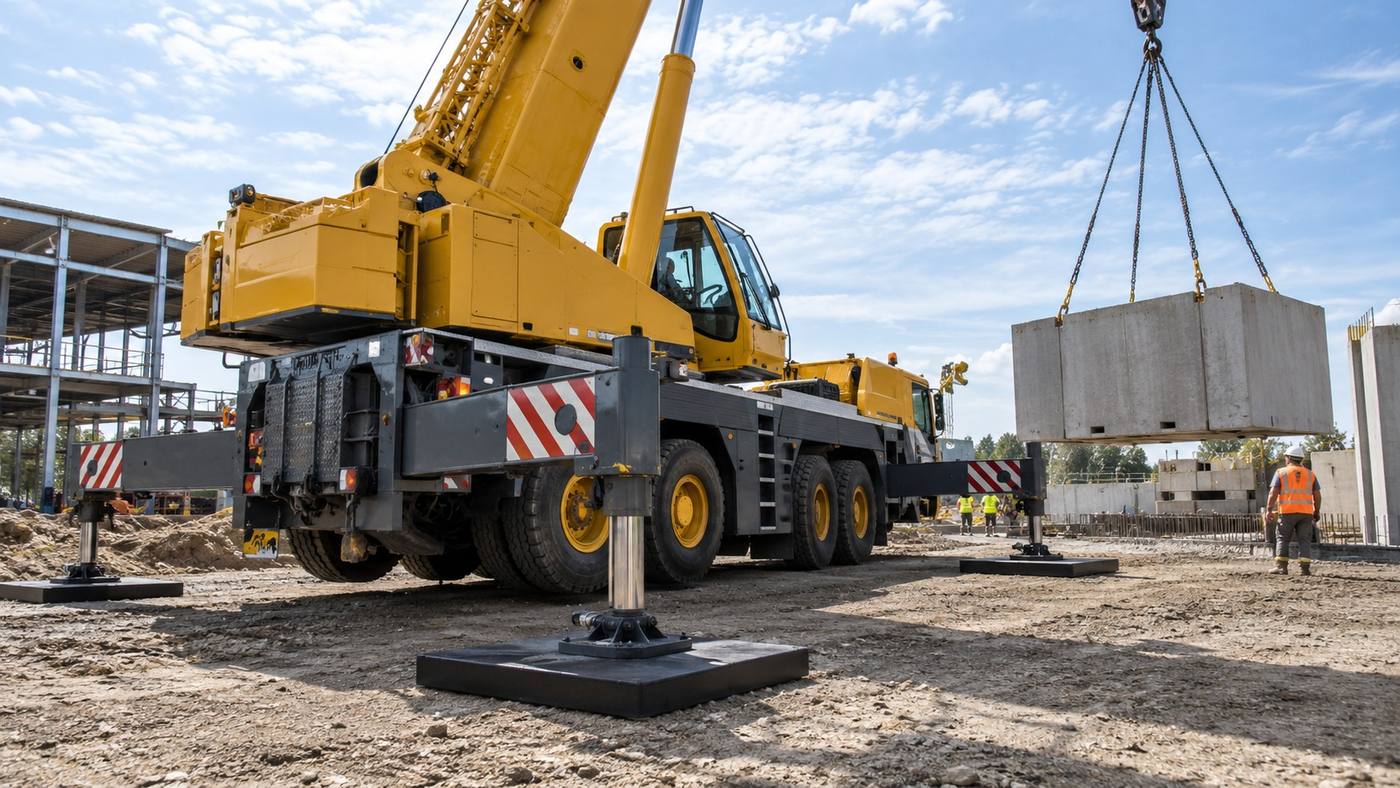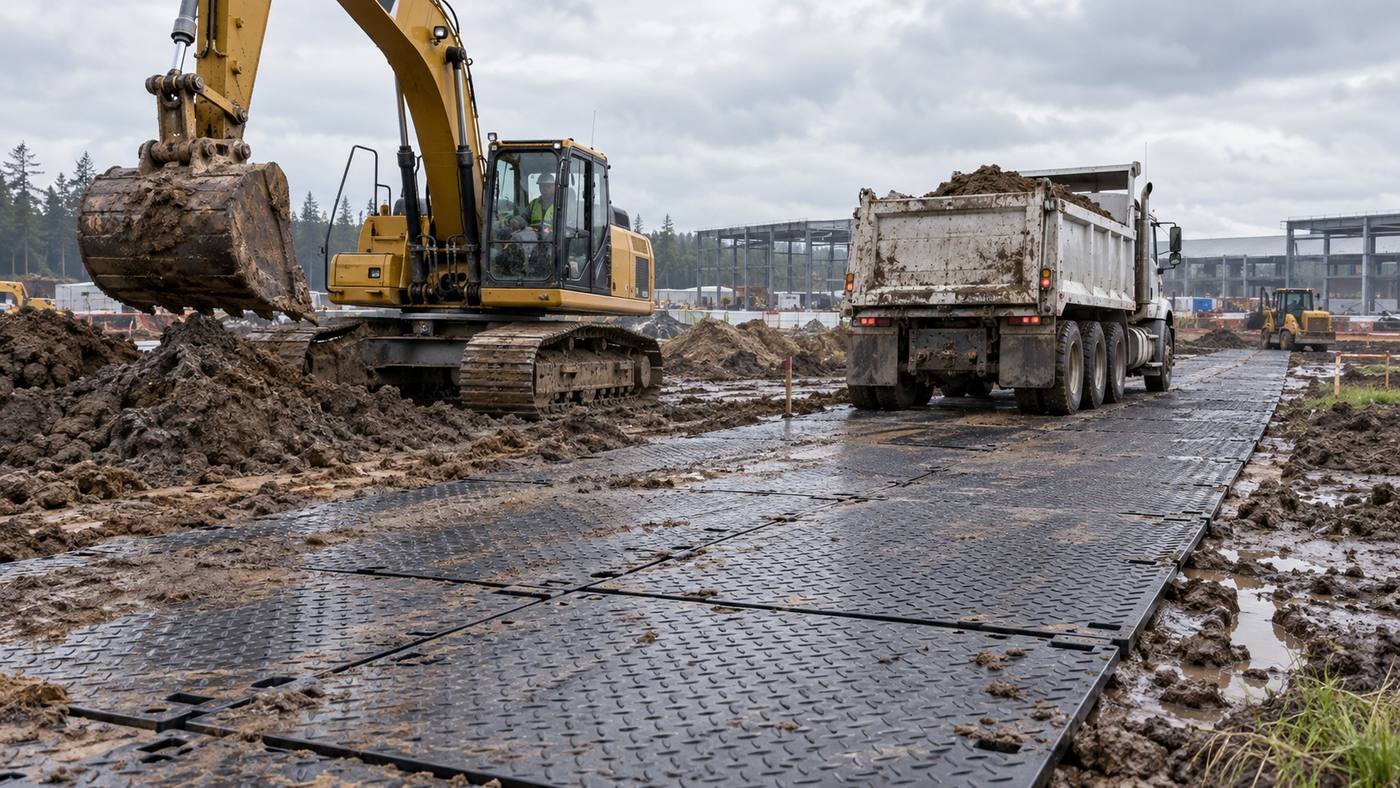
A short question statement on how remote drilling camps can be equipped with back-up pads is proposed: the site is a camp with a long supply cycle and a fast climate change. The main exception is that the lack of spare parts can turn single-point damage into a stoppage, who is the target and when recovery is necessary. This distinguishes between security issues that must be immediately isolated, control issues that can be maintained, and long-term issues that need to be redesigned.
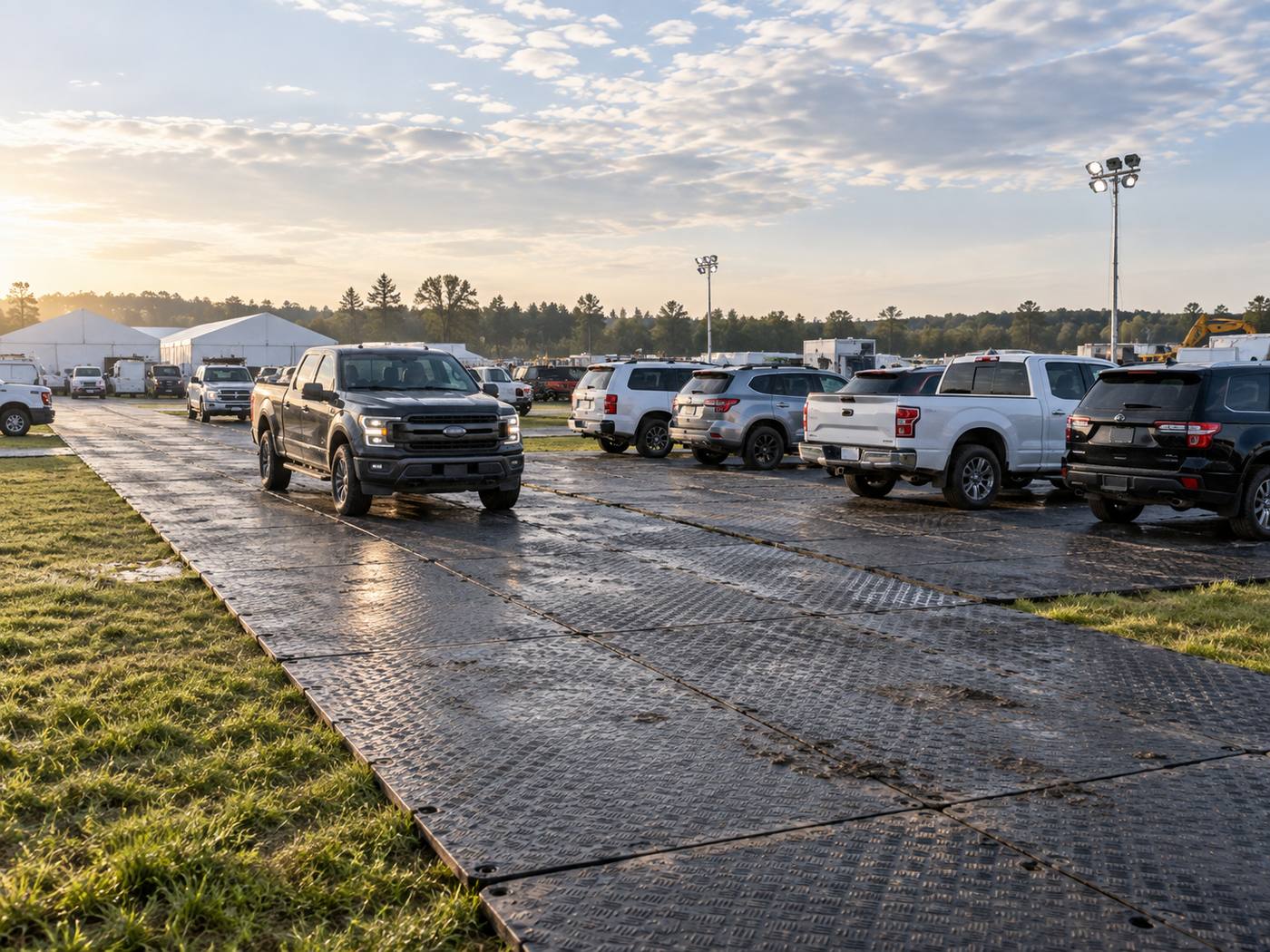
The technology is selected to determine which of the most adverse factors are the total weight of the equipment, the maximum reversibility of the points, the height of the mast, the endurance of the ground, the perforation of the slope and the conditions of the mud, and then to screen the pavement and the mat around the swing stock, based on the number of points, the length of the route and the transport cycle. For example, road products focus on localization and connectivity, support products focus on reversibility and rigidity, and car products focus on friction, shocks and contraction. Even if the common thickness of 15, 20, 25 or 30 mm is used, the logic of choice and the applicable boundary must be stated.
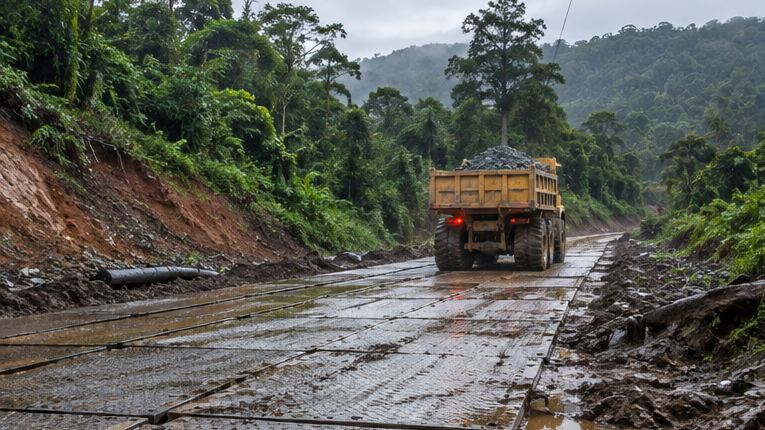
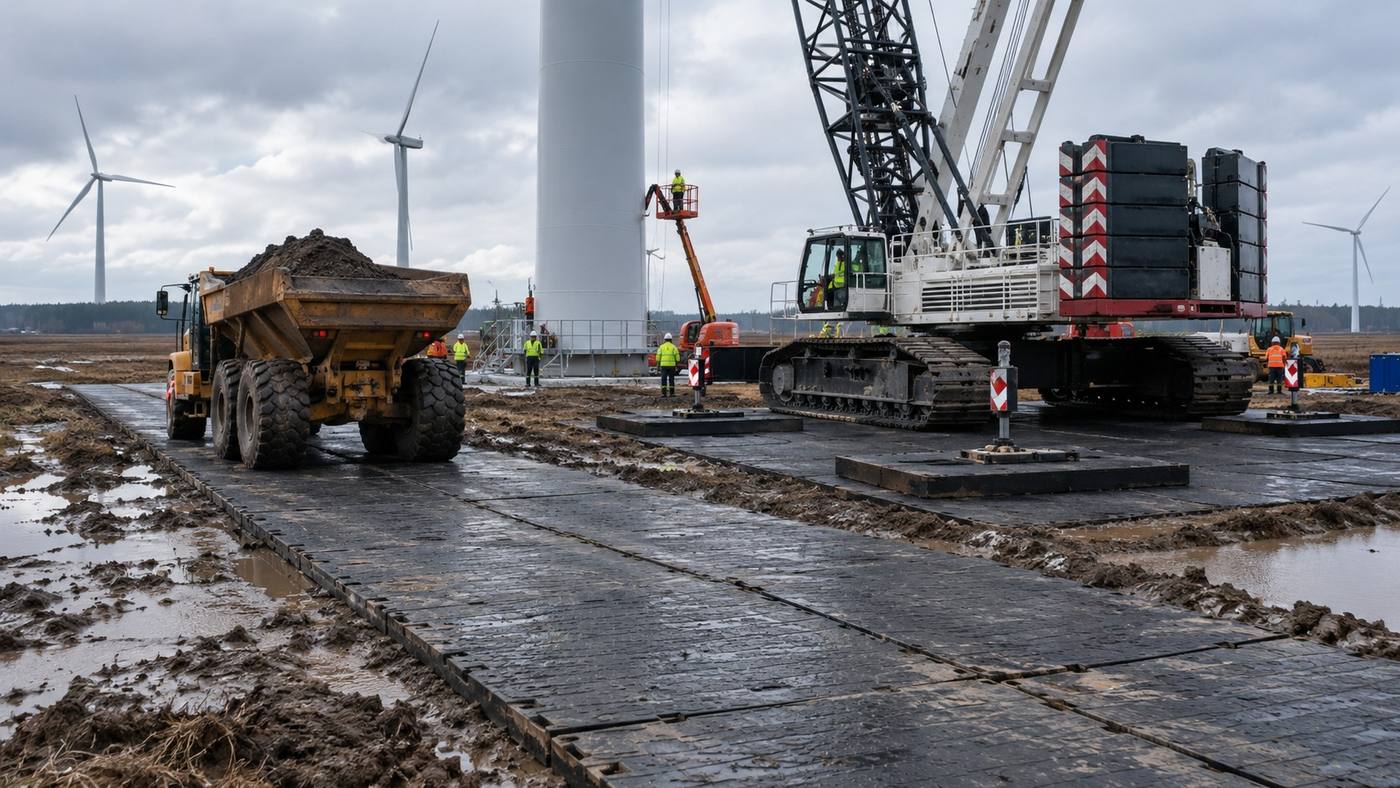
Figure: Camps with long supply cycles and fast climate change
The product and field base should be used as a system for acceptance and acceptance when landing. Support systems must be confirmed by qualified personnel in conjunction with the equipment manual. Once the laying, support or lining is completed, full contact, flatness, edge transition, tight state and interference with tyres, feet, lifting bodies are checked; the pilot operation begins with low-risk work and is gradually restored to the planned capacity after the site manager has confirmed that there are no anomalies.
A shorter review cycle could be used at the beginning of the operation to confirm that the product has stabilized and is adjusted. The checks include deposition, horizontality, full-slab exposure and mud spills, and also observe whether operators comply with speed limits, lifting or handling requirements. Deep mouths, burns, permanent warp, loose-stretched solids and perforations are expanded and photo measurements should be made; parts that meet the decommissioned conditions must be placed in separate lists.
Receiving and inspection information shall keep the product batch, installation chart, site photographs, initial dimensions and trial running records. When a lack of spare parts in the future leads to a single point of damage that can be reduced to a shutdown, it can be judged whether the anomaly arises from initial installation, changes in condition or natural wearout. For reusable pavements or leg pads, this set of records will also facilitate the rapid matching of suitable locations for the next transfer.
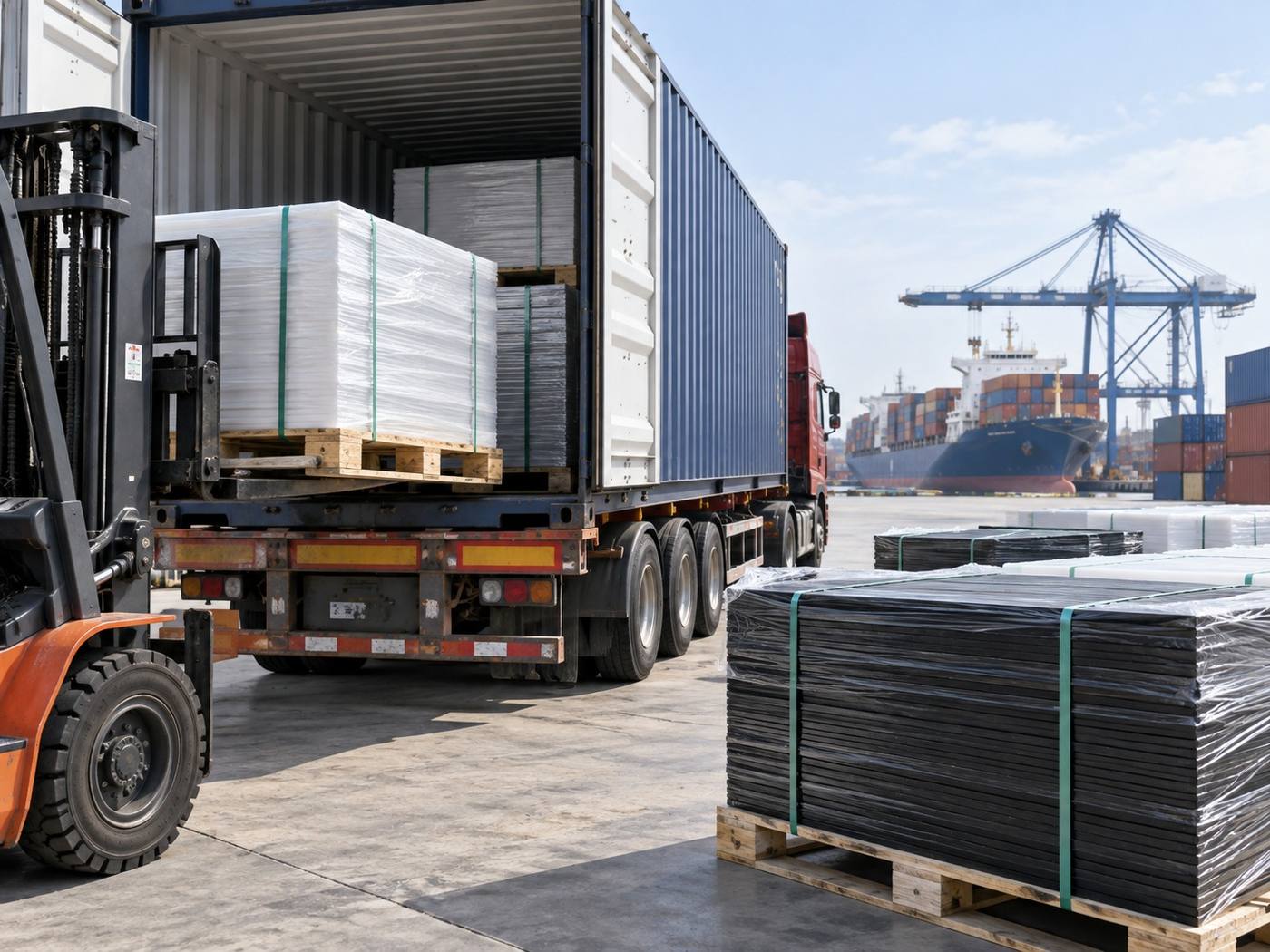
Finally, this paper provides a selection and management approach, with no alternatives to equipment specifications, special programmes, geological evaluations and local regulations. Work involving lifting support, ramps, ditches, vehicle lifts or personnel entering the carriage shall be reviewed and quarantine, locking and emergency procedures carried out by suitably qualified personnel. The above data may be submitted at the request for quotations to obtain recommendations on size, thickness, quantity and shipment.
Need for further evaluation of the actual project?
Applications, sizes, quantities, site photographs or drawings and delivery destinations are sent, on which we can identify more suitable products and processing programmes.