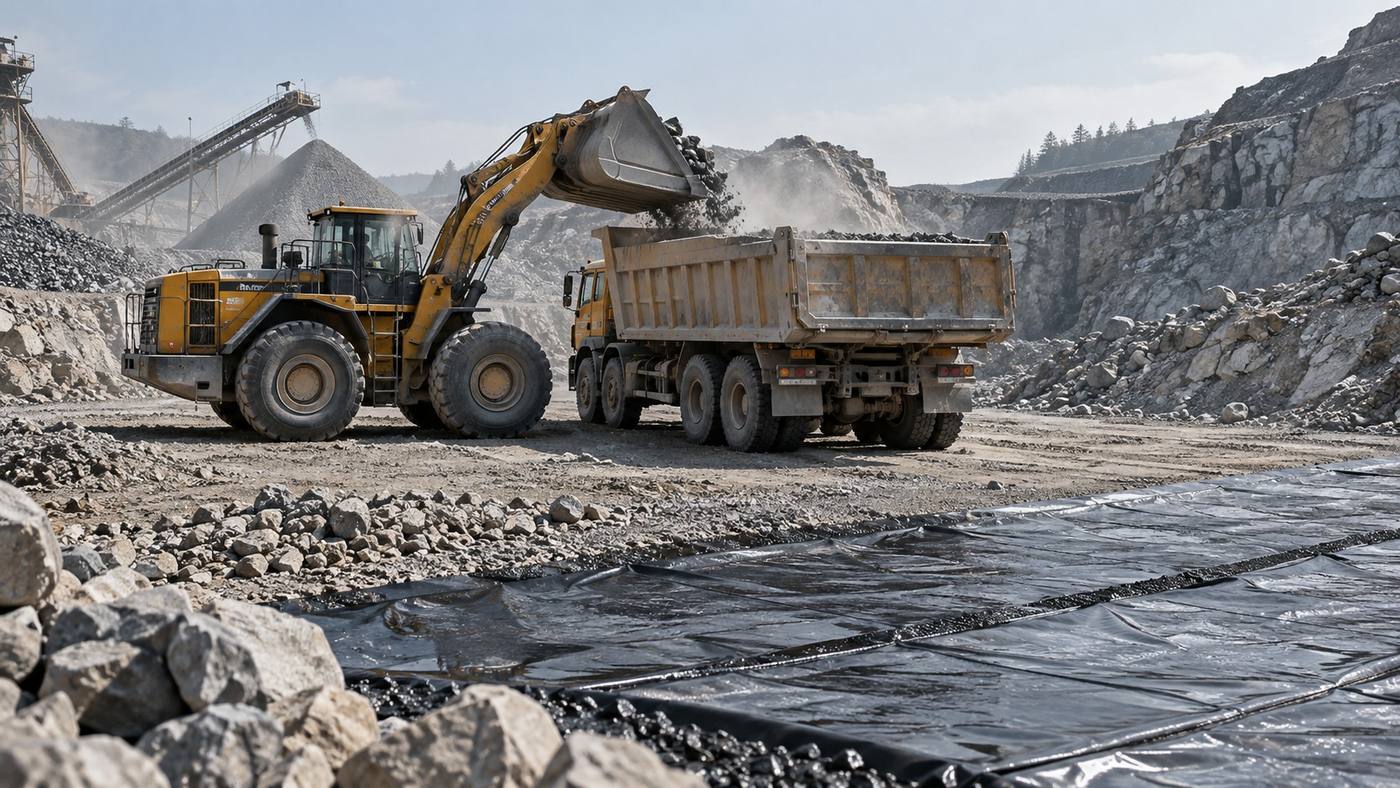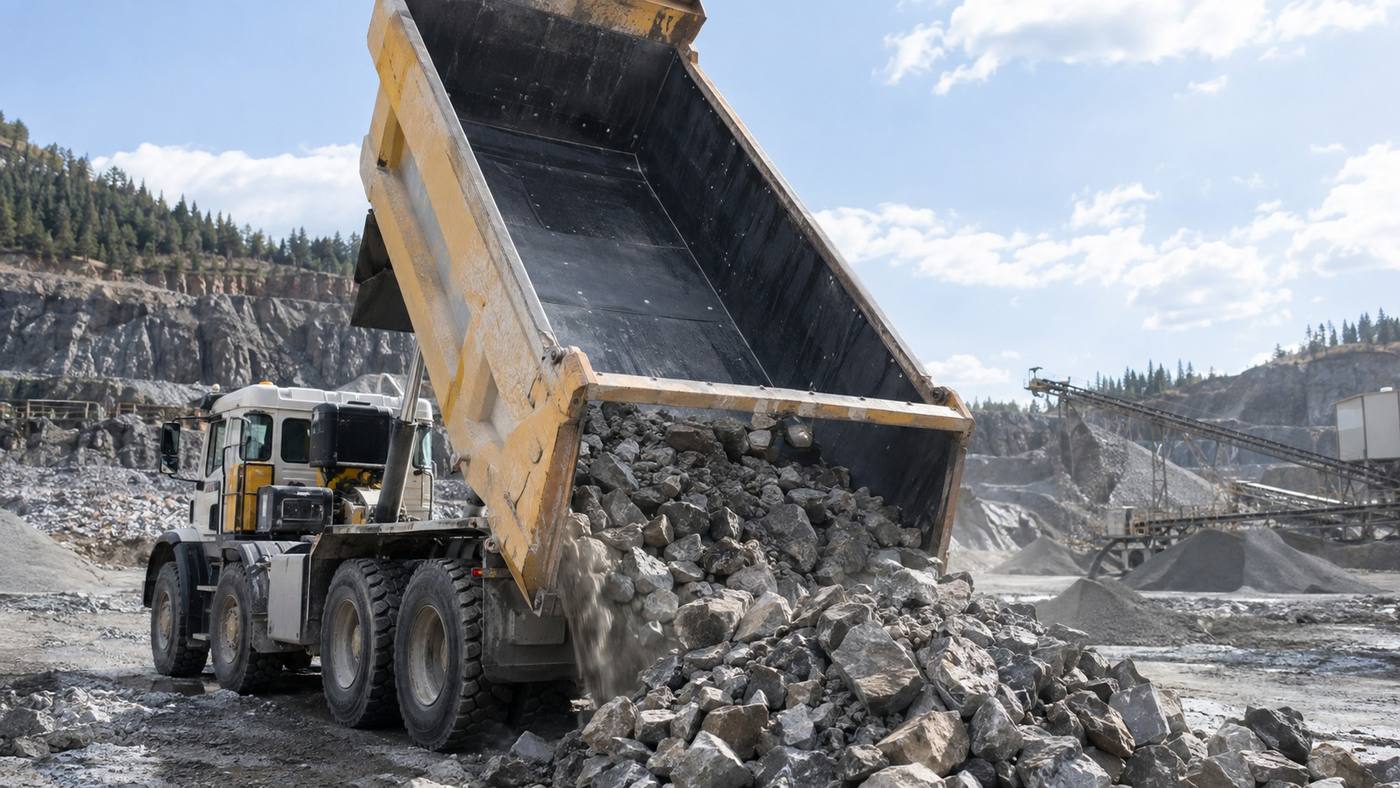
In the field, when fine coal and water form a sticky mixture, many teams ask first how thick the sheeting is needed; however, the key to how the plume of coal clay can be addressed is to confirm the defunct boundary. If residues occupy a payload and contaminate a transport road that is significantly increased after rainfall, full load or continuous operation, the state should be used as a design condition and not replaced by clear or empty data.
The procurement or technical staff shall first match the material type, water-bearing rate, particle size, temperature, load, car angle and current residue rate with the site photograph, in particular to indicate the location where the residue is taking over the payload and contaminating the transport road. It is proposed that, in order to optimize material control, clean-up systems and continuous low friction linings, the length, width, thickness, weight, surface, hole and permitted temperature of the slabs will have to be checked prior to implementation. Where products need to be relocated repeatedly, the ceiling for manual removal and mechanical posts should also be included in the selection.
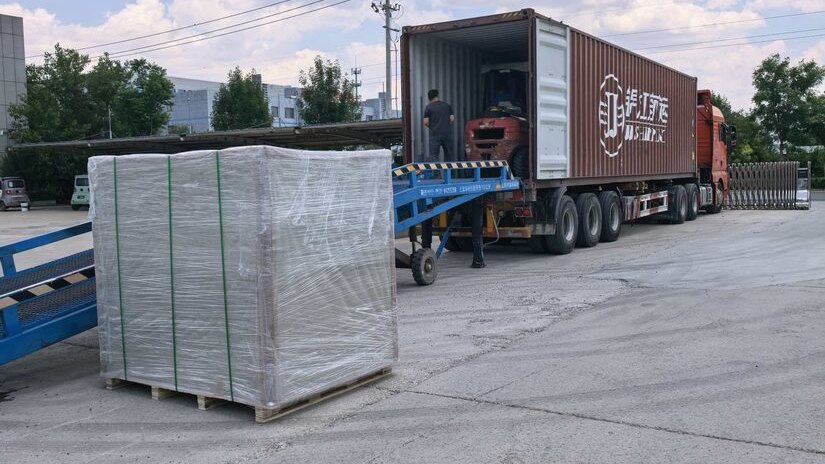
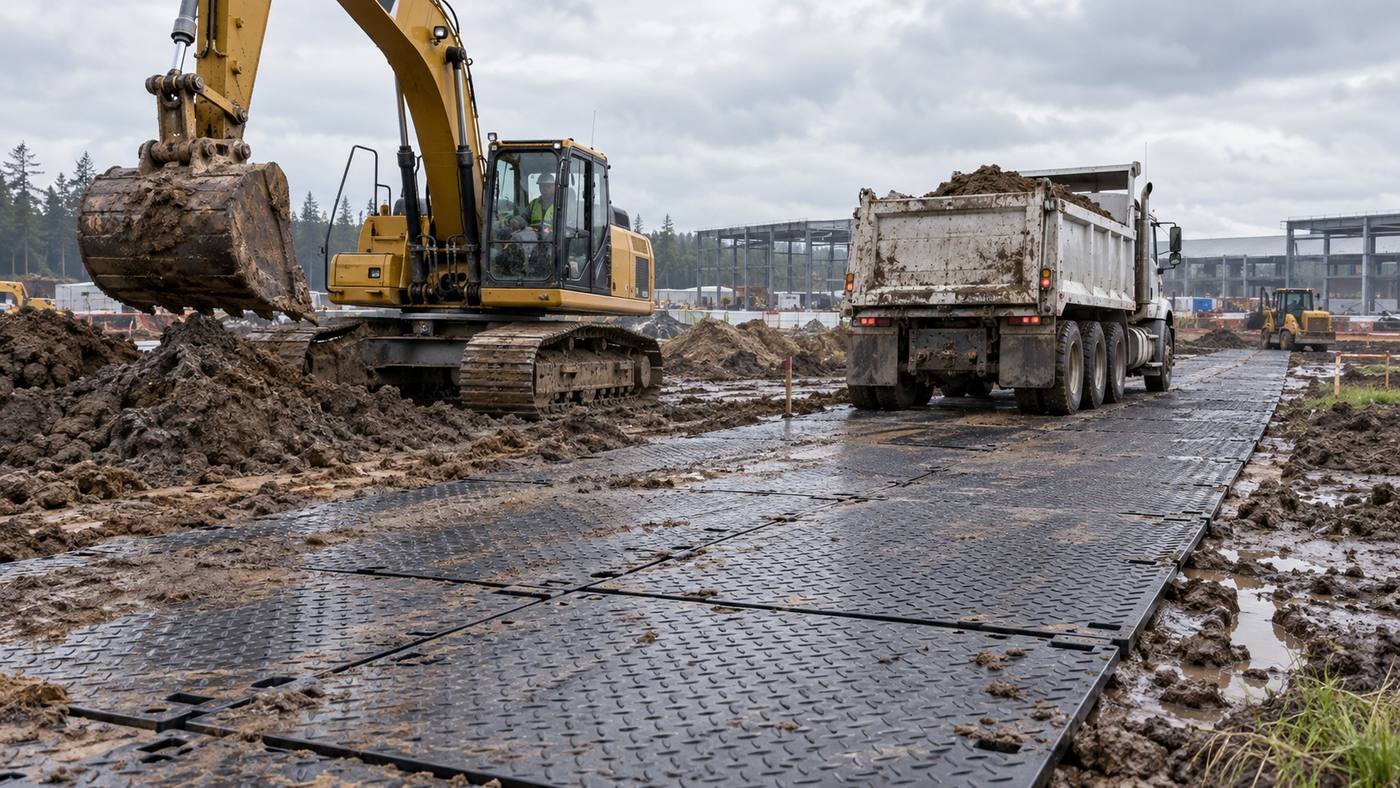
Figure: Coal and water form a sticky mixture (inventory material for the Creative Plastics Network)
If on-site space is restricted, progress cannot be moved by reducing the necessary coverage or moving points to the edge. Transport organization, equipment station or installation sequences should be re-reconciled to allow for the optimization of material control, clean-up systems and continuous low friction linings to have sufficient implementation space. The low friction liner is to be used with the correct lifting and cleaning system. The first round of operations is reviewed immediately after completion, and early relaxation or relocation is usually easier to correct than long-term damage.
The shift should be accompanied by a clear reporting of changes in seams, sudden slips, overloading and lifting anomalies, rather than a description of the current appearance. Connections, feed points or seams processed in the previous class are reviewed in the next class, and abnormally close rings are formed. During the clean-up process, it is prohibited to treat polymer surfaces with fire, violent banging or sharp shovels to avoid creating new vulnerabilities.
In order to validate the programme, a representative route, a vehicle or a support point could be selected for a controlled trial, with observation cycles and exit conditions. The records should cover normal and most unfavourable conditions, with particular attention to the use of payloads by residues and the contamination of transport routes. Only when the test data are stable, the maintenance workload is acceptable and confirmed by project management and security personnel will it be appropriate to expand the application.
This section may serve as a live discussion list, but not as a separate construction permit. Mines should form a formal programme combining geological, vehicle, lifting, drilling and environmental management systems. If a request for an offer is made to the Carthage Plastics industry, please attach a worksheet, drawings and photographs, and request that the recommended results be accompanied by assumptions and no scope of application.
Need for further evaluation of the actual project?
Applications, sizes, quantities, site photographs or drawings and delivery destinations are sent, on which we can identify more suitable products and processing programmes.