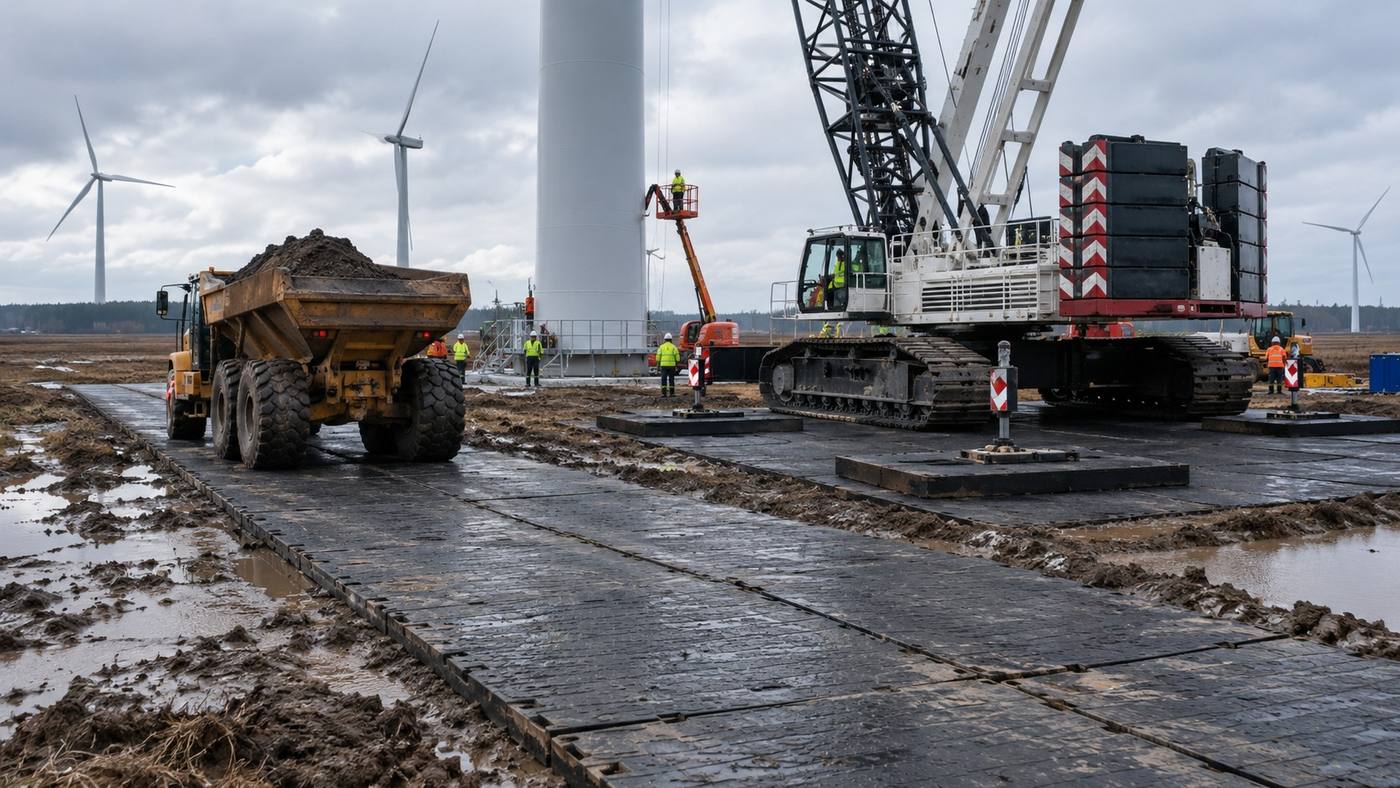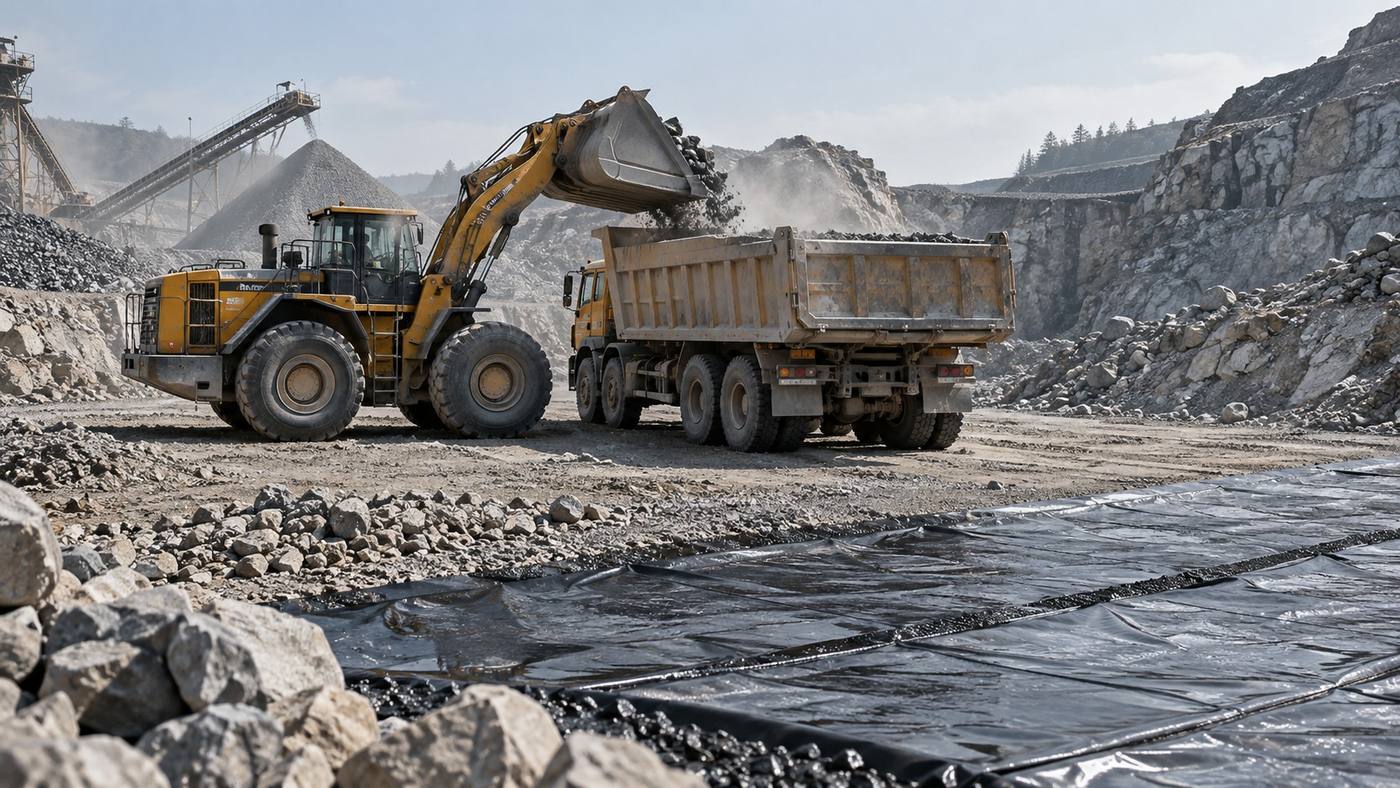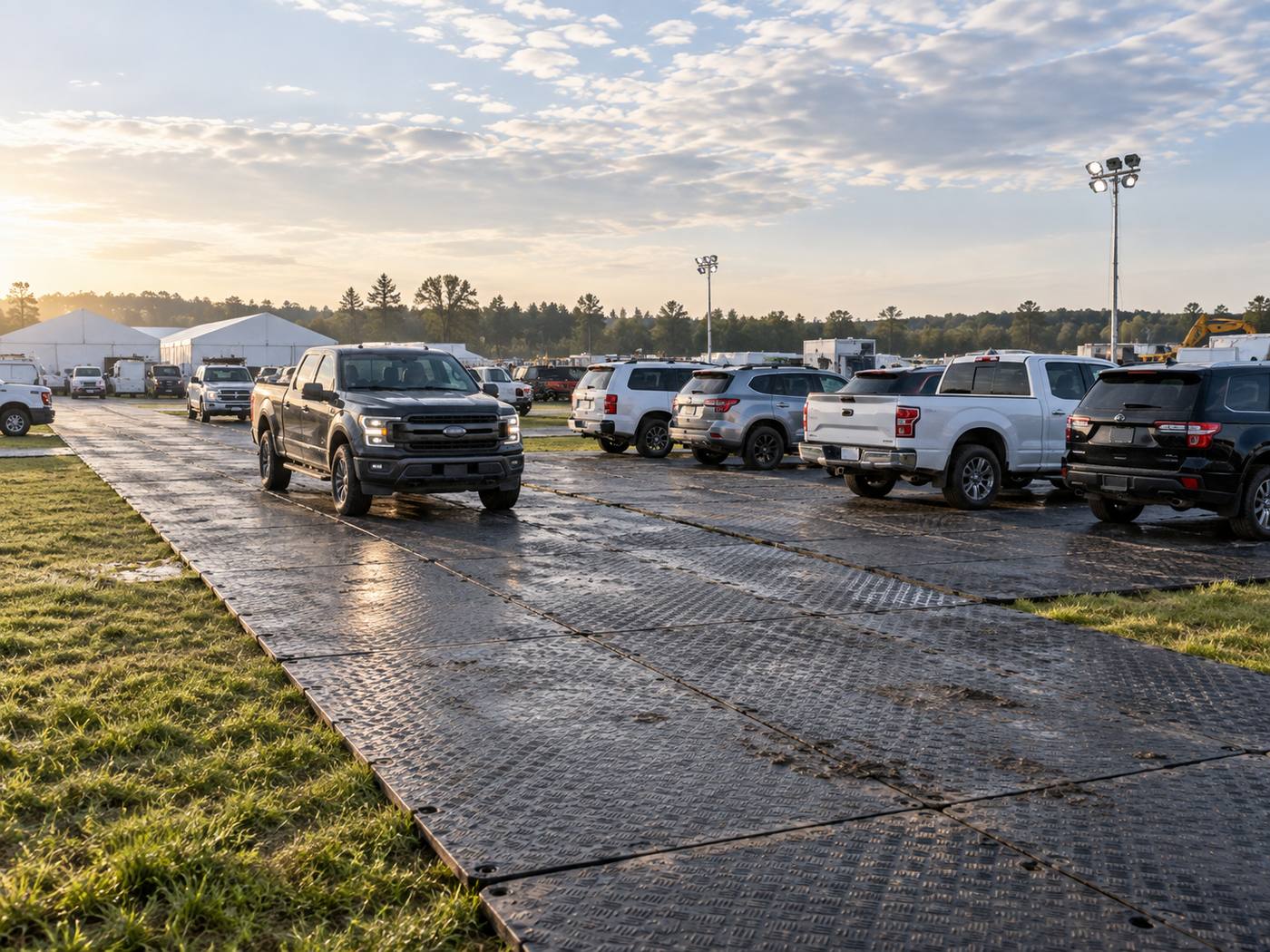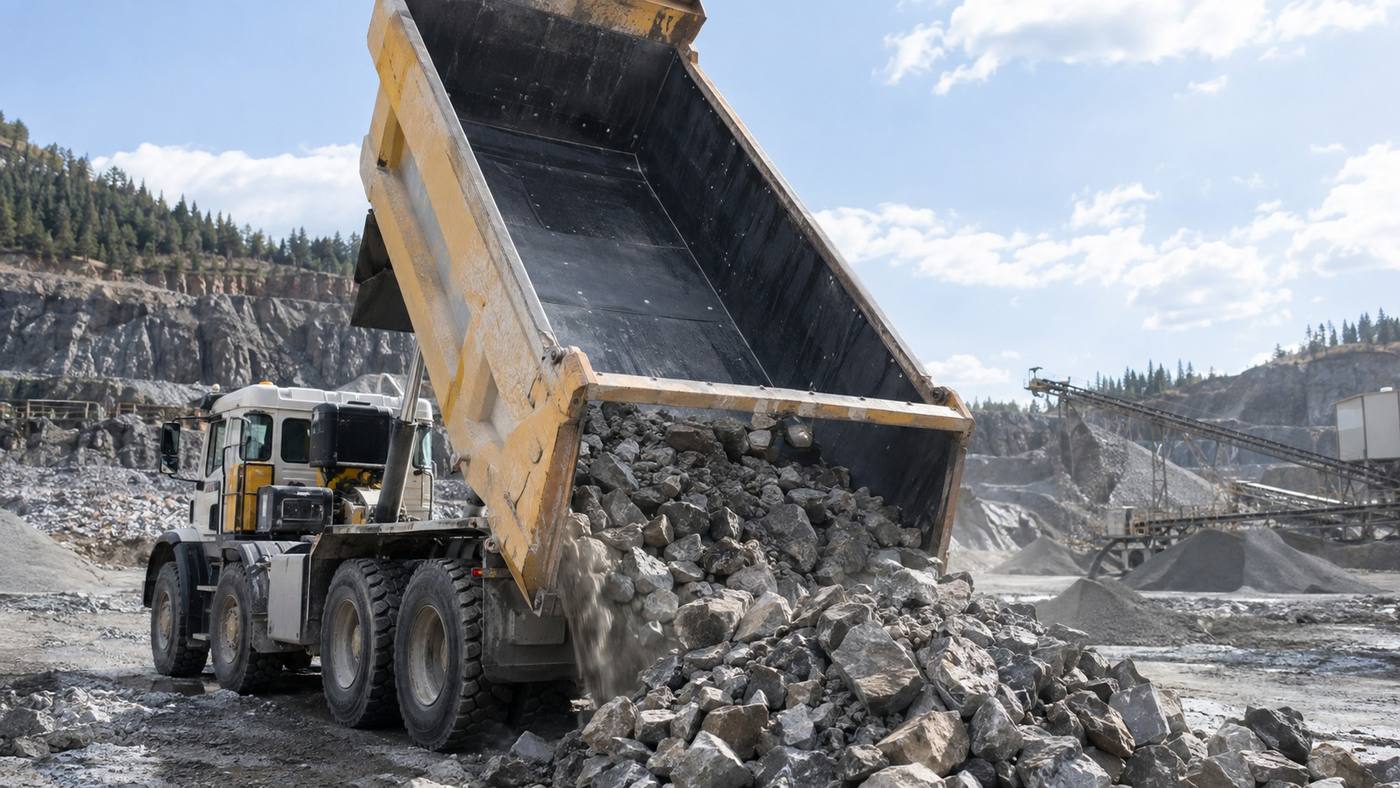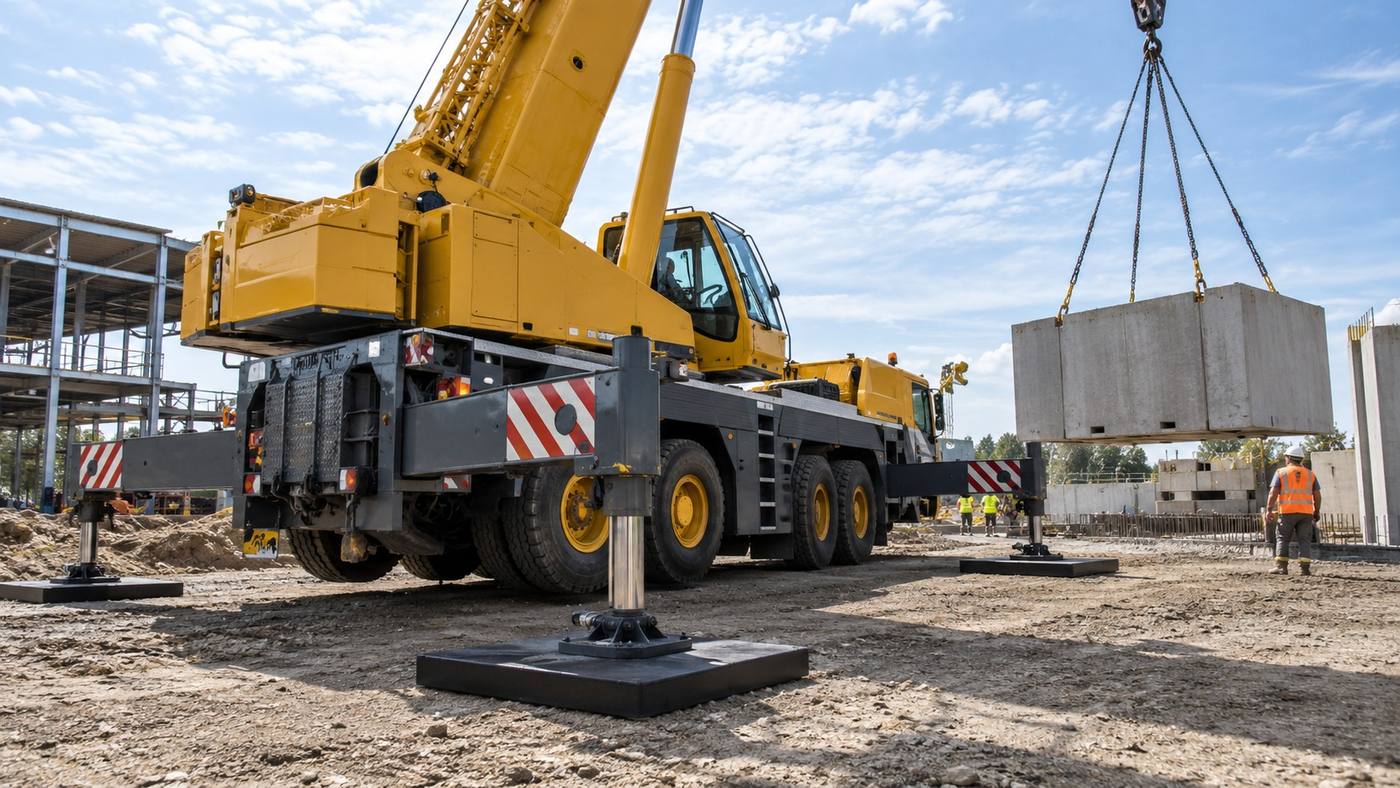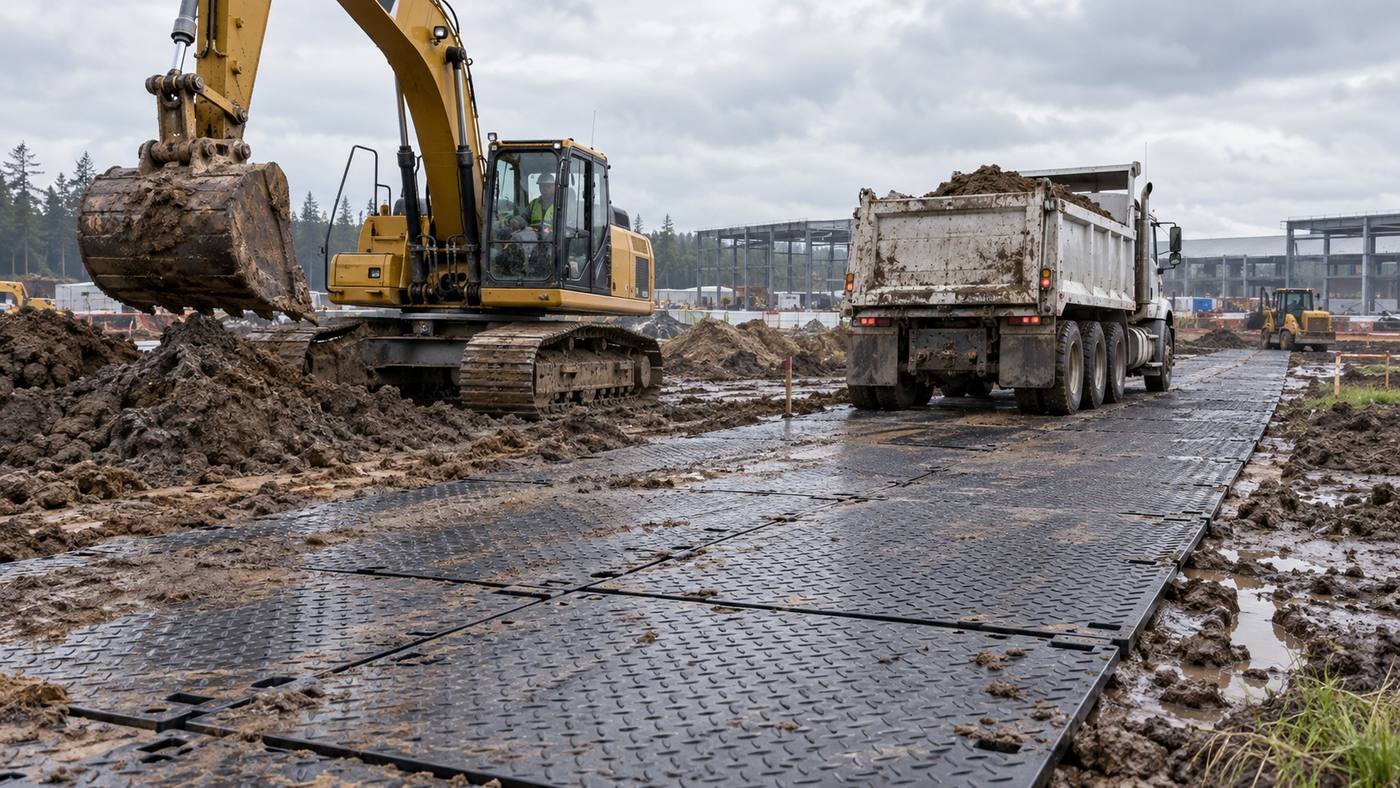
Are different skateboards needed for different water-bearing minerals, starting with ground, equipment, materials and operations, to decompose field problems. The typical working conditions of this paper are the transport of dry and wet mines by the same convoy. It is not a single parameter that is most in need of control at this time, but a surface state that does not necessarily cover all friction and shock conditions. If only one layer of material is laid on the surface and no real load of ground, drainage or equipment is identified, movement appears to resume in the short term, with the possibility of subsequent shutdown, back-to-work or safety risks.
When the technology is selected, the type of material, water-bearing rate, particle size, temperature, load, car angle and which of the most adverse factors in the current residue rate are determined, and a balanced selection of the slabs is selected around the recording of water content, particle size and residue rates. For example, road products focus on localization and connectivity, support products focus on reversibility and rigidity, and car products focus on friction, shocks and contraction. Even if the common thickness of 15, 20, 25 or 30 mm is used, the logic of choice and the applicable boundary must be stated.
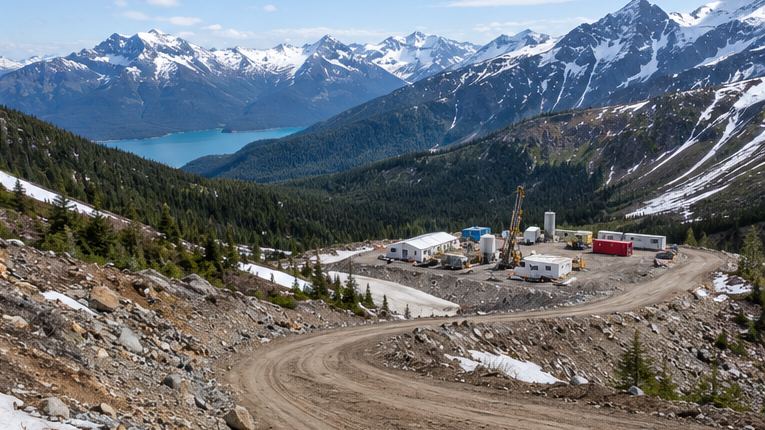
Figure: Same convoy transport of dry and wet mines
The field organization also decides to use effects. The area of operations should have clear traffic flow, quarantine coverage and abnormal parking standards, and the installation personnel should use loads that match the weight. The low friction liner is to be used with the correct lifting and cleaning system. In the event of the discovery of abnormal substrates that continue to sink, feeder overload, liner arches or connects, the use of the substrate must be discontinued and the reasons identified, and the problem cannot be covered by accelerated passage, repeated lifting or temporary pressure.
The shift should be accompanied by a clear reporting of changes in seams, sudden slips, overloading and lifting anomalies, rather than a description of the current appearance. Connections, feed points or seams processed in the previous class are reviewed in the next class, and abnormally close rings are formed. During the clean-up process, it is prohibited to treat polymer surfaces with fire, violent banging or sharp shovels to avoid creating new vulnerabilities.
Receiving and inspection information shall keep the product batch, installation chart, site photographs, initial dimensions and trial running records. In the event of a future appearance that does not necessarily cover all friction and shock conditions, it can be judged whether the anomaly arises from initial installation, change in condition or natural wear. For reusable pavements or leg pads, this set of records will also facilitate the rapid matching of suitable locations for the next transfer.
If the conditions on the ground are different from the assumptions in this paper, the application of the conclusions should be suspended and reassessed. In particular, lifting, drilling, ramping and self-lifting operations are subject to equipment instructions, risk assessment and local legal requirements. The creative plastics industry can assist in product selection on the basis of confirmed data, but final placement, operating licences and on-site custody are subject to approval by the responsible party for the project.
Need for further evaluation of the actual project?
Applications, sizes, quantities, site photographs or drawings and delivery destinations are sent, on which we can identify more suitable products and processing programmes.