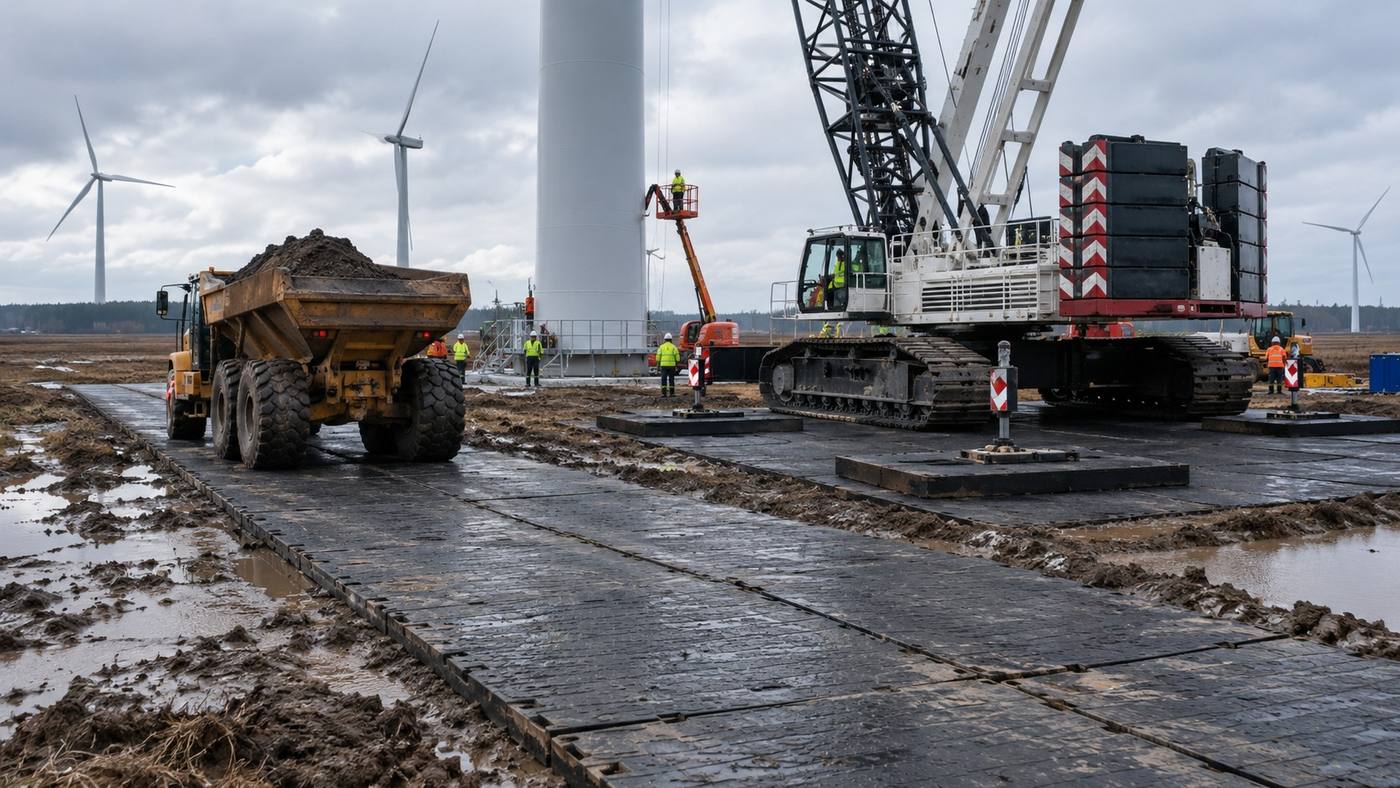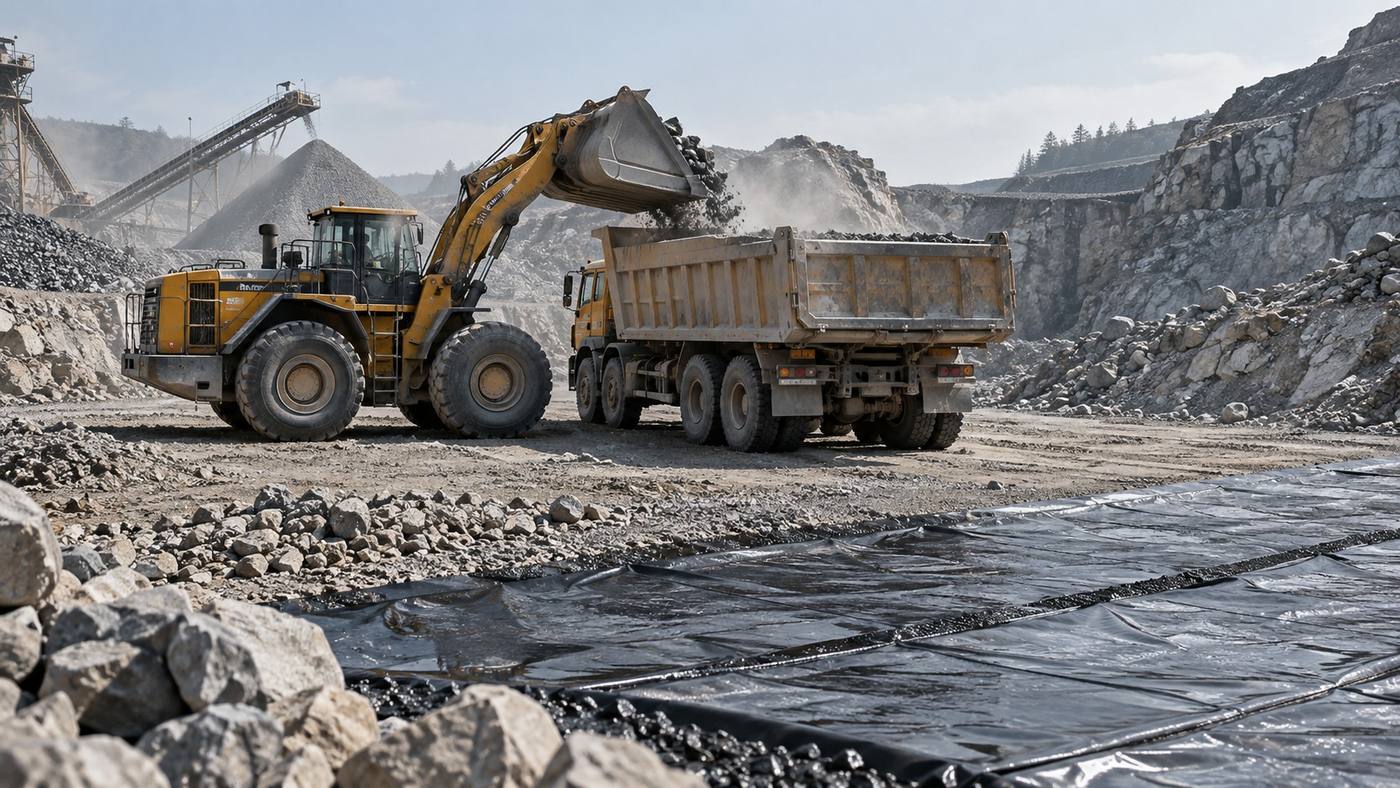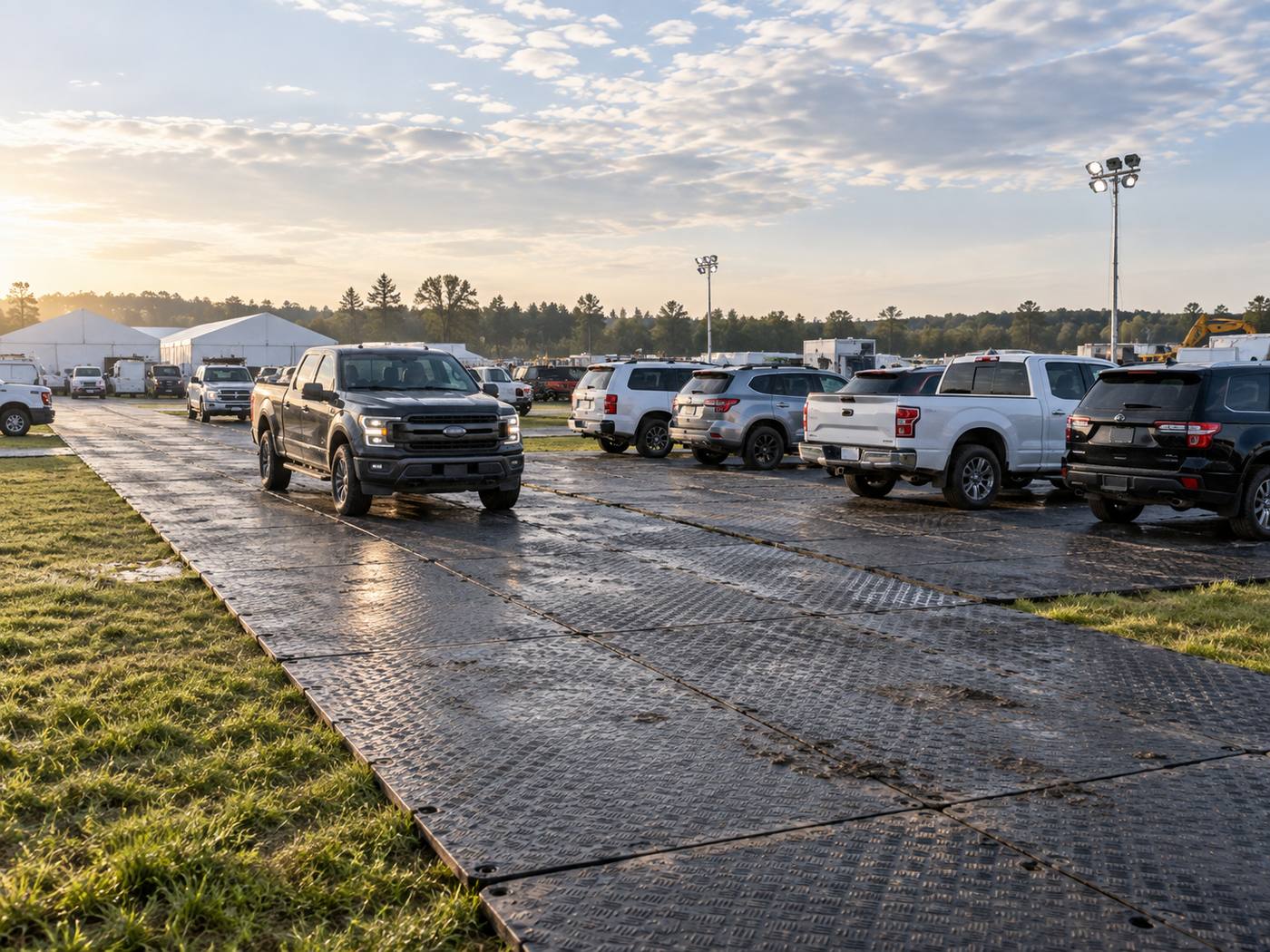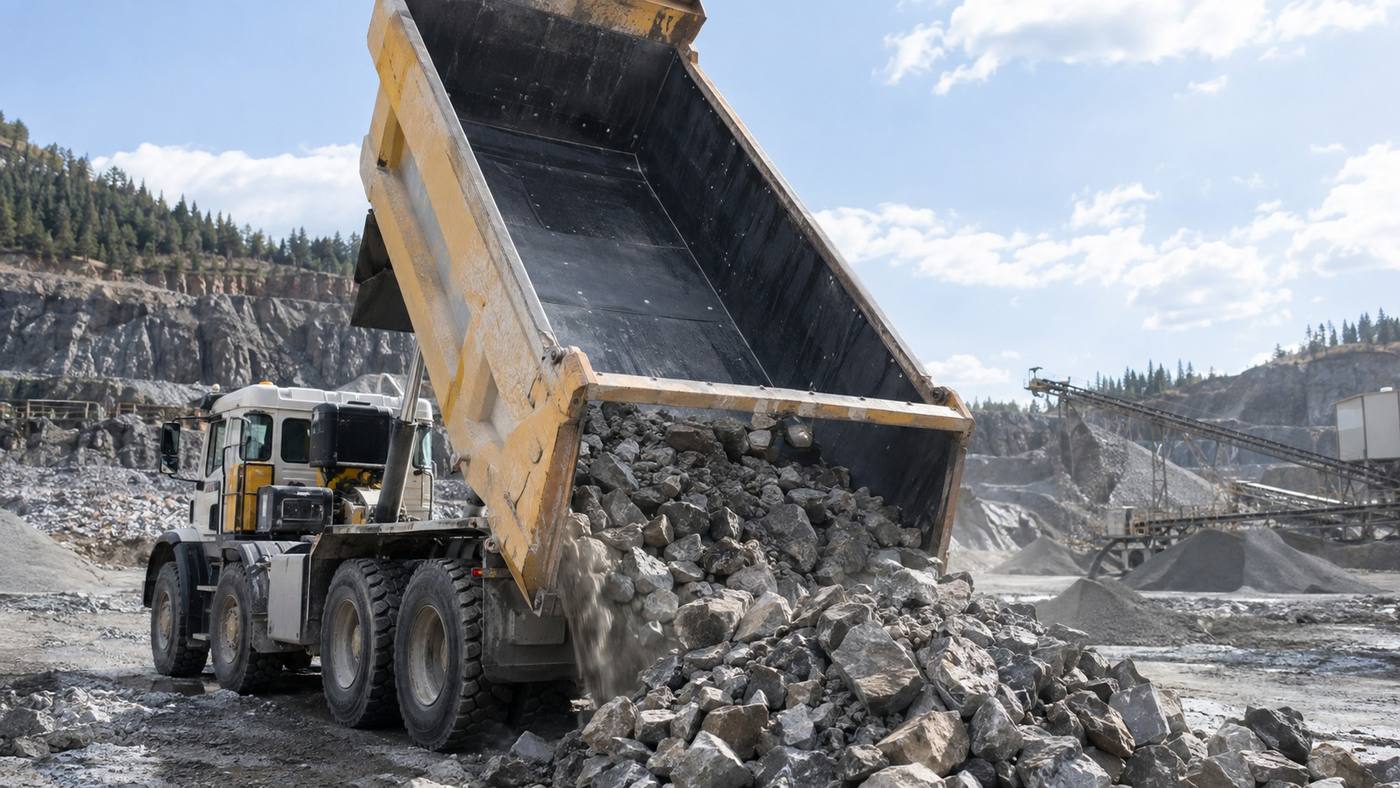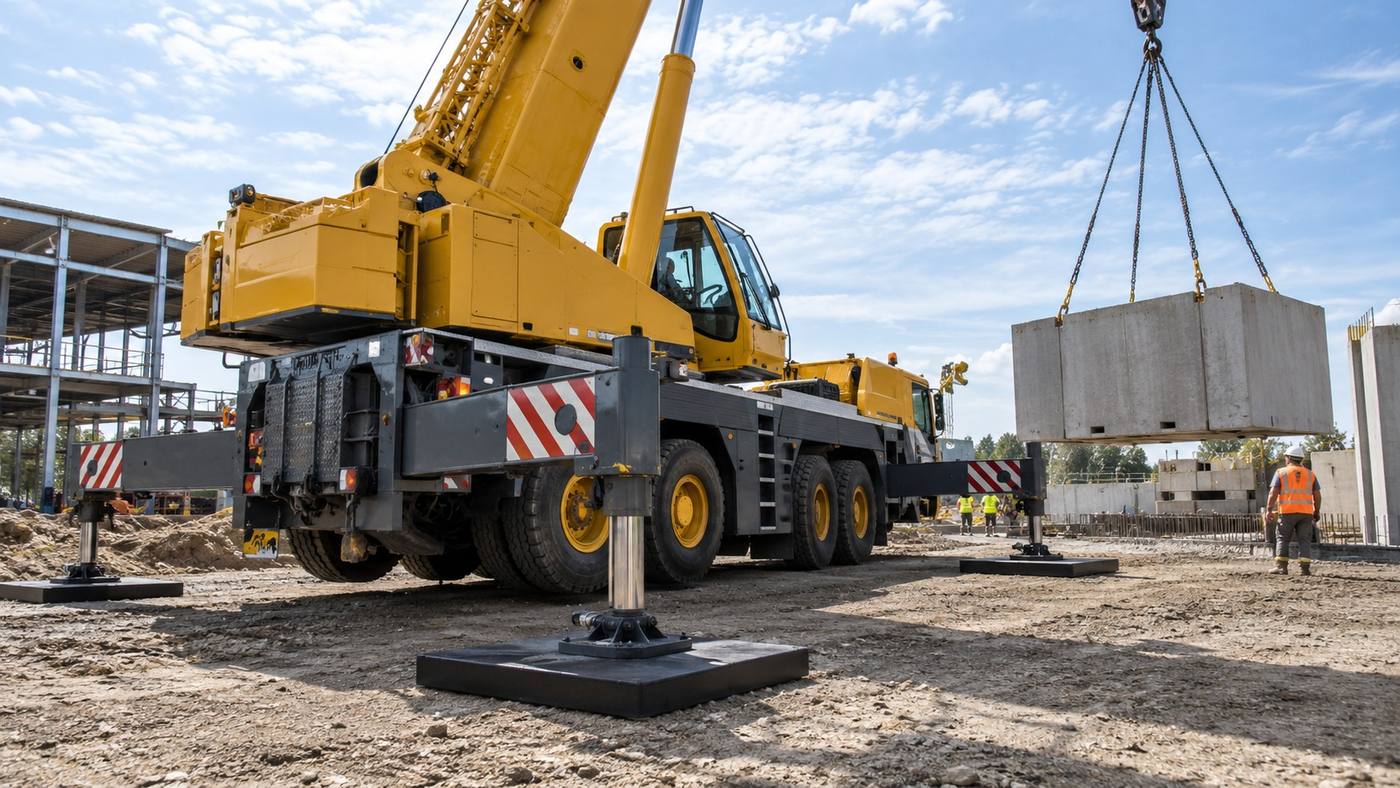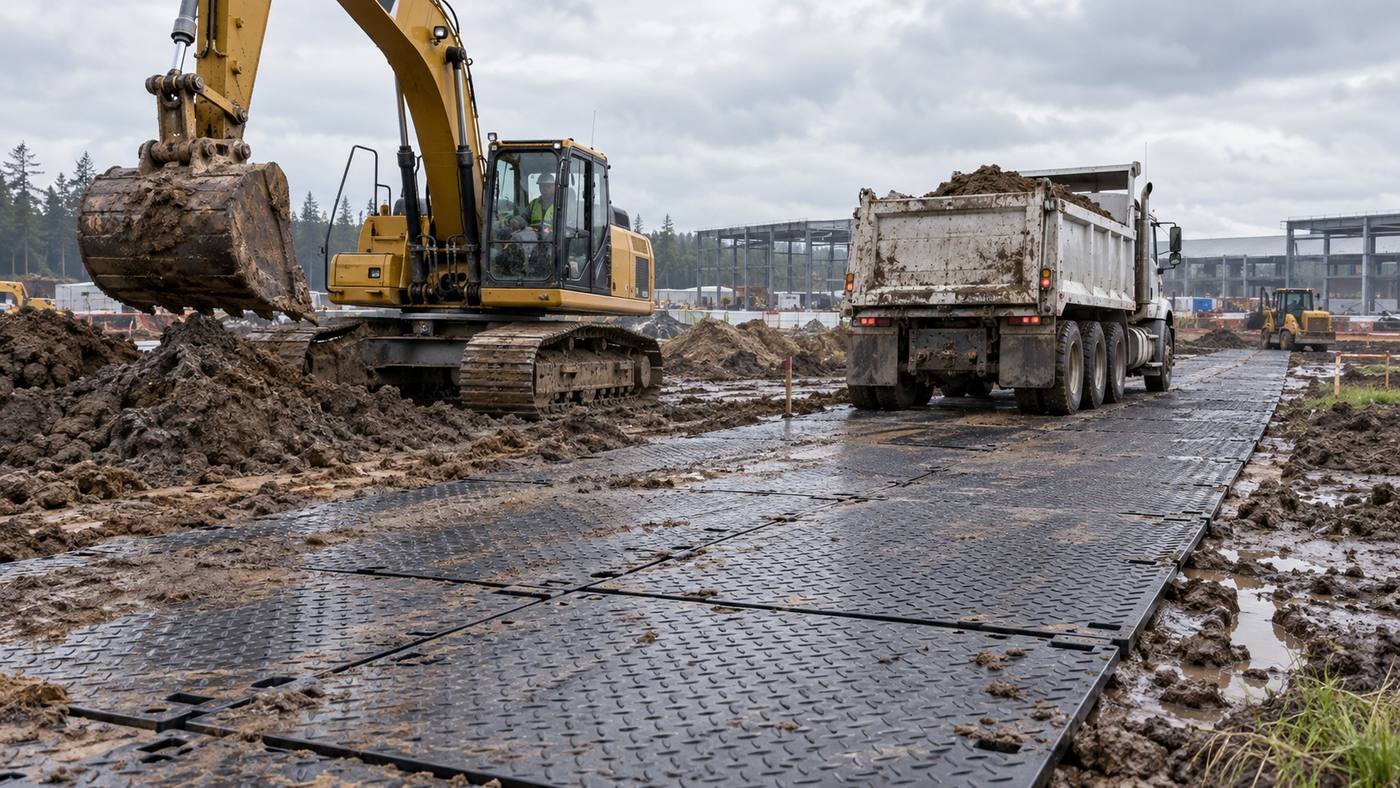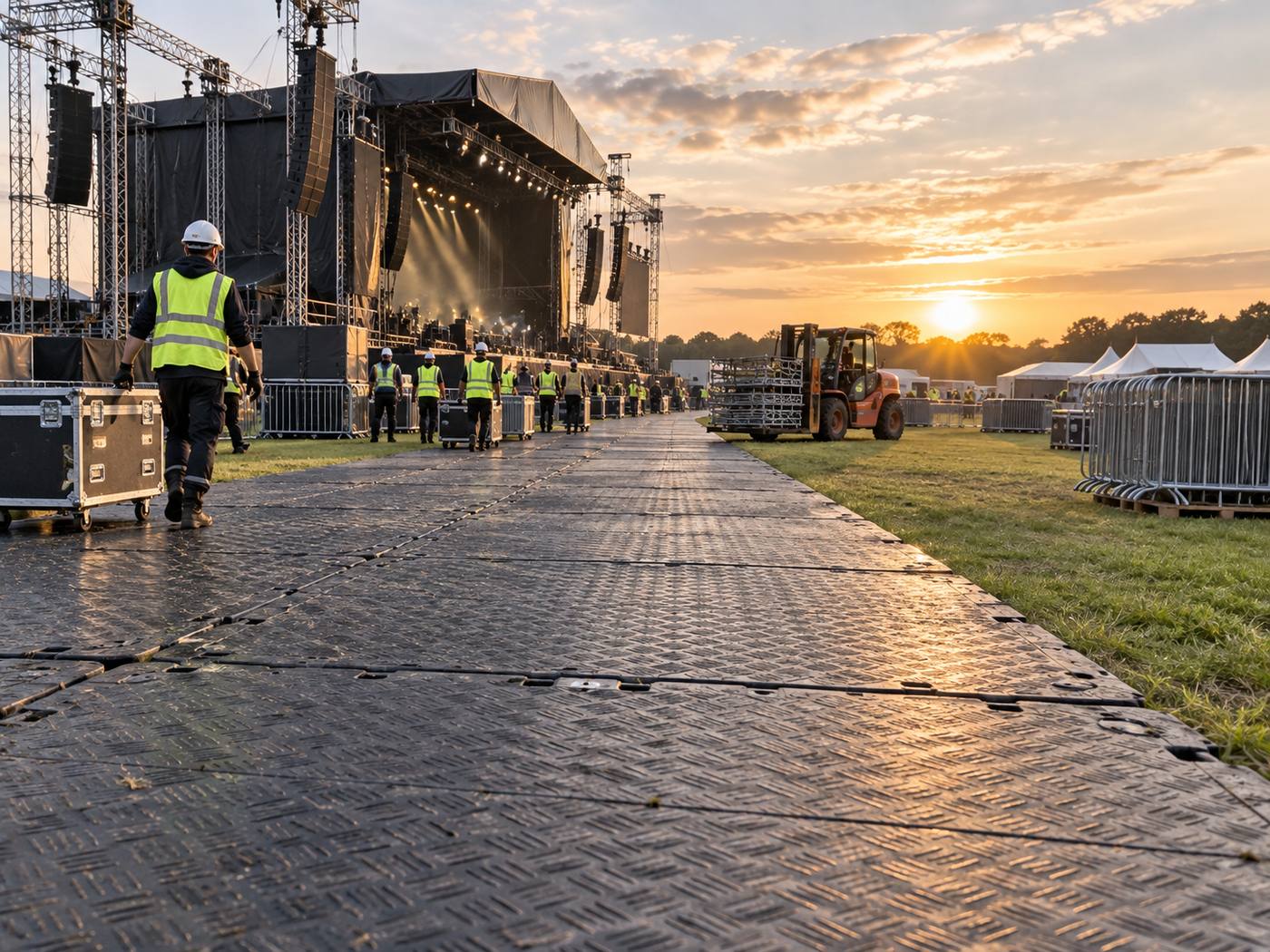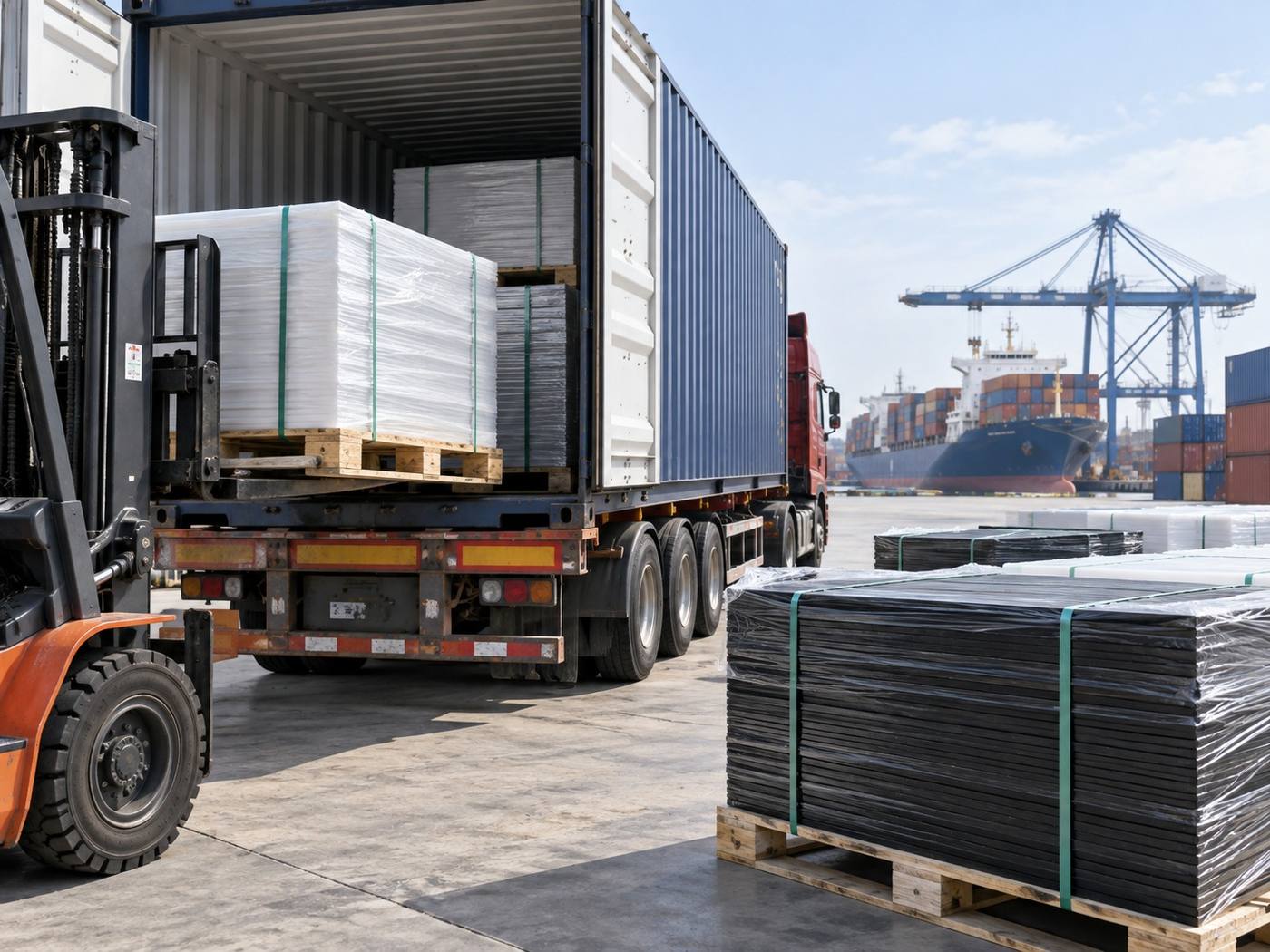
When there are frequent shifts in multi-point overhauls on the ground, many teams ask first how thick the plates are; but the key to moving the leg cushions when the mine crane is changed is to confirm the defunct boundary. If manual drag may cause injury, fall and damage to ropes that are significantly aggravated after rainfall, full load or continuous operation, the state shall be used as a design condition and shall not be replaced by clear or empty data.
The technology is selected to determine which factors are the most unfavourable in the crane ' s condition, the length of the arm, the turning position, the maximum retroactivity of the leg, the size of the foot and the base load, and then to screen the leg cushions around the use of suitable lifting, mechanical aids and the required stacking. For example, road products focus on localization and connectivity, support products focus on reversibility and rigidity, and car products focus on friction, shocks and contraction. Even if the common thickness of 15, 20, 25 or 30 mm is used, the logic of choice and the applicable boundary must be stated.
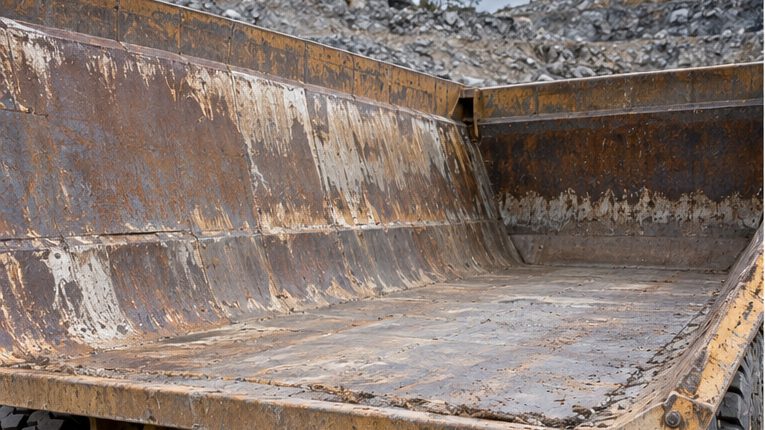
Figure: Frequent shifts in multi-point overhaul missions
If on-site space is restricted, progress cannot be moved by reducing the necessary coverage or moving points to the edge. Transport organization, equipment stationing or installation should be re-checked to allow sufficient swing space for implementation using suitable lifting, mechanical aids and specified stacking. The leg pad extended the area of stress but could not repair the unsatisfactory foundations. The first round of operations is reviewed immediately after completion, and early relaxation or relocation is usually easier to correct than long-term damage.
Maintainers need to know how normal traces of products differ from dangerous injuries. The production of site illustrations around deposition, slide, edge distance and underground facilities is more effective than simply writing “watching”. If manual drag may cause injury, fall and damage to ropes to increase with the number of times they are used, the payload, foundation or material should be analysed as to whether it exceeds the original conditions and a limit, speed limit or suspension measure should be taken until confirmed.
In order to validate the programme, a representative route, a vehicle or a support point could be selected for a controlled trial, with observation cycles and exit conditions. The records should cover normal and most unfavourable conditions, with particular attention to the possibility that manual drag may cause injury, fall and damage to ropes. Only when the test data are stable, the maintenance workload is acceptable and confirmed by project management and security personnel will it be appropriate to expand the application.
The safety floor does not change due to the tight working schedule. In the event of an unknown foundation, posturing of equipment in excess of the Manual, damage to components or failure to isolate persons, operations should be suspended and approvals upgraded. Any improvement to manual drag that may cause injury, fall or damage to the rope must be confirmed without introducing a new risk of slide, overload, trip or maintenance.
Need for further evaluation of the actual project?
Applications, sizes, quantities, site photographs or drawings and delivery destinations are sent, on which we can identify more suitable products and processing programmes.