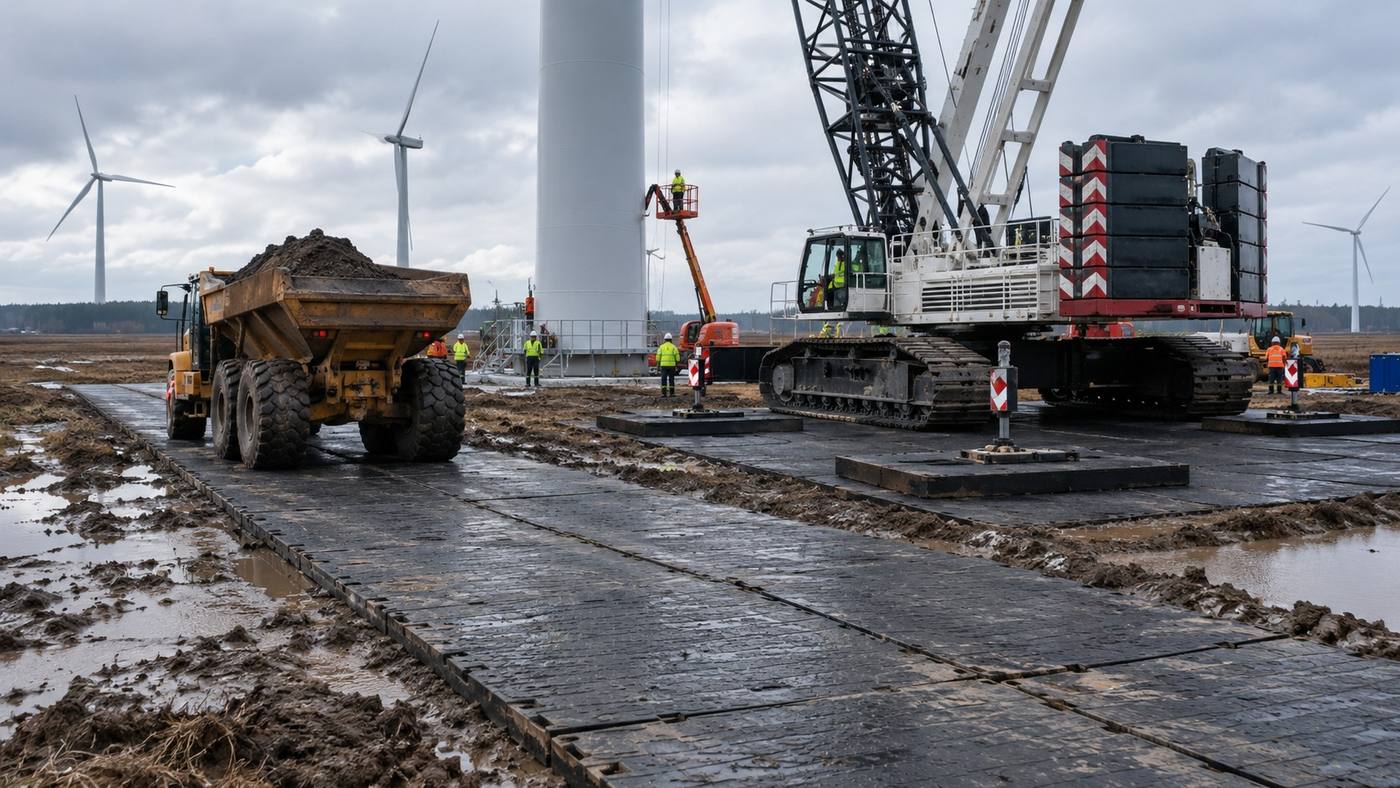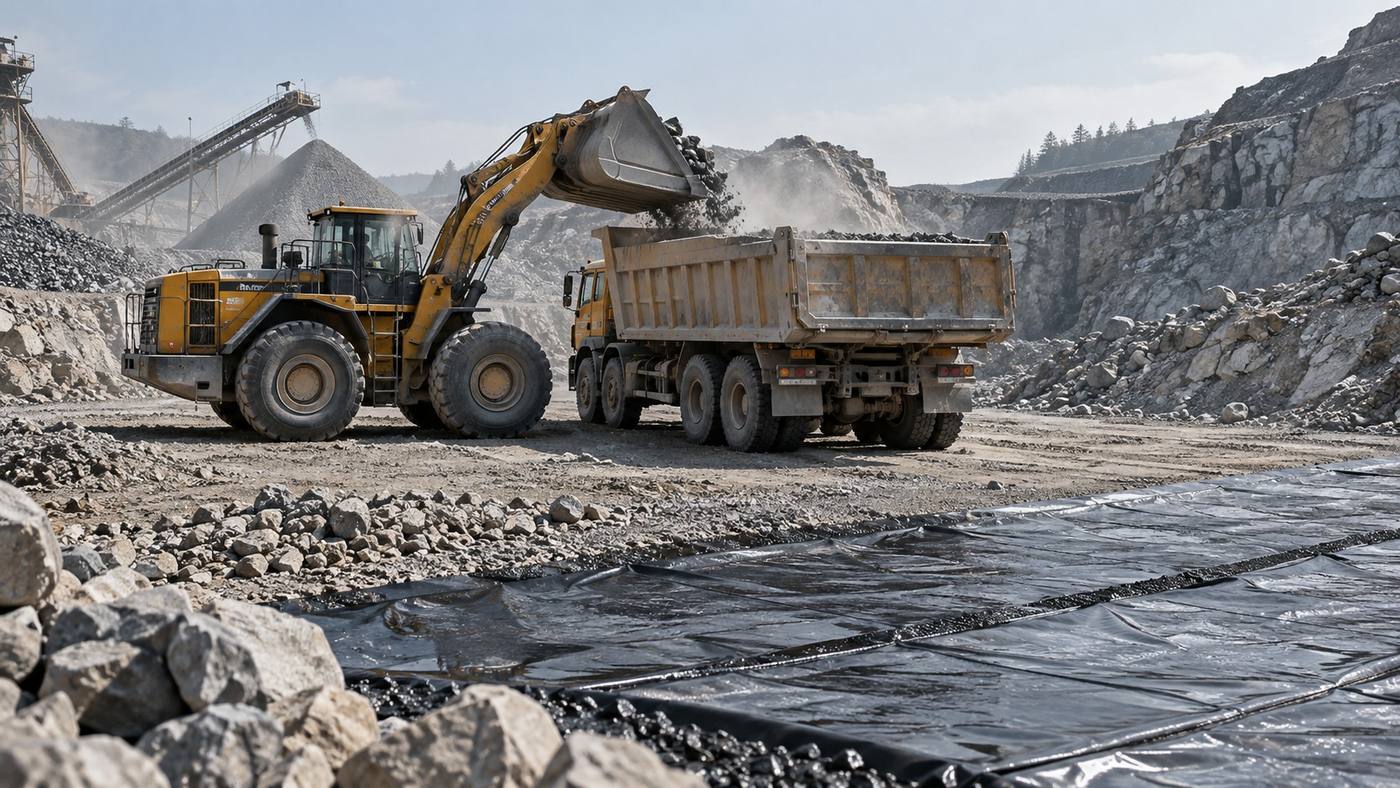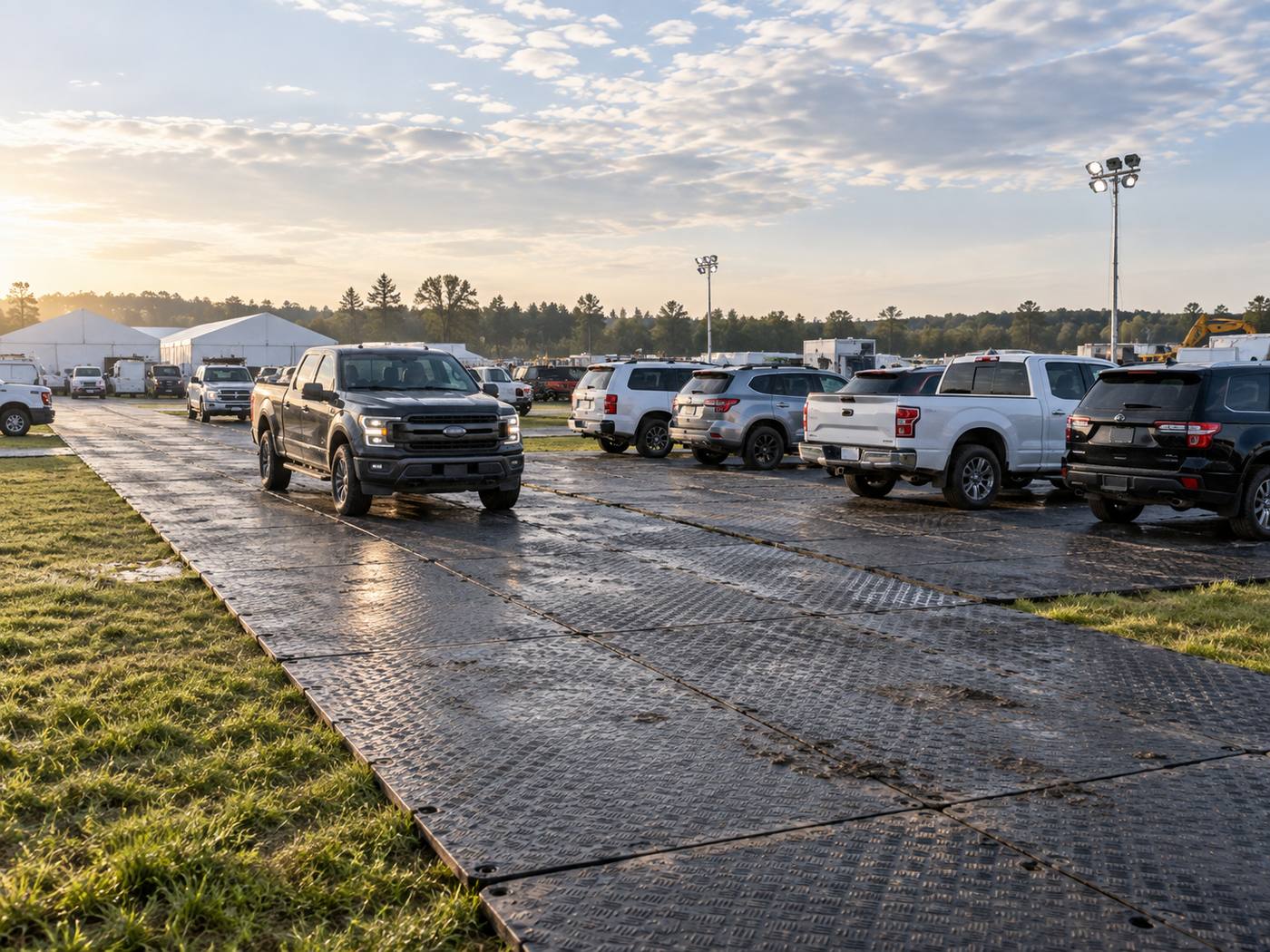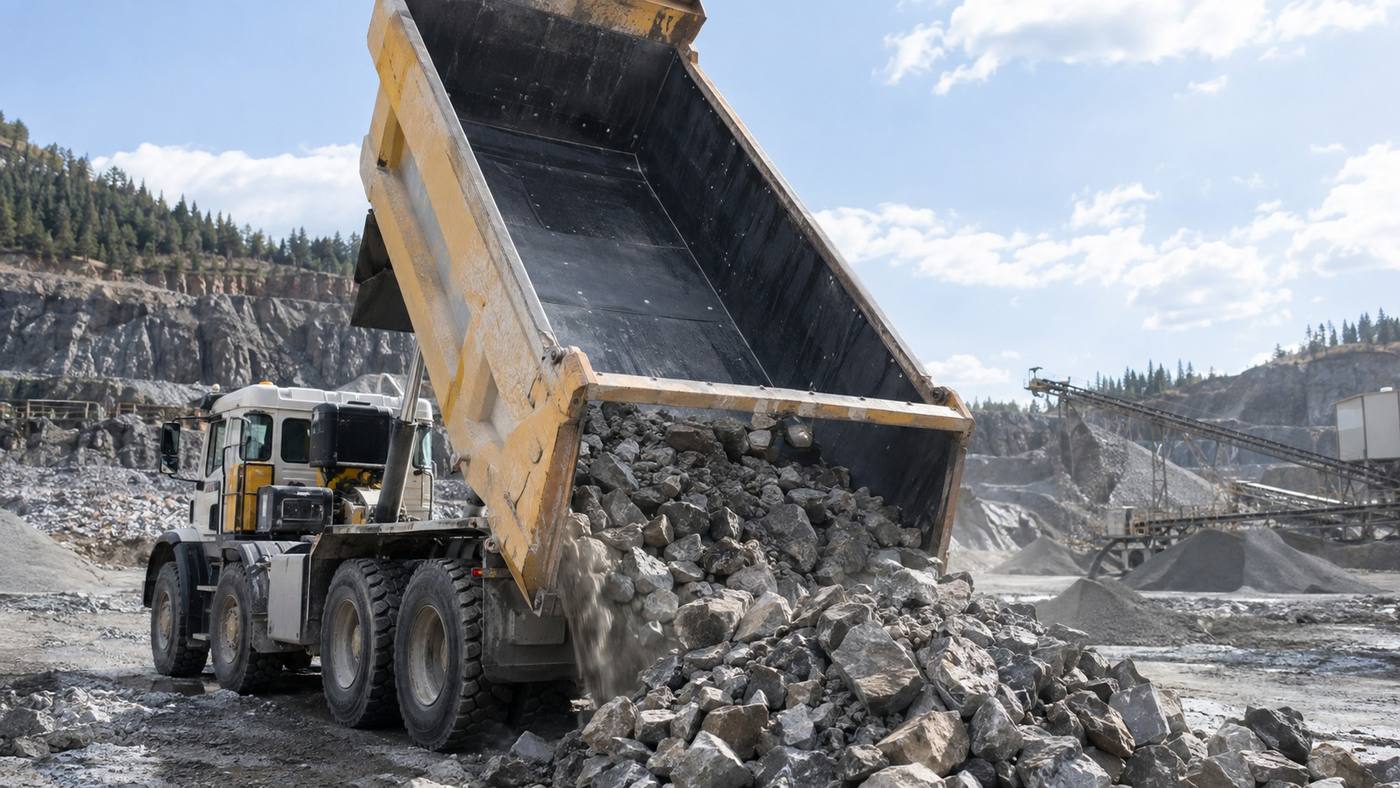
An answer to how the muddy transport road in the rainy season can be quickly restored is best observed from a full operating cycle rather than from static photographs. For example, in the case of clay-roads that follow continuous rainfall, loading, driving, turning, parking or lifting change the stress, and often only in a certain movement is the lateral slide of water and vehicles. To match the movement to the anomaly, we can find effective improvements.
The selection can take three steps: the first step is to verify vehicle axial loads, tyre landings, road slopes, curve radiuss, water-bearing rates and grass-roots loads; the second step is to convert the flow of water and the lateral slides of the vehicle into carrying, friction, impact or grinding needs; and the third step is to implement first-sorting, flatting points, and then create and set up competitor areas. The request for quotation documents should indicate the frequency, life expectancy and maintenance of the pavement. The increase in thickness usually also increases weight and handling difficulties and therefore cannot automatically be equated with “more suitable”.

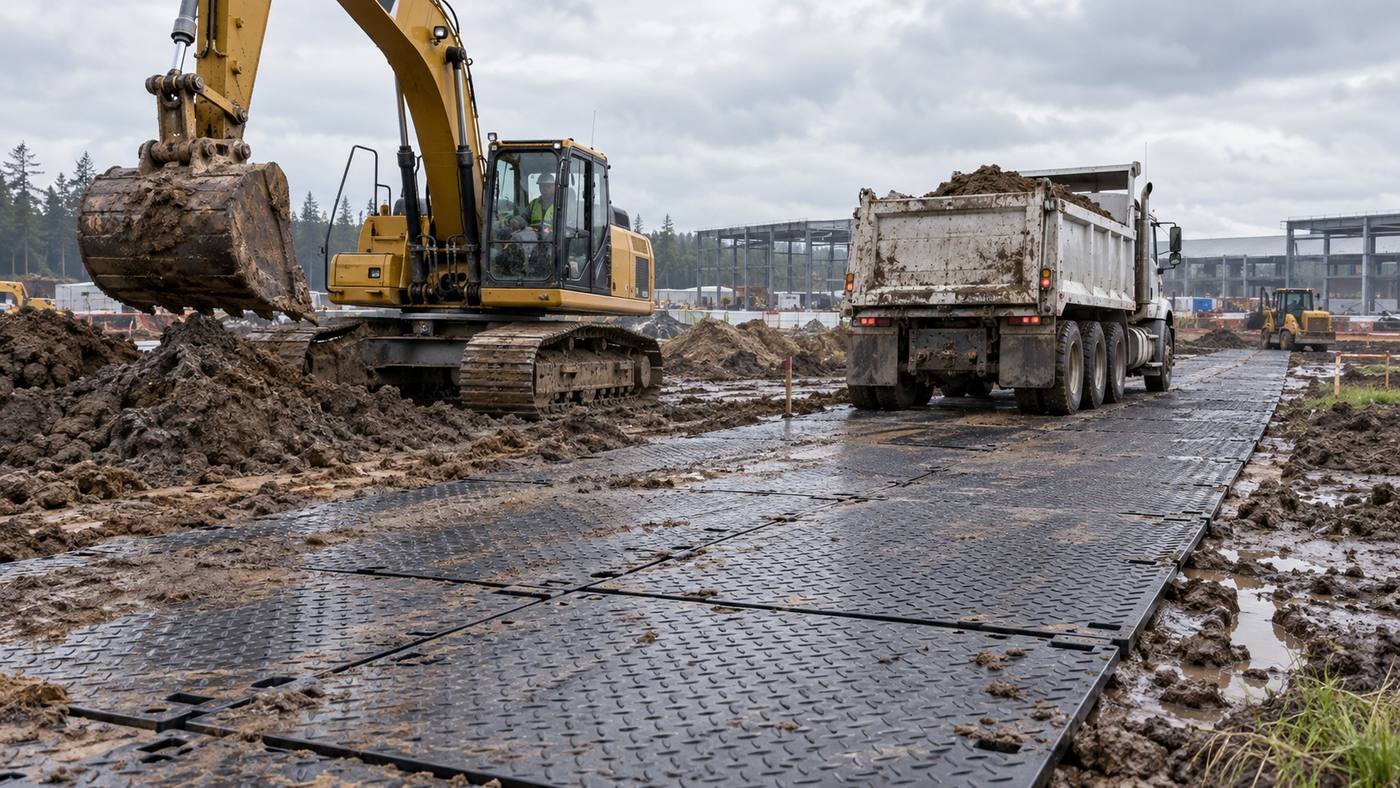
Figure: clay-roads after continuous rainfall
Prior to implementation, a pre-operational meeting may be arranged to clarify who confirms the basis, who inspects the receiving and inspection pavements and who has the right to cease operations. Road boards are seen as interim layers rather than ground-based alternatives. The site is positioned according to numbering and drawings, and every section completed checks size, edge, connection or rigidity, without leaving all questions to the end. The rhythm should be lowered during the trial period to observe the re-emergence of water on the tracks and the lateral slide of the vehicle.
It is recommended that the pavement boards be used as retroactive asset management. The numbering is associated with the date, location, batch, time of use and maintenance of records, with the focus of the inspection being the drain, sew, edge and soft points. Minor contamination can be cleaned and re-examined; damage affecting geometry, connection reliability or remaining thickness is determined by authorized personnel and cannot be left to the driver or casual worker to decide on its continued use.
Receiving and inspection information shall keep the product batch, installation chart, site photographs, initial dimensions and trial running records. In the event of lateral water accumulation and lateral slippage of the vehicle, it can be judged whether the anomaly arises from initial installation, changes in condition or natural wear. For reusable pavements or leg pads, this set of records will also facilitate the rapid matching of suitable locations for the next transfer.
It needs to be emphasized that the pavements can only function in the approved operating systems. Any overload, peri-side, underground hole, tilt lift or human exposure shall be first disposed of in accordance with the mine rules. This document is not a substitute for the plant manual and the comments of the registered engineering staff; procurement communications should provide a true picture of the most unfavourable conditions of work and avoid lowering the entry conditions to meet the quotations.
Need for further evaluation of the actual project?
Applications, sizes, quantities, site photographs or drawings and delivery destinations are sent, on which we can identify more suitable products and processing programmes.