The shared routes for ambulance, firefighting and evacuation vehicles appear to be a local operational problem that actually affects vehicle cycle, equipment utilization and on-site risk. What requirements should be met by emergency relief routes around remote mining areas, where the location, time and weather of the failure should be recorded and where the response would be blocked by confirmation that temporary stacks, water accumulation or a lack of width are associated. The evidence is more suitable for selection and subsequent impact assessment than for a single visual test.
Data can be reviewed in the “Equipment-basic-product-operated” column: the equipment column records the supply cycle, the climate window, the length of the route, the most heavy vehicles, surface sensitivity and evacuation requirements, the base column describes the weakest areas, the product column sets out the specifications of the pavement board, the operating column contains the required clean-up, turn-around capacity and round-the-clock inspections and prohibits occupancy. If one of the four columns still relies on speculation, it is not a matter of urgency. Especially for products with the same nominal thickness, feedstock, processing, size differential and connection design may still differ.
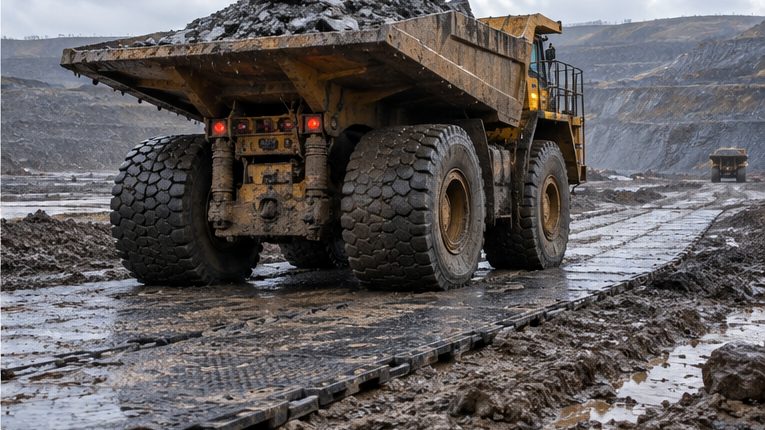
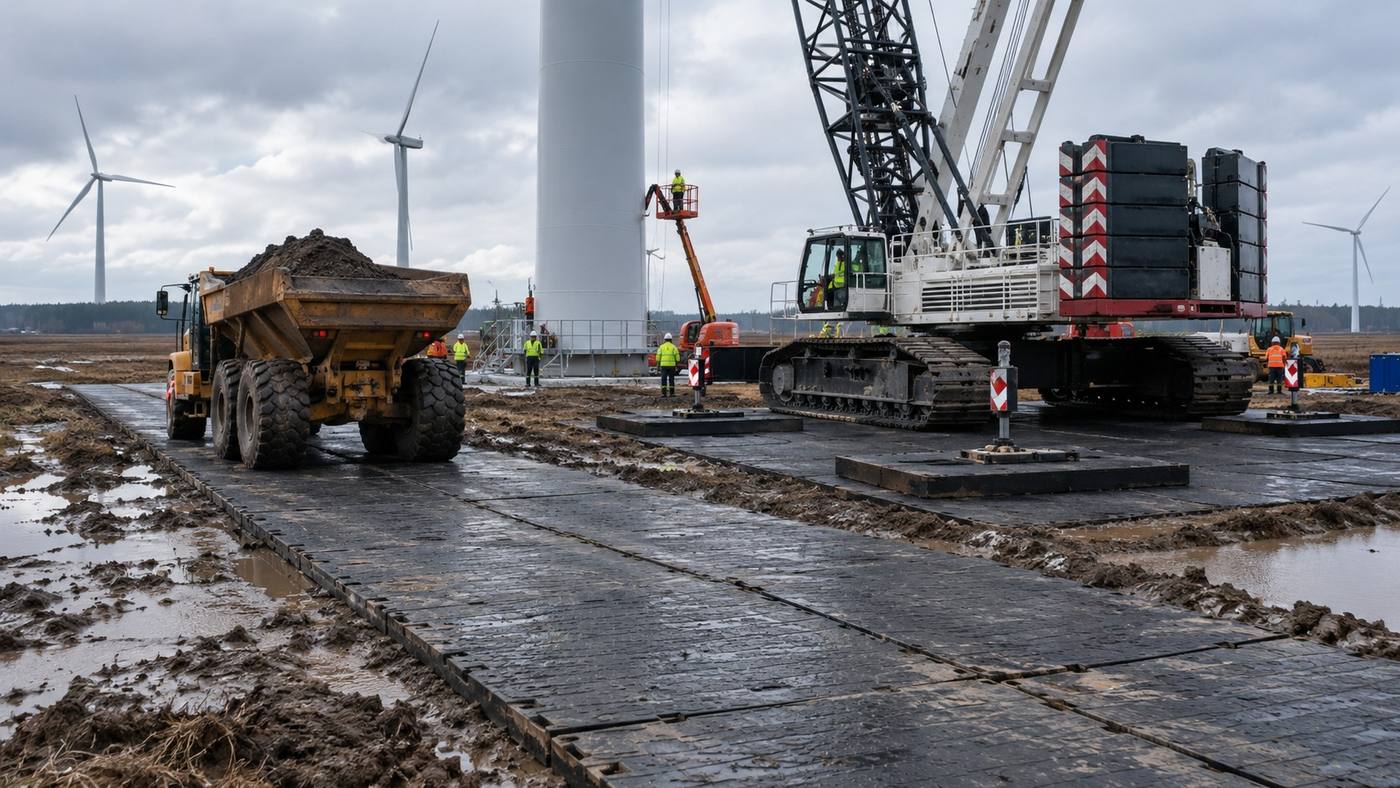
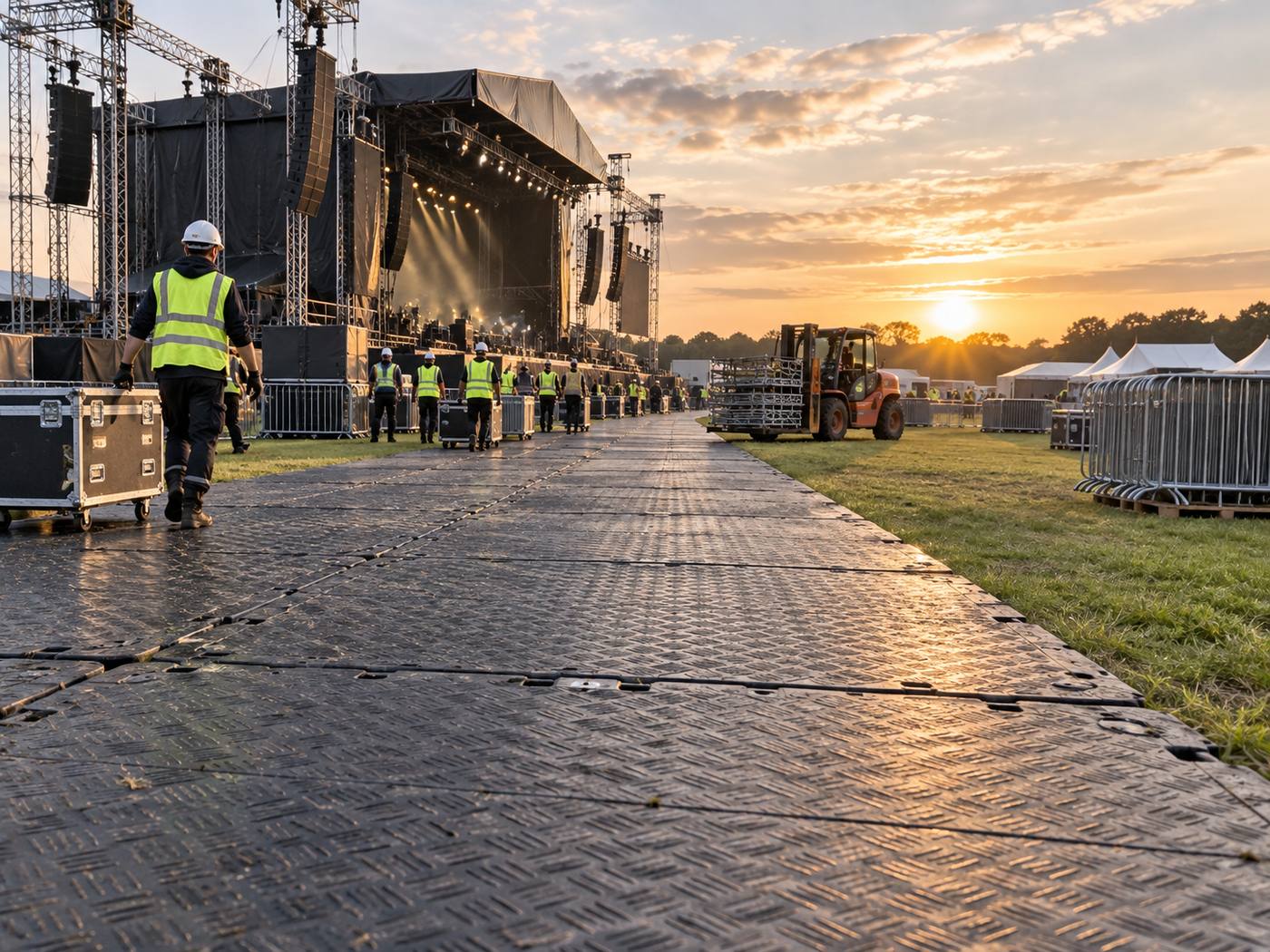
Figure: Common routes for ambulance, fire and evacuation vehicles
Prior to implementation, a pre-operational meeting may be arranged to clarify who confirms the basis, who inspects the receiving and inspection pavements and who has the right to cease operations. The value of recyclable products is to reduce long-term surface disturbances and to support fast-tracking. The site is positioned according to numbering and drawings, and every section completed checks size, edge, connection or rigidity, without leaving all questions to the end. The rhythm should be lowered during the trial period to observe whether the re-emergence of the response may be hampered by temporary stacking, water accumulation or insufficient width.
Maintainers need to know how normal traces of products differ from dangerous injuries. It would be more effective to produce on-site illustrations of floods, freezing, sand, communications and alternative routes than simply to write “watch and check”. If the temporary stacking, water accumulation or width is insufficient to prevent a continued increase in the number of times the response is being used, the payload, foundation or material should be analysed as to whether it exceeds the original conditions, and a limit, speed limit or suspension measure should be taken until confirmed.
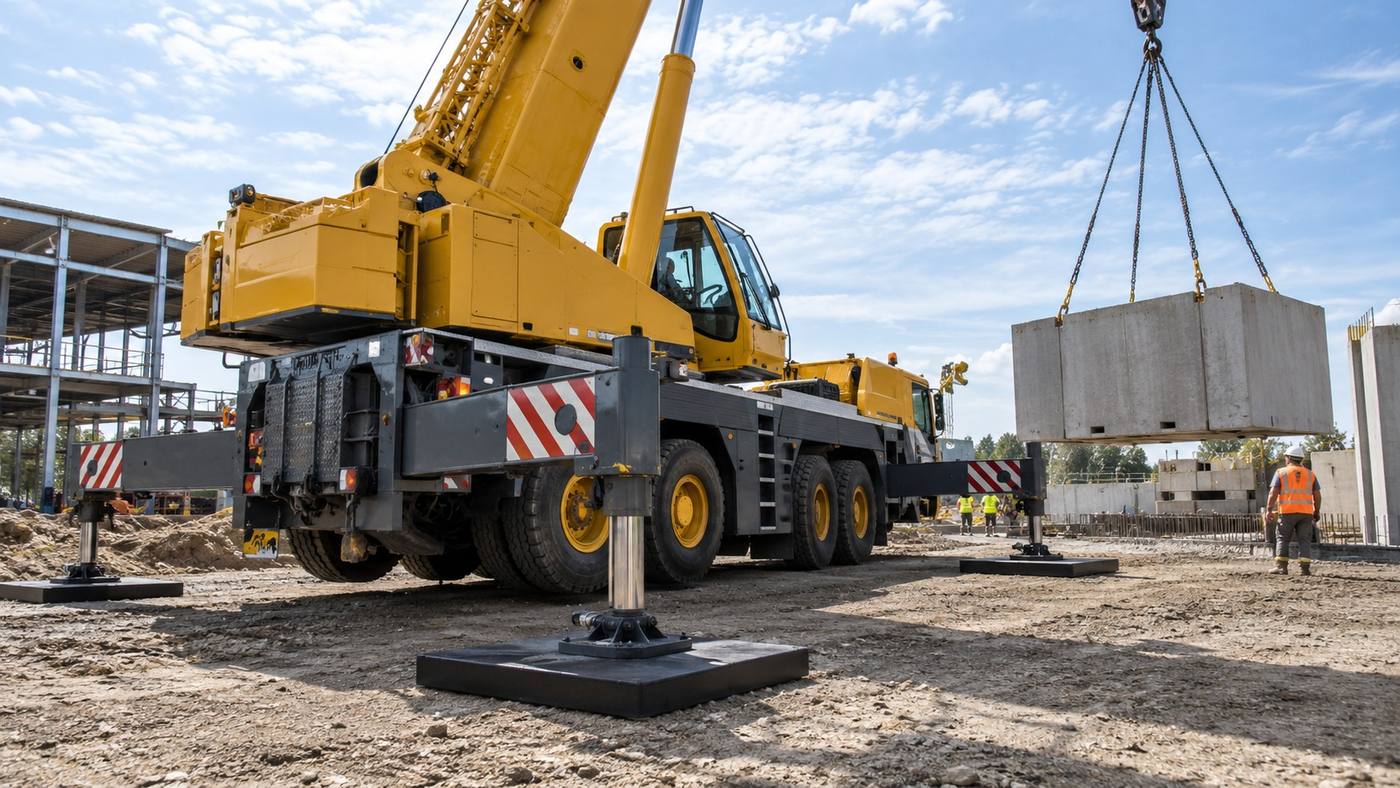
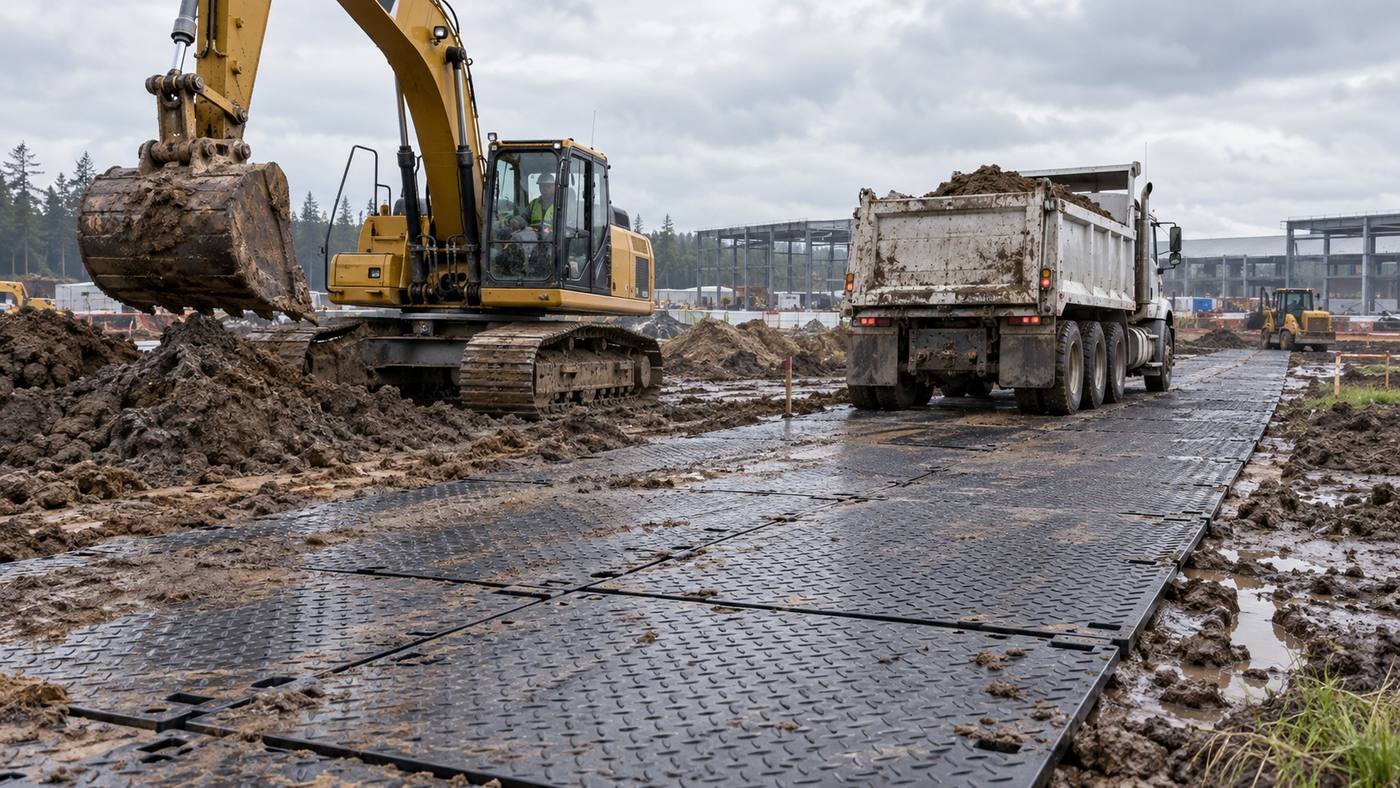
For temporary roads, the number of crashes, the length of blockages and surface repairs can be used as indicators; for leg support, the logs are evened and down; for carriage liners, the residue rate, lifting time and steel plate maintenance are tracked. Select two to four matches to this topic. As long as the caliber is fixed, temporary stacks, water accumulation or width are not sufficient to prevent changes in response from being objectively identified.
The ultimate goal is not simply to install a product, but to keep the shared routes for ambulance, fire and evacuation vehicles operating at acceptable risk. Approval of the programme should be accompanied by the use of restrictions, inspection responsibilities, decommissioning criteria and evacuation methods. Thus, even when there is a change in personnel or shifts, the lack of information does not trigger a rekindling of temporary stacks, water accumulation or a lack of width, which would block the response.
Need for further evaluation of the actual project?
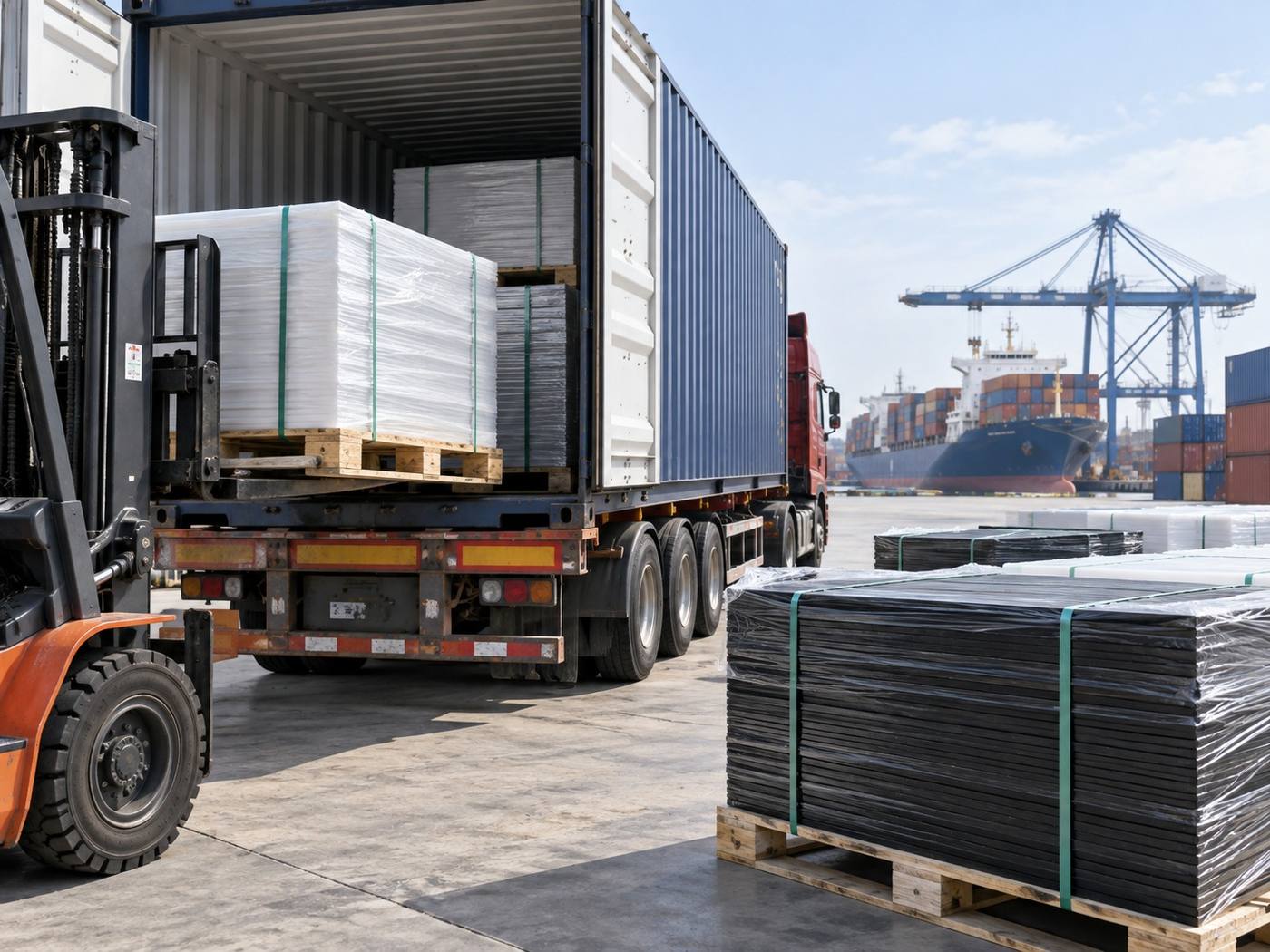
Applications, sizes, quantities, site photographs or drawings and delivery destinations are sent, on which we can identify more suitable products and processing programmes.