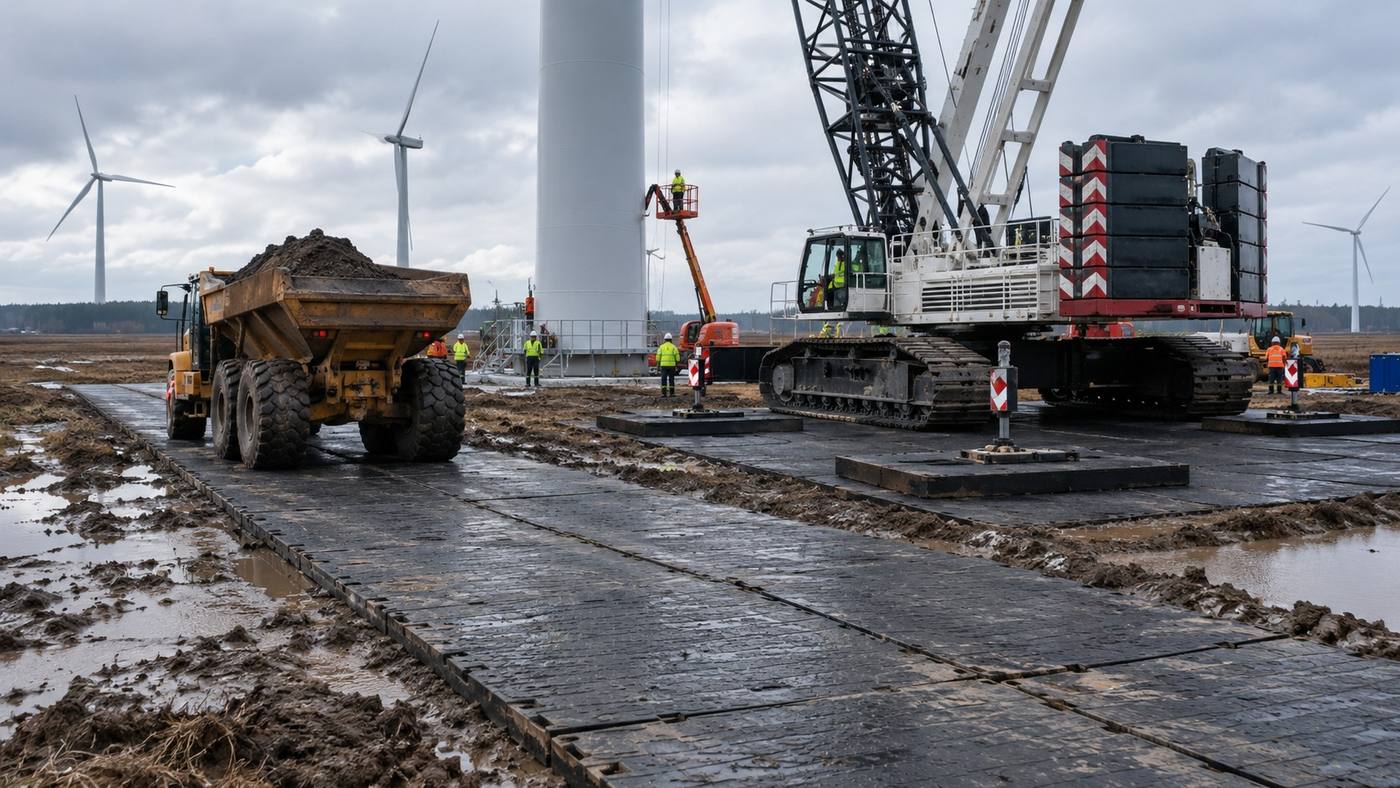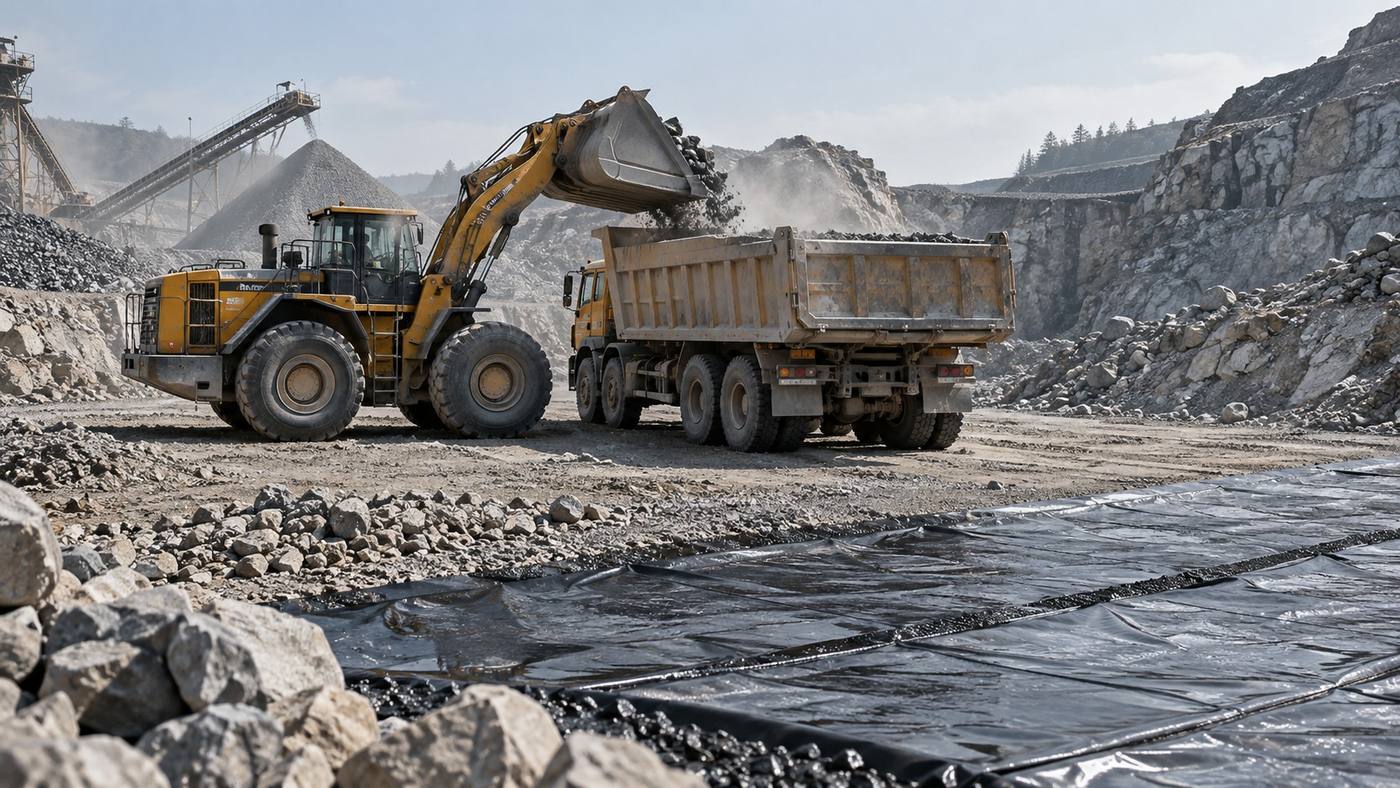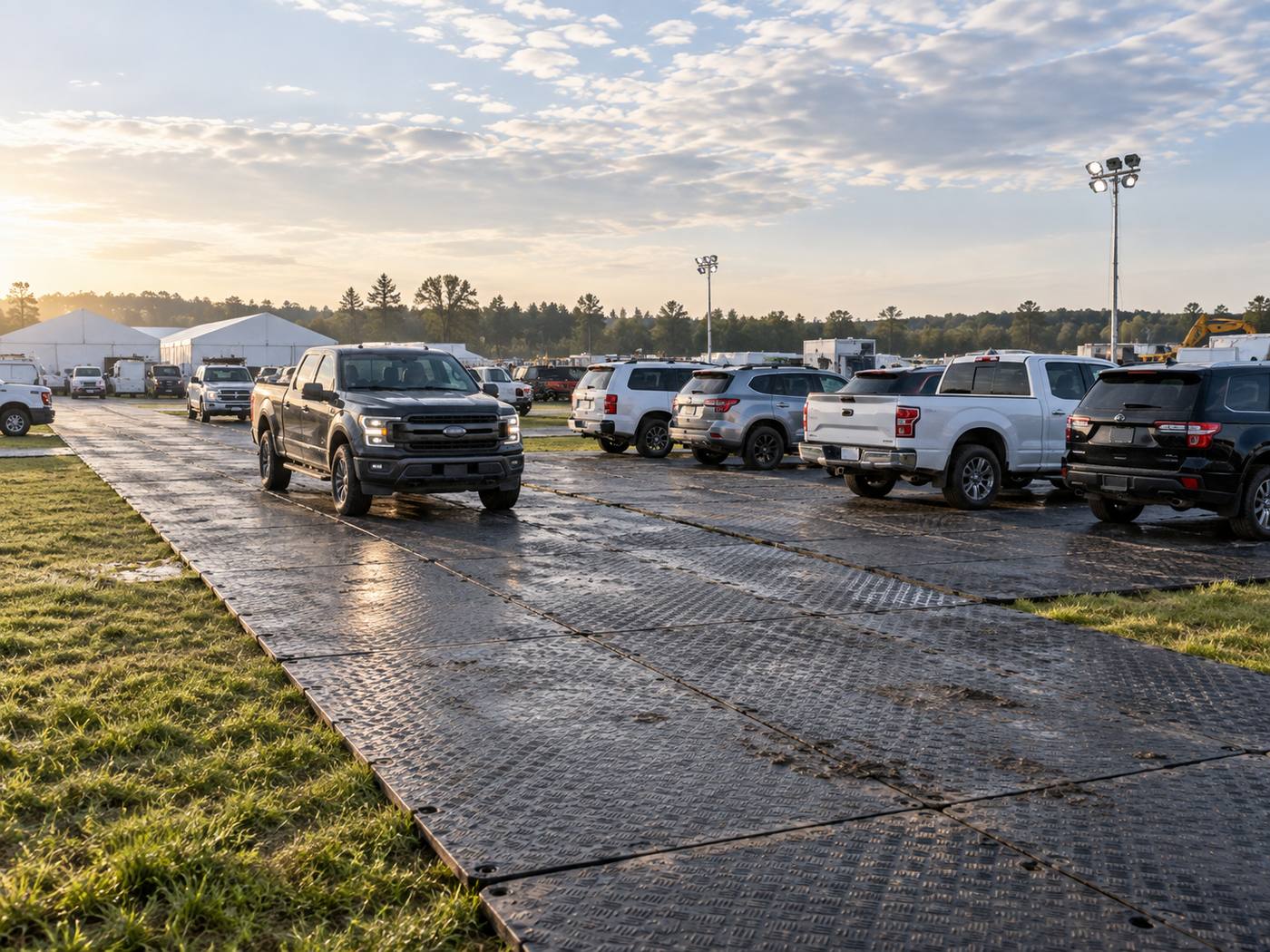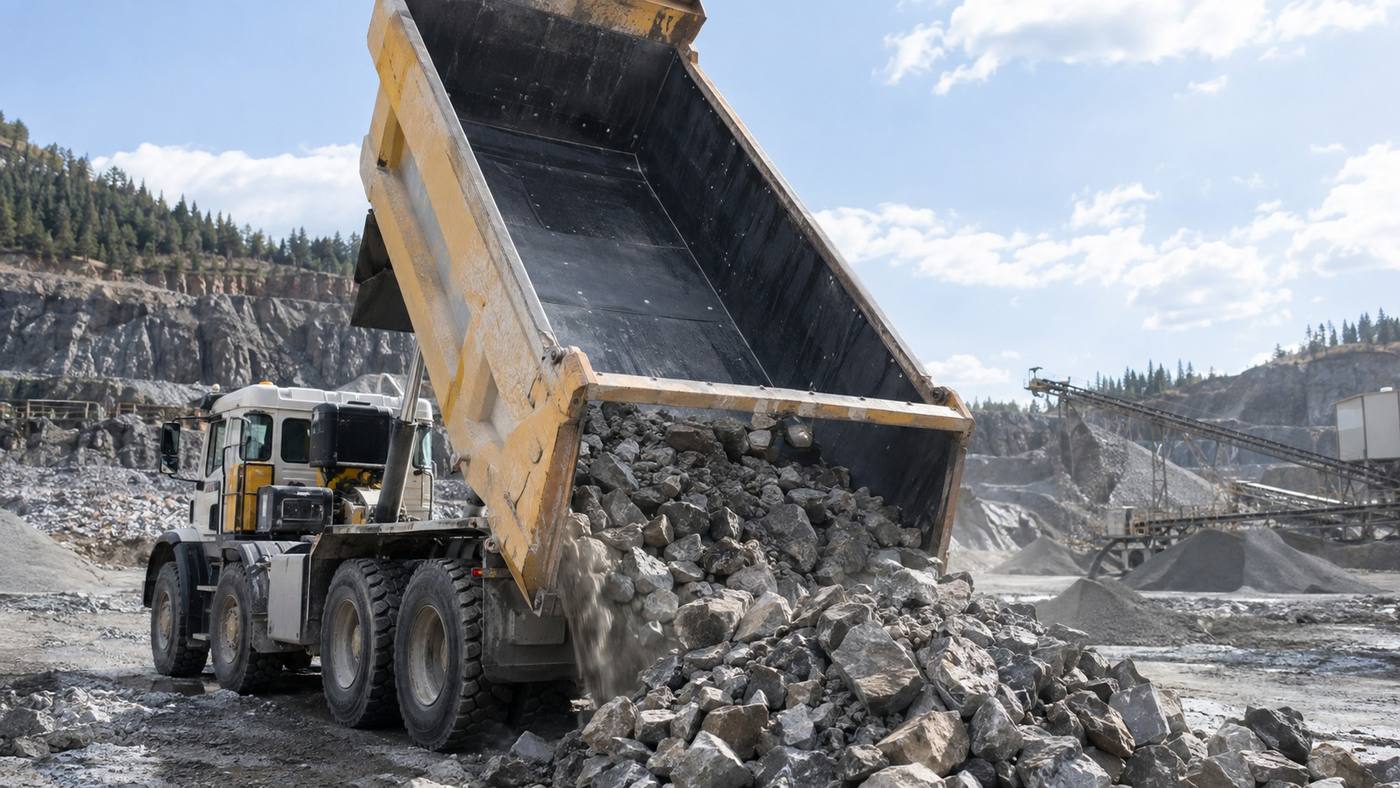
How heavy loader routes at the quarry can be reduced by detaching on-site problems into “ground, equipment, materials and operations”. The typical working conditions in this paper are the loader routes covered by dust and fine rock. It is not a single parameter that is most in need of control at this time, but a wet finer that lowers the ground and leads to the emptying of tyres. If only one layer of material is laid on the surface and no real load of ground, drainage or equipment is identified, movement appears to resume in the short term, with the possibility of subsequent shutdown, back-to-work or safety risks.
The technology is selected to determine which of the most unfavourable factors in the equipment profile, round range, ground pressure, direction, gravel particle size and frequency of operation, and then to map around the removal of rolling gravel, setting the texture direction and controlling the shift to action-screening pavement. For example, road products focus on localization and connectivity, support products focus on reversibility and rigidity, and car products focus on friction, shocks and contraction. Even if the common thickness of 15, 20, 25 or 30 mm is used, the logic of choice and the applicable boundary must be stated.

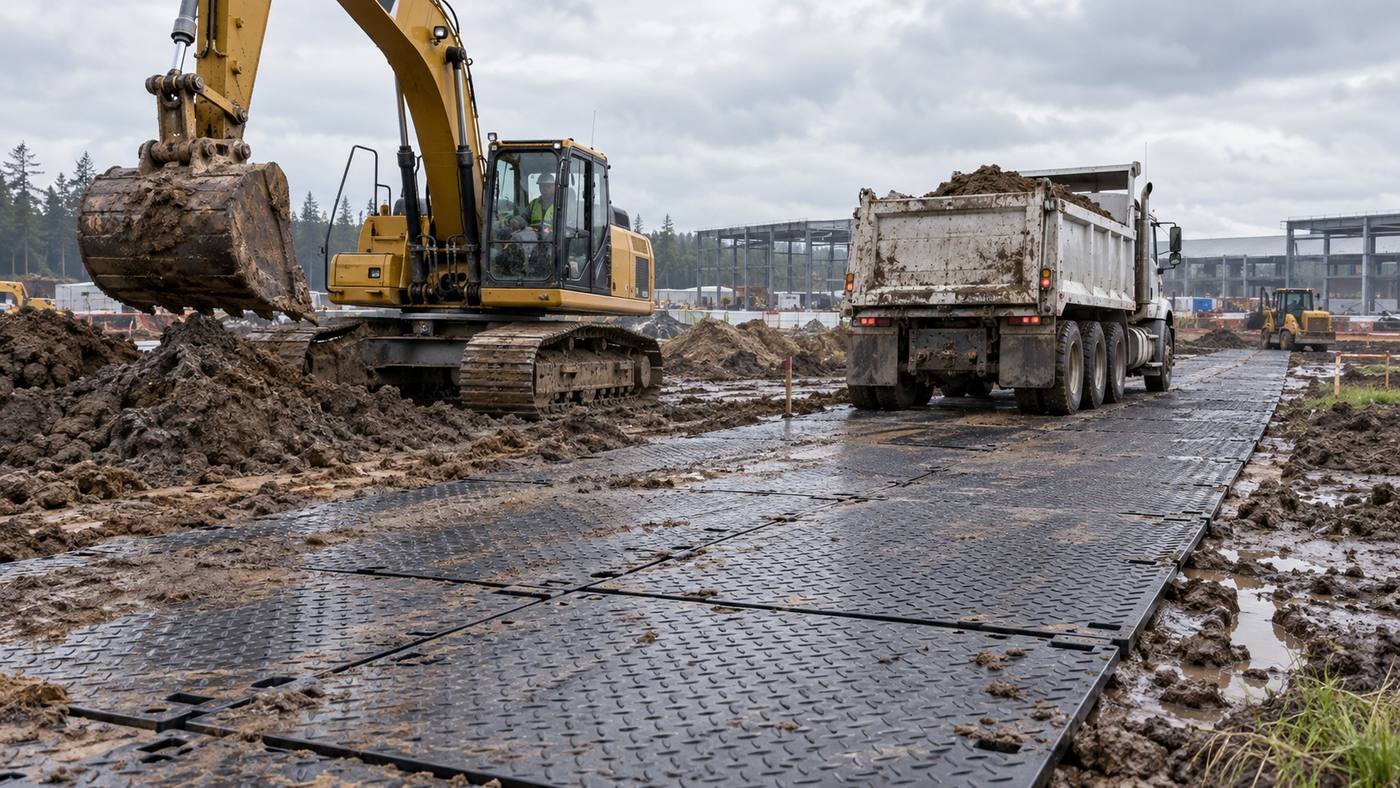
Figure: Dust and pellets covered loader routes
If on-site space is restricted, progress cannot be moved by reducing the necessary coverage or moving points to the edge. Traffic organization, equipment stationing or installation should be re-checked so that there is sufficient space to remove rolling debris, set texture direction and control movement. Separate passage routes from loading and unloading, fragmentation and personnel areas. The first round of operations is reviewed immediately after completion, and early relaxation or relocation is usually easier to correct than long-term damage.
The shift should be accompanied by a clear report of the changes in the tipping stone, the powder, the connector and the reverse area, rather than a description of the current appearance. Connections, feed points or seams processed in the previous class are reviewed in the next class, and abnormally close rings are formed. During the clean-up process, it is prohibited to treat polymer surfaces with fire, violent banging or sharp shovels to avoid creating new vulnerabilities.
For temporary roads, the number of crashes, the length of blockages and surface repairs can be used as indicators; for leg support, the logs are evened and down; for carriage liners, the residue rate, lifting time and steel plate maintenance are tracked. Select two to four matches to this topic. As long as the caliber is fixed, humid fine matter is reduced to ground and results in changes in the empty rotation of tyres.
The ultimate goal is not simply to install a product, but to keep the loader route, covered by dust and gravel, operating at acceptable risk. Approval of the programme should be accompanied by the use of restrictions, inspection responsibilities, decommissioning criteria and evacuation methods. Thus, even if there were changes in personnel or shifts, the lack of information did not lead to a rekindling of humid fine items and led to the emptying of tyres.
Need for further evaluation of the actual project?
Applications, sizes, quantities, site photographs or drawings and delivery destinations are sent, on which we can identify more suitable products and processing programmes.