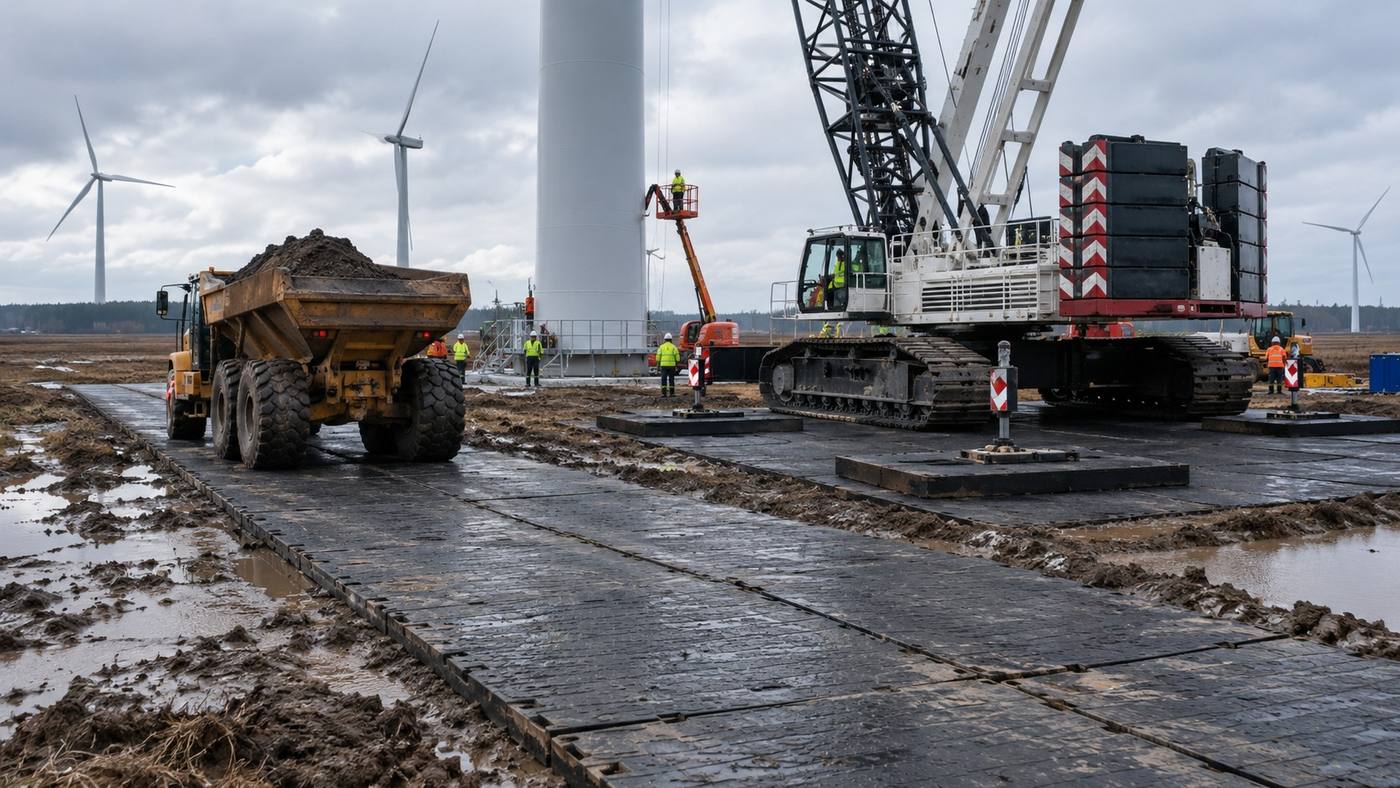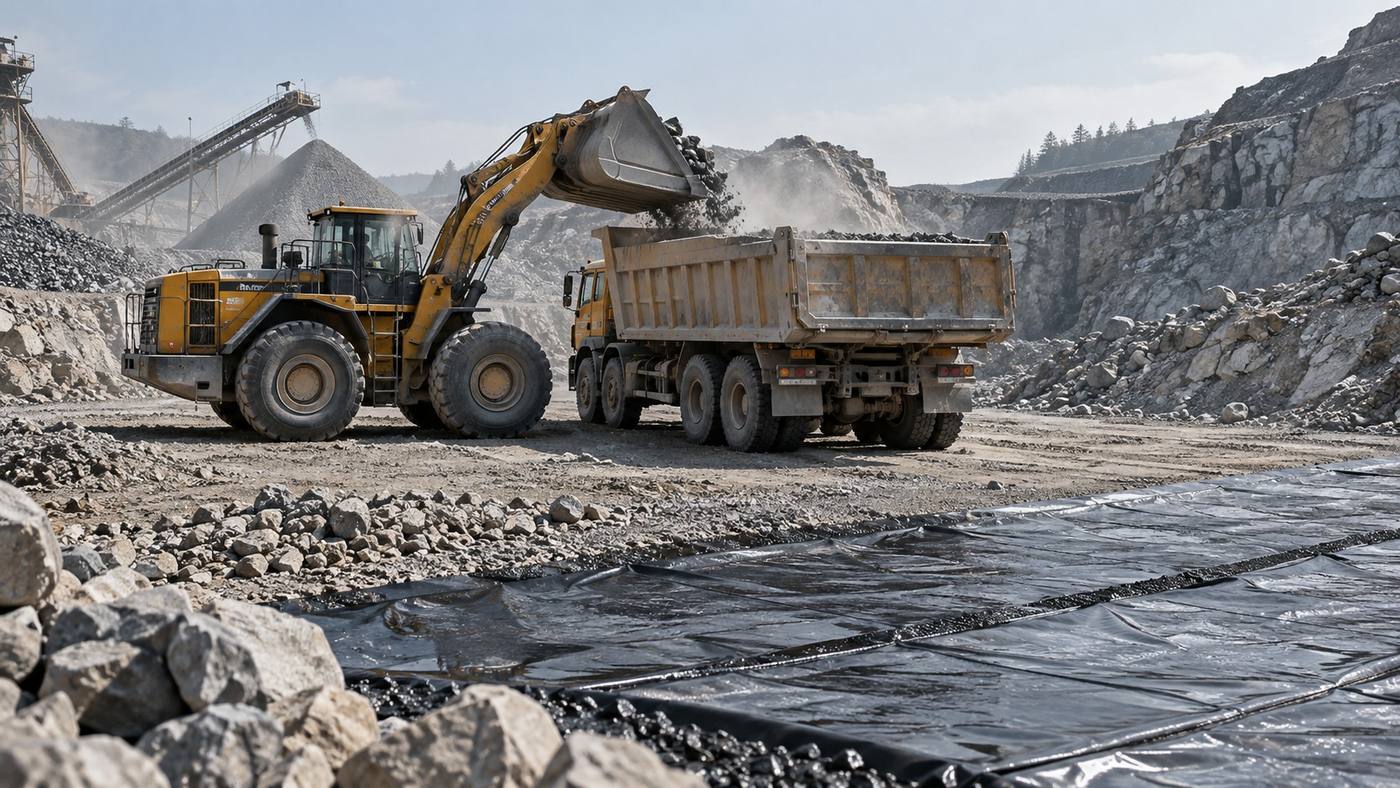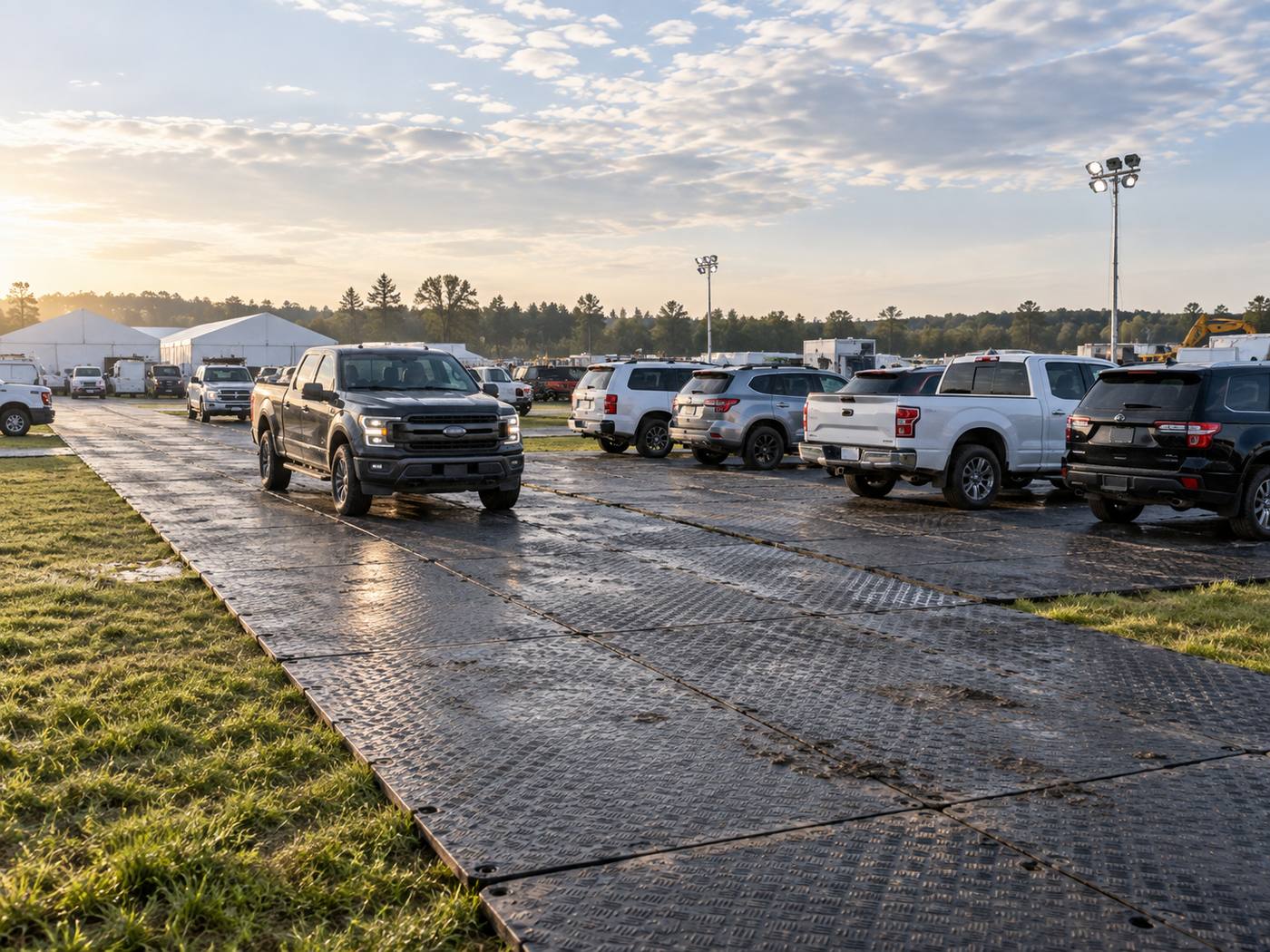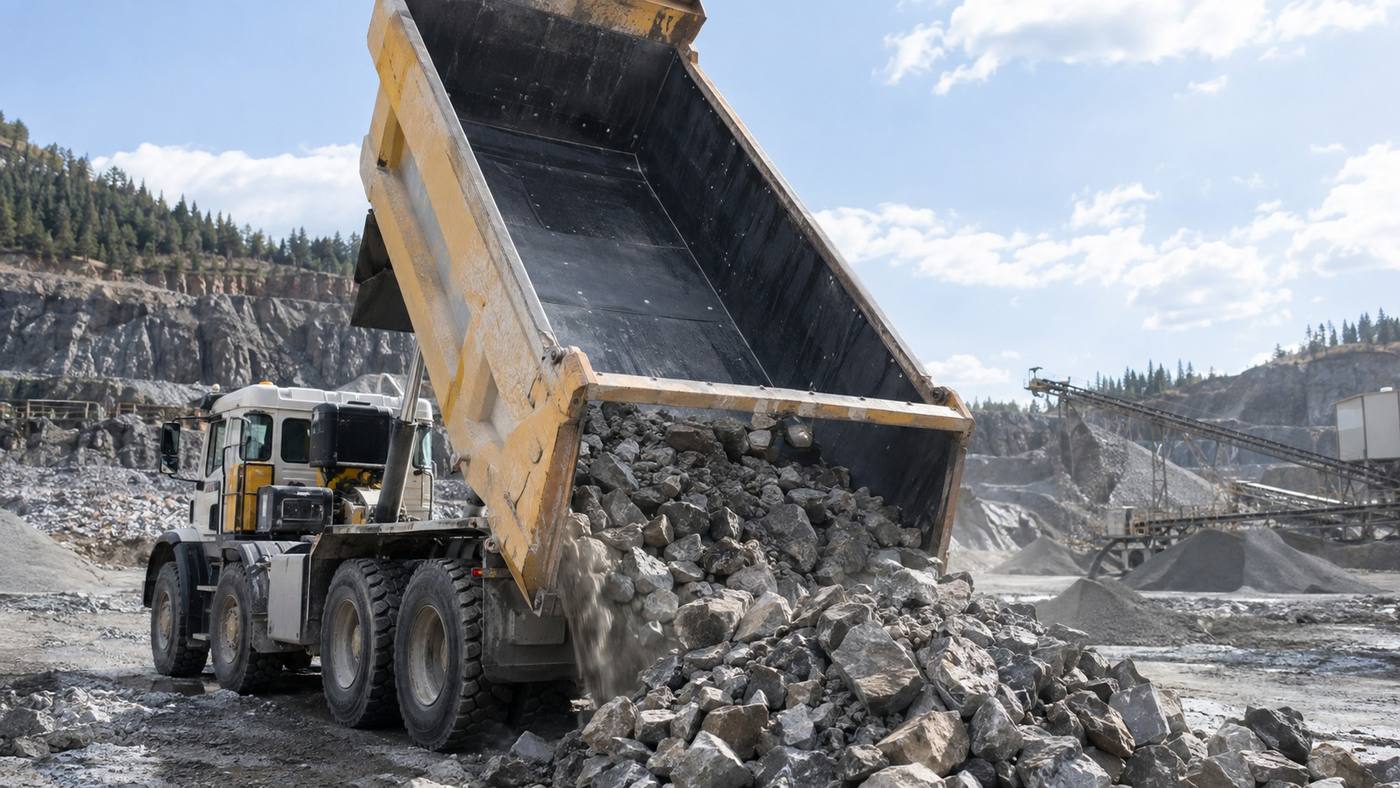
An ecologically sensitive exploration area with limited mechanical resources appears to be a local operational problem that actually affects vehicle cycle, equipment utilization and on-site risk. The site should record the location, time and weather of the lapses and confirm whether the large-scale refilling increases the burden of transport, disturbance and reclamation. The evidence is more suitable for selection and subsequent impact assessment than for a single visual test.
The data could be reviewed in the “Equipment-base-product-operated” column: the equipment column records the replenishment cycle, the climate window, route length, the most heavy vehicle, surface sensitivity and evacuation site requirements, the base column describes the weakest areas, the product column specifies the pavement specifications, and the operating column writes about the concentration of ground-based treatment at soft points and the adoption of recoverable modular layers. If one of the four columns still relies on speculation, it is not a matter of urgency. Especially for products with the same nominal thickness, feedstock, processing, size differential and connection design may still differ.
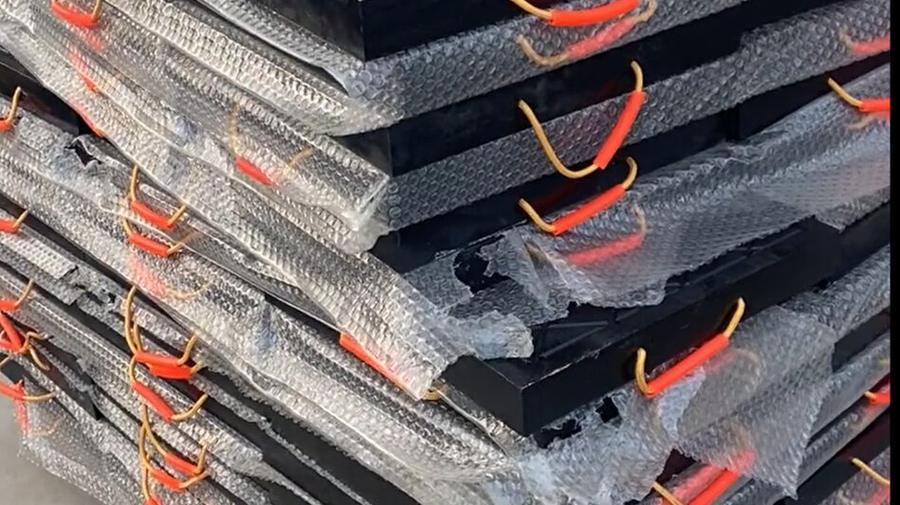
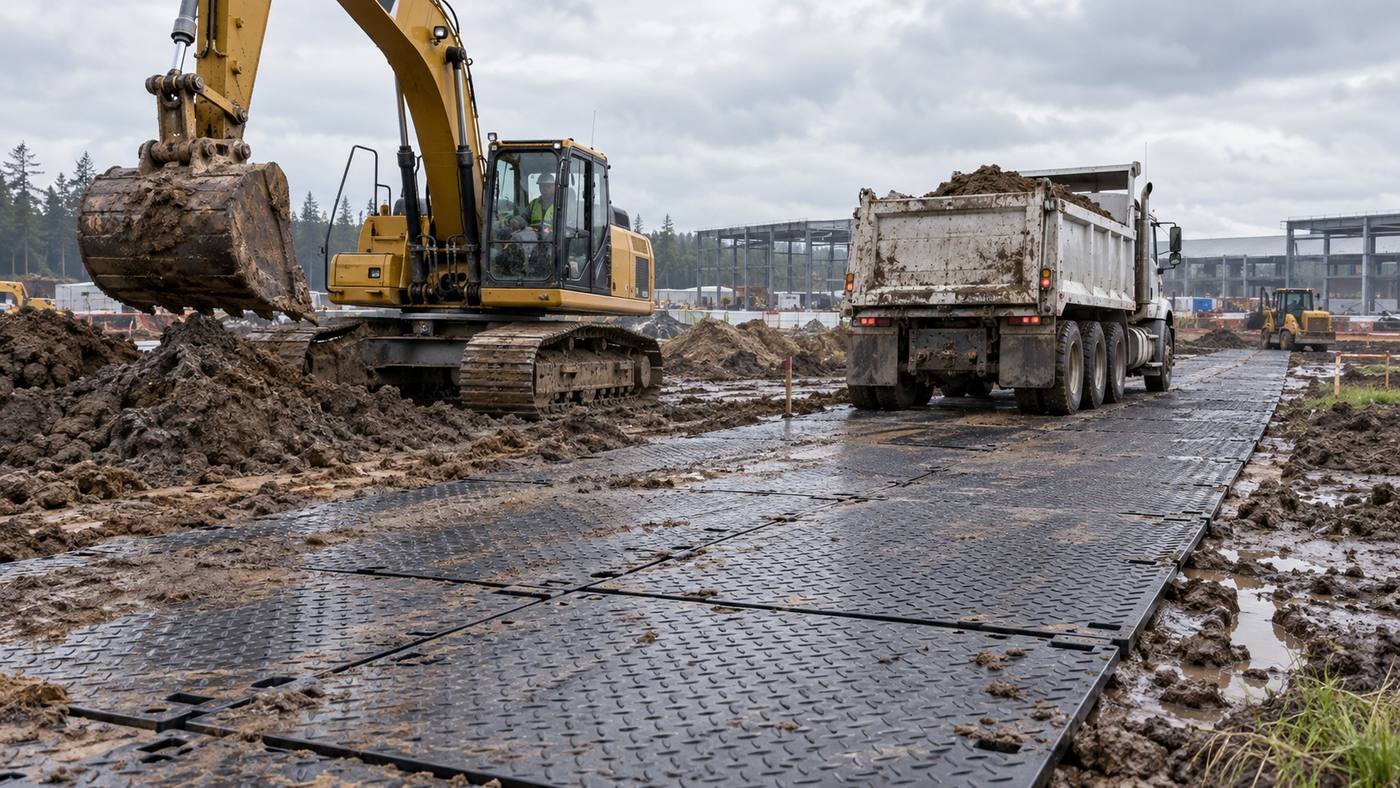
Figure: Ecologically sensitive exploration areas with limited mechanical resources (inventory material for creating a plastic network)
The field organization also decides to use effects. The area of operations should have clear traffic flow, quarantine coverage and abnormal parking standards, and the installation personnel should use loads that match the weight. The value of recyclable products is to reduce long-term surface disturbances and to support fast-tracking. In the event of the discovery of abnormal substrates that continue to sink, feeder overload, liner arches or connects, the use of the substrate must be discontinued and the reasons identified, and the problem cannot be covered by accelerated passage, repeated lifting or temporary pressure.
Maintainers need to know how normal traces of products differ from dangerous injuries. It would be more effective to produce on-site illustrations of floods, freezing, sand, communications and alternative routes than simply to write “watch and check”. If large-scale refilling increases the burden of transport, disturbance and reclamation with continued increase in the number of times used, the payload, foundation or material should be analysed for excess of the original conditions and limited, fast or suspended measures should be taken until confirmed.
The impact assessment cannot be based solely on the availability of the day. More frequent stopovers, cycling times, residues, maintenance hours, surface repairs or equipment can be applied before and after implementation and weather and load differences can be recorded. Large-scale refilling increases the burden of transport, disturbance and reclamation, if it continues to occur more frequently, requiring a re-analysis of the ground, operation or specifications rather than simply adding the same product.
It needs to be emphasized that the pavements can only function in the approved operating systems. Any overload, peri-side, underground hole, tilt lift or human exposure shall be first disposed of in accordance with the mine rules. This document is not a substitute for the plant manual and the comments of the registered engineering staff; procurement communications should provide a true picture of the most unfavourable conditions of work and avoid lowering the entry conditions to meet the quotations.
Need for further evaluation of the actual project?
Applications, sizes, quantities, site photographs or drawings and delivery destinations are sent, on which we can identify more suitable products and processing programmes.