It is suggested that a short question statement be established as to how the road for the rainy season drilling equipment is to be paved: where the rigs, slurry vehicles and water tankers are to enter and leave, and where the efficiency is affected mainly by narrow-road errors and tyre mud, who is the target and when they must be restored. This distinguishes between security issues that must be immediately isolated, control issues that can be maintained, and long-term issues that need to be redesigned.
Data can be reviewed in the “Equipment-basic-product-operated” column: the equipment column records the total weight of the equipment, the maximum reversibility of the points, the height of the mast, the endurance of the ground, the perforation and the conditions of the mud, the base column describes the weakest area, the product column specifies the length of the pavement and the leg pad, and the operating column contains a temporary route by the grade of the most heavy vehicle and the worst part. If one of the four columns still relies on speculation, it is not a matter of urgency. Especially for products with the same nominal thickness, feedstock, processing, size differential and connection design may still differ.

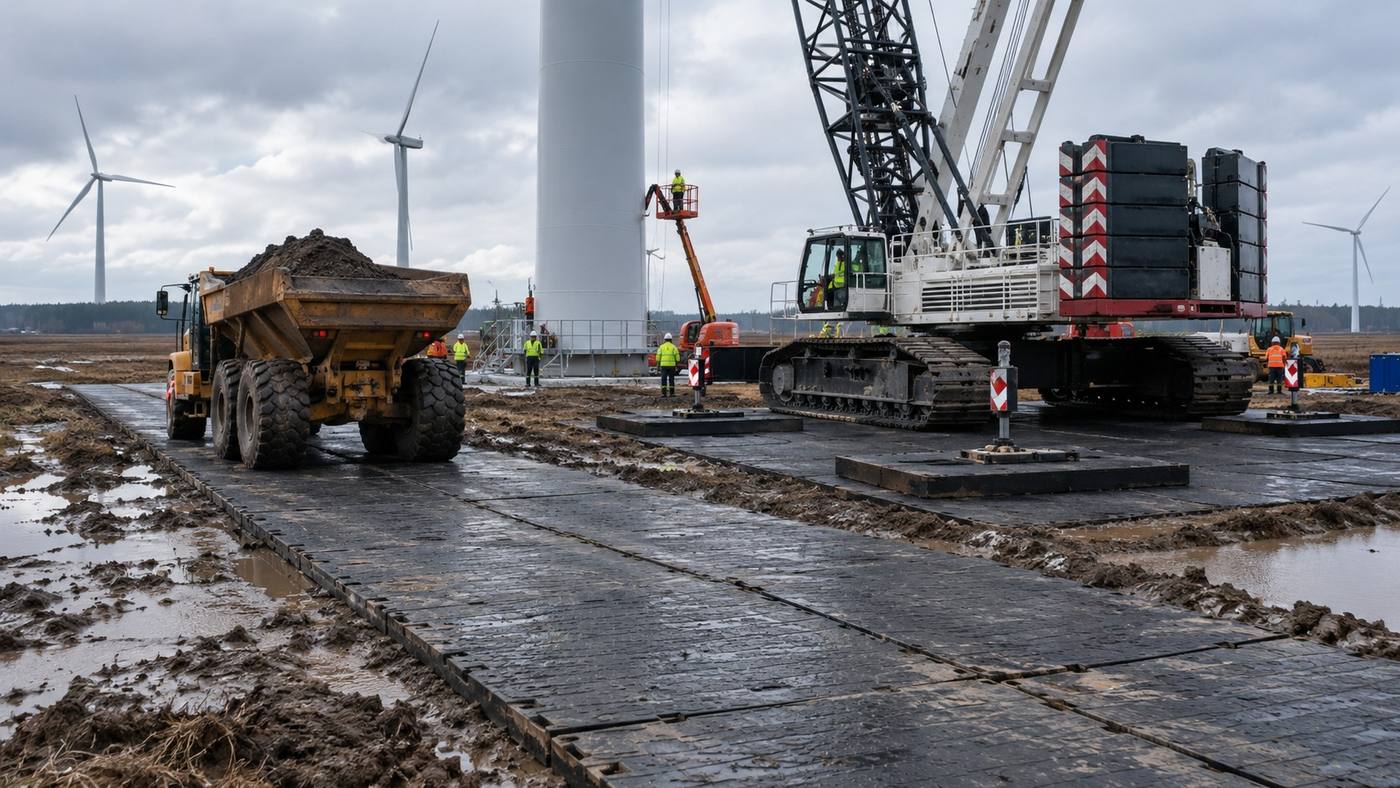
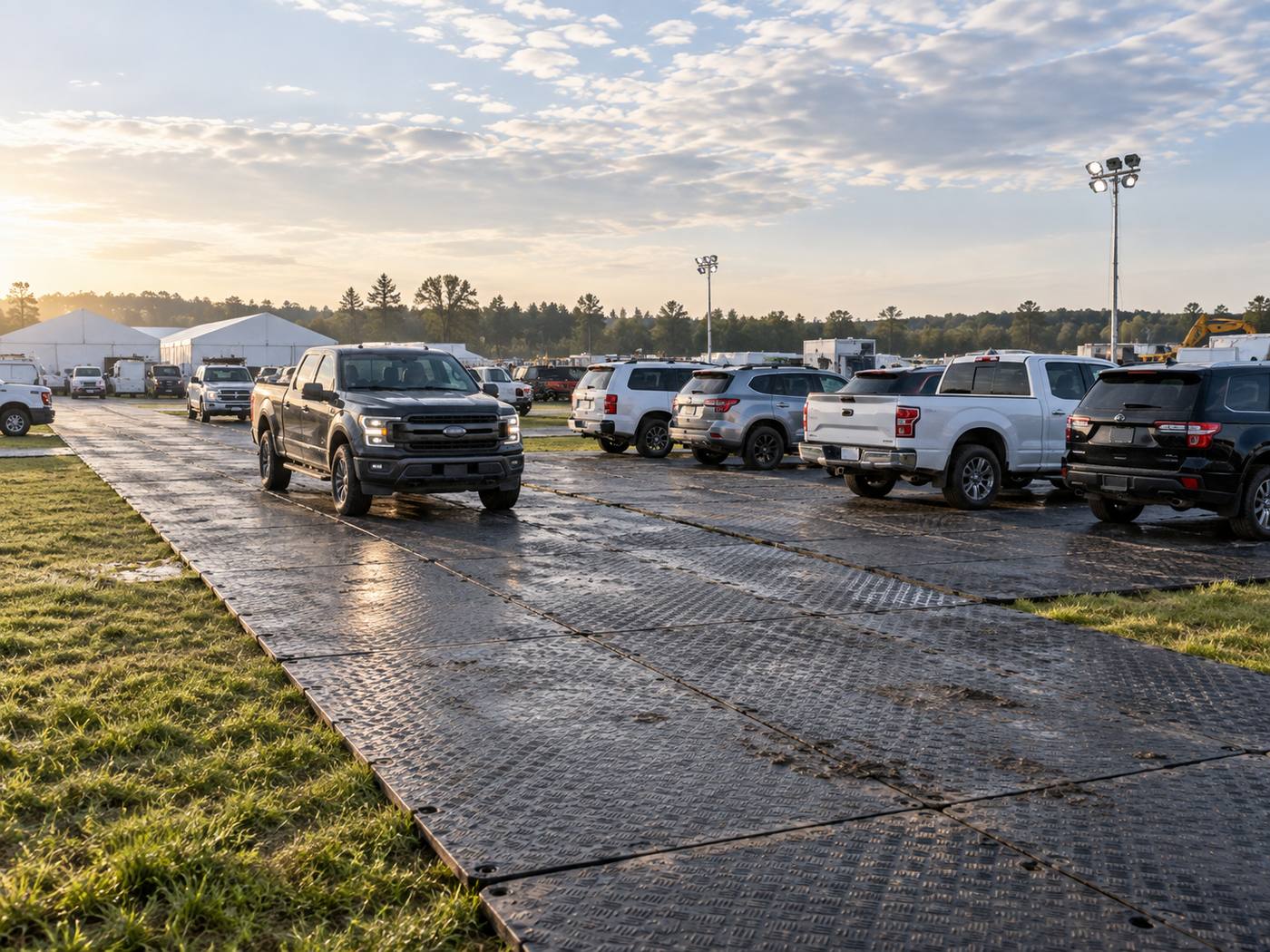
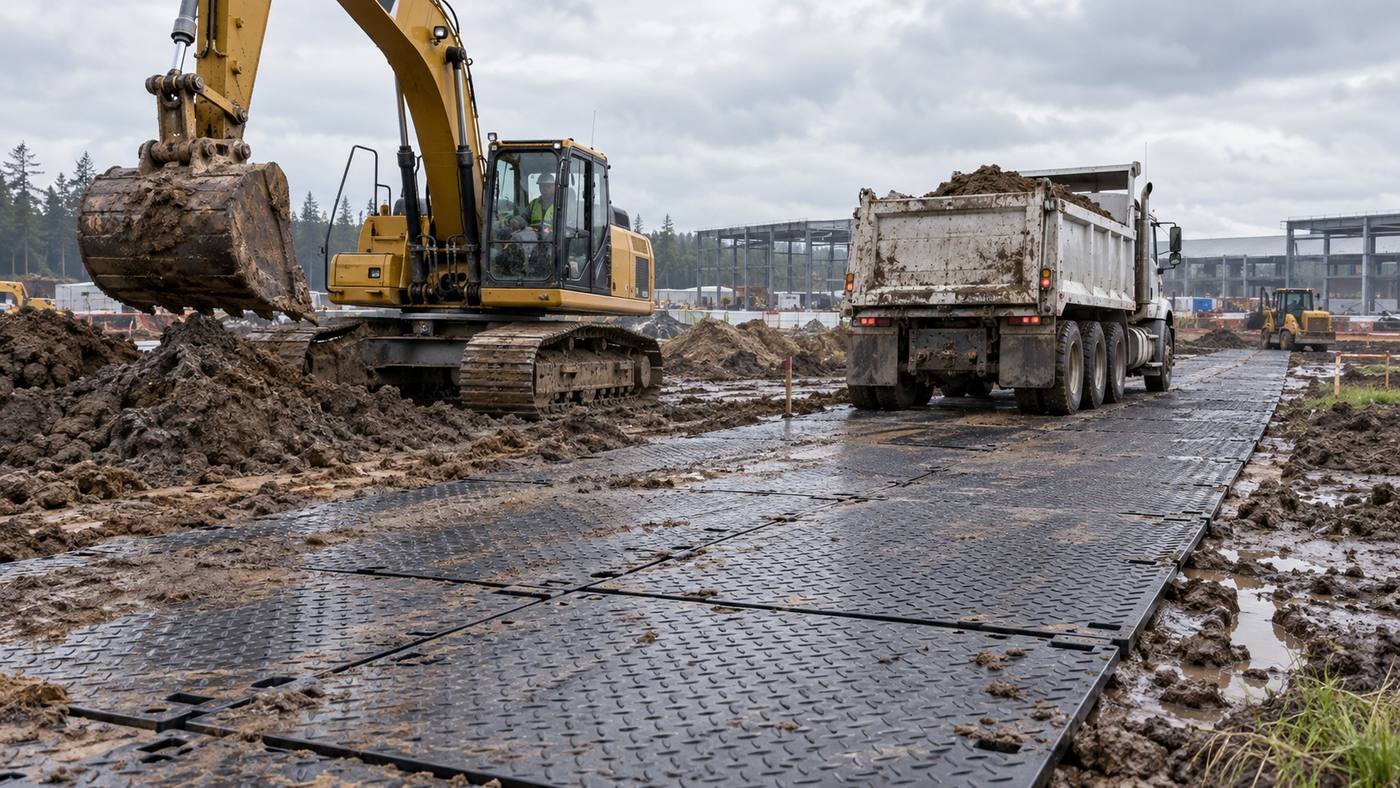
Figure: Continuous access to and from rigs, slurry and water tankers
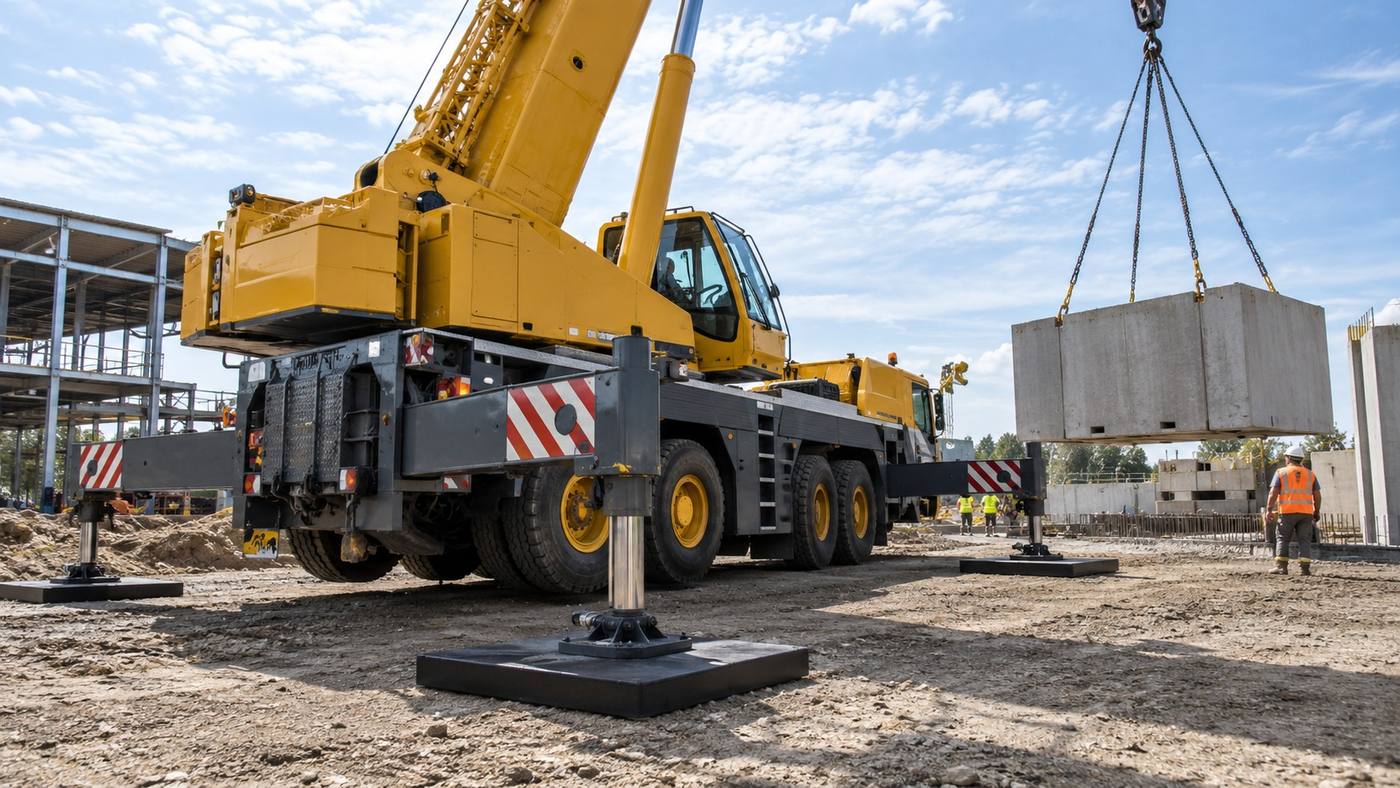
The quality of the installation should be reviewed through photographs and measurements, not just oral confirmation. First to process drainage, pine-dispersion or deform steel plates, then to place pavements and stubs on approved drawings; support systems must be confirmed by qualified personnel in conjunction with the equipment manual. Any need for temporary blocks of wood, random cutting of angles, forced porosity or stacking should be returned to the technicians for re-evaluation.
Maintainers need to know how normal traces of products differ from dangerous injuries. The production of field illustrative maps around sedimentation, horizontality, full-scale exposure to pads and mud spills is more effective than simply writing “watch out”. If the efficiency of the narrow wrong-car and tyre mud impacts continues to increase with the number of times used, the payload, foundation or material should be analysed to exceed the original conditions, and a restriction, speed limit or suspension measure should be applied until confirmed.
Cost models should cover procurement, transport, installation, maintenance, cleaning, storage and evacuation sites, taking into account stoppages and back-to-work as a result of the effects on efficiency of narrow faulty vehicles and tyre mud. A baseline of one month or a full rainy season could be used to evaluate the improvement programme. In the absence of a sufficient sample, uncertainty should be clearly marked and the full year ' s benefits should not be inferred from a successful case.
Prior to the issuance of the purchase order, the project manager should confirm the use of the same version of data by the technical, HSE, operational and logistics parties. The examples of specifications in this paper are not commitment values and the actual application is influenced by materials, temperature, foundation and installation. The full extent of the work will allow the vendor to make targeted recommendations on the size, quantity, packaging and spare parts of the pavement and the mats.
Need for further evaluation of the actual project?
Applications, sizes, quantities, site photographs or drawings and delivery destinations are sent, on which we can identify more suitable products and processing programmes.