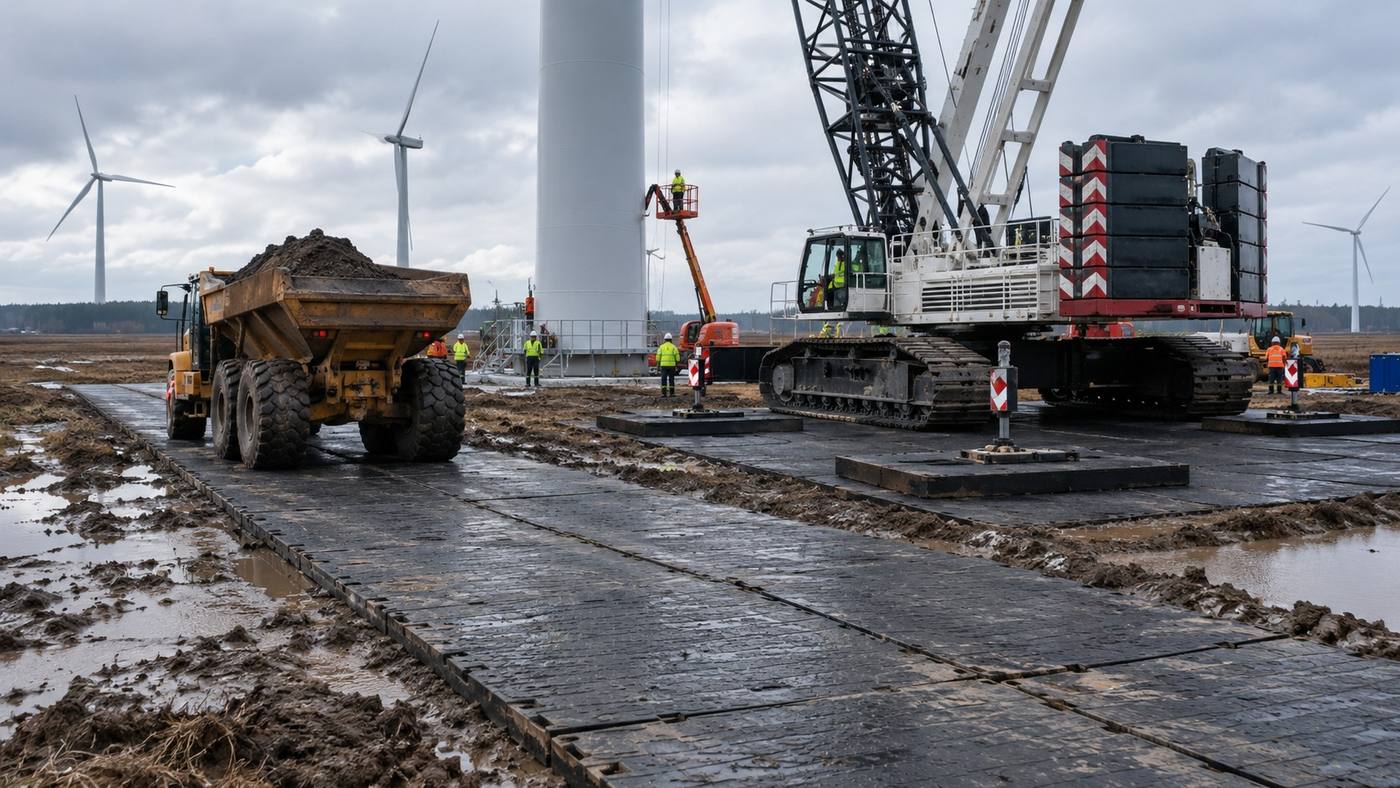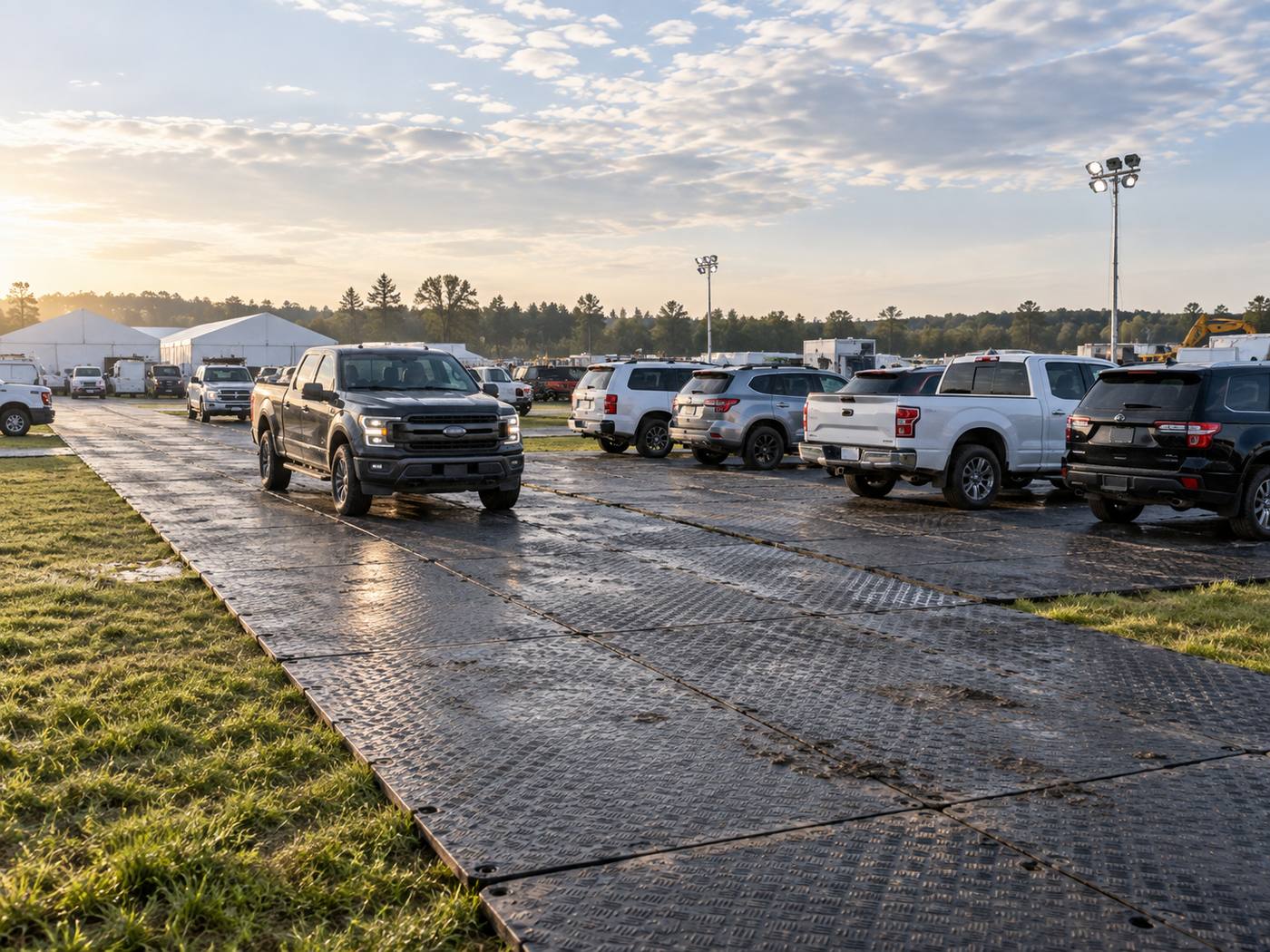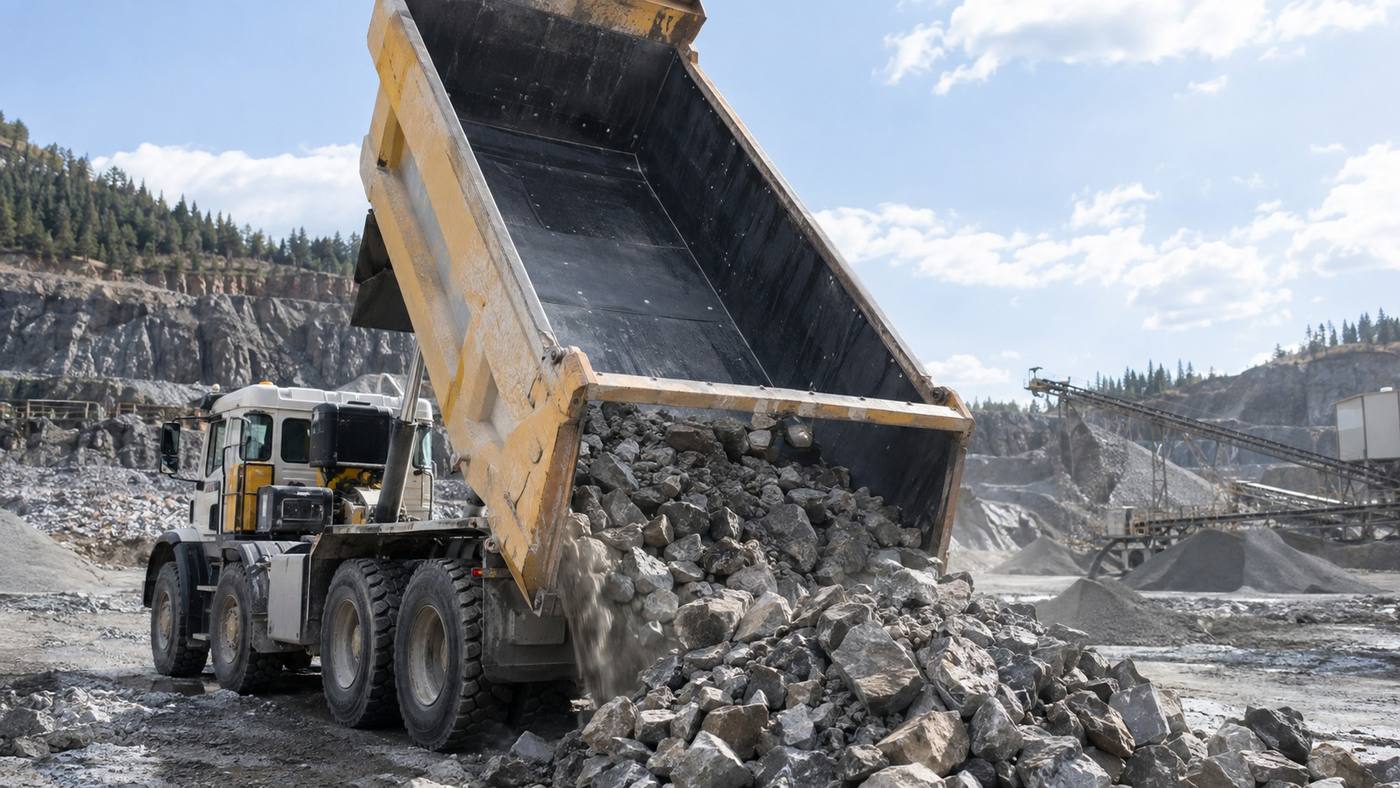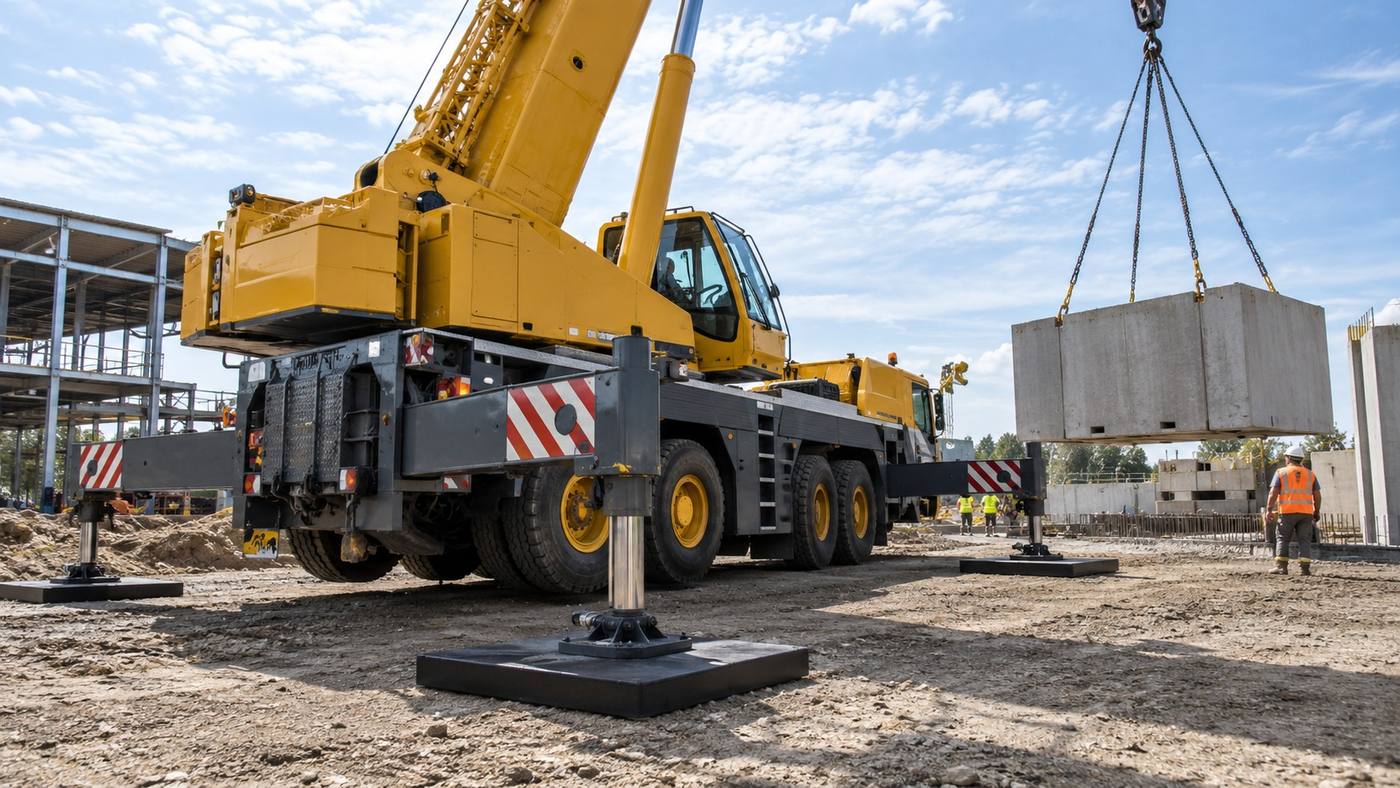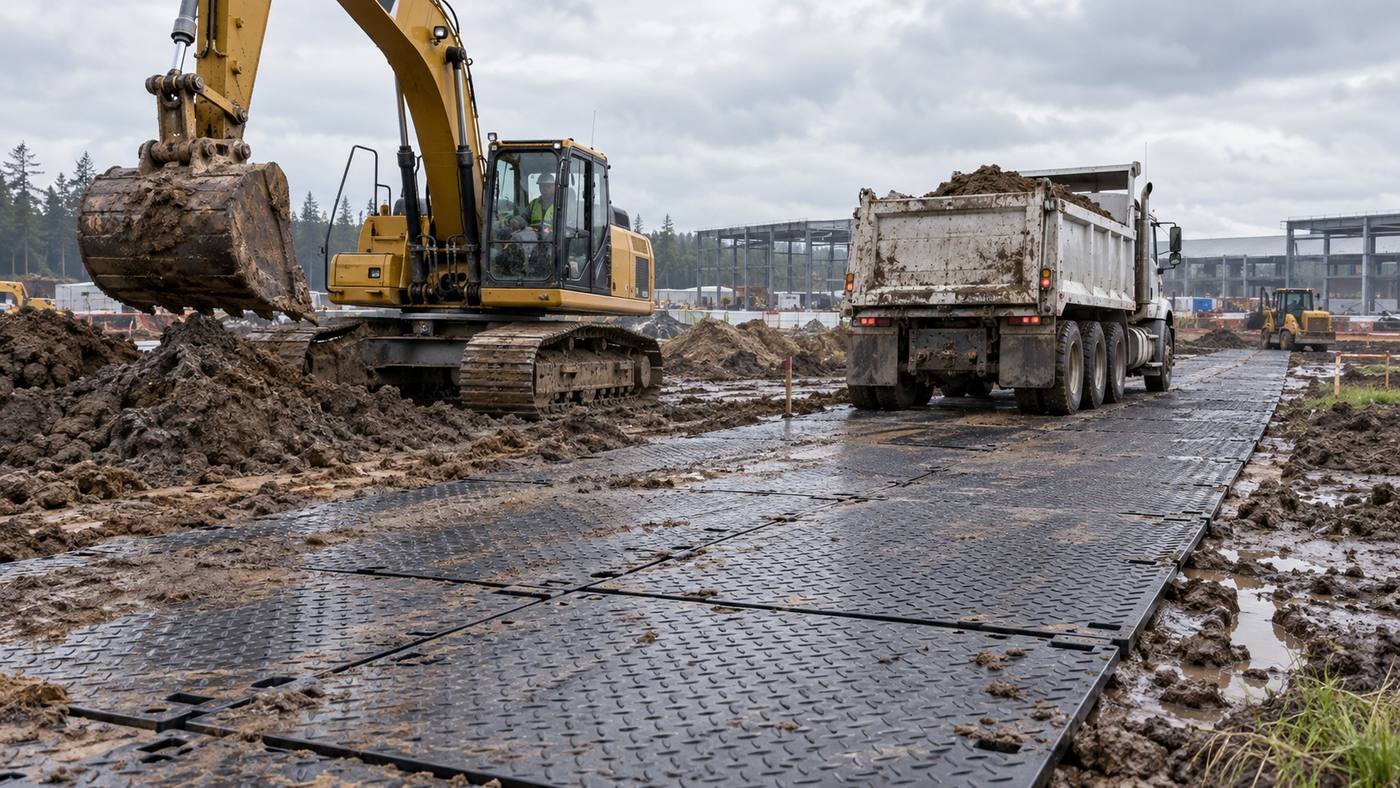
The wet slide area between the slurry pond, the pump and the drill appears to be a local operational problem, which actually affects vehicle cycle, equipment utilization and on-site risk. The site should record the location, time and weather of the failure and confirm whether the spill-contaminated passages were accompanied and the supporting foundations were weakened. The evidence is more suitable for selection and subsequent impact assessment than for a single visual test.
The basic information required on this topic includes the total weight of the equipment, the maximum reversibility of the points, the height of the mast, the durability of the ground, the perforation and the conditions of mud. Upon completion of the survey, separate slurry management and vehicle routes could be used as an initial option to set up encircles, discharges and scavengers, and to allow the supplier to explain the application of the pavement and the mat, the tests from which the data were derived and the circumstances that were not within the guaranteed range. Clear border conditions are more valuable to the project party than the single maximum carrying figure and facilitate future acceptance and accountability.
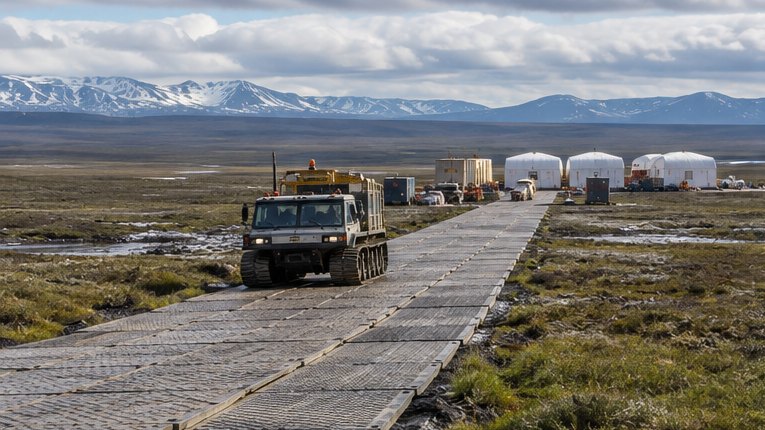
Figure: wet slide area between slurry ponds, pumps and drills
If on-site space is restricted, progress cannot be moved by reducing the necessary coverage or moving points to the edge. Traffic organization, equipment stationing or installation should be re-checked so that the slurry management and vehicle routing are separated, and silos, discharges and washable surfaces have sufficient operational space. Support systems must be confirmed by qualified personnel in conjunction with the equipment manual. The first round of operations is reviewed immediately after completion, and early relaxation or relocation is usually easier to correct than long-term damage.
Once operational, pre-class and post-hot weather focus on sedimentation, horizontality, full-stealing and mud spills. It is recommended that each key component be numbered and that the inspection date, location, vehicle or equipment, unusual photographs and processing results be included in the desk account. Tools that do not cut the surface of polymers should be used in cleaning; permanent deformation, cross-cracking, pore tearing or abnormal grinding should be isolated and treated according to manufacturer standards.
Purchase prices are only part of the cost from a life cycle perspective. Installation, removal, cleaning, decommissioning, spare parts, return belts or steel structural repairs should also be calculated. Once the data are built around spill-contaminated pathways and the supporting foundations are weakened, the project will be able to determine whether the separation of mud management and vehicle routes, the setting of encirclements, discharges and washable layers actually reduces the combined costs and provides a reusable basis for the next procurement.
Prior to the issuance of the purchase order, the project manager should confirm the use of the same version of data by the technical, HSE, operational and logistics parties. The examples of specifications in this paper are not commitment values and the actual application is influenced by materials, temperature, foundation and installation. The full extent of the work will allow the vendor to make targeted recommendations on the size, quantity, packaging and spare parts of the pavement and the mats.
Need for further evaluation of the actual project?
Applications, sizes, quantities, site photographs or drawings and delivery destinations are sent, on which we can identify more suitable products and processing programmes.