The high cold areas, which are frequently frozen around the clock, appear to be a local operational problem, which actually affects vehicle cycle, equipment utilization and on-site risk. The site should record the location, time and weather of the failure and confirm whether or not the base strength of the road should drop as a result of the accumulation of melting water. The evidence is more suitable for selection and subsequent impact assessment than for a single visual test.
Prior to the design of the programme, it was proposed to collect vehicle axle loads, tyre landings, road slopes, curve radiuss, water-bearing rates and grass-roots loads. When communicating with suppliers, photographs, size charts and the most unfavourable work conditions should be provided, rather than giving only one “mass tonnage”. The more appropriate control actions for this topic are: pre-positioning of drainage, monitoring of soft points and adoption of recoverable modularization channels. The material number, the size of the finished product, the thickness difference, the surface texture, the connection or fixation, the working temperature, and the test conditions for the data are also to be confirmed when the pavement board is involved. The usual specifications of 15, 20, 25 or 30 mm can only serve as the starting point for the request for quotations and cannot directly substitute for the engineering judgement.
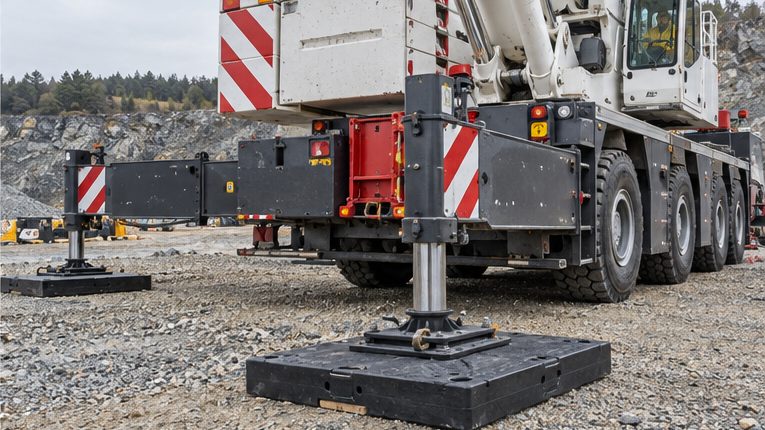
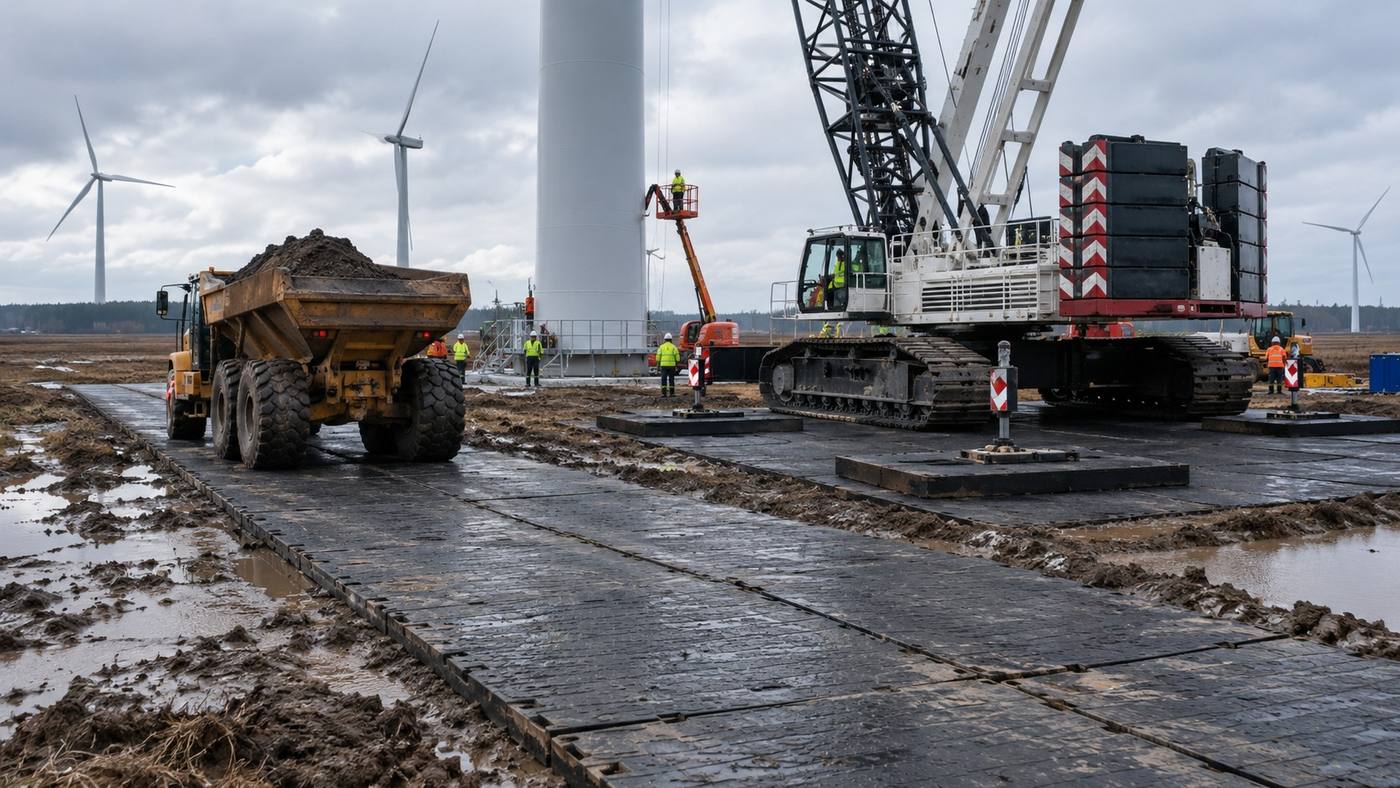
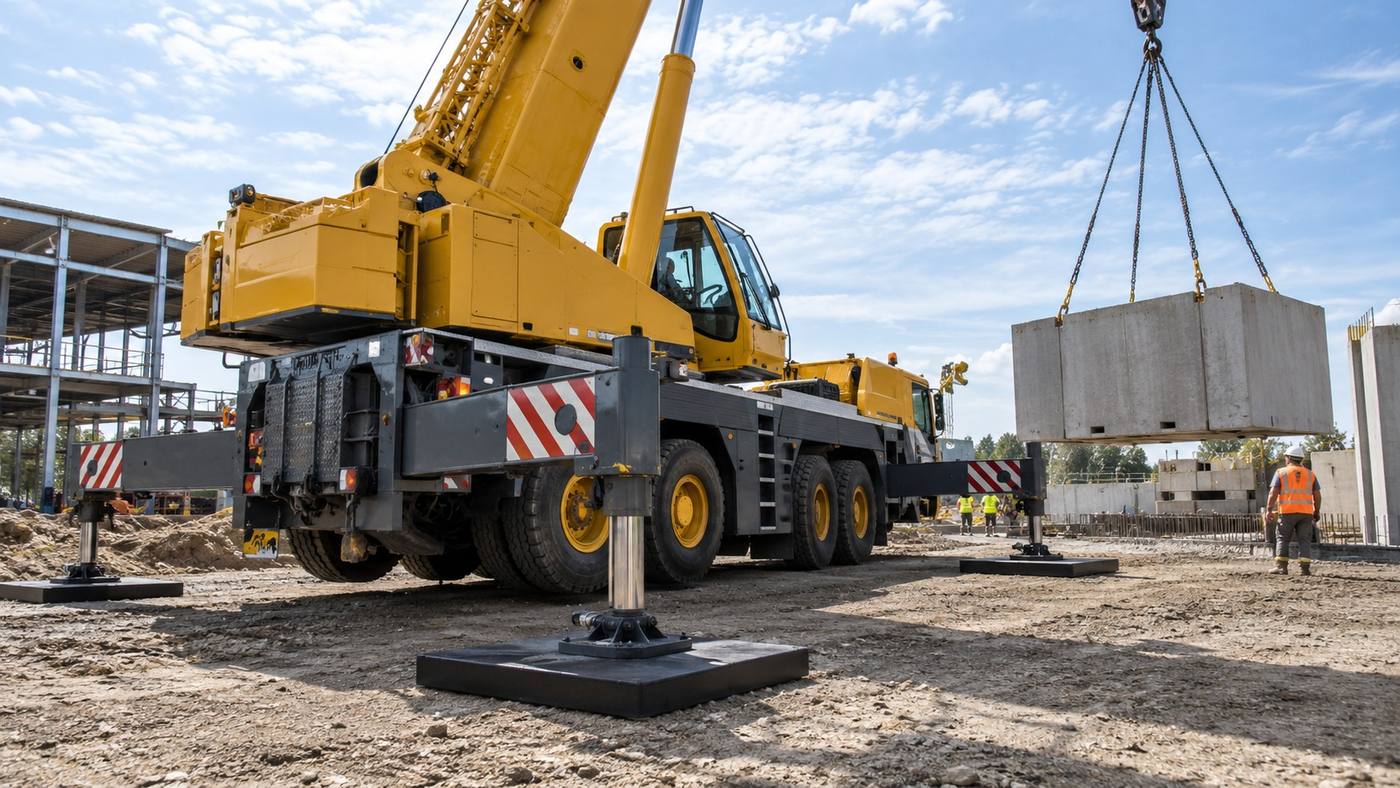
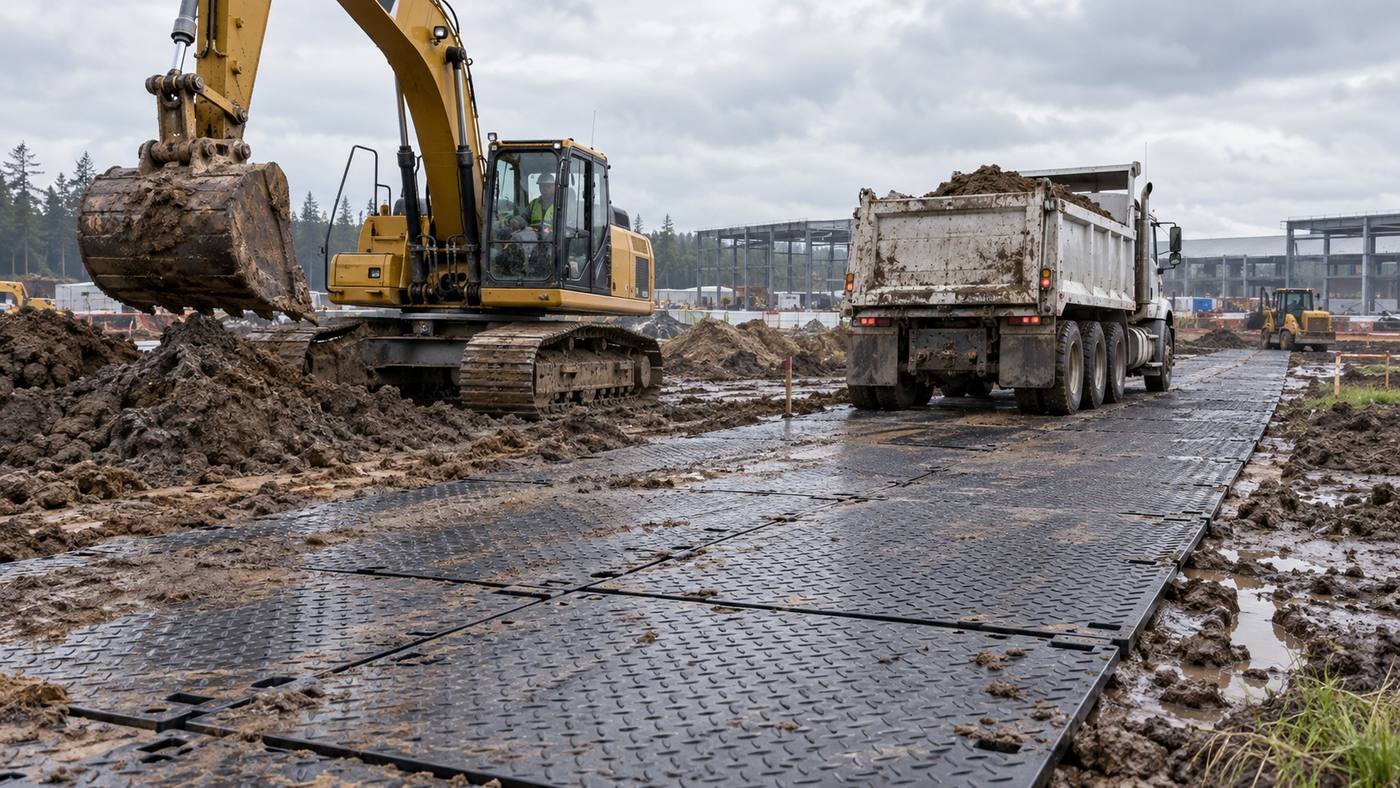
Figure: High-cold areas with frequent night and day freezing
The quality of the installation should be reviewed through photographs and measurements, not just oral confirmation. First, it treats drainage, cedars or deforming steel plates and then lays them on approved drawings; it treats them as temporary surfaces rather than ground-based alternatives. Any need for temporary blocks of wood, random cutting of angles, forced porosity or stacking should be returned to the technicians for re-evaluation.
A shorter review cycle could be used at the beginning of the operation to confirm that the product has stabilized and is adjusted. The inspection included drainage vents, sews, edges and soft spots, and also observed whether operators complied with speed limits, lifting or moving requirements. Deep mouths, burns, permanent warp, loose-stretched solids and perforations are expanded and photo measurements should be made; parts that meet the decommissioned conditions must be placed in separate lists.
If the project is ready to expand its application, it is recommended that it be preceded by a common review of operations, maintenance, security and procurement. Operators confirm the ease of use, maintenance staff confirm the feasibility of inspection and replacement, security personnel check the conditions for decommissioning, and procurement staff deliver spare parts in comparison with spare parts. Multiple views can test whether the retention of drainage, the monitoring of soft points and the adoption of recoverable modularization channels are truly implementable outside paper.
This section may serve as a live discussion list, but not as a separate construction permit. Mines should form a formal programme combining geological, vehicle, lifting, drilling and environmental management systems. If a request for an offer is made to the Carthage Plastics industry, please attach a worksheet, drawings and photographs, and request that the recommended results be accompanied by assumptions and no scope of application.
Need for further evaluation of the actual project?
Applications, sizes, quantities, site photographs or drawings and delivery destinations are sent, on which we can identify more suitable products and processing programmes.