When discussing how to plan the quantity of goods to be delivered for containerized purchases in remote mining areas, the objectives should first be to restore temporary access, maintain equipment stability, improve the integrity of discharges or extend the life of the vehicle. While MOQ is containerized and on-site replenishment cycles often contain multiple objectives, purchasing only on the basis of current demand may lack losses and expansion residuals, which are often the first to be exposed weaknesses. Quantifying the problem would avoid the use of temporary products as a panacea.
Prior to the design of the programme, it was recommended to collect project drawings, equipment data, environmental conditions, product specifications, quantity, delivery, packaging and trade terms. When communicating with suppliers, photographs, size charts and the most unfavourable work conditions should be provided, rather than giving only one “mass tonnage”. More appropriate control actions for this topic are the determination of quantities in combination with the containerization programme, batches of installation, spare parts ratio and storage capacity. For three types of products, the material number, the size of the finished product, the thickness difference, the surface texture, the connection or fixation, the working temperature, and the test conditions for the data. The usual specifications of 15, 20, 25 or 30 mm can only serve as the starting point for the request for quotations and cannot directly substitute for the engineering judgement.
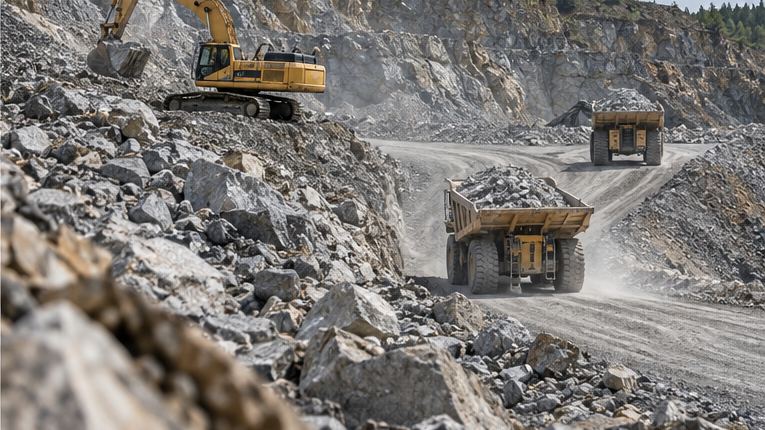
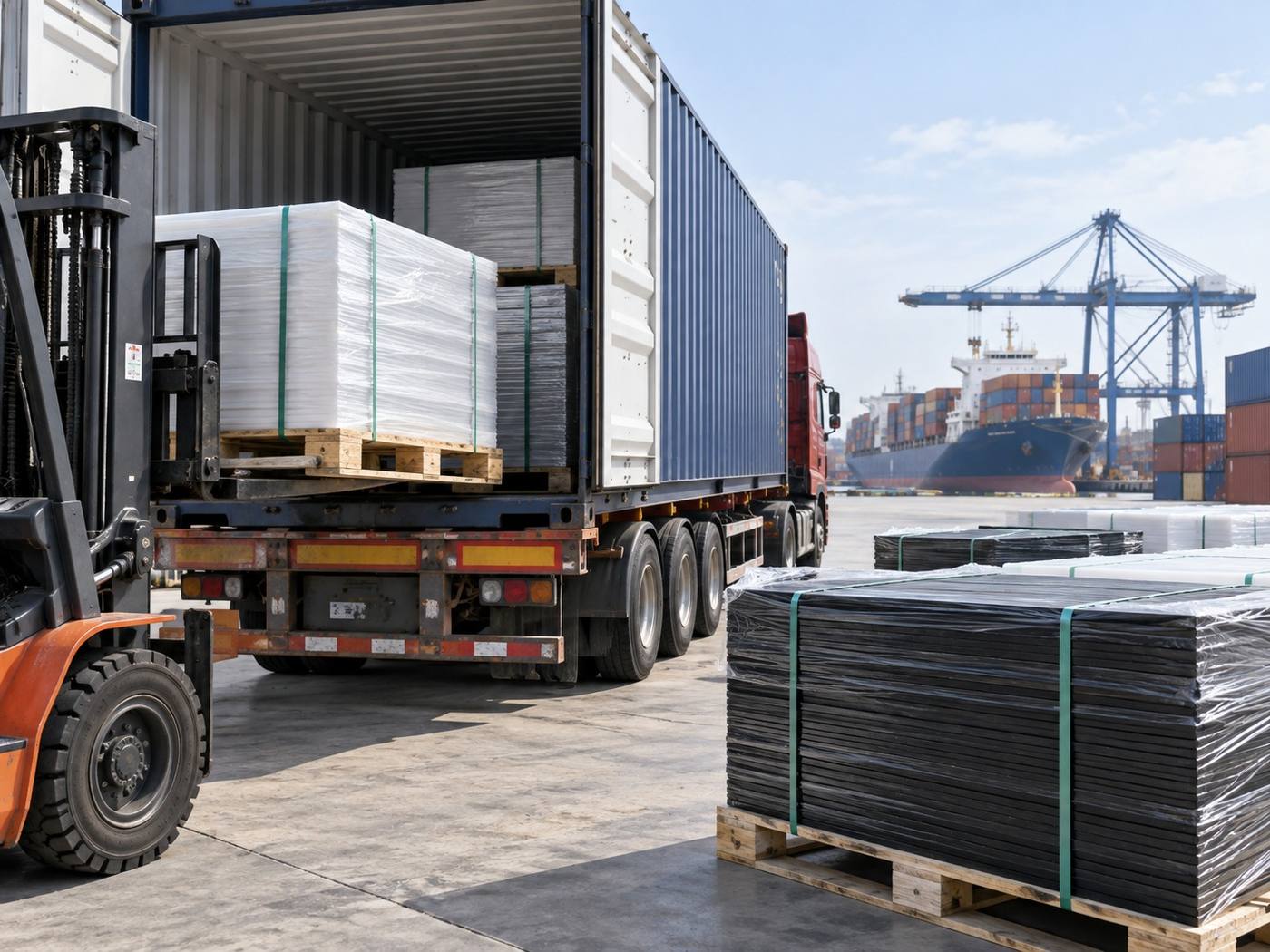
Figure: MOQ by container and live replenishment cycle
Prior to implementation, a pre-operational meeting could be arranged to identify who would confirm the basis, who would accept the three categories of products and who would be entitled to cease operations. Comparable offers must be based on the same border conditions. The site is positioned according to numbering and drawings, and every section completed checks size, edge, connection or rigidity, without leaving all questions to the end. The rhythms should be reduced during the trial period to observe whether only current requirements may result in a lack of wear and tear and the re-emergence of the expansion surplus.
Once operational, pre-class and extreme weather focus on size differentials, document versions, cabinet lists and arrival and inspection. It is recommended that each key component be numbered and that the inspection date, location, vehicle or equipment, unusual photographs and processing results be included in the desk account. Tools that do not cut the surface of polymers should be used in cleaning; permanent deformation, cross-cracking, pore tearing or abnormal grinding should be isolated and treated according to manufacturer standards.
Receiving and inspection information shall keep the product batch, installation chart, site photographs, initial dimensions and trial running records. In the event that future purchases based only on current needs may lack loss and expansion, it is possible to judge whether the anomaly arises from initial installation, changes in condition or natural wear and tear. For reusable pavements or leg pads, this set of records will also facilitate the rapid matching of suitable locations for the next transfer.
The conclusions can be summarized as identifying borders, selecting three types of products and then validating them with inspection data. Products shall not be used as substitutes for unsatisfactory foundations, damaged equipment or illegal operations. Where a person is involved in entering a dangerous area, a stop, quarantine and locking procedure shall be carried out; where a load and stability are involved, a review and written basis shall be carried out by a qualified person.
Need for further evaluation of the actual project?
Applications, sizes, quantities, site photographs or drawings and delivery destinations are sent, on which we can identify more suitable products and processing programmes.