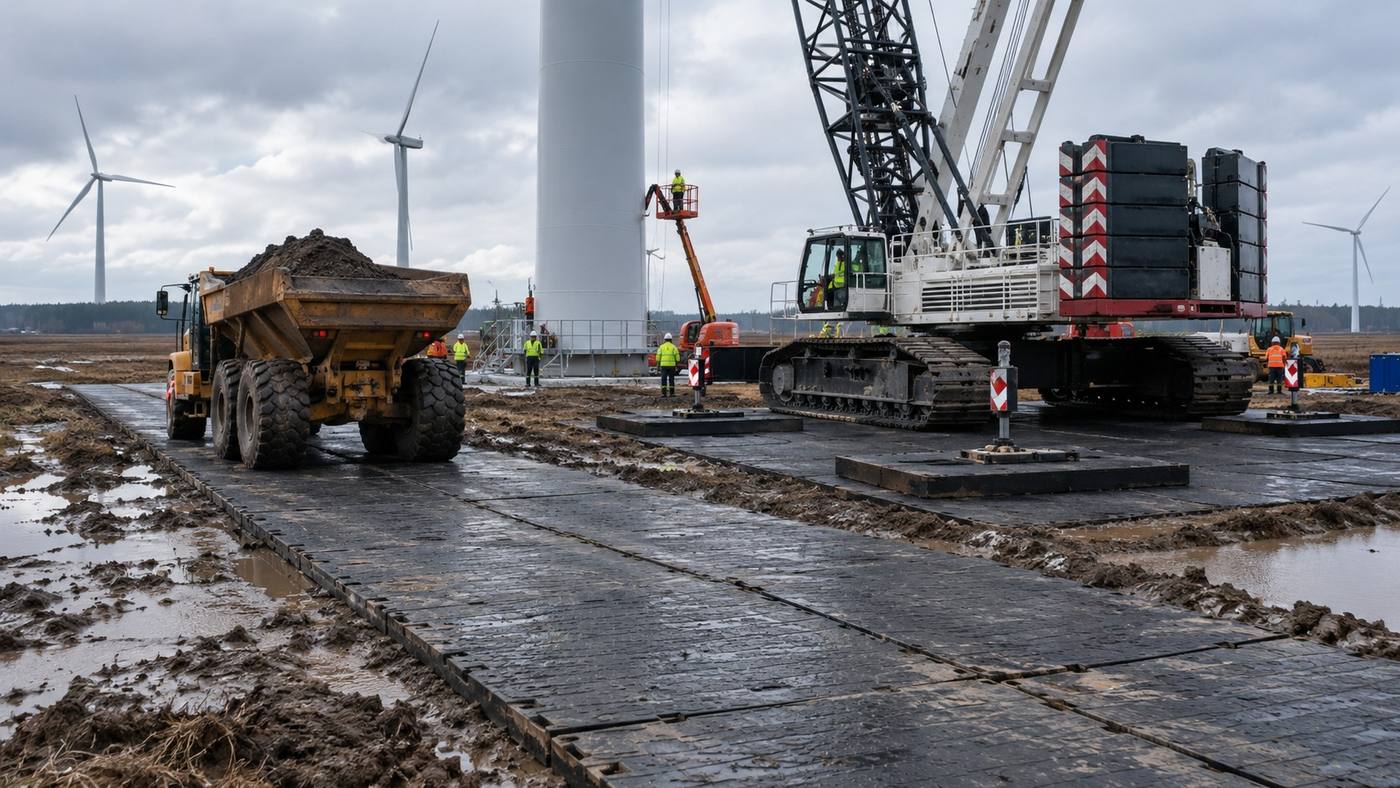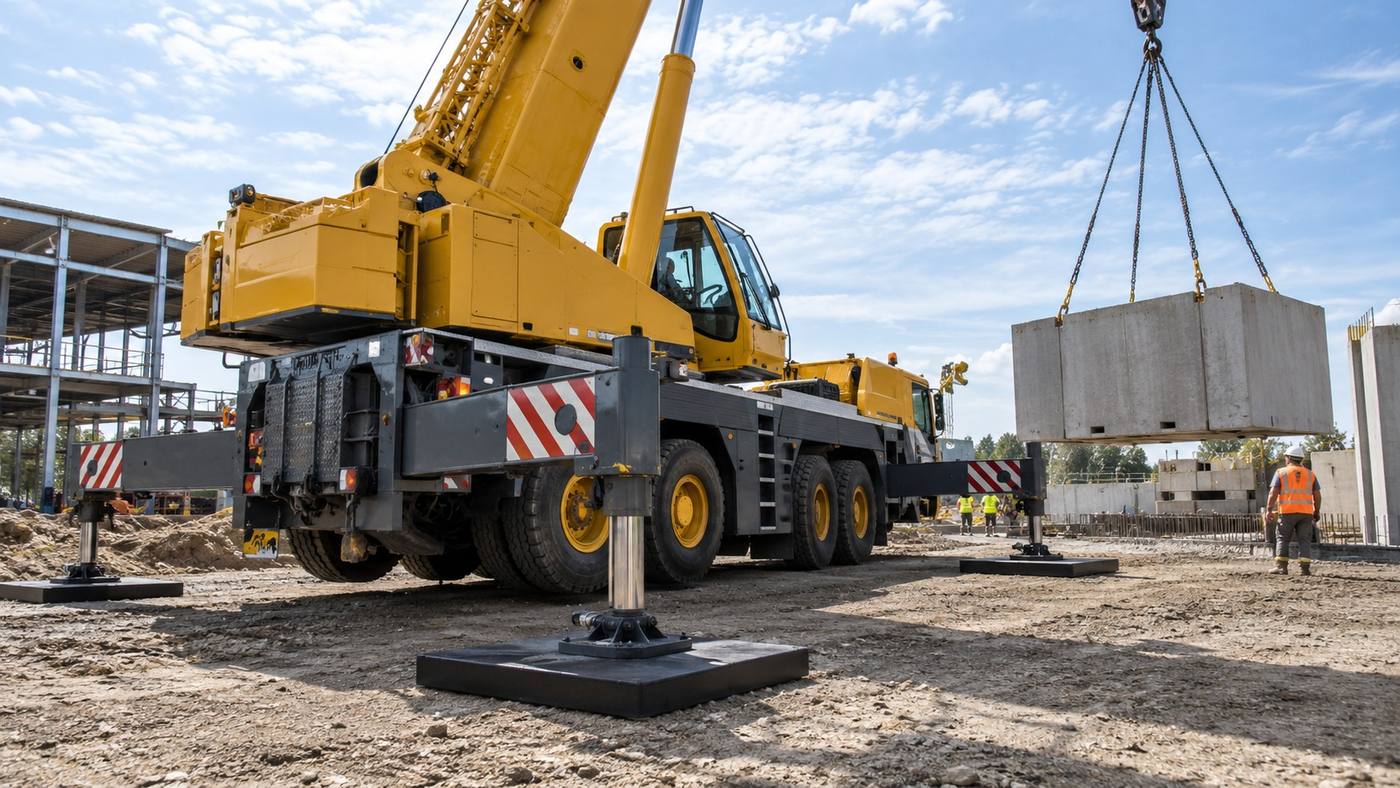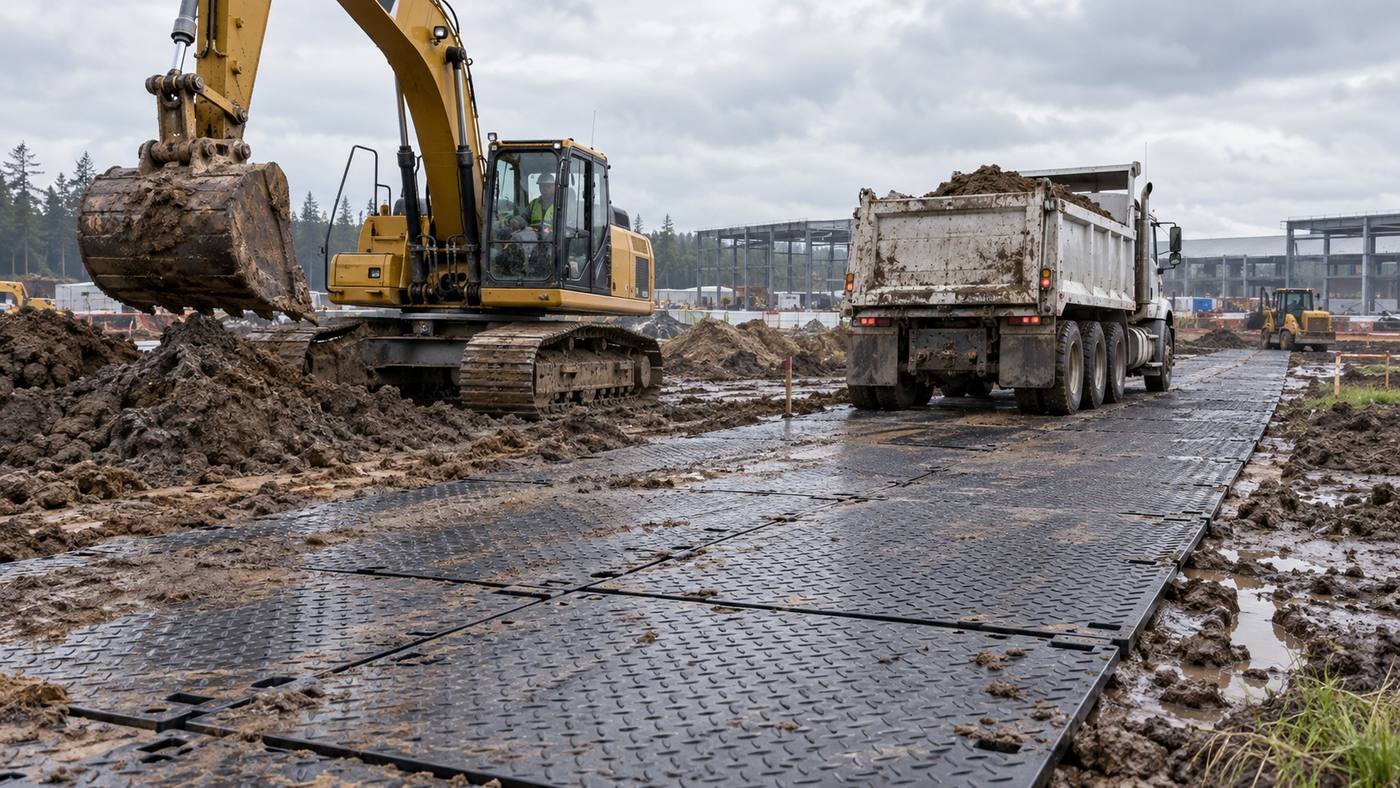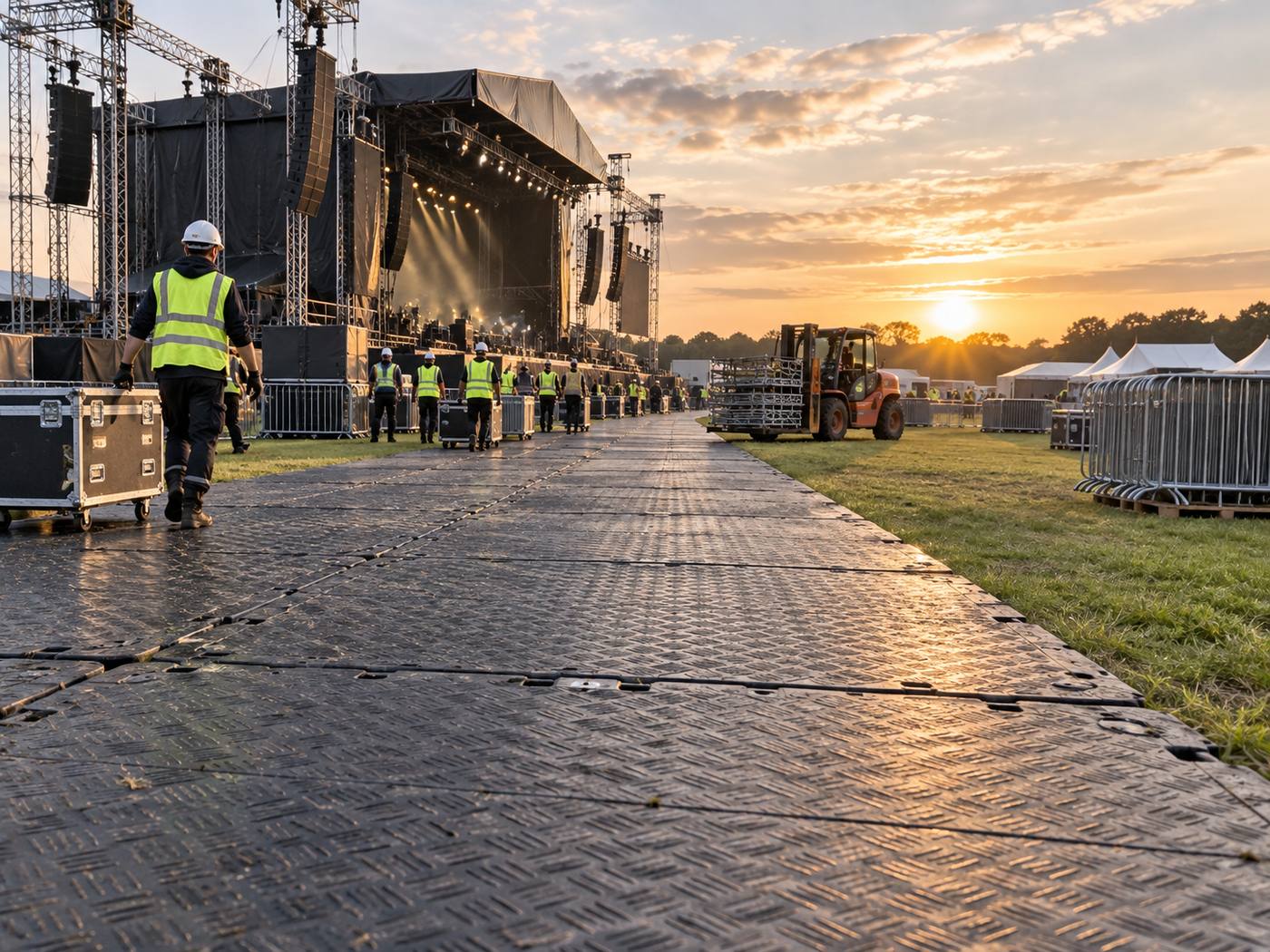
In order to answer how the night-time mine hanger looks at the fall of the leg, it would be preferable to observe from a full operating cycle rather than looking only at static photographs. In the case of night-time inspections where lighting conditions are limited, loading, driving, turning, parking or lifting can alter the stress state, and minor movement, water accumulation and cleavage on the edges are not easily detected only in a given action. To match the movement to the anomaly, we can find effective improvements.
Prior to the design of the programme, it was recommended to collect the crane condition, the length of the crane arm, the revolving position, the maximum retroactivity of the leg, the foot size and the ground-based load. When communicating with suppliers, photographs, size charts and the most unfavourable work conditions should be provided, rather than giving only one “mass tonnage”. More appropriate control actions for this topic are the installation of dazzling lighting, reference tags and personal monitoring. The material number, the size of the finished product, the thickness difference, surface texture, connection or fixation, the working temperature and the test conditions for the data are also to be confirmed when it is involved with the leg cushion. The usual specifications of 15, 20, 25 or 30 mm can only serve as the starting point for the request for quotations and cannot directly substitute for the engineering judgement.
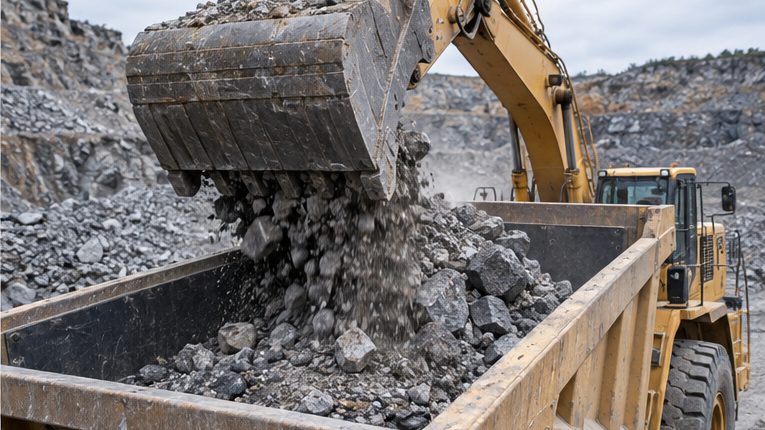
Chart: Night repairs with limited lighting conditions
If on-site space is restricted, progress cannot be moved by reducing the necessary coverage or moving points to the edge. Transport organization, equipment station or installation should be re-checked so that there is sufficient space for dazzling, benchmarking and specialized human monitoring. The leg pad extended the area of stress but could not repair the unsatisfactory foundations. The first round of operations is reviewed immediately after completion, and early relaxation or relocation is usually easier to correct than long-term damage.
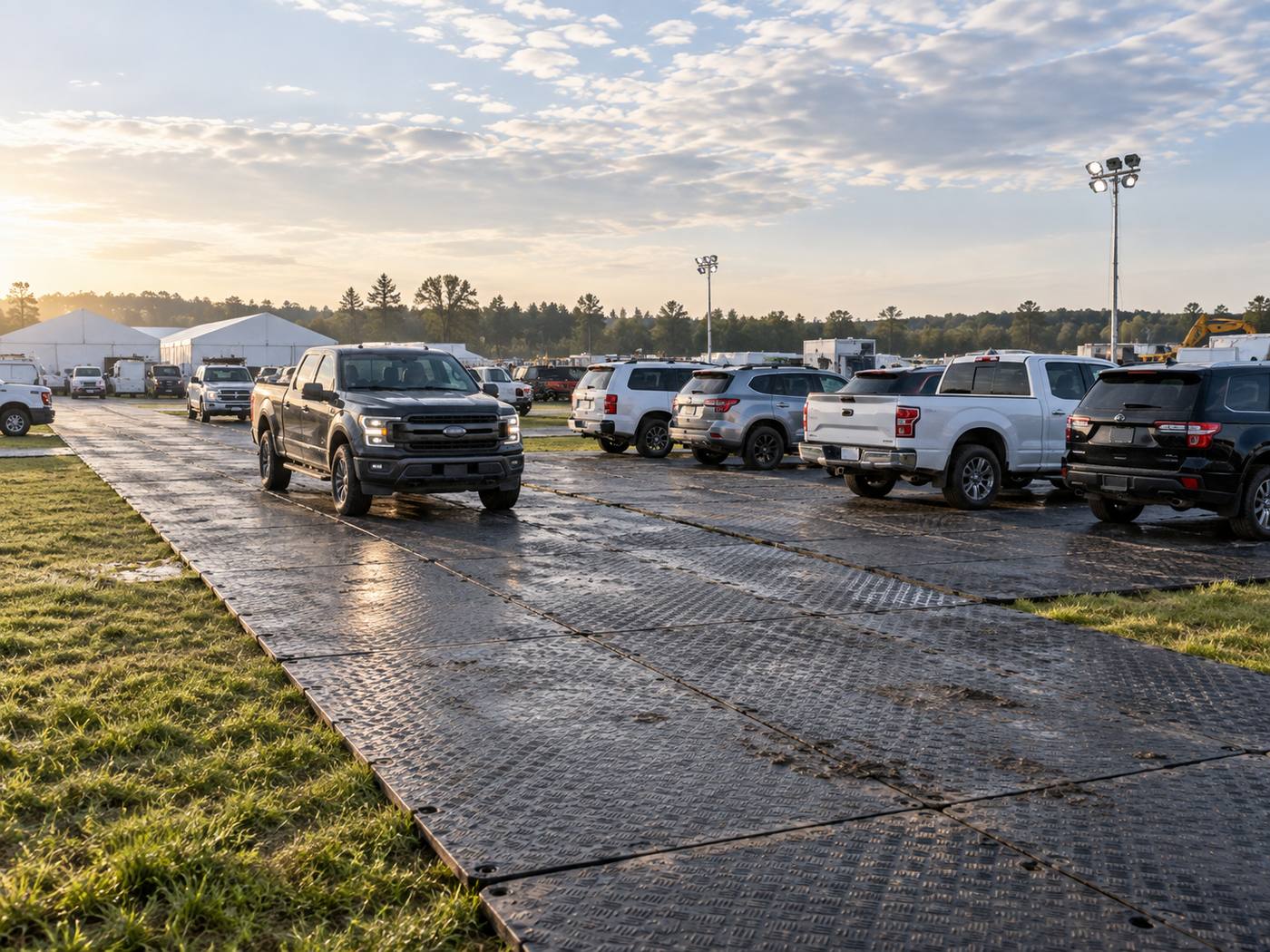
Maintainers need to know how normal traces of products differ from dangerous injuries. The production of site illustrations around deposition, slide, edge distance and underground facilities is more effective than simply writing “watching”. In the case of small-scale transport, water build-up and edge cracking, which are not likely to increase with the number of times used, the payload, foundation or material should be analysed as to whether it exceeds the original conditions and, pending confirmation, a limit, speed limit or suspension measure.
Purchase prices are only part of the cost from a life cycle perspective. Installation, removal, cleaning, decommissioning, spare parts, return belts or steel structural repairs should also be calculated. Once data are created around small-scale migration, water build-ups and edges that cannot easily be discovered, the project will be able to determine whether the installation of dizziness-free lighting, benchmarking and specialized monitoring actually reduces the combined costs and provides a reusable basis for the next procurement.
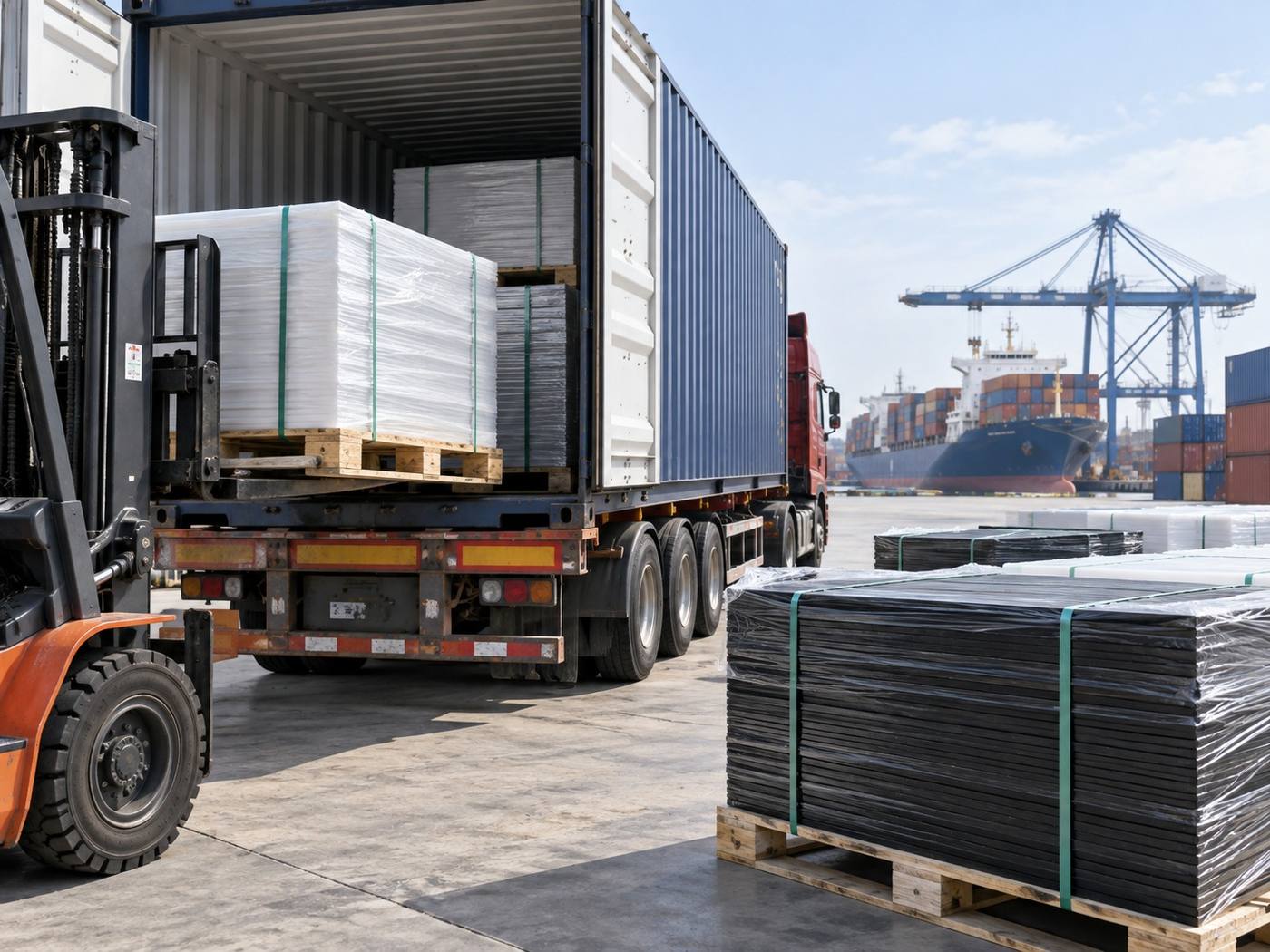
Prior to the issuance of the purchase order, the project manager should confirm the use of the same version of data by the technical, HSE, operational and logistics parties. The examples of specifications in this paper are not commitment values and the actual application is influenced by materials, temperature, foundation and installation. The complete performance will allow the vendor to make a targeted recommendation on the size, quantity, packaging and spare parts of the pads.
Need for further evaluation of the actual project?
Applications, sizes, quantities, site photographs or drawings and delivery destinations are sent, on which we can identify more suitable products and processing programmes.